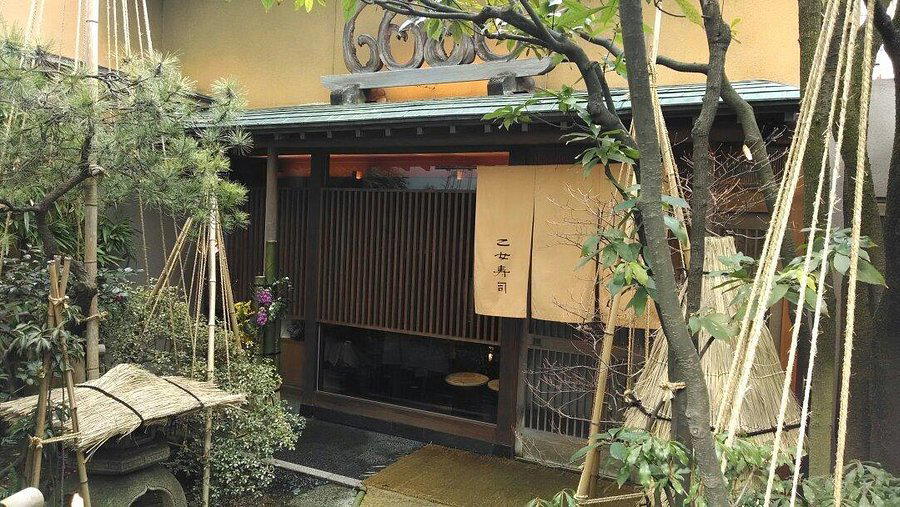
Kanazawa has long maintained a culinary identity distinct from Kyoto and Tokyo, and Kaiseki Tsuruko sits at the centre of that argument. Founded in 1965, the restaurant has spent six decades refining Kaga-domain kaiseki, the regional school of multi-course dining that draws on the former feudal domain's agricultural wealth and places seasonal produce at the structural core of every meal rather than treating it as decoration. The format follows the classical kaiseki sequence, from sakizuke through to rice and dessert, with each course calibrated to the moment in the agricultural calendar. Spring courses have featured combinations such as takana and nanohana alongside tai, served in lacquered ceramic, while chawanmushi and mukōzuke preparations draw on whatever the Noto coastline and surrounding farmland offer at that point in the season. The broth work, reportedly a defining characteristic of the kitchen, is built to carry the cumulative flavour of its components rather than to assert a single dominant note. The restaurant's standing within the profession is visible in the chefs it has produced. At least one graduate of the Tsuruko kitchen, having trained there for five years before opening an independent kaiseki counter in 2025, has carried the Kaga approach into a new generation of Kanazawa dining. That kind of lineage, where a restaurant functions as a formal training institution as much as a destination, is a reliable indicator of technical seriousness in the Japanese kaiseki world. Kanazawa itself receives a fraction of the international attention directed at Kyoto, despite sharing many of the same craft traditions, which means Tsuruko operates in a city where the audience for this level of kaiseki is predominantly domestic and regional. Reservations should be arranged well in advance, and Japanese-language communication is advisable when booking directly. For anyone spending time in Ishikawa Prefecture, this is where sixty years of Kaga kaiseki practice is most concentrated.
Pearl is the En Primeur Club membership app — saves, bookings, and concierge access live there. Same editors, same standards.
- Address
- 高岡町6-5, 金沢市, 石川県, 920-0864
- Directions
- Get directions
 Saves & bookings on Pearl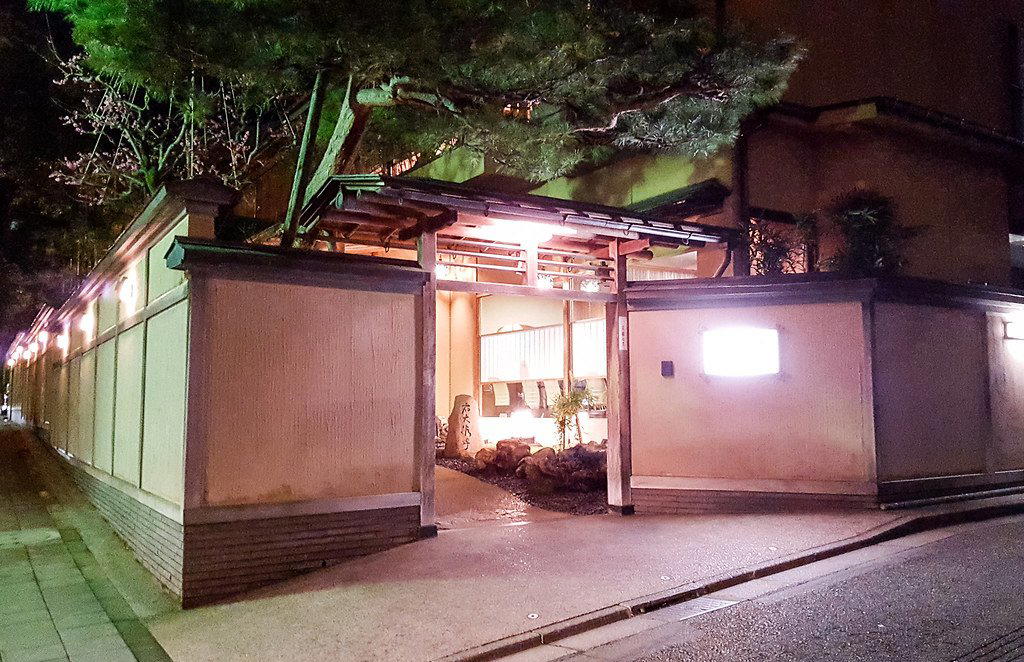
Kanazawa has long maintained a culinary identity distinct from Kyoto and Tokyo, and Kaiseki Tsuruko sits at the centre of that argument. Founded in 1965, the restaurant has spent six decades refining Kaga-domain kaiseki, the regional school of multi-course dining that draws on the former feudal domain's agricultural wealth and places seasonal produce at the structural core of every meal rather than treating it as decoration.
The format follows the classical kaiseki sequence, from sakizuke through to rice and dessert, with each course calibrated to the moment in the agricultural calendar. Spring courses have featured combinations such as takana and nanohana alongside tai, served in lacquered ceramic, while chawanmushi and mukōzuke preparations draw on whatever the Noto coastline and surrounding farmland offer at that point in the season. The broth work, reportedly a defining characteristic of the kitchen, is built to carry the cumulative flavour of its components rather than to assert a single dominant note.
The restaurant's standing within the profession is visible in the chefs it has produced. At least one graduate of the Tsuruko kitchen, having trained there for five years before opening an independent kaiseki counter in 2025, has carried the Kaga approach into a new generation of Kanazawa dining. That kind of lineage, where a restaurant functions as a formal training institution as much as a destination, is a reliable indicator of technical seriousness in the Japanese kaiseki world.
Kanazawa itself receives a fraction of the international attention directed at Kyoto, despite sharing many of the same craft traditions, which means Tsuruko operates in a city where the audience for this level of kaiseki is predominantly domestic and regional. Reservations should be arranged well in advance, and Japanese-language communication is advisable when booking directly. For anyone spending time in Ishikawa Prefecture, this is where sixty years of Kaga kaiseki practice is most concentrated.
Reputation & Price
Comparable venues nearby, for context on price, style, and recognition.
| Venue | Cuisine | Price | Notes |
|---|---|---|---|
| Kaiseki Tsuruko (つる幸)This venue — the venue you are viewing | Takaoka-machi, Traditional Kaga Kaiseki | $$$$ | Not listed |
| 木佐貫 | Tokiwamachi, Kanazawa Kaiseki Omakase | $$$$ | Not listed |
| Tobi | Not listed | $$$$ | Kanazawa, High-end Kanazawa Sushi Omakase |
| 蕎味 櫂 | Kanazawa, Kappo-Style Kaiseki | $$$$ | Not listed |
| Rokkaku Do | Not listed | $$$ | Kanazawa, Traditional Japanese Teppanyaki Steakhouse |
| Sushi Dokoro Mekumi | Nonoichi, Traditional Japanese Omakase | $$$$ | Not listed |
Continue exploring
More in Kanazawa
Restaurants in Kanazawa
Browse all →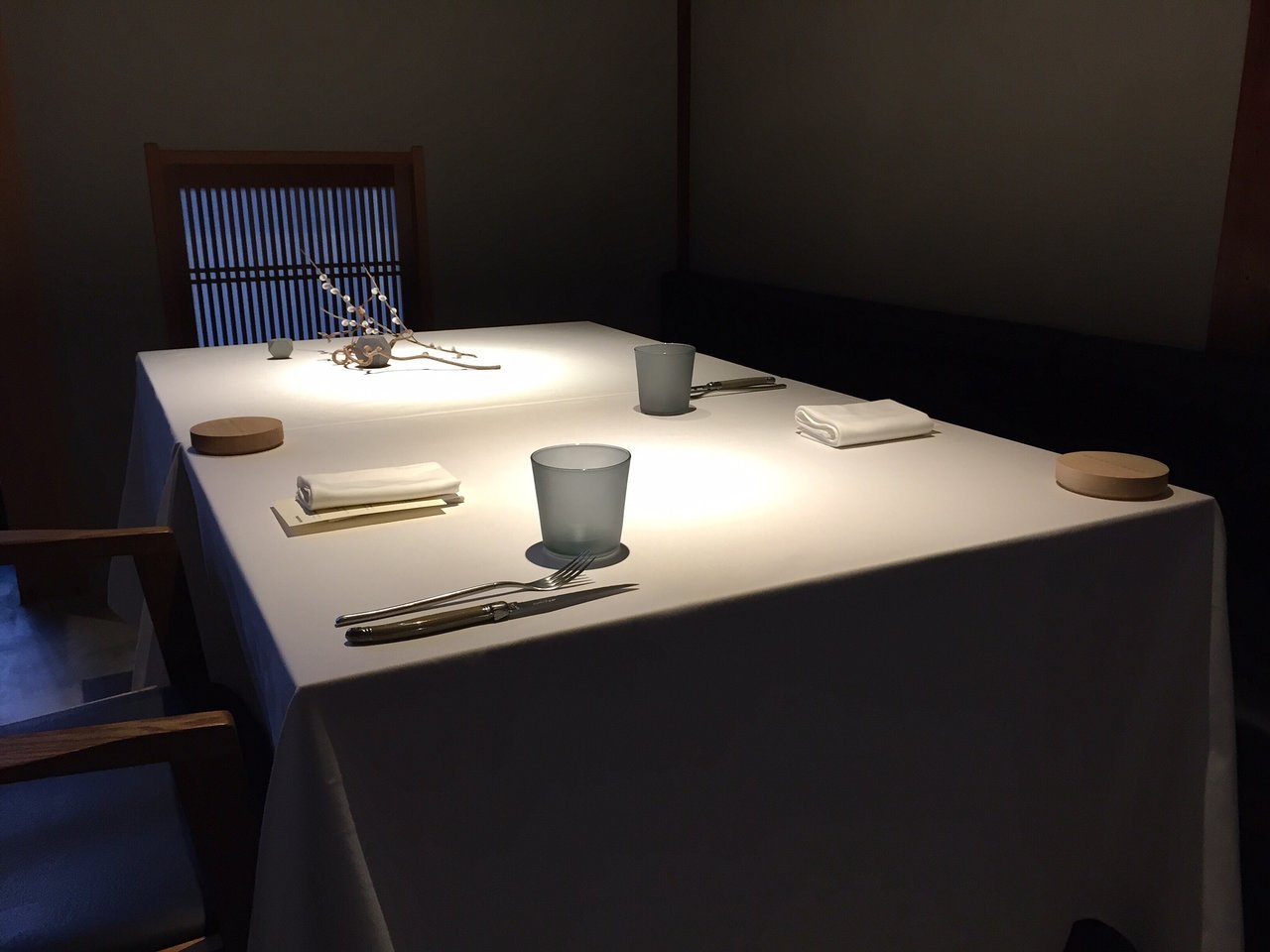
Bars in Kanazawa
Browse all →
Hotels in Kanazawa
Browse all →
Wineries in Kanazawa
Browse all →
At a Glance
- Elegant
- Intimate
- Sophisticated
- Special Occasion
- Private Dining
- Sake Program
- Local Sourcing
- Garden
Current opening hours
- Monday
- 6–10 PM
- Tuesday
- 6–10 PM
- Wednesday
- 6–10 PM
- Thursday
- 6–10 PM
- Friday
- 6–10 PM
- Saturday
- 6–10 PM
- Sunday
- 6–10 PM
Hours can change for holidays and private events. Last verified .
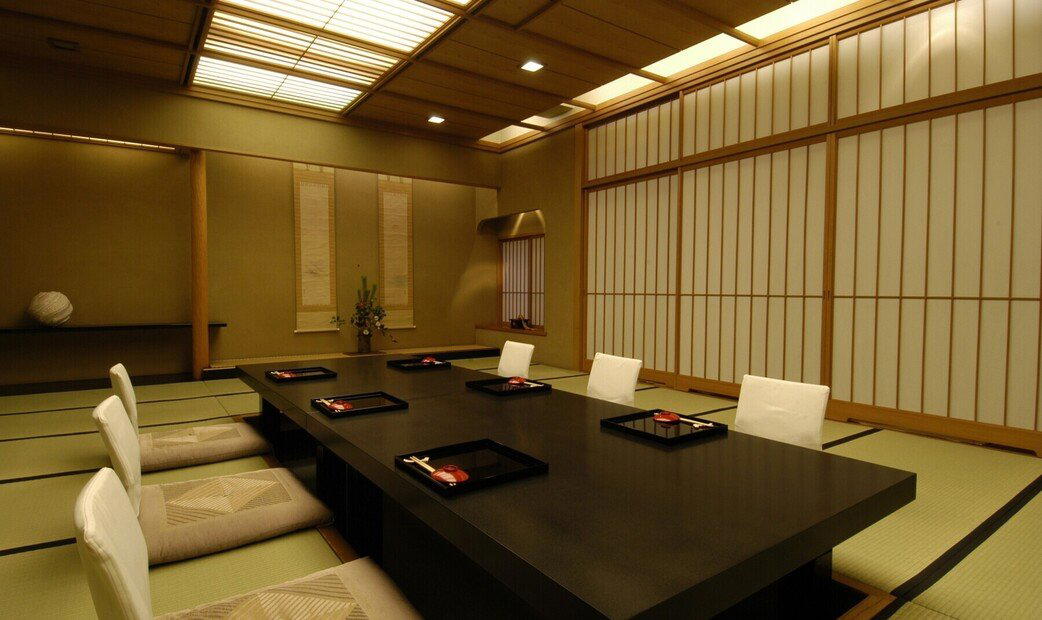
Highly intimate and private dining atmosphere with refined, elegant service and a focus on seasonal courtyard garden views.
Know Before You Go
- Getting there
- 高岡町6-5, 金沢市, 石川県, 920-0864