
Tabelog 100 #86
Our verdict
Kyoto’s wagashi culture treats sweets as part of ceremony, not an afterthought. Kagizen Yoshifusa Shijou honten belongs to that older Gion register: a Japanese sweets café with 62 table seats, take-out service, repeat Tabelog 100 recognition for sweets and wagashi, and a price band that keeps it closer to an afternoon ritual than a formal kaiseki occasion.

Pearl is the En Primeur Club membership app, where members save venues, book tables and use the concierge.
The menu
What to order
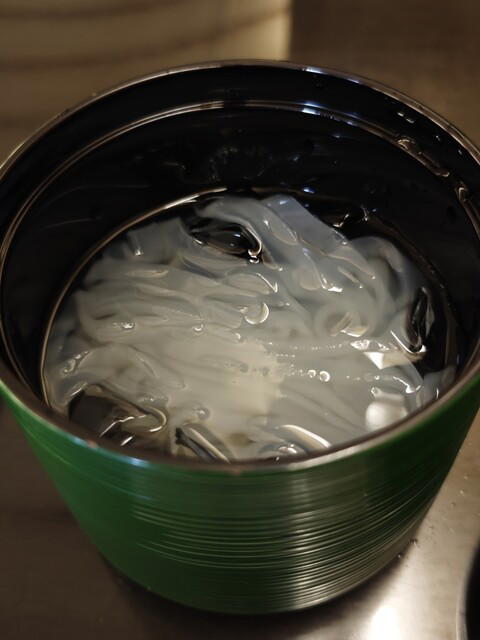
- Kuzukiri
- Seasonal namagashi (fresh wagashi)
- Mizunashi (seasonal sweet)
- Matcha with wagashi set
Kyoto asks visitors to slow down: shopfronts narrow, noren curtains soften thresholds, and sightseeing shifts toward ceremony. Here, wagashi is not Western-style dessert but a calibrated pause tied to tea, season, presentation, and Kyoto hospitality. Kagizen Yoshifusa Shijou honten sits inside that tradition: a sweets café and confectionery address where the café format and sweet-making focus reflect a city that has long treated sugar with discipline.
That matters for occasion dining. Kyoto celebrations are not always long tasting menus or private rooms. Some are quieter: a family stop during a day out, a multigenerational afternoon in Kyoto, or friends meeting where setting matters more than spend. Its café format makes it more approachable than many formal dining rooms, while its 2023 Tabelog Hyakumeiten recognition gives it standing in the city’s specialist sweets tier. The signal is continuity, not excess.
Kyoto's wagashi ritual, scaled for a proper afternoon pause
Kyoto dining is often flattened into formal meals and temple-adjacent cuisine, but its sweet shops tell an equally precise story. Wagashi depends on restraint: portion, shape, temperature, and the meeting of sweetness and bitterness in tea culture. A serious wagashi café is therefore unlike a pastry shop or coffeehouse. The point is not abundance but timing: a controlled interval when formality can be brief without becoming casual.
Kagizen Yoshifusa Shijou honten occupies that middle ground. It is recognised in the 2023 Tabelog Hyakumeiten listings, with a published score of 3.78 and categories spanning café, Japanese sweets, and Japanese traditional sweets. That places it beyond general cafés and souvenir sweet counters, and apart from full-service restaurants. In a Kyoto itinerary, it works as a deliberate anchor, not filler between stops.
The Kyoto dining field clarifies its role. Oito represents another Kyoto register, Gombei another everyday rhythm, and Saika a different counterpoint. Wagashi sits apart because it is tied as much to season and etiquette as hunger. For travellers mapping a day around texture rather than status, a sweets café can carry celebration’s emotional weight without dinner’s structure.
That suits milestones without theatre: birthdays with older relatives, a post-ceremony stop, a first Kyoto afternoon, or a calm meeting before an evening reservation. The JPY 1,000 to JPY 1,999 price band keeps the gesture modest, but the setting gives it occasion. Kyoto excels at that inversion, turning a short stop into a remembered part of the day.
Why recognition matters more here than chef mythology
Wagashi houses are rarely understood through contemporary dining’s chef-driven language. The craft is collective, repetitive, and seasonal; authority comes from consistency, not personality. Awards and format signals are therefore more useful than biography. Tabelog’s 2023 Hyakumeiten recognition is a meaningful trust marker because it places the shop within a specialist context, not merely a broad restaurant popularity conversation.
The format reinforces this. A sweets café can serve locals collecting confectionery, visitors taking a break, families managing different appetites, and pairs wanting a quiet hour without committing to dinner. That range can dilute lesser cafés. In Kyoto’s stronger wagashi rooms, it becomes civic function: sweets shop as meeting place, gift source, and seasonal marker.
For a fuller Kyoto food itinerary, the contrast helps. Other Kyoto dining rooms may answer different appetites, from casual savoury stops to contemporary restaurants and more formal tables. Wagashi offers another axis: not heavier, not lighter, simply more ceremonial.
Kyoto also rewards comparison within sweets traditions. Other sweet shops may follow a different rhythm, closer to quick eating, gift buying, or a more casual ritual. Together, these formats show why Kyoto’s sweet scene is not one category. Some shops are built around movement and immediate gratification; others, including Kagizen Yoshifusa Shijou honten, are pauses.
How to place it in a Kyoto itinerary
Use it by day, not as a dinner substitute. Kyoto is easy to structure around walks, shopping, cultural visits, and an evening progression into other dining. Because specialist cafés can be shaped by daily rhythm, strategy is flexibility, not overplanning: arrive with slack so a wait or a slower pace does not derail the day, especially on weekends, holidays, and peak travel periods.
Families and mixed-age groups may find the format practical. A sweets café is less rigid than a long counter meal and easier to fold into a wider day. This is not the obvious choice for a closed-door celebration; it is better for visible, shared occasions: a parent’s afternoon tea, friends marking a Kyoto reunion, or a low-key anniversary before a later meal.
Payment and service details can vary at smaller specialist shops, so travellers should check current conditions before visiting. The venue’s listed phone number is +81-75-561-1818, and its Tabelog budget is Dinner: JPY 1,000 - JPY 1,999; Lunch: JPY 1,000 - JPY 1,999. The café identity is the stronger editorial reason to come.
For a broader plan, make this the day’s quiet hinge, not the headline. Pair it with restaurant research in Our full Kyoto restaurants guide, lodging context from Our full Kyoto hotels guide, and after-dark pacing from Our full Kyoto bars guide. Travellers extending beyond meals can cross-check Our full Kyoto experiences guide, while wine-focused readers can scan Our full Kyoto wineries guide for another regional lens.
The wider Japan and overseas restaurant map underlines the point: context changes a stop’s meaning. Other dining rooms in Japan and abroad follow different logics, from substantial meals to quick casual stops, bar-led evenings, and destination-led itineraries. Kyoto’s wagashi rooms ask for another measure entirely: not how much spectacle a meal can carry, but how precisely a city can stage a pause.
Frequently asked questions
What should I budget for a meal at Kagizen Yoshifusa Shijou honten?
Pricing at Kagizen Yoshifusa Shijou honten is listed as JPY 1,000 - JPY 1,999 JPY 1,000 - JPY 1,999.
What days is Kagizen Yoshifusa Shijou honten closed?
Published closure details are not provided here; check directly with Kagizen Yoshifusa Shijou honten before visiting.
How do I find Kagizen Yoshifusa Shijou honten?
Kyoto.
What is Kagizen Yoshifusa Shijou honten known for?
Kagizen Yoshifusa Shijou honten is known as a café featuring Japanese sweets and Japanese traditional sweets in Kyoto.
Compact Comparison
Comparable venues for orientation by cuisine and category.
| Venue | Cuisine | Price | Awards | Notes |
|---|---|---|---|---|
| Kagizen Yoshifusa Shijou hontenThis venue (the venue you are viewing) | Traditional Kyoto wagashi & tea house | $10–20 | Tabelog 100 #86 | Not listed |
| YASAKA | French-Inspired Japanese Teppanyaki | Not listed | Not listed | Not listed |
| Saika | Modern Sichuan Chinese | $200–300 | Tabelog Silver #113 | Chinese |
| 祇をん かじ正 | Traditional Kyoto Kaiseki Kappo | $50–100 | Michelin Plate | Not listed |
| Oito | Traditional Japanese Oden | $30–50 | Michelin Bib Gourmand | Oden |
| Gombei | Traditional Kyoto Soba & Udon | $20–30 | Michelin Bib Gourmand | Soba |
Recognition history
Dated appearances from independent guides and award organizations, with the underlying list record or original source where available.
Tabelog 100 #86 · No. 86
Tabelog · Tabelog 100 - Japanese traditional sweets / Japanese sweets cafe - WEST - 2023
Continue exploring
More in Kyoto
Restaurants in Kyoto
All restaurants in Kyoto →
Bars in Kyoto
All bars in Kyoto →

Hotels in Kyoto
All hotels in Kyoto →
Wineries in Kyoto
Browse all →
Details
- Classic
- Quiet
- Well Known
- Solo
- Family
- Casual Hangout
- After Work
- Historic Building
- Standalone
- Design Destination
- A La Carte
- Tea
Current opening hours
- Monday
- Closed
- Tuesday
- 9:30 AM–6 PM
- Wednesday
- 9:30 AM–6 PM
- Thursday
- 9:30 AM–6 PM
- Friday
- 9:30 AM–6 PM
- Saturday
- 9:30 AM–6 PM
- Sunday
- 9:30 AM–6 PM
Hours can change for holidays and private events. Last verified .
A serene, traditional tearoom atmosphere within a historic Gion townhouse, with a calm, quiet mood suited to lingering over matcha and wagashi rather than quick café traffic.