Kabul
Afghan cuisine in the San Francisco Bay Area occupies a quieter lane than the region's more visible South and East Asian dining traditions, and Kabul on El Camino Real in San Carlos represents that underrepresented category at its most committed. The restaurant draws from the slow-cooked, aromatic tradition of Kabul-style cooking, where rice dishes and braised meats define the core register. For the Peninsula, it fills a gap that few other addresses in the corridor attempt.
Pearl is the En Primeur Club membership app — saves, bookings, and concierge access live there. Same editors, same standards.
- Address
- 135 El Camino Real, San Carlos, CA 94070
- Phone
- +16505942840
- Website
- kabulcuisine.com
- Directions
- Get directions
 Saves & bookings on Pearl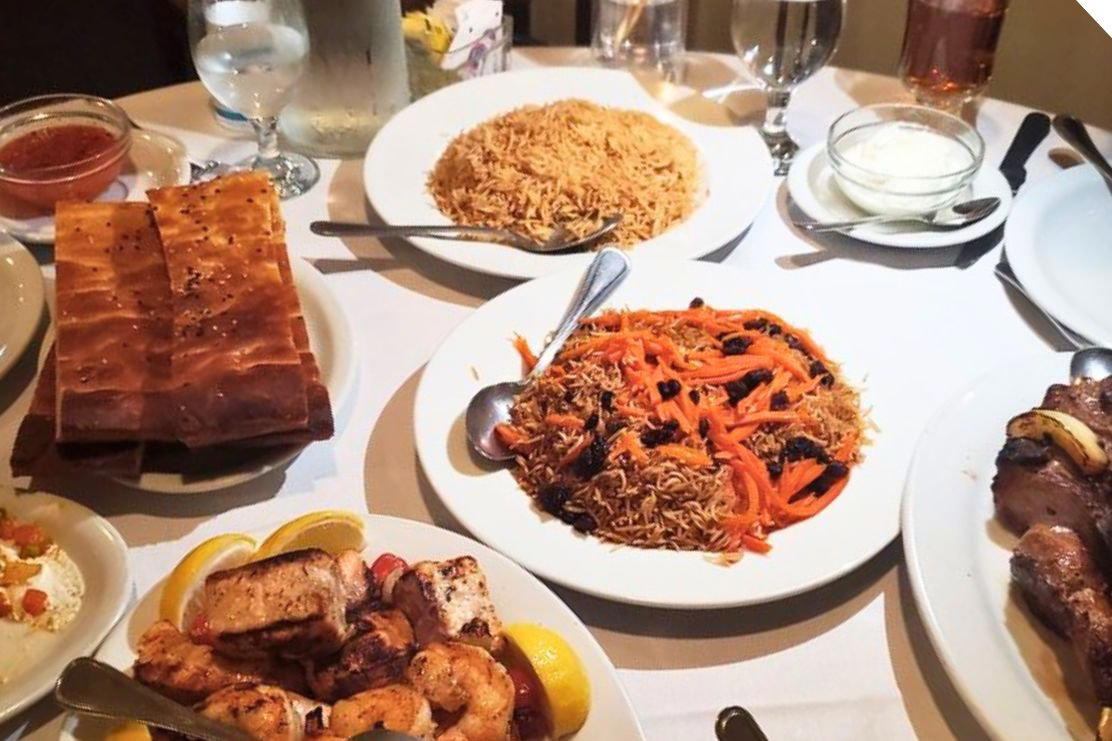
Where Afghan Cooking Meets the Peninsula Corridor
El Camino Real runs the length of San Mateo County like a commercial spine, and the dining along it reflects the Bay Area's broader pattern: dense with pan-Asian options, strong on Mexican, thinner on Middle Eastern and Central Asian traditions. Afghan cuisine sits at a specific cultural crossroads, drawing from Persian, Mughal, and Central Asian cooking simultaneously, and it remains one of the least-represented categories along the Peninsula's main artery. Kabul, at 135 El Camino Real in San Carlos, occupies that gap directly.
In the wider Bay Area, the Afghan restaurant tradition has deeper roots in the East Bay and parts of the South Bay, where immigrant communities established earlier footholds. The Peninsula came later to this particular dining tradition, which makes San Carlos a somewhat unexpected address for it. That geographic placement, however, puts Kabul in reach of a commuter and residential audience that has limited alternatives when Afghan cooking is what they want.
The Cultural Register of Afghan Cooking
Understanding what Afghan cuisine actually is helps calibrate expectations. This is not a cuisine built around quick-fire techniques or minimalist plating. The foundational dishes of Afghan cooking, particularly those from the Kabul region that gives this restaurant its name, are slow-built: qorma-style braises where meat and onion are cooked down to concentrated depth, pilau rice preparations where long-grain rice absorbs saffron and cardamom in the pot, and kebab traditions where the grill is a finishing technique rather than a starting one. Bread, in the form of naan baked against the walls of a tandoor, arrives as a structural element of the meal, not an afterthought.
The cuisine sits closer to Persian and northern Indian cooking in its spice vocabulary than it does to the bolder, hotter registers of South Asian cuisines. Dried fruits and nuts appear inside savory preparations, a Mughal inheritance that gives Afghan food a sweetness offset by warm spice, rather than heat for its own sake. For diners accustomed to South Asian or Middle Eastern restaurants as their reference point, Afghan cooking will feel familiar in some registers and surprising in others.
Comparing within the Bay Area, the Afghan dining tradition shares some shelf space with Persian restaurants, particularly around the East Bay's Fremont corridor, and with some broader Middle Eastern formats in San Francisco. But the specific combination of Pashtun and Tajik culinary influence that defines Kabul-style cooking sets it apart from Persian-rooted menus, even when the surface presentation looks similar.
San Carlos as a Dining Context
San Carlos sits between Redwood City to the south and Belmont to the north, and its dining scene reflects a mid-Peninsula character: a mix of neighborhood regulars, tech-adjacent workers, and families who value reliability and value over destination-level ambition. The city does not attract the same density of food-media attention that San Francisco or even Palo Alto generates, but its El Camino strip and downtown cluster support a range of cuisines that punch above what the city's size might suggest.
Within that local context, Kabul is in a different competitive set from the area's more prominent addresses. CreoLa Bistro and Johnston's Saltbox occupy the American and comfort-food tier. Bodega Garzón and Garzon anchor the Latin American side of the local conversation. Nayara Springs represents the Costa Rican tradition. For the full picture of what the city offers, our full San Carlos restaurants guide maps the range. Kabul operates outside all of those categories, which means it has less direct local competition but also less of the foot traffic that comes from being part of a recognized dining cluster.
The broader Peninsula tends to defer to San Francisco for its benchmark experiences: Lazy Bear in San Francisco for tasting-menu ambition, Single Thread Farm in Healdsburg for farm-driven luxury to the north. Nationally, the standard-setting addresses in American fine dining include Le Bernardin in New York City, Alinea in Chicago, The French Laundry in Napa, Providence in Los Angeles, Addison in San Diego, Atomix in New York City, Blue Hill at Stone Barns in Tarrytown, Emeril's in New Orleans, The Inn at Little Washington in Washington, and internationally, 8 1/2 Otto e Mezzo Bombana in Hong Kong. Kabul operates at a different scale and ambition level from all of those, but mapping them here reflects the broader range of dining conversations that EP Club covers across the peninsula, the country, and beyond.
Planning Your Visit
The address is 135 El Camino Real, San Carlos, CA 94070, which places the restaurant along a well-trafficked commercial corridor with street-accessible parking typical of this stretch of El Camino. El Camino Real addresses in San Carlos generally operate with walk-in availability during off-peak hours, though weekend evenings on the Peninsula can see demand spike across the mid-range category. Planning midweek reduces that uncertainty.
Afghan restaurants at this price point and format typically do not operate the same advance-booking windows as tasting-menu formats, where addresses like The French Laundry in Napa require months of lead time. The operational model here is closer to neighborhood dining, where the question is less about securing a reservation and more about timing your arrival to avoid the peak-hours crowd.
How Kabul San Carlos compares with similar nearby venues.
| Venue | Cuisine | Price |
|---|---|---|
| Saffron | Indian | $$ |
Continue exploring
More in San Carlos
Restaurants in San Carlos
Browse all →
Bars in San Carlos
Browse all →
Hotels in San Carlos
Browse all →
At a Glance
- Cozy
- Classic
- Intimate
- Family
- Group Dining
- Casual Hangout
- Celebration
- Standalone
Current opening hours
- Monday
- 11:30 AM–2 PM, 4–9 PM
- Tuesday
- 11:30 AM–2 PM, 4–9 PM
- Wednesday
- 11:30 AM–2 PM, 4–9 PM
- Thursday
- 11:30 AM–2 PM, 4–9 PM
- Friday
- 11:30 AM–2 PM, 4–9 PM
- Saturday
- 4–9 PM
- Sunday
- 4–9 PM
Hours can change for holidays and private events. Last verified .
Warm and inviting with heartfelt hospitality; casual dining atmosphere welcoming to families and groups.
Know Before You Go
- Getting there
- 135 El Camino Real, San Carlos, CA 94070