CreoLa Bistro
CreoLa Bistro on El Camino Real brings Creole-inflected cooking to San Carlos, a Peninsula dining scene more accustomed to Cal-Med and South American fare. The bistro format positions it as a neighbourhood anchor for a cuisine rarely represented at this stretch of the Bay Area. For diners tracking where Louisiana-rooted food traditions travel, CreoLa is worth attention.
Pearl is the En Primeur Club membership app — saves, bookings, and concierge access live there. Same editors, same standards.
- Address
- 344 El Camino Real, San Carlos, CA 94070
- Phone
- +16506540882
- Website
- creolabistro.com
- Directions
- Get directions
 Saves & bookings on Pearl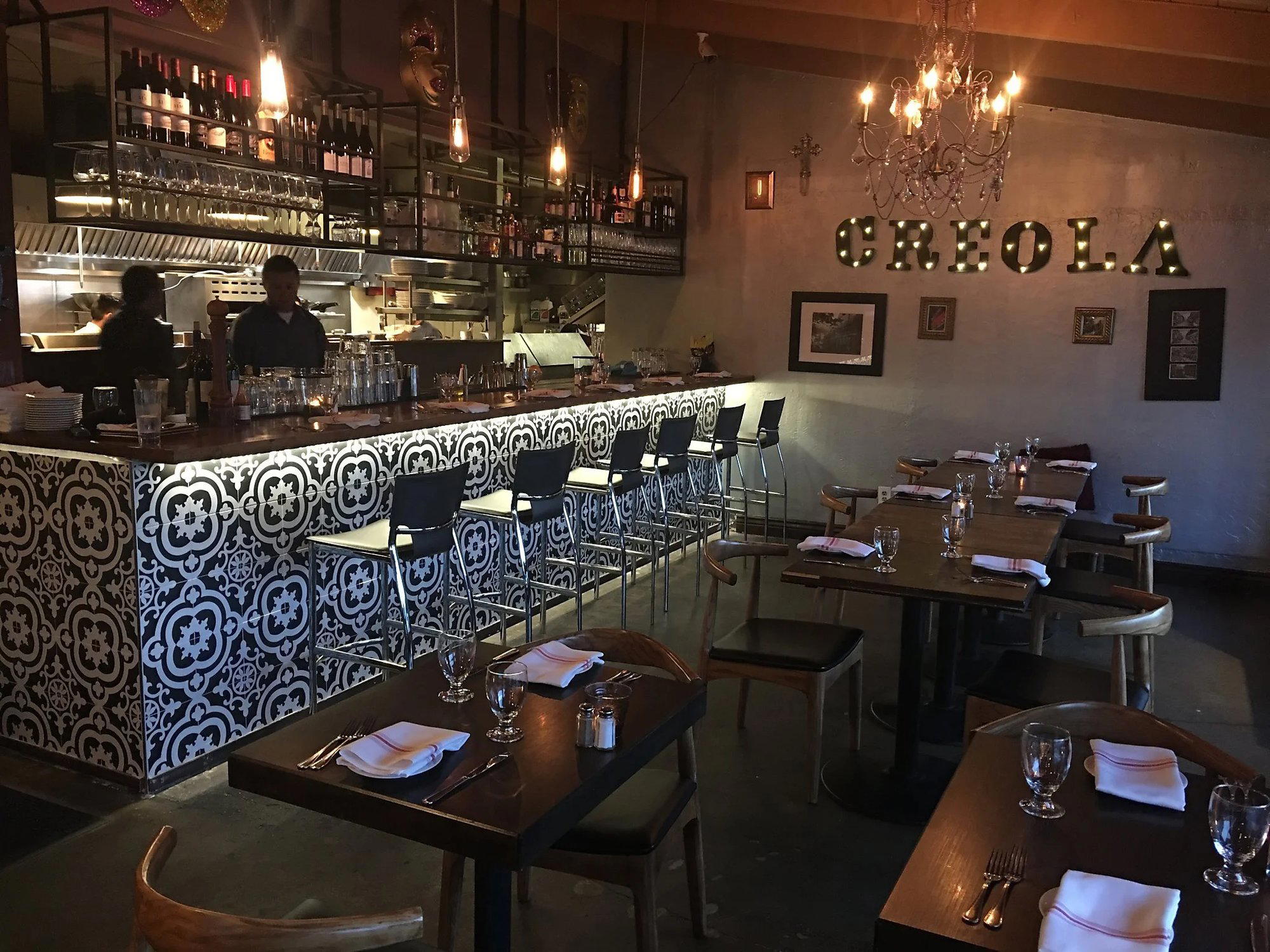
Where the Gulf Coast Meets the Peninsula
El Camino Real through San Carlos is a corridor built on habit: the same rotation of Italian, pan-Asian, and Californian kitchens that lines most of the mid-Peninsula. CreoLa Bistro at 344 El Camino Real operates against that grain. Creole cooking, with its layered roots in French, West African, Spanish, and Caribbean technique, rarely finds a home this far up the Bay Area coast. New Orleans holds the tradition tightly, and the handful of restaurants that carry it north or west tend to lose something in translation. The question CreoLa puts to any informed diner is whether a bistro format, on a suburban commercial strip, can hold the structural weight of a cuisine this historically dense.
For wider comparison on how Gulf Coast traditions travel, see how Emeril's in New Orleans anchors the genre at its source, and how chefs further afield, from Le Bernardin in New York City to Providence in Los Angeles, handle the discipline of regionally specific American cooking in non-native markets.
The Cultural Architecture of Creole Cooking
Creole cuisine is not a single tradition but a negotiated one. Its authority comes from accumulation: the French roux that builds a gumbo's backbone, the West African okra that thickens it, the Spanish sofrito logic underneath, and the Caribbean spice register that runs through the whole. It is one of the few genuinely syncretic American cuisines, meaning it carries its history inside its technique rather than alongside it. That distinction matters when a kitchen is operating outside its home city. A po'boy assembled carelessly is just a sandwich. A properly made étouffée is a lesson in how a culture handled abundance and scarcity simultaneously.
San Carlos's dining scene gives CreoLa an interesting competitive position. The town's restaurant options include Kabul for Afghan cooking, Johnston's Saltbox for local Californian, and South American representation through Bodega Garzón and Garzon. There is also Nayara Springs bringing Costa Rican influence to the strip. What is largely absent, until CreoLa, is the American South's most technically intricate regional tradition. That gap is not incidental. Creole cooking requires sourcing commitment and technique depth that most suburban operators find impractical, which is precisely why it remains rare outside Louisiana even in food-sophisticated markets like the Bay Area.
Bistro Format and What It Implies
The bistro designation signals something specific about format and intent. Bistro, as a category, sits between casual neighbourhood dining and the more formal tasting-menu tier occupied by Bay Area destinations like Lazy Bear in San Francisco, Single Thread Farm in Healdsburg, or The French Laundry in Napa. For a Creole kitchen, bistro format makes sense: the cuisine's signature dishes, gumbo, jambalaya, étouffée, red beans and rice, are inherently communal and portion-forward. They don't translate well to the precious geometry of contemporary tasting menus. A bistro allows the cooking to operate at its natural scale.
That also means the experience is likely to feel more like a neighbourhood institution than a destination event, which, for Creole food, is appropriate. The cuisine originated in city neighbourhoods, not in fine dining rooms. Its leading versions have always come from places where regulars develop a relationship with the kitchen over years, not from single high-ceremony visits. Compared to the more composed, single-ingredient focused approach you find at places like Smyth in Chicago or Blue Hill at Stone Barns in Tarrytown, CreoLa's bistro frame positions it in a tradition of accumulation and repetition rather than revelation.
The San Carlos Context
San Carlos sits between Redwood City and Belmont on the Peninsula, a location that draws a residential dining crowd rather than destination-seekers making specific trips from San Francisco or the South Bay. That local-first orientation suits the bistro model. It also means CreoLa is likely building its reputation through repeat visits and word-of-mouth rather than through review cycles and awards press, which is how Creole institutions have always grown. The leading Creole restaurants in New Orleans, Dooky Chase, Galatoire's, Mandina's, became institutions over generations through neighbourhood loyalty, not through recognition from external sources.
For diners approaching from outside the immediate area, the broader San Carlos dining scene is mapped in our full San Carlos restaurants guide. The guide places CreoLa within the full range of options on the Peninsula, which helps calibrate where it fits in a longer evening's planning.
Nationally, Creole cooking appears in the programming of ambitious American restaurants at irregular intervals. Addison in San Diego and Atomix in New York City represent the high-capital, awards-facing end of American regional cuisine, while The Inn at Little Washington and Atelier Moessmer Norbert Niederkofler in Brunico show how regionally rooted cooking performs at the very best of the formal tier. CreoLa operates at a different scale and ambition level, and that is not a criticism. A neighbourhood bistro holding Creole tradition in a market where it is underrepresented contributes something the trophy-room tier cannot: accessibility and frequency. You can eat here twice a month. You cannot eat at The French Laundry twice a month.
Planning Your Visit
CreoLa Bistro is located at 344 El Camino Real in San Carlos, accessible by Caltrain to the San Carlos station, which puts the restaurant within easy walking distance. El Camino Real is a high-traffic corridor, so street parking requires patience during evening hours; side streets off El Camino offer faster options. Given the bistro format and neighbourhood orientation, walk-in availability is more plausible here than at reservation-only destinations in San Francisco, though weekends on this stretch tend to fill earlier than midweek evenings. Specific hours, booking policies, and current pricing are best confirmed directly with the restaurant before planning a trip.
How CreoLa Bistro San Carlos: Hours, Dress Code & Alternatives compares with similar nearby venues.
| Venue | Cuisine | Price |
|---|---|---|
| Saffron | Indian | $$ |
Continue exploring
More in San Carlos
Restaurants in San Carlos
Browse all →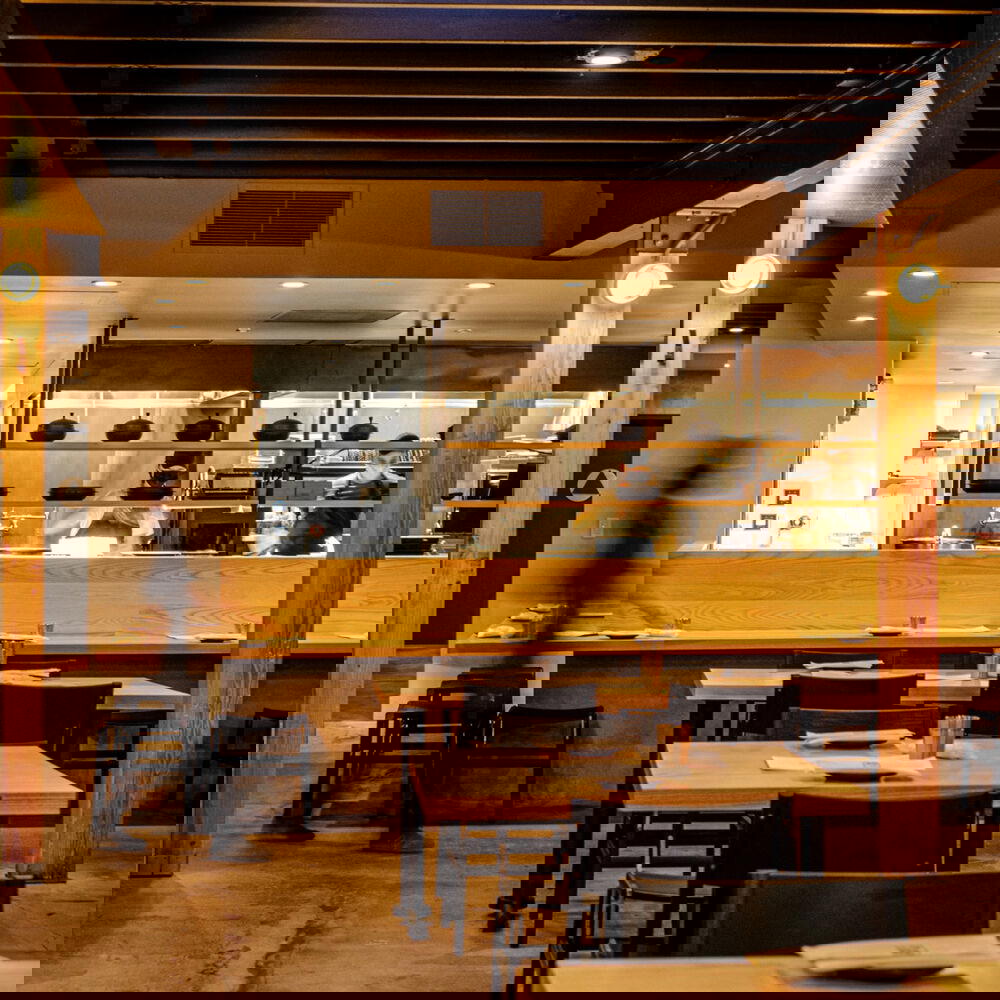
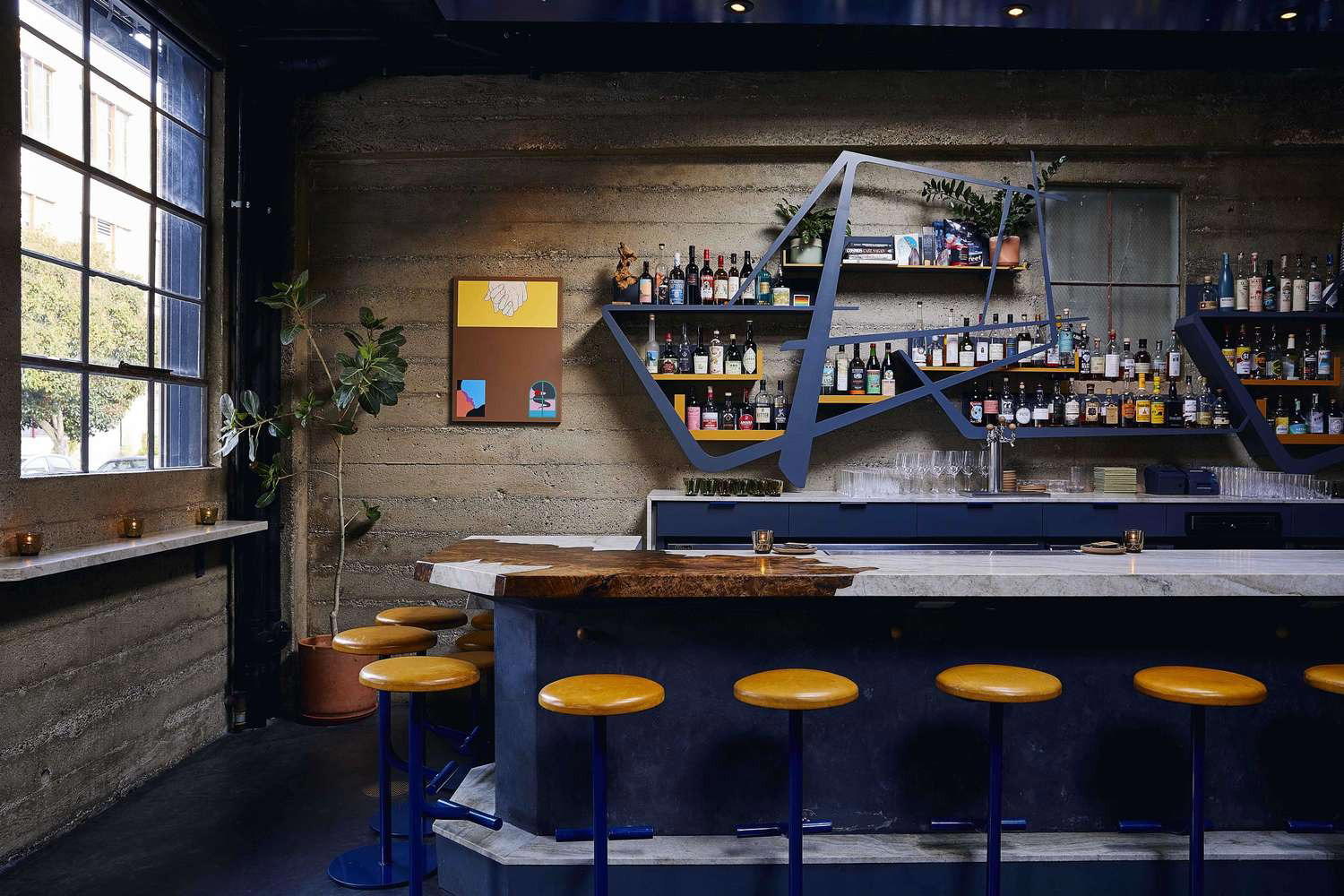
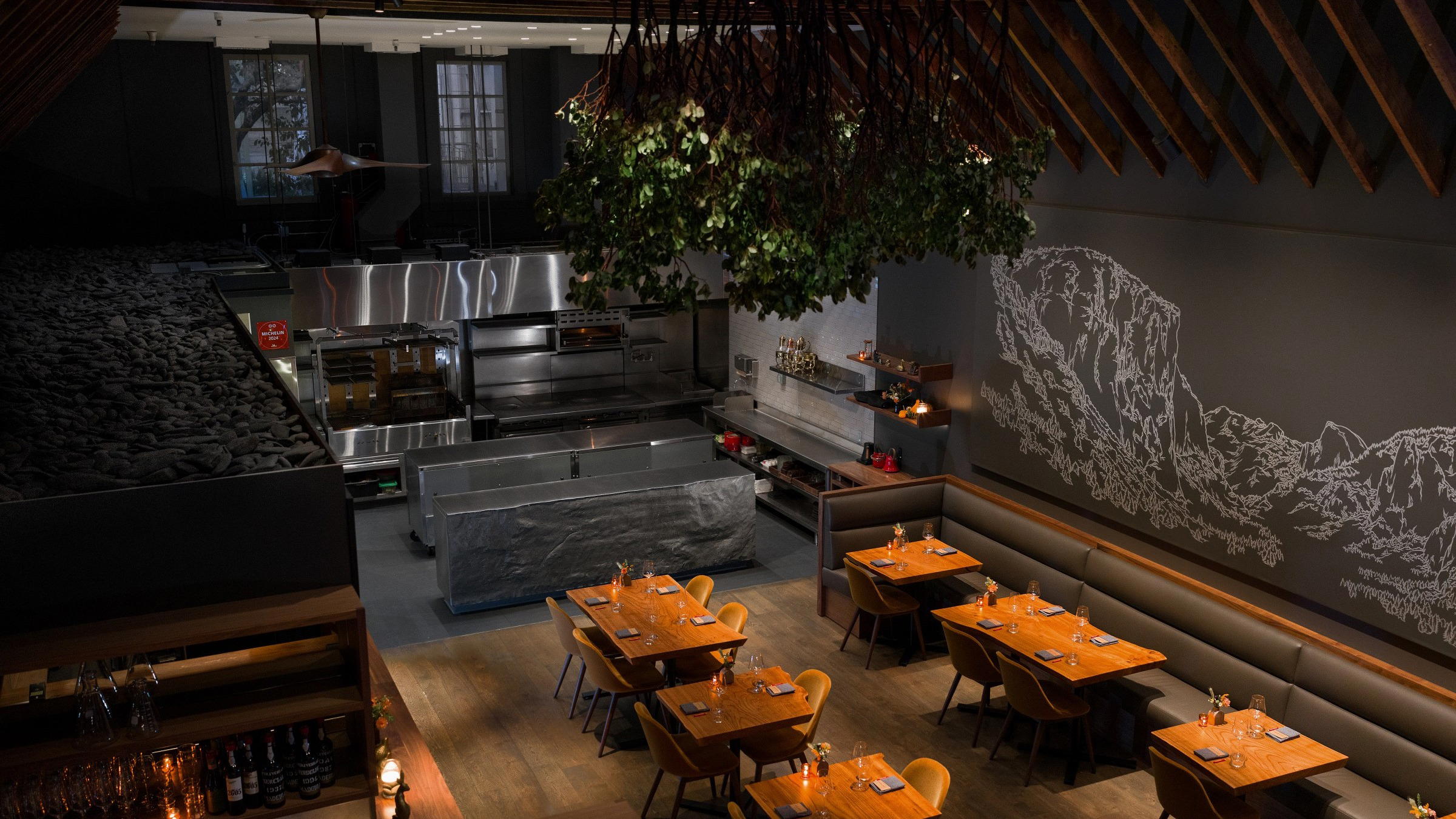
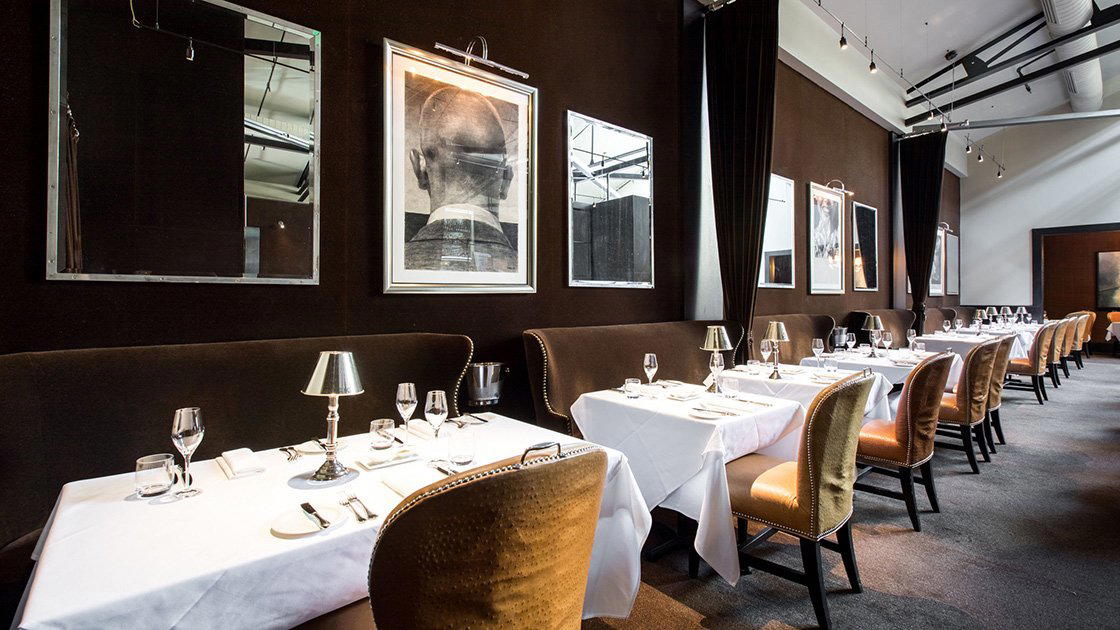
Bars in San Carlos
Browse all →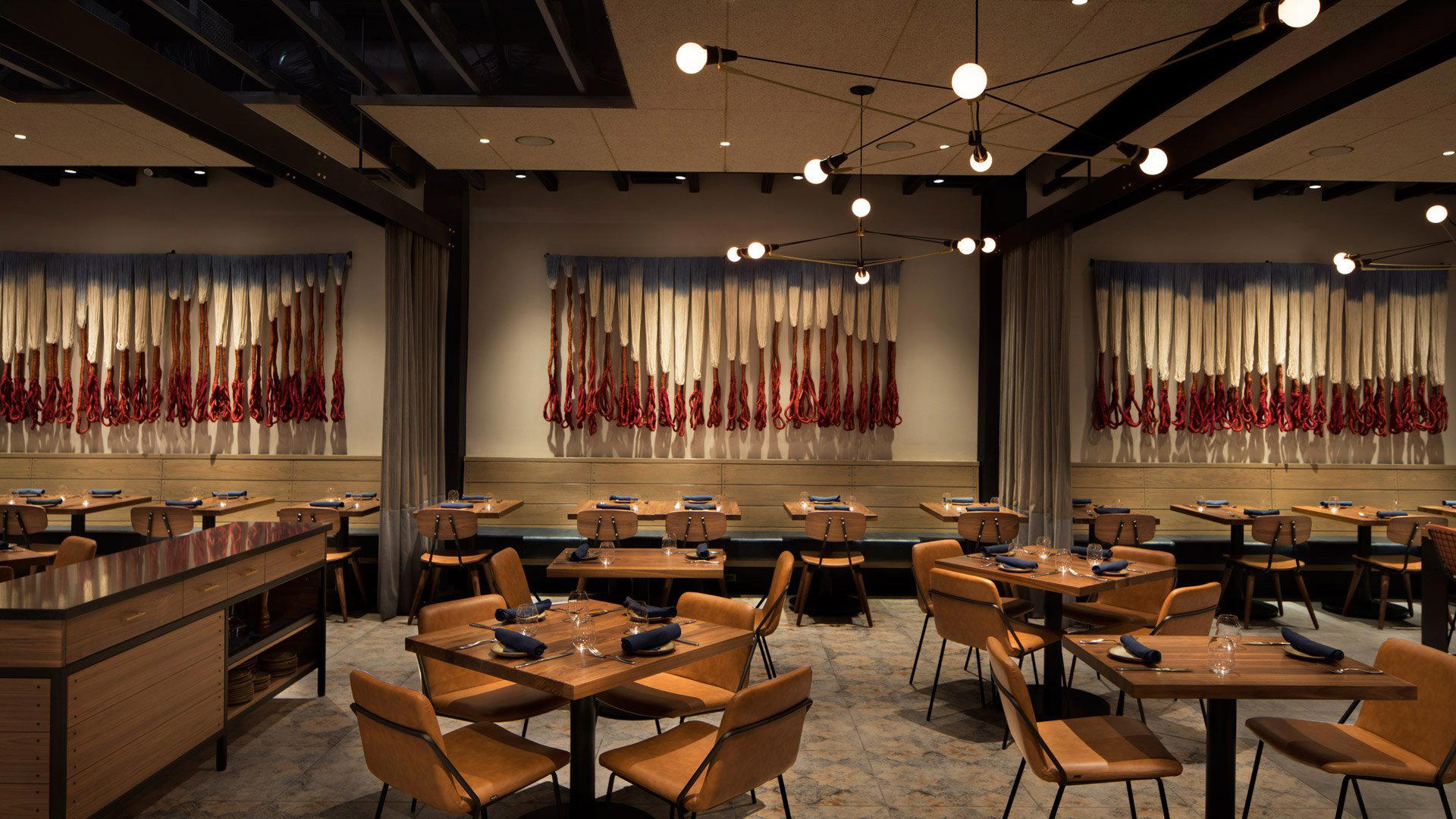
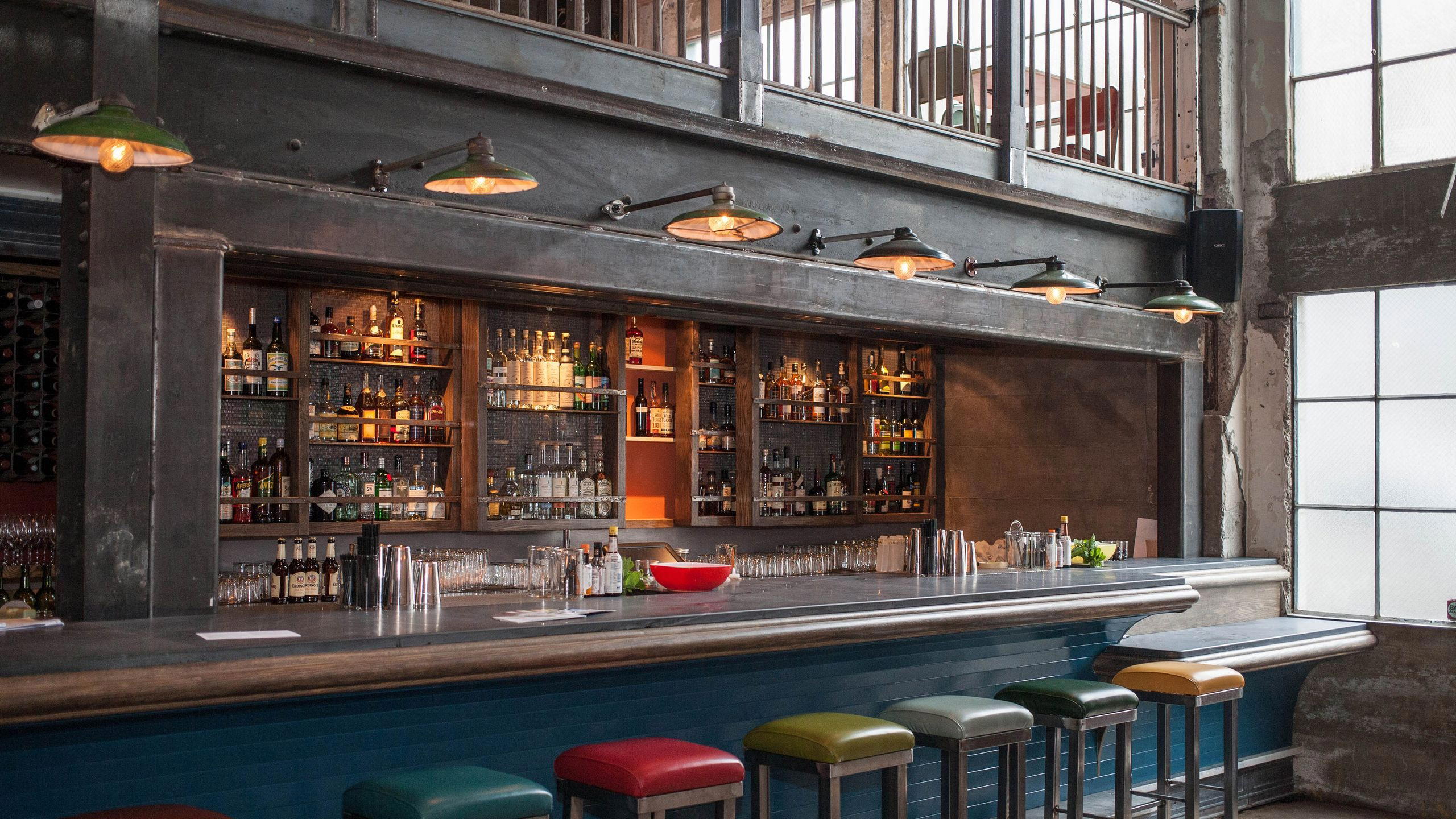
Hotels in San Carlos
Browse all →
At a Glance
- Cozy
- Rustic
- Date Night
- Brunch
- Group Dining
- Open Kitchen
- Craft Cocktails
Current opening hours
- Monday
- Closed
- Tuesday
- 5–9 PM
- Wednesday
- 5–9 PM
- Thursday
- 11 AM–2 PM, 5–9 PM
- Friday
- 11 AM–2 PM, 5–9 PM
- Saturday
- 11 AM–2 PM, 5–9 PM
- Sunday
- 11 AM–2 PM, 5–8 PM
Hours can change for holidays and private events. Last verified .
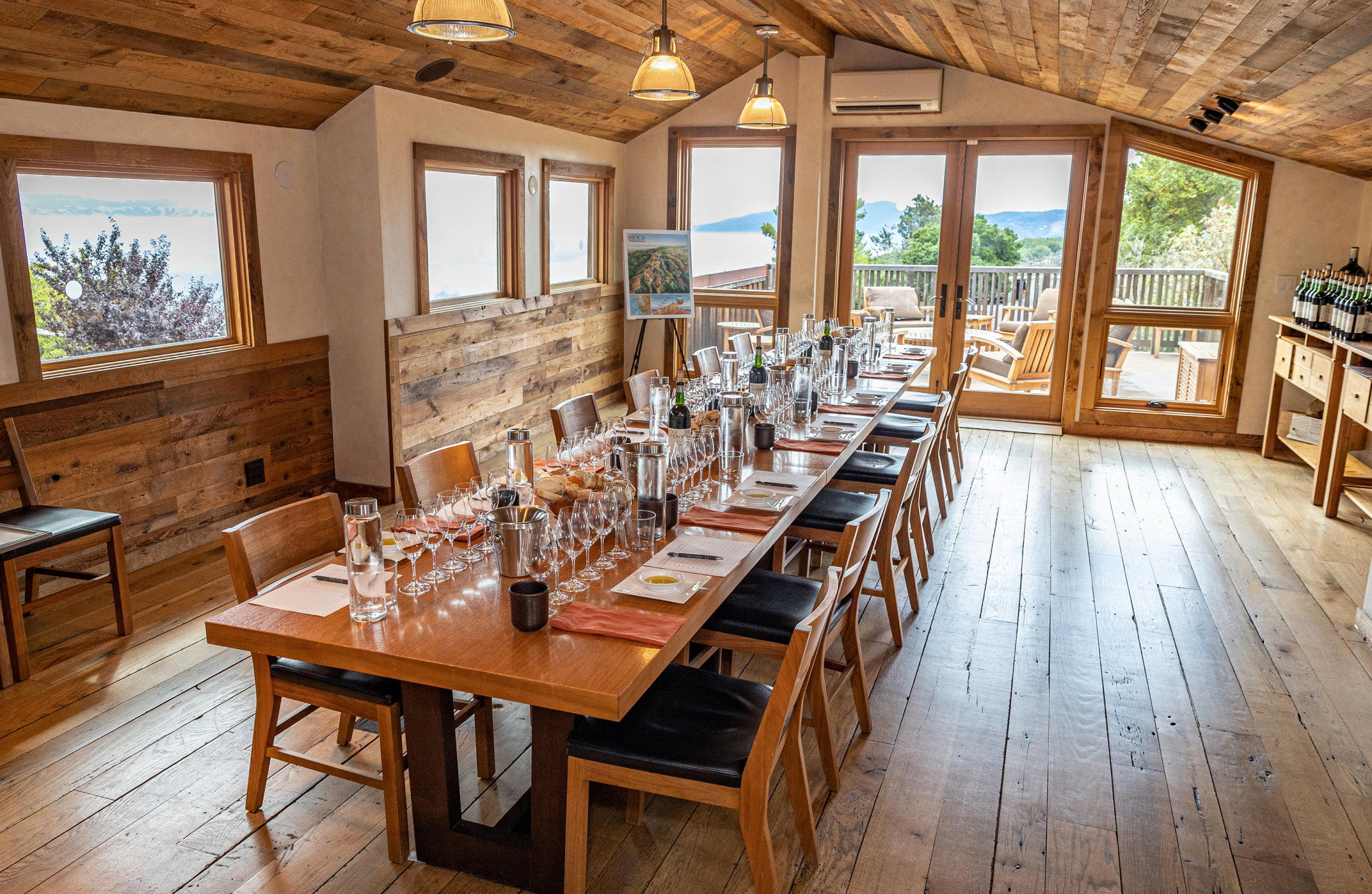
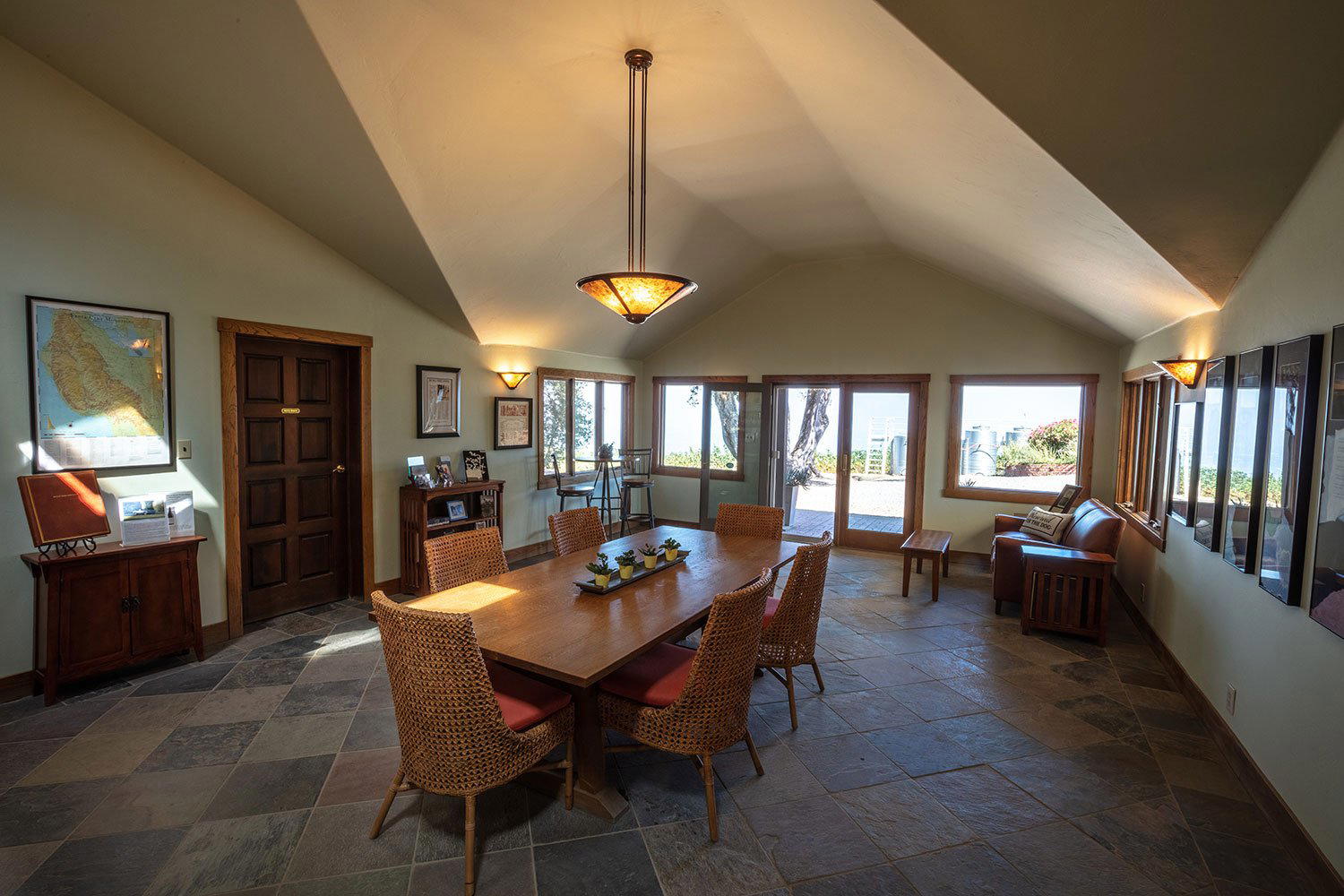
Cleanly modern yet rustic decor with friendly and welcoming service.
Know Before You Go
- Getting there
- 344 El Camino Real, San Carlos, CA 94070