Google: 4.6 · 134 reviews
Kabawa




<strong>Kabawa puts Caribbean cooking into</strong> New <strong>York City</strong>’s serious <strong>prix-fixe</strong> conversation without sanding down its edges. The point is not luxury mimicry: sorrel powder, tamarind, allspice and <strong>Scotch bonnets</strong> are treated as structural ingredients, with <strong>Paul Carmichael</strong>’s Barbadian background framing a broader argument about the African diaspora and dining-room recognition.
 Discover on Pearl
Pearl is the En Primeur Club membership app — saves, bookings, and concierge access live there. Same editors, same standards.
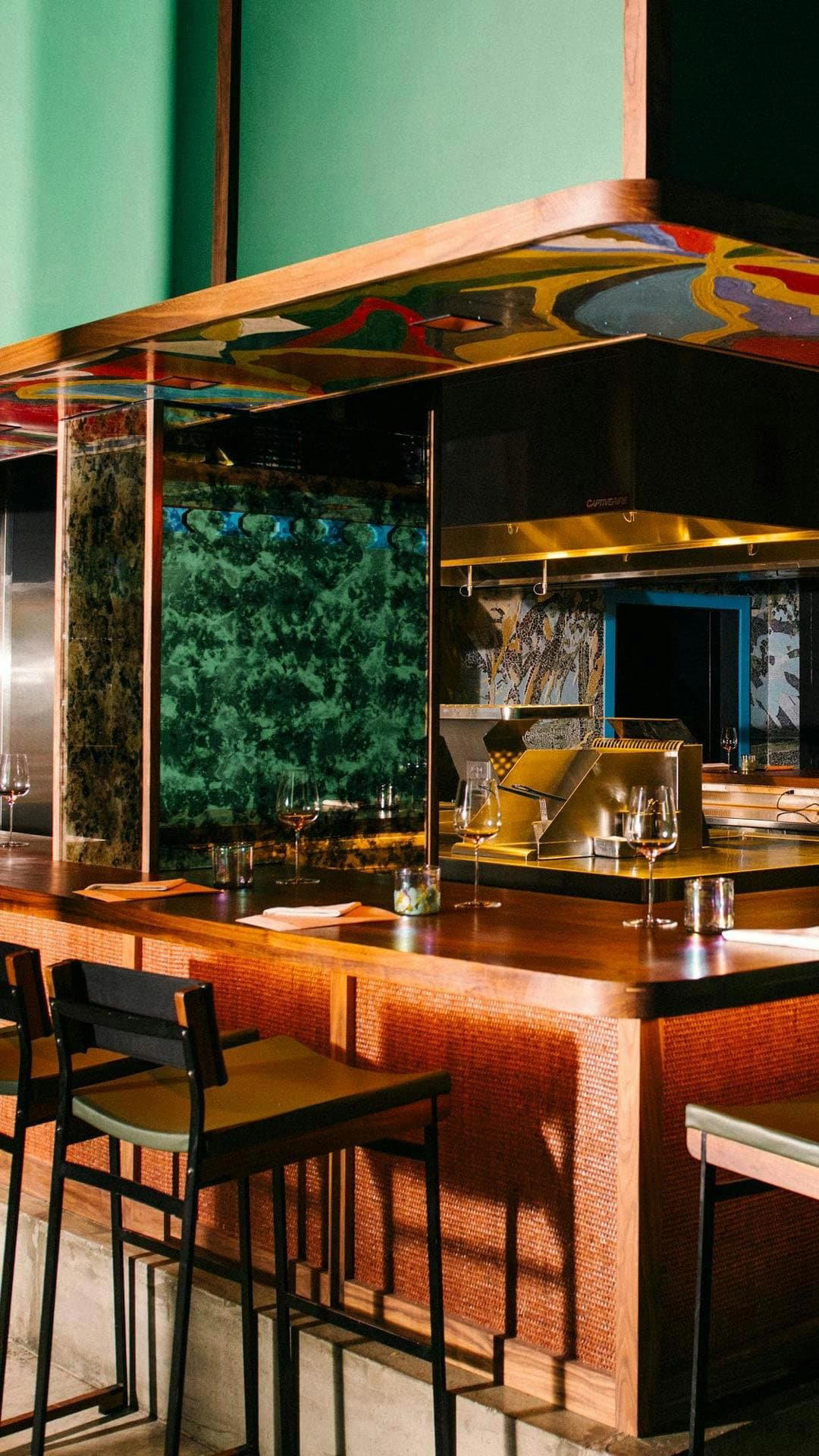
Caribbean cooking in a sharper New York register
Extra Place is one of those short downtown New York City streets that changes the tempo before a meal begins: narrow, tucked off the Bowery, and close enough to the East Village’s late-night traffic to feel urban rather than ceremonial. That setting matters for Kabawa, because Caribbean cooking in the city has too often been pushed into a false choice between neighborhood comfort and fine-dining translation. Here, the format is prix-fixe, but the vocabulary is not borrowed from French luxury. The recorded critical notice for the restaurant points directly to sorrel powder, tamarind, allspice and Scotch bonnets, ingredients that carry heat, acid, bitterness, perfume and memory rather than polite garnish.
New York has long rewarded cuisines once they learn the language of tasting menus, but Caribbean food complicates that old hierarchy. The region’s cooking is inseparable from trade routes, forced movement, plantation economies, Indian and Chinese migration, West African continuities, Indigenous ingredients and colonial extraction. Ingredient sourcing, in that context, is not a soft sustainability slogan. It is a question of what a dining room allows to be central. Scotch bonnet is not just heat. Tamarind is not just acidity. Allspice is not just a warm background note. Sorrel is not just color. These are ingredients with histories of movement across the Atlantic world, and Kabawa’s significance comes from letting them set the grammar of the meal.
That places the restaurant in a different competitive set from New York’s established luxury rooms. Le Bernardin expresses seafood through French discipline; Masa frames Japanese product through extreme scarcity and counter ritual; Per Se works within an American interpretation of the grand tasting-menu tradition. Kabawa’s point is not to imitate those rooms. It tests whether Caribbean ingredients can command a prix-fixe structure without being softened into decorative references. In New York City, that is a consequential dining argument.
Why the ingredients carry the story
Caribbean restaurants in major North American cities are often judged by the wrong metrics: portion size, nostalgia, spice level, or whether the food resembles a diner’s memory of a home kitchen, beachside grill or takeout counter. Those metrics can matter, but they do not explain the full cuisine. A serious Caribbean dining room has to account for preservation, smoke, fermentation, cane, pepper, dried spice, tropical fruit, starches, seafood, small livestock, and the cultural intelligence of making pleasure under constraint. The ingredients named in Kabawa’s record are not ornamental proof of place. They are load-bearing.
Sorrel, in the Caribbean sense, refers to hibiscus calyces used in drinks and festive preparations across the region, especially around Christmas in many islands. Its tartness and crimson color make it festive, but its deeper role is connective: a plant and flavor that traveled through colonial and diasporic networks. Tamarind brings a different kind of sourness, darker and stickier, common across Caribbean, South Asian and Southeast Asian cooking because migration and empire left overlapping pantries. Allspice, native to the Caribbean, can read as clove, cinnamon, nutmeg and pepper at once, which makes it a spice with unusual range. Scotch bonnets bring fruit as much as fire, a point often missed when chile is treated only as a test of endurance.
In a prix-fixe context, those ingredients do editorial work. They resist the old fine-dining tendency to treat Caribbean flavors as accents on otherwise European forms. A menu built around them can speak about sourcing from the level of flavor architecture: what is acidic, what is hot, what is sweet, what is aromatic, what is preserved, what carries memory. That is why Kabawa belongs in conversation not only with New York’s high-recognition dining rooms, but also with restaurants around the country that use tasting-menu formats to recenter non-European traditions. Atomix and Jungsik New York helped show how Korean cooking could occupy New York’s formal dining tier without becoming generic luxury. Kabawa enters a related debate from the Caribbean side, with different ingredients and a different historical burden.
The diaspora frame, without turning dinner into a lecture
The restaurant’s database record names Paul Carmichael, who grew up in Barbados, and says he has something to say about Caribbean cuisine, long excluded from dining’s upper ranks, and about food as a through line in the African diaspora. That is a chef credential, but the larger story is not biography. It is a correction to the way prestige has been assigned. New York City can be generous to global cuisines, but it has also been selective about which cuisines receive high prices, long-form criticism, and the patient attention of diners willing to read a menu as culture rather than novelty.
Caribbean cooking has been especially vulnerable to that double standard. Its techniques and ingredients are familiar to millions, yet its presence in luxury dining has been comparatively thin. The reasons are historical as much as commercial: race, class, immigration, neighborhood zoning, liquor economics, real-estate pressure, and the assumption that certain cuisines should remain inexpensive. A prix-fixe Caribbean restaurant on Extra Place is therefore not just another downtown opening. It is a sign that the city’s dining hierarchy is being pressed from a direction that does not fit the older French-Japanese-Italian axis of prestige.
The phrase in the record, “Luv yuh self,” matters because it suggests tone as well as politics. The critical notice describes the mood as effervescent and says the point is not heavy-handed. That distinction is important. Dining rooms that carry cultural argument can become stiff if they mistake seriousness for solemnity. Caribbean hospitality, at its strongest, has room for pleasure, teasing, rhythm, sharp seasoning, abundance and release. Kabawa’s recorded description frames the meal as a salute to life, which places joy inside the political argument rather than after it.
How Kabawa compares with New York's formal dining rooms
The useful comparison is not whether Kabawa is more luxurious than Midtown seafood temples or more exacting than sushi counters. The useful comparison is what kind of authority each restaurant claims. At Le Bernardin, authority comes through product clarity, French technique and decades of critical recognition. At Masa, it comes through procurement, counter choreography and the economics of rarity. At Per Se, it comes through tasting-menu lineage and the grammar of American luxury service. Kabawa’s authority is cultural and ingredient-led: it argues that Caribbean acidity, heat, spice and diasporic memory can structure a formal meal on their own terms.
That difference changes the reader decision. Diners seeking polished continuity with New York’s established luxury canon have many reference points, including the French seafood, sushi and contemporary tasting-menu rooms above. Diners interested in how the city’s serious dining vocabulary is changing should pay attention to Kabawa because the restaurant expands the set of ingredients and histories that can occupy the center of a prix-fixe meal. This is also where cross-city comparisons become useful. Benu in San Francisco and Single Thread Farm in Healdsburg show how American tasting menus can be built around specific cultural or agricultural systems; The French Laundry in Napa remains a benchmark for the long American tasting-menu form; Smyth in Chicago and Providence in Los Angeles show how regional identity and product discipline can define a room. Kabawa’s contribution is different: it brings Caribbean ingredients and diaspora history into that national conversation.
Even Caribbean comparison needs care. A beachfront Barbados restaurant and a downtown Manhattan prix-fixe room are not competing for the same evening. The Lone Star — Caribbean in Mount Standfast belongs to a resort-island context where setting, sea air and leisure shape expectation. Conejo Negro — Caribbean in Toronto sits within another North American city’s Caribbean conversation. Kabawa’s New York role is sharper because Manhattan formal dining carries a particular symbolic charge. When Caribbean ingredients move into that room type, the shift is visible beyond one address.
The room next door and the value of informality
The database record includes a useful detail: on any given night, Paul Carmichael may be found slinging goat patties at the more informal Bar Kabawa next door. That line should not be read as cute contrast. It points to a real tension in contemporary dining. When a cuisine enters prix-fixe territory, it risks leaving behind the casual forms that made it socially alive in the first place. Patties, bars, snacks and side-door energy are not lesser expressions. They are part of how Caribbean food circulates through workdays, parties, school routes, late nights and neighborhood economies.
New York diners have become fluent in the difference between tasting-menu seriousness and informal intelligence. The city’s stronger restaurants often understand that both registers matter. Kabawa benefits from the proximity of Bar Kabawa because it keeps the broader project from feeling sealed off behind formal service. The point is not that every diner needs both rooms in one evening. The point is that Caribbean food’s public life includes quick pleasure as well as composed progression. A restaurant that acknowledges both has a better chance of avoiding the museum effect, where cultural cuisine becomes expensive, quiet and detached from its original social pulse.
Planning a meal on Extra Place
Kabawa is located at 8 Extra Pl, New York, NY 10003, in downtown Manhattan near the East Village and NoHo edges. The available record does not provide hours, phone number, website, seat count, price range, dress code or booking method, so planning should begin with current reservation channels rather than assumptions. The known format is prix-fixe, which usually means less flexibility than a casual à la carte meal and a stronger need to confirm dietary restrictions in advance. In New York City, downtown dinner timing also matters: earlier seatings tend to suit diners who want a quieter start, while later seatings often fold into the neighborhood’s bar traffic and post-theater spillover from other parts of Manhattan.
The address gives the meal a useful travel pattern. Extra Place is better approached as a downtown evening rather than a destination isolated from the city around it. Before or after dinner, the surrounding area connects easily to East Village bars, NoHo hotels and Lower Manhattan cultural plans. Readers comparing a full dining itinerary can use Our full New York City restaurants guide for restaurant context, Our full New York City bars guide for a drink-led route, Our full New York City hotels guide for nearby stays, Our full New York City experiences guide for cultural planning, and Our full New York City wineries guide for wine-focused reference points in the city’s orbit.
Who should prioritize it
Kabawa makes the strongest case for diners interested in where American fine dining is moving, not diners who simply want familiar luxury signals. The attraction is the seriousness given to Caribbean ingredients and the refusal, at least in the recorded critical framing, to make the meal feel burdened by its own argument. Sorrel powder, tamarind, allspice and Scotch bonnets are not minor flourishes here; they are the evidence. The prix-fixe format gives them sequence and emphasis, while the Barbadian and diaspora frame gives the cooking a reason to exist in this room rather than in a more generic downtown template.
That makes the restaurant especially relevant for visitors who already know New York’s classic high-end circuit and want a sharper read on the city’s next dining chapter. It also suits locals who understand how much Caribbean food has shaped the city outside formal recognition. The main caution is practical: because price, hours and booking method are not listed in the available record, diners should verify details before committing an evening. The editorial case, however, is clear. Kabawa is important because it treats Caribbean sourcing, seasoning and diaspora memory as the center of a New York prix-fixe meal, not as a theme added after the format was chosen.
Continue exploring
More in New York City
Restaurants in New York City
Browse all →
Bars in New York City
Browse all →
Hotels in New York City
Browse all →






At a Glance
- Elegant
- Intimate
- Sophisticated
- Trendy
- Date Night
- Business Dinner
- Group Dining
- Special Occasion
- Celebration
- Private Event
- Private Dining
- Design Destination
- Standalone
- Extensive Wine List
- Craft Cocktails
- Corkage Allowed
- Local Sourcing
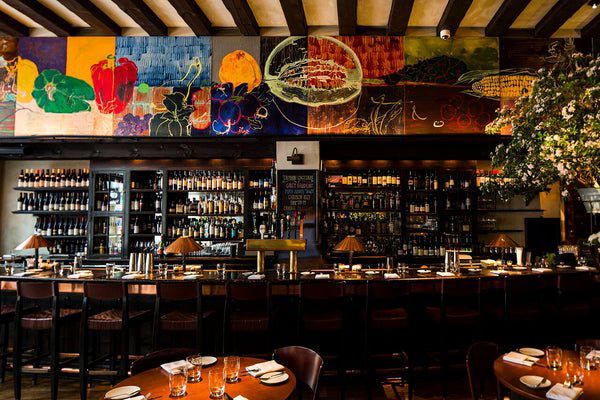
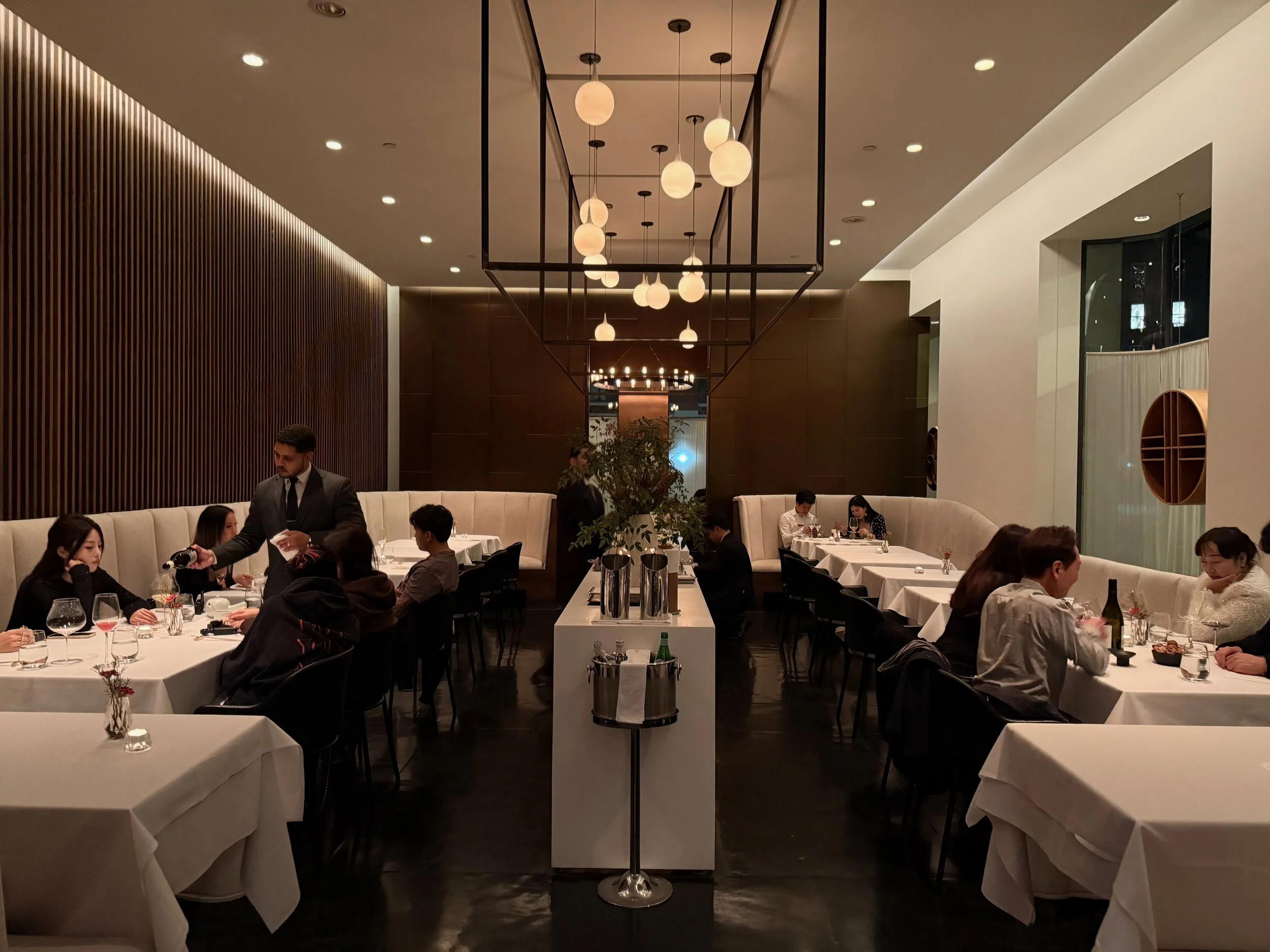
Thoughtfully designed and intimate, with custom mosaics, instrumental music, and a warmly welcoming, Caribbean-home feel that encourages guests to linger over a leisurely prix fixe meal.