
Tabelog 100 #1
Our verdict
Juuwari Soba Dokoro Yamadori puts Sanda’s rural edge into focus through juuwari soba, meat dishes, sake and a house-restaurant setting outside the city-centre circuit. Its selection for Tabelog 100 - Soba - WEST - 2025 places it in the Kansai-west soba conversation rather than the casual noodle-stop category.

Pearl is the En Primeur Club membership app — saves, bookings, and concierge access live there. Same editors, same standards.
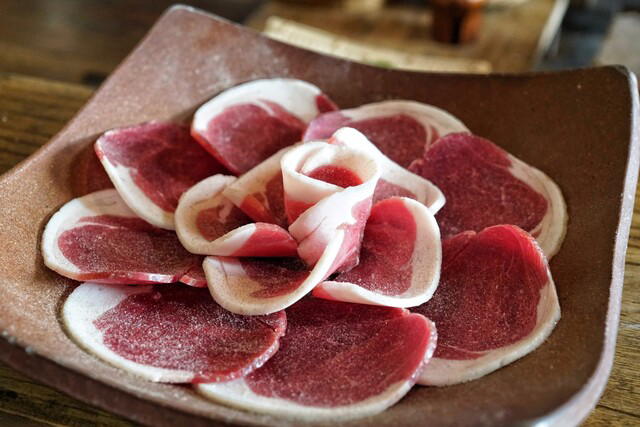
The menu
What to order
- Juwari soba (100% buckwheat noodles)
- Charcoal-grilled wild boar
- Charcoal-grilled game meats
The approach to Sanda changes the frame before the meal begins. This is not simply a station-front noodle stop built around quick turnover; it belongs to a quieter pattern where destination dining can feel closely tied to the surrounding day. Juuwari soba matters because it signals a buckwheat-first discipline rather than a broad, all-purpose Japanese restaurant format. That puts pressure on the details of noodle-making and service, and it also explains why serious soba houses read differently from general dining rooms: the craft is narrow, but the margin for error is smaller.
Juuwari Soba Dokoro Yamadori sits in that specialist lane. Its selection for Tabelog 100 - Soba - WEST - 2025 is the key external signal, especially in a region where soba competes for attention against wider dining traditions. The restaurant’s category pairing of soba and meat dishes also tells a broader story about Sanda dining. This is an area where focused meals and destination sweets can coexist within a short local circuit, from Pâtissier Es Koyama and eS Boulangerie to other Sanda food stops and eS LIVING hanare. The better way to read the city is not as a single dining strip, but as a set of food-led addresses that reward planning.
Why juuwari soba changes the stakes in Sanda
In Japan, soba is often described through percentages. Styles that include wheat flour can give elasticity and ease; juuwari soba puts the focus more squarely on buckwheat. The appeal is not luxury in the usual sense. It is concentration: grain character, clean cut, and a format that makes supporting dishes secondary to noodle discipline. That ingredient logic is why a soba house can justify destination status without the choreography of a long tasting menu.
Sanda gives that format useful context. The city sits far enough from the densest urban dining corridors to keep a calmer register, yet close enough to attract diners who already understand destination food. Meat dishes alongside soba make sense here, not as fusion branding but as part of a local itinerary in which noodle craft and more substantial plates can share the same day. For travellers building a Sanda itinerary, こにし家 and the broader Sanda restaurants guide help map that range, while the Sanda hotels guide, Sanda bars guide, Sanda wineries guide and Sanda experiences guide fill in the rest of the stay.
A soba house rather than a general Japanese restaurant
The Tabelog score of 3.46 and the 2025 WEST soba selection point to a venue that belongs in a specialist category. That distinction matters. A general Japanese restaurant can carry variety; a soba house is judged by a tighter set of expectations, including noodle texture, dipping balance, pacing and how well the surrounding dishes serve the grain rather than distract from it. The listed categories, Soba (Buckwheat noodles) and Meat dishes, keep the identity focused while still giving the meal more than one register.
There are also practical signals that shape the way to plan the experience without needing theatrics. The published budget places dinner at JPY 10,000 - JPY 14,999 and lunch at JPY 4,000 - JPY 4,999, which positions the restaurant as a considered stop rather than an everyday noodle counter. For Sanda, that can make sense: the point is often the day’s route as much as a single table. Juuwari Soba Dokoro Yamadori is best approached as a focused soba address, with the meal framed by the city around it rather than by a long list of added claims.
The comparison set should stay local before it becomes national. Pâtissier Es Koyama occupies the destination sweets role in Sanda; eS Boulangerie and eS LIVING hanare pull the city toward bakery and café culture; こにし家 gives another restaurant anchor. Other dining in Sanda can fill out the same itinerary without changing the main point. Against that local spread, Juuwari Soba Dokoro Yamadori is clearest when treated as an ingredient-led soba address with a Sanda setting and a Tabelog 100 Soba WEST 2025 signal behind it.
Frequently asked questions
Would Juuwari Soba Dokoro Yamadori be comfortable with kids?
It can suit older children who are comfortable with a focused soba meal in Sanda. The experience is best treated as a calm food stop rather than a casual snack break.
Is Juuwari Soba Dokoro Yamadori formal or casual?
It reads as a specialist soba address rather than a formal fine-dining room. The Tabelog 100 Soba WEST 2025 selection gives it real credibility, while the focus remains on soba and meat dishes.
Is Juuwari Soba Dokoro Yamadori expensive?
Pricing at Juuwari Soba Dokoro Yamadori is listed as Dinner: JPY 10,000 - JPY 14,999; Lunch: JPY 4,000 - JPY 4,999.
What is Juuwari Soba Dokoro Yamadori known for?
Juuwari Soba Dokoro Yamadori is known for soba in Sanda, with listed categories of Soba (Buckwheat noodles) and Meat dishes, and for its Tabelog 100 Soba WEST 2025 recognition.
Quick Comparison
Comparable venues by cuisine and price in the same metro.
| Venue | Cuisine | Price | Awards | Notes |
|---|---|---|---|---|
| Juuwari Soba Dokoro YamadoriThis venue (the venue you are viewing) | Traditional juwari soba & wild game in a rural mountain house | $50–100 | Tabelog 100 #1 | Not listed |
| こにし家 | Modern Japanese Omakase & Kaiseki | $200–300 | Tabelog Bronze #202 | Miwa |
| eS LIVING hanare | Japanese cafe | $10–20 | Tabelog 100 #38 | Yurinokidai |
| eS Boulangerie | Artisanal Japanese bakery | $10–20 | Tabelog 100 #80 | Yurinokidai |
| Pâtissier Es Koyama | Modern Japanese-French Pâtisserie & Dessert Shop | $20–30 | Tabelog 100 #100 | / Sanda Woody Town area |
| Chocolaterie Rojira | Modern Japanese chocolatier & patisserie | $10–20 | Tabelog 100 #51 | Sanda |
Recognition history
Dated appearances from independent guides and award organizations, with the underlying list record or original source where available.
Tabelog 100 #1 · No. 1
Tabelog · Tabelog 100 - Soba - WEST - 2025
Continue exploring
More in Sanda
Restaurants in Sanda
All restaurants in Sanda →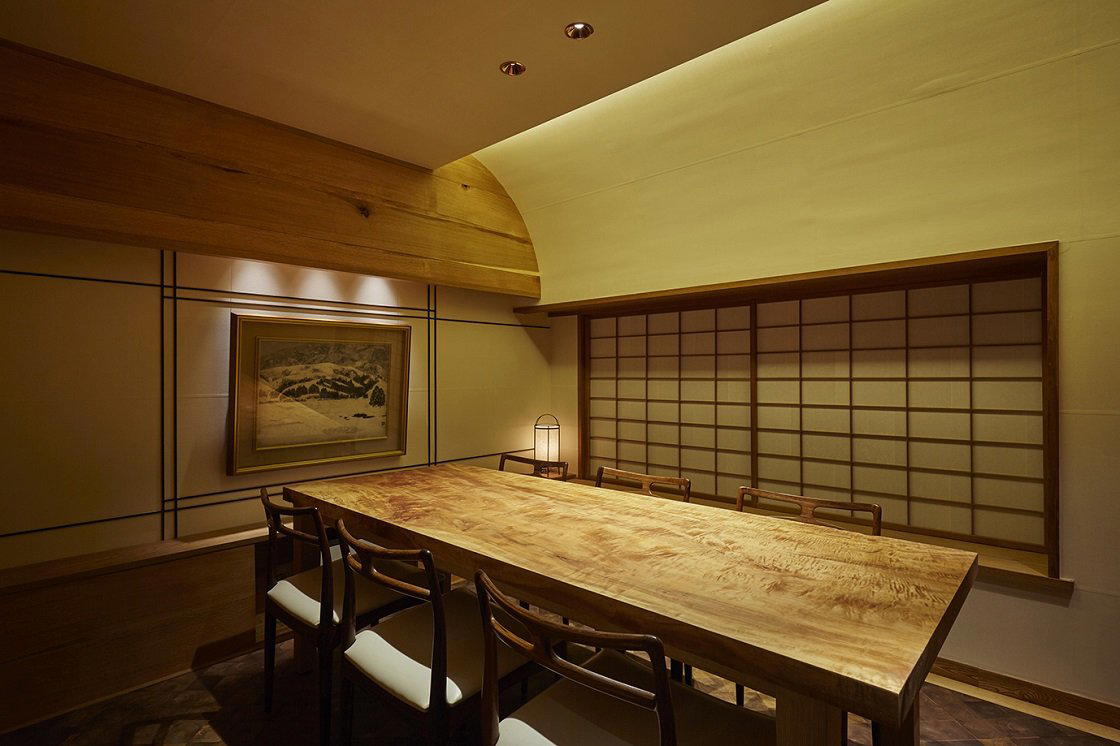


Bars in Sanda
Browse all →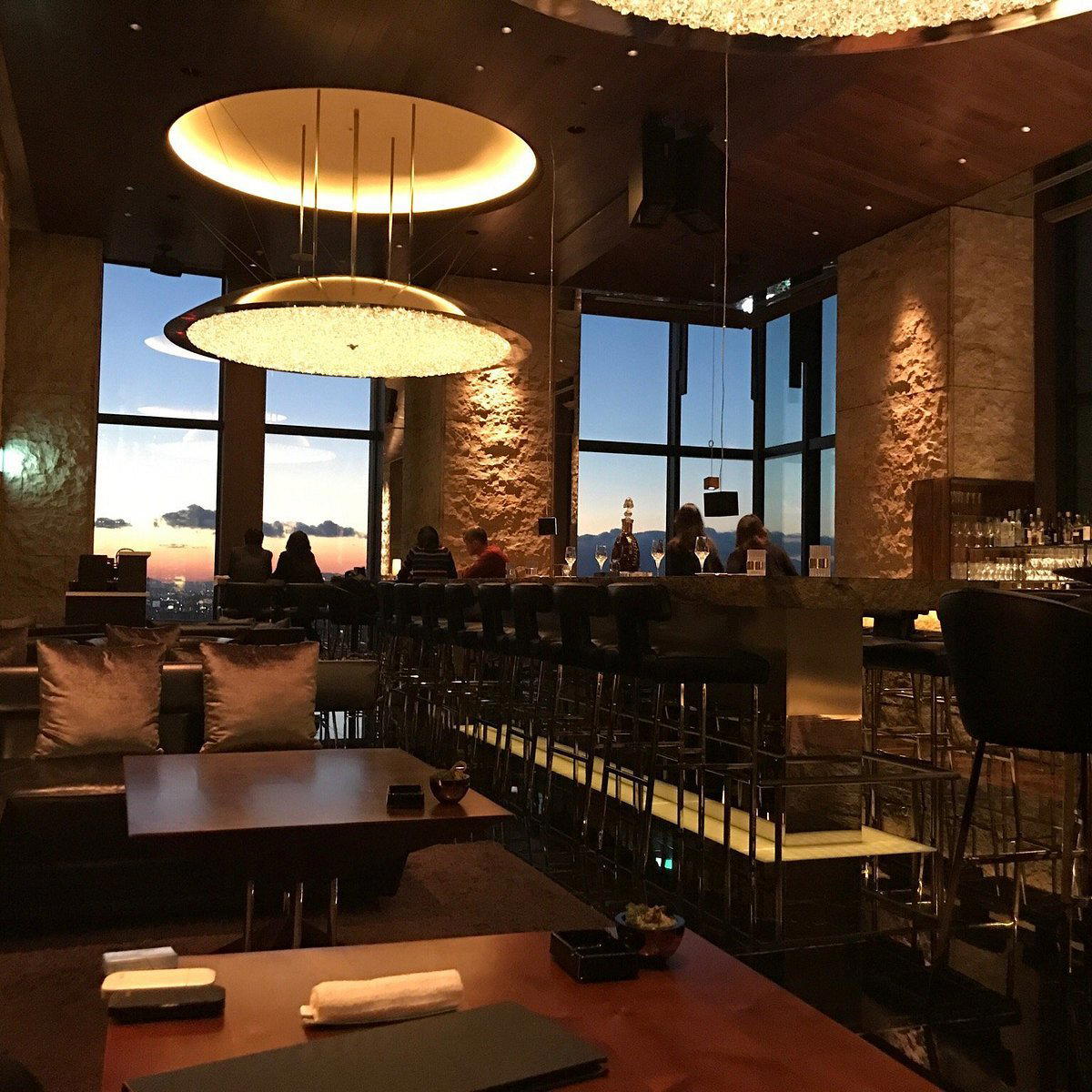



Hotels in Sanda
Browse all →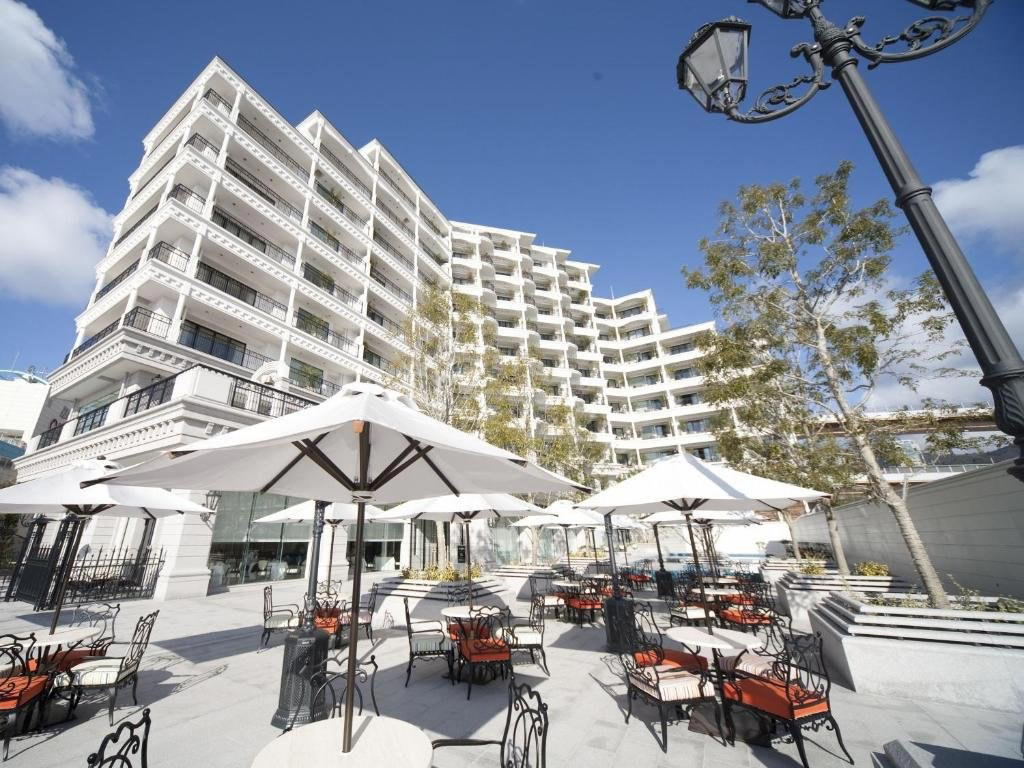


Wineries in Sanda
Browse all →
Details
- Rustic
- Scenic
- Cozy
- Classic
- Casual Hangout
- Group Dining
- Solo
- Special Occasion
- Date Night
- Standalone
- Sake Program
- Local Sourcing
- Mountain
- Garden
- A La Carte
- Set Menu
- Sake
- Beer
Current opening hours
- Monday
- 11:30 AM–2:30 PM
- Tuesday
- 11:30 AM–2:30 PM
- Wednesday
- 11:30 AM–2:30 PM
- Thursday
- Closed
- Friday
- 11:30 AM–2:30 PM
- Saturday
- 11:30 AM–2:30 PM
- Sunday
- 11:30 AM–2:30 PM
Hours can change for holidays and private events. Last verified .
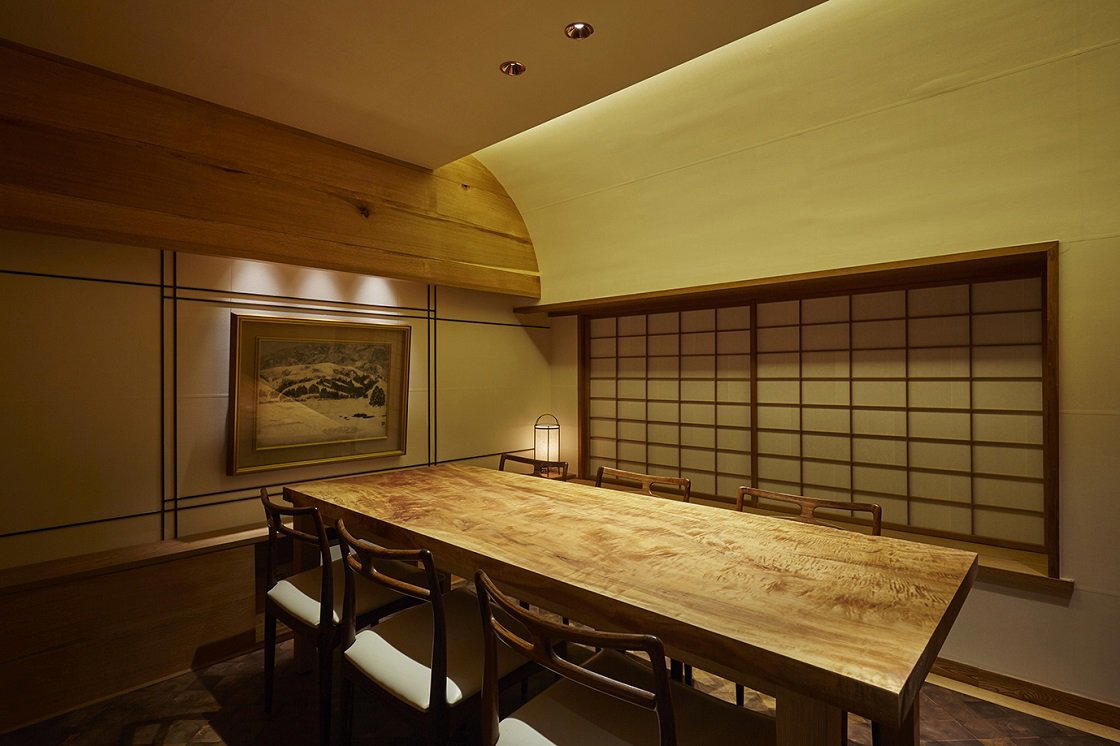
Set in a standalone house in the mountains of eastern Sanda, the restaurant has a rustic, homey feel with sunken seating and views of the surrounding countryside; the atmosphere is relaxed and quiet, suited to friends and soba enthusiasts making a special trip by car.