A sushi and grill address on Von-Steuben-Straße in central Münster, Jusho operates in a city where Japanese cuisine sits at the more specialist end of the dining spectrum. The format combines raw preparations with grilled dishes, placing it in a mid-range niche between Münster's casual Asian options and its formal European fine-dining tier. Advance booking is advisable, particularly on evenings and weekends.
Pearl is the En Primeur Club membership app — saves, bookings, and concierge access live there. Same editors, same standards.
- Address
- Von-Steuben-Straße 17, 48143 Münster, Germany
- Phone
- +4925198296388
- Website
- jusho-ms.de
- Directions
- Get directions
 Saves & bookings on Pearl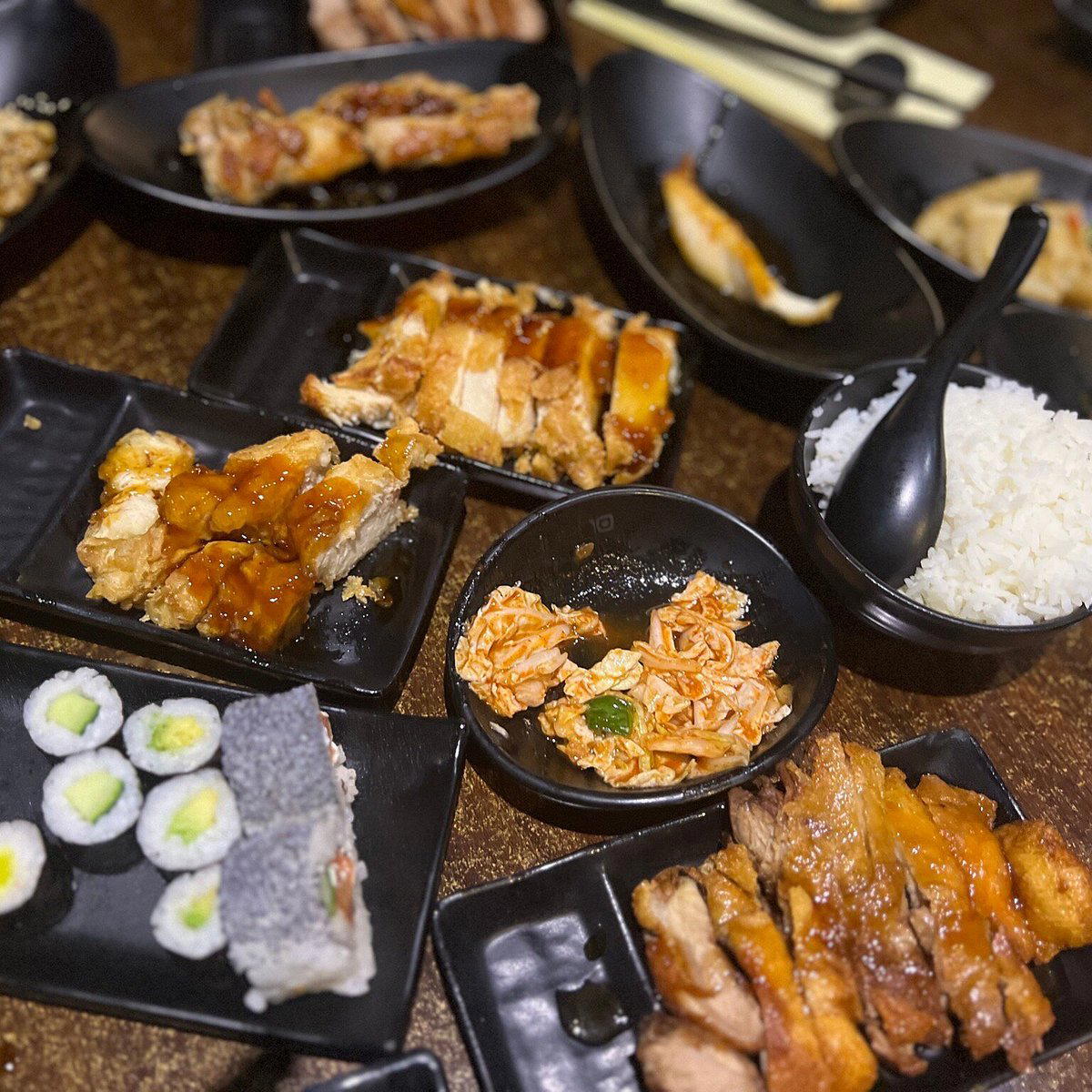
Japanese Cooking in a German University City
Münster's dining scene is anchored by European kitchens. Japanese cooking occupies a different corner entirely: a city of around 300,000 residents, many of them students, generates consistent demand for Asian formats, and the sushi and grill category sits well outside the formal fine-dining conversation that dominates critical attention here.
Jusho Sushi + Grill, at Von-Steuben-Straße 17 in the city centre, combines raw fish preparations with grilled dishes.
The Format and What It Signals
The combined sushi-and-grill format is a useful category signal. In Japan, the distinction between a sushi-ya and a robatayaki or teppanyaki grill is significant and rarely collapsed into a single venue. The hybrid format common in European and North American markets reflects a different logic: the restaurant responds to a broader customer appetite rather than a single specialist tradition. This is neither a criticism nor a compromise, it is simply a different genre, one that allows a kitchen to cover both cold preparations (nigiri, maki, sashimi) and hot ones (grilled proteins, cooked small plates) within a single service.
Germany's Japanese restaurant sector has grown substantially since the early 2000s, partly driven by the global sushi roll format's integration into mainstream European eating habits. The more interesting development over the past decade has been the slow emergence of venues with genuine craft credentials: trained sashimi chefs, imported Japanese rice varieties, and attention to fish temperature and aging. Jusho sits in the accessible hybrid format, and its address in central Münster suggests it draws a mixed audience of students, professionals, and visitors rather than the narrow specialist clientele that fills a dedicated omakase counter.
For comparison, the high end of Germany's Japanese-influenced dining sits at addresses like Aqua in Wolfsburg or the Franco-Japanese hybrids represented by Vendôme in Bergisch Gladbach. At the other extreme, CODA Dessert Dining in Berlin shows how a specialist format can carve a distinct identity even in a city with deep competition. Jusho's position sits closer to the accessible middle of that range, which in a city like Münster is not a modest claim, it is the relevant tier for where the actual audience lives.
Münster's Dining Geography
Von-Steuben-Straße places Jusho within easy reach of both the city's commercial centre and the university district, which shapes the room dynamic considerably. Münster has one of the highest student-population ratios of any German city, and that population skews dining culture toward mid-range formats, international cuisines, and flexible group dining. The Mediterranean end of the spectrum is covered by addresses like Acacia and Alem Mar. Japanese fits alongside those international options as part of a broader shift in what Münster's restaurant sector looks like compared to a generation ago.
The city's formal fine-dining tier remains relatively compact. Compared to Düsseldorf or Cologne, Münster has fewer Michelin-level addresses, which means the gap between formal European fine dining and casual international eating is wider here than in larger German cities. That creates more room for mid-tier specialist formats, a sushi and grill address can occupy meaningful territory without competing directly against the city's leading European kitchens.
German Fine Dining as Context
Understanding where Jusho sits also benefits from knowing what the formal German dining circuit looks like at its apex. Addresses like Schwarzwaldstube in Baiersbronn, Waldhotel Sonnora in Dreis, Victor's Fine Dining by Christian Bau in Perl, Schanz in Piesport, and ES:SENZ in Grassau define the country's fine-dining ceiling. Restaurant Haerlin in Hamburg and JAN in Munich operate at similar altitude in major urban centres. Japanese cooking in Germany, at its most technically ambitious, draws on that same culture of precision, but in a city like Münster, the Japanese restaurant sector operates in a different register, built around accessibility and breadth rather than the highly controlled omakase format.
For international reference points, the gap between a Münster sushi-and-grill and a counter like Atomix in New York City or the seafood rigour of Le Bernardin is substantial. That comparison is not unflattering to Jusho, it simply clarifies the category. Most diners in Münster on a Tuesday evening are not choosing between Atomix and Jusho; they are choosing between Jusho and whatever else is walkable from where they are standing.
Planning Your Visit
Jusho Sushi + Grill is located at Von-Steuben-Straße 17, 48143 Münster, in the central district of the city. Reservations are recommended, and the restaurant is open Mon to Thu 12 to 2:30 PM and 6 to 10 PM, Fri and Sat 12 to 2:30 PM and 5:30 to 10:30 PM, and Sun 12 to 2:30 PM and 5:30 to 10 PM. In university cities with a dense casual-dining sector, weekend evenings and late-week dinner slots tend to fill faster than weekday lunchtimes, so planning ahead by a few days is a reasonable precaution. For dietary requirements or allergy questions, contacting the venue directly before arrival is one reliable approach, given that sushi kitchens involve multiple allergen categories including raw fish, shellfish, soy, and sesame across many preparations.
Booking and Cost Snapshot
Comparable venues nearby, for context on price, style, and recognition.
| Venue | Cuisine | Price |
|---|---|---|
| Jusho Sushi + GrillThis venue — the venue you are viewing | Not listed | $$ |
| Restaurant Kleine Welt | Traditional German Seafood | $$ |
| Acacia | Authentic Japanese Sushi and Omakase | $$$ |
| Restaurant Ackermann | Roxel, Upscale Regional German | $$$ |
| PALUMBO Restaurant | Mauritz, Authentic Italian | $$$ |
| Les Cèdres | Westhues, Authentic Lebanese | $$ |
Continue exploring
More in Münster
Restaurants in Münster
Browse all →
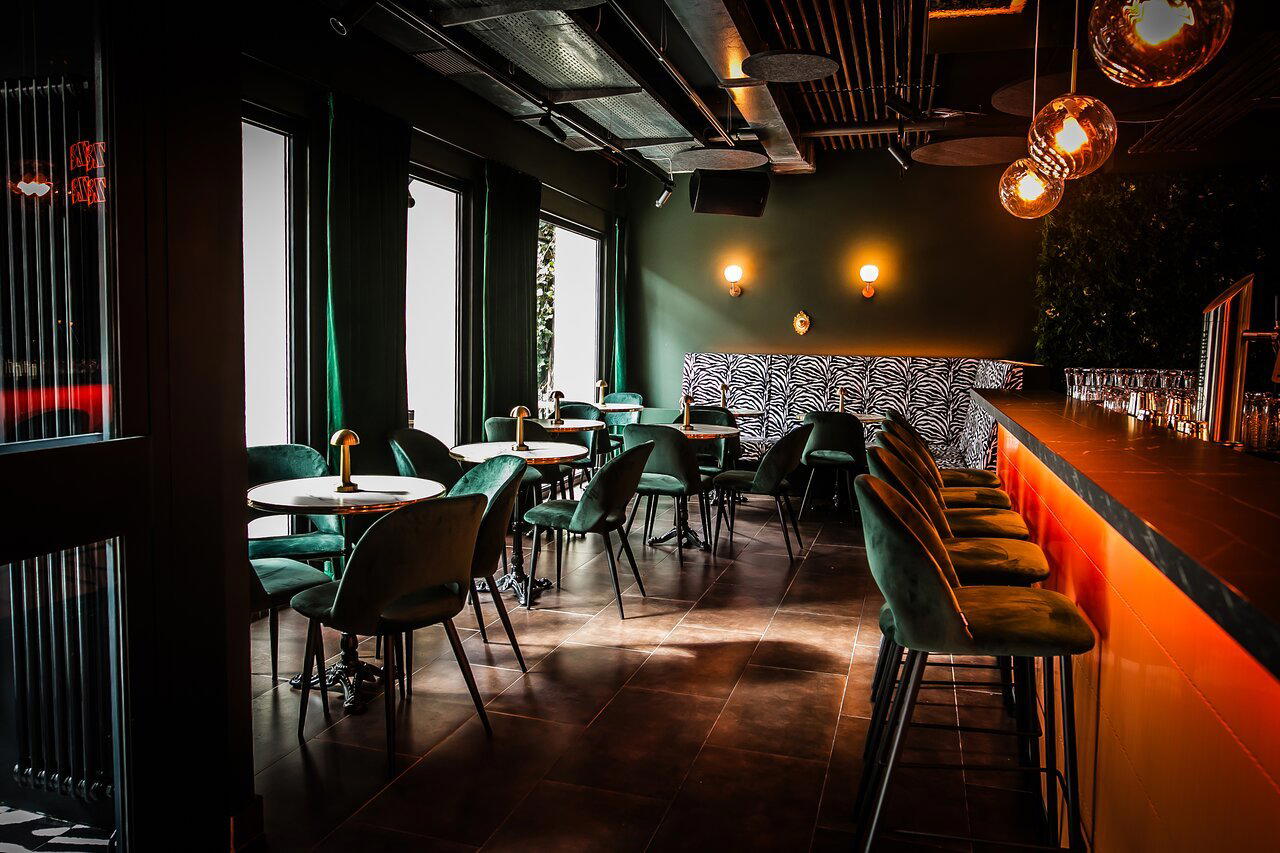
Bars in Münster
Browse all →
Hotels in Münster
Browse all →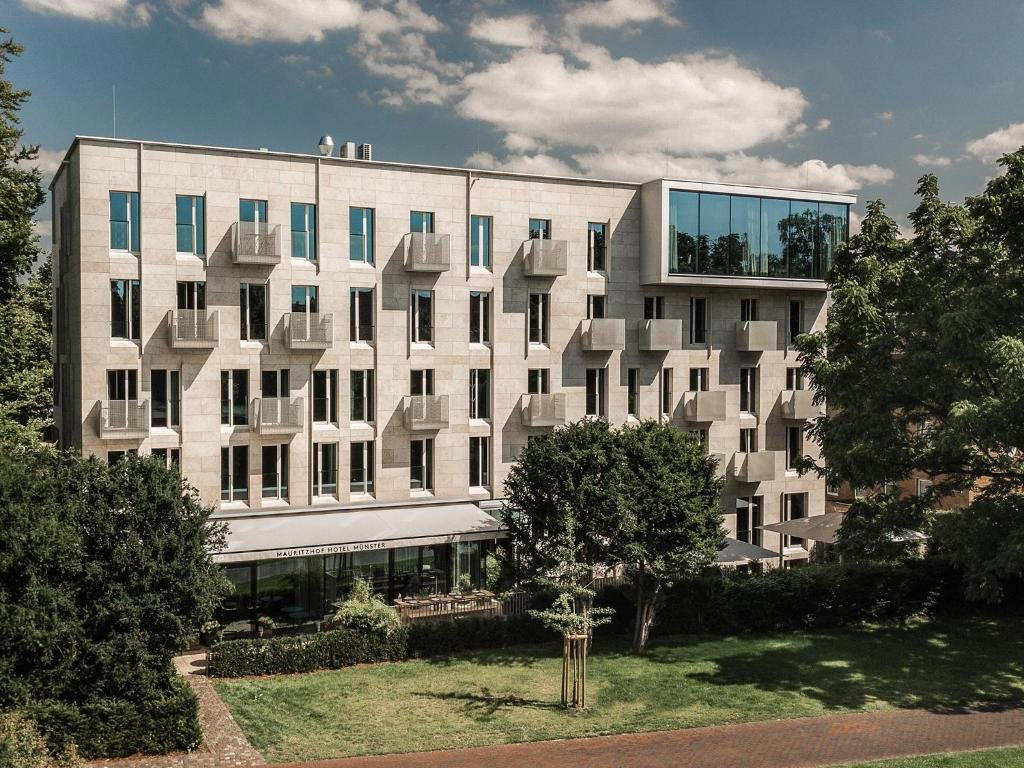
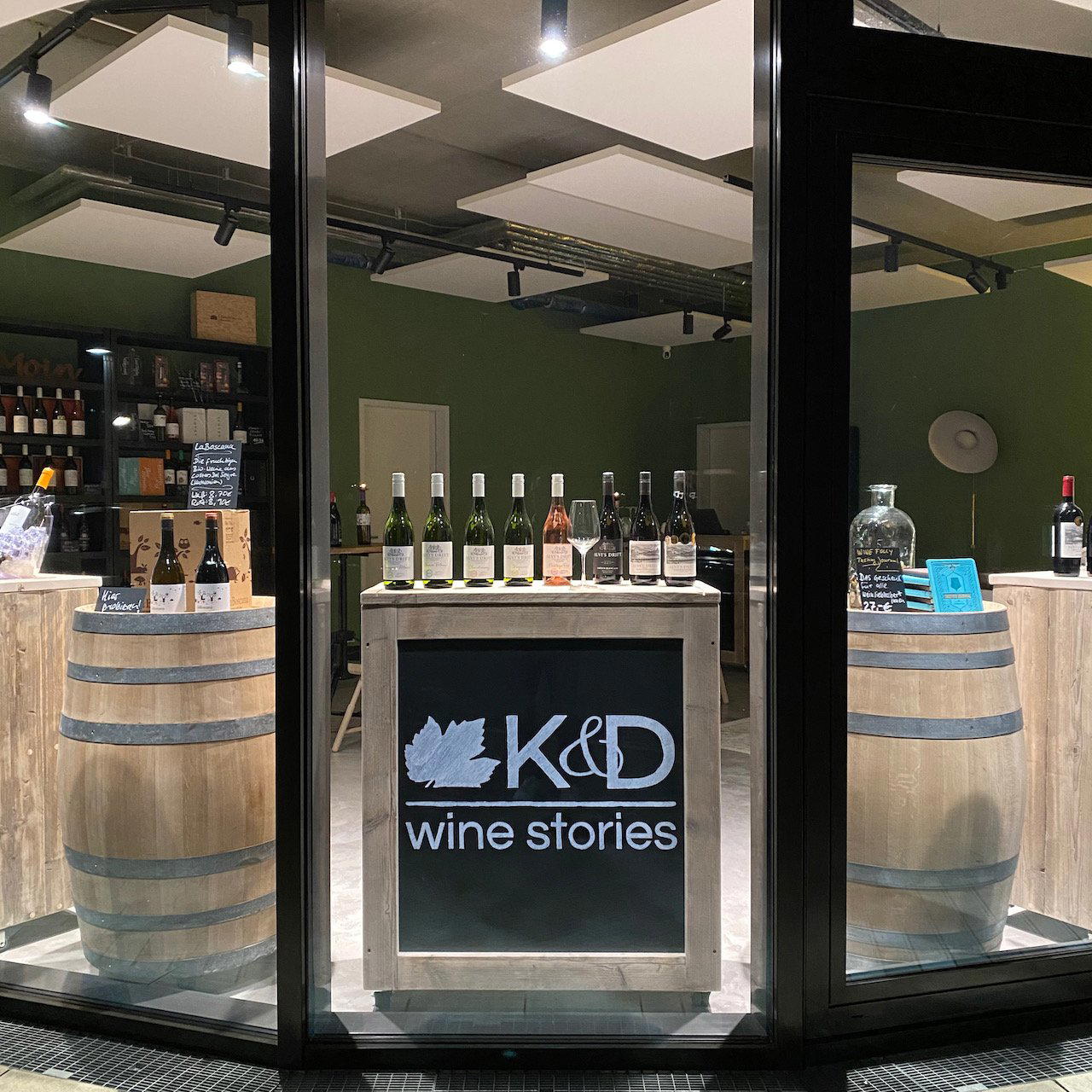
Wineries in Münster
Browse all →
At a Glance
- Modern
- Cozy
- Casual Hangout
- Date Night
- Open Kitchen
- Sake Program
Current opening hours
- Monday
- 12–2:30 PM, 6–10 PM
- Tuesday
- 12–2:30 PM, 6–10 PM
- Wednesday
- 12–2:30 PM, 6–10 PM
- Thursday
- 12–2:30 PM, 6–10 PM
- Friday
- 12–2:30 PM, 5:30–10:30 PM
- Saturday
- 12–2:30 PM, 5:30–10:30 PM
- Sunday
- 12–2:30 PM, 5:30–10 PM
Hours can change for holidays and private events. Last verified .
Dimly lit, cozy atmosphere blending modern style with oriental hospitality.