At Friedrich-Ebert-Platz 2 in central Münster, Acacia occupies a city address that places it within easy reach of the Altstadt dining circuit. The restaurant sits in a German city better known for its cycling culture and university life than for fine dining tourism, which shapes the kind of local-rooted, ingredient-conscious cooking that tends to thrive here. A reservation warrants attention for visitors building a serious Münster itinerary.
Pearl is the En Primeur Club membership app — saves, bookings, and concierge access live there. Same editors, same standards.
- Address
- Friedrich-Ebert-Platz 2, 48153 Münster, Germany
- Phone
- +4949251527995
- Website
- restaurant-acacia.de
- Directions
- Get directions
 Saves & bookings on Pearl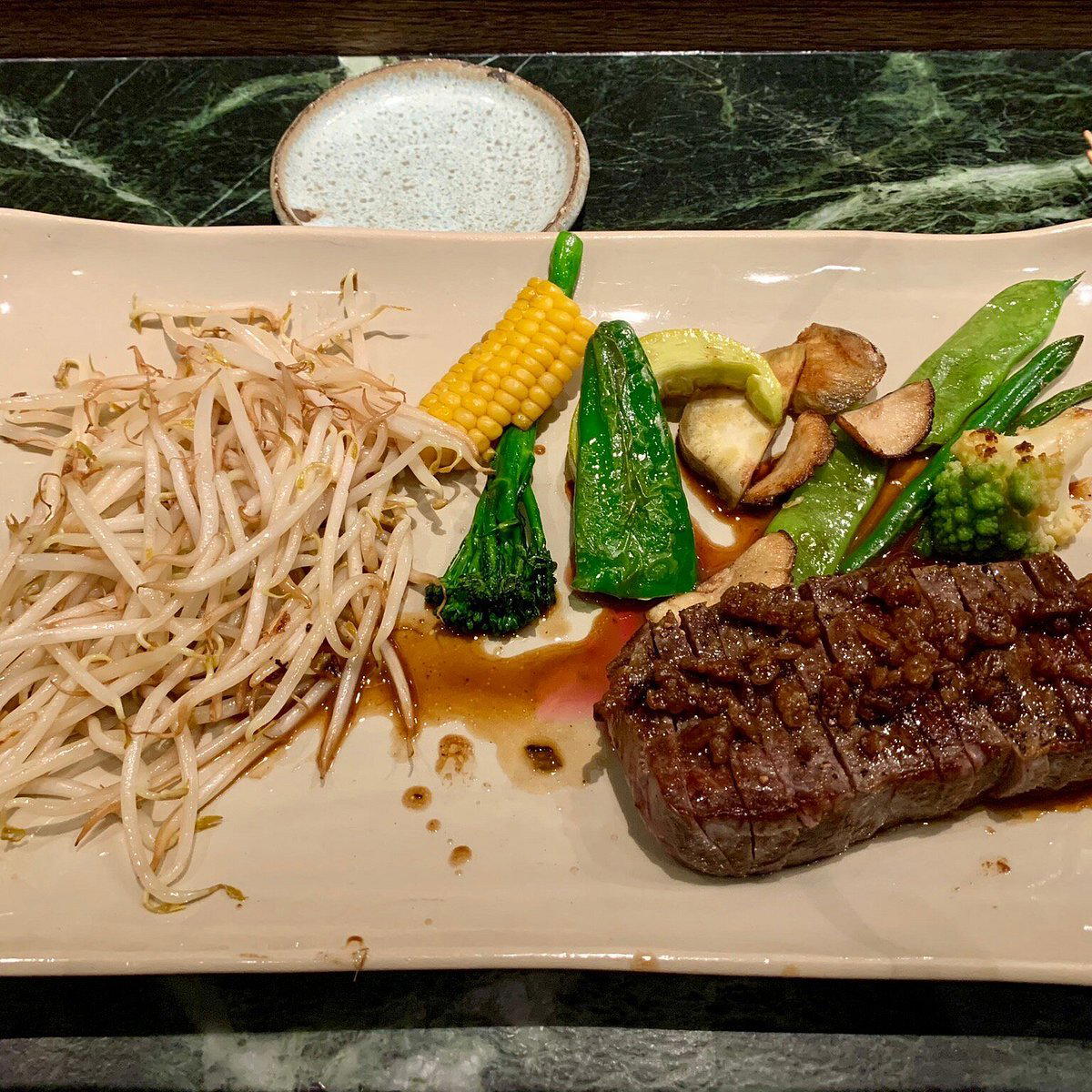
Where Münster's Dining Scene Places Its Bets on the Local
Acacia is a Japanese sushi and omakase restaurant in Münster, Germany, with a price tier around US$60 per person. The cities that draw international attention for serious restaurant work tend to be Hamburg, Munich, or the Rhineland corridor, where venues like Vendôme in Bergisch Gladbach and Aqua in Wolfsburg set a national benchmark. Münster operates differently: a university city with a strong civic identity, a dense cycling infrastructure, and a dining culture that rewards provenance-aware cooking over spectacle. The restaurants that hold their ground here tend to do so through consistency and sourcing discipline.
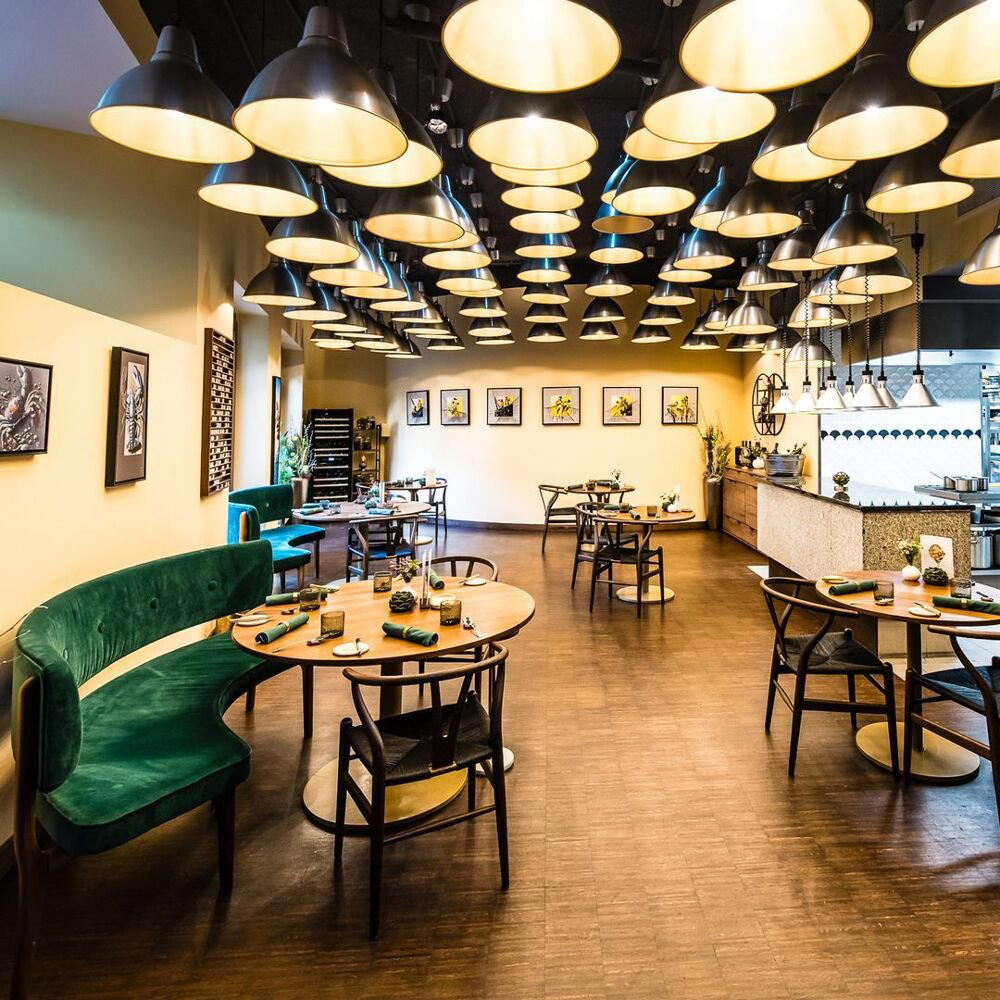
Friedrich-Ebert-Platz 2 sits close enough to the old city centre that arriving on foot from the Prinzipalmarkt takes fewer than ten minutes. The address places Acacia inside a neighbourhood where independent operators compete with long-established Westphalian institutions, and where the local clientele, a mix of academics, professionals, and residents who take their food seriously without performing it, sets the tone for what works. The room at this address reads as a composed, mid-scale urban space: not the kind of theatrical interior you find at destination-format restaurants like CODA Dessert Dining in Berlin, but a setting that keeps the focus where Münster diners tend to prefer it, on what is on the plate.
The Sourcing Logic Behind Westphalian Tables
In a region with direct access to North Rhine-Westphalian agricultural land, the argument for local sourcing is not merely ethical or fashionable. It is logistical. The flatlands around Münster produce pork, asparagus, and root vegetables with enough regularity and quality that kitchens here have historically built their menus around proximity rather than importing prestige ingredients from further south or abroad. This is a different supply philosophy from the one that drives, say, the hyper-precision sourcing programs at Schwarzwaldstube in Baiersbronn or the long-established French-inflected precision at Waldhotel Sonnora in Dreis, both of which operate in regions where ingredient identity is tightly bound to geographical reputation.
At a restaurant named Acacia, operating in this regional context, the reasonable expectation is a kitchen that respects the seasonal rhythm of Westphalian produce rather than fighting it. The acacia tree itself is a marker of late spring in northern Germany, its blossom used in everything from honey production to fritter traditions that predate the current wave of forager-kitchen enthusiasm. Whether the name signals a literal sourcing commitment or simply an aesthetic orientation, it places the restaurant in a frame of natural reference that resonates with how Münster diners tend to think about what they eat.
Across Münster's independent dining circuit, the restaurants that have built durable reputations share a similar logic. Giverny and Alem Mar both operate in a city where the diner base is educated and price-conscious without being unwilling to spend when the cooking justifies it. Jusho Sushi + Grill represents the international format end of Münster's range, while Bayreuther Hütte anchors a more traditional register. Acacia sits within this range, at an address that suggests a more urban, composed proposition than a countryside inn, and a format that fits the expectations of a Friday-evening reservation rather than a destination pilgrimage.
How Münster Compares to Germany's Serious Dining Cities
The distance between Münster and Germany's most decorated kitchens is not merely geographical. The Michelin footprint in North Rhine-Westphalia concentrates in Düsseldorf and the wider Rhineland corridor. Restaurants like JAN in Munich or Victor's Fine Dining by Christian Bau in Perl operate in markets where international dining tourism is a real factor, where tables are reserved months ahead by visitors building Germany itineraries around eating. ES:SENZ in Grassau and Schanz in Piesport similarly benefit from destination-resort contexts that amplify their reach beyond local clientele.
Münster does not function this way. Its restaurants earn loyalty through repeat custom from a rooted local population rather than through one-time destination visits. That dynamic shapes portion sizing, pricing expectations, and the kind of menu evolution that makes sense in a city where the same guests return monthly rather than annually. For a visitor, this actually works in favour of a more honest dining experience: kitchens cooking for locals who know when something has slipped tend to maintain a tighter standard than those performing for out-of-towners unlikely to return. The comparison to international formats like Le Bernardin in New York City or Lazy Bear in San Francisco clarifies the point: those restaurants play to a global stage. Acacia, at Friedrich-Ebert-Platz, plays to Münster, and in a city this consistent in its expectations, that is a meaningful credential in itself.
For the Auberge aux 4 Saisons end of Münster's dining range, the seasonal four-quarter format has historically been one way German kitchens signal sourcing seriousness without resorting to tasting-menu theatrics. Acacia's address and register suggest it occupies a comparable position: ingredient-forward, neighbourhood-anchored, and designed for the kind of evening that doesn't require a two-hour drive to justify.
Planning a Visit to Acacia
Acacia is located at Friedrich-Ebert-Platz 2, 48153 Münster, within comfortable walking distance of central Münster's public transport connections and the Altstadt. The Friedrich-Ebert-Platz address is accessible from Münster Hauptbahnhof in under fifteen minutes on foot, making it a practical option for visitors arriving by rail, which is one efficient way to reach Münster from Düsseldorf, Dortmund, or Cologne. Acacia is recommended for reservations and is open Tuesday through Saturday from 6 to 9 PM.
A Quick Peer Check
Comparable venues nearby, for context on price, style, and recognition.
| Venue | Cuisine | Price | Notes |
|---|---|---|---|
| AcaciaThis venue — the venue you are viewing | Authentic Japanese Sushi and Omakase | $$$ | Not listed |
| Jusho Sushi + Grill | Modern Japanese Sushi and Grill | $$ | near Hauptbahnhof |
| Restaurant Ackermann | Upscale Regional German | $$$ | Roxel |
| Giverny | Classic French Bistro | $$$$ | Spiekerhof |
| Rotkehlchen Speise-& Cocktailbistro | Modern German Bistro with Cocktails | $$$ | Innenstadt |
| Orléans | Traditional French Bistro | $$ | Münster |
Continue exploring
More in Münster
Restaurants in Münster
Browse all →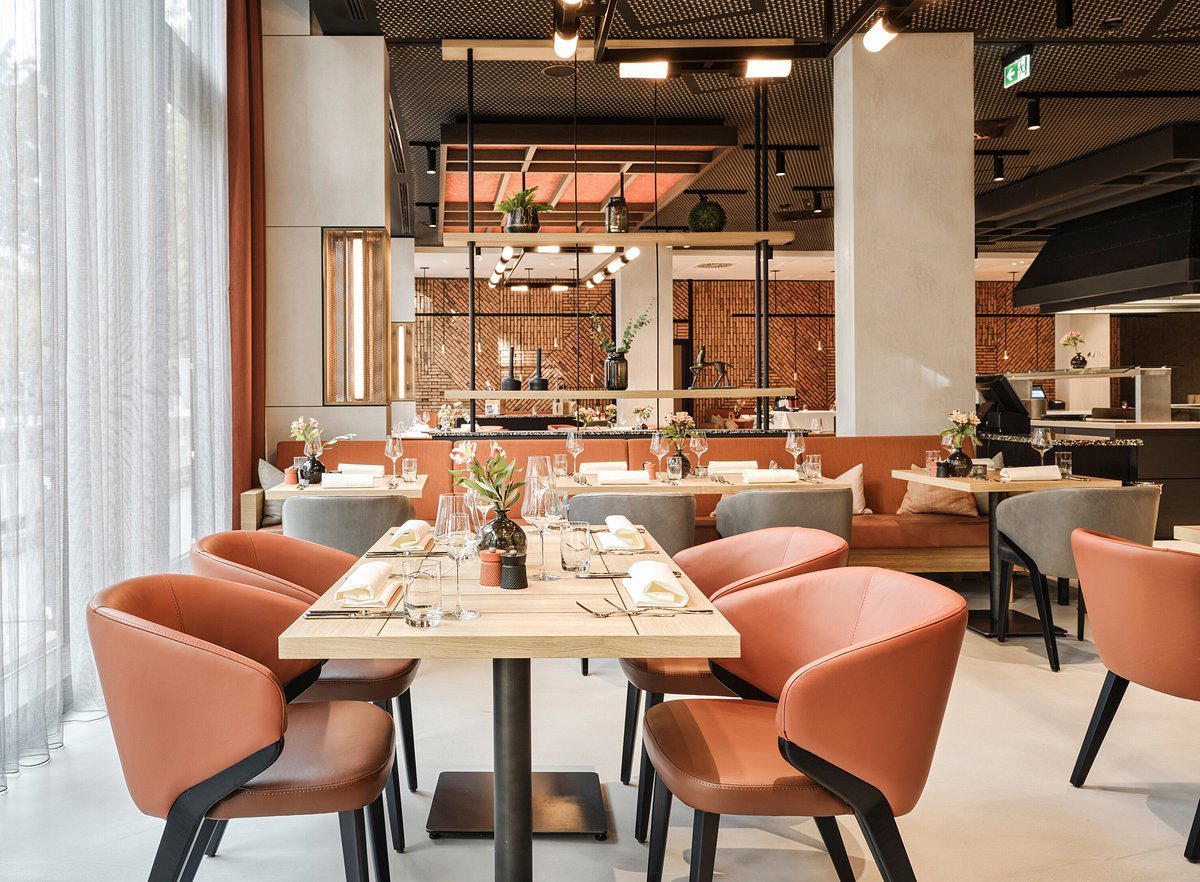
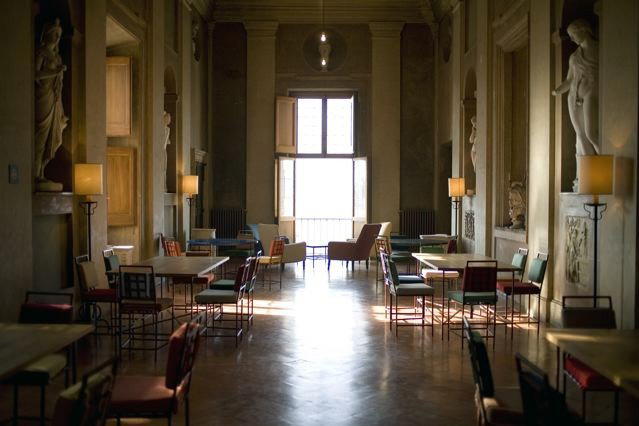
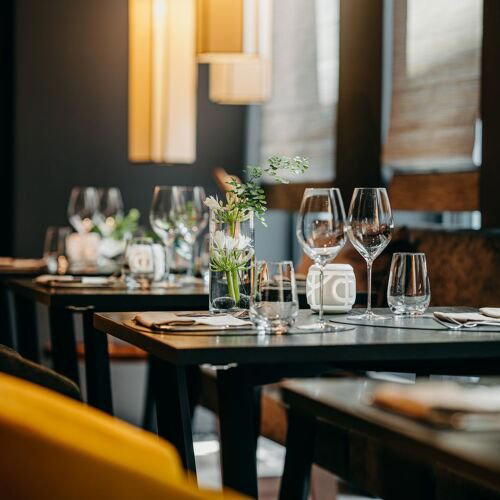
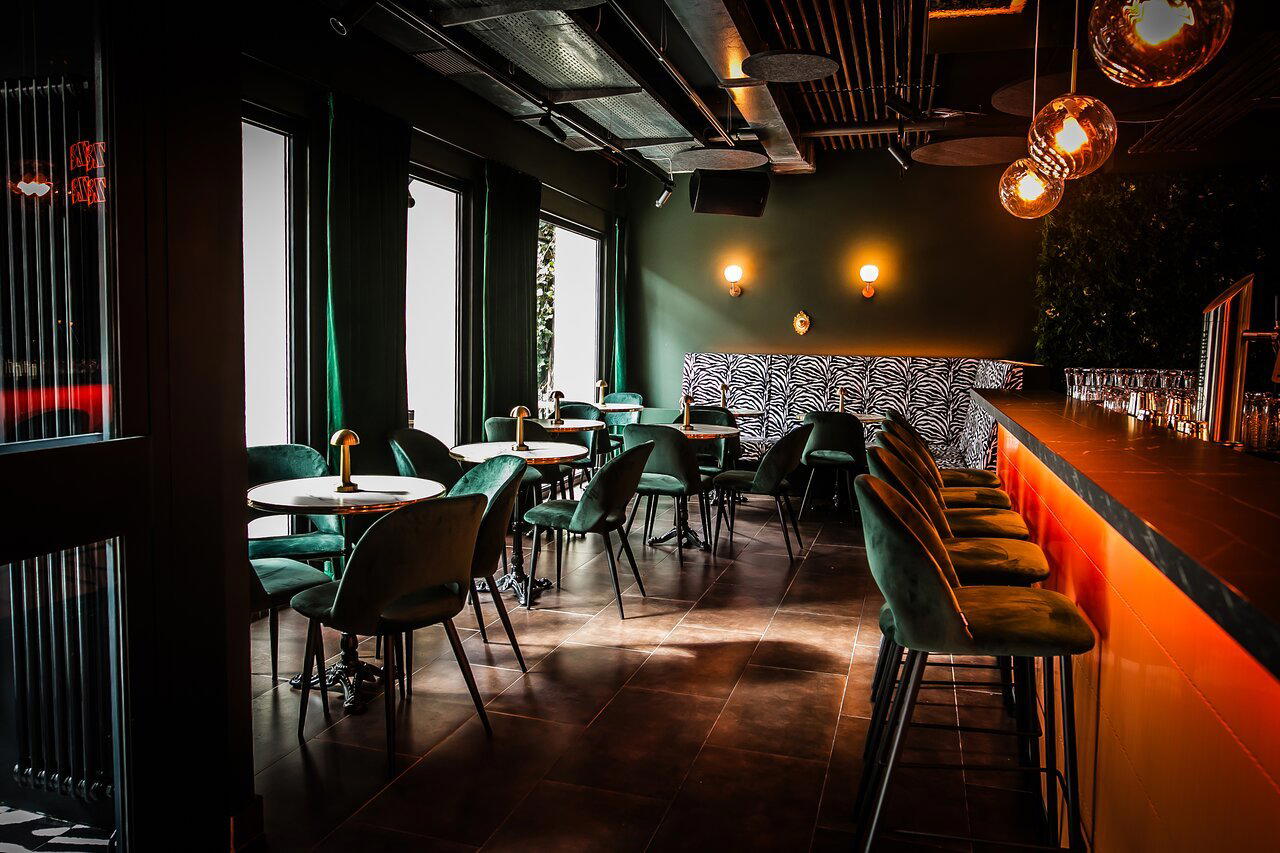
Bars in Münster
Browse all →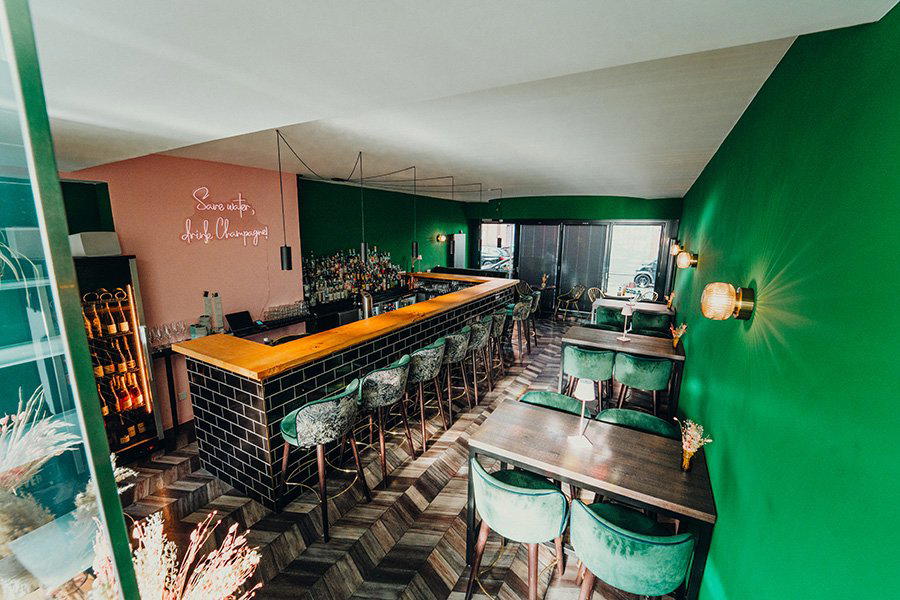
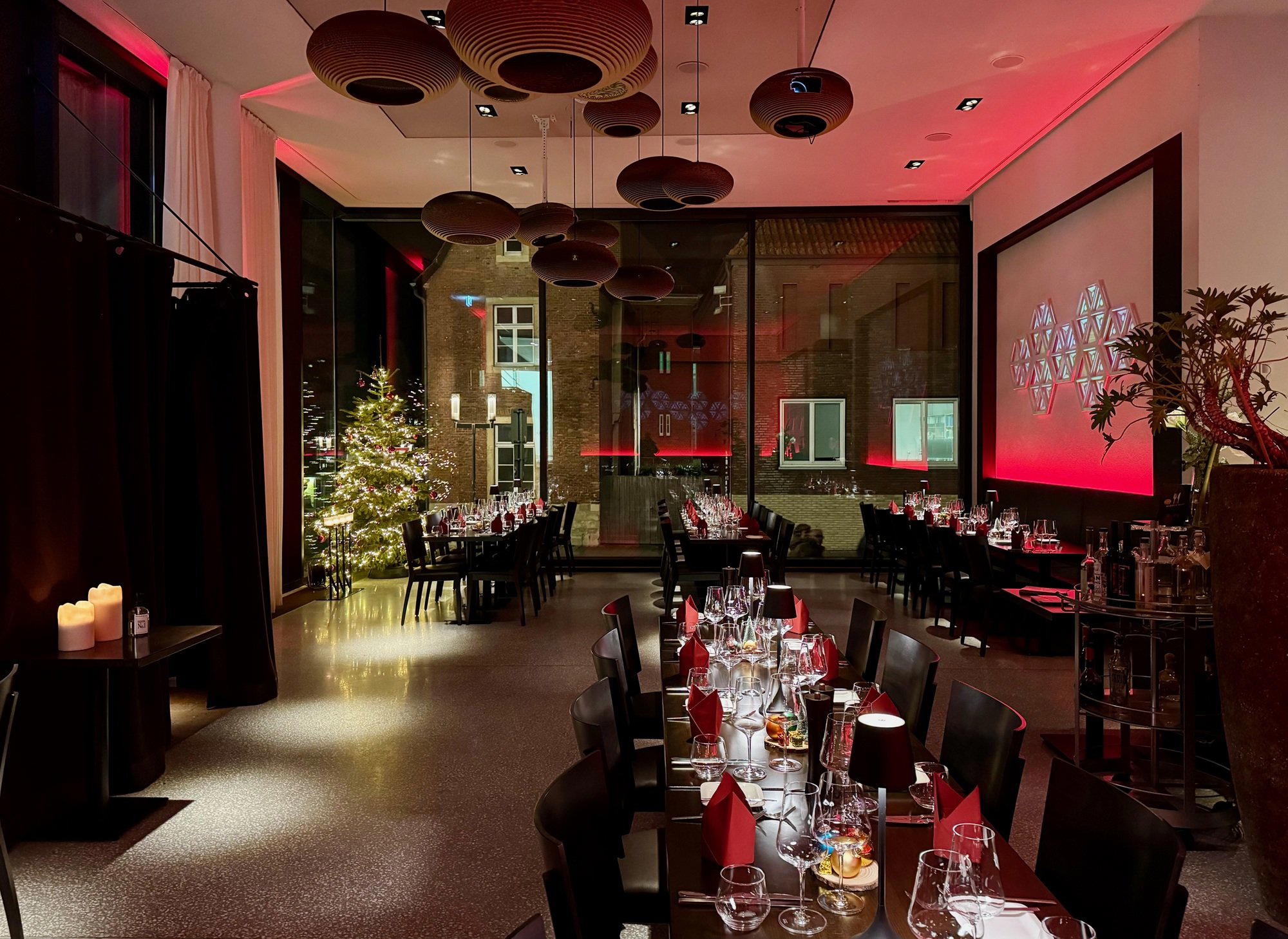
Hotels in Münster
Browse all →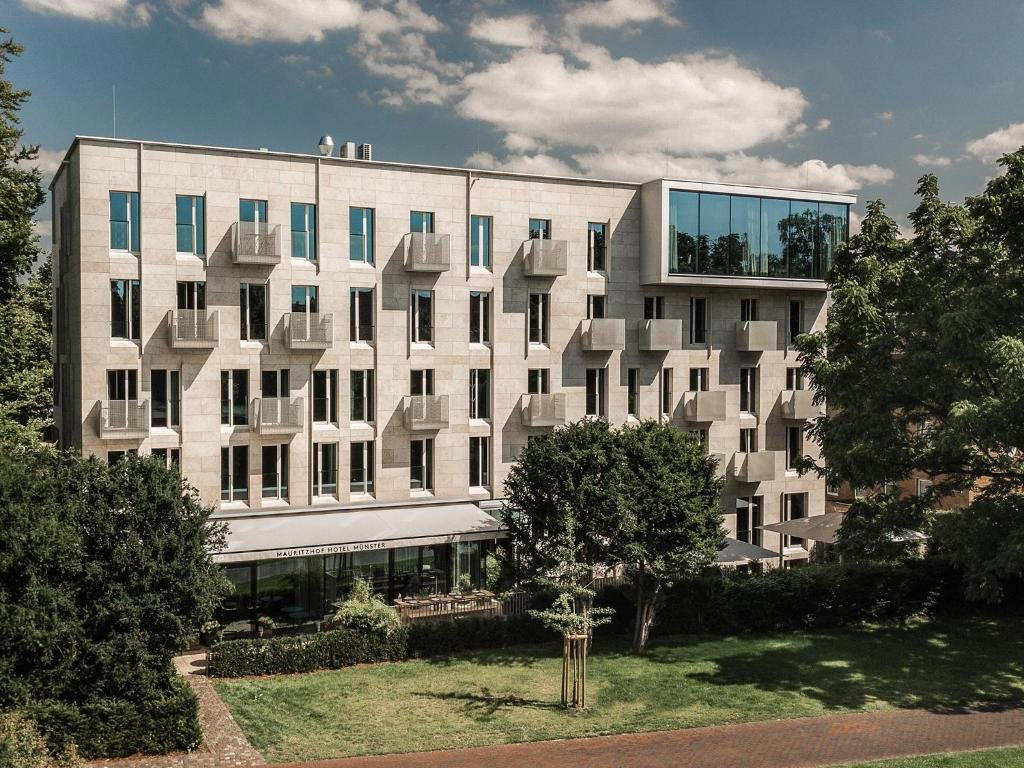
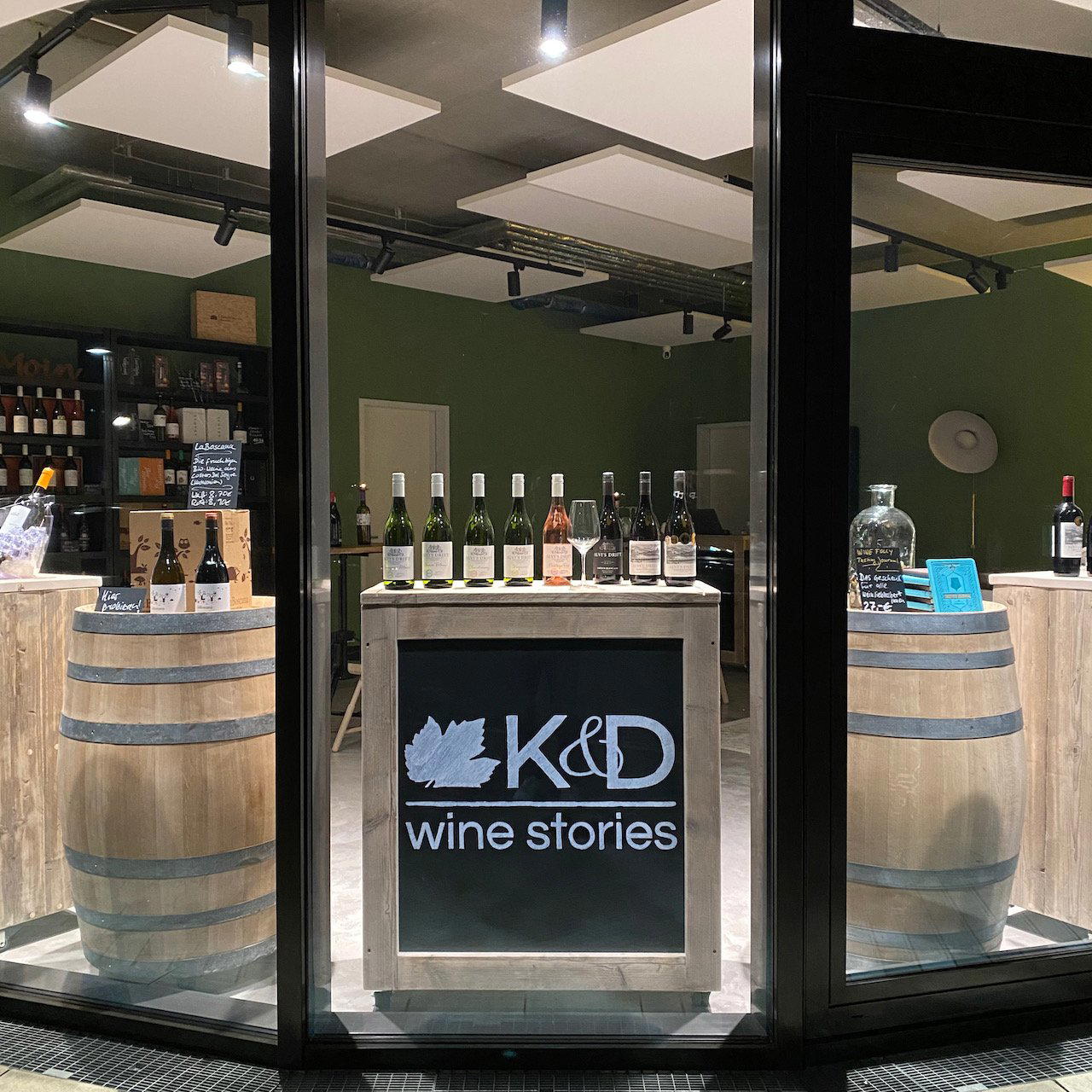
Wineries in Münster
Browse all →
At a Glance
- Cozy
- Modern
- Intimate
- Elegant
- Date Night
- Business Dinner
- Open Kitchen
Current opening hours
- Monday
- Closed
- Tuesday
- 6–9 PM
- Wednesday
- 6–9 PM
- Thursday
- 6–9 PM
- Friday
- 6–9 PM
- Saturday
- 6–9 PM
- Sunday
- Closed
Hours can change for holidays and private events. Last verified .
Relaxed, cozy atmosphere with a family-like feel, authentic Japanese design including shoe-free private spaces and counter seating to watch the chef.