


Michelin Plate · Macarfi 7.6 Food Rating · Guía Repsol 1 Sol
Our verdict
A family-run contemporary restaurant on Calle María Teresa Gil de Gárate, Juan Carlos Ferrando holds consecutive Michelin Plate recognition for 2024 and 2025 and operates at the €€ price point, one tier below Logroño's starred restaurants. The kitchen frames traditional Riojan recipes with modern technique and an international edge, anchored by a cod cheeks pilpil that serves as the clearest measure of what the kitchen can do.

Pearl is the En Primeur Club membership app, where members save venues, book tables and use the concierge.
The menu
What to order
- Cod cheeks with pilpil sauce
- Chef's table experience
A Meal Shaped by Rioja, Not Just Paired with It
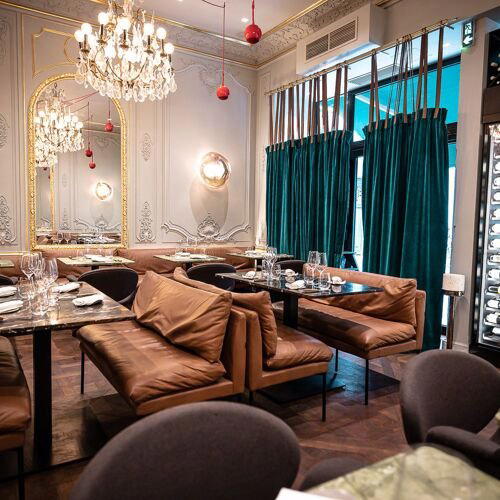
Calle María Teresa Gil de Gárate sits a short walk from Logroño's old town tapas circuit, far enough from the pintxos bar crawl on Calle Laurel that the pace changes perceptibly at the door. Inside Juan Carlos Ferrando, the room signals a deliberate slowing down: this is a place where the meal is structured, not grazed. That pacing is the point. In a city that draws visitors largely for its wine and its informal bar culture, a contemporary restaurant built around composed courses and regional identity occupies a distinct position.
What Contemporary Rioja Cooking Actually Means
The phrase "contemporary Rioja cooking" sounds like marketing shorthand until you see how it operates in practice across the region. La Rioja's food identity has historically been in the shadow of its wine, with local produce, white asparagus, red peppers, lamb, river fish, serving as backdrop rather than subject. A newer generation of restaurants in and around Logroño has begun repositioning that produce as the primary focus, using classic regional recipes as a structural foundation while the technique, plating, and occasional international reference do the work of modernisation. Juan Carlos Ferrando belongs clearly to this current.
The kitchen operates across two formats: the Mercado menu, which tracks seasonal market availability, and the Cruce de Caminos menu, whose name references Logroño's position on the Camino de Santiago pilgrimage route. That geographical and cultural framing is not incidental. The city has always been a transit point where ingredients, techniques, and influences cross, and the menu appears to take that layered identity seriously rather than treating it as branding. The à la carte runs alongside both menus, giving the table more autonomy on pacing and selection than most tasting-menu-only contemporaries allow.
Cod Cheeks, Pilpil, and the Logic of a Signature Dish
Cod cheeks with pilpil sauce are the dish most frequently cited in connection with this kitchen. That says something about the restaurant's approach to the dining ritual: the presence of a single, technique-specific dish as a reference point suggests a menu that doesn't try to reinvent the wheel on every plate. Pilpil is a Basque-Navarrese sauce built on the collagen from salt cod, emulsified in olive oil through patient movement rather than mechanical whisking. Getting it right requires care and time, and it has no shortcuts. Serving it with cod cheeks rather than the more common loin signals an interest in secondary cuts and in textures that reward attention. The same preparation is also offered with hake, which keeps the dish in dialogue with Riojan river-fish tradition while giving diners a seasonal alternative.
This kind of dish is the restaurant's trust signal. Pilpil is a known benchmark in northern Spanish cooking, and the repetition of the preparation across two proteins suggests confidence in the technique rather than novelty for its own sake.
Where This Sits in Logroño's Dining Structure
Logroño's contemporary dining tier has grown meaningfully in recent years. At the higher end, Ikaro (Creative) and Ajonegro (Fusion) both carry Michelin stars and operate at the €€€ price point, with tasting menus that run longer and more internationally inflected. Kiro Sushi (Sushi, Japanese) sits at €€€€, occupying an entirely different category. Juan Carlos Ferrando at €€ operates one tier below that starred bracket, which makes it the most accessible entry point into composed, course-structured dining in the city. It is not a budget option, but it is meaningfully less expensive than its Michelin-starred neighbours, and the Michelin Plate recognition it has held consecutively in both 2024 and 2025 confirms it sits in the same conversation, even if at a different level. For comparison, La Cocina de Ramón (Traditional Cuisine) holds the same price tier but with a more traditional rather than contemporary orientation, while Sabores represents another point on the local contemporary spectrum.
Across Spain, the gap between Michelin Plate and a first star marks the distinction between a kitchen operating at a high, consistent level and one the Guide considers genuinely exceptional within its category. Plates recognise quality cooking without the additional weight of concept, invention, or culinary ambition that the star criteria require. That distinction matters for a reader deciding where to eat: a Plate restaurant in a wine region like Rioja often offers a very direct expression of local cooking at a price that doesn't demand the full ceremony of a tasting menu evening.
For broader context on Spanish contemporary dining at the starred level, Arzak in San Sebastián and El Celler de Can Roca in Girona define the upper reference points for what the contemporary regional format can become. Azurmendi in Larrabetzu, DiverXO in Madrid, Cocina Hermanos Torres in Barcelona, and Aponiente in El Puerto de Santa María each represent a different Spanish region's version of the high-ambition contemporary form. Juan Carlos Ferrando doesn't operate at that level of ambition or price, but it participates in the same broader tradition of cooking that takes regional identity seriously as a structural principle rather than a decorative one.
The Ritual of the Meal Here
The family-run character of the restaurant shapes how the meal feels more than any single dish. Family-operated contemporary restaurants in Spain tend to have a particular quality of service pacing: less formal than a brigade-staffed operation, more attentive than a neighbourhood trattoria. The menu structure, with its choice between seasonal and pilgrimage-route tasting formats alongside à la carte, allows the table to set its own rhythm. A two-course lunch reads very differently from a full Cruce de Caminos progression, and the kitchen appears to accommodate both without penalising shorter formats.
For anyone spending time in Logroño primarily for the wine, the meal functions as a lens rather than a detour. The wine list in a Riojan restaurant at this level will inevitably track closely with local producers, and the food is calibrated to accompany Rioja rather than compete with it. That alignment between food and wine identity is part of what distinguishes the regional contemporary format from the more internationally adventurous tasting-menu style.
Planning Your Visit
Juan Carlos Ferrando is on Calle María Teresa Gil de Gárate, 7, in the 26002 postcode, within walking distance of the old town. At the €€ price point, reservations are advisable especially for weekend evenings when Logroño's dining culture is at its most active. For a full orientation to eating and drinking in the city, see our full Logroño restaurants guide, and for accommodation, wine visits, and local experiences, the hotels, wineries, bars, and experiences guides cover the broader picture. For contemporary dining outside Spain, César in New York City and Jungsik in Seoul represent how the contemporary format translates across different culinary contexts.
What Should I Eat at Juan Carlos Ferrando?
The cod cheeks with pilpil sauce are the most documented dish in the kitchen's output and the clearest expression of what the restaurant does well: a classical northern Spanish technique applied to a secondary cut, served with precision. The hake version of the same pilpil preparation gives you the same technical reference point with a different texture and weight. Beyond those, the Cruce de Caminos set menu is the most structured way to understand the kitchen's full range, tracking from regional tradition through to its contemporary and international references. The Mercado menu is the shorter, market-driven alternative and the more practical choice for a midday visit. The Ikaro and Ajonegro menus push further into invention and international technique; Juan Carlos Ferrando sits closer to the regional tradition side of that spectrum, which is where the Michelin Plate recognition and the €€ positioning both point.
Cuisine and Awards Snapshot
A quick peer list to put this venue’s basics in context.
| Venue | Cuisine | Price | Awards | Notes |
|---|---|---|---|---|
| Juan Carlos FerrandoThis venue (the venue you are viewing) | Contemporary Spanish Rioja Cuisine | $50–100 | Michelin Plate · Macarfi 7.6 Food Rating | Not listed |
| Kiro Sushi | Traditional Japanese Omakase | $150–200 | 1 Michelin Star · Guía Repsol 2 Soles | Sushi, Japanese |
| Marques de Riscal Restaurant | Modern Basque Fine Dining | $100–150 | Michelin Plate | Modern Spanish |
| Ajonegro | Mexican-Riojan Fusion | Not listed | 1 Michelin Star · Macarfi 8.5 Food Rating | Fusion |
| Ikaro | Ecuadorian-Rioja Fusion | $50–100 | 1 Michelin Star · Guía Repsol 2 Soles | Creative |
| La Cocina de Ramón | Traditional Riojan Cuisine | $50–100 | Michelin Bib Gourmand · Guía Repsol 1 Sol | Traditional Cuisine |
Recognition history
Dated appearances from independent guides and award organizations, with the underlying list record or original source where available.
Michelin Plate
Michelin
Guía Repsol 1 Sol
Guía Repsol
Macarfi 7.6 Food Rating
Macarfi
Full recognition history (5 entries)
Michelin Plate
Michelin
Michelin Plate
Michelin
Continue exploring
More in Logroño
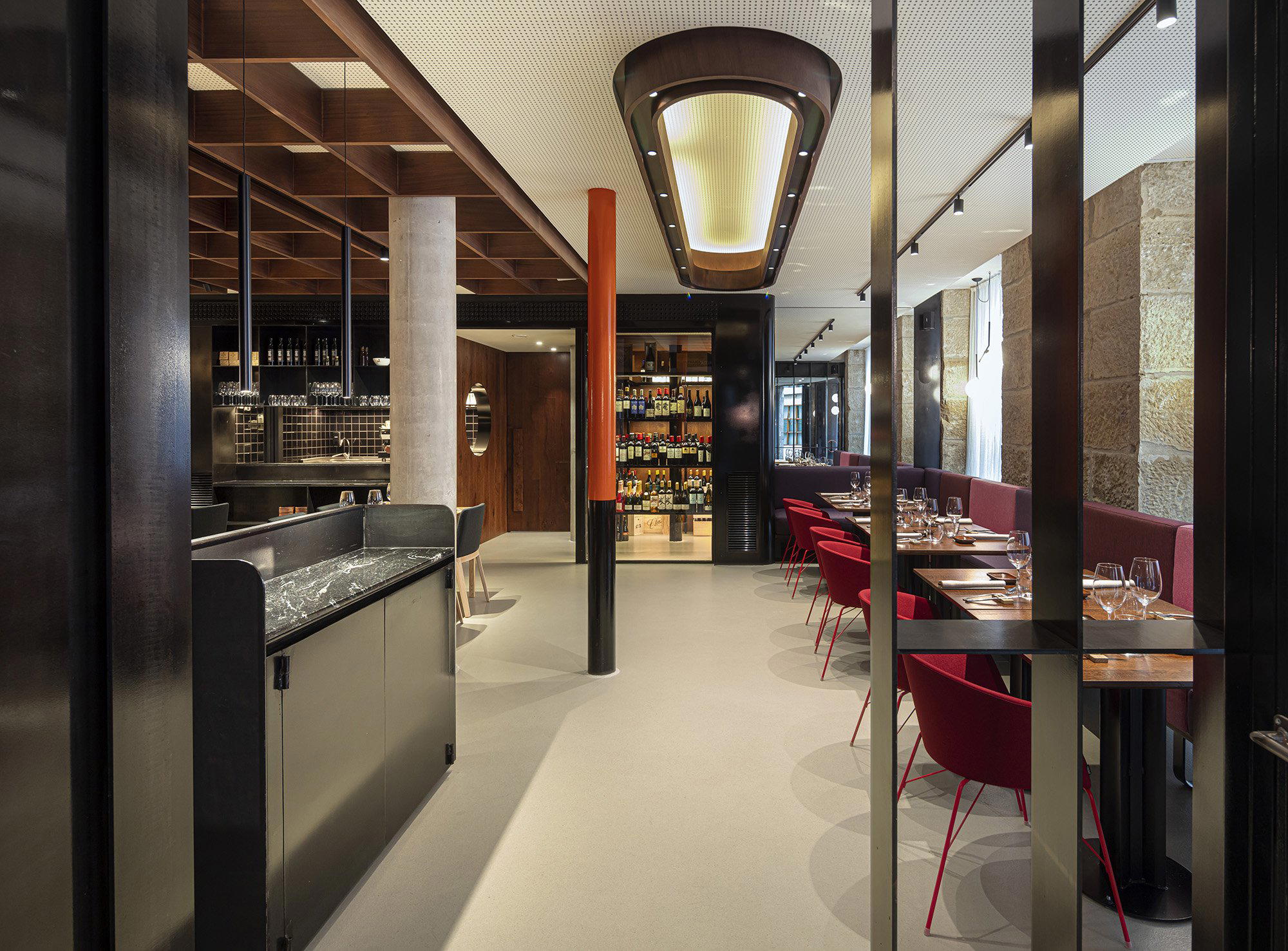
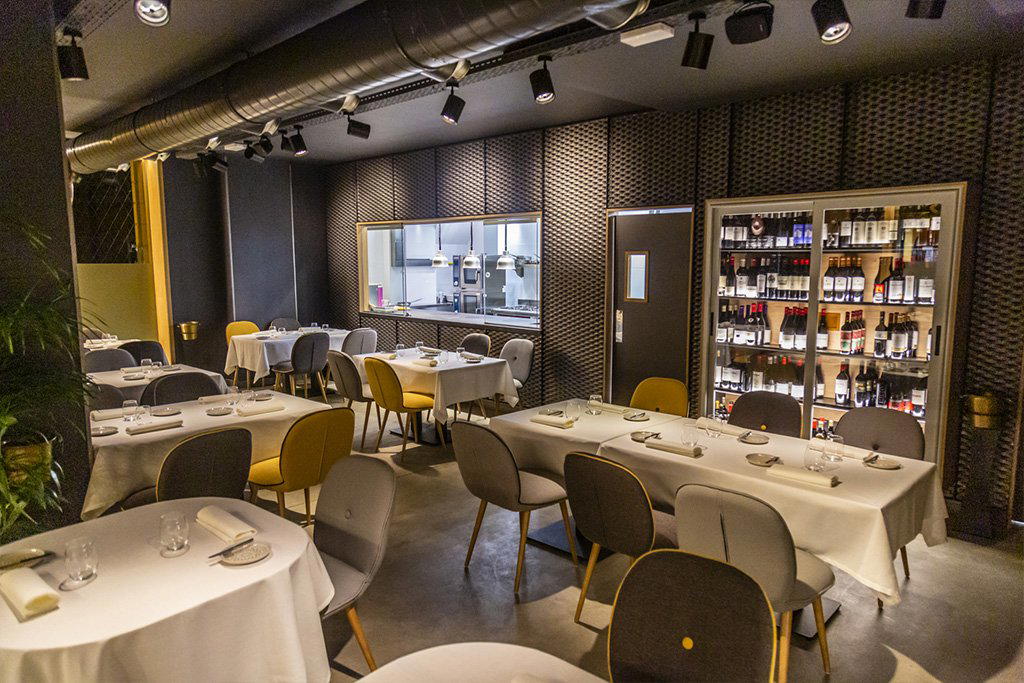
Restaurants in Logroño
All restaurants in Logroño →
Bars in Logroño
All bars in Logroño →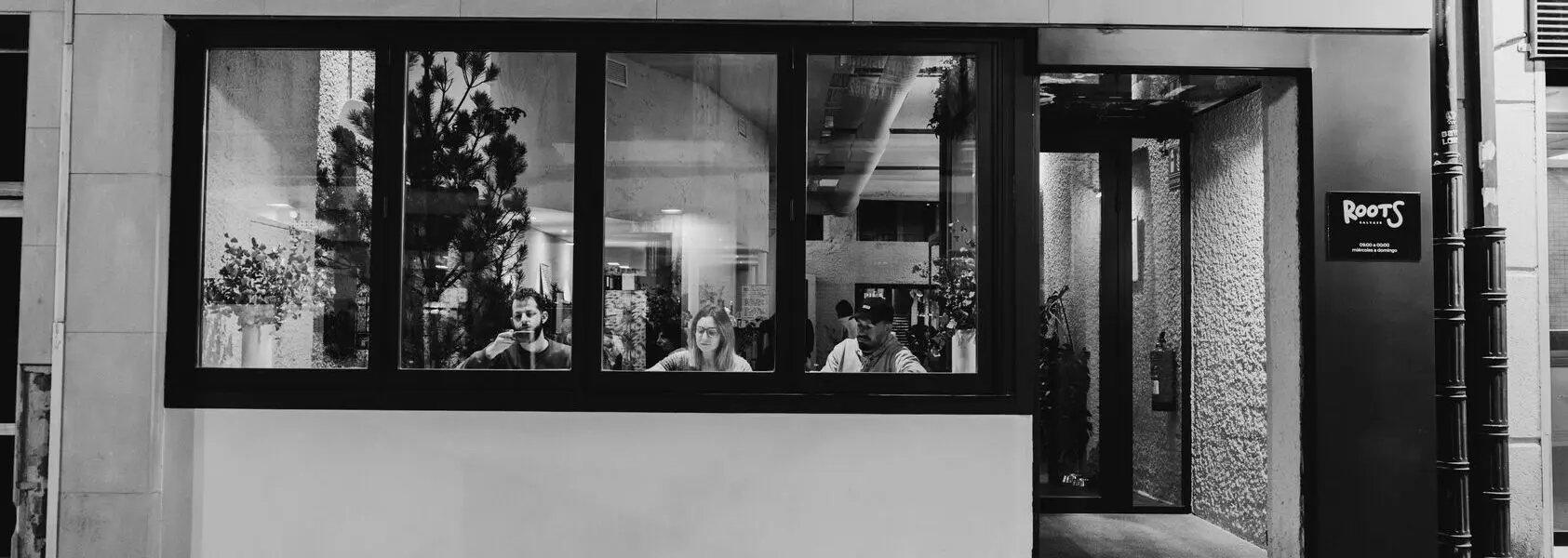
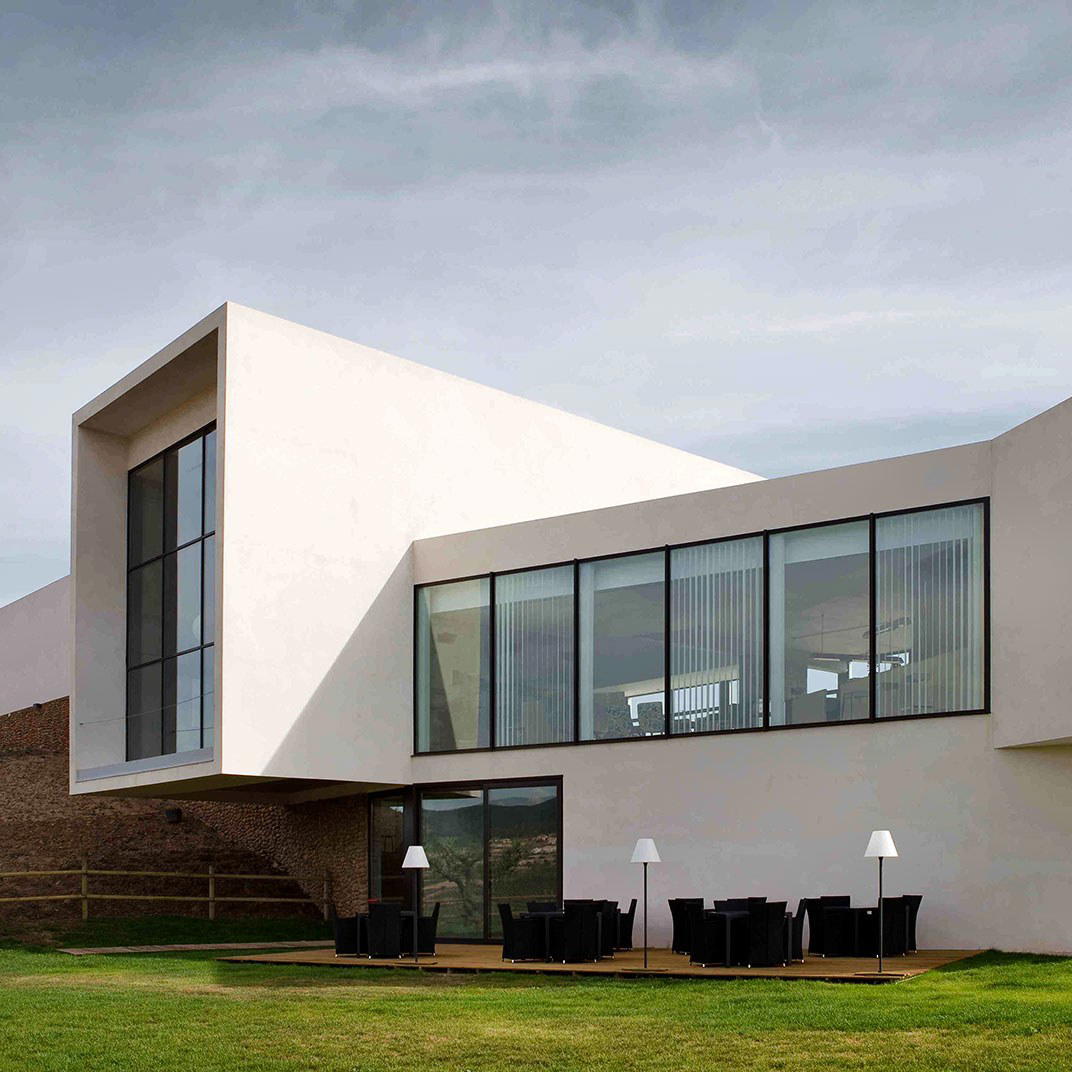
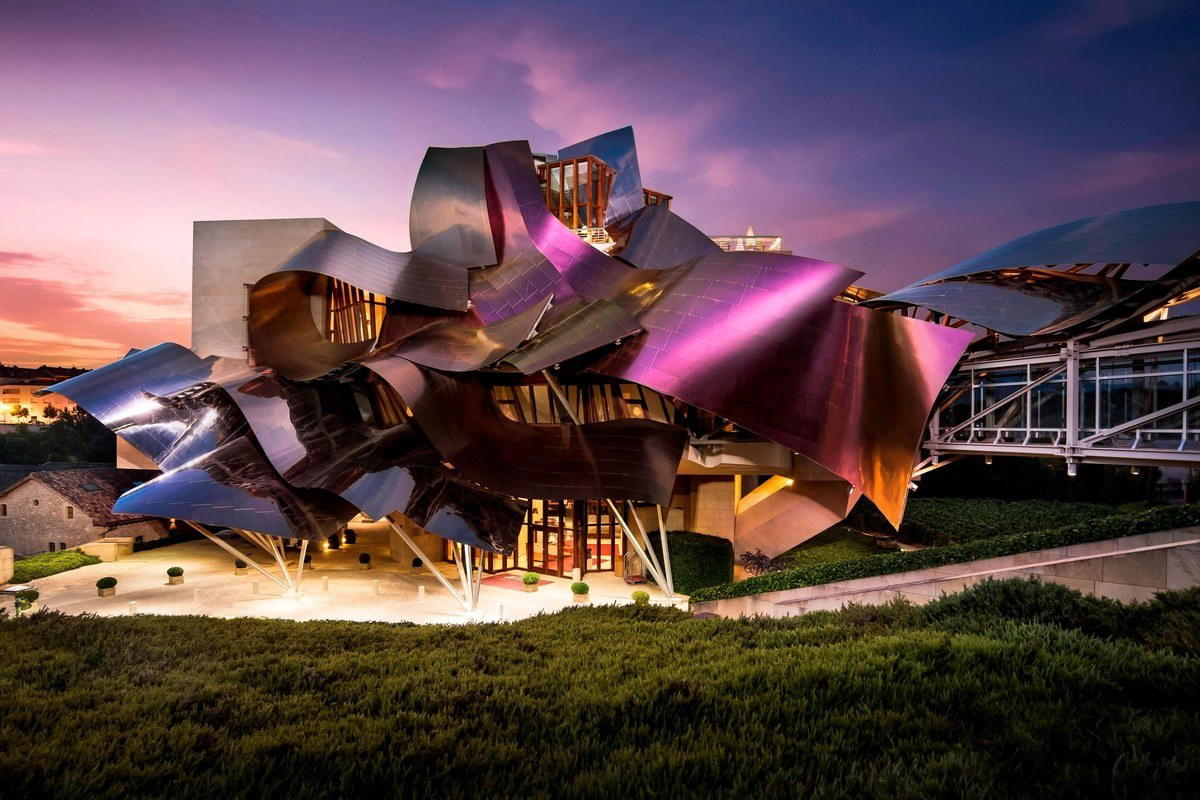
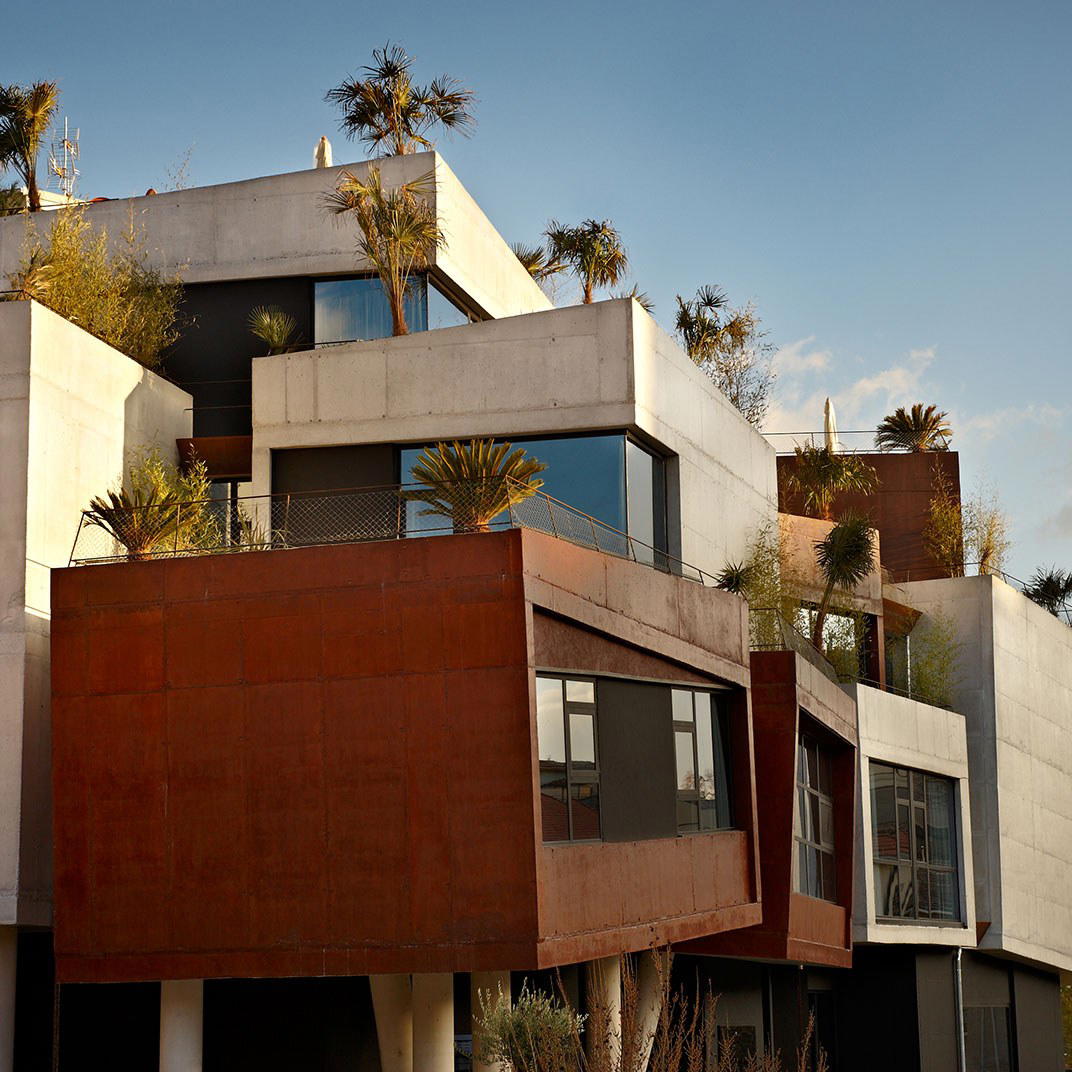

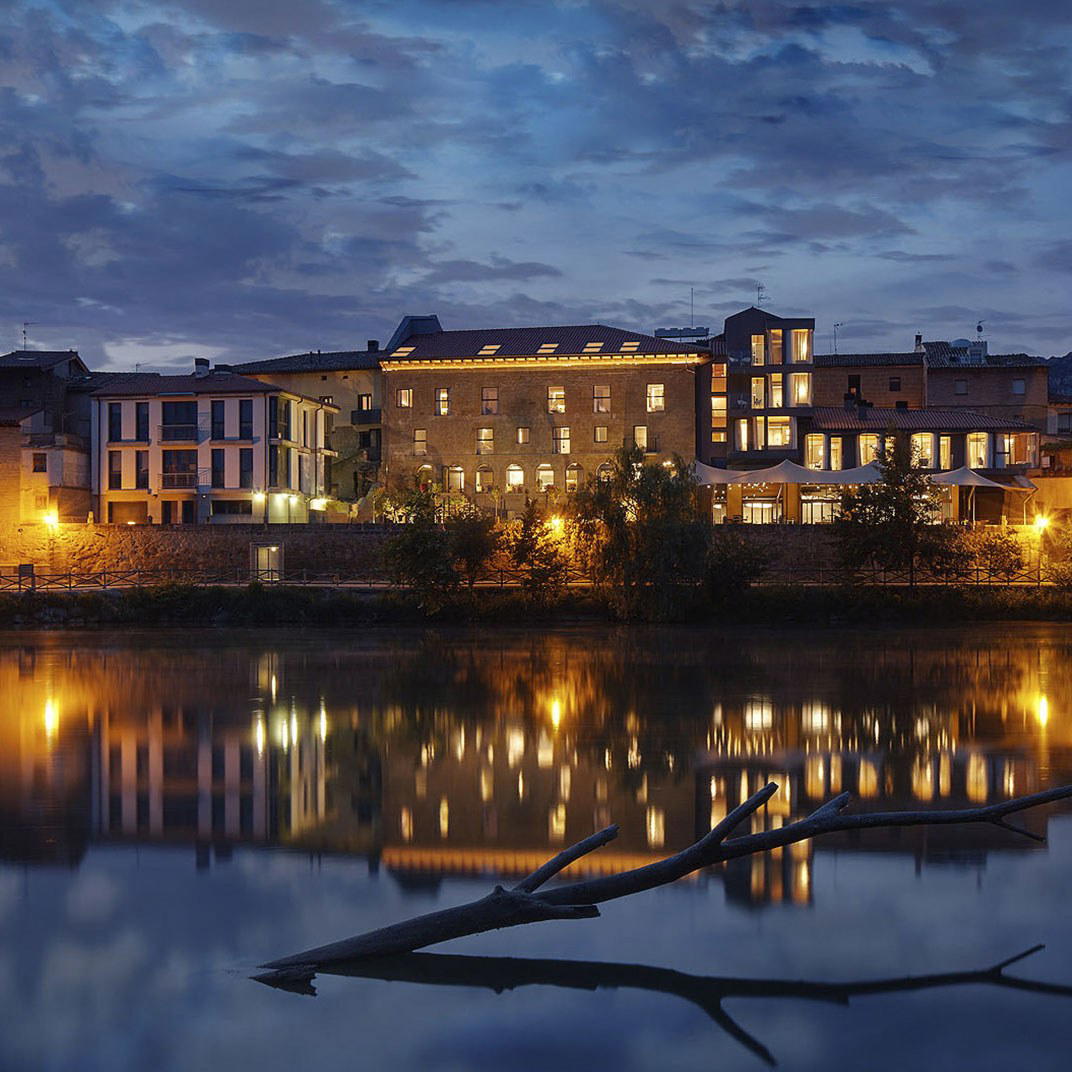
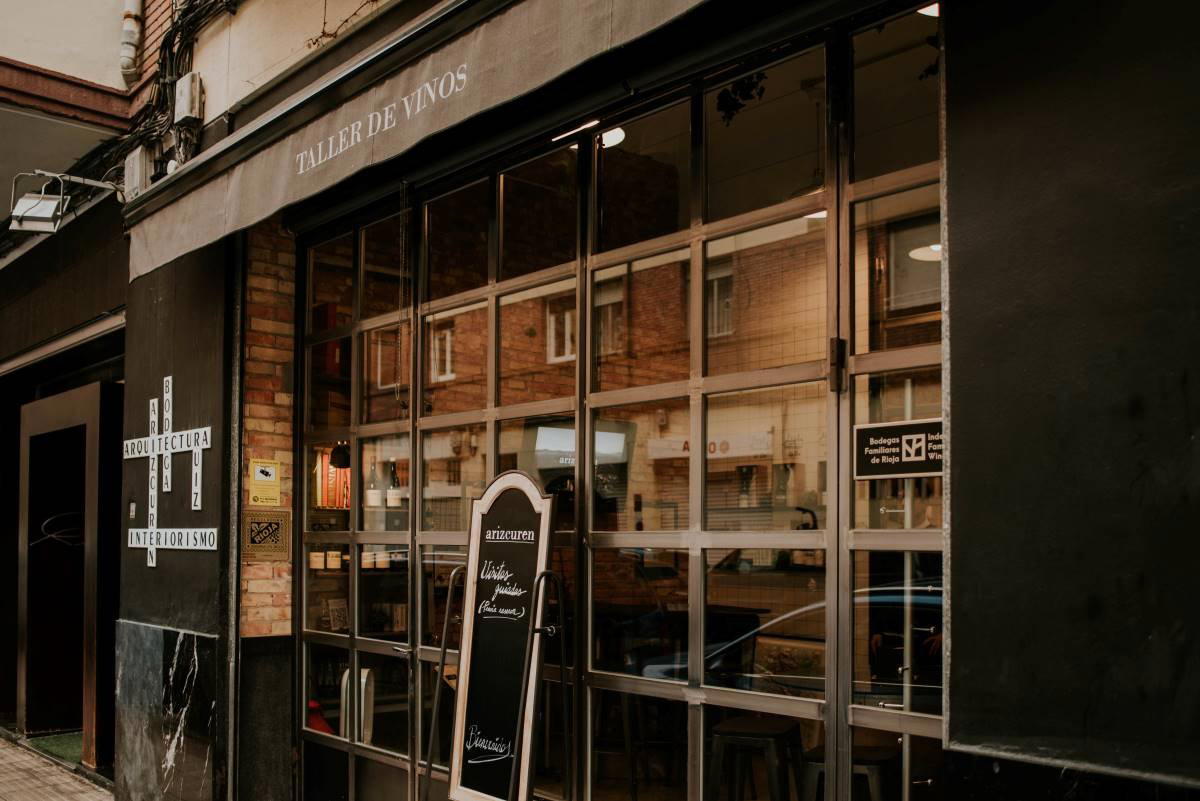

Juan Carlos Ferrando
The wine
- Wine program
- Deep wine list
- Extensive wine list
Details
- Modern
- Elegant
- Cozy
- Date Night
- Special Occasion
- Chefs Counter
- Open Kitchen
- Terrace
- Private Dining
- Extensive Wine List
- Local Sourcing
- A La Carte
- Set Menu
- Tasting Menu
- Wine
- Gluten Free Options
Current opening hours
- Monday
- 1:30–3:30 PM
- Tuesday
- Closed
- Wednesday
- 1:30–3:30 PM
- Thursday
- 1:30–3:30 PM
- Friday
- 1:30–3:30 PM, 8:30–10:30 PM
- Saturday
- 1:30–3:30 PM, 8:30–10:30 PM
- Sunday
- 1:30–3:30 PM
Hours can change for holidays and private events. Hours as of .
Contemporary retro with colorful interiors, ceramics, graffiti, posters, and lamps creating a calm, welcoming atmosphere.