


Michelin Bib Gourmand · Guía Repsol 1 Sol · Macarfi 8 Food Rating
Our verdict
On Calle Portales in Logroño's old quarter, La Cocina de Ramón serves market-driven traditional Riojan cooking updated daily, including rotating stews like pochas, caparrones, and patatas a la riojana. Two consecutive Michelin Bib Gourmand awards (2024, 2025) place it among the region's best-value serious tables. The exposed brickwork interior sits metres from the cathedral, making it a natural stop on any tour of the old town.

Pearl is the En Primeur Club membership app, where members save venues, book tables and use the concierge.
The menu
What to order
- Croquetas de jamón
- Chuletillas de cordero lechal
- Cheesecake
- Arroz con bogavante
Old Quarter, Old Craft
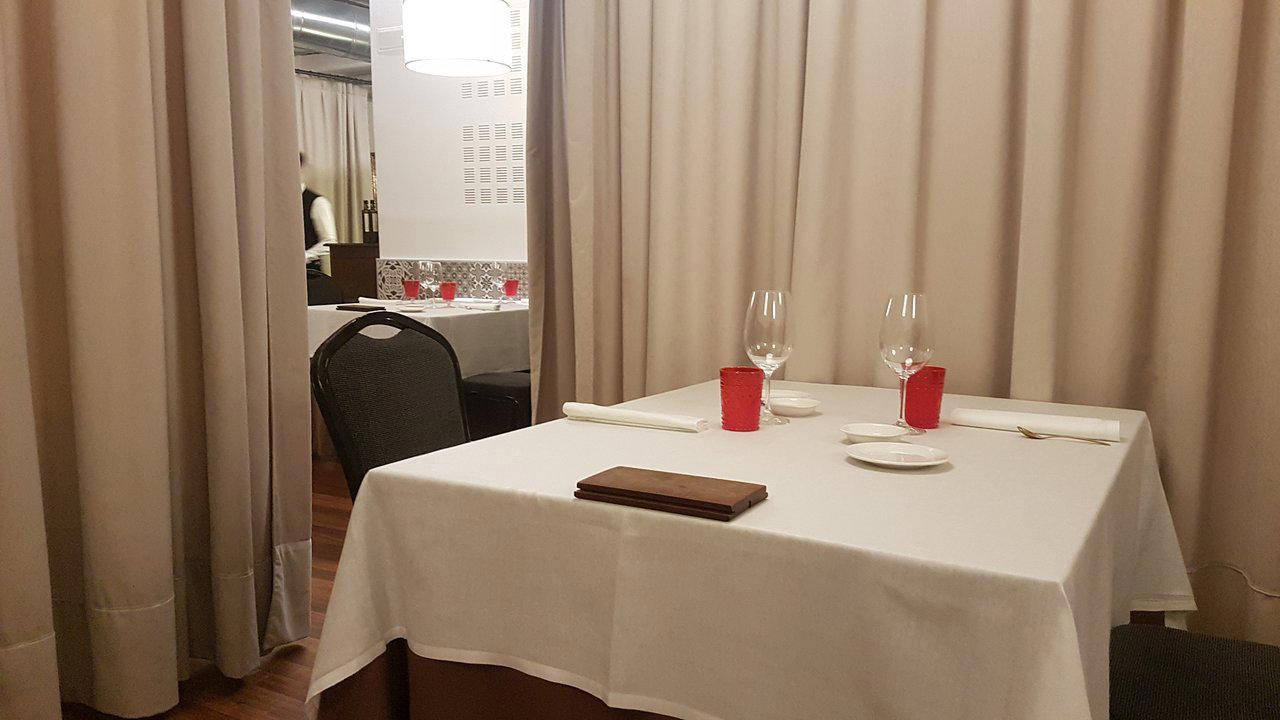
Calle Portales is the artery that connects Logroño's cathedral end to the main tapas corridor of Calle Laurel, and the buildings lining it carry the kind of layered history that shows in their stonework. La Cocina de Ramón occupies a spot on this street where the restored brickwork interior does what few modern fitouts manage: it communicates a sense of continuity without pretending to be a museum. Exposed walls, warm light, and a room that feels deliberately human in scale set the tone before the menu arrives.
In a city that has become a significant reference point on Spain's northern gastronomic circuit, partly because of Rioja wine tourism, partly because of the quality concentration in its old quarter, this kind of address holds a specific place. It is not competing with the creative tasting-menu formats found at Ikaro or the precision Japanese counter work at Kiro Sushi. Its competitive set is different: traditional cooking done with enough discipline and market awareness to earn Michelin recognition at the Bib Gourmand level, which the restaurant has held in both 2024 and 2025.
What the Bib Gourmand Signals Here
The Michelin Bib Gourmand is not a consolation category. In Spain, where the guide takes regional cooking seriously, a Bib Gourmand on traditional cuisine represents a specific editorial statement: that the kitchen is producing food of genuine quality at a price point that does not require the dining-room economics of a starred table. La Cocina de Ramón sits at the €€ price range, which positions it as a direct counterpoint to the €€€ and €€€€ tier occupied by Logroño's starred restaurants.
That positioning matters in a region where wine tourism draws visitors with high expectations but not always a desire for a formal tasting menu. The Bib Gourmand allows La Cocina de Ramón to function as a serious gastronomic address for a broader range of occasions, a midweek lunch between vineyard visits, a dinner that feels substantive without the booking-window pressure of a starred kitchen. Comparable Bib Gourmand recognition in northern Spain tends to cluster around restaurants that do exactly this: take a regional tradition seriously, update it without distorting it, and price it fairly. See, for context, how Auga in Gijón handles traditional Asturian cooking within a similar framework, or how Auberge Grand'Maison in Mûr-de-Bretagne applies the same discipline to Breton cuisine.
The Logic of the Daily Stew
Riojan cuisine has a particularly strong identity around legumes and vegetables, pochas (fresh white beans), caparrones (a local red kidney bean with protected designation of origin status), and potato preparations are not garnishes here but the point of the dish. The practice of rotating a different stew each day is a structural choice that reflects market availability and seasonal rhythm rather than novelty programming. It also functions as a reason to return: regulars orient their visits around what is on that day, which is the kind of customer relationship that sustains a neighbourhood restaurant over time.
The vegetables of Rioja, grown in the fertile market gardens of the Ebro valley, are among the most cited ingredients in the region's serious kitchens. At La Cocina de Ramón, the menu's emphasis on these products is described in Michelin's own notes as worth particular attention, which is a specific editorial signal from a source that tends toward understatement. In a Spanish context where chefs at the level of Arzak in San Sebastián or El Celler de Can Roca in Girona have long argued that northern Spanish produce requires no embellishment to perform at the highest level, the approach here sits within a coherent regional philosophy.
Chef Ramón Piñeiro and the Question of Authorship
The owner-chef model in Spanish traditional cooking carries a particular logic. When one person is responsible for both the business survival and the culinary direction, the menu tends to reflect genuine conviction rather than committee compromise. Ramón Piñeiro's kitchen is described in terms of a long personal relationship with his craft, market visits, daily decisions, a menu that shifts with what is available rather than what was printed at the start of the season. That is not a romantic abstraction; it is an operational method that distinguishes kitchens that cook from kitchens that reproduce.
In the context of Logroño's wider offer, this places La Cocina de Ramón in a distinct position. The creative end of the city's dining scene, Ajonegro with its Michelin-starred fusion approach, and Ikaro with its creative tasting format, operates from a different premise. The traditional end, where La Cocina de Ramón sits alongside addresses like Tastavin and Umm No Solo Tapas, operates on daily market logic and accumulated regional knowledge.
Planning a Visit
The restaurant sits on Calle Portales, 30, a few metres from Logroño's cathedral in the heart of the old quarter, making it a natural complement to an afternoon walking the historic centre before or after a session on Calle Laurel's pintxos bars. The €€ pricing makes it accessible for a full sit-down meal without advance budgeting anxiety. Booking ahead is advisable given the Bib Gourmand recognition and the limited scale implied by a personally run kitchen of this kind; walk-ins may find space at lunch midweek, but dinner on weekends is a different calculation.
For those building a longer Logroño itinerary, the EP Club guides to restaurants, bars, hotels, wineries, and experiences cover the full scope of the city. For comparative reference on Spain's broader fine dining circuit, the EP Club profiles for DiverXO in Madrid, Azurmendi in Larrabetzu, Aponiente in El Puerto de Santa María, and Cocina Hermanos Torres in Barcelona provide context for where traditional Riojan cooking sits within the national conversation.
What Should I Order at La Cocina de Ramón?
Michelin's own notes, reinforced across both the 2024 and 2025 Bib Gourmand citations, are direct on this: dishes featuring Riojan vegetables are the strongest argument for a visit. The region's legume-based stews, pochas, caparrones, and patatas a la riojana, rotate daily, and whichever is on the board on the day of your visit represents the kitchen at its most grounded. These are not incidental dishes; they are the format through which traditional Riojan cooking has been transmitted across generations, and Chef Piñeiro's kitchen treats them as the central act rather than a supplement to a meat-led main.
Frequently asked questions
What kind of recognition has La Cocina de Ramón received?
La Cocina de Ramón has received recognition including: A pleasant restaurant with plenty of personality that reflects the long love affair between owner-chef Ramón Piñeiro and his kitchen. Located in one of the main streets in Logroño’s old quarter, just a few metres from the cathedral, its hea….
What should I order at La Cocina de Ramón?
Michelin's Bib Gourmand citations for both 2024 and 2025 specifically flag dishes built around Riojan vegetables as the table's priority. Beyond that, the daily stew is the structural centrepiece of the menu: pochas, caparrones, and patatas a la riojana rotate through on a day-by-day basis, so what's available depends on when you visit. Asking the kitchen which stew is running that day is the most direct way to eat what the restaurant does best.
How much does it cost to eat at La Cocina de Ramón?
Pricing at La Cocina de Ramón is listed as €€.
Who runs the kitchen at La Cocina de Ramón?
The chef associated with La Cocina de Ramón is Ramón Piñeiro.
A Credentials Check
A quick peer reference to anchor this venue in its category.
| Venue | Cuisine | Price | Awards | Notes |
|---|---|---|---|---|
| La Cocina de RamónThis venue (the venue you are viewing) | Traditional Riojan Cuisine | $50–100 | Michelin Bib Gourmand · Guía Repsol 1 Sol | Not listed |
| Kiro Sushi | Traditional Japanese Omakase | $150–200 | 1 Michelin Star · Guía Repsol 2 Soles | Sushi, Japanese |
| Marques de Riscal Restaurant | Modern Basque Fine Dining | $100–150 | Michelin Plate | Modern Spanish |
| Ajonegro | Mexican-Riojan Fusion | Not listed | 1 Michelin Star · Macarfi 8.5 Food Rating | Fusion |
| Ikaro | Ecuadorian-Rioja Fusion | $50–100 | 1 Michelin Star · Guía Repsol 2 Soles | Creative |
| Juan Carlos Ferrando | Contemporary Spanish Rioja Cuisine | $50–100 | Michelin Plate · Macarfi 7.6 Food Rating | Contemporary |
Recognition history
Dated appearances from independent guides and award organizations, with the underlying list record or original source where available.
Michelin Bib Gourmand
Michelin
Guía Repsol 1 Sol
Guía Repsol
Macarfi 8 Food Rating
Macarfi
Full recognition history (5 entries)
Michelin Bib Gourmand
Michelin
Michelin Bib Gourmand
Michelin
Continue exploring
More in Logroño
Restaurants in Logroño
All restaurants in Logroño →
Bars in Logroño
All bars in Logroño →
Details
- Rustic
- Cozy
- Classic
- Family
- Group Dining
- Casual Hangout
- Terrace
- Open Kitchen
- Extensive Wine List
- Local Sourcing
- A La Carte
- Small Plates
- Vegetarian Friendly
- Gluten Free Options
- Vegan Options
Current opening hours
- Monday
- Closed
- Tuesday
- 1:30–4 PM, 8–10:30 PM
- Wednesday
- 1:30–4 PM, 8–10:30 PM
- Thursday
- 1:30–4 PM, 8–10:30 PM
- Friday
- 1:30–4 PM, 8–10:30 PM
- Saturday
- 1:30–4 PM, 8–10:30 PM
- Sunday
- 1:30–4 PM
Hours can change for holidays and private events. Hours as of .
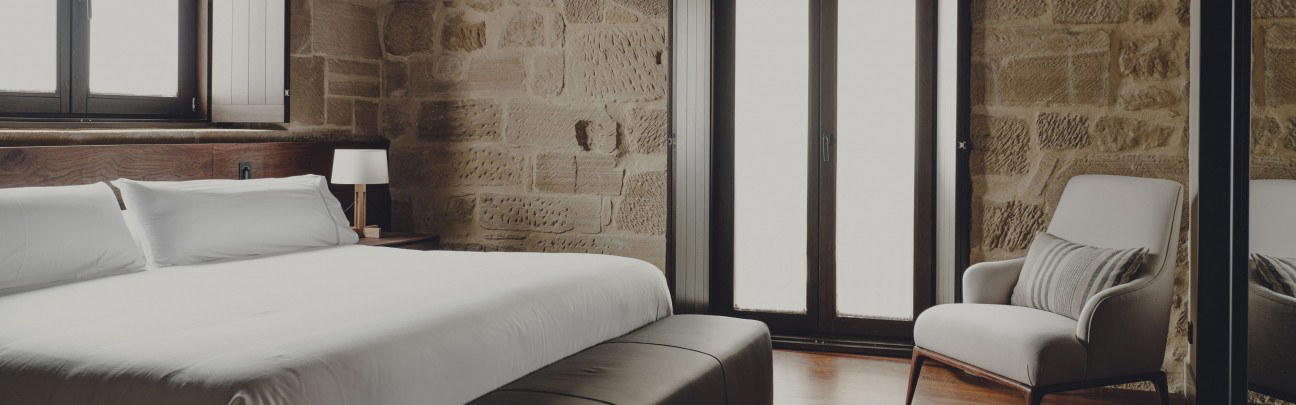
Warm and welcoming with open brickwork walls and stone features, creating a cozy rustic atmosphere.