Joyride Pizza, Mission District
On Valencia Street in the Mission District, Joyride Pizza occupies a different tier than San Francisco's tasting-menu circuit, a neighborhood slice shop where the craft is in the dough, not the theatre. Against a local scene dominated by $$$$ omakase and progressive American formats, Joyride represents the Mission's more direct, ingredient-led approach to serious casual dining.
Pearl is the En Primeur Club membership app — saves, bookings, and concierge access live there. Same editors, same standards.
- Address
- 411 Valencia St, San Francisco, CA 94103
- Phone
- +1 415 295 2914
- Website
- joyridepizza.com
- Directions
- Get directions
 Saves & bookings on Pearl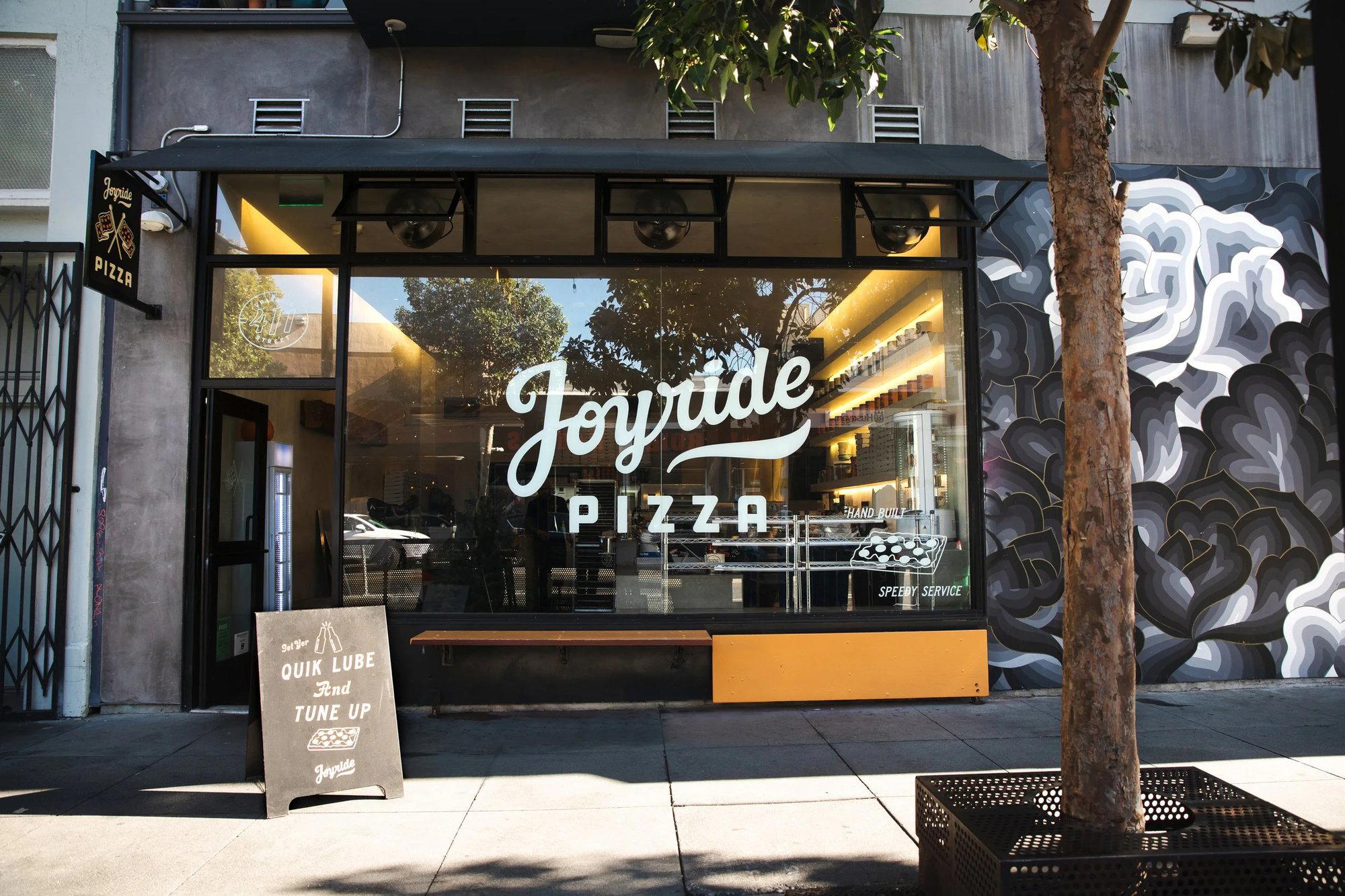
Valencia Street and the Mission's Appetite for the Everyday
There is a particular kind of street energy on Valencia Street in the early evening: the thrum of conversation spilling from open storefronts, the smell of something baking cutting through the fog that rolls in off the Bay, the rhythm of a neighbourhood that has always eaten well without asking permission from the fine-dining establishment. Joyride Pizza at 411 Valencia St sits inside that rhythm. The address places it squarely in the Mission District's commercial spine, a stretch that has accommodated waves of immigrant cooking, counter-culture food projects, and, more recently, the kind of serious-casual spots that feed the city's tech workforce and long-term residents with equal indifference to pedigree.
San Francisco's broader restaurant story in the 2020s has been one of bifurcation. At one end, the city's tasting-menu circuit, Lazy Bear, Atelier Crenn, Benu, Quince, and Saison, operates at the $$$$ tier with advance reservations and prix-fixe commitments measured in hundreds of dollars per head. At the other, a resilient culture of neighbourhood cooking has held its ground in the Mission, the Excelsior, and the Outer Sunset, where the question is not which wine pairing you want but whether the dough has had enough time. Joyride Pizza belongs to that second category, and the Mission is the right context for understanding why that category matters.
What the Dough Tells You
Pizza in America has undergone a prolonged critical reassessment over the past two decades. The conversation that once centred on New York versus Chicago has expanded to take in Neapolitan certification, Detroit-style pan geometry, and the fermentation-obsessed natural-leavening movement that spread from bread baking into pizza culture around the early 2010s. What that movement produced, in cities with the ingredient infrastructure to support it, San Francisco being one of the primary examples, is a style of pizza-making where the dough itself carries as much editorial weight as the toppings. The Bay Area's sourdough tradition, which predates the current craft-food moment by a century and a half, gives local pizza makers access to cultures and techniques that are genuinely embedded in the regional food identity, rather than imported as a trend.
The Mission District has historically been the neighbourhood most willing to take that kind of craft seriously at the counter-service or slice level, rather than dressing it in a white tablecloth. For context on what serious American cooking looks like at the opposite end of the formality register, see venues like The French Laundry in Napa, Blue Hill at Stone Barns in Tarrytown, or Single Thread Farm in Healdsburg, all of which apply similar ingredient rigour to radically different formats and price points. The argument that craft and casualness are mutually exclusive has not survived contact with the Mission.
The Mission District as a Dining Context
Understanding Joyride Pizza requires understanding the Mission. The neighbourhood's food culture was shaped first by its Latino community, taquerias, panaderías, and carnicerias that set a baseline for ingredient quality and value density that the wave of newer openings has had to respect or ignore at its peril. The blocks around Valencia and 16th to 24th Streets now contain one of the city's most compressed dining corridors: natural wine bars, Ethiopian joints, Japanese-Californian hybrids, and spots that resist easy categorisation sit within walking distance of one another. Foot traffic is high and loyalty is earned on repeat visits, not press coverage.
That competitive environment shapes what a pizza place on Valencia Street has to be. It cannot rely on novelty. It has to work on the Tuesday night visit as well as the Saturday evening one. Across American cities, the neighbourhood pizza spots that have survived and built genuine followings, from Roberta's in Brooklyn to Pizzicletta in Flagstaff, have done so by treating consistency as the primary craft challenge, not the secondary one. The comparison set for Joyride is less the fine-dining circuit and more the national cohort of serious independent pizza makers who have opted out of the white-tablecloth premise entirely. For a sense of how the rest of the American serious-dining scene is organised, our full San Francisco restaurants guide places Joyride in the broader city context alongside venues at every formality level.
Atmosphere and the Sensory Register of the Space
Pizza shops communicate through smell before they communicate through anything else. The yeast-and-char signature of a wood-fired or deck-oven operation is a kind of promise made at the door, and the Mission's pedestrian density means that promise reaches the pavement on Valencia Street before you reach the door. Inside, the sensory register of a well-run pizza counter is specific: the visual contrast of leopard-spotted crust against a ceramic-white plate, the sound of a peel scraping against oven stone, the particular acoustic quality of a room where the background noise is appetite rather than performance.
The Mission's eating culture values that directness. There is no theatre of presentation, no amuse-bouche sequence, no sommelier narrating the pour. What you get is the thing itself, and in that sense Joyride's format is continuous with the neighbourhood's longer food history rather than a departure from it. The venues at the opposite end of the formality spectrum, Le Bernardin in New York City, Atomix in New York City, Providence in Los Angeles, or Addison in San Diego, share the same commitment to ingredient quality but deliver it through a completely different sensory contract with the diner. Neither approach is inherently superior; they are answers to different questions.
Planning Your Visit
Joyride Pizza is at 411 Valencia St in the Mission District, accessible by BART via the 16th Street Mission or 24th Street Mission stations, both within comfortable walking distance. Valencia Street has limited on-street parking and is well-served by Muni bus lines, making public transit the practical choice for most visits. The Mission's concentration of dining options makes the strip worth an extended visit, arrive with time to walk the neighbourhood before or after.
The Minimal Set
Comparable venues nearby, for context on price, style, and recognition.
| Venue | Cuisine | Price | Notes |
|---|---|---|---|
| Joyride Pizza, Mission DistrictThis venue — the venue you are viewing | Mission, Detroit-Style Pizza | $$ | Not listed |
| Rocco's Cafe | South of Market, Authentic Italian | $$ | Not listed |
| Park Tavern | Not listed | $$ | North Beach, California-Italian Gastropub |
| Agrodolce Provisions | Not listed | $$ | SoMa, Italian pasta lunch spot and provisions market |
| Pasta Supply Co | Mission, Modern Italian Pasta Shop | $$ | Not listed |
| a Mano | Hayes Valley, California-Italian Pasta | $$ | Not listed |
Continue exploring
More in San Francisco
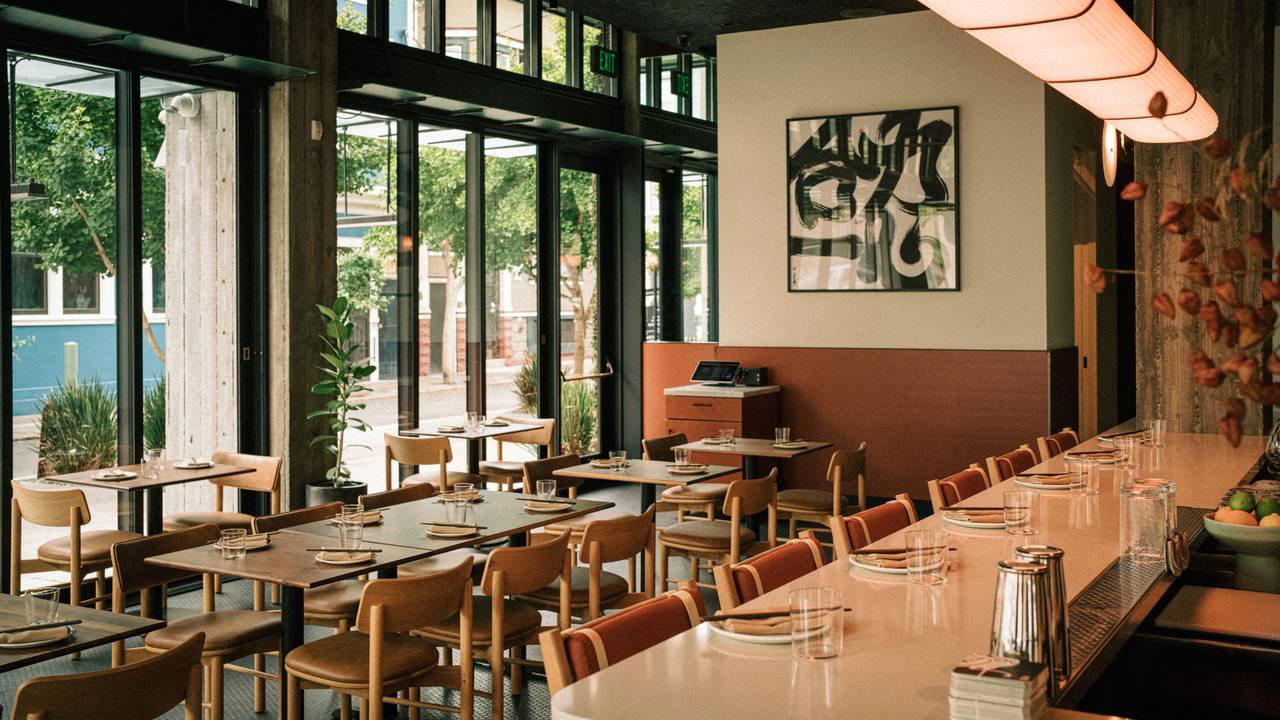
Restaurants in San Francisco
Browse all →
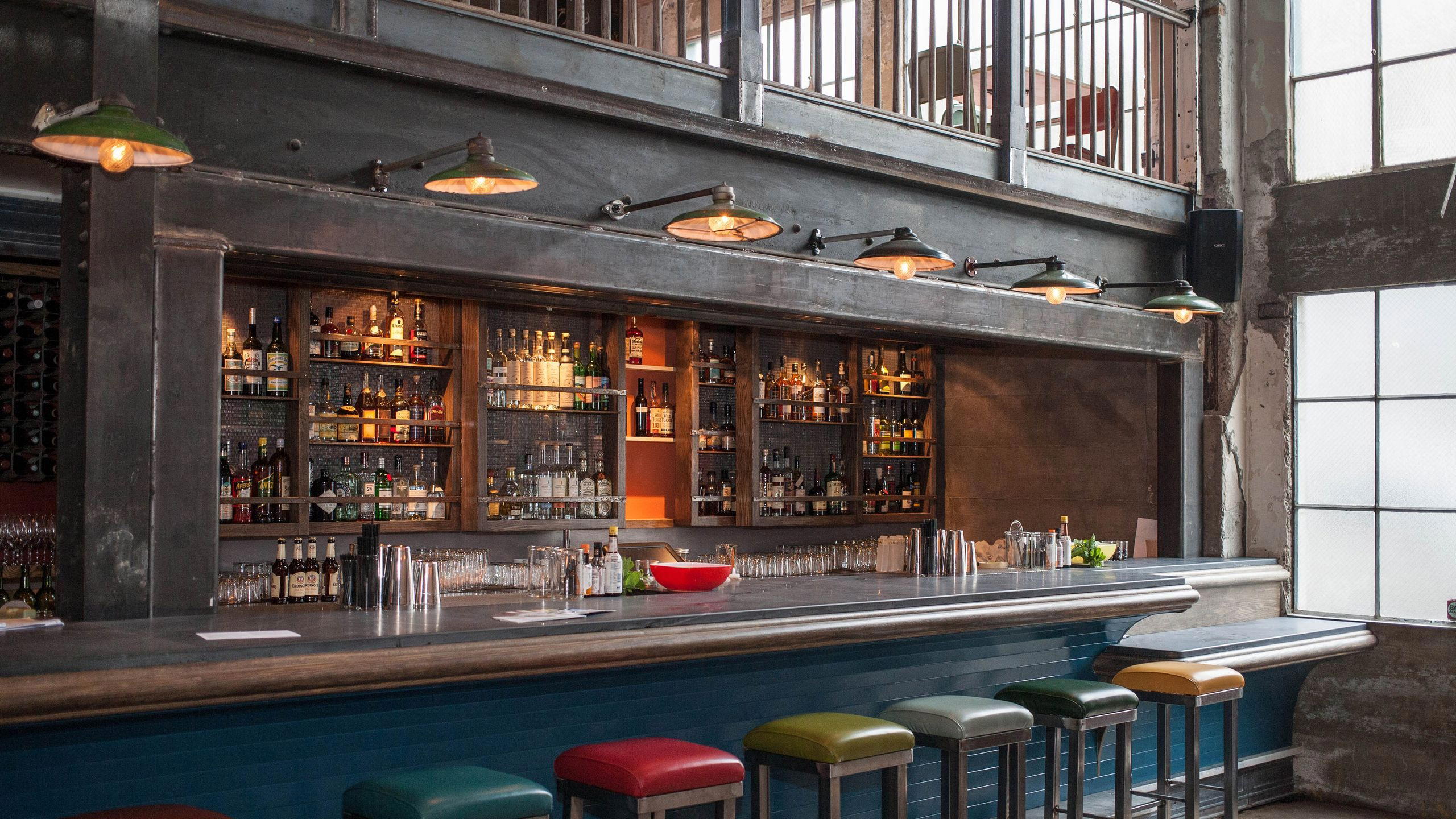
Bars in San Francisco
Browse all →
Hotels in San Francisco
Browse all →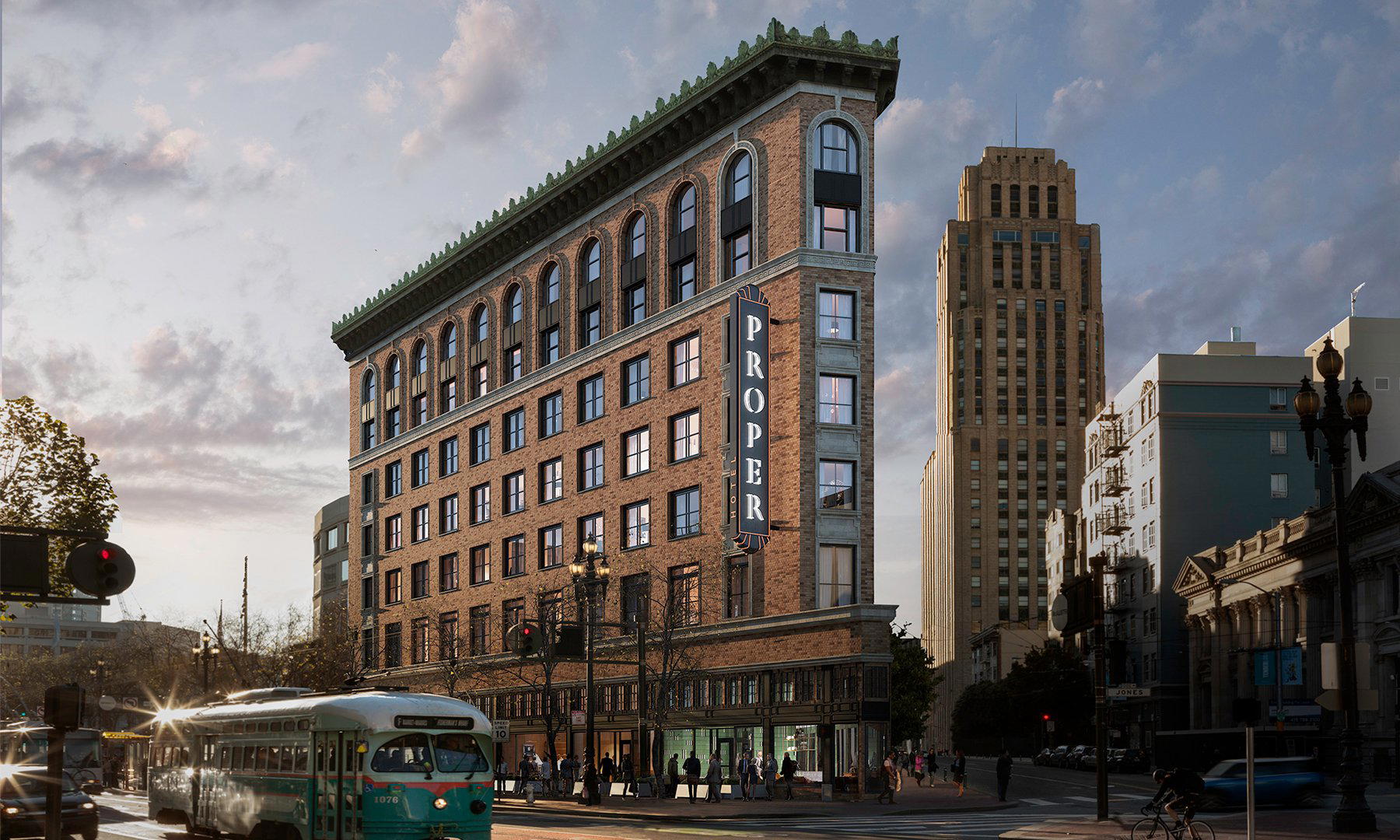
At a Glance
- Trendy
- Lively
- Industrial
- Casual Hangout
- Group Dining
- Late Night
- Open Kitchen
- Terrace
- Craft Cocktails
- Beer Program
- Street Scene
Current opening hours
- Monday
- 11 AM–11 PM
- Tuesday
- 11 AM–11 PM
- Wednesday
- 11 AM–11 PM
- Thursday
- 11 AM–12 AM
- Friday
- 11 AM–2 AM
- Saturday
- 11 AM–2 AM
- Sunday
- 11 AM–11 PM
Hours can change for holidays and private events. Last verified .
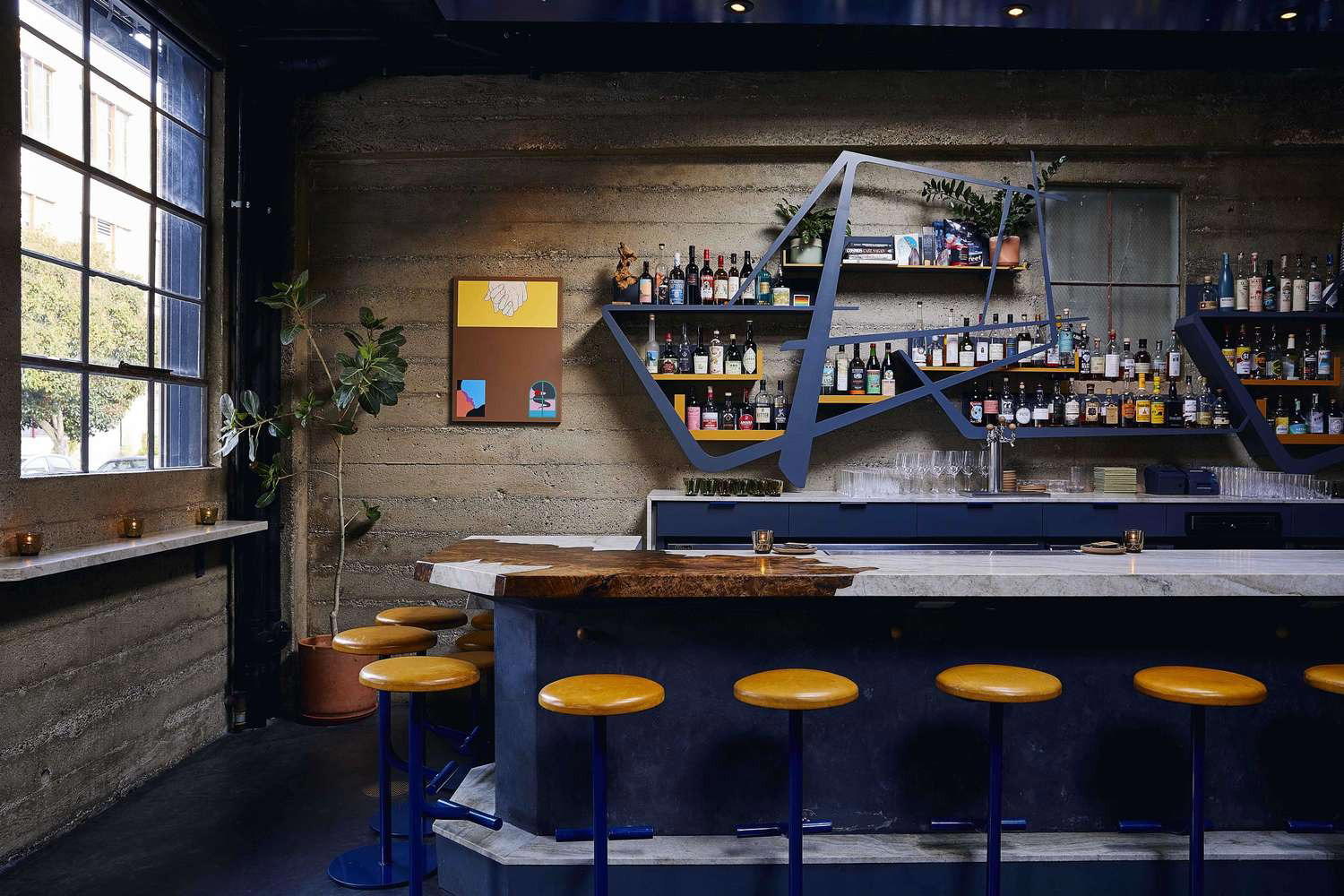
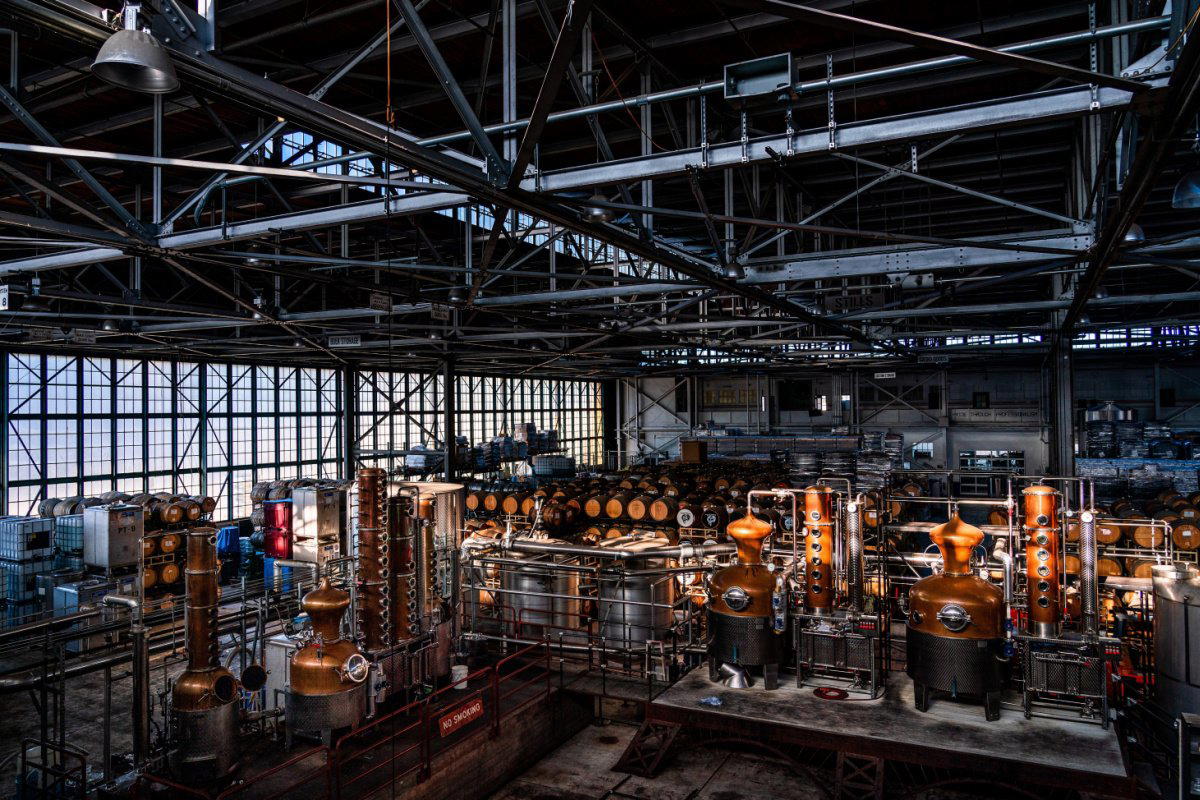
Urban industrial aesthetic with poured concrete and limestone on bustling Valencia Street, featuring a casual parklet for outdoor dining.