Park Tavern
Park Tavern sits on Stockton Street at the edge of Washington Square Park, where North Beach's literary past meets its current dining scene. The room draws from a tradition of neighborhood taverns that prioritize hospitality as a team discipline rather than a solo performance. It occupies a particular niche in San Francisco's mid-tier dining conversation, where the bar program, kitchen, and floor operate in visible coordination.
Pearl is the En Primeur Club membership app — saves, bookings, and concierge access live there. Same editors, same standards.
- Address
- 1652 Stockton St, San Francisco, CA 94133
- Phone
- +14154329399
- Website
- parktavern-sf.com
- Directions
- Get directions
 Saves & bookings on Pearl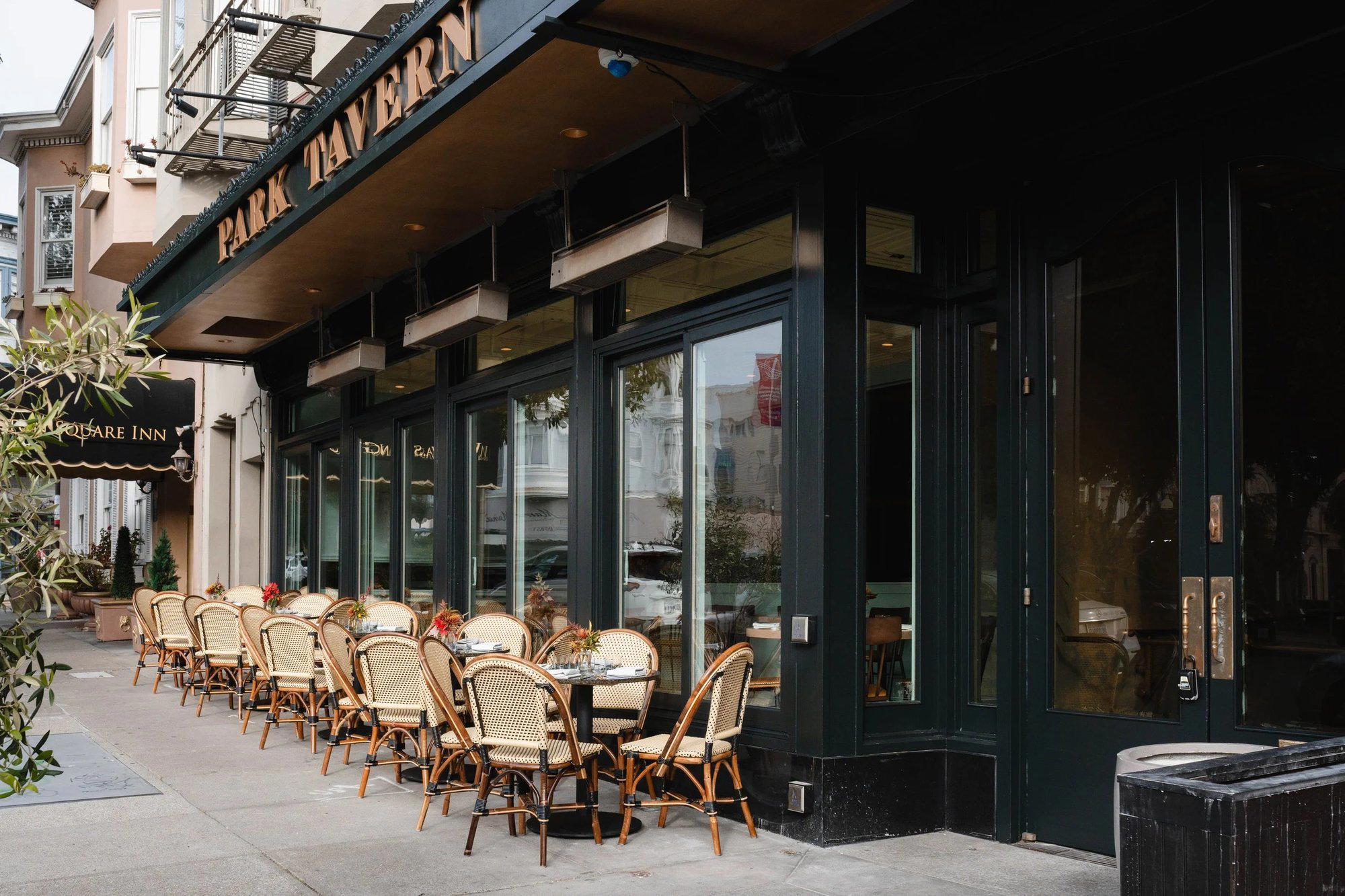
Where North Beach Still Holds Its Ground
Washington Square Park anchors North Beach in a way that few urban green spaces manage in American cities: it functions as a genuine neighborhood commons rather than a landscaped amenity. The streets radiating from it, Stockton included, carry a density of bars, cafes, and restaurants that has survived repeated waves of San Francisco reinvention. Park Tavern, at 1652 Stockton Street, sits within that continuity. Approaching from the park side in the early evening, the room reads as a lit interior against the dimming square, the kind of sightline that rewards neighborhoods built before automobiles determined retail architecture.
North Beach occupies a specific position in San Francisco's dining map. It is not the price-maximizing fine-dining corridor that Benu and Quince represent in the Financial District and Jackson Square, nor is it the experimental edge where Lazy Bear and Atelier Crenn operate. It belongs, instead, to a category of neighborhoods where the dining room and the bar exist in genuine equilibrium, where a table at 6:30pm is as plausible as a stool at 9:00pm, and where the front-of-house disciplines the experience as much as the kitchen does. That equilibrium is harder to maintain than it appears, and venues that hold it tend to earn loyalty that outlasts trend cycles.
The Room as a Collaborative Frame
San Francisco's most durable dining rooms tend to function through team cohesion rather than a single charismatic figure at the pass. The tradition runs through the city's neighborhood institutions and extends outward to the wine country destinations like Single Thread Farm in Healdsburg and The French Laundry in Napa, where the coordination between kitchen, sommelier, and floor is itself part of the editorial identity. At Park Tavern, the structure of the experience reflects this orientation. The room does not depend on a single named chef or a signature tasting format to frame what it offers. The hospitality architecture, how tables are paced, how the bar relates to the dining room, how the floor communicates with the kitchen, carries the experience as much as the plate does.
This approach places Park Tavern in a peer conversation that extends beyond San Francisco. Across American cities, a cohort of neighborhood-anchored restaurants has moved away from the chef-as-protagonist model toward something more distributed. Bacchanalia in Atlanta operates along similar lines, as does Providence in Los Angeles in its relationship between the dining room and the broader hospitality structure. The pattern is not accidental: venues that build durable team cultures tend to maintain consistency across service variations in a way that star-dependent kitchens sometimes cannot.
Stockton Street in Its Dining Context
The address matters as context. Stockton Street at Washington Square is not Polk Street, not the Mission, not Hayes Valley. It operates with the particular pace of a neighborhood that still has long-term residents eating alongside visitors, where lunch and dinner coexist rather than one cannibalizing the other. That demographic mix shapes what a tavern format can sustain: a menu range that moves between bar fare and composed plates, a wine list that does not demand specialist knowledge to engage with, and a service approach that can read the table quickly and adjust accordingly.
San Francisco's mid-tier dining category is increasingly pressured. At the leading, tasting-menu formats at Saison and Benu have established a price ceiling that is now a competitive fact of the city's restaurant economy. At the accessible end, fast-casual formats have absorbed a share of the casual dining occasion. The middle ground, where the restaurant operates, requires a clear value proposition for the dining dollar, and the tavern format, when executed with discipline, offers one: a full hospitality experience without the tasting-menu commitment, at a price point around $50 per person that allows for repeat visits.
What the Team Dynamic Produces
The collaborative service model produces specific outcomes that are worth naming. When the sommelier function is integrated into the floor rather than siloed as a specialist intervention, wine engagement becomes conversational rather than transactional. When the bar program is designed in relation to the kitchen rather than as a parallel operation, the aperitif and digestif moments anchor the meal structure. When front-of-house training treats pacing as a shared discipline rather than a kitchen-imposed constraint, the evening has a different rhythm than in rooms where the floor is playing catch-up with the pass.
These are operational details, but they are also what separates a dining room that functions from one that performs. Venues like Le Bernardin in New York City, Alinea in Chicago, and The Inn at Little Washington have made the team dynamic a public-facing credential at the summit of the market. At the neighborhood tavern scale, the same principles apply with less fanfare and, often, more consistency. The absence of a high-profile format can work in a venue's favor: expectations are calibrated to the room rather than to a media narrative.
For travelers building a San Francisco itinerary around dining, the city's conversation now extends well beyond the starred tier. The restaurant fits into the broader pattern of how the city eats at different price points and occasions.
The restaurant's address, 1652 Stockton Street, San Francisco, CA 94133, places it at the northeast corner of Washington Square Park.
How It Stacks Up
Comparable venues nearby, for context on price, style, and recognition.
| Venue | Cuisine | Price | Notes |
|---|---|---|---|
| Park TavernThis venue — the venue you are viewing | California-Italian Gastropub | $$ | Not listed |
| Collina | Rustic Italian Handmade Pasta | $$ | Russian Hill |
| Long Bridge Pizza | New York-Inspired Sourdough Pizza | $$ | Potrero Hill |
| Montesacro SoMa | Roman Pinseria | $$ | South of Market |
| Cafe Zoetrope | Authentic Italian Trattoria | $$ | Chinatown |
| Cesario's | Northern Italian Comfort Food | $$ | Nob Hill |
Continue exploring
More in San Francisco
Restaurants in San Francisco
Browse all →
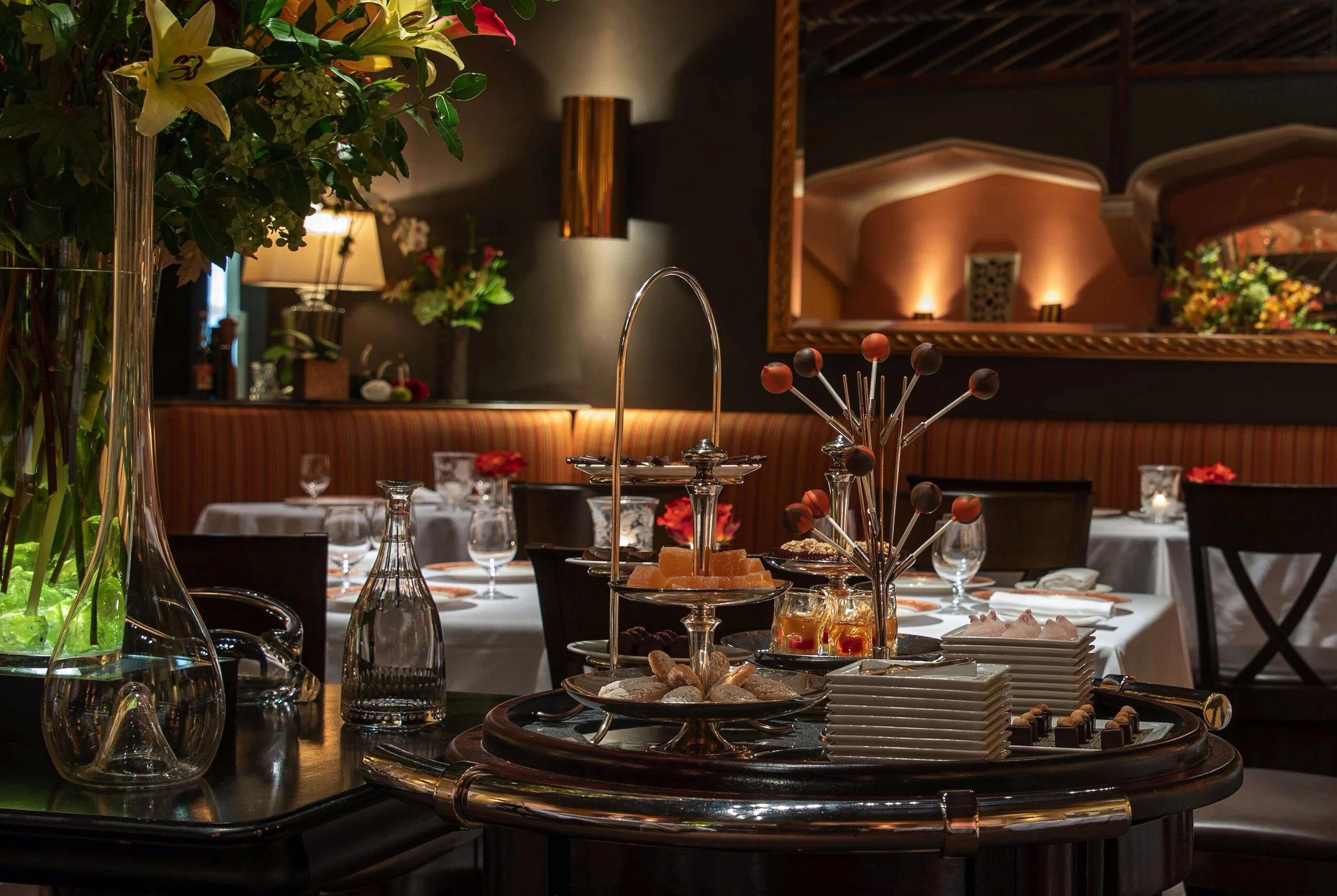
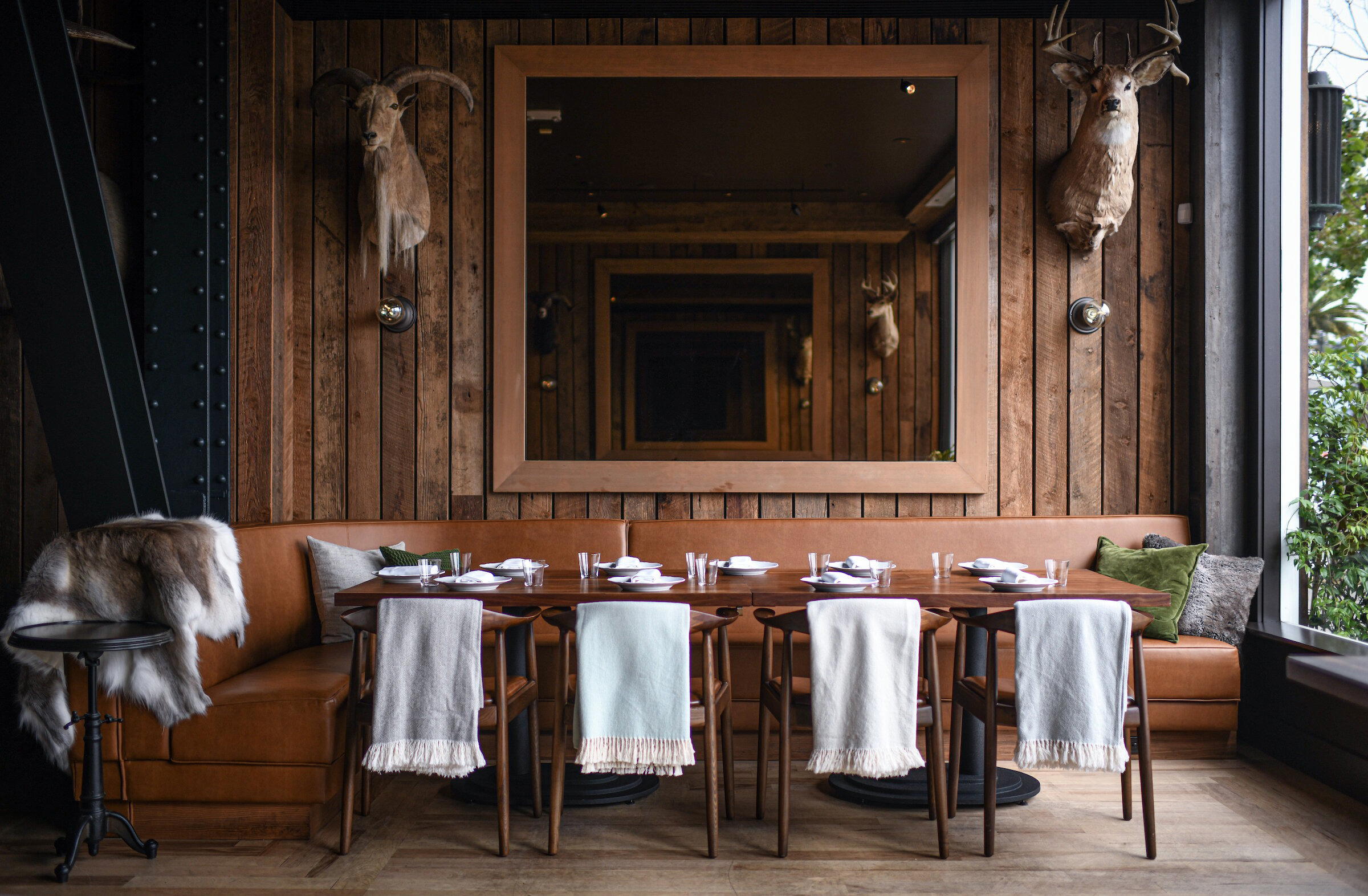
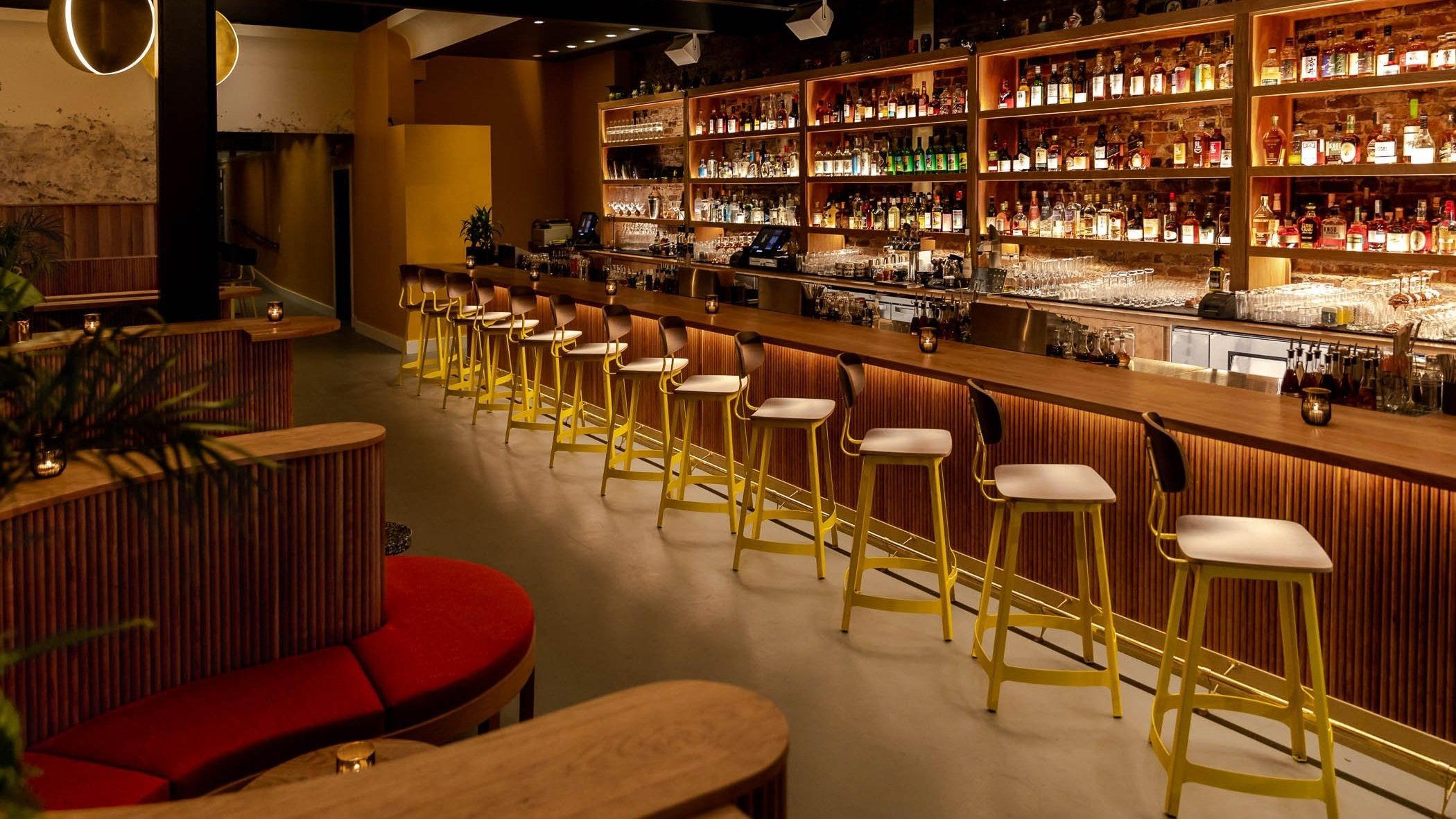
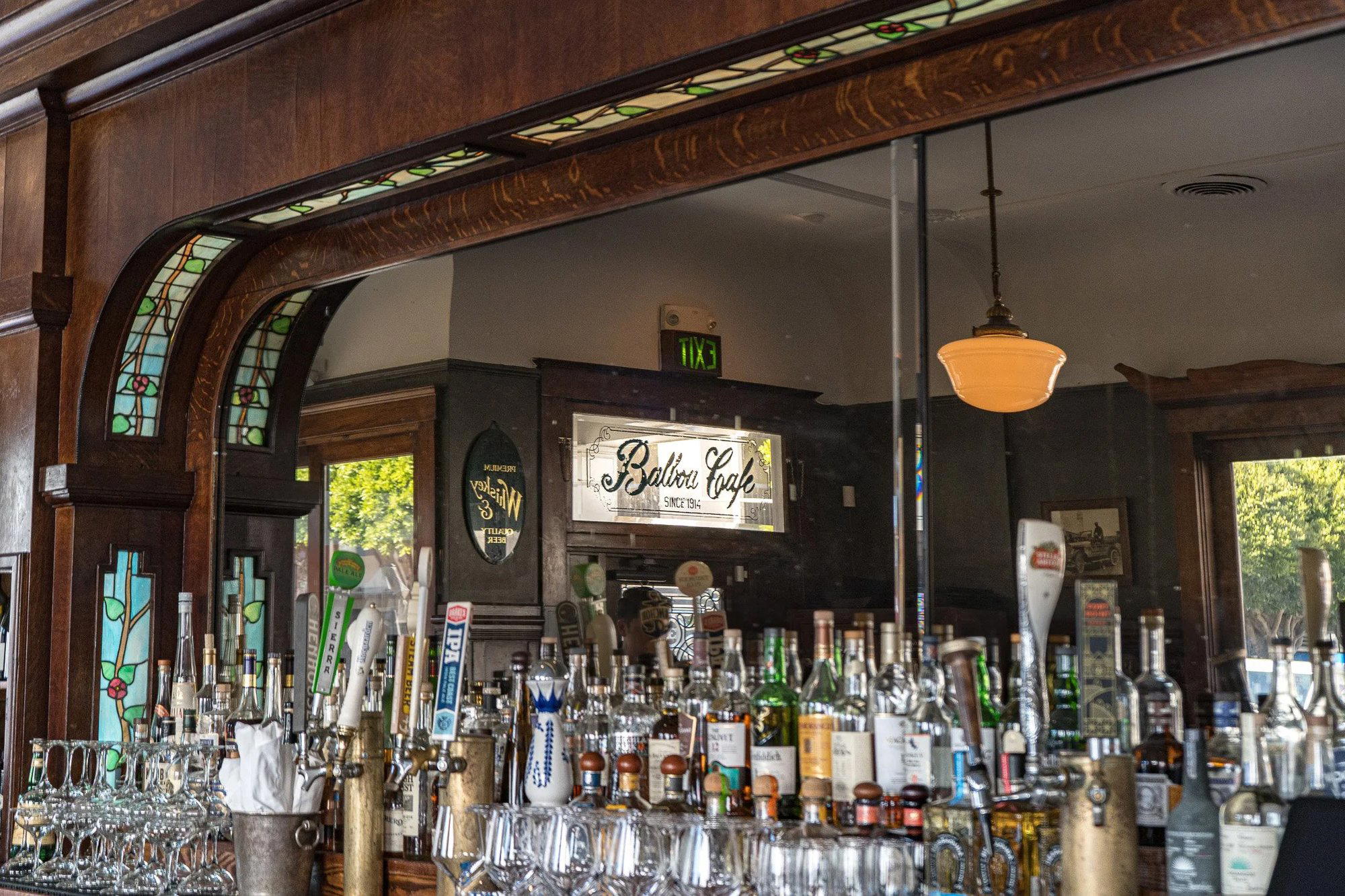
Bars in San Francisco
Browse all →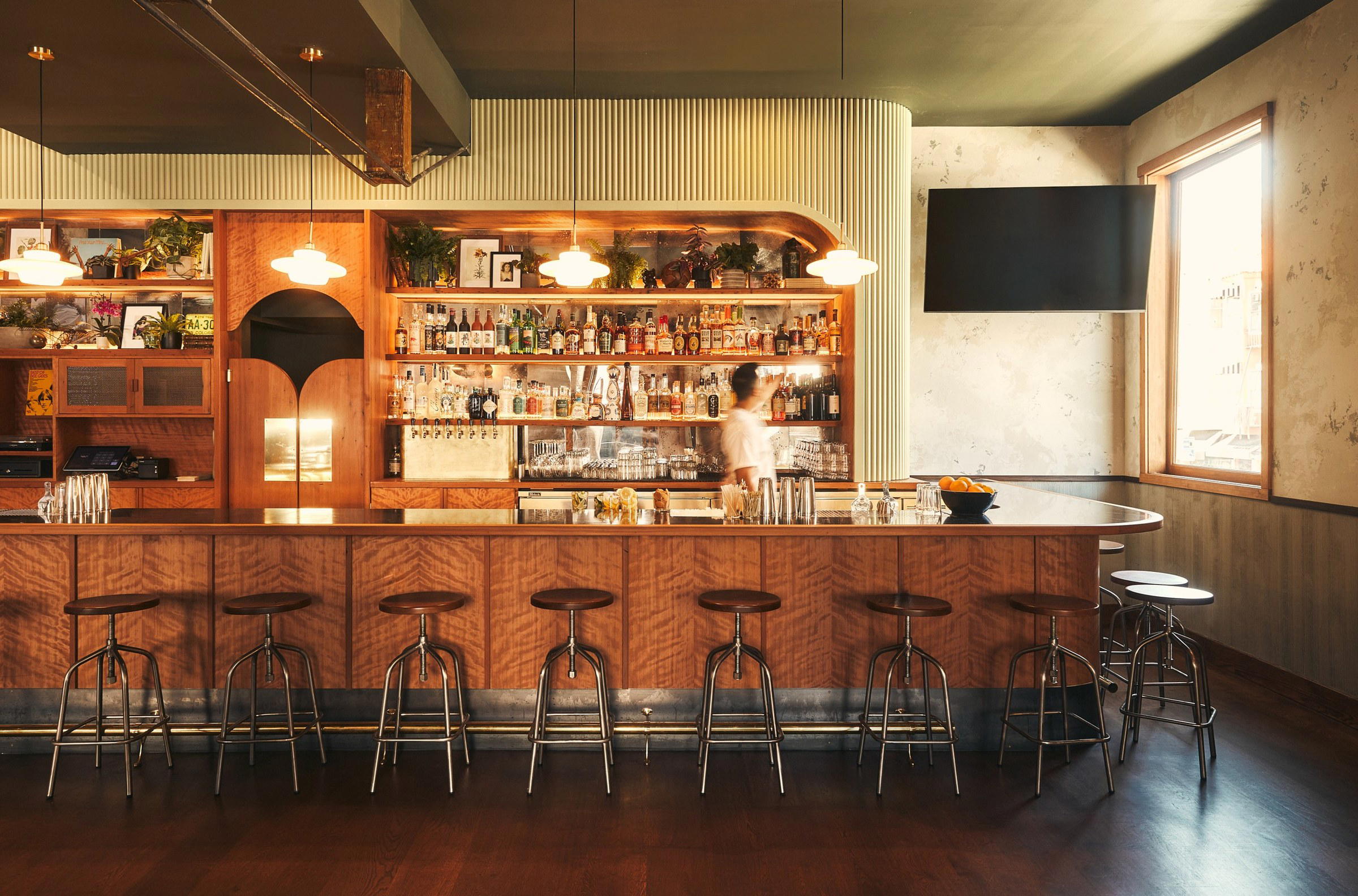
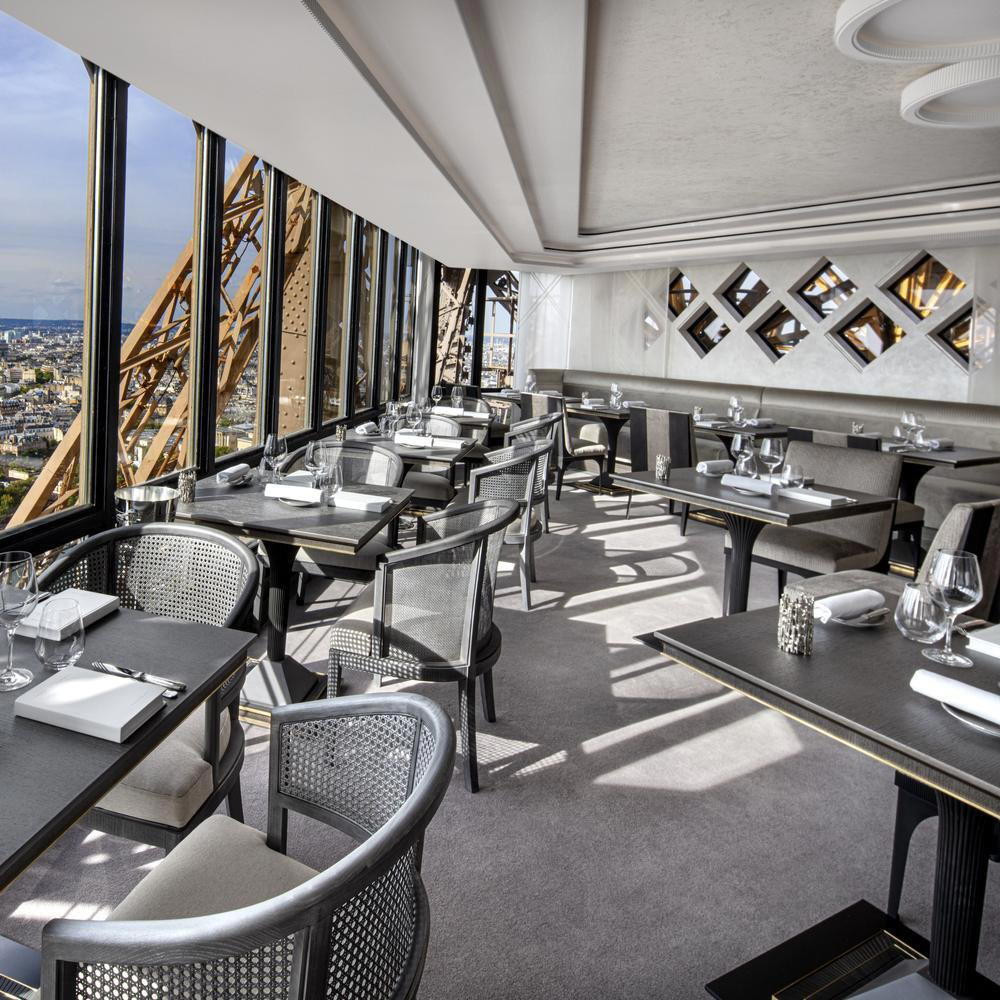
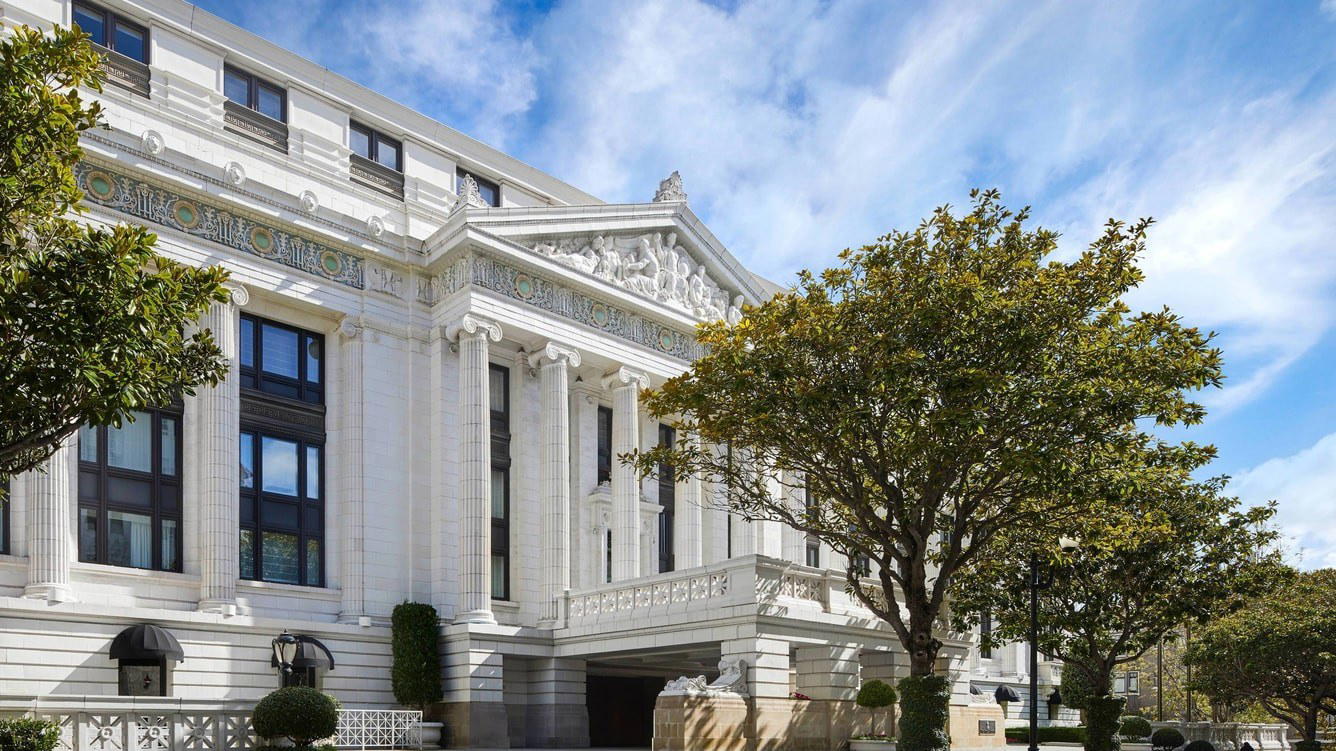
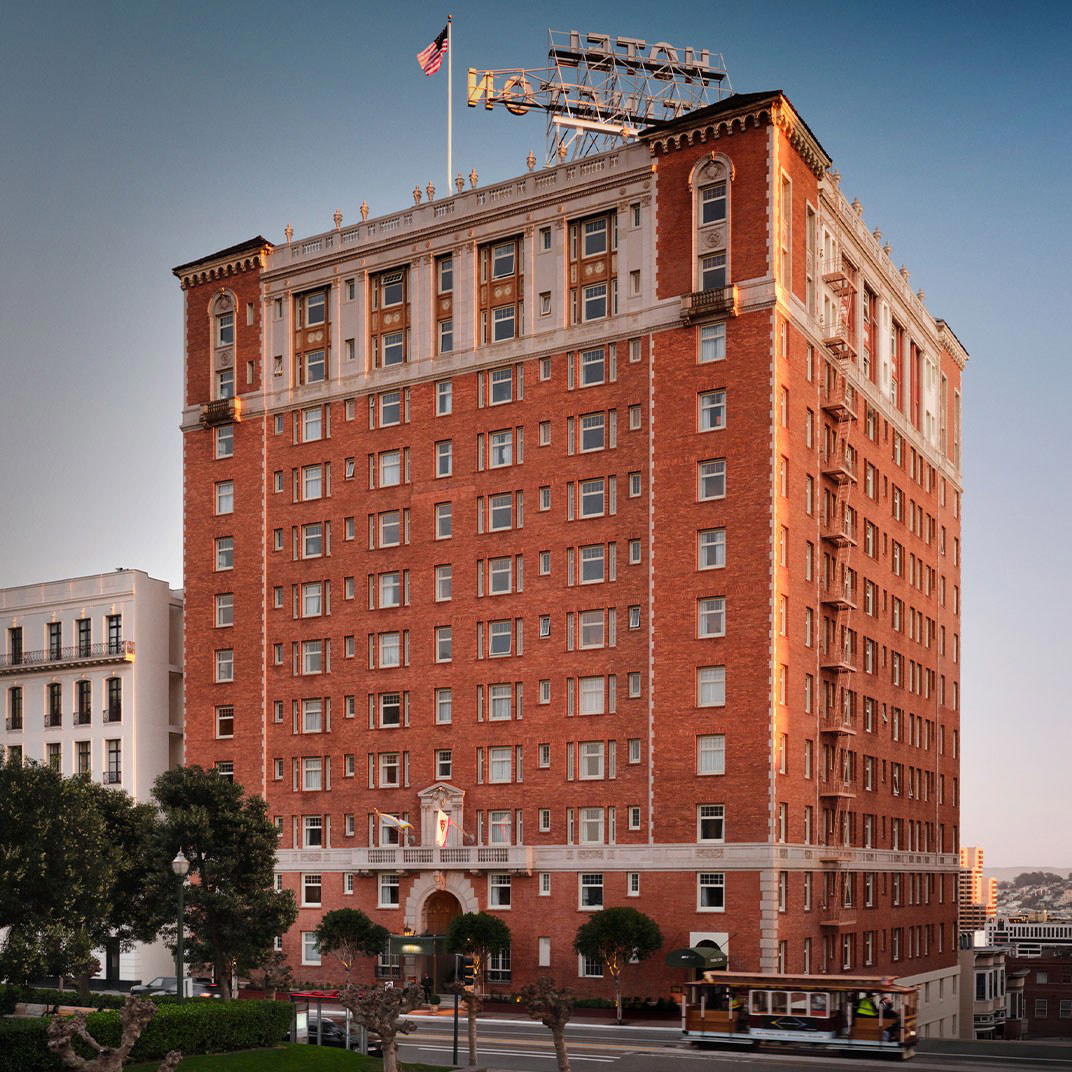
Hotels in San Francisco
Browse all →
At a Glance
- Lively
- Classic
- Cozy
- Date Night
- Group Dining
- Casual Hangout
- Historic Building
- Local Sourcing
- Street Scene
Current opening hours
- Monday
- 4–9 PM
- Tuesday
- 4–9 PM
- Wednesday
- 4–9 PM
- Thursday
- 4–9 PM
- Friday
- 2–10 PM
- Saturday
- 2–10 PM
- Sunday
- Closed
Hours can change for holidays and private events. Last verified .
Understated fancy with tile floors, dark wood, marble bar, and a lively neighborhood atmosphere.