Joseph Naus Stub'n

Michelin Plate
Our verdict
A Michelin Plate-recognised Stub'n in Garmisch-Partenkirchen serving Bavarian country cooking at accessible prices.

Pearl is the En Primeur Club membership app — saves, bookings, and concierge access live there. Same editors, same standards.
- Address
- Klammstraße 19, 82467 Garmisch-Partenkirchen, Germany
- Phone
- +49 8821 9010
- Hours
- Daily 12–2 PM, 6–9:30 PM
- Website
- hotel-zugspitze.de
- Directions
- Get directions
- Booking
- Book on the venue's website
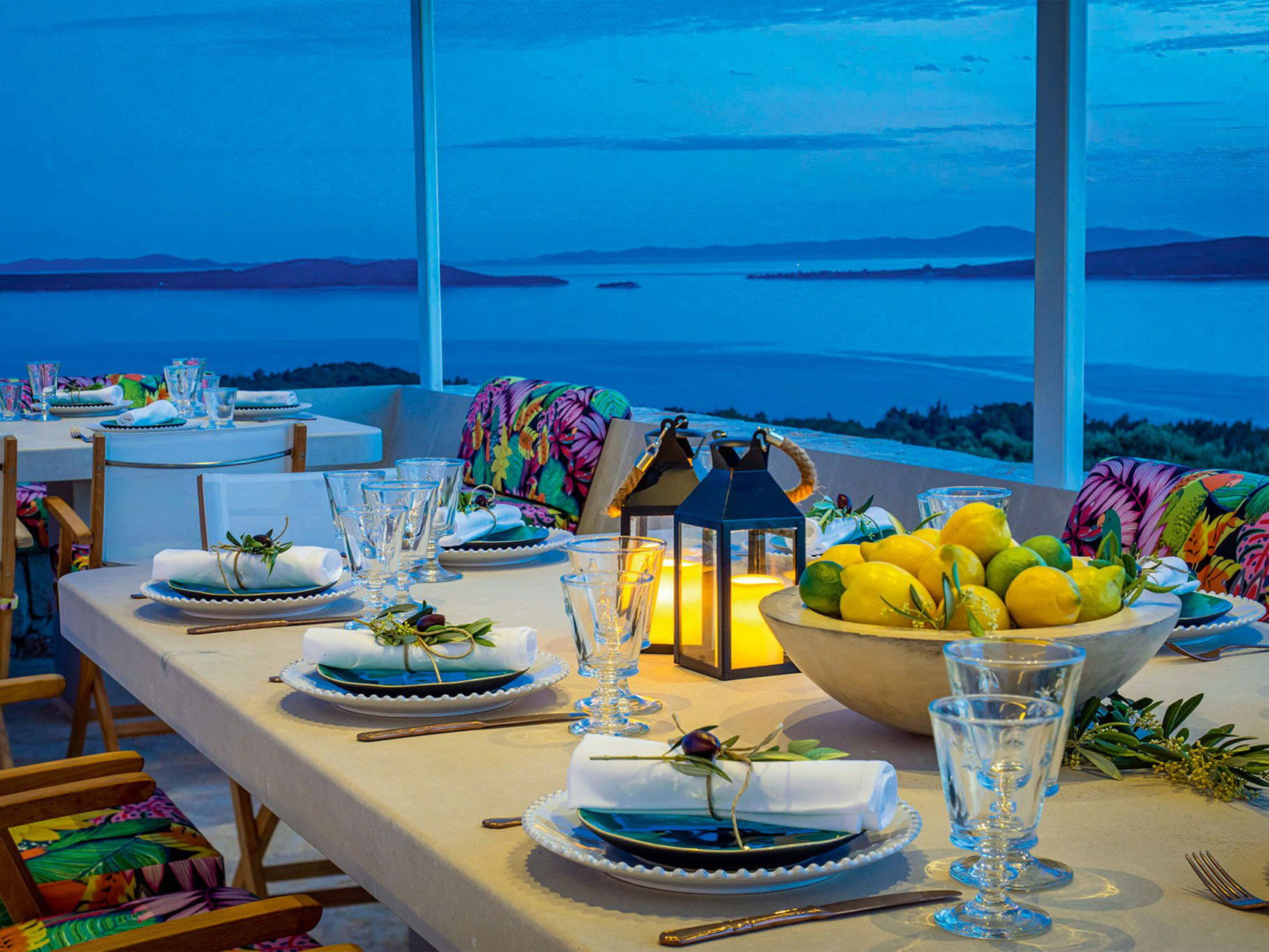
Where Bavarian Country Cooking Holds Its Ground
The Stub'n format is one of the more quietly durable institutions in Alpine Germany. Derived from the German word for a heated sitting room, a Stub'n is less a restaurant concept than a cultural posture: food served in close quarters, without ceremony, that is rooted in the agricultural and pastoral traditions of the region. In Garmisch-Partenkirchen, a town that draws visitors primarily for its proximity to the Zugspitze and the ski runs of the Bavarian Alps, this kind of cooking sits at the edge of the tourist economy — appreciated by locals, occasionally discovered by visitors who think to look past the hotel dining rooms.
Joseph Naus Stub'n on Klammstraße operates inside this tradition. The address alone carries some meaning: Klammstraße runs near the Partnachklamm gorge, one of the town's most-visited natural features, putting the restaurant in a part of Garmisch-Partenkirchen where the landscape shapes daily life rather than merely decorating it. This is country cooking in a place where the country is genuinely present.
The Michelin Plate in Context
Michelin's Plate distinction — awarded here in both 2024 and 2025, is a recognition that sits below the star tier but carries a specific editorial meaning. The Guide uses it to signal good cooking executed with care, rather than ambition or innovation. At the Plate level, Michelin is essentially endorsing consistency and honesty: a kitchen that does what it says it does. In a category like Bavarian country cooking, where the temptation to coast on nostalgia is real, that consecutive recognition across two editions matters. It suggests the kitchen is not resting.
For context on where this sits in Germany's broader dining structure, the country supports a range of Michelin-recognised addresses at every tier. At the upper end, restaurants like Aqua in Wolfsburg and Schwarzwaldstube in Baiersbronn operate at three-star level with corresponding price points and formats. Two-star addresses including Vendôme in Bergisch Gladbach and JAN in Munich anchor the creative and contemporary end of German fine dining. Further along, places like CODA Dessert Dining in Berlin, Restaurant Haerlin in Hamburg, Schanz in Piesport, Victor's Fine Dining by Christian Bau in Perl, and Waldhotel Sonnora in Dreis represent the depth of serious German cooking across styles and regions. Joseph Naus Stub'n operates in a different register entirely, the €€ price range puts it well below all of these, but it occupies a lane that the starred houses do not: the genuinely local, the traditional, the unpretentious. The nearby ES:SENZ in Grassau represents the Bavarian Alpine region's more technically ambitious end, making the contrast between ambition and rootedness in this part of southern Germany particularly clear.
Country Cooking as a Culinary Position
In the Alpine tradition, country cooking is not a simplified version of something more sophisticated. It is its own discipline, built around preserved, cured, and slow-cooked techniques developed over generations in communities where fresh produce had seasonal limits and nothing was wasted. Roasts, dumplings, pickled vegetables, dark breads, and braised meats form the structural vocabulary of this cooking. What distinguishes a kitchen doing this well from one going through the motions is the quality of sourcing, particularly whether the meat, dairy, and produce carry regional specificity, and the confidence to resist modernising instincts that would dilute the format.
The Stub'n setting reinforces the culinary point. These are not rooms designed for theatre or fine-dining protocol. The cooking is meant to match the environment: direct, generous, and honest about what it is. Compared to country-cooking traditions in northern Italy, where addresses like 21.9 in Piobesi d'Alba and Andrea Monesi - Locanda di Orta in Orta San Giulio anchor a similar philosophy in Piedmontese and Lombard tradition, Bavarian country cooking has its own grammar, shaped by altitude, climate, and a Protestant-influenced practicality that resists ornamentation.
Garmisch-Partenkirchen as a Dining Town
Garmisch-Partenkirchen's dining scene reflects the town's dual identity. On one side, a ski resort infrastructure that demands hotel restaurants, après-ski formats, and international-facing menus. On the other, a working Bavarian community with its own culinary preferences and a long-established local restaurant culture. The town is not Munich, it does not generate the sustained cosmopolitan demand that supports multiple high-concept restaurants, but it supports a range of cooking from traditional Bavarian to more contemporary addresses. Husar, with its classic cuisine positioning, represents one strand of that local scene.
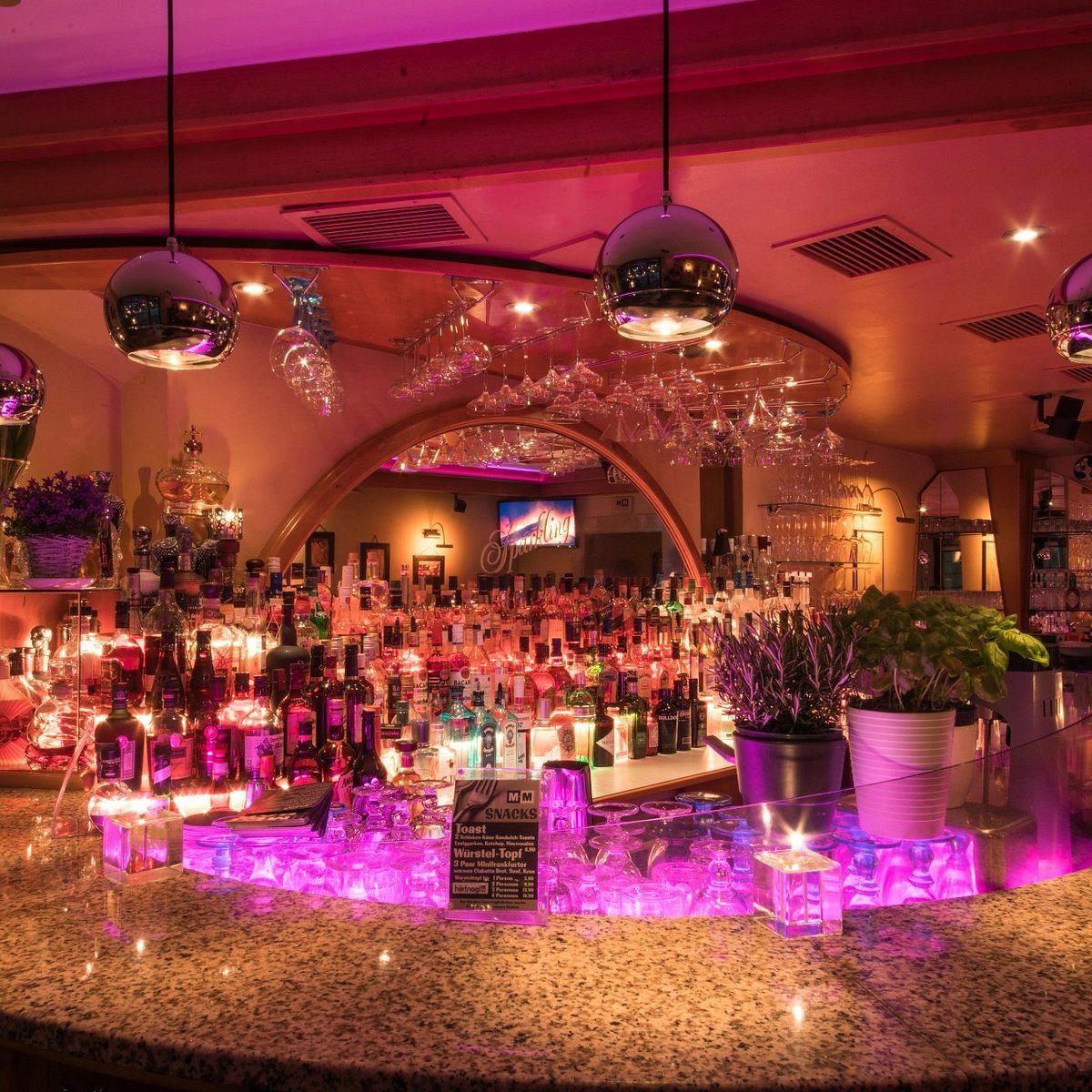
For visitors building a broader picture of what the town offers beyond the slopes, the full Garmisch-Partenkirchen restaurants guide covers the range. The town also has its own drinking culture worth investigating, the Garmisch-Partenkirchen bars guide maps the options, and for those extending a stay, the hotels guide covers accommodation from mountain resort properties to smaller local houses. The wineries guide and experiences guide round out the picture for anyone spending more than a day or two in the area.
Planning a Visit
Joseph Naus Stub'n sits at the €€ price range, which in a German context typically means mains in the low-to-mid teens in euros, making it one of the more accessible Michelin-recognised addresses in the region. Phone and booking details are not published centrally, so approaching the restaurant directly or arriving during service hours is the practical approach. Garmisch-Partenkirchen is accessible by train from Munich in under 90 minutes on the Bayerische Oberlandbahn connection, placing it within comfortable day-trip or weekend-trip range for anyone based in the city.
Frequently Asked Questions
- What kind of setting is Joseph Naus Stub'n? The format is a traditional Bavarian Stub'n: a small, interior-focused room designed for close, informal dining rather than fine-dining presentation. It holds Michelin Plate recognition for 2024 and 2025, which indicates quality and consistency within a country-cooking format, not a starred or tasting-menu structure. The €€ price range confirms this positioning: this is a mid-range local restaurant by German standards, operating in a town whose dining scene spans from traditional Bavarian to resort-oriented formats.
- What should I order at Joseph Naus Stub'n? In this tradition, the structural dishes are roasts, braised meats, dumplings, and seasonal accompaniments rooted in Alpine agricultural produce. A Michelin Plate recognition points toward a kitchen executing these formats with care. Order based on what's described as the day's preparation; the format rewards following the kitchen's current focus rather than searching for a fixed signature.
- Can I bring kids to Joseph Naus Stub'n? The Stub'n format in Garmisch-Partenkirchen is a family-aligned dining tradition by its nature, these rooms were not designed with exclusion in mind. The €€ price range removes the financial pressure that makes starred restaurants a less practical choice for families.
Price Lens
| Venue | Cuisine | Awards | Notes |
|---|---|---|---|
| Joseph Naus Stub'nThis venue — the venue you are viewing | Modern Bavarian Country Cooking | Michelin Plate | Not listed |
| Schwarzwaldstube | French, Classic French | Michelin 3 Star | Not listed |
| Aqua | Not listed | Michelin 3 Star | Contemporary German, Italian/Japanese, Creative |
| CODA Dessert Dining | Creative | Michelin 2 Star | Not listed |
| Tantris | Modern French, French Contemporary | Michelin 2 Star | Not listed |
| Vendôme | Modern European, Creative | Michelin 2 Star | Not listed |
Recognition history
Dated appearances from independent guides and award organizations, with the underlying list record or original source where available.
Michelin Plate
Michelin · 2026 Michelin Plate
Full recognition history (3 entries)
Michelin Plate
Michelin
Michelin Plate
Michelin
Continue exploring
More in Garmisch-Partenkirchen
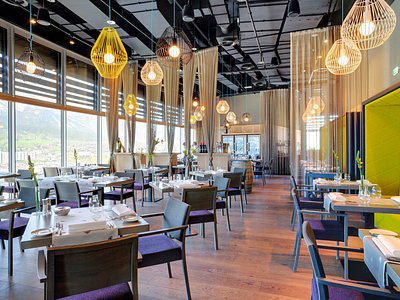
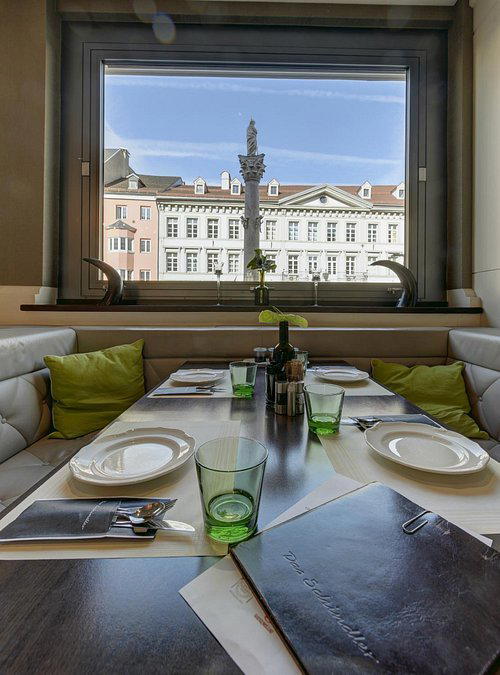
Restaurants in Garmisch-Partenkirchen
Browse all →
Bars in Garmisch-Partenkirchen
Browse all →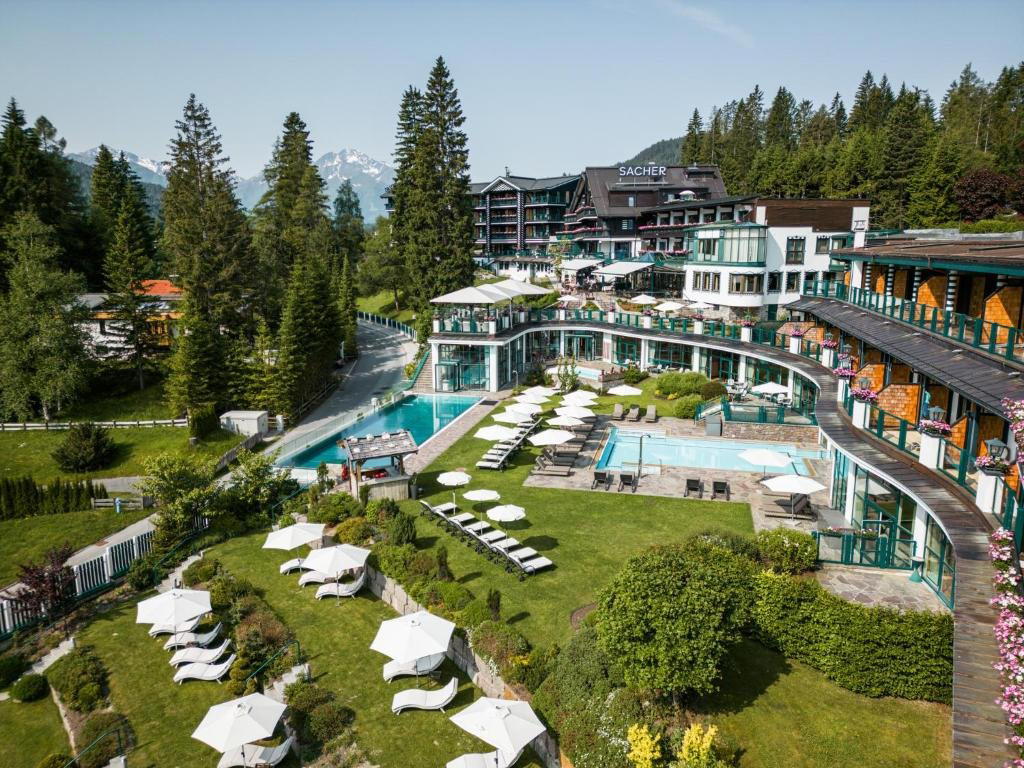
Hotels in Garmisch-Partenkirchen
Browse all →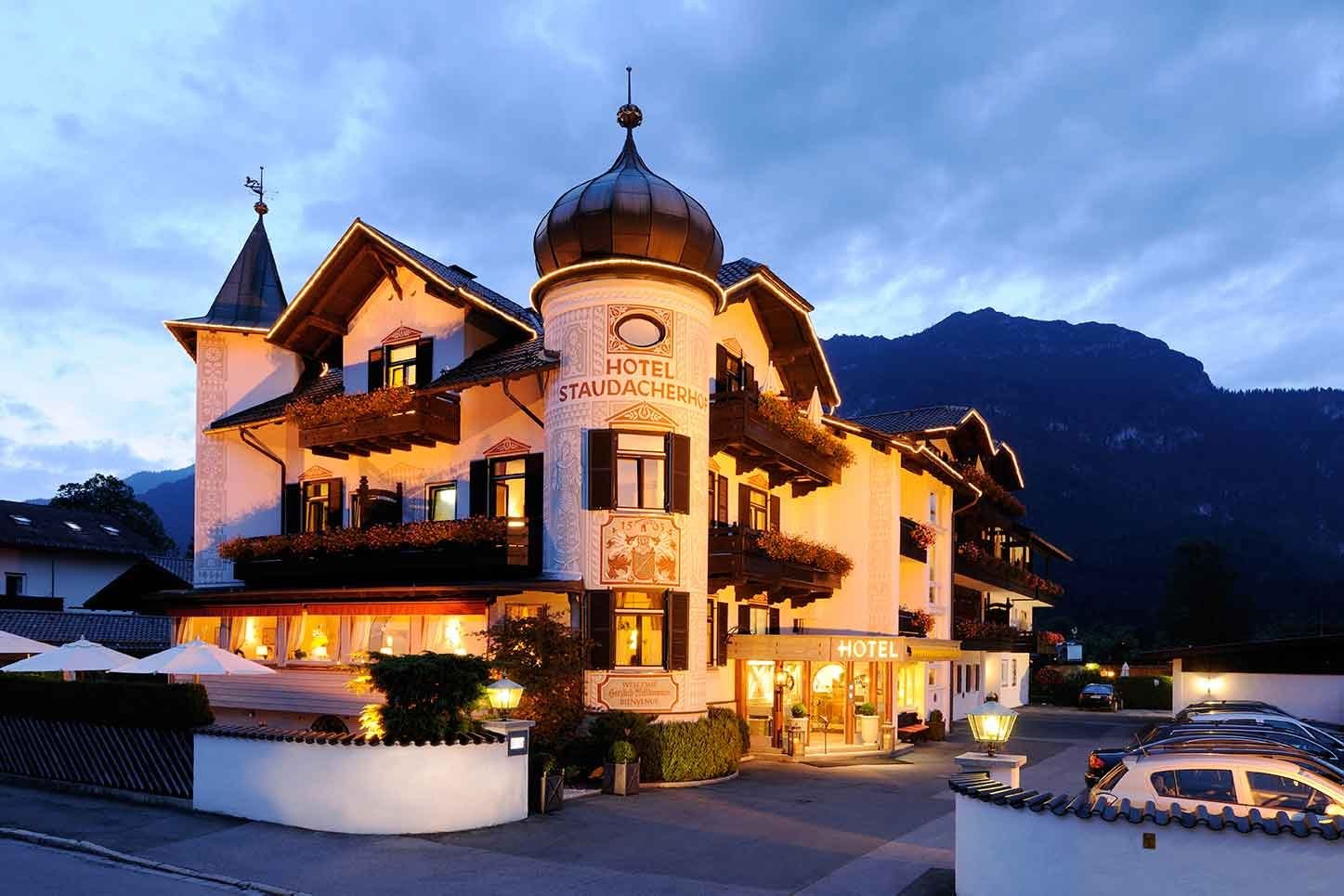
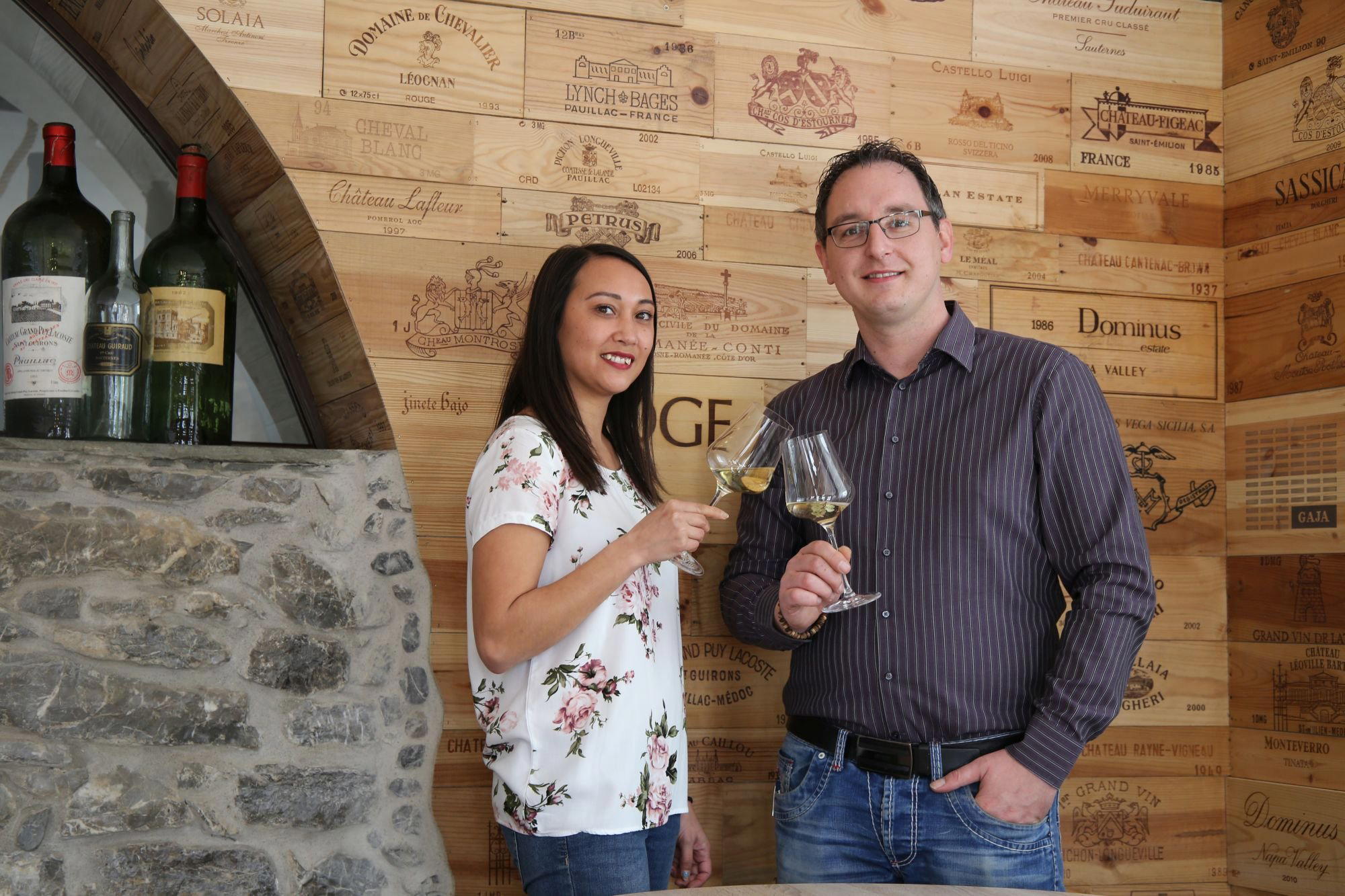
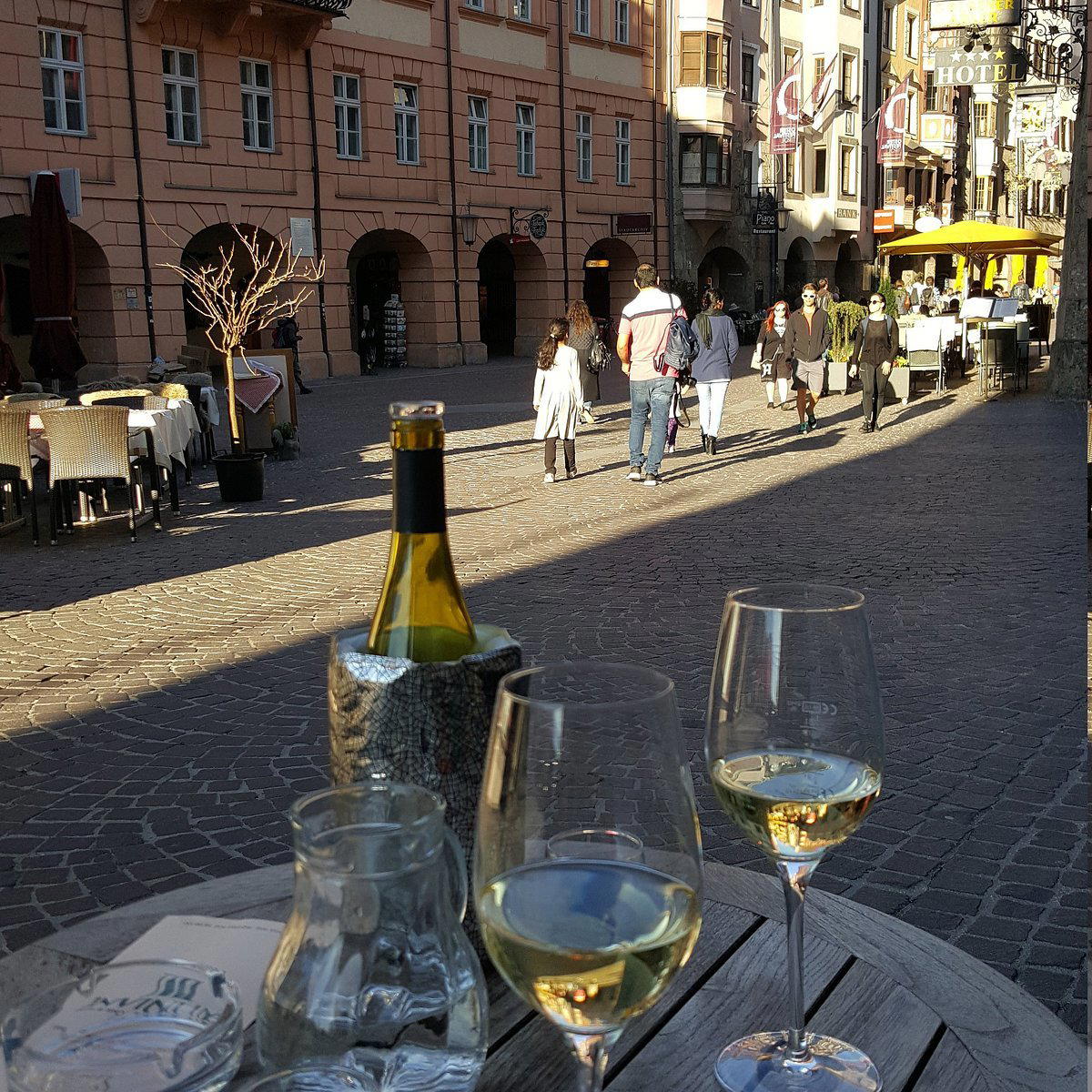
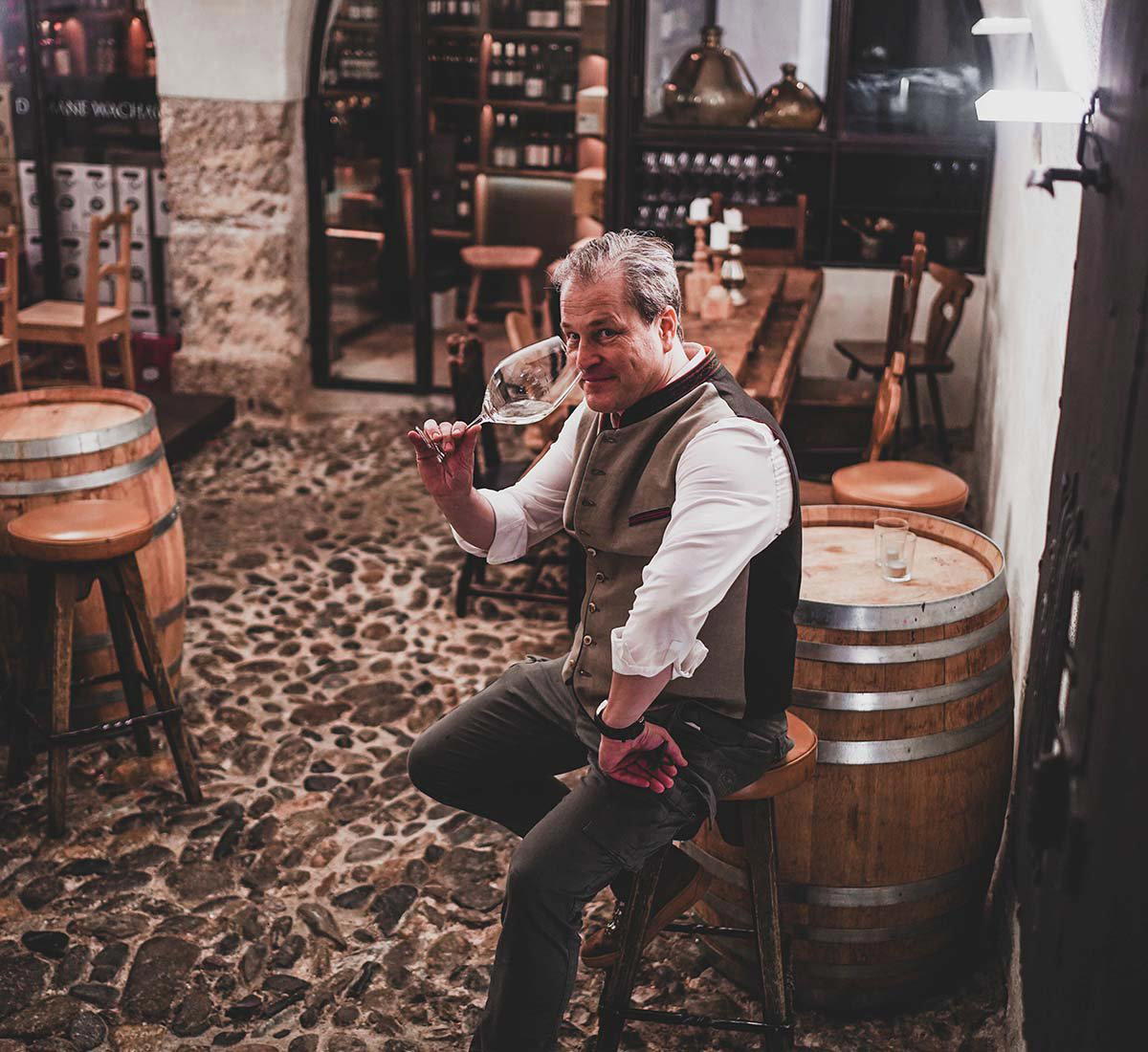
Wineries in Garmisch-Partenkirchen
Browse all →
Details
- Cozy
- Rustic
- Elegant
- Classic
- Date Night
- Special Occasion
- Family
- Historic Building
- Hotel Restaurant
- Extensive Wine List
- Local Sourcing
- A La Carte
- Set Menu
- Vegetarian Friendly
Current opening hours
- Monday
- 12–2 PM, 6–9:30 PM
- Tuesday
- 12–2 PM, 6–9:30 PM
- Wednesday
- 12–2 PM, 6–9:30 PM
- Thursday
- 12–2 PM, 6–9:30 PM
- Friday
- 12–2 PM, 6–9:30 PM
- Saturday
- 12–2 PM, 6–9:30 PM
- Sunday
- 12–2 PM, 6–9:30 PM
Hours can change for holidays and private events. Last verified .
Cozy, rustic elegance with relaxed atmosphere, live music, and authentic Bavarian charm.