José
On West Lovers Lane in Dallas, José operates in a neighbourhood where Mexican culinary traditions, from the border-adjacent north to the coastal states, have found serious restaurant expression. The address places it among a cluster of independently minded dining rooms that reflect Dallas's appetite for culturally grounded cooking, sitting at a different register than the city's steakhouse-dominated dining identity.
Pearl is the En Primeur Club membership app — saves, bookings, and concierge access live there. Same editors, same standards.
- Address
- 4931 W Lovers Ln, Dallas, TX 75209
- Phone
- +12148915673
- Website
- jose.mx
- Directions
- Get directions
 Saves & bookings on Pearl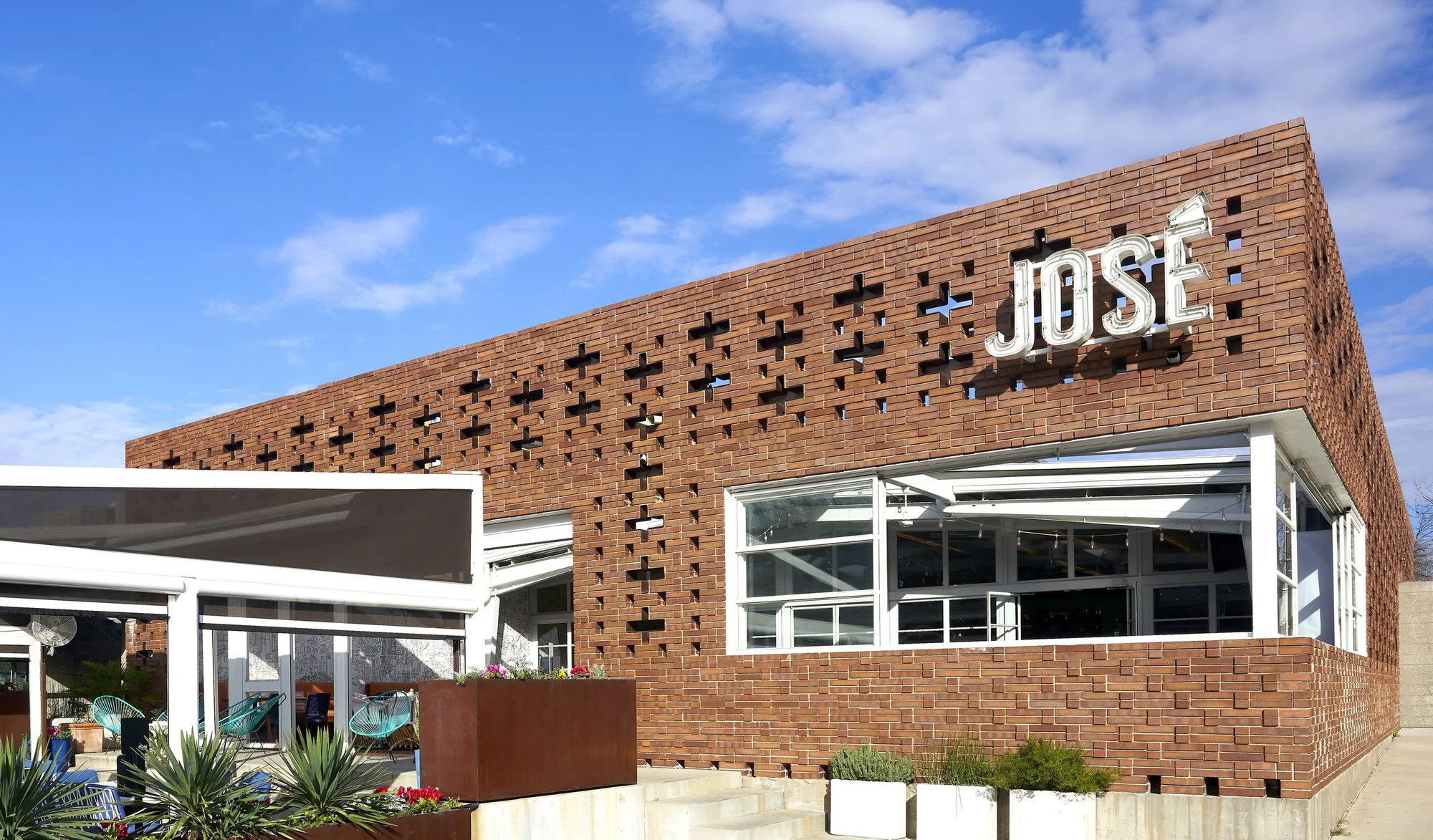
West Lovers Lane and the Case for Mexican Cooking Done Seriously
Dallas has spent the better part of two decades building a dining reputation around red meat, chef-driven Southwestern plates, and the occasional fine-dining outpost with national ambitions. Restaurants like Mamani have pushed Latin American cooking into more considered territory, and Tatsu Dallas has demonstrated that the city can sustain serious Japanese omakase. But Mexican cuisine, one of the defining culinary traditions of Texas, has historically been underrepresented at the higher end of Dallas restaurant culture, reduced too often to Tex-Mex formulas or fast-casual formats. That gap is exactly where José, on West Lovers Lane, becomes worth paying attention to.
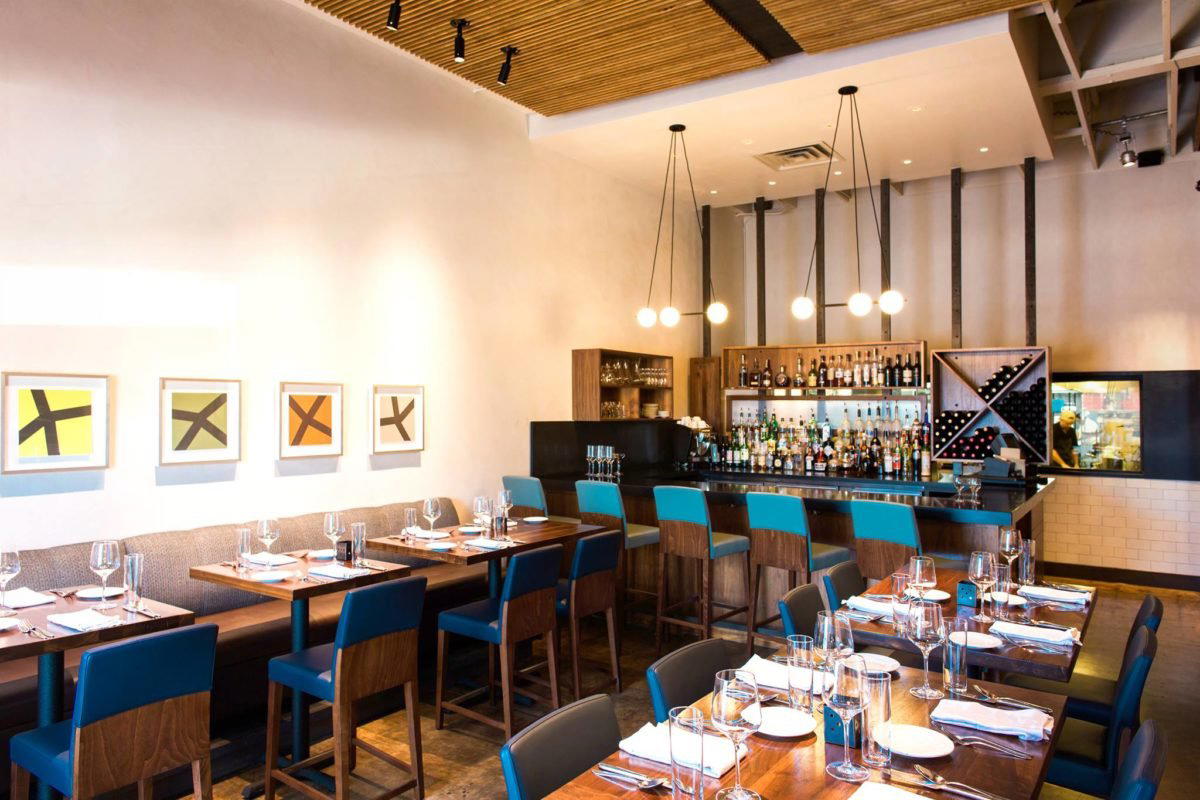
José is a modern regional Mexican restaurant in Dallas with a $40 average price per person. West Lovers Lane runs through a stretch of Dallas that tends toward the residential and locally oriented, away from the downtown expense-account circuit and the glossier Uptown corridor. Arriving, the environment feels less like a destination engineered for spectacle and more like a room that expects you to focus on the food. That shift in register, from performance to substance, is characteristic of how serious regional Mexican cooking operates when it's functioning at its leading.
The Cultural Weight Behind Regional Mexican Cuisine
To understand what a restaurant like José is doing, it helps to understand how Mexican cuisine has been categorized and miscategorized in American dining. For decades, the default frame was Tex-Mex: flour tortillas, yellow cheese, fajita plates designed around American expectations. That version has its own legitimacy as a border fusion tradition, but it obscures the depth of Mexico's regional cooking, which operates across dramatically different flavor systems depending on whether you're drawing from Oaxacan mole traditions, Yucatecan achiote preparations, Veracruz-influenced seafood technique, or the dry-aged goat and lamb dishes of the northern states.
Texas, given its geography and its historical ties to northern Mexico, sits in a particularly interesting position. The cooking traditions of Chihuahua, Coahuila, Nuevo León, and Sonora are all proximate influences, and a Dallas restaurant working seriously with this material has access to a culinary vocabulary that most of the American fine-dining world has only recently begun to engage with. The broader national context matters here: the James Beard Foundation has increasingly recognized Mexican and Mexican-American chefs, and restaurant programs in cities like Los Angeles and Chicago have shifted the conversation about what Mexican cuisine can look like at a high-price-point format. Dallas, with its substantial Mexican-American population and its proximity to the border, has both the audience and the culinary raw material to participate in that shift.
Contrast this with the format question that high-end American restaurants of every cuisine type are currently working through. The tasting menu model, which has defined prestige dining from The French Laundry in Napa to Alinea in Chicago, applies a European progressive structure to what are often non-European culinary traditions. Restaurants like Atomix in New York City have found ways to run a high-price tasting format that remains culturally coherent with its Korean roots. The question for Mexican fine dining in America is whether the tasting menu structure serves the cuisine or flattens it. The answer, in most successful cases, has been to adapt rather than adopt wholesale.
Where José Sits in Dallas's Independent Dining Tier
Dallas has a recognizable group of independent restaurants operating in a middle register: not celebrity-chef spectacles, not chain casual, but focused rooms with kitchen programs built around a specific culinary point of view. 3Eleven Kitchen and Cocktails and 360 Brunch House represent different price points and formats within that tier. 12 Cuts Brazilian Steakhouse sits at the more elaborate end of the Latin American spectrum. José occupies a position in this cluster defined less by format or price point than by culinary lineage: the kitchen draws from Mexican tradition in a city where that tradition has earned serious restaurant attention but rarely premium positioning.
The West Lovers Lane location clusters José with a set of restaurants that attract repeat local business rather than tourist traffic. That distinction matters for how the room functions. Regulars at serious independent restaurants develop an understanding of the menu's evolution over time, a dynamic that is less common at destination-format rooms where most tables are first-time visitors. It's the same logic that makes neighborhood-anchored fine dining in cities like San Francisco, where Lazy Bear operates as a community-facing communal format, function differently than the formal tasting rooms at properties like Single Thread Farm in Healdsburg.
Planning a Visit to José
West Lovers Lane sits in northwest Dallas, accessible by car and positioned for pre- or post-dinner walks through the surrounding residential streets. For visitors building a broader Dallas dining itinerary, the city's full range of options, from barbecue at the Japanese counter end to the Southwestern heritage cooking of Fearing's, is catalogued in our full Dallas restaurants guide. For context on how serious regional Mexican cooking compares with other high-intent American restaurant formats, the programs at Providence in Los Angeles, Addison in San Diego, and Blue Hill at Stone Barns in Tarrytown each illustrate different answers to the question of how a kitchen builds a distinctive identity within American fine dining. Internationally, the Italian formality of 8 1/2 Otto e Mezzo Bombana in Hong Kong or the Gulf Coast tradition at Emeril's in New Orleans offer comparative reference points for how regional culinary traditions travel into premium restaurant formats. The comparable question of ocean-focused technique and precision applies equally to Le Bernardin in New York City and The Inn at Little Washington.
Side-by-Side Snapshot
Comparable venues nearby, for context on price, style, and recognition.
| Venue | Cuisine | Price | Notes |
|---|---|---|---|
| JoséThis venue — the venue you are viewing | Modern Regional Mexican | $$$ | Not listed |
| Olōyō | Heirloom Corn Mexican | $$$ | Mill Creek |
| El Fenix | Classic Tex-Mex | $$ | Victory Park |
| Xaman Cafe | Pre-Hispanic Mexican Cafe & Cantina | $$ | Oak Cliff |
| Mi Cocina | Tex-Mex | $$ | Arts District |
| Wild Salsa | Regional Mexican | $$ | Main Street District |
At a Glance
- Modern
- Trendy
- Elegant
- Cozy
- Date Night
- Special Occasion
- Brunch
- Casual Hangout
- Open Kitchen
- Craft Cocktails
- Local Sourcing
Current opening hours
- Monday
- 11 AM–9 PM
- Tuesday
- 11 AM–9 PM
- Wednesday
- 11 AM–10 PM
- Thursday
- 11 AM–10 PM
- Friday
- 11 AM–10 PM
- Saturday
- 11 AM–10 PM
- Sunday
- 11 AM–9 PM
Hours can change for holidays and private events. Last verified .
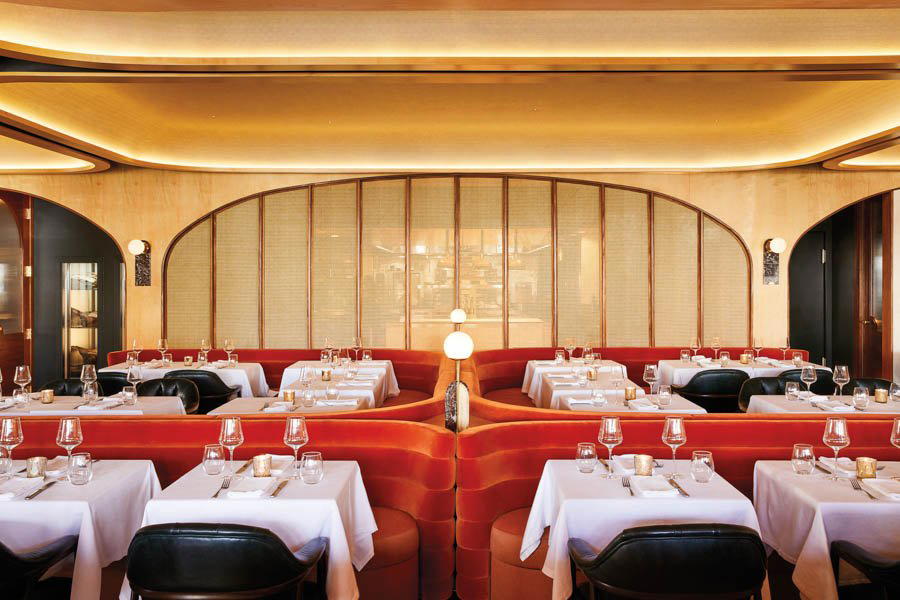
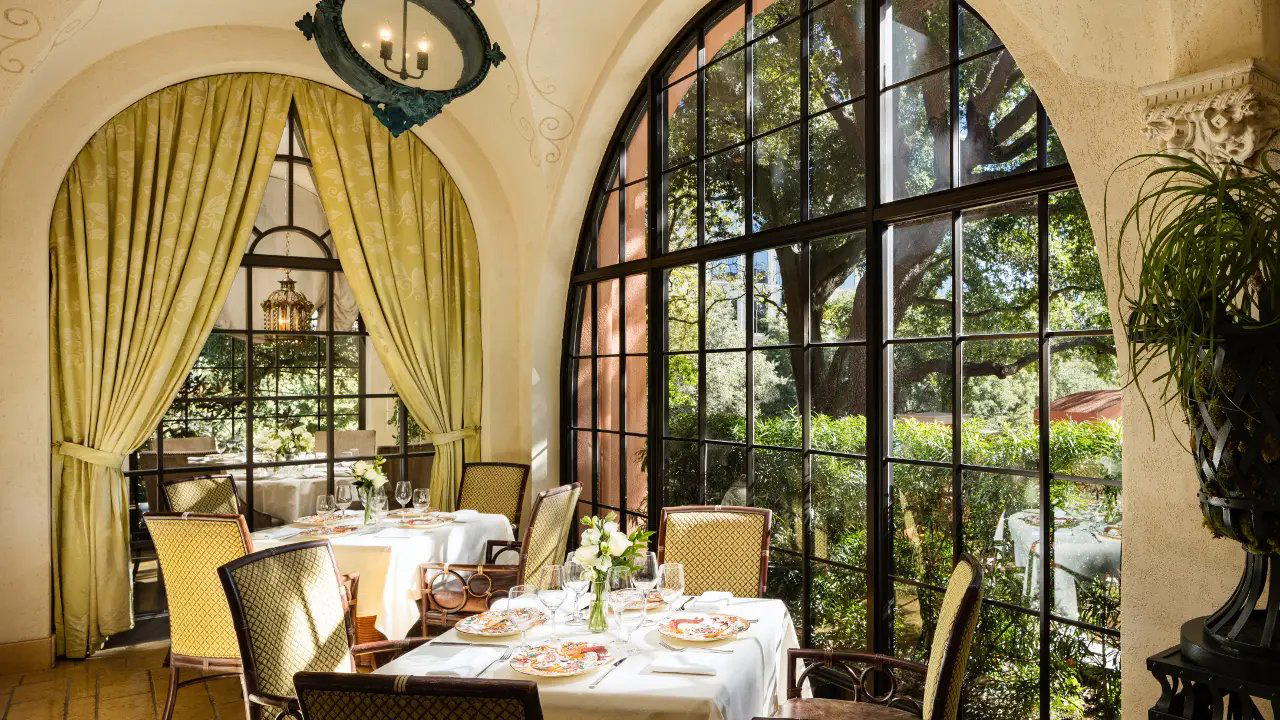
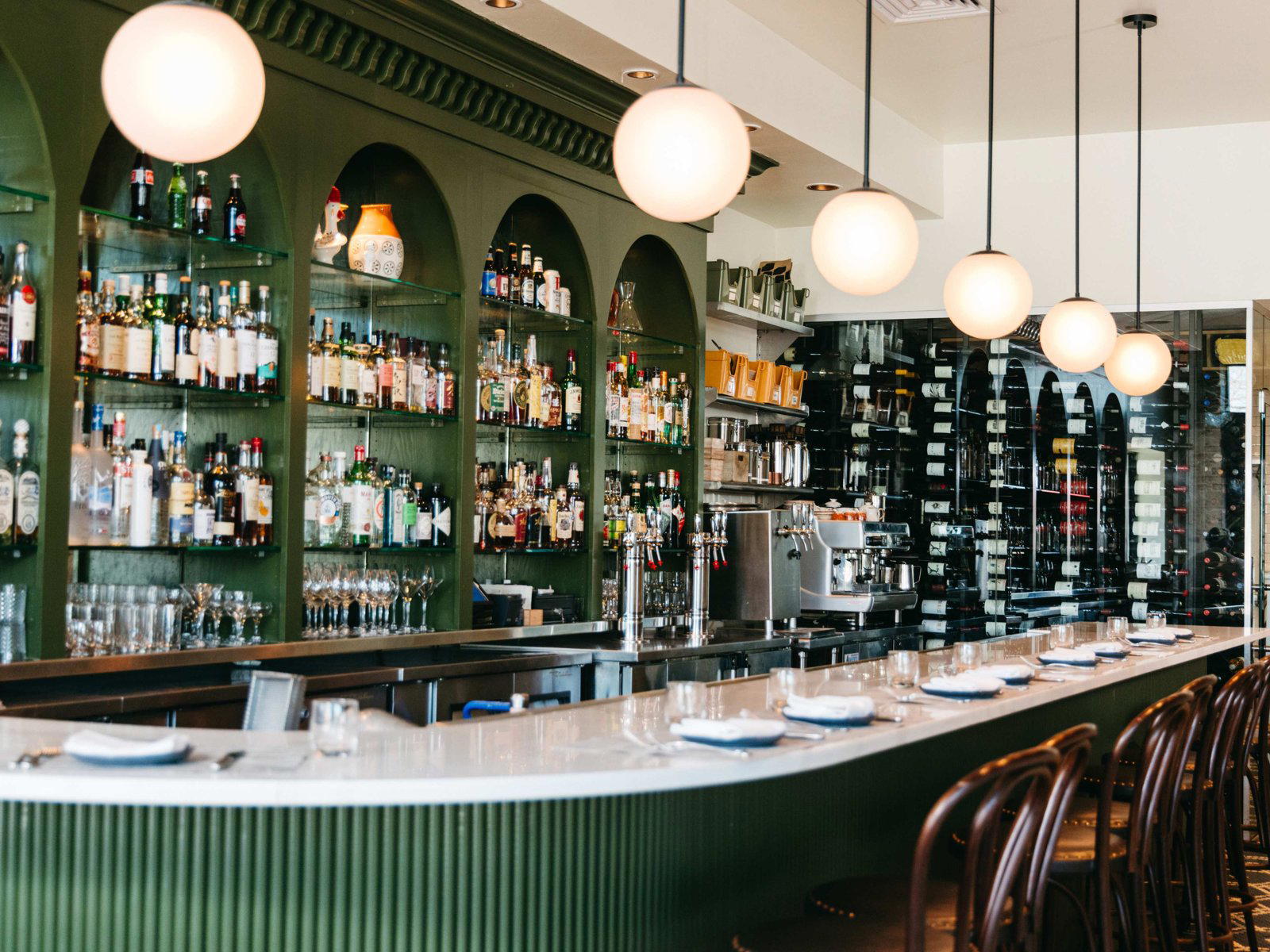
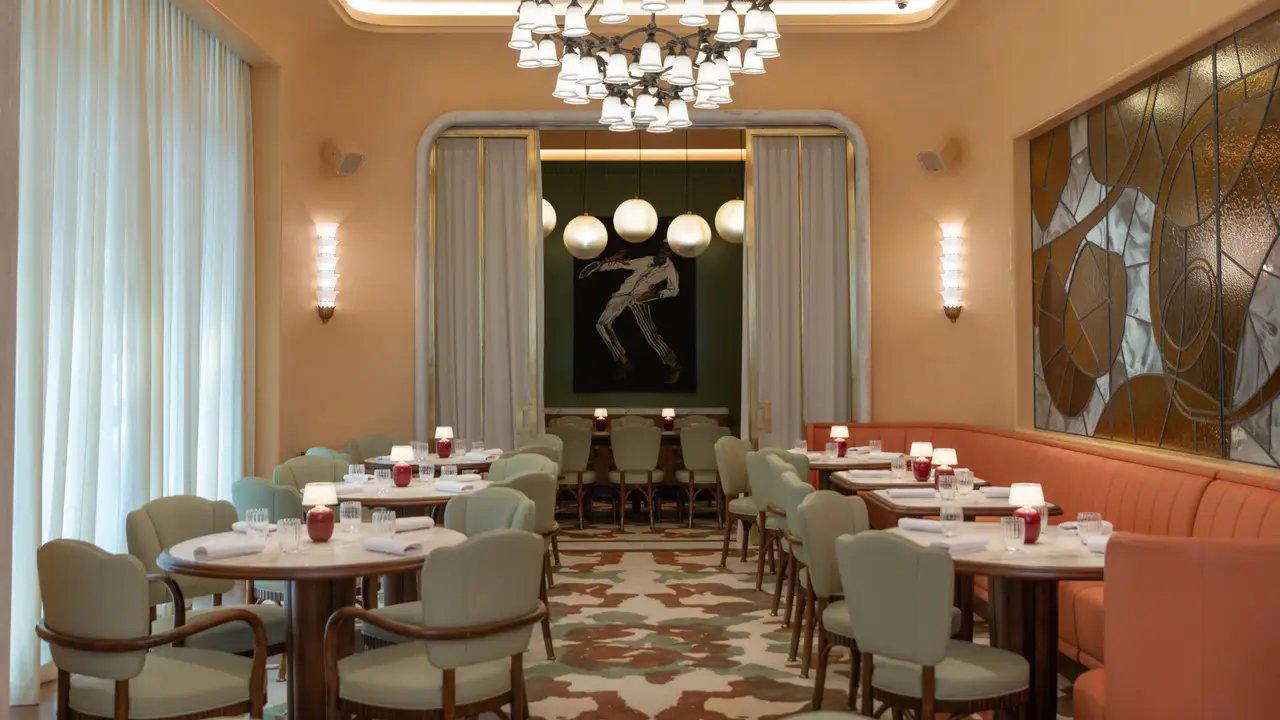
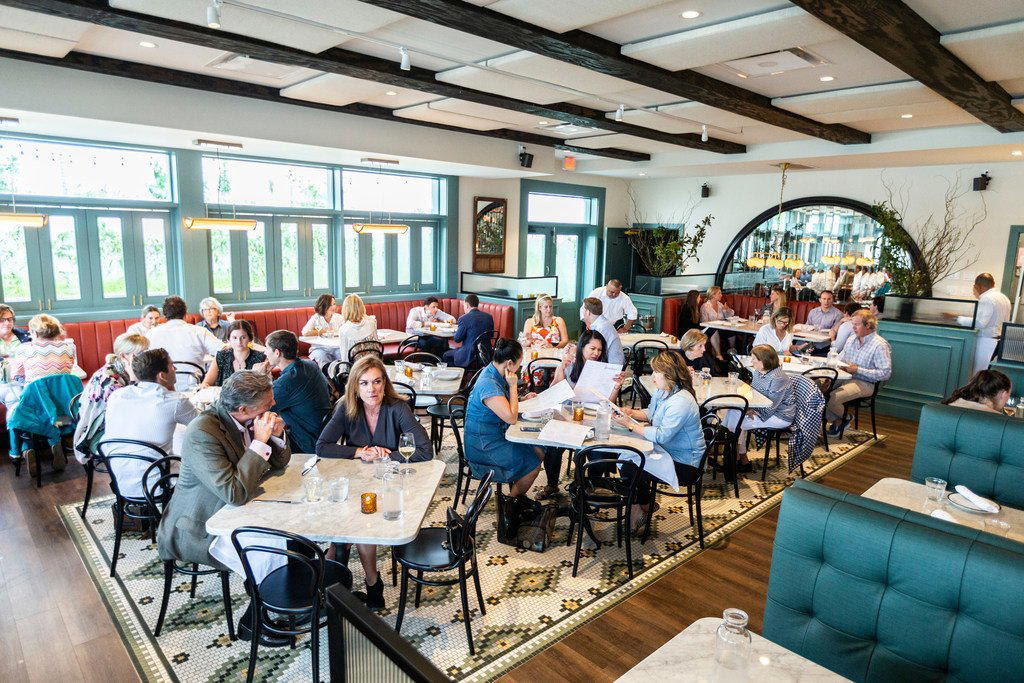
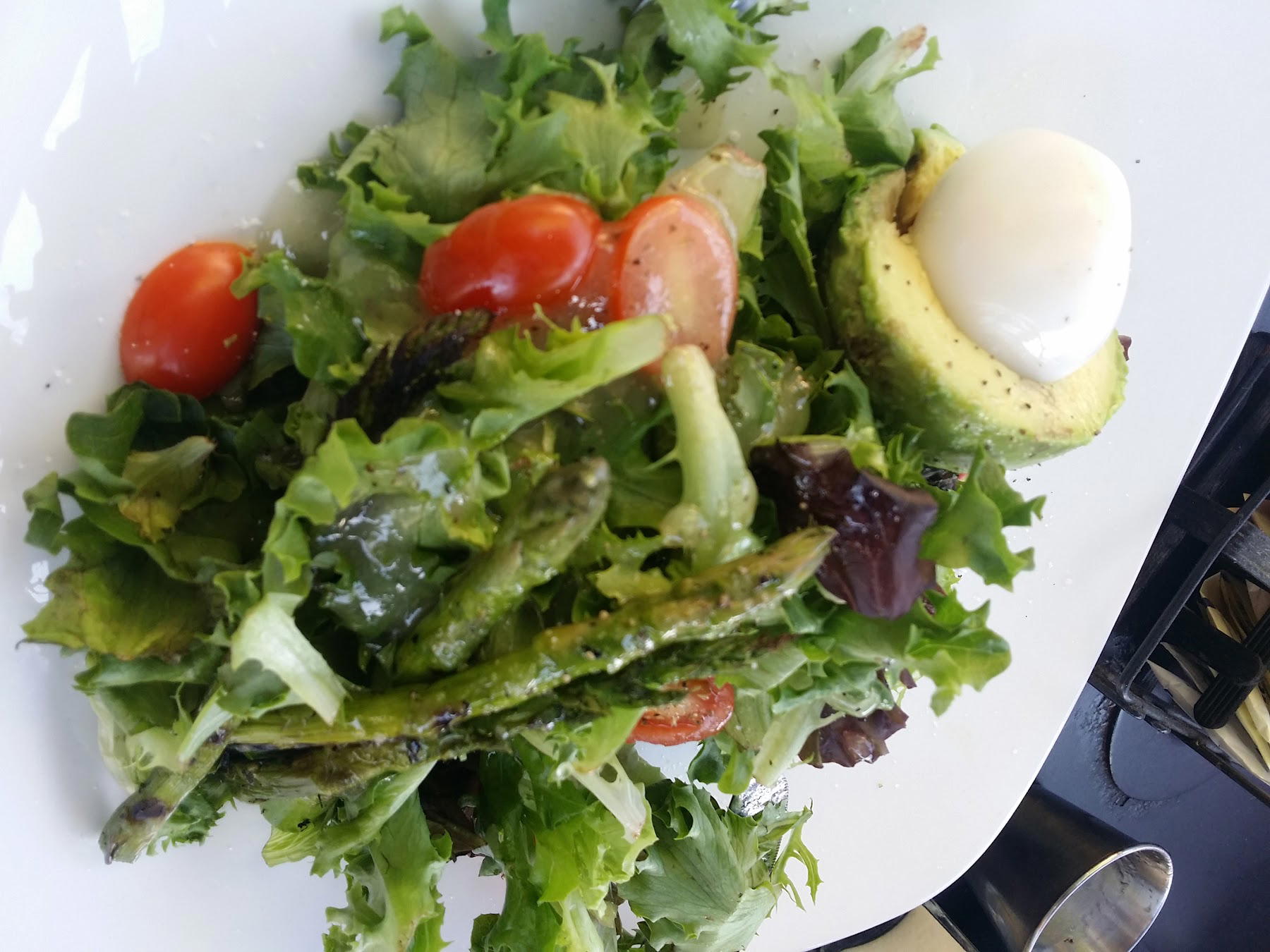
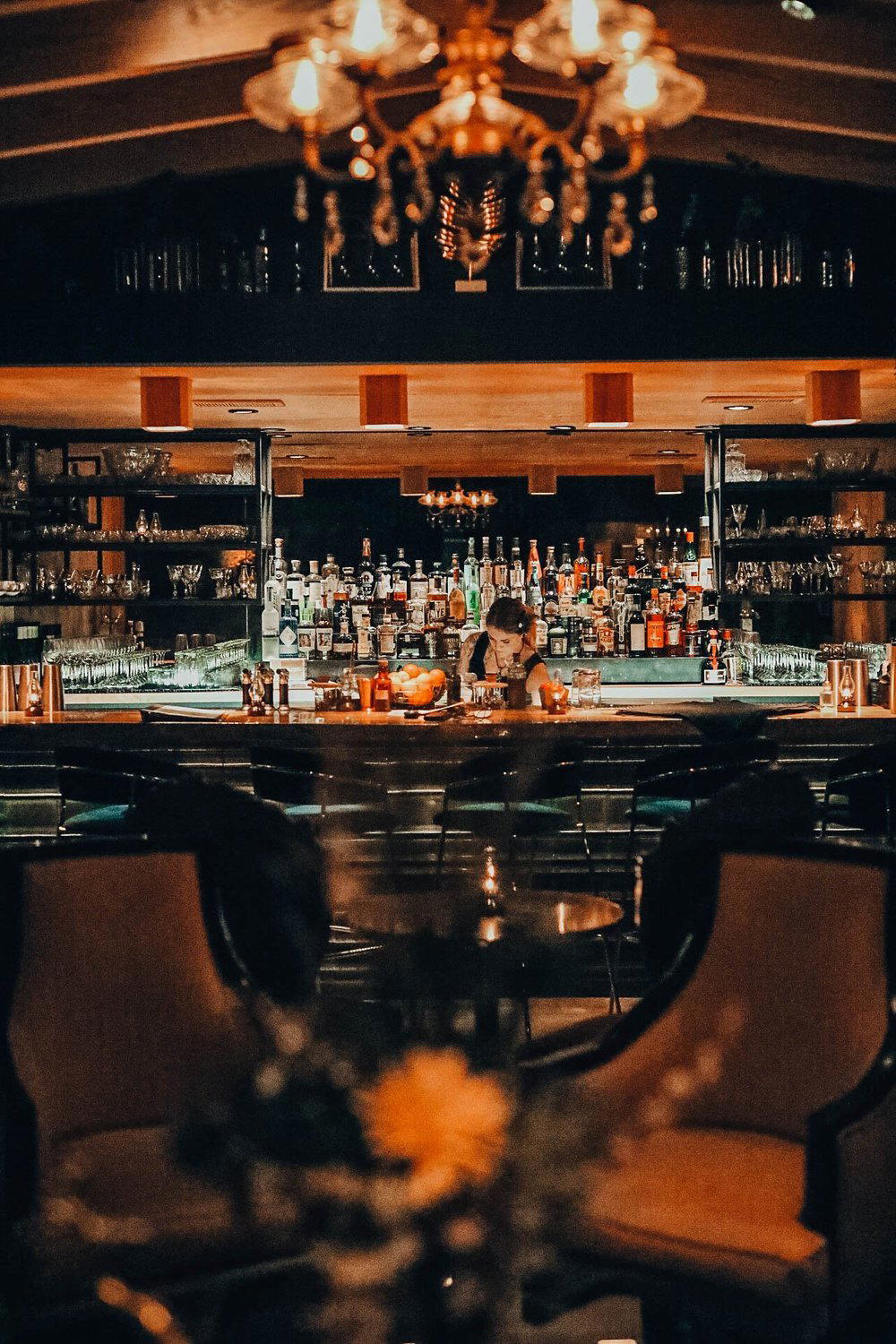
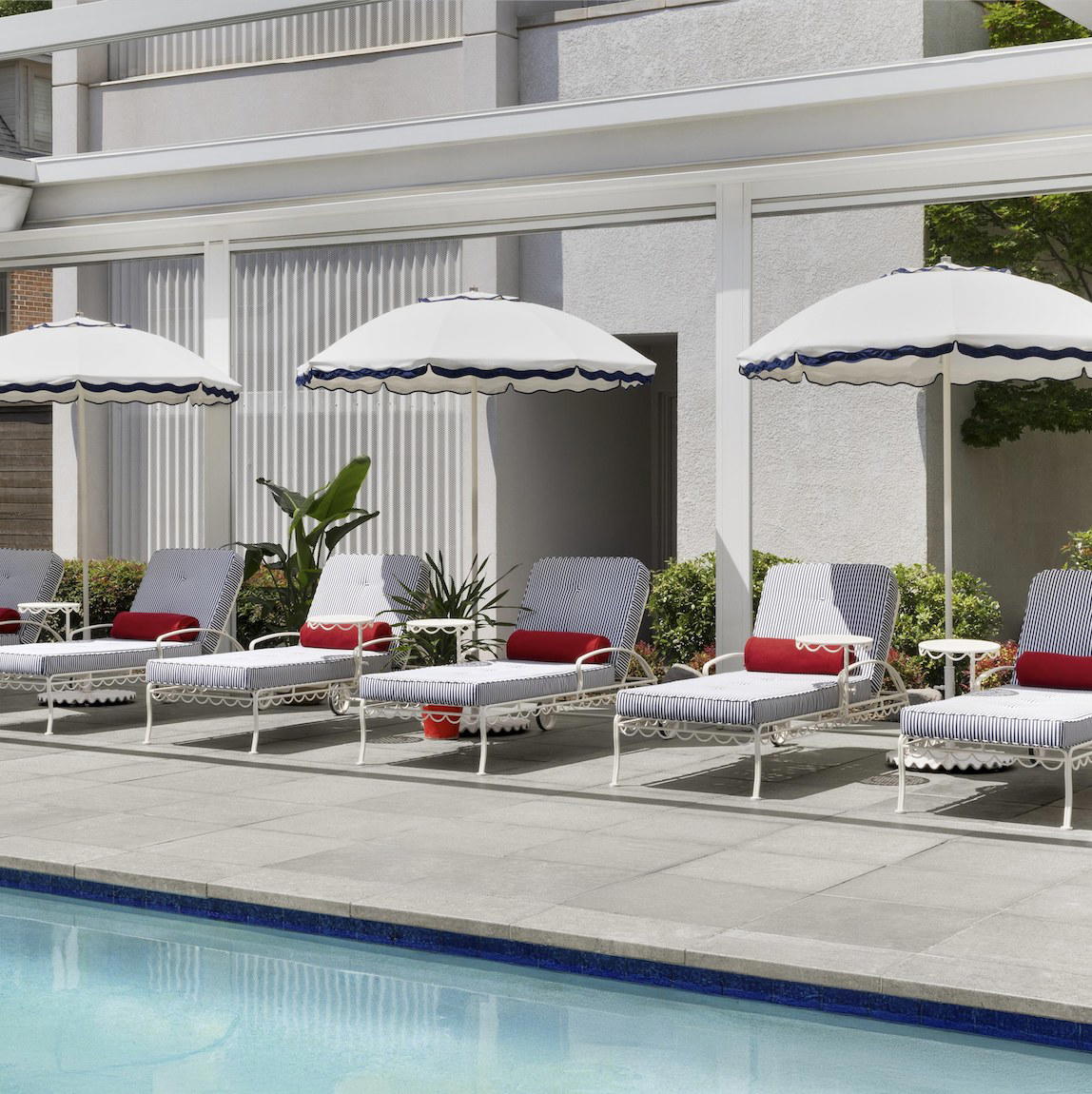
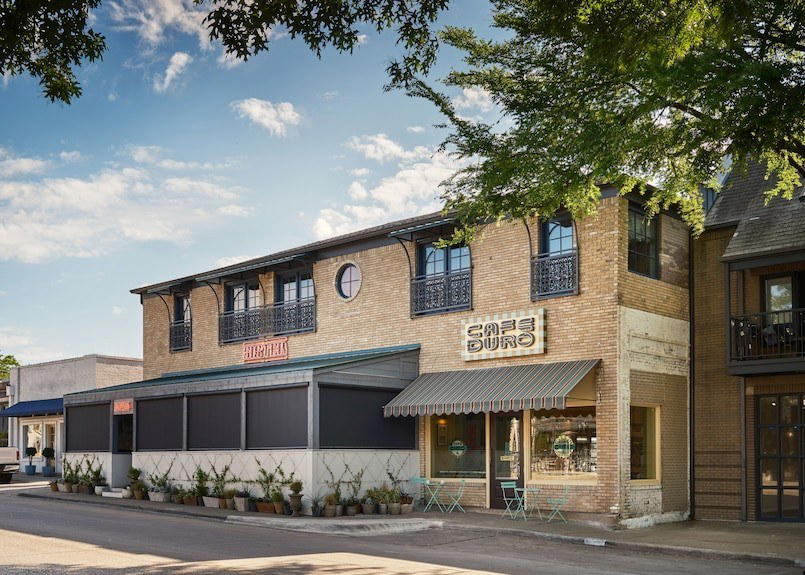
Modern design with hand-painted tiles, art, and welcoming patio atmosphere blending Texas hospitality with Mexican vibrancy.