JJIN occupies a considered address on Rue de la Gaité in Paris's 14th arrondissement, a neighbourhood that has historically traded in working-class theatre and late-night brasserie culture rather than destination dining. The address positions it at an interesting remove from the tightly clustered prestige corridors of the 8th and 1st, making it a reference point for readers tracking where serious cooking is moving in the French capital.
Pearl is the En Primeur Club membership app — saves, bookings, and concierge access live there. Same editors, same standards.
- Address
- 35 Rue de la Gaité, 75014 Paris, France
- Phone
- +33158901892
- Website
- jjin.fr
- Directions
- Get directions
 Saves & bookings on Pearl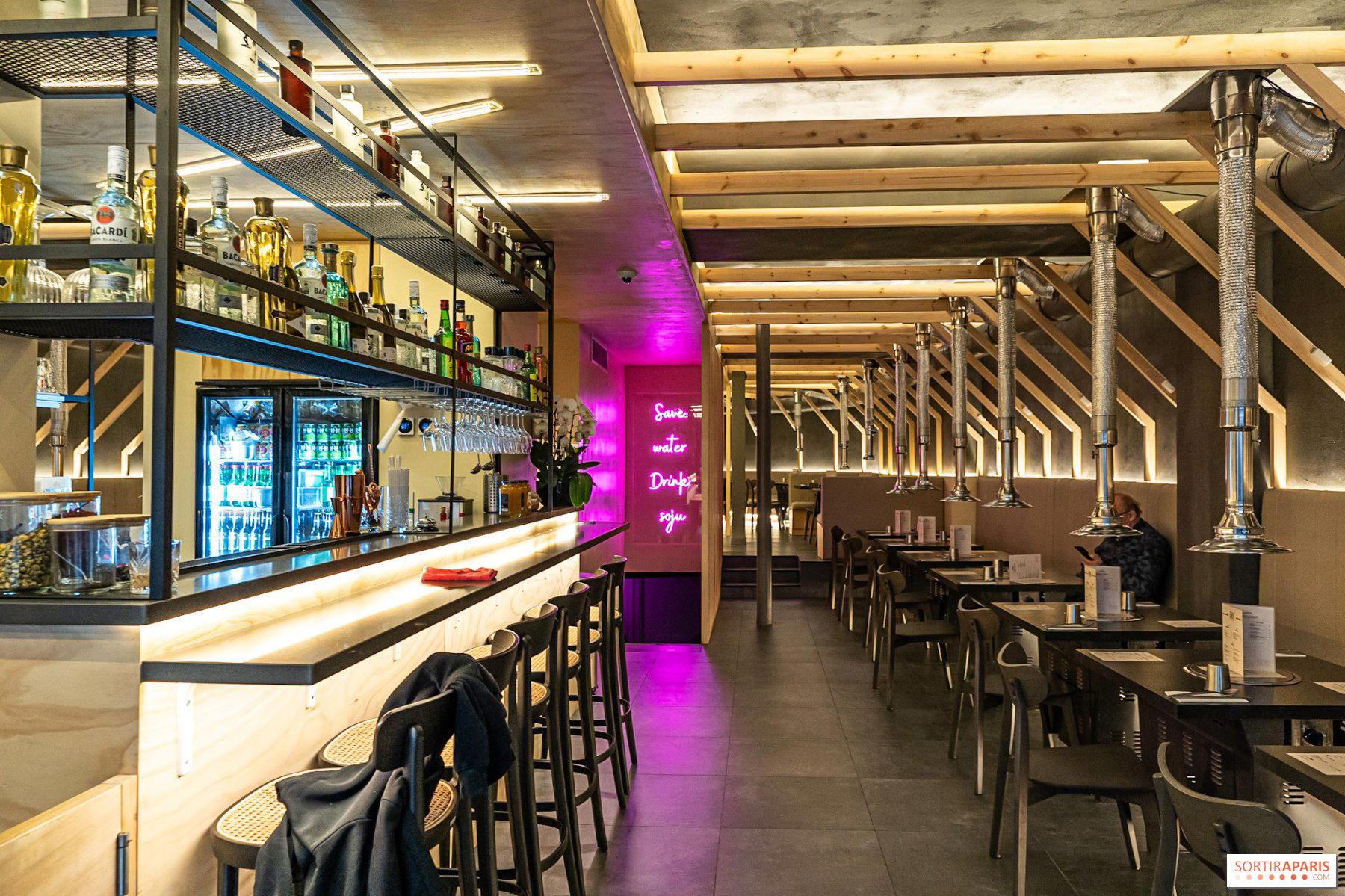
JJIN, a Korean barbecue restaurant at 35 Rue de la Gaité in Paris's 14th arrondissement, is priced at about $25 per person.
The grand rooms of the 8th arrondissement, where addresses like Le Cinq at the Four Seasons Hôtel George V and Alléno Paris au Pavillon Ledoyen anchor the prestige end of the market, now compete with a more dispersed set of addresses across the city's less obvious arrondissements. The 14th has a particular character in this shift: historically a neighbourhood of Montparnasse brasseries, street-level theatres along the Rue de la Gaité, and a civic plainness that kept it off most fine-dining itineraries. JJIN, at 35 Rue de la Gaité, sits squarely inside that neighbourhood identity rather than against it.
The street itself has a performance history that predates the current restaurant moment by well over a century. Rue de la Gaité was already known as a theatre corridor in the 19th century, and that function shaped the character of the blocks around it: practical, unpretentious, oriented toward evening commerce rather than daytime elegance. Restaurants that have taken root here in recent years tend to carry some of that neighbourhood grammar, regardless of how sophisticated their kitchens may be. It is worth keeping that urban context in mind when reading JJIN against its peers.
Where JJIN Sits in the Paris Wine Conversation
Paris's serious wine programs have historically concentrated in rooms with the budget to carry deep cellars: L'Ambroisie on the Place des Vosges, or the dining rooms attached to major palace hotels, where a sommelier team can maintain lists built over decades. A counter or small room in the 14th operates with different structural economics and, consequently, a different curatorial logic.
More interesting wine programs to emerge in Paris over the past ten years have tended to favour depth in a narrower register over the comprehensive breadth of a grand hotel cellar.
For comparison, the wine program at Kei in the 1st represents one model: a contemporary French kitchen pairing its menu against a list shaped by classical French appellations. Rooms like Arpège take a more eccentric route, with natural and biodynamic producers occupying a significant share of the list alongside the expected prestige Burgundies. JJIN's position in the 14th suggests it is more likely aligned with the smaller-room, opinionated-buyer format than with the comprehensive palace-hotel model,
The French Regional Context
The houses that have defined French fine dining at the regional level, from Troisgros in Ouches to Mirazur in Menton and Flocons de Sel in Megève, have each built their cellar identities in relation to local terroir and local producers. Paris restaurants lack that geographic anchor, which forces a more deliberate curatorial choice. Some, like the long-running Auberge de l'Ill in Illhaeusern or Auberge du Vieux Puits in Fontjoncouse, have decades of accumulated cellar depth that compensates for the absence of terroir proximity. A newer Paris address in the 14th works with neither advantage, which is precisely why the curation logic becomes the distinguishing factor.
Globally, the Korean dining scene in cities like New York has demonstrated how wine programs can be built in dialogue with a non-European kitchen without defaulting to predictable European pairings. Atomix in New York City is a useful reference point here: its wine program has drawn consistent attention for pairing Korean-inflected tasting menus against a cellar that draws on both classical European appellations and natural producers in a way that complements rather than overrides the food. Similarly, Le Bernardin in New York City has long demonstrated that a technically precise kitchen and a seriously curated cellar reinforce each other in ways that generic restaurant wine lists cannot. These are the competitive reference points worth holding in mind when considering what JJIN might aspire to on the wine front.
The Rue de la Gaité Address in Practice
Practically, an address on Rue de la Gaité places JJIN within walking distance of the Gaité or Edgar Quinet metro stations, making it accessible from central Paris without requiring a taxi. The neighbourhood lacks the concentrated hotel stock of the Right Bank, so most visitors arrive rather than stay in the area, which tends to produce a more local, repeat-visitor dining room character than you find at prestige addresses oriented toward tourists and expense-account meals. That demographic mix is a feature of many of the more interesting Paris openings of the past five years, including addresses in the 11th and the southern 13th that have built loyal local clientele before attracting wider attention.
For readers building a Paris itinerary that engages seriously with the French regional restaurant tradition, the broader French context is worth anchoring: from Bras in Laguiole to Paul Bocuse's Auberge du Pont de Collonges, Assiette Champenoise in Reims, Au Crocodile in Strasbourg, and AM par Alexandre Mazzia in Marseille, the French table at its serious end is a tradition with enormous geographic and stylistic range. Paris addresses like JJIN operate within that tradition while also responding to the specific pressures of the capital's market: higher rents, a more international and more local clientele simultaneously, and competition from a dense comparable set.
Planning Your Visit
JJIN is located at 35 Rue de la Gaité in the 14th arrondissement. The street sits between the Gaité and Edgar Quinet metro stops on line 13. Reservations are recommended, and the restaurant serves lunch and dinner Tuesday through Sunday. Given the neighbourhood's evening-oriented character and the tendency of smaller Paris rooms to fill on a short booking window, advance planning is advisable for weekend visits in particular.
A Pricing-First Comparison
Comparable venues nearby, for context on price, style, and recognition.
| Venue | Cuisine | Price | Notes |
|---|---|---|---|
| JJINThis venue — the venue you are viewing | Montparnasse, Korean Barbecue | $$ | Not listed |
| JOAYO Montparnasse | Not listed | $$ | Montparnasse, Authentic Korean BBQ & Karaoke |
| Mogo | Not listed | $ | 9th Arrondissement (Opéra), Korean Home-Style Canteen |
| Chez Gladines Saint Germain | Quartier Latin, Basque Bistro | $$ | Not listed |
| Grizzli Cafe | Saint-Merri, Traditional French Bistro | $$ | Not listed |
| Pizzeria Popolare | Not listed | $$ | 2ème Bourse, Neapolitan Pizza Trattoria |
Continue exploring
More in Paris
Restaurants in Paris
Browse all →
Bars in Paris
Browse all →
Hotels in Paris
Browse all →
Wineries in Paris
Browse all →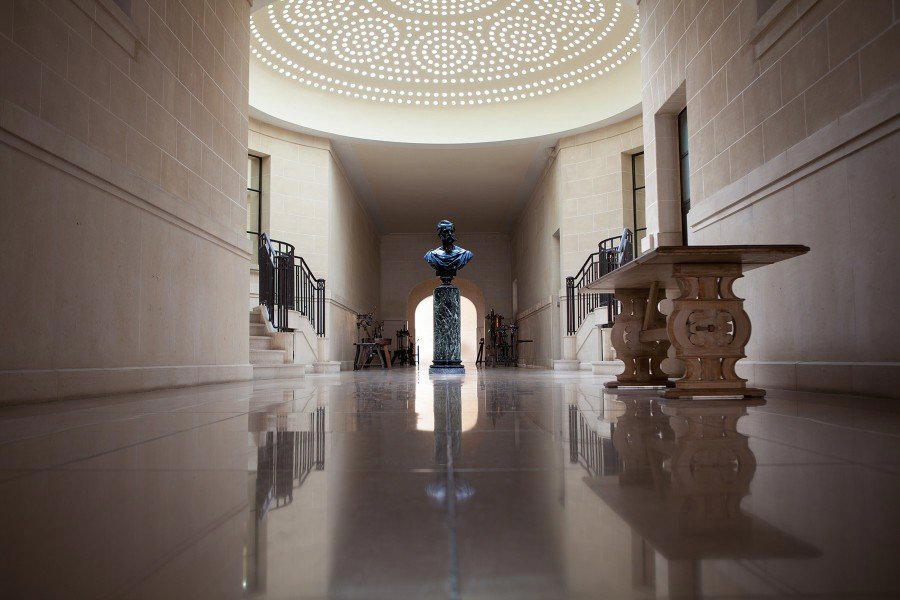
At a Glance
- Lively
- Modern
- Group Dining
- Casual Hangout
- Open Kitchen
- Craft Cocktails
Current opening hours
- Monday
- Closed
- Tuesday
- 12–2:30 PM, 7–10:30 PM
- Wednesday
- 12–2:30 PM, 7–10:30 PM
- Thursday
- 12–2:30 PM, 7–10:30 PM
- Friday
- 12–2:30 PM, 7–11:30 PM
- Saturday
- 12–2:30 PM, 7–11:30 PM
- Sunday
- 12–2:30 PM, 7–10:30 PM
Hours can change for holidays and private events. Last verified .
Minimalist decor blending clean lines with authentic Korean touches and industrial setting, warm from crackling coals.