Our verdict
A Korean-named address on Rue d'Aboukir places Busan squarely in Paris's 2nd arrondissement, a neighbourhood increasingly defined by its quiet divergence from the grand boulevard dining of the Right Bank. The restaurant sits within a district that rewards those willing to move a few blocks from the obvious, where the Seine-side institutions give way to something more considered and less rehearsed.

Pearl is the En Primeur Club membership app — saves, bookings, and concierge access live there. Same editors, same standards.
- Address
- 88 Rue d'Aboukir, 75002 Paris, France
- Phone
- +33 9 67 46 48 64
- Hours
- Mon–Sat 12–2:30 PM, 7–10:30 PMSun Closed
- Directions
- Get directions
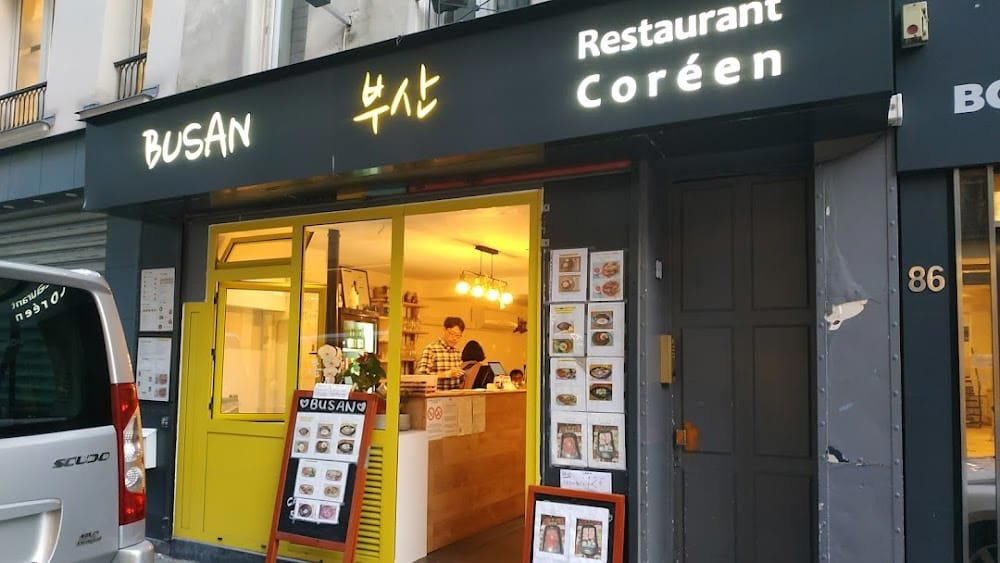
The menu
What to order
- Bulgogi
- Kimchi pancakes
- Bibimbap
- Beef fondue
The 2nd Arrondissement and the Architecture of Contrast
Paris's 2nd arrondissement has spent the better part of a decade redefining what a neighbourhood dining scene can look like when it stops competing with the 8th. Rue d'Aboukir, where Busan operates at number 88, sits in the zone between Sentier's textile trade and the Grands Boulevards, a stretch that has absorbed a generation of addresses more interested in cooking than ceremony. That context matters when reading a menu. Restaurants in this corridor tend to structure their offer around directness: fewer courses performed as theatre, more attention to what the plate actually communicates.
The name Busan refers to South Korea's second city, a port known for its seafood markets, its proximity to raw ingredients, and a culinary culture that values precision over elaboration. Whether the menu here mirrors that emphasis is a question the kitchen's output answers, but the framing is instructive. Korean dining, in both its traditional and contemporary forms, builds menus around balance rather than progression. That structural logic, if applied in a French context, would read as a departure from the tasting-menu orthodoxy that defines addresses like Alléno Paris au Pavillon Ledoyen or Arpège, where the sequence of courses is itself the argument.
Menu Logic: What the Structure Reveals
The editorial angle on any restaurant worth serious attention is rarely the individual dish. It is the architecture of the menu, the decisions made before a single plate reaches the table. At the high end of the Paris dining spectrum, those decisions have calcified into a recognisable set of formats: the long tasting menu with wine pairing, the seasonal carte with three or four courses, the chef's counter with no choices at all. Kei introduced Japanese precision into a French tasting format and held it there for years. L'Ambroisie remains committed to the carte, treating choice as a form of respect for the diner. Le Cinq operates within hotel-dining conventions that privilege grandeur alongside rigour.
A restaurant named after a Korean city, operating on a street that skews toward the informal and the international, likely positions itself differently from all three. The more instructive comparison might be Atomix in New York City, where Korean fine dining has demonstrated that a menu can draw from fermentation traditions, seasonal vegetables, and seafood-led thinking without defaulting to either Korean or French convention. The question for any address working in this space is whether the menu structure carries an internal argument, or whether it borrows from two traditions without committing to the logic of either.
For context outside Paris: AM par Alexandre Mazzia in Marseille has shown how a French kitchen can absorb non-European flavour references at a Michelin level without losing authorship. Mirazur in Menton built its reputation on a menu logic derived from garden cycles rather than classical French sequencing. Both examples suggest that the French fine dining circuit has room for structural heterodoxy, provided the execution is consistent enough to make the argument legible.
Positioning in the Paris Scene
Paris in the 2020s has seen its most interesting dining development not in the palace hotels of the 8th but in the neighbourhoods where rents allow for risk. The 2nd, 10th, and 11th arrondissements have accumulated a density of serious cooking that would have been implausible two decades ago. An address on Rue d'Aboukir is, by geography, part of that shift. The competitive set in this zone is not the €€€€ grande maison tier occupied by Le Cinq or the historic three-star canon that includes Paul Bocuse - L'Auberge du Pont de Collonges and Auberge de l'Ill. It is the tier below, where the identity of a restaurant depends almost entirely on what the kitchen chooses to prioritise and how the menu communicates that priority.
That makes the menu structure at Busan the primary text. A Korean-influenced address in a French context has several available models. It can treat Korean technique as accent, folding fermented elements or banchan-style thinking into a format that remains recognisably French. It can run a genuinely Korean menu in a European dining room, as a growing number of addresses in London and New York have done. Or it can attempt a synthesis that holds both traditions in tension, which is the harder and more interesting proposition. The French regional canon, from Bras in Laguiole to Troisgros in Ouches, has always been built on the idea that a kitchen's geography shapes its argument. Busan, named for a city, stakes a similar claim.
The Broader French Context
Cross-cultural fine dining has a complicated record in France. The country's culinary institutions, from the Michelin Guide to the grandes écoles of French cuisine, have historically rewarded mastery of a defined tradition rather than the synthesis of multiple ones. That is changing. Kei received its third Michelin star while operating as a Japanese-French hybrid at the highest level. Assiette Champenoise in Reims and Au Crocodile in Strasbourg represent the more classical pole, where regional French identity is itself the argument. Auberge du Vieux Puits in Fontjoncouse and Flocons de Sel in Megève show how terroir-anchored thinking operates at altitude and in the provinces.
Against that backdrop, a Korean-named address in central Paris is a legible position. It reads as a deliberate statement about where the kitchen locates its reference points, and about who the intended diner is. For context on how Korean fine dining operates at the highest level in a Western market, Atomix and Le Bernardin in New York City offer the clearest comparison points, the former for its explicit Korean architecture, the latter for how a non-French tradition built durable credibility inside the French fine dining format.
For readers building a broader Paris itinerary, our full Paris restaurants guide covers the range from palace dining to neighbourhood addresses across all arrondissements.
Planning Your Visit
Address: 88 Rue d'Aboukir, 75002 Paris. Neighbourhood: Sentier/Grands Boulevards, 2nd arrondissement. Reservations: Contact details not currently listed; check the venue directly or via third-party booking platforms. Getting there: The address is within walking distance of Sentier (line 3) and Bonne Nouvelle (lines 8 and 9) metro stations. Timing: The 2nd arrondissement sees fewer tourists than the Marais or the Left Bank, making midweek lunch a lower-pressure entry point for first visits to any address in this zone.
Frequently asked questions
at Busan?
How hard is it to get a table at Busan?
What's Busan leading at?
Is Busan in Paris suitable for a special occasion dinner?
Peers You’d Cross-Shop
Comparable venues nearby, for context on price, style, and recognition.
| Venue | Cuisine | Price | Notes |
|---|---|---|---|
| BusanThis venue — the venue you are viewing | Authentic Korean Home Cooking | $10–20 | Not listed |
| Mogo | Korean Home-Style Canteen | $10–20 | 9th Arrondissement (Opéra) |
| Kokodak Paris 14 | Korean Fusion | $20–30 | Montparnasse |
| Odori Restaurant | Authentic Korean Barbecue | $20–30 | Motte-Picquet, 15th Arrondissement |
| Le Bloc | French Bistro Comfort Food | $10–20 | Batignolles |
| Phở Bánh Cuốn 14 | Authentic Vietnamese Pho | $10–20 | 13e Arr. – Gobelins |
Continue exploring
More in Paris
Restaurants in Paris
Browse all →
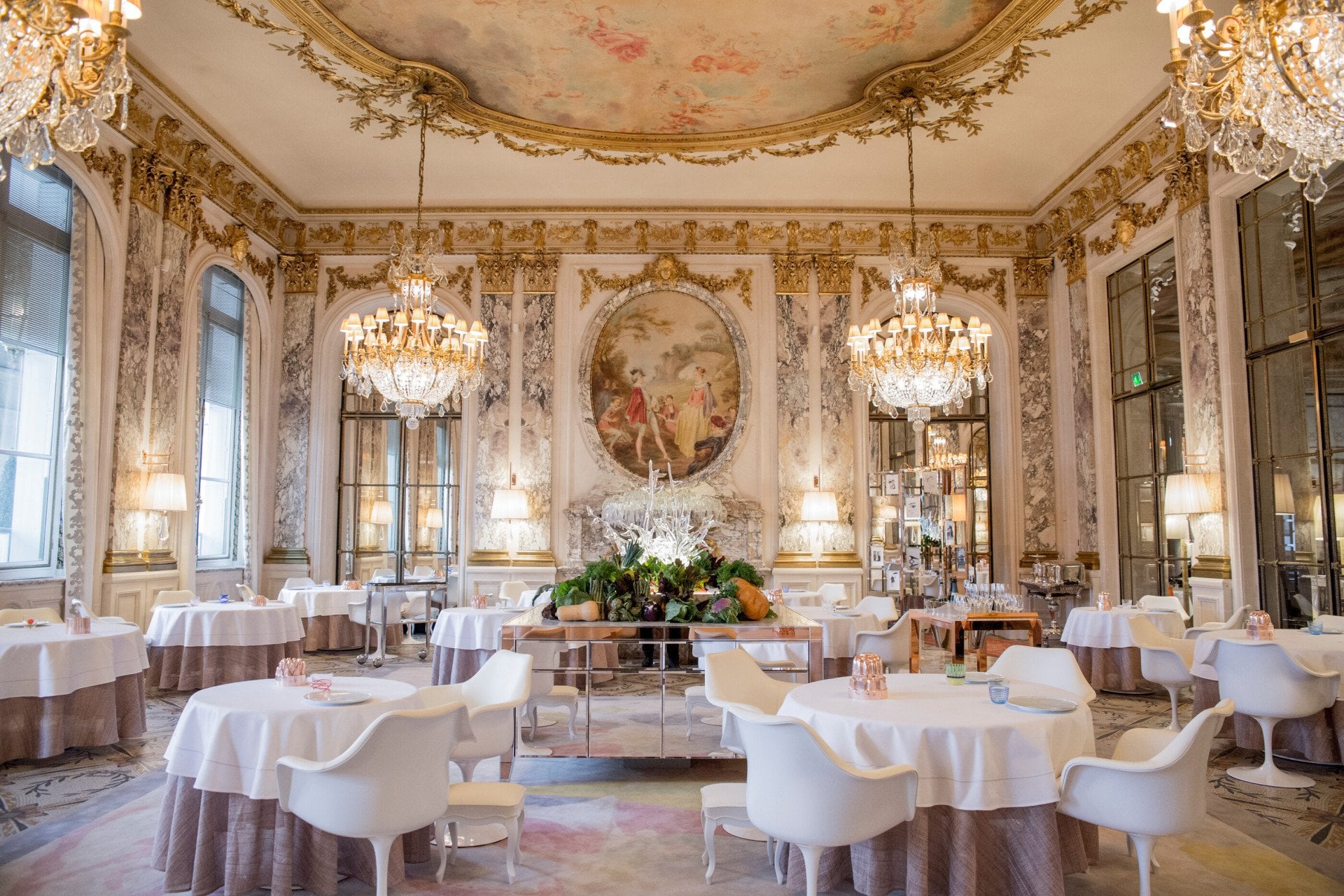
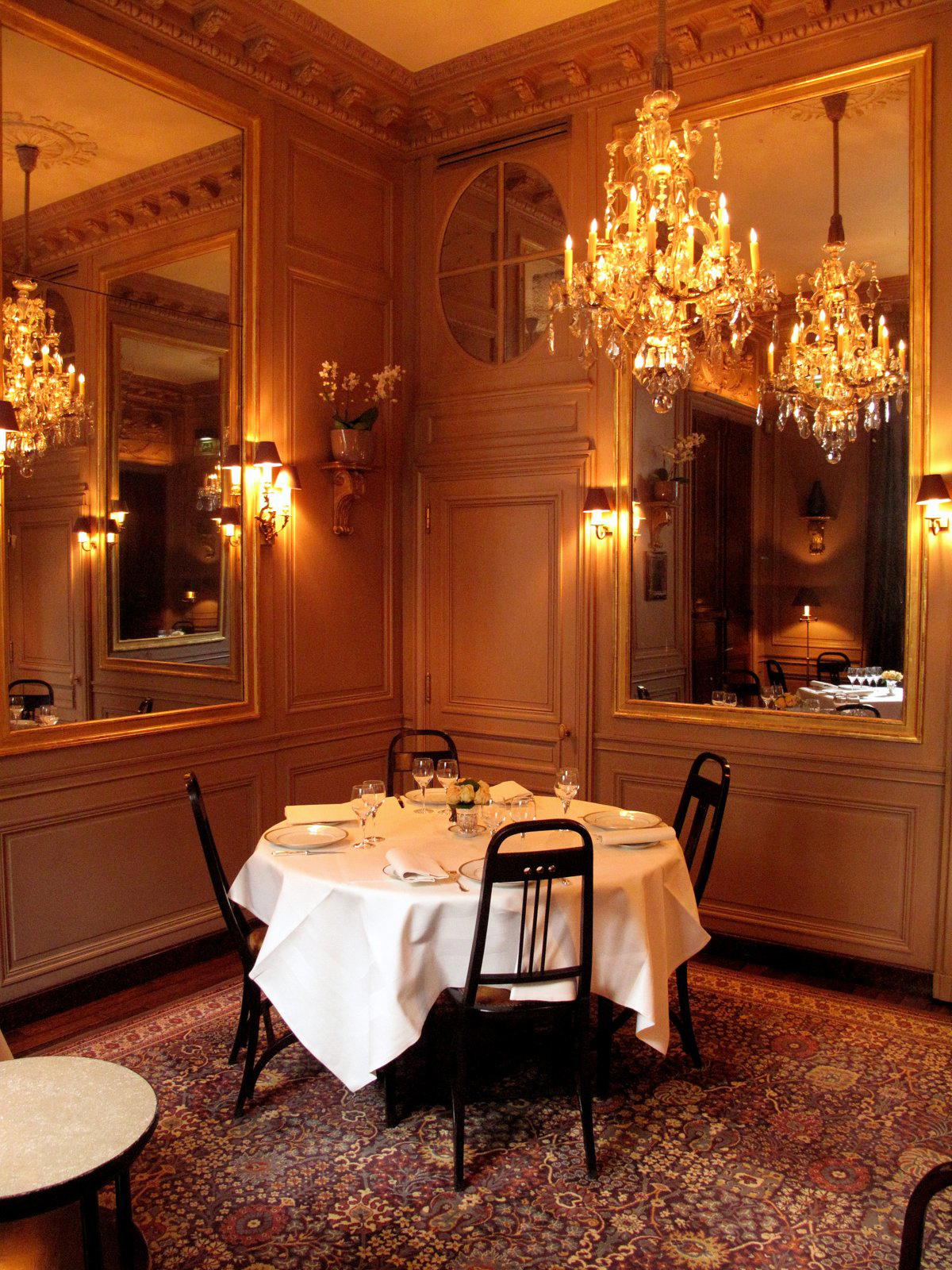
Bars in Paris
Browse all →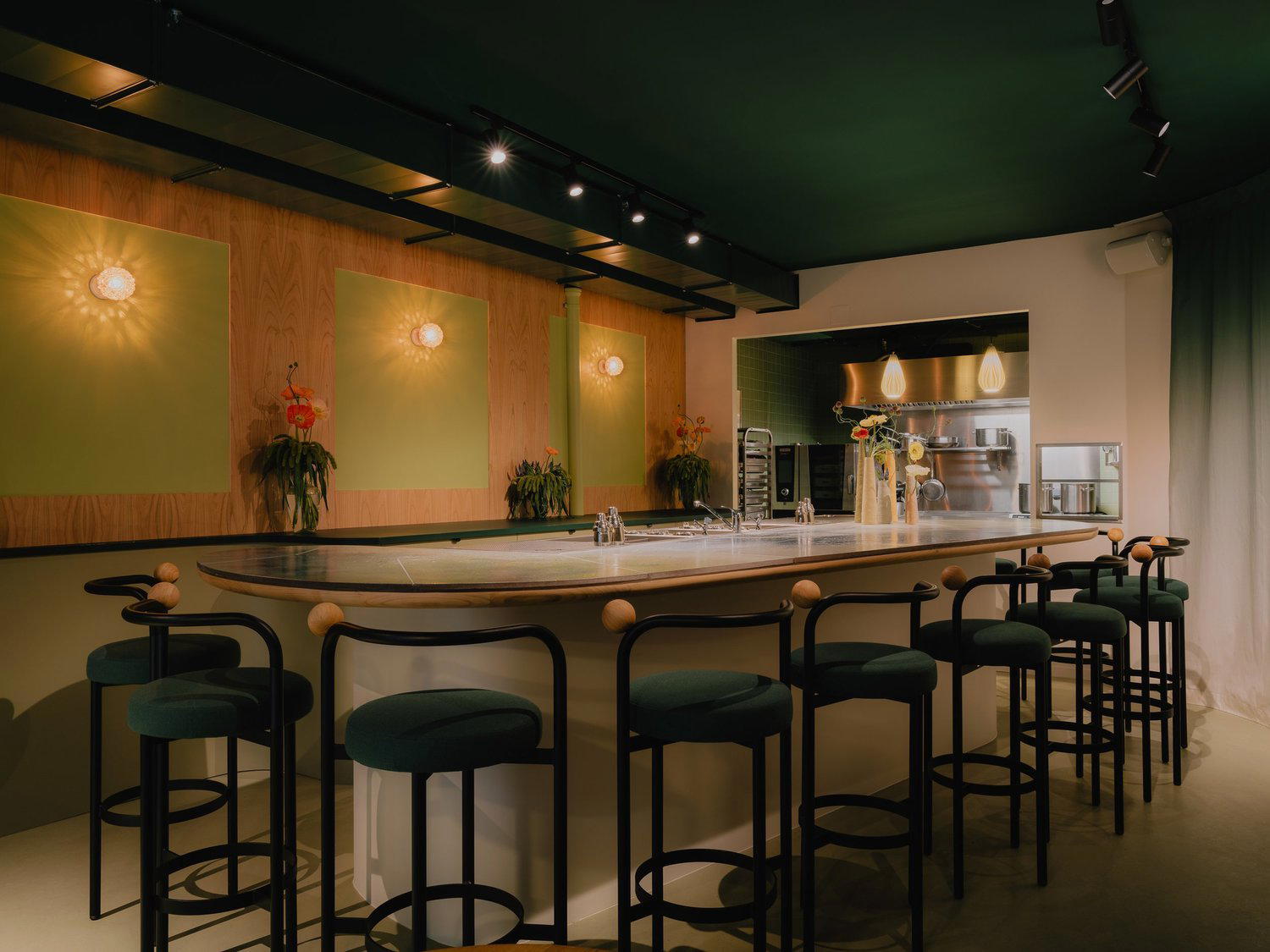
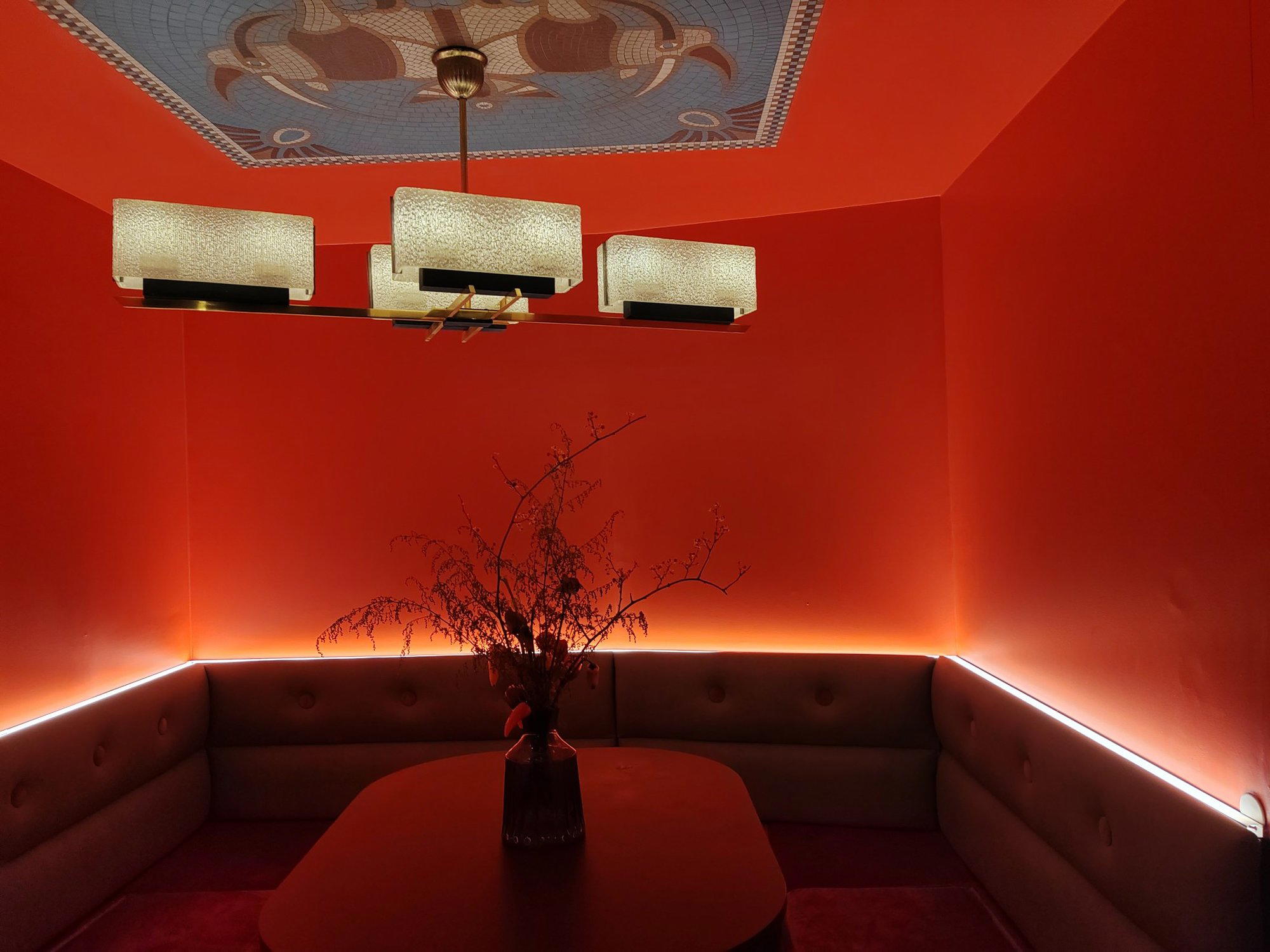
Hotels in Paris
Browse all →





Details
- Cozy
- Quiet
- Casual Hangout
- Solo
- Standalone
- Local Sourcing
- A La Carte
- Vegetarian Friendly
Current opening hours
- Monday
- 12–2:30 PM, 7–10:30 PM
- Tuesday
- 12–2:30 PM, 7–10:30 PM
- Wednesday
- 12–2:30 PM, 7–10:30 PM
- Thursday
- 12–2:30 PM, 7–10:30 PM
- Friday
- 12–2:30 PM, 7–10:30 PM
- Saturday
- 12–2:30 PM, 7–10:30 PM
- Sunday
- Closed
Hours can change for holidays and private events. Last verified .
Cozy and inviting with warm, welcoming hosts; quiet atmosphere ideal for intimate dining and enjoying authentic comfort food.