
Tabelog 100 #23
Our verdict
Ichinii San Tenmonkan ten is a Kagoshima pork shabu-shabu specialist in the Tenmonkan district, selected for Tabelog 100 - Hot Pot - 2024. The appeal is cultural as much as culinary: Kurobuta pork, hot pot pacing, shochu, and tatami-room formality place it squarely in the city’s regional dining grammar.

Pearl is the En Primeur Club membership app — saves, bookings, and concierge access live there. Same editors, same standards.
- Address
- 11-6 Higashisengokucho, Kagoshima, 892-0842, Japan
- Phone
- +81 99-225-2123
- Hours
- Daily 11 AM–9:30 PM
- Website
- ichiniisan.jp
- Directions
- Get directions
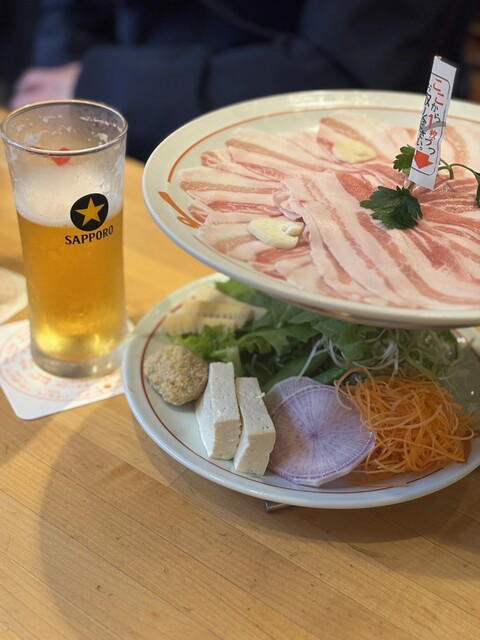
The menu
What to order
- Kagoshima kurobuta shabu-shabu with soba broth
- Kagoshima kurobuta pork dishes
- Kagoshima wagyu beef
- Local sashimi such as kibinago
- Satsuma-age fish cakes
Kagoshima has the particular rhythm of a regional Japanese dining city: everyday foot traffic, local regulars, and restaurants built around repeat use rather than destination theatre. In that setting, pork shabu-shabu reads less as a luxury performance than as Kagoshima identity on the table. The city’s relationship with pork gives hot pot a local weight, and Ichinii San Tenmonkan ten sits in the category where family meals, visiting friends, and out-of-town diners all overlap.
Kagoshima dining is often discussed through shochu, Satsuma-age, pork dishes, and charcoal grilling, but hot pot is the format that reveals how the region eats socially. Shabu-shabu turns quality into timing: thin slices, broth, dipping sauces, vegetables, and conversation moving at the same pace. The restaurant’s selection for Tabelog 100 - Hot Pot - 2024 matters because it places a Kagoshima pork specialist inside a national hot-pot conversation usually dominated by larger urban markets.
Kagoshima pork shabu-shabu as regional dining, not ceremony
Japanese hot pot carries different meanings by city. In larger urban markets, it can become a polished private-room expense-account meal; elsewhere, beef traditions may pull the category toward sweetness and marbling. Kagoshima’s version has a different center of gravity. Pork is the point, and the cooking method prizes clean broth, controlled heat, and the contrast between meat, greens, and dipping condiments rather than theatrical plating.
That regional emphasis also explains the restaurant’s usefulness for travelers. It gives access to a local product category without requiring the formality of a tasting menu or the narrow timing of a counter seat. Compared with Tenjin Boumarushin and Sri Lanka Kagoshima, which occupy different everyday dining lanes in the city, this sits in a more deliberate hot-pot bracket. Against Unagi no Sueyoshi or Charcoal-grilled Fish & Clay Pot-cooked Rice Ochawan, Japanese Set Meal Diner, the distinction is format: eel and set meals concentrate the kitchen’s work before the plate arrives, while shabu-shabu leaves part of the meal’s pacing at the table.
The category is also more forgiving than many prestige Japanese formats. The experience can work for groups as well as visitors looking for a clear local specialty, without the pressure of a chef-driven counter. Its hot-pot structure gives the meal a domestic, gathering-around-the-table note rather than a metropolitan fine-dining one. That matters in Kagoshima, where the meal’s cultural value is tied to sharing the pot as much as to any single cut of pork.
Where it fits among Kagoshima's practical eating options
Kagoshima rewards diners who understand occasion. A solo lunch can make better sense at a counter or casual address; a casual drinking route may move toward yakitori, shochu, or late bars. For a sit-down meal built around Kagoshima pork, Ichinii San Tenmonkan ten belongs to a different lane: structured enough for visitors, relaxed enough for locals, and recognizable enough to anchor a night in the city.
The Tabelog score of 3.73 and inclusion in the 2024 hot-pot list give it measurable standing, but the more telling signal is category discipline. The listed categories are pork shabu-shabu, pork dishes, and shabu-shabu, not a broad izakaya sprawl. That narrowness helps travelers read the room correctly. This is not where to chase a dozen small plates across unrelated styles; it is where the table commits to hot pot and lets the format do its work.
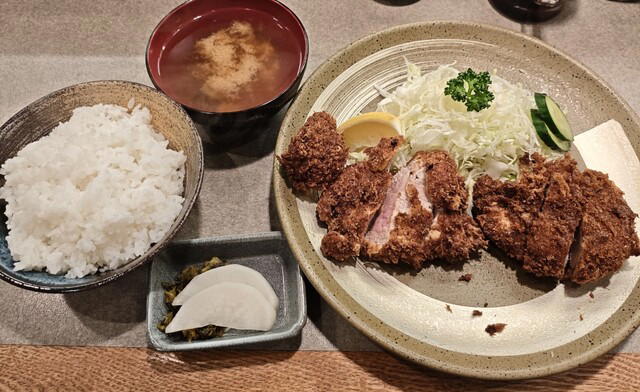
Nearby Kagoshima comparisons sharpen that decision. Tonkatsu to, Shabushabu. Kurobuta Fukuya operates in a similar pork-and-shabu direction, so the choice becomes mood and preference rather than broad category. Other Kagoshima dining rooms may point pork in a crisper, cutlet-led direction, shift the conversation to charcoal, or answer a more casual appetite. Those distinctions are useful because Kagoshima’s strength is not a single flagship genre, but a cluster of strong regional formats.
Drinks can reinforce the local frame in a city closely associated with shochu. Kagoshima is one of Japan’s defining shochu regions, especially for sweet-potato styles, and hot pot is a natural partner for a spirit that can be served in different temperatures and dilutions. No pairing script is needed; the cultural logic is already there.
How to build a Kagoshima food day around it
A strong Kagoshima itinerary should avoid treating dinner as an isolated booking. The city works better as a sequence: daytime set meals or casual cooking, an afternoon around Kagoshima, then a more settled evening table. For that broader map, Our full Kagoshima restaurants guide is the natural starting point, with separate reads for Our full Kagoshima hotels guide, Our full Kagoshima bars guide, Our full Kagoshima wineries guide, and Our full Kagoshima experiences guide.
After hot pot, the cleaner move is not another full meal but a drink-led stop, especially for travelers trying to understand how Kagoshima handles shochu and late-night drinking culture. Readers comparing Japanese regional formats beyond Kyushu can also look generically at other Japanese hot-pot, grilled, cafe, curry, and casual dining formats in major cities. For Japanese food culture as it travels abroad, overseas sake-bar and onigiri concepts make useful counterpoints.
The editorial case is simple: this is a Kagoshima table for readers who want regional pork in a format locals recognize, with enough national recognition to justify prioritizing it over a generic Kagoshima dinner. It is not a chef-driven tasting counter and does not need to be judged as one. Its value lies in how clearly it connects city, ingredient, and dining ritual.
Frequently asked questions
Is Ichinii San Tenmonkan ten a family-friendly restaurant?
Ichinii San Tenmonkan ten is a pork shabu-shabu restaurant in Kagoshima, and its hot-pot format can be practical for shared meals. Check the venue's official channels for the latest details before visiting.
What's the overall feel of Ichinii San Tenmonkan ten?
The appeal is practical and regional rather than formal: a shabu-shabu-led format centered on pork dishes. Its Tabelog 100 Hot Pot 2024 selection gives it added credibility without turning it into ceremony.
What should I budget for a meal at Ichinii San Tenmonkan ten?
Budget guidance for Ichinii San Tenmonkan ten is Dinner: JPY 4,000 - JPY 4,999; Lunch: JPY 1,000 - JPY 1,999.
Where is Ichinii San Tenmonkan ten located?
Kagoshima.
Booking and Cost Snapshot
Comparable venues by cuisine and price in the same metro.
| Venue | Cuisine | Price | Awards | Notes |
|---|---|---|---|---|
| Ichinii San Tenmonkan tenThis venue — the venue you are viewing | Kagoshima kurobuta shabu-shabu & regional dishes | $30–50 | Tabelog 100 #23 | Not listed |
| Unagi no Mitsuru | Japanese Unagi | $20–30 | Tabelog 100 #43 | Shimofukumotochō, Japanese Unagi |
| Tonkatsu Kawakyu | Chuocho, Kagoshima Black Pork Tonkatsu | Not listed | Not listed | Not listed |
| Kawakyu (とんかつ川久) | Traditional Japanese Tonkatsu | $10–20 | Tabelog 100 #98 | 鹿児島中央, 鹿児島黒豚とんかつ |
| Unagi no Sueyoshi | Traditional Kagoshima charcoal-grilled eel (unagi) | $20–30 | Tabelog 100 #80 | Tenmonkan, Traditional Kagoshima charcoal-grilled eel (unagi) |
| Yushoku Tonsai Ichiniisan Kagoshima honten | Kagoshima black pork shabu-shabu & regional Japanese | $30–50 | Tabelog 100 #37 | Shimoarata, Kagoshima black pork shabu-shabu & regional Japanese |
Recognition history
Dated appearances from independent guides and award organizations, with the underlying list record or original source where available.
Tabelog 100 #23 · No. 23
Tabelog · Tabelog 100 - Hot Pot - 2024
Continue exploring
More in Kagoshima
Restaurants in Kagoshima
Browse all →
Hotels in Kagoshima
Browse all →
Wineries in Kagoshima
Browse all →
Details
- Lively
- Cozy
- Classic
- Family
- Group Dining
- Casual Hangout
- After Work
- Celebration
- Standalone
- Local Sourcing
- A La Carte
- Family Style
- Set Menu
- Shochu
- Wine
- Pescatarian Friendly
Current opening hours
- Monday
- 11 AM–9:30 PM
- Tuesday
- 11 AM–9:30 PM
- Wednesday
- 11 AM–9:30 PM
- Thursday
- 11 AM–9:30 PM
- Friday
- 11 AM–9:30 PM
- Saturday
- 11 AM–9:30 PM
- Sunday
- 11 AM–9:30 PM
Hours can change for holidays and private events. Last verified .