Jerusalem Restaurant
Jerusalem Restaurant on East Evans Avenue sits within Denver's middle tier of Middle Eastern dining, where the emphasis on ingredient-forward cooking connects it to a broader regional tradition. The address places it near the University of Denver corridor, an area with a long track record of sustaining independent, community-rooted restaurants. Denver's growing interest in Eastern Mediterranean cuisine makes this a useful reference point for the category.
Pearl is the En Primeur Club membership app — saves, bookings, and concierge access live there. Same editors, same standards.
- Address
- 1890 E Evans Ave, Denver, CO 80210
- Phone
- +13037778828
- Website
- jerusalemrestaurant.com
- Directions
- Get directions
 Saves & bookings on Pearl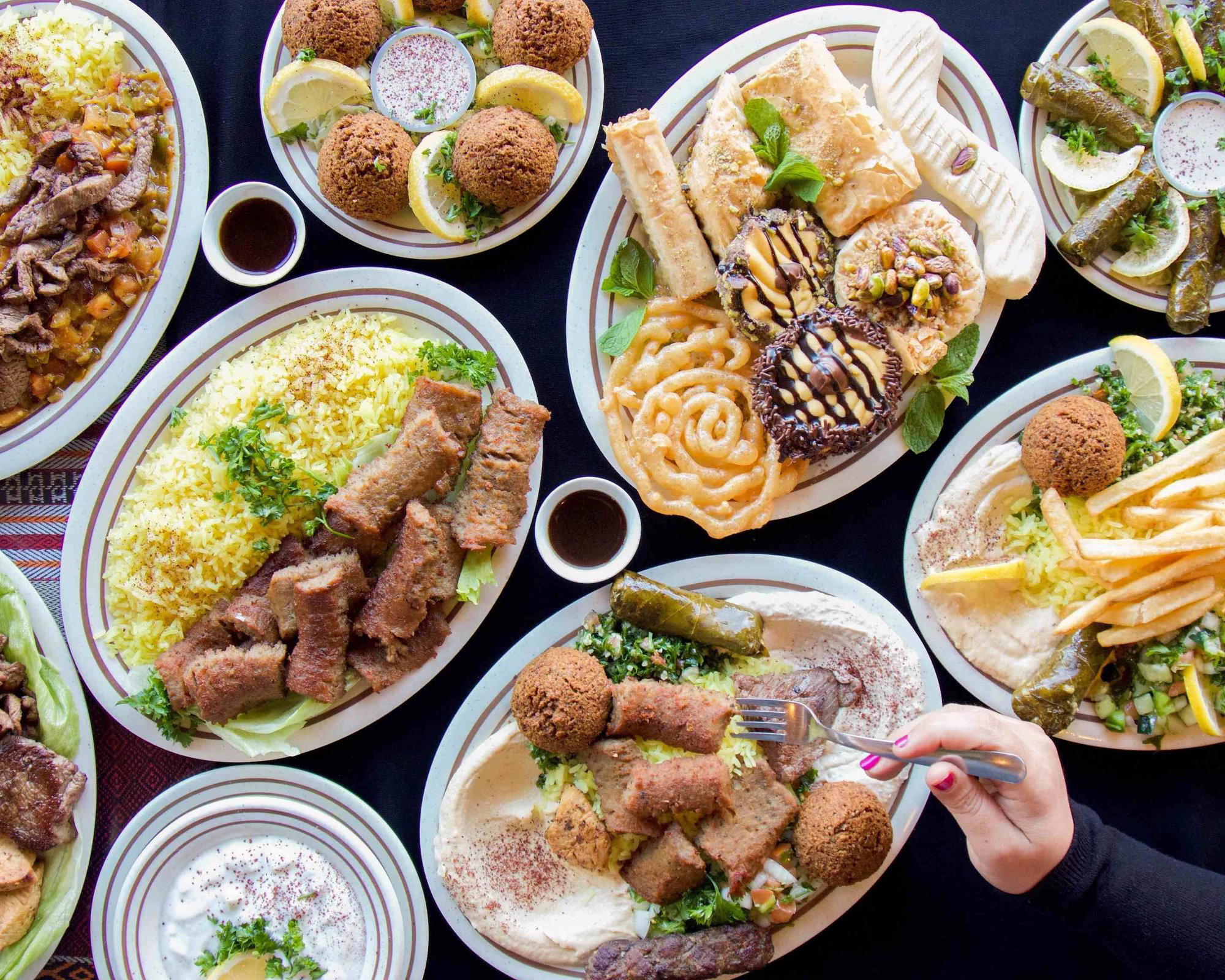
East Evans and the Eastern Mediterranean Thread in Denver
Denver's restaurant scene has spent the better part of a decade consolidating around two poles: the high-technique contemporary rooms that populate the $$$$ bracket, places like Brutø and Beckon, and the neighbourhood-rooted independents that hold a different kind of authority, built through consistency and community rather than tasting menus and national press. Jerusalem Restaurant, on East Evans Avenue in the University of Denver corridor, belongs to the second category. The address matters: this stretch of South Denver has historically supported independent restaurants with staying power precisely because the surrounding population values repetition and reliability over novelty.
Eastern Mediterranean cuisine in Denver has moved slowly compared to cities like New York or Los Angeles, where Israeli, Lebanese, and Palestinian traditions have each developed identifiable dining subcultures. Denver's version remains relatively consolidated, with a handful of operators holding the category. Safta, operating at the $$$ tier with a more polished format, represents one end of that range. Jerusalem Restaurant occupies different ground: a neighbourhood register, closer to the everyday cooking traditions that produced the cuisine in the first place rather than a refined interpretation of them.
What Ingredient-Forward Middle Eastern Cooking Looks Like Here
One useful frame for understanding Middle Eastern restaurants in this tier is sourcing logic. The cuisine is built around a relatively short list of foundational ingredients, chickpeas, tahini, lamb, flatbread, preserved lemon, fresh herbs, and the quality differential between operators comes down almost entirely to how those ingredients are handled at the source and in the kitchen. A restaurant that mills its own falafel base from dried chickpeas operates in a different register than one pulling from a commercial mix, even if both plates arrive looking similar. The same is true for tahini: the difference between a sesame paste made from Ethiopian or Humera sesame seeds and a commodity product is detectable in every dish it enters.
This is the tradition Jerusalem Restaurant sits within. Middle Eastern home cooking, at its most disciplined, is an ingredient-preservation practice as much as a culinary one: the technique exists to make the raw material legible, not to obscure or transform it. That orientation puts it in interesting contrast with the high-intervention contemporary dining that defines Denver's most-discussed rooms. Where The Wolf's Tailor or Alma Fonda Fina work within traditions that prize transformation and creative layering, the Eastern Mediterranean canon prizes fidelity to source material. The cook's job is restraint.
Across the United States, the restaurants that have built particularly durable reputations in this category share a common characteristic: they source specific rather than generic. The leading hummus operations in Chicago or Washington D.C. can name the farms their chickpeas come from. The strongest falafel counters in New York specify the variety of bean and the soak time. The framework still matters for how a visitor should think about what to order and what to pay attention to.
The Neighbourhood and What It Signals
The University of Denver corridor on East Evans Avenue has long supported independent restaurants that would be unsustainable in higher-rent Denver ZIP codes. The customer base, students, faculty, long-term residents, and the kind of regulars who return weekly rather than annually, creates the economic conditions under which a restaurant can run a tight, focused menu without chasing trends. That pressure produces a particular kind of discipline: you cannot survive on novelty in a neighbourhood that values familiarity.
That dynamic is worth comparing to what happens at the higher end of Denver dining. Annette, operating in Aurora with a strong local-sourcing commitment, demonstrates how ingredient-forward thinking scales into a more formal register. At the national level, properties like Blue Hill at Stone Barns and Single Thread Farm in Healdsburg have made sourcing transparency the central editorial argument of their entire operation. The restaurant operates without that kind of institutional apparatus, but the underlying logic, that the quality of a plate depends primarily on the quality of what went into it, is the same across price tiers and format types.
For further context on how Denver's restaurant scene distributes across categories and price points, the EP Club Denver restaurants guide maps the full range, from the contemporary fine dining rooms that draw national attention to the neighbourhood independents that define how the city actually eats day to day. Internationally, the sourcing-forward argument has been made most forcefully in fine dining contexts: Le Bernardin in New York, Providence in Los Angeles, and The French Laundry in Napa each built their identity around ingredient provenance before technique became the headline. The same argument, scaled down and applied to flatbread and legumes rather than luxury seafood, is what makes a well-run neighbourhood Middle Eastern restaurant worth taking seriously.
Planning Your Visit
The restaurant is located at 1890 E Evans Ave, Denver, CO 80210, in a walkable stretch of the University of Denver neighbourhood accessible by car or the University light rail line. Given the neighbourhood format and price positioning, this is a restaurant where walk-in dining is typically viable, though calling ahead during weekend evenings is advisable. The restaurant is open daily from 8 AM to 3 AM. At the price level this restaurant operates within, the visit works as a standalone neighbourhood meal rather than a destination evening requiring advance reservation architecture.
At-a-Glance Comparison
Comparable venues nearby, for context on price, style, and recognition.
| Venue | Cuisine | Price | Notes |
|---|---|---|---|
| Jerusalem RestaurantThis venue — the venue you are viewing | Middle Eastern & Mediterranean | $$ | Not listed |
| Paperboy | Modern American Brunch | $$ | West Highland |
| Kona Grill - Denver | Contemporary American with Sushi | $$ | Cherry Creek |
| Punch Bowl Social | American Comfort with Entertainment | $$ | Baker |
| The Hampton Social - Denver | Coastal Seafood & American | $$ | Highland |
| Paperboy | Modern American Brunch | $$ | West Highland |
Continue exploring
More in Denver
Restaurants in Denver
Browse all →
Bars in Denver
Browse all →
Hotels in Denver
Browse all →

At a Glance
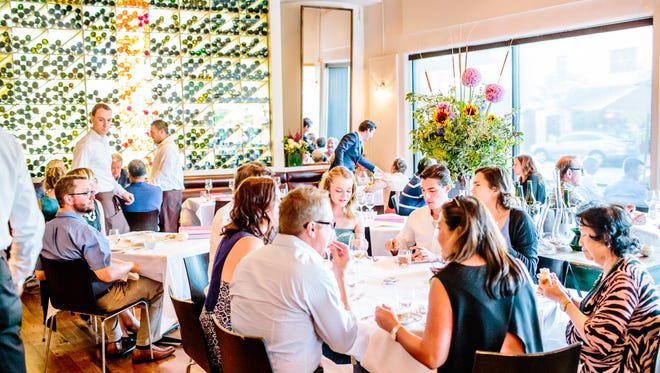
- Casual
- Cozy
- Lively
- Late Night
- Casual Hangout
- Standalone
Current opening hours
- Monday
- 8 AM–3 AM
- Tuesday
- 8 AM–3 AM
- Wednesday
- 8 AM–3 AM
- Thursday
- 8 AM–3 AM
- Friday
- 8 AM–3 AM
- Saturday
- 8 AM–3 AM
- Sunday
- 8 AM–3 AM
Hours can change for holidays and private events. Last verified .
Relaxed casual atmosphere with a steady stream of college students and bar patrons, popular for late-night cravings.