Java Vegas
Java Vegas on West Flamingo Road sits within a stretch of Las Vegas that operates at a different register than the Strip's spectacle-driven dining corridor. The address places it among neighborhood-focused operators where the room itself, rather than a celebrity name, does the work of signaling intent. For visitors looking beyond resort-campus dining, it represents a different calculus entirely.
Pearl is the En Primeur Club membership app — saves, bookings, and concierge access live there. Same editors, same standards.
- Address
- 4000 W Flamingo Rd, Las Vegas, NV 89103
- Phone
- +17023677111
- Website
- goldcoastcasino.com
- Directions
- Get directions
 Saves & bookings on Pearl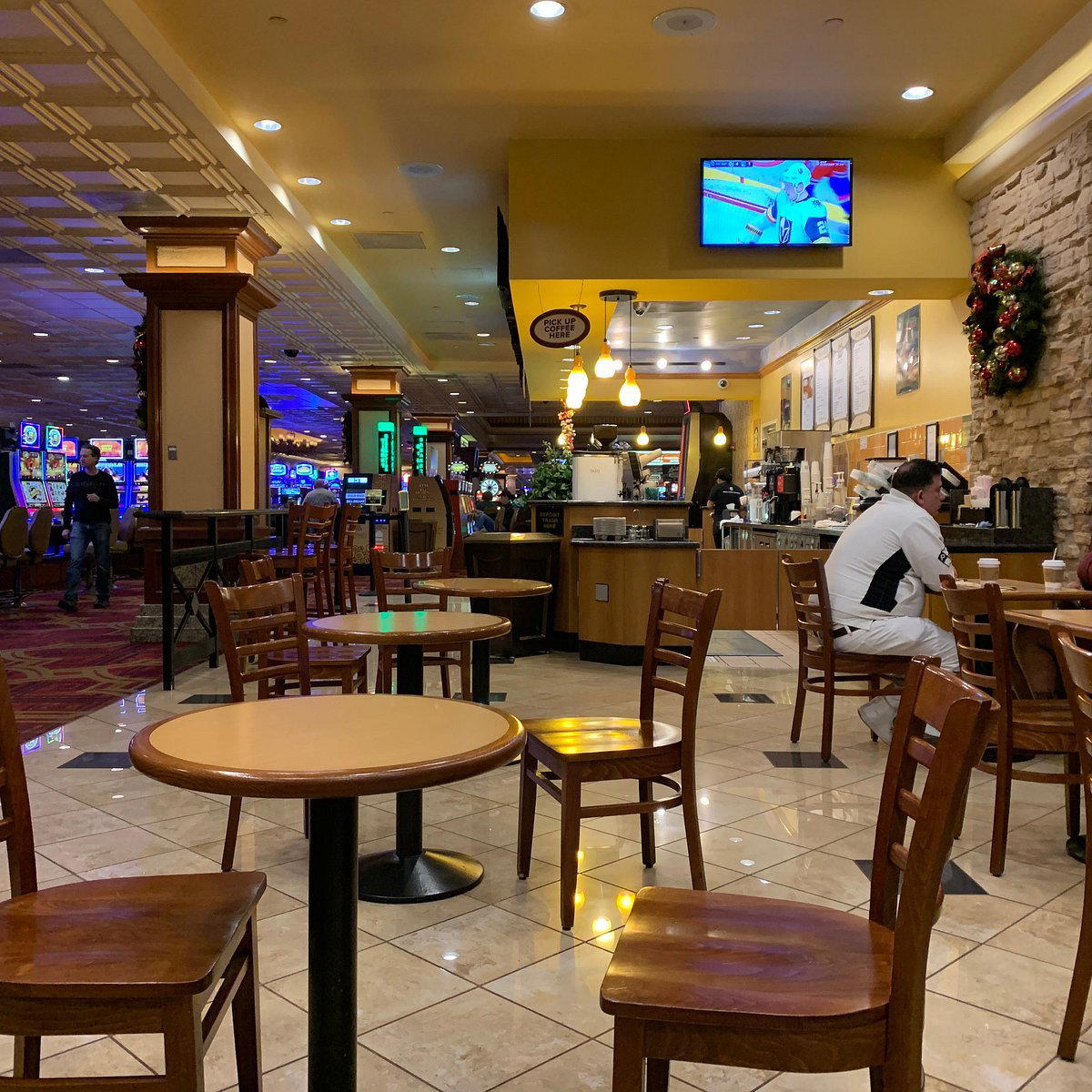
West of the Strip: What the Address Signals
Las Vegas dining has a well-documented geography. The Strip corridor runs on celebrity chef licensing, resort floor plans, and the kind of volume that requires a reservation system and a host stand with a clipboard. Move west along Flamingo Road toward the 4000 block, and the logic shifts. The properties here are smaller, the footprints tighter, and the audience tilts toward residents and repeat visitors who have already worked through the flagship experiences on the casino floor. That context matters when reading Java Vegas: its address is itself an editorial statement about what kind of operation it intends to be.
This off-Strip positioning has historical precedent in Las Vegas. Operators like Aburiya Raku built serious culinary reputations precisely by stepping away from resort infrastructure, finding that a smaller, less theatrical room could sustain a different kind of loyalty. The West Flamingo corridor follows that same logic, even when individual venues vary in execution. For anyone cross-referencing options in that part of the city, our full Las Vegas restaurants guide maps the broader spread across both Strip and neighborhood locations.
The Room as the Argument
In Las Vegas, interior design is rarely neutral. Resort dining rooms are engineered for maximum throughput and ambient drama, with ceiling heights, lighting rigs, and material choices calibrated to make a 300-cover space feel intimate enough to photograph well. The off-Strip alternative, when it works, inverts that formula: smaller rooms, more considered seating arrangements, physical proximity between the kitchen and the guest that changes the transaction from theatrical to conversational.
At 4000 W Flamingo Rd, the building footprint suggests a space operating at a more compressed scale than the boulevard's resort towers. That compression, in dining rooms that work, becomes an asset rather than a constraint. Counter seating and close-set tables create the conditions where service can be specific rather than choreographed, where the room functions as a container for attention rather than for spectacle. Whether Java Vegas deploys that spatial logic to its full advantage is a question the room itself will answer on arrival, but the category of space it belongs to has a track record in this city of producing more consistent experiences than its louder counterparts further east.
Comparable spatial strategies appear across serious American dining. Properties like Lazy Bear in San Francisco and Atomix in New York City have demonstrated that a room's architecture, its sightlines and seat count and acoustic character, shapes the meal before a single plate arrives. That principle applies as much in Las Vegas as anywhere.
Neighborhood Dining in a Resort City
Las Vegas's off-Strip restaurant tier has matured considerably over the past decade. What once read as a secondary market, where locals ate while tourists concentrated on the casino corridor, now includes venues with genuine culinary ambition that happen to operate outside the resort licensing model. The distinction matters commercially: off-Strip operators set prices against local competition rather than against the resort's captive audience premium, which generally produces a different value equation for the guest.
Within that broader category, West Flamingo operations sit alongside other neighborhood-register venues that have developed their own followings. Options like 108 Eats, 18bin, and A Different Beast collectively represent the texture of Las Vegas dining that exists outside the resort narrative. 777 Korean Restaurant occupies a similar register, where cuisine identity and room character do more work than brand recognition. These venues collectively signal that the city's dining identity has diversified well beyond what the Strip's marquee names suggest.
For visitors whose Las Vegas itinerary extends to the resort steakhouse tier, Craftsteak represents a useful point of contrast: a different price point, a different spatial logic, and a different relationship to the broader casino-dining framework. The comparison is instructive not because one format is superior to the other, but because Las Vegas now sustains both simultaneously, which was not always the case.
American Dining Context: Where Las Vegas Fits
Serious American dining in 2024 spans a wider range of formats and geographies than the traditional fine-dining tier suggests. Venues like Le Bernardin in New York City, The French Laundry in Napa, Alinea in Chicago, and Blue Hill at Stone Barns in Tarrytown anchor one end of that spectrum. The neighborhood operator, committed to a specific room and a specific local audience, anchors the other. Both ends produce meals worth traveling for, which is the more interesting editorial point: geographic prestige is no longer a reliable proxy for dining quality.
West Coast parallels are instructive here. Providence in Los Angeles, Addison in San Diego, and Single Thread Farm in Healdsburg each operate outside their city's most obvious dining address, relying on program depth rather than location cachet. Emeril's in New Orleans and The Inn at Little Washington both demonstrated that a deliberate address, chosen for reasons other than maximum foot traffic, can become a feature rather than a liability. 8 1/2 Otto e Mezzo Bombana in Hong Kong makes the same argument in a different hemisphere.
Las Vegas, with its historically resort-centric dining identity, is arriving at that same realization from a different direction. The neighborhood operator is no longer a consolation prize for visitors who couldn't get a reservation at the celebrity flagship; in some cases, it's the more considered choice.
Planning a Visit
Java Vegas is located at 4000 W Flamingo Rd, Las Vegas, NV 89103, approximately two miles west of the central Strip corridor. Current pricing, hours, and booking requirements are not published in available records; direct contact with the venue before visiting is advisable. The West Flamingo location makes it most practical for visitors with a rental car or rideshare access rather than those relying on resort shuttle networks.
Quick Comparison: West Flamingo vs. Strip Dining Formats
| Factor | Java Vegas (W Flamingo) | Strip Resort Dining | Other Off-Strip (e.g. 108 Eats, 18bin) |
|---|---|---|---|
| Room scale | Compact, neighborhood-register | High-volume, engineered for throughput | Compact to mid-size |
| Pricing logic | Set against local competition | Resort captive-audience premium | Local competition baseline |
| Booking lead time | Not confirmed; contact directly | Typically 2-6 weeks for leading venues | Varies; often same-week availability |
| Transport | Rideshare or car recommended | Walkable within resort campus | Rideshare or car recommended |
| Audience | Mixed local/visitor | Tourist-primary | Resident-skewing with visitor crossover |
Style and Standing
| Venue | Cuisine | Awards |
|---|---|---|
| Java VegasThis venue — the venue you are viewing | This venue | Not listed |
| Aburiya Raku | Japanese | Japanese |
| Bacchanal Buffet | International | International |
| Bardot Brasserie | French | French |
| Bazaar Meat by Jose Andres | Steakhouse | Steakhouse |
| Blue Ribbon Sushi Bar & Grill | Japanese | Japanese |
Continue exploring
More in Las Vegas
Restaurants in Las Vegas
Browse all →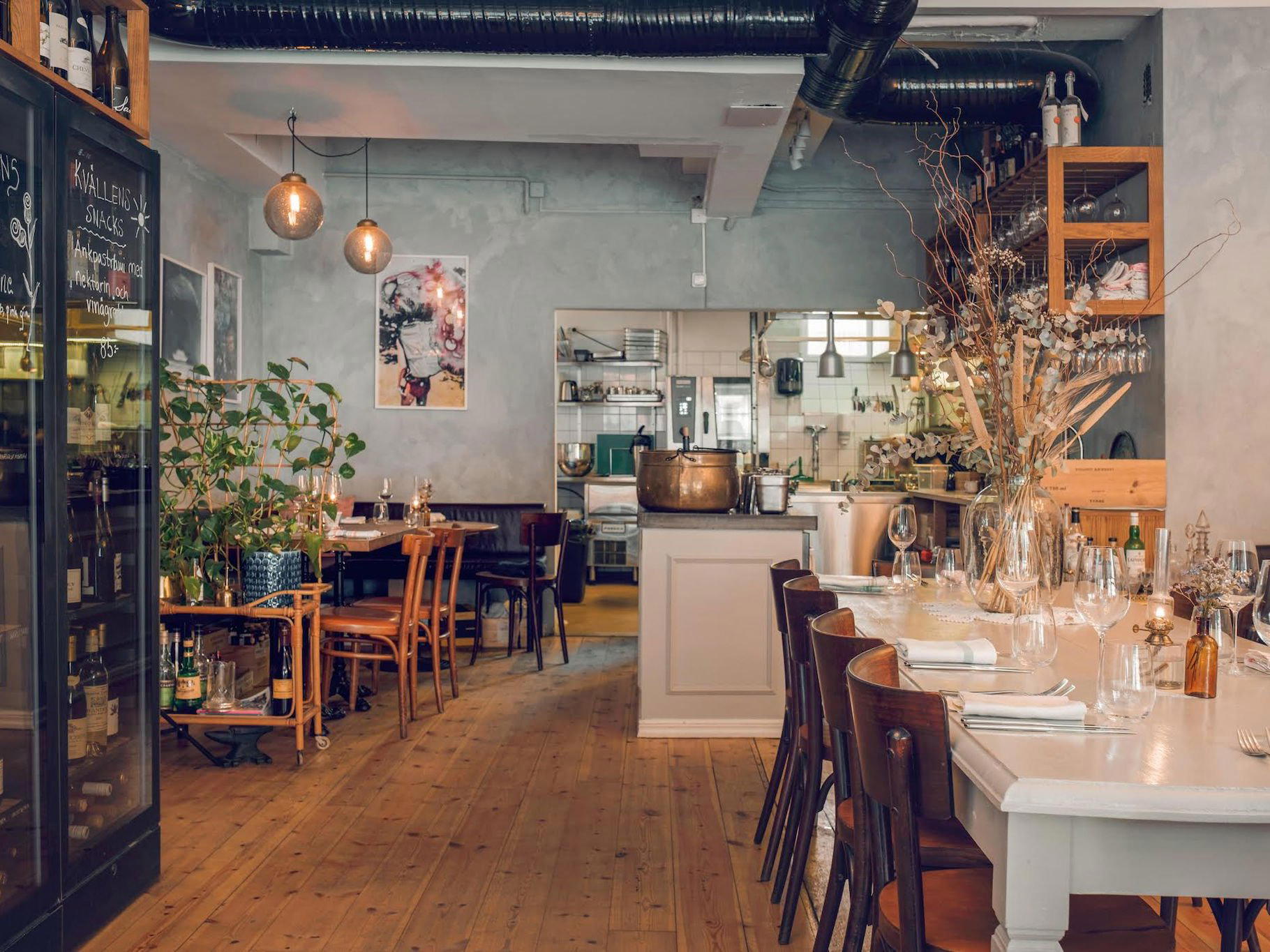
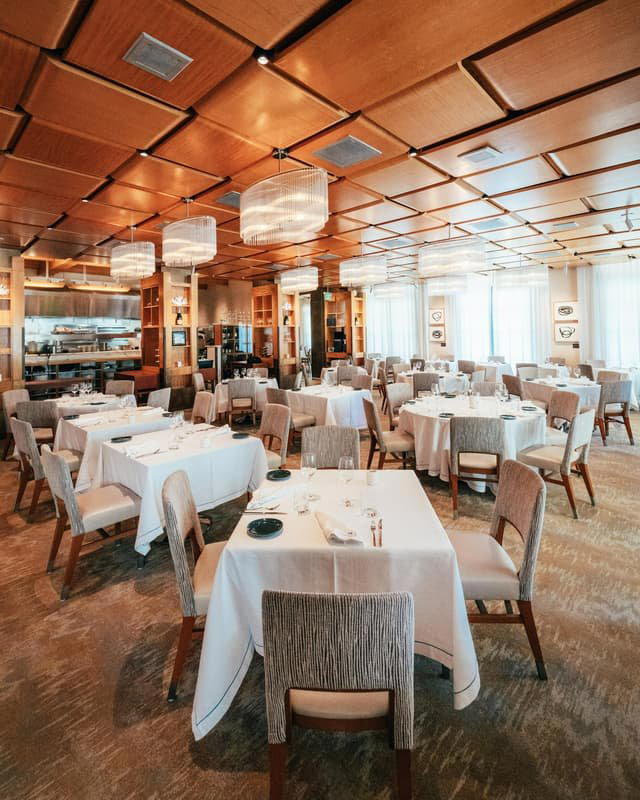
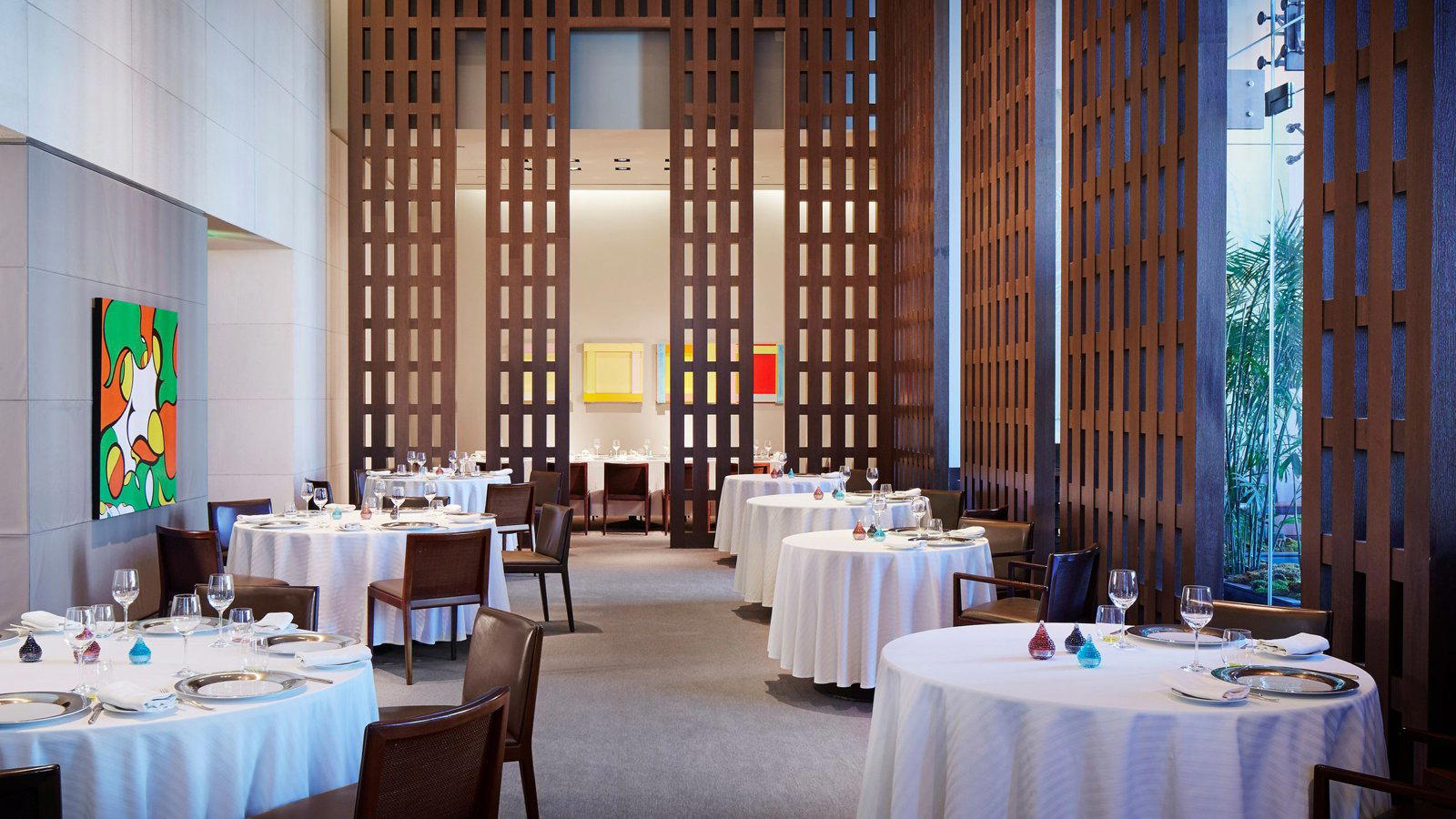
Bars in Las Vegas
Browse all →
At a Glance
- Casual
- Cozy
- Casual Hangout
- Hotel Restaurant
- Craft Cocktails
Current opening hours
- Monday
- 7 AM–6 PM
- Tuesday
- 7 AM–6 PM
- Wednesday
- 7 AM–6 PM
- Thursday
- 7 AM–6 PM
- Friday
- 7 AM–6 PM
- Saturday
- 7 AM–6 PM
- Sunday
- 7 AM–6 PM
Hours can change for holidays and private events. Last verified .
Bright, efficient coffee shop atmosphere with limited seating and friendly service.
Know Before You Go
- Getting there
- 4000 W Flamingo Rd, Las Vegas, NV 89103