Jasmine Seafood Restaurant
On Convoy Street, San Diego's most concentrated corridor of Chinese dining, Jasmine Seafood Restaurant has held its ground as a reference point for Cantonese cooking in a neighborhood where standards are set by a demanding, largely Chinese-American clientele. The kitchen's reputation rests on live seafood and traditional dim sum rather than reinterpretation, placing it firmly in the classic-format tier of the city's Asian dining scene.
Pearl is the En Primeur Club membership app — saves, bookings, and concierge access live there. Same editors, same standards.
- Address
- 4609 Convoy St Ste. A 1/2, San Diego, CA 92111
- Phone
- +18582680888
- Website
- jasmineseafood.com
- Directions
- Get directions
 Saves & bookings on Pearl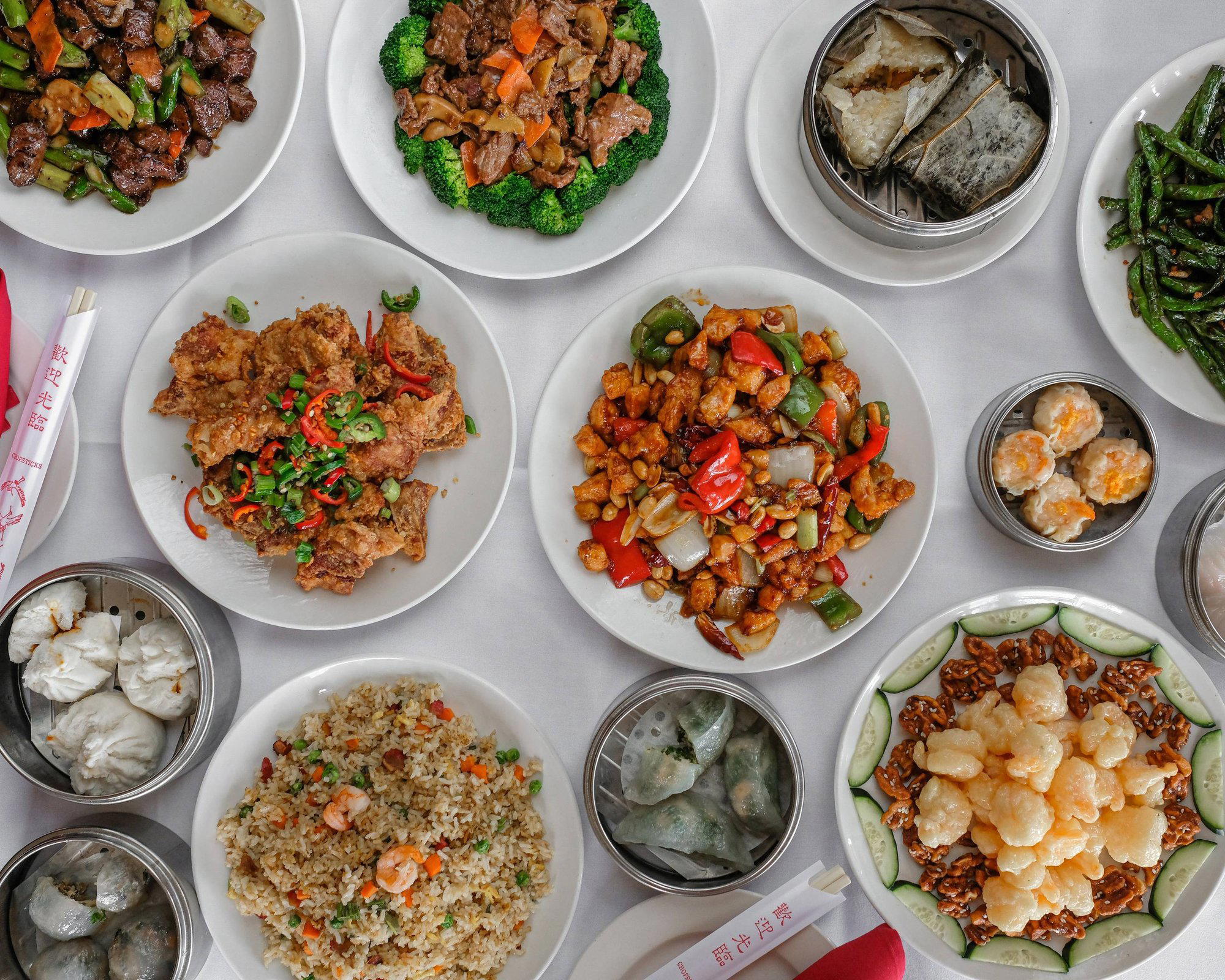
Convoy Street and the Logic of Cantonese Seafood
There is a reliable shorthand for assessing any Cantonese seafood restaurant: look at the tanks. What swims in the holding water near the entrance tells you more about a kitchen's sourcing priorities than any menu description could. Jasmine Seafood Restaurant is a casual Hong Kong-style Cantonese Seafood restaurant in San Diego, California. The live tanks are not decoration. They are the point.
Convoy Street occupies a different position in San Diego's dining conversation than the downtown waterfront or the high-concept rooms in Little Italy. The restaurants here are not built for hotel guests or tourists on a single evening's exploration. They serve a regular, largely Chinese-American clientele whose culinary reference points extend to Hong Kong, Guangdong, and the diaspora communities of Los Angeles and the San Gabriel Valley. That customer base applies a different kind of scrutiny: they know what Cantonese cooking is supposed to taste like, and they eat here often enough to notice when it drifts.
Sourcing as the Editorial Argument
The ingredient-sourcing logic of high-end Cantonese seafood is worth pausing on, because it explains the pricing structure, the menu architecture, and the kitchen's priorities in ways that style or atmosphere cannot. In Cantonese tradition, the quality and vitality of the primary ingredient is the dish. The cook's job is to preserve and express that quality, not to overlay it. A steamed fish prepared this way has almost nothing to hide behind: the fish either lived well and arrived at the table at the right moment, or it did not.
This puts Cantonese seafood kitchens in a fundamentally different supply chain relationship than, say, the farm-to-table American formats found at places like Blue Hill at Stone Barns in Tarrytown or Single Thread Farm in Healdsburg, where sourcing narratives are built into the menu and often the marketing. In a live-seafood Cantonese house, sourcing is structural rather than promotional. The lobster, crab, abalone, and fin fish in the tanks have already made the argument before any order is placed.
Across the American Cantonese seafood tier, the comparable reference points are the large-format seafood palaces in the San Gabriel Valley, in Flushing, and in San Francisco's Richmond District. San Diego's version of this tradition is smaller in scale but no less technically demanding at its upper end. Jasmine sits within that tradition, on a street where competitors are playing by the same sourcing rules and where regulars carry institutional memory of what the kitchen can and cannot do.
Dim Sum and the Morning Format
Cantonese restaurants operating at this scale in the United States almost always run a dual identity: the dinner format built around live seafood orders and Cantonese banquet-style dishes, and the morning and midday dim sum service that draws a different crowd and tests the kitchen in a different register. Dim sum production at volume requires logistical precision. The wrappers on har gow must be thin enough to be translucent but strong enough not to tear on the bamboo steamer. The siu mai filling ratio matters. The turnip cake's texture is either right or it is not.
In the Convoy corridor, dim sum is a serious weekend event. Families arrive early, large round tables fill quickly, and the carts or order-sheet systems move fast. For diners calibrating expectations, this is a useful comparison point: the dim sum tradition here operates at a density and seriousness closer to the San Gabriel Valley standard than to the Americanized dim sum found in tourist-facing Chinatowns. For reference on how sourcing-led seafood restaurants operate at the highest tier of American fine dining, Le Bernardin in New York City and Providence in Los Angeles represent the French and American poles of the same underlying argument about ingredient primacy, even if the cultural register is entirely different.
Where Jasmine Sits in San Diego's Wider Dining Map
San Diego's dining scene has diversified considerably over the past decade. The highest-recognition tier is represented by Addison. Japanese cooking has a strong foothold through places like Soichi, which operates at the $$$$ tier in the omakase format. Cultural dining institutions with a different kind of longevity include the 94th Aero Squadron, and Spanish-influenced formats appear at 1450 El Prado. The 94th Aero Squadron San Diego also represents the kind of American dining institution that serves a different audience entirely.
Jasmine is not in conversation with any of those rooms. Its competitive set is Convoy Street itself, and the broader Chinese seafood dining tradition in Southern California. For diners whose reference points are the high-concept tasting menus at Alinea in Chicago, Atomix in New York City, or The French Laundry in Napa, the register here is categorically different. The closest international analog in terms of format and sourcing seriousness is the Cantonese seafood institution tier in Hong Kong, represented at its apex by operations like 8 1/2 Otto e Mezzo Bombana in Hong Kong, though Jasmine operates at a lower price point and in a community-dining rather than destination format.
For diners building a broader San Diego itinerary, the full San Diego restaurants guide covers the city's range across price tiers, neighbourhoods, and cuisine categories. Jasmine occupies the Kearny Mesa/Convoy Street node on that map, which rewards a specific kind of visit: weekend mornings for dim sum, or evening orders from the live seafood selection when you want Cantonese cooking at the format's direct, ingredient-forward core.
Planning Your Visit
Jasmine Seafood Restaurant is located at 4609 Convoy Street, Suite A 1/2, in the Kearny Mesa neighborhood, roughly 10 miles north of downtown San Diego. Convoy Street is navigable by car with ample parking in the surrounding commercial lots, and the address places Jasmine mid-strip among a concentration of other Chinese, Vietnamese, and pan-Asian restaurants that make the block worth a longer exploration. Weekend dim sum hours draw the densest crowds; arriving before 11am on a Saturday or Sunday reduces wait times considerably. For dinner, live seafood ordering benefits from some familiarity with Cantonese seafood formats, as pricing varies by the weight and species of whatever is in the tanks on a given evening.
Side-by-Side Snapshot
Comparable venues nearby, for context on price, style, and recognition.
| Venue | Cuisine | Price | Notes |
|---|---|---|---|
| Jasmine Seafood RestaurantThis venue — the venue you are viewing | Hong Kong-style Cantonese Seafood | $$ | Not listed |
| Fortunate Son | Modern Chinese-American | $$ | North Park |
| Duck Foot Brewing | Gluten-Free Brazilian Brewpub | $$ | Mira Mesa |
| Madi | All-Day Brunch & Diner Cafe | $$ | Mid-City:Normal Heights |
| Louisiana Purchase | Polished Cajun & Creole | $$ | North Park |
| Casa de Reyes | Traditional Mexican | $$ | Old Town San Diego |
Continue exploring
More in San Diego
Restaurants in San Diego
Browse all →
Bars in San Diego
Browse all →
At a Glance
- Classic
- Family
- Group Dining
- Celebration
- Private Dining
- Sustainable Seafood
Current opening hours
- Monday
- 10 AM–3 PM
- Tuesday
- 10 AM–3 PM, 5–8 PM
- Wednesday
- 10 AM–3 PM, 5–8 PM
- Thursday
- 10 AM–3 PM, 5–8 PM
- Friday
- 10 AM–3 PM, 5–8 PM
- Saturday
- 10 AM–4:30 PM, 5–8 PM
- Sunday
- 10 AM–4:30 PM, 5–8 PM
Hours can change for holidays and private events. Last verified .
Classic Cantonese dining hall with traditional atmosphere suitable for family gatherings and large parties.