Fortunate Son
Fortunate Son occupies a modest address on Adams Avenue in San Diego's Normal Heights, where the neighborhood's low-key character sets a deliberate counter-tone to the city's more polished dining districts. The venue sits within a corridor of independent operators that have quietly shaped San Diego's mid-tier dining identity, positioning it closer to Trust and Callie in spirit than to the formal rooms at Addison.
Pearl is the En Primeur Club membership app — saves, bookings, and concierge access live there. Same editors, same standards.
- Address
- 2943 Adams Ave, San Diego, CA 92116
- Phone
- +16193913766
- Website
- fortunatesonchinese.com
- Directions
- Get directions
 Saves & bookings on Pearl
Adams Avenue and the Neighborhoods That Resist the Waterfront Pull
San Diego's dining conversation defaults quickly to the waterfront: the Gaslamp Quarter, Little Italy, and the hotel corridors of downtown. Adams Avenue, which runs through Normal Heights into Kensington, operates on a different logic. The strip has accumulated independent bars, record shops, and restaurants over decades in a way that resists the redevelopment cycles that have restructured other San Diego corridors. Fortunate Son is a restaurant serving Modern Chinese-American cuisine at 2943 Adams Ave in San Diego, and its address alone signals something about its intended register: this is neighborhood dining, not destination-district dining.
That distinction matters more in San Diego than in cities with denser transit networks. Visitors who make the trip north and east from downtown or Mission Hills are making a deliberate choice, not a convenient one. The neighborhood rewards that choice with a pace and scale that Little Italy, for all its virtues, no longer offers.
The Physical Container: What the Space Tells You Before You Order
In American casual dining, the room often tells you more about a restaurant's ambitions than the menu does. Adams Avenue's commercial architecture is low-slung and vernacular, the product of mid-century California strip development rather than any designed district character. Venues in this corridor tend to work with that constraint rather than against it: exposed brick where the original masonry survives, narrow footprints that push dining close together, frontages that open onto the street when the weather allows.
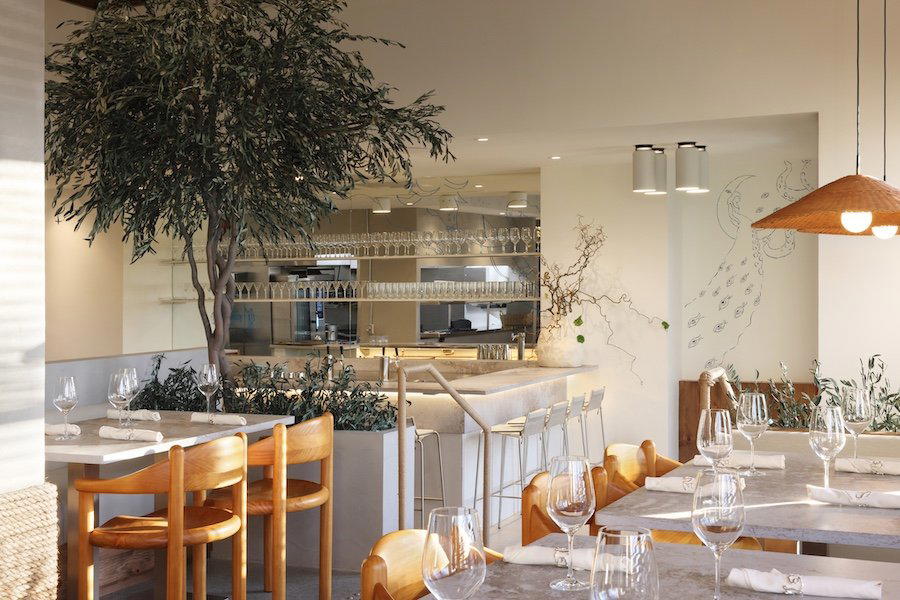
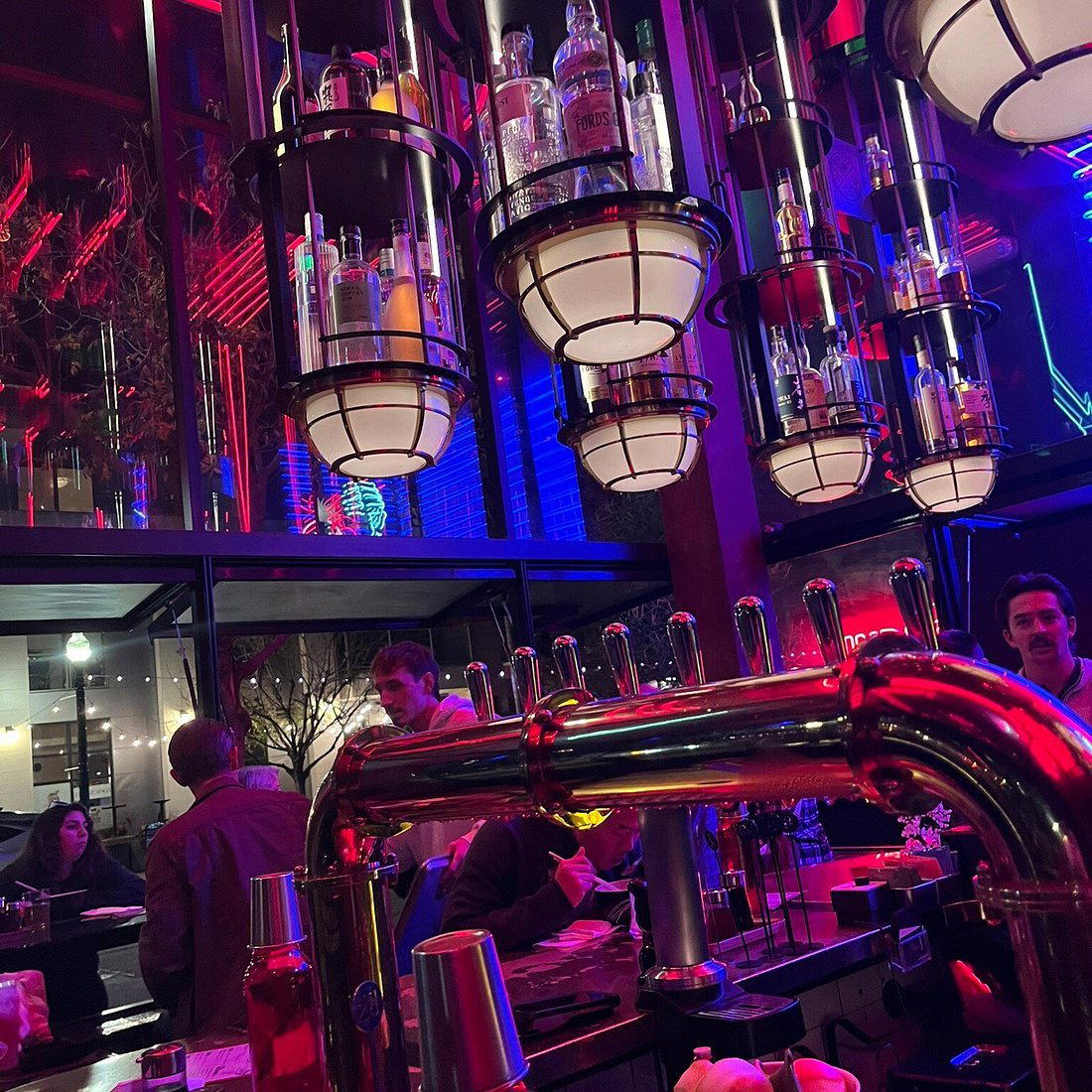
Fortunate Son occupies that kind of space. The address suggests a room scaled for the neighborhood rather than for large-party or event dining, and the surrounding context of Normal Heights places it in a comparable set of venues where atmosphere is constructed from occupancy and sound rather than from architectural intervention. This is not the spare, high-ceiling design language of downtown San Diego's newer openings. It is something more compressed and, for regular visitors to the area, more familiar.
The design question that matters most for spaces in this category is how they handle the distance between bar and dining room, and whether the kitchen is visible enough to anchor the room's energy. At Adams Avenue venues of this footprint, those decisions usually produce one of two outcomes: a room that reads as a serious bar with food, or a restaurant that keeps a serious bar. The distinction shapes everything from reservation culture to late-night traffic patterns.
Where Fortunate Son Sits in San Diego's Dining Tiers
San Diego's restaurant economy now separates fairly cleanly into three operational tiers. At the leading, venues like Addison and Soichi compete on credential, scarcity, and tasting-format discipline, with price points and booking windows to match. At the mid-tier, places like 777 G St and 1450 El Prado hold a more accessible register with broader menus. Then there are the neighborhood independents, which operate outside both the destination-dining circuit and the institutional hospitality infrastructure, and which are often the rooms locals return to most consistently.
The restaurant belongs to the third category. Adams Avenue's dining density is modest by San Diego standards, which means individual venues carry disproportionate weight in defining the neighborhood's eating character. The 94th Aero Squadron, further east, operates in a completely different format and draws on a different audience. The restaurant's competition is not those rooms but the smaller neighborhood venues that have opened or consolidated along Adams in the past decade as Normal Heights has attracted younger residents and the rent pressure of adjacent Hillcrest and North Park has pushed independent operators to look for cheaper frontage.
Compared against the broader American independent-restaurant tier, the restaurant's neighborhood positioning echoes patterns visible in cities with stronger neighborhood-dining cultures: the kind of venue that Lazy Bear in San Francisco built its early identity around before scaling up, or the community-anchor role that Frasca Food and Wine plays in Boulder's Pearl Street area. The scale is different, but the function is recognizable.
What the City's Broader Scene Means for a Venue at This Address
San Diego's dining credibility has risen substantially over the past decade. The city now holds Michelin recognition, operates venues that compete in conversation with Providence in Los Angeles and with nationally reviewed rooms like Smyth in Chicago, and has attracted the kind of serious wine and natural-beverage programming that used to route entirely through Los Angeles or San Francisco. That rising floor benefits neighborhood venues: a more sophisticated dining population supports more ambitious neighborhood cooking, and the press attention that follows destination venues creates secondary interest in what the rest of the city is doing.
Adams Avenue has not become a dining destination in the way that North Park has, but the infrastructure improvements that follow neighborhood gentrification, including increased foot traffic, a more mobile dining public, and higher baseline expectations around ingredients and service, reach Normal Heights on a delay. The restaurant operates in that context, with all the advantages and pressures it implies.
Planning a Visit: Logistics in Context
| Venue | Location | Price Tier | Format | Booking Complexity |
|---|---|---|---|---|
| The restaurant | Normal Heights (Adams Ave) | Not confirmed | Neighborhood independent | Low to moderate |
| Addison | Del Mar | $$$$ | Tasting menu, formal | High (advance required) |
| Soichi | Ocean Beach | $$$$ | Omakase counter | High (months ahead) |
| Trust | Hillcrest | $$$ | New American, a la carte | Moderate |
| Callie | East Village | $$ | Californian-Mediterranean | Low to moderate |
A Lean Comparison
Comparable venues nearby, for context on price, style, and recognition.
| Venue | Cuisine | Price | Notes |
|---|---|---|---|
| Fortunate SonThis venue — the venue you are viewing | North Park, Modern Chinese-American | $$ | Not listed |
| Jasmine Seafood Restaurant | Not listed | $$ | Kearny Mesa, Hong Kong-style Cantonese Seafood |
| Flora North Park | North Park, Cosmopolitan Fusion | $$ | Not listed |
| Mattarello Cooking | Uptown, Handmade Italian Pasta | $$ | Not listed |
| Gelato Vero Caffe | Uptown, Authentic Italian Gelato & Cafe | $$ | Not listed |
| La Fiesta | Downtown, Mexican with Seafood | $$ | Not listed |
Continue exploring
More in San Diego
Restaurants in San Diego
Browse all →
Bars in San Diego
Browse all →
At a Glance
- Trendy
- Cozy
- Modern
- Intimate
- Casual Hangout
- Date Night
- Open Kitchen
- Craft Cocktails
Current opening hours
- Monday
- 5–11 PM
- Tuesday
- 5–11 PM
- Wednesday
- 5–11 PM
- Thursday
- 5–11 PM
- Friday
- 3–11 PM
- Saturday
- 3–11 PM
- Sunday
- 3–11 PM
Hours can change for holidays and private events. Last verified .
Intimate, dimly lit spot evoking nostalgic classic Chinatown eateries with a Southern California twist.