Japanese steakhouse
Noble 33's Japanese steakhouse in Beverly Hills positions itself where precision grillwork meets the theatrics of a high-end sushi counter, a combination that sits in a distinct tier above casual hibachi but below the city's most austere omakase rooms. The format appeals to a crowd that wants live fire and raw-fish craft in the same sitting, served inside an environment calibrated for the Beverly Hills dining circuit.

Pearl is the En Primeur Club membership app — saves, bookings, and concierge access live there. Same editors, same standards.
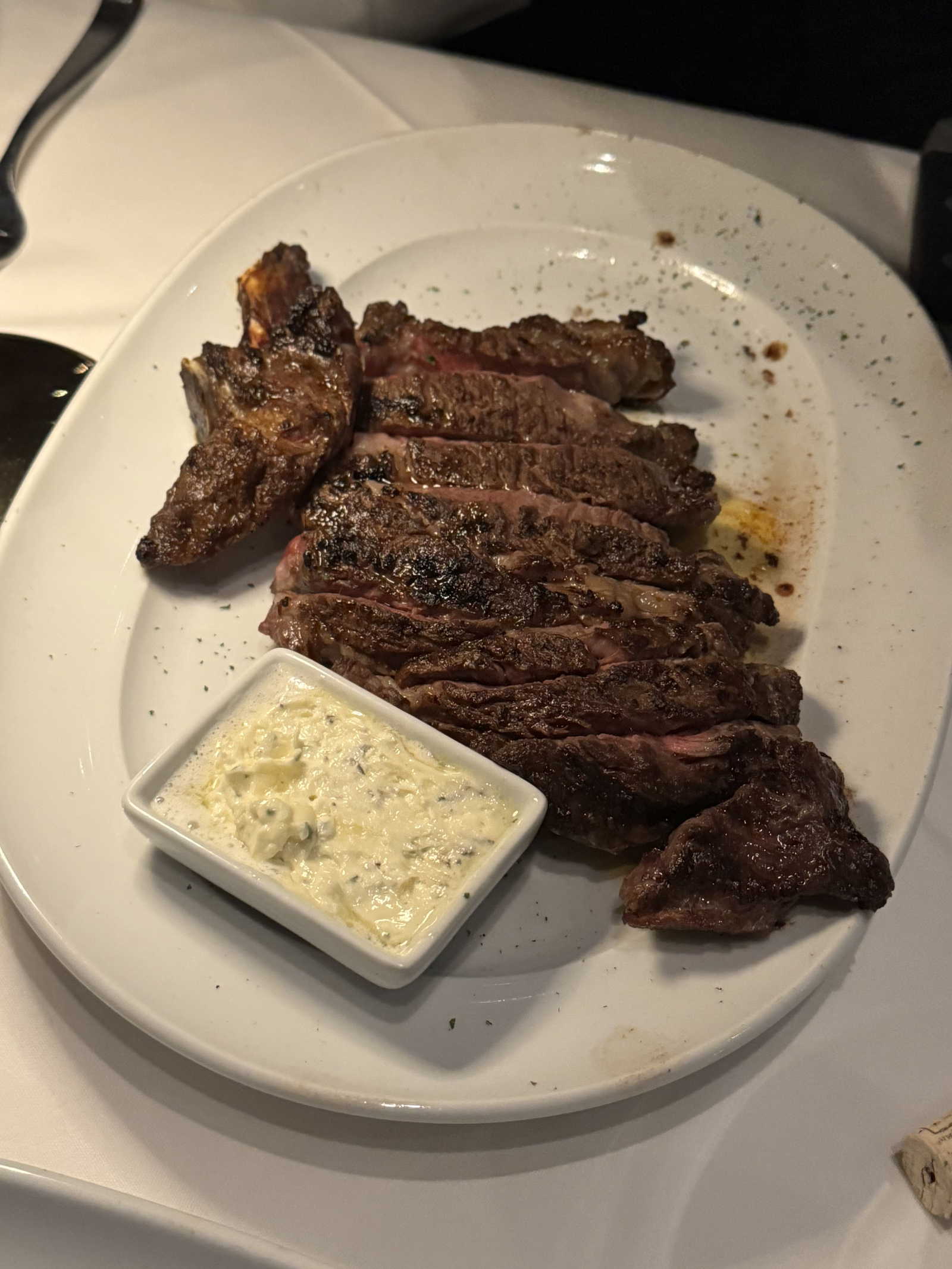
Fire and Fish in Beverly Hills
Beverly Hills has long operated as a proving ground for formats that combine spectacle with substance. The Japanese steakhouse sits at an interesting intersection in that context: it carries the live-fire theatrics that dining rooms along Rodeo and its adjacent blocks have always rewarded, while the sushi counter element signals a more technically demanding discipline. The Japanese steakhouse occupies that dual position, placing premium grillwork and raw-fish preparation side by side in a city where both formats are scrutinized by a demanding, well-traveled clientele.
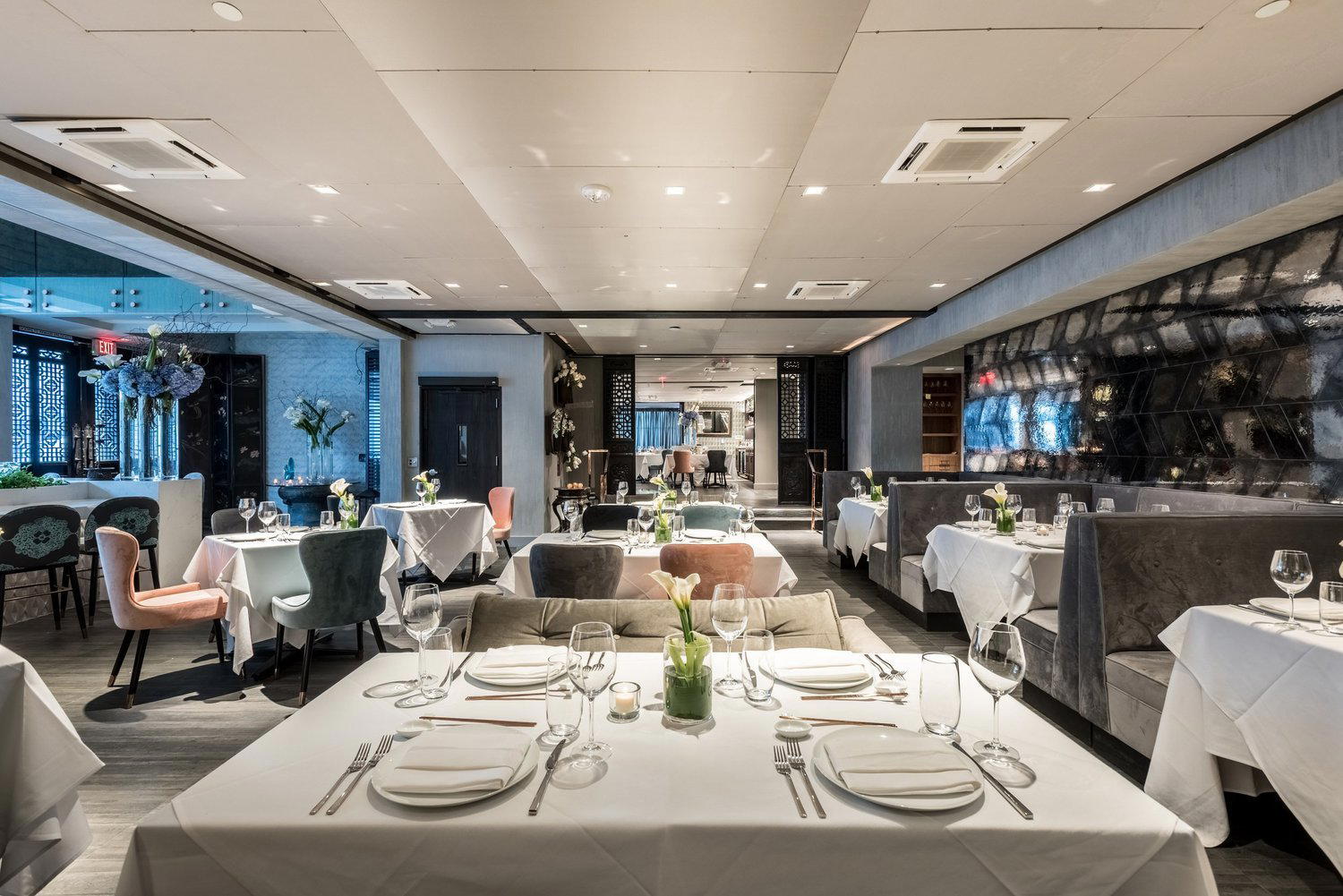
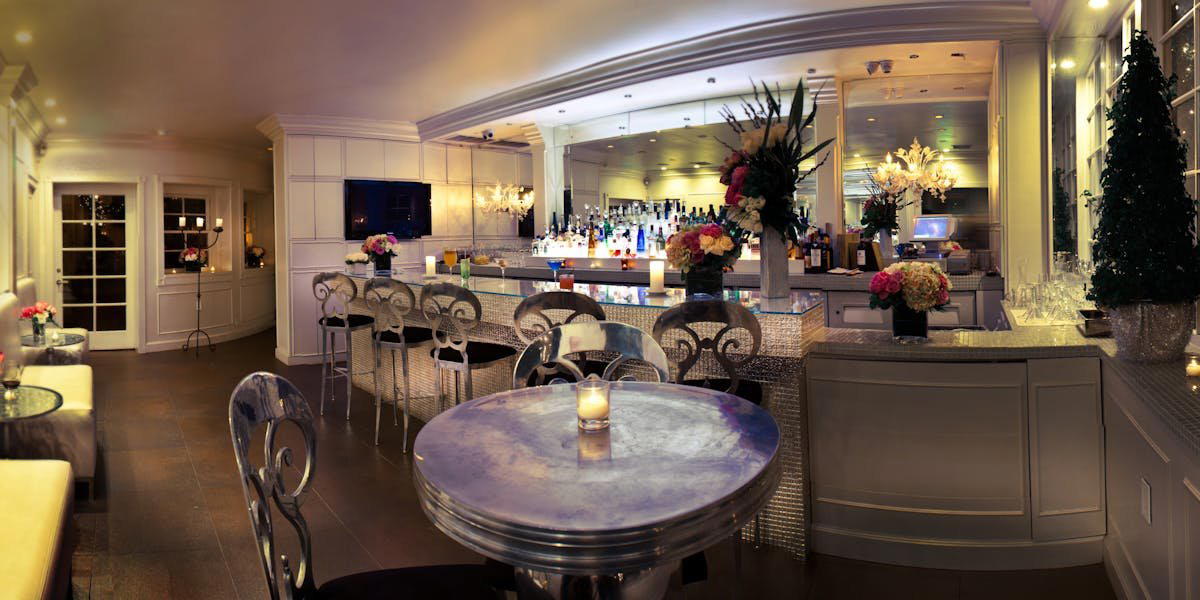
The atmosphere reads as Beverly Hills through and through: sleek surfaces, controlled lighting, and a room temperature kept low enough to feel intentional. Approaching the dining room, the dominant sensory register is neither the sharp cedar of a traditional Japanese counter nor the open-air grill smoke of a Texas-style steakhouse. It is something more designed, a space that borrows the vocabulary of both without fully committing to either's austerity. That calibration is itself a statement about who the room is built for.
What Happens at the Grill
In the Japanese steakhouse format, the grill position is the editorial heart of the meal. The person working the fire is not a back-of-house figure but a performer operating in full view, where timing, temperature management, and the read on the meat's internal state happen in real time, in front of guests. This transparency raises the stakes: there is no kitchen partition to absorb an error, no plating station to correct a miscalculation in heat.
Teppanyaki and its adjacent formats have a long history of being simplified for Western markets, reduced to the kind of knife-tossing showmanship that prioritizes entertainment over the discipline of the cook. The more serious iteration of the restaurant resists that flattening. It holds the cook to the same standards applied at a yakitori counter or a high-end yakiniku room in Tokyo: fat rendering at the right temperature, a Maillard crust achieved without overcooking the interior, and protein sourcing that justifies close scrutiny under flame. Where Noble 33's Beverly Hills location sits on that spectrum is one of the more interesting questions a visitor brings to the table.
The sushi component adds a second technical register. Running a credible raw-fish program alongside a live-fire grill is not a natural pairing from a kitchen-operations standpoint. The temperature disciplines, the knife work, the sourcing requirements, all run in different directions. That restaurants attempt it says something about the ambition of the format, and that Beverly Hills diners expect both speaks to how the city's appetite for luxury dining has evolved. For a point of comparison, the pure-focus approach championed at counters like those associated with Atomix in New York City or the seafood precision of Le Bernardin in New York City illustrates how demanding single-discipline execution can be. Attempting two disciplines in one room is either an act of confidence or a compression of ambition, depending on execution.
Placing Noble 33 in Beverly Hills's Dining Circuit
Noble 33 as a hospitality group has built a portfolio of high-energy, design-forward venues in markets where atmospherics and social currency matter as much as the plate. Beverly Hills is a natural fit for that approach: the city's restaurant economy rewards rooms that look good on a phone screen and still hold up to repeat visits from guests who take their food seriously.
The competition at the premium steakhouse end of Beverly Hills is substantial. Beverly Hills Grill represents the institutional, long-running end of the local grill tradition. Wolfgang Puck's 208 Rodeo operates at the Californian-fusion end of the premium spectrum. CUT Beverly Hills, at the $$$$ price tier, is the city's most prominent steakhouse benchmark, with a format that runs on precision sourcing and a room that has become a reference point for the genre in Los Angeles. A restaurant that integrates sushi is aiming at a slightly different position: less the pure-beef formalist and more the experience-driven omnivore crowd that wants variety of technique and texture in a single visit.
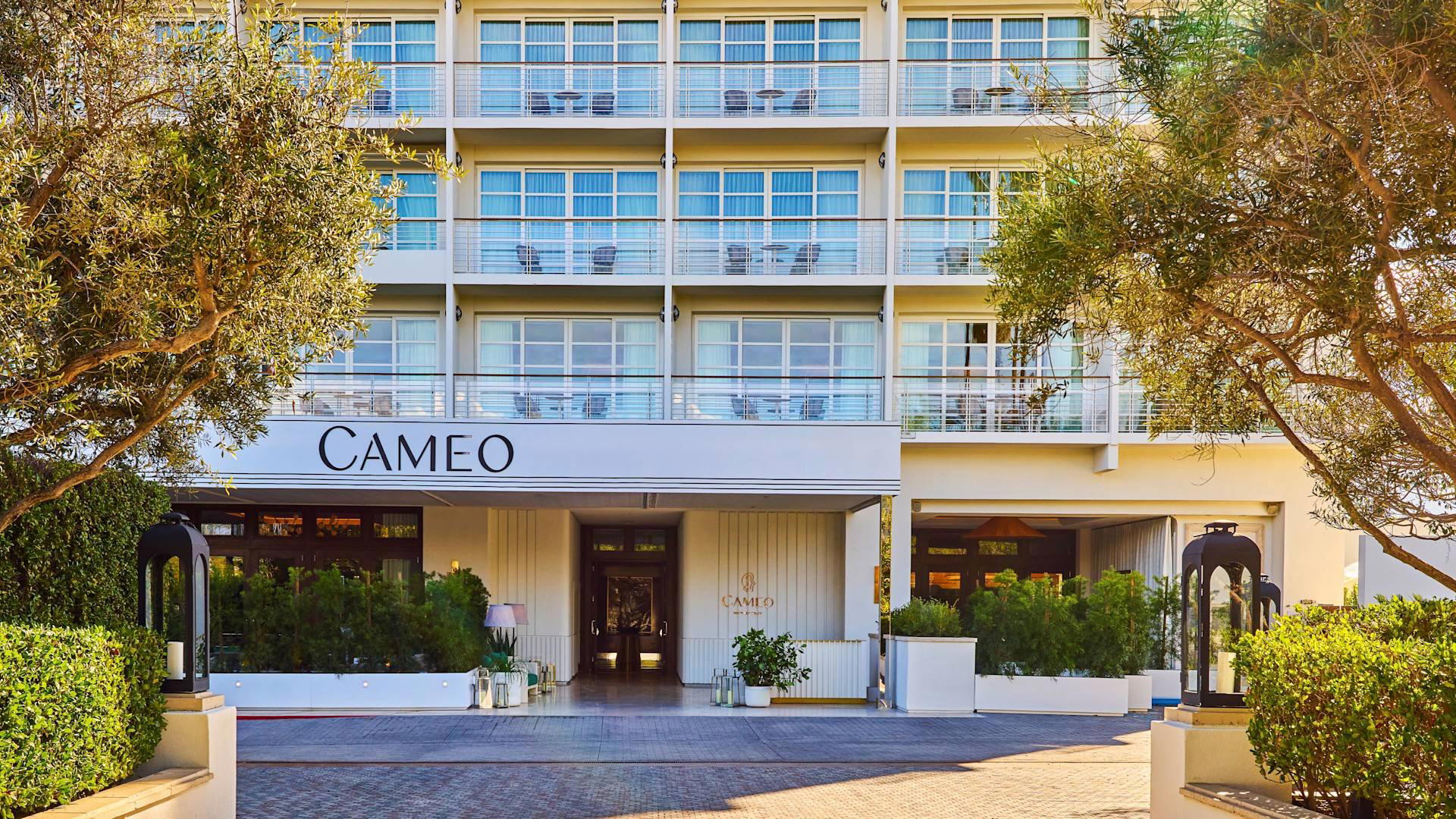
For diners building a Beverly Hills itinerary who want to compare formats, Baldi and Cafe Amici offer the Italian-American end of the neighborhood's dining character, while Cameo represents the lighter, modern end of the local scene.
Broader context for understanding where serious Japanese-influenced dining sits in the American fine-dining conversation can be found at properties like Providence in Los Angeles, which handles Japanese technique through a different lens, or farther afield at Single Thread Farm in Healdsburg and The French Laundry in Napa. At the far end of the formal-tasting spectrum, Alinea in Chicago and Lazy Bear in San Francisco illustrate how ambitious American restaurants have absorbed precision cooking into entirely different theatrical formats. For context on how Korean BBQ handles the communal live-fire format in the same Beverly Hills market, Genwa Korea BBQ offers a useful contrast in both price point and the degree of audience participation the format demands.
Planning Your Visit
Noble 33 properties generally attract a crowd that is dressed for the occasion without necessarily adhering to a formal dress code, and the Beverly Hills location is consistent with that. Booking through the group's standard channels is advisable: Noble 33's venues in high-traffic markets tend to fill midweek and weekend evenings without much lead time for walk-in access. Reservations are recommended.
For diners who want additional reference points beyond California, Addison in San Diego, Emeril's in New Orleans, Blue Hill at Stone Barns in Tarrytown, The Inn at Little Washington in Washington, and 8 1/2 Otto e Mezzo Bombana in Hong Kong collectively illustrate how different markets have resolved the tension between high-end spectacle and technical discipline, which is precisely the tension the restaurant format is built around.
The Minimal Set
Comparable venues nearby, for context on price, style, and recognition.
| Venue | Cuisine | Price | Notes |
|---|---|---|---|
| Japanese steakhouseThis venue — the venue you are viewing | Not listed | $$$$ | Not listed |
| The Brothers Sushi, Beverly Hills | Beverly Hills, Modern Japanese Omakase | $$$$ | Not listed |
| Jade Beverly Hills | Not listed | $$$$ | Golden Triangle, Contemporary Japanese Fusion |
| Urasawa | Beverly Hills, Japanese Omakase | $$$$ | Not listed |
| Miura | Beverly Hills, Edomae Omakase Sushi | $$$$ | Not listed |
| SUGARFISH by sushi nozawa | Not listed | $$$ | Beverly Hills, Traditional Tokyo-Style Omakase Sushi |
Continue exploring
More in Beverly Hills
Restaurants in Beverly Hills
Browse all →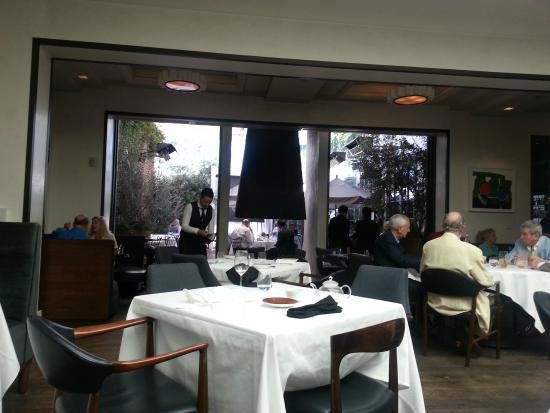
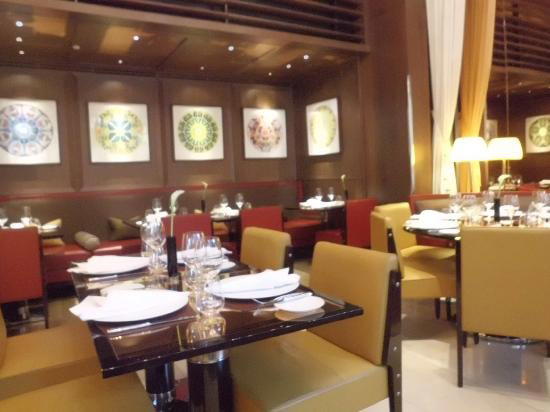
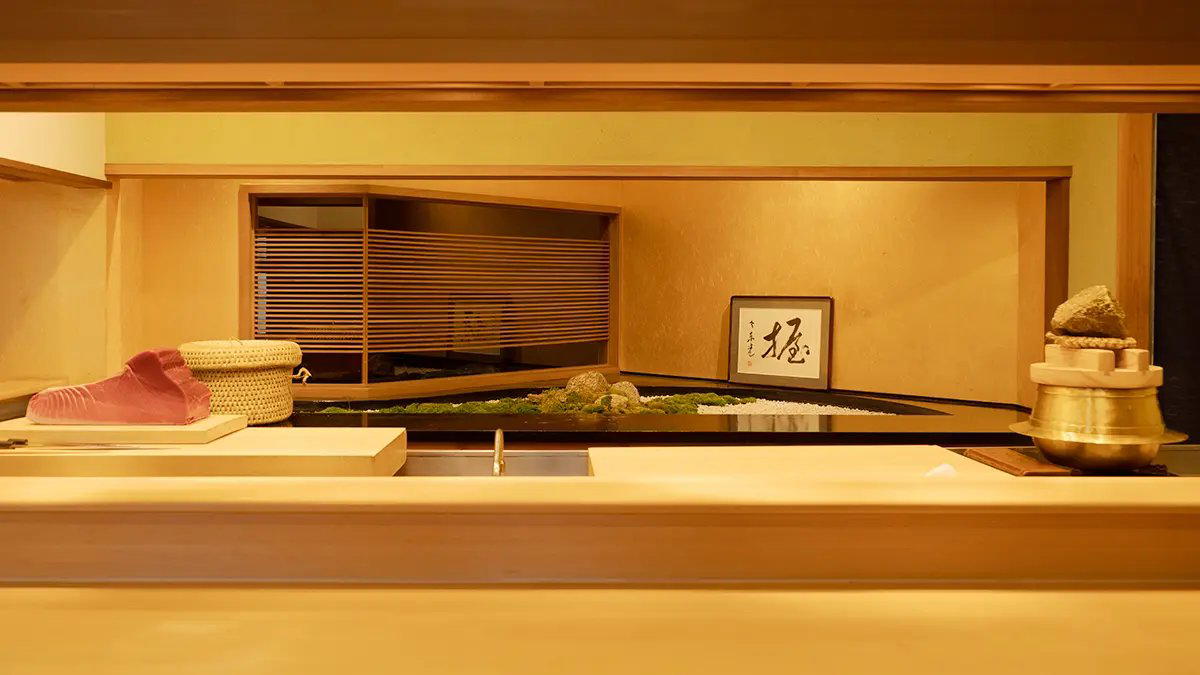
Bars in Beverly Hills
Browse all →
At a Glance
- Lively
- Elegant
- Energetic
- Sophisticated
- Intimate
- Date Night
- Group Dining
- Celebration
- Special Occasion
- Live Music
- Open Kitchen
- Private Dining
- Sake Program
- Craft Cocktails
Warm layered wood paneling and coffered ceilings create an intimate enveloping tone with soft golden lighting over leather banquettes and tailored seating.