The Brothers Sushi — Beverly Hills
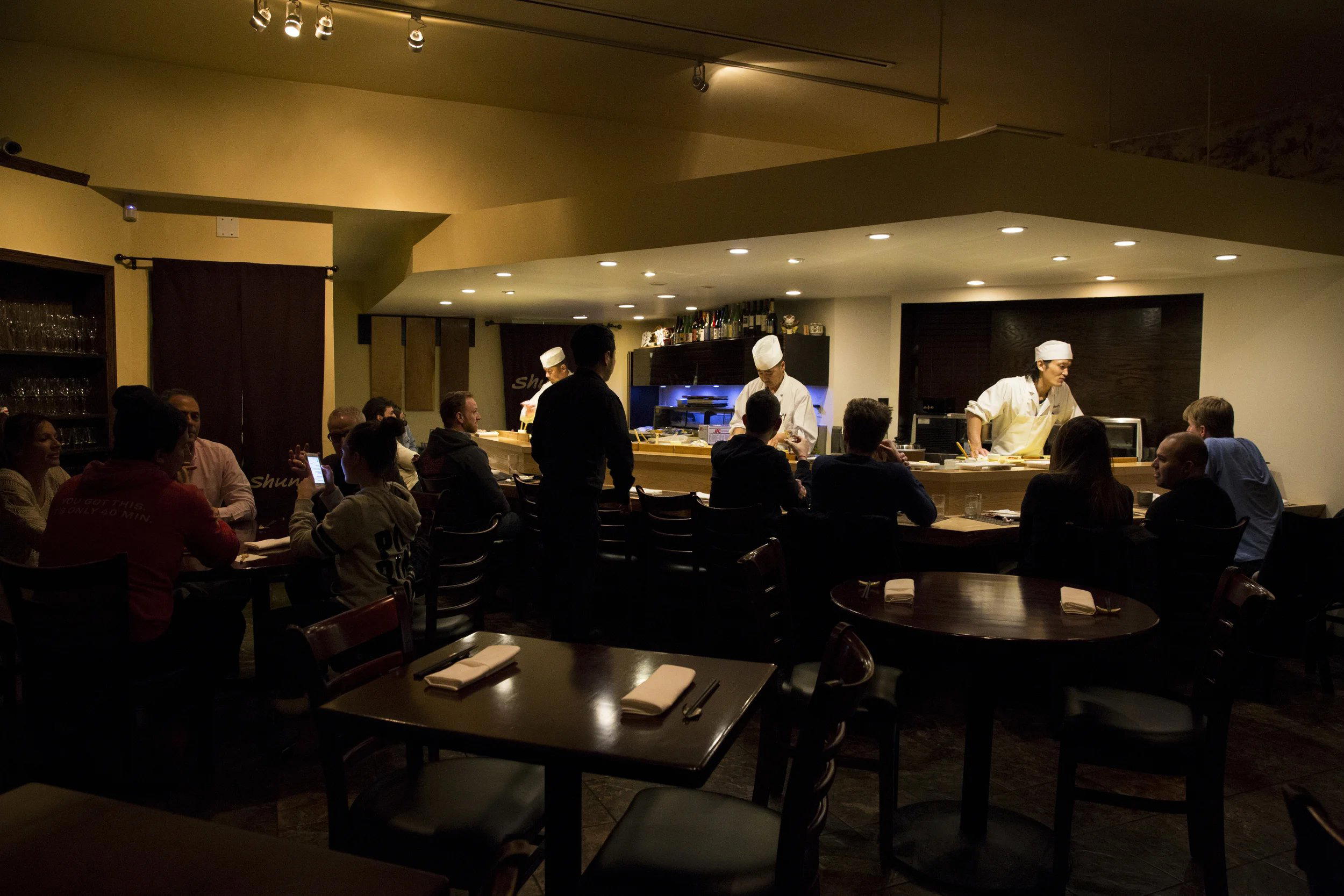
Beverly Hills has many ambitious omakase counters, and The Brothers Sushi positions itself in that upper tier where seasonal Japanese technique meets a Southern California sensibility. The format follows the counter-driven omakase tradition, where the calendar dictates the menu as much as the kitchen does. For those tracking the city's serious sushi scene, it warrants attention alongside the neighbourhood's broader dining circuit.
Pearl is the En Primeur Club membership app — saves, bookings, and concierge access live there. Same editors, same standards.
- Address
- Beverly Hills, United States
- Website
- thebrotherssushibh.com
- Directions
- Get directions
 Saves & bookings on Pearl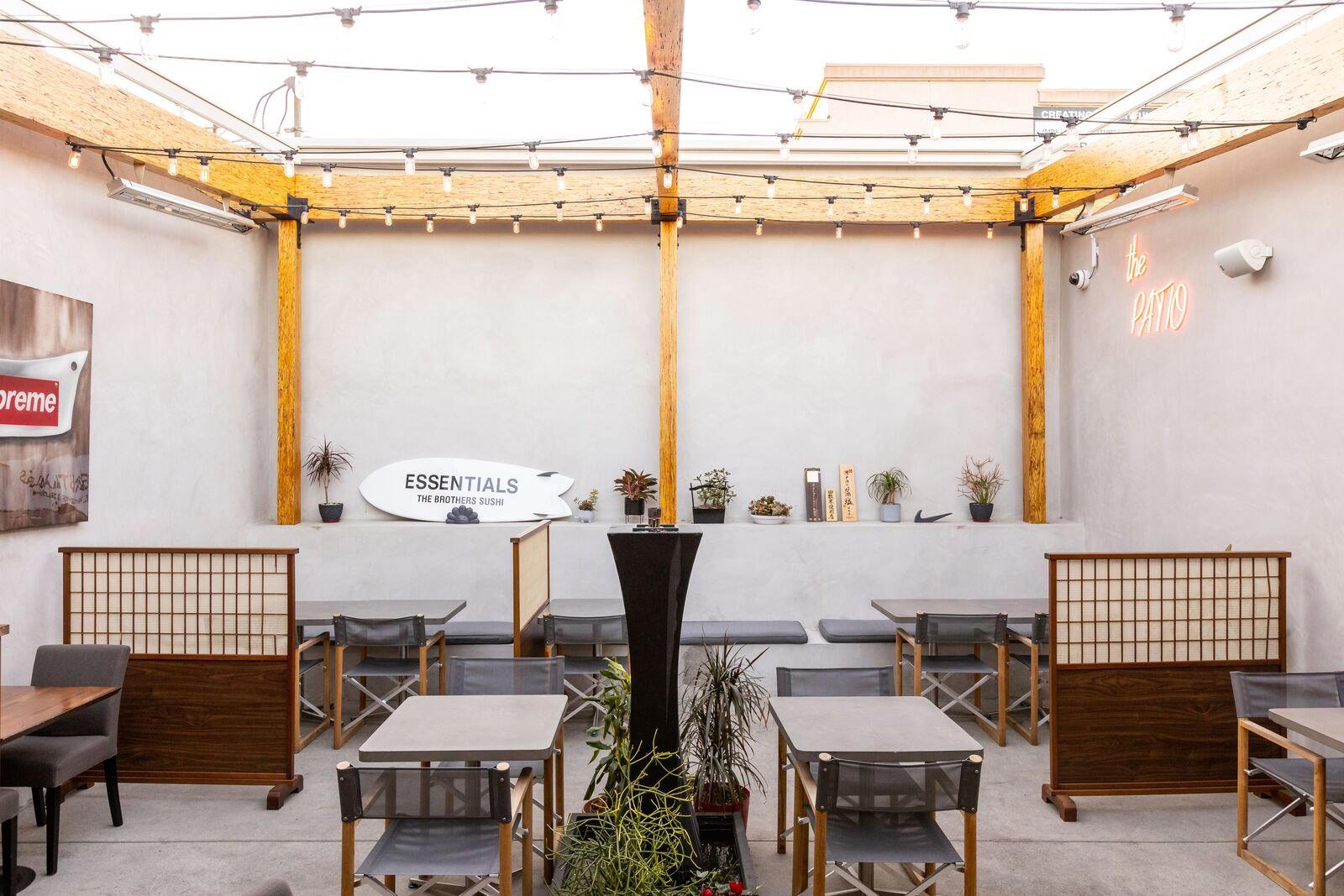
The Counter and the Calendar
Beverly Hills has developed a genuine omakase tier over the past decade, distinct from the casual rolls-and-sake restaurants that still dominate the city's broader sushi market. That upper bracket operates on different terms: counter seats rather than tables, set menus rather than à la carte, and a kitchen schedule driven less by customer preference than by what Japanese fish markets and California's coastal suppliers have available that week. The Brothers Sushi slots into this category, operating in a neighbourhood where the competition includes not just fellow sushi counters but the city's range of high-commitment dining from steakhouses like CUT Beverly Hills to Californian fusion at Spago Beverly Hills.
What separates omakase from most other fine-dining formats is its structural dependence on the calendar. A kaiseki chef in Kyoto would describe a menu not by dish names but by month. Western fine dining has absorbed elements of this thinking, as counters at Single Thread Farm in Healdsburg and Blue Hill at Stone Barns in Tarrytown have shown, but in Japanese omakase the seasonal logic is structural, not decorative. Every course reflects the itamae's reading of what is at its peak that day, not what was printed on a menu last month.
Seasonality as the Kitchen's Primary Argument
At The Brothers Sushi, timing matters more than it does at a restaurant with a static menu. The omakase format means what arrives in front of you in February differs meaningfully from what you'd encounter in August, and that gap is the point. Japan's fish calendar anchors much of what lands on counters in Los Angeles, even when the sourcing is domestic: bluefin seasons, the availability of uni from specific prefectures, the cold-water fish that perform leading in winter months. Southern California adds its own seasonal layer, with local yellowtail, spot prawns, and Pacific albacore moving in and out of peak windows across the year.
Spring and early summer represent a rich window for many counters in this tier, when both Pacific and Japanese suppliers are running strong and the variety of available species is at its widest. Late summer and autumn tend to concentrate on fattier fish as water temperatures shift. Winter menus often narrow toward fewer, heavier pieces, which, in skilled hands, can produce particularly focused and technically demanding omakase experiences of the year. Understanding that rhythm is what separates a well-timed reservation from one that catches the kitchen mid-transition.
This seasonal logic also explains why omakase at this level differs so sharply from the experience at restaurants where even ostensibly seasonal menus change quarterly rather than weekly. Counters like this one are closer in spirit to the approach at Providence in Los Angeles, which has built its seafood-forward reputation on a similarly tight relationship with what's arriving from the water, than they are to restaurants that treat the menu as a fixed creative statement.
Beverly Hills as Context
The neighbourhood shapes the experience in ways that go beyond geography. Beverly Hills dining operates at a price point where the comparison set for a serious omakase counter is not other sushi restaurants in a vacuum but the full spectrum of high-end dining available within a few blocks. 208 Rodeo and Baldi represent the Italian-inflected, old-money wing of the neighbourhood's dining character; Beverly Hills Grill and Cafe Amici occupy a more approachable, regular-clientele register. An omakase counter like The Brothers Sushi operates on a different axis entirely: commitment-driven, time-intensive, and format-specific in ways that the neighbourhood's more flexible options are not.
That positioning matters because it filters the audience. Counter omakase asks guests to surrender menu control entirely and commit to a duration that typically runs ninety minutes to two hours at minimum. For diners accustomed to dropping into Spago for a flexible Californian menu, the shift in format is as significant as the shift in cuisine. The counter is not simply a different restaurant; it represents a different kind of dining contract.
For anyone building a Beverly Hills itinerary that extends beyond a single dinner, our full Beverly Hills restaurants guide maps the neighbourhood's options across price tiers and formats, which helps clarify where a counter omakase sits relative to the city's other commitments. Events and after-dinner options are covered at Cameo, for those looking to extend the evening.
The Broader American Omakase Conversation
The Brothers Sushi sits within a national conversation about how seriously American cities are engaging with the omakase format. Counters have proliferated in major markets, but the quality range is wide. At the upper end, the standard of comparison is international: the three-Michelin-star sushi houses of Ginza, the allocation-controlled counters of Kyoto. American omakase has generally not reached that tier formally, though venues in New York, Los Angeles, and San Francisco have made the argument on quality grounds. Atomix in New York City and Le Bernardin in New York City illustrate how stronger examples from the American fine-dining market can sustain international comparison when the sourcing infrastructure and technique are both in place.
Los Angeles benefits from proximity to some of the country's leading fish suppliers and a Japanese-American community with deep roots in the city's food culture. That combination has produced a sushi scene that punches above its Michelin star count, which in Los Angeles has historically undercounted quality relative to Tokyo or New York. The serious counters in this city tend to be known to regulars before they appear in wider editorial coverage, which is consistent with how the format operates in Japan, where neighbourhood loyalty and direct relationships with the itamae matter as much as external validation.
For diners comparing The Brothers Sushi with other high-commitment American formats, the agricultural precision of The French Laundry in Napa, the narrative-driven tasting menu at Alinea in Chicago, and the Southern-rooted ambition at Emeril's in New Orleans each represent a different expression of maximum-commitment dining in America. Counter omakase in Beverly Hills sits in that same tier of intentionality, even if the format and cultural logic are entirely distinct. San Diego's Addison and Washington's The Inn at Little Washington further illustrate how geographically distributed America's serious dining has become. Lazy Bear in San Francisco and 8 1/2 Otto e Mezzo Bombana in Hong Kong round out the international register worth knowing when assessing where any single counter sits.
Planning a Visit
Counter omakase in Beverly Hills rewards advance planning. Reservations are recommended and often fill quickly, particularly for Friday and Saturday sittings. Mid-week visits often provide the quieter, more focused counter experience that the format is designed to deliver. Given that the menu is entirely at the kitchen's discretion, dietary restrictions are leading communicated well before arrival rather than at the counter. The format does not accommodate late arrivals gracefully; arriving on time is less a courtesy than a structural requirement when a sequential menu is already in motion for the whole counter simultaneously.
Reputation Context
Comparable venues nearby, for context on price, style, and recognition.
| Venue | Cuisine | Price | Notes |
|---|---|---|---|
| The Brothers Sushi, Beverly HillsThis venue — the venue you are viewing | Modern Japanese Omakase | $$$$ | Not listed |
| Miura | Edomae Omakase Sushi | $$$$ | Beverly Hills |
| SUGARFISH by sushi nozawa | Traditional Tokyo-Style Omakase Sushi | $$$ | Beverly Hills |
| The Living Room | Traditional Afternoon Tea | $$$$ | Beverly Hills |
| 208 Rodeo | Modern Californian with Pan-Asian and Italian Influences | $$$$ | Beverly Hills |
| Cameo | Peruvian-Japanese Nikkei | $$$$ | Beverly Hills |
Continue exploring
More in Beverly Hills
Restaurants in Beverly Hills
Browse all →
Bars in Beverly Hills
Browse all →
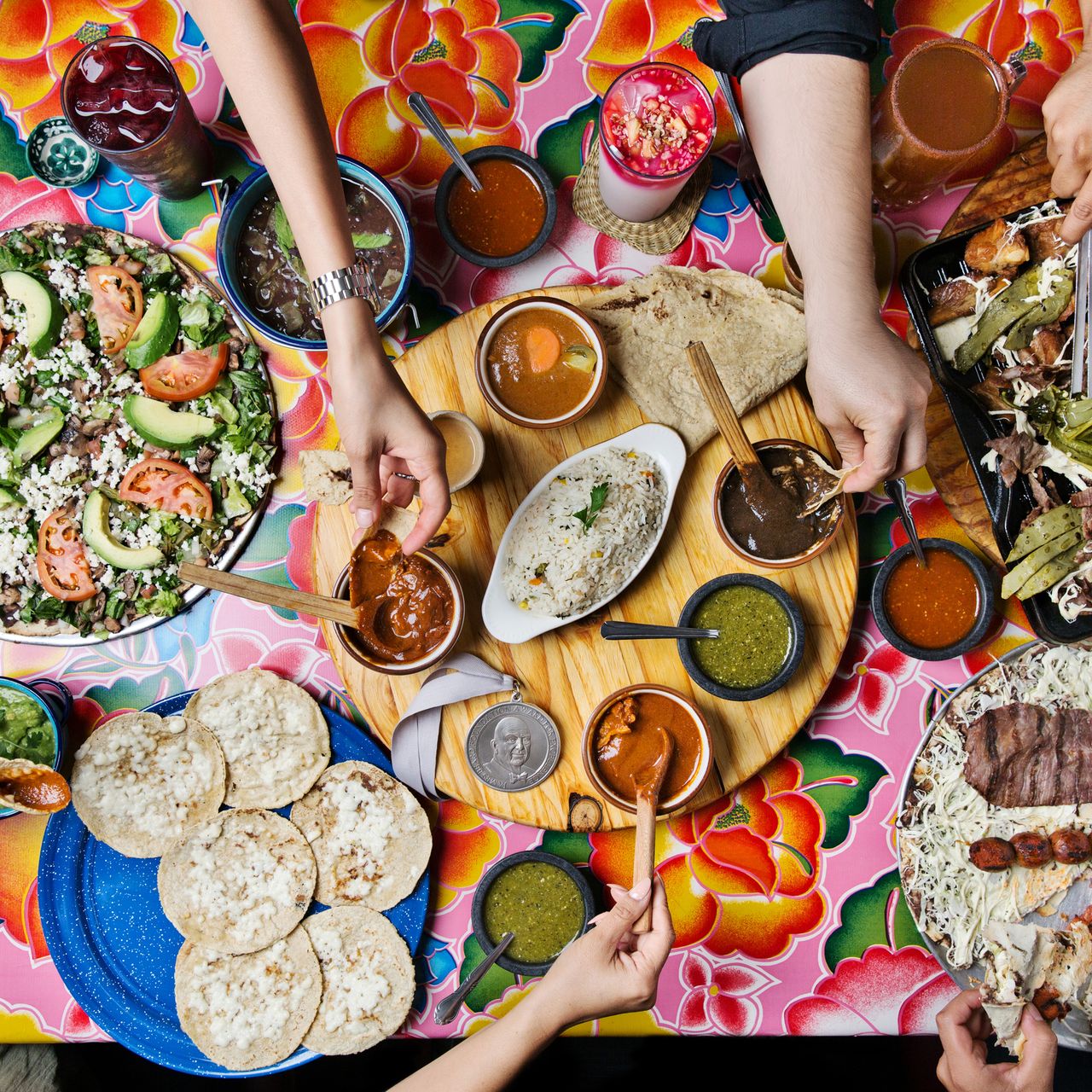
Hotels in Beverly Hills
Browse all →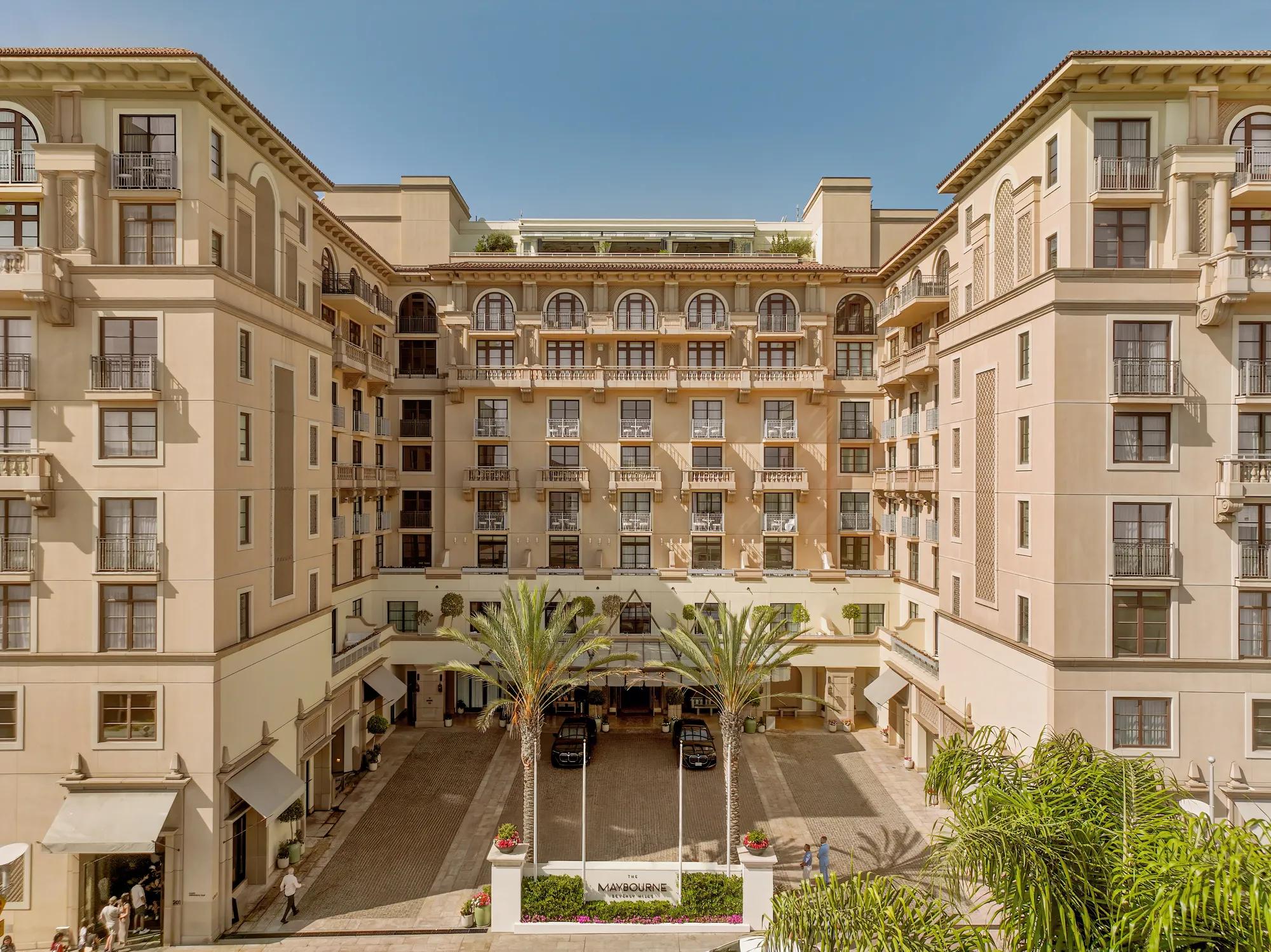
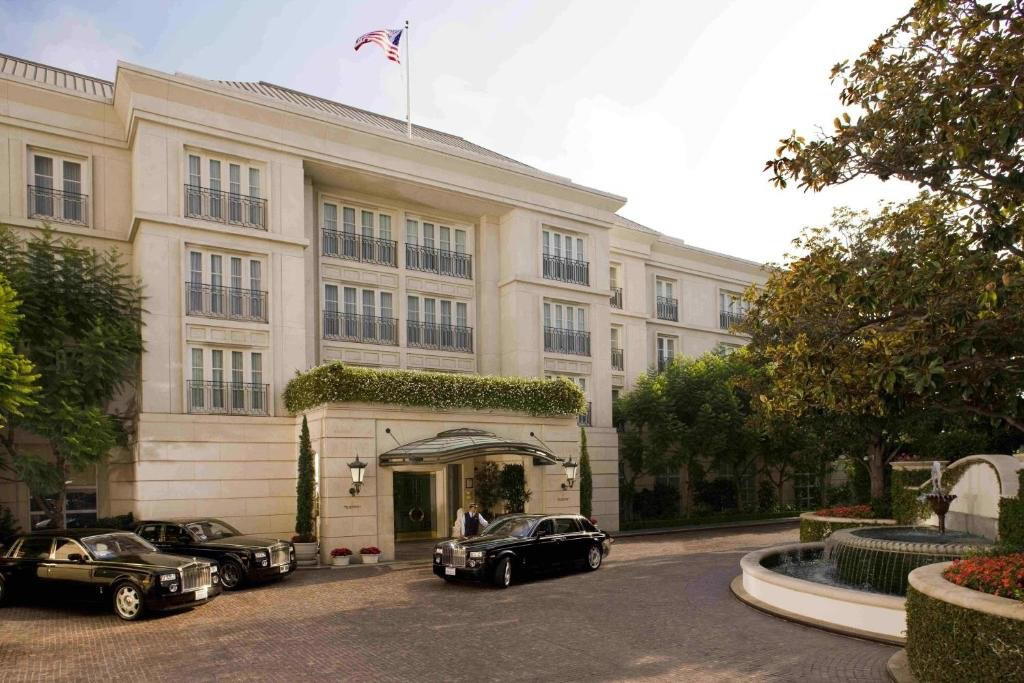
Wineries in Beverly Hills
Browse all →
At a Glance
- Modern
- Elegant
- Sophisticated
- Intimate
- Date Night
- Special Occasion
- Chefs Counter
- Open Kitchen
- Sake Program
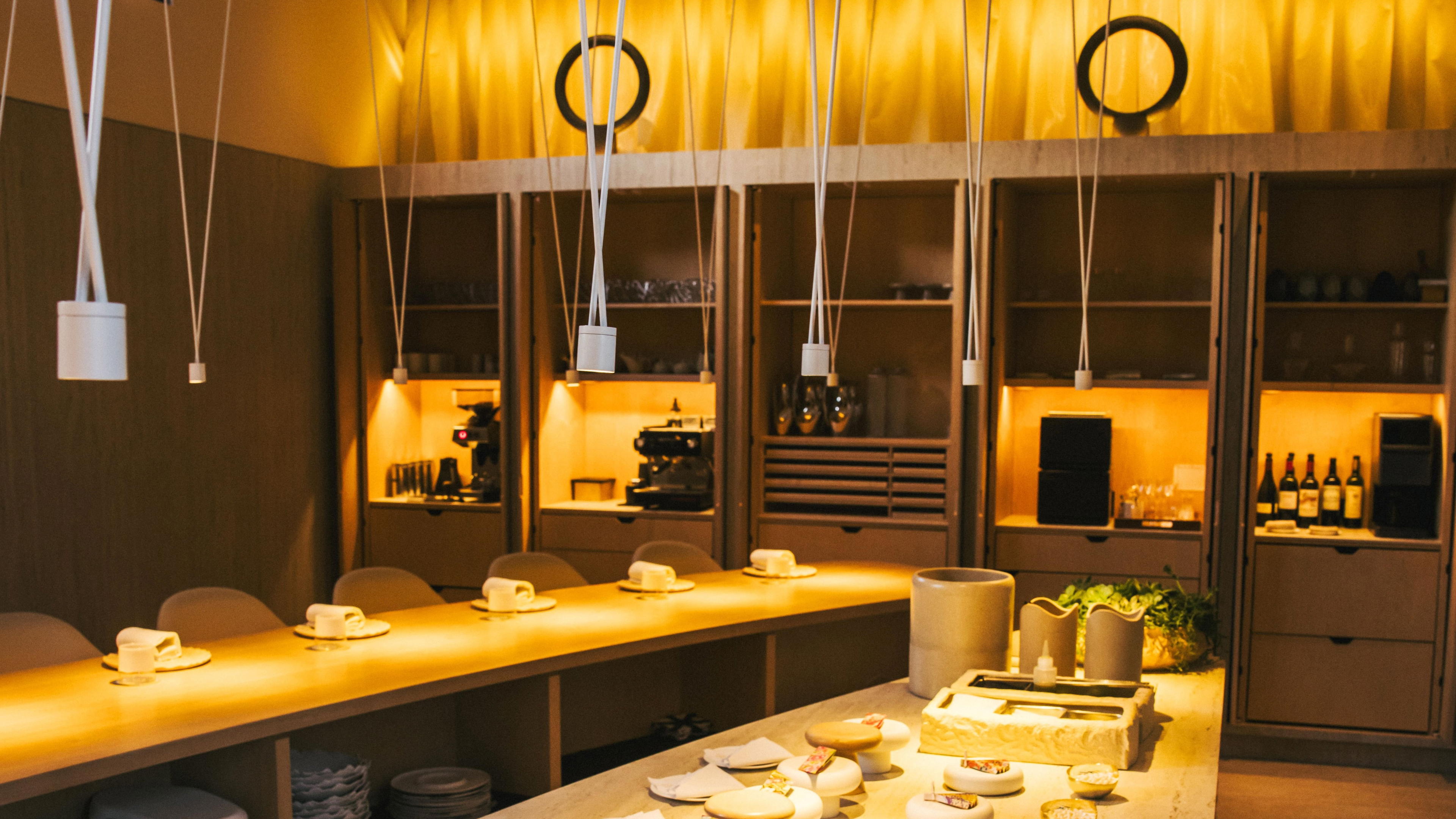
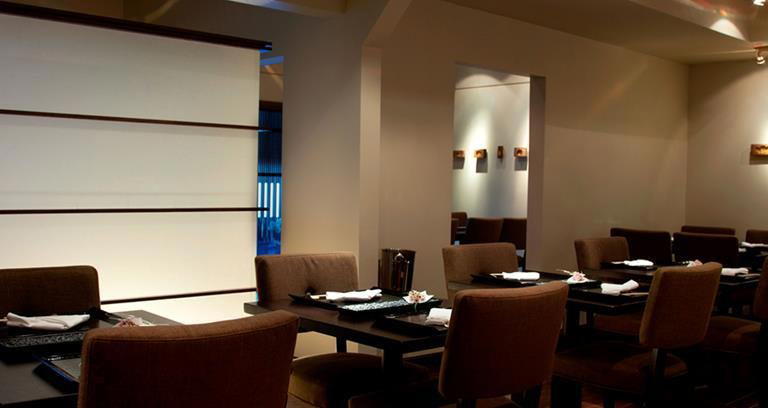
Refined and contemporary with a dark wood sushi counter, floral arrangements, and gray floor tiles, offering a welcoming yet sophisticated sushi bar atmosphere.