Urasawa
On Rodeo Drive in Beverly Hills, Urasawa occupies the counter-omakase tier that defines the upper bracket of Japanese fine dining in Los Angeles. The format is strict, the seat count deliberately small, and the booking window long enough that regulars plan their visits months in advance. Few restaurants on the West Coast position themselves so unambiguously at the intersection of kaiseki discipline and omakase precision.
- Address
- 218 N Rodeo Dr, Beverly Hills, CA 90210
- Phone
- +1 424 204 9584
- Directions
- Get directions
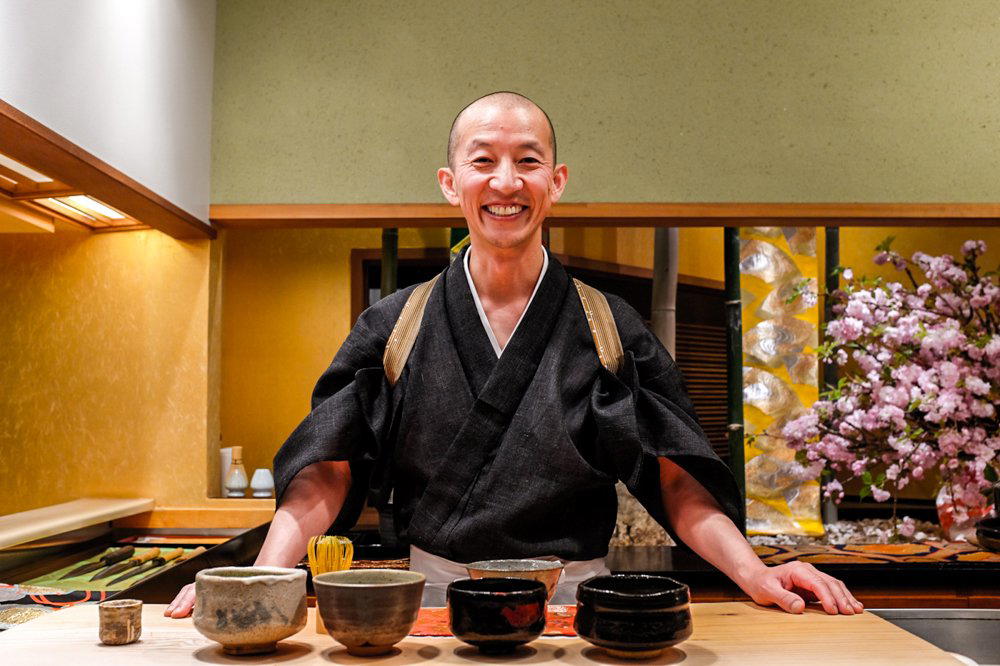
A Counter on Rodeo Drive
Rodeo Drive is not where most people expect to find among the more serious Japanese dining counters in the United States. The street is better known for European fashion houses and the kind of conspicuous luxury that announces itself loudly. Urasawa does the opposite. Located at 218 N Rodeo Dr in Beverly Hills, it occupies a quiet space above the retail activity, signaling almost nothing from the outside. That restraint is, in itself, a kind of statement about where it positions itself relative to the surrounding neighborhood.
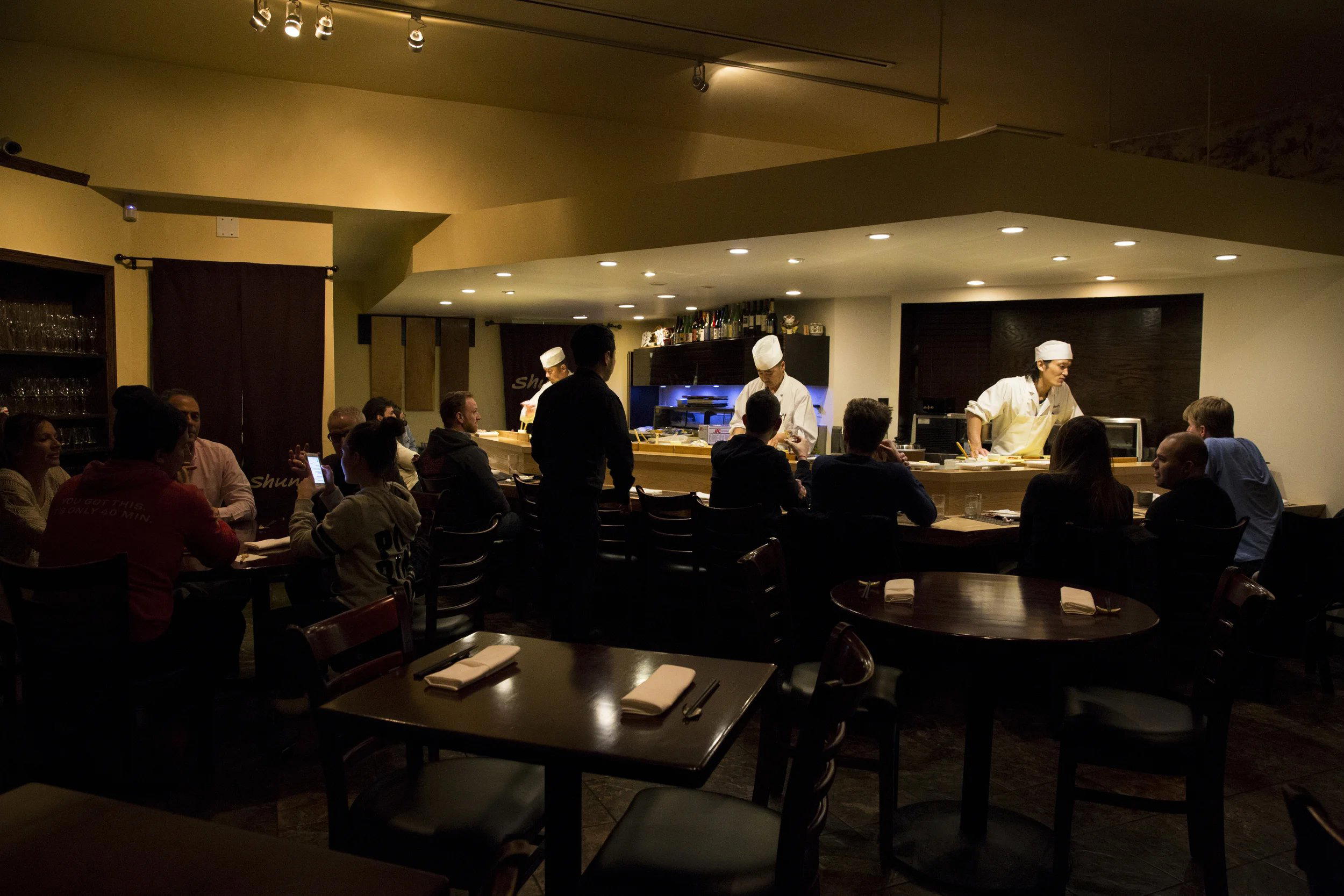
The American counter-omakase format has matured considerably over the past decade, splitting between high-volume operations that push multiple seatings per evening and small, fixed-seat counters where a single seating per service is the norm. Urasawa belongs firmly to the latter category. The counter format places chef and guest in close proximity for the duration of the meal, a structure borrowed directly from Japan's kappo and omakase traditions, where the chef's movements and sequencing are as much a part of the experience as the food itself. Among the restaurants that define Beverly Hills dining, this one occupies a category largely alone.
What the Regulars Know
Counter omakase at this level produces a particular kind of repeat guest: someone who returns not to discover something new on a printed menu, but to observe how the same rigorous format shifts with the season and with what arrived from the market that week. This is the essential logic of kaiseki-inflected omakase. There is no menu to study in advance, no dish you can request to anchor your expectations. The meal unfolds in a sequence determined by the kitchen, and loyal guests eventually learn to read that sequence, to notice when a preparation has changed in technique or sourcing, and to understand what those changes mean.
That relationship between regular guest and omakase counter is well-established in Japan but relatively rare in the United States at this price and format tier. Comparable experiences exist at places like Le Bernardin in New York City or The French Laundry in Napa, where the tasting menu format similarly rewards guests who return across seasons rather than treating the meal as a one-time event.
The placement of a dashi course early in the sequence, for instance, tells an experienced guest something about the tone the kitchen intends to set. A shift in which fish anchors a given evening's sashimi selection signals seasonal change more directly than any printed notation would. This kind of legibility takes time to develop, and it is one reason the counter format generates loyalty at a rate that conventional restaurant formats rarely match.
Placing Urasawa in the West Coast Fine Dining Conversation
Los Angeles and its surrounding cities have seen sustained growth in high-format Japanese dining over the past fifteen years. That growth mirrors a national trend visible in cities like New York, where counters such as Atomix have redefined what Korean fine dining can look like at the summit of the market, and in San Francisco, where Lazy Bear pursued a similarly intimate format from a different culinary tradition. The common thread is small capacity, no-choice sequencing, and a price point that signals a different competitive set than the conventional restaurant market.
Within California specifically, Urasawa's position is easier to understand by looking at what surrounds it geographically. Providence in Los Angeles operates in a different register, applying French technique to California seafood in a formal setting that accommodates a larger room and a broader menu. Single Thread Farm in Healdsburg pursues a kaiseki-inspired format with an agricultural sourcing program that reflects the Northern California context. Addison in San Diego sits in a French fine dining tradition. None of them are direct peers to Urasawa, which operates in a specifically Japanese idiom and at a counter format that these restaurants do not replicate.
Outside California, the comparable set expands to include counters and tasting rooms where format discipline and sourcing rigor define the experience: Smyth in Chicago, Blue Hill at Stone Barns in Tarrytown, and The Inn at Little Washington each represent the kind of total-commitment dining that Urasawa's format implies, even where the culinary tradition differs significantly.
The Rodeo Drive Context
Beverly Hills is not a dining city in the same sense that Manhattan or central Los Angeles is. Its restaurant density is lower, and the establishments that anchor its food identity tend toward the kind of polished international fare that suits its hotel and retail economy. 208 Rodeo, Baldi, Beverly Hills Grill, Cafe Amici, and Cipriani each occupy recognizable international-hospitality formats, places where visitors with limited local knowledge can orient themselves quickly. Urasawa does not operate in that mode. It is not a restaurant that announces its format or its standards through familiar signals. Guests arrive knowing exactly what they have reserved, having planned the visit deliberately, often months in advance.
That planning horizon is characteristic of counter omakase at this level across the country. Similarly, Emeril's in New Orleans built a devoted local following over decades through consistency and format familiarity, a different mechanism but a comparable result in terms of guest loyalty.
Planning a Visit
A reservation at Urasawa requires lead time that most Beverly Hills restaurants do not demand. The counter format limits capacity to a small number of guests per seating, and demand among returning guests accounts for a significant share of available spots. First-time guests should plan on contacting the restaurant well in advance, as walk-in or last-minute access is not how this format operates. Urasawa is appointment-only and the meal is priced at about $400 per person. Rodeo Drive is accessible by car with valet and parking structures nearby, and the surrounding area offers the kind of post-dinner walking that Rodeo Drive's retail strip provides after hours, though the meal itself will occupy most of the evening. The format is not suited to guests with hard time constraints; the sequence proceeds at its own pace, and the meal length is determined by the kitchen's progression rather than a fixed clock.
Cuisine and Recognition
Comparable venues nearby, for context on price, style, and recognition.
| Venue | Cuisine | Price | Notes |
|---|---|---|---|
| UrasawaThis venue — the venue you are viewing | Japanese Omakase | $$$$ | Not listed |
| Jade Beverly Hills | Contemporary Japanese Fusion | $$$$ | Golden Triangle |
| Costa Covo | Coastal Italian Osteria | $$$$ | Beverly Hills |
| Jean-Georges Beverly Hills | Contemporary French Fine Dining | $$$$ | Beverly Hills |
| Izakaya concept | Modern Japanese Izakaya | $$$$ | Golden Triangle, Beverly Hills |
| THE Blvd Restaurant and Lounge | Modern California Cuisine | $$$$ | Beverly Hills |
Continue exploring
More in Beverly Hills
Restaurants in Beverly Hills
Browse all →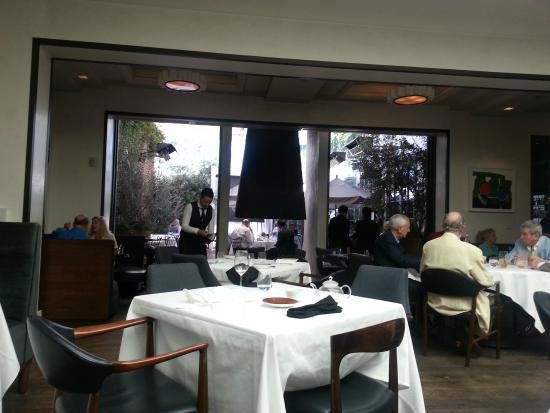
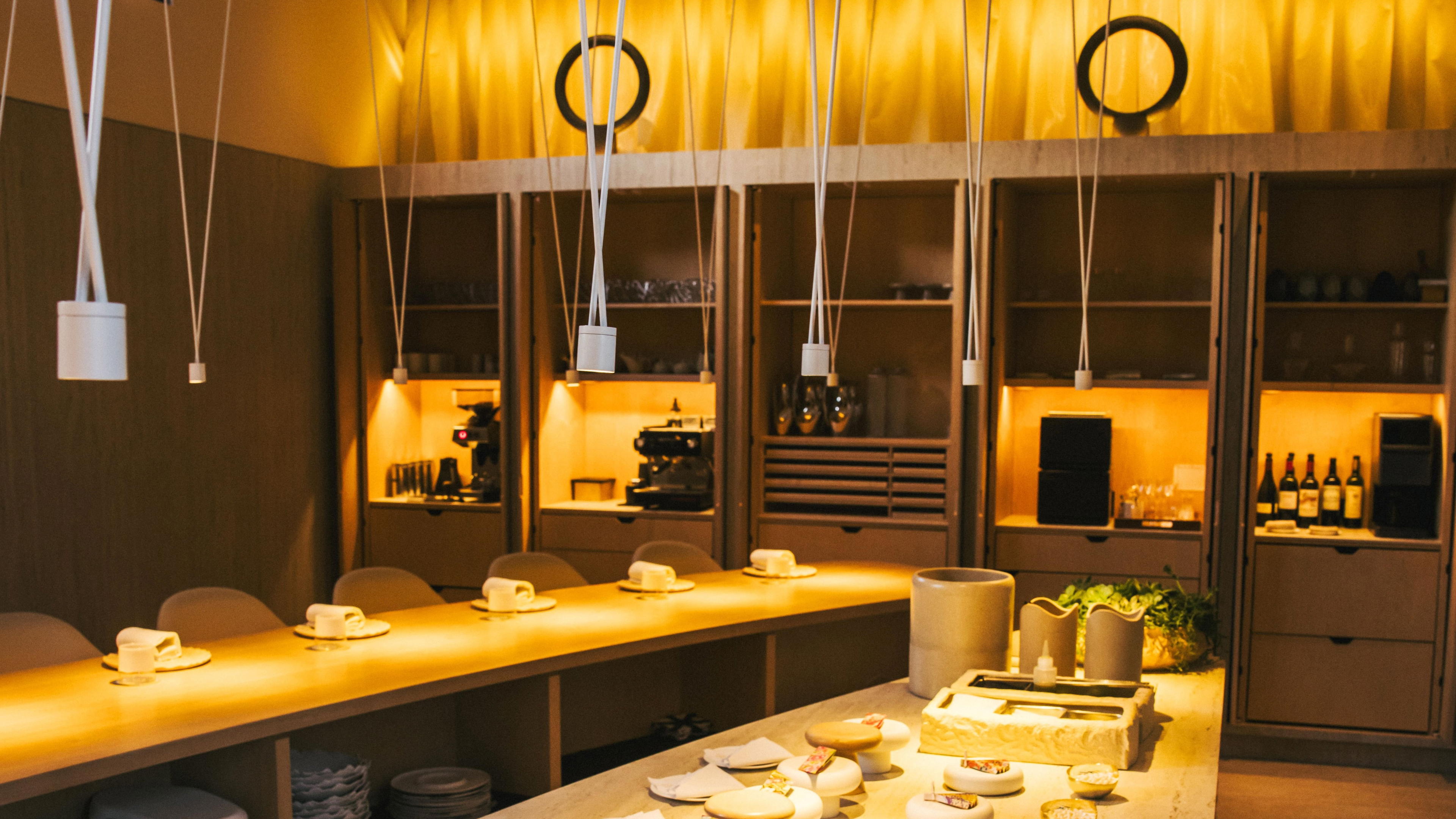
Bars in Beverly Hills
Browse all →
Hotels in Beverly Hills
Browse all →
Wineries in Beverly Hills
Browse all →
At a Glance
- Elegant
- Intimate
- Sophisticated
- Special Occasion
- Chefs Counter
- Sake Program
Intimate counter seating for 10 with meticulous service and focus on ingredient purity.