E. Baldi

Our verdict
Baldi on North Canon Drive occupies a particular position in Beverly Hills Italian dining: a room where the formality of white tablecloths meets the ease of a neighbourhood trattoria that has earned its regulars over decades. The address places it squarely among the enclave's most deliberate restaurant choices, drawing a clientele that returns for consistency rather than novelty.

Pearl is the En Primeur Club membership app, where members save venues, book tables and use the concierge.
The menu
What to order
- Sweet corn tortellini
- Lobster linguine
- Dover sole
North Canon Drive and the Italian Question in Beverly Hills
Beverly Hills has long hosted a strand of Italian dining that sits apart from the city's tasting-menu ambitions. While venues like CUT Beverly Hills and Spago Beverly Hills compete in the high-concept register, a quieter tier of Italian rooms has persisted along the residential corridors north of Wilshire. Baldi, at 375 North Canon Drive, belongs to that tier. The address is telling: Canon Drive runs through a part of Beverly Hills where the street-level energy is unhurried, the buildings lower, and the clientele more local than tourist. This is not the Strip, and the dining culture here reflects that distinction.
Italian cooking in this part of Los Angeles has historically operated at two speeds. There is the quick-service, red-sauce format aimed at volume, and there is the slower, ingredient-led model associated with the Italian-American dining rooms that attracted the entertainment industry decades ago and have sustained that relationship by staying largely unchanged. Baldi is positioned in the second camp. The room signals that immediately: the proportions are considered, the noise level calibrated to conversation, and the sense of occasion present without tipping into ceremony.
Where the Ingredients Sit in the Story
The broader conversation about Italian dining in Los Angeles has shifted decisively toward sourcing over the past decade. Restaurants across the city, from Culver City to Silver Lake, have made provenance central to their identity, citing specific farms, regional DOP designations, and seasonal calendars. That shift reaches its clearest expression in the fine-dining Italian tier, where imported Italian products, California-grown produce, and house-made pasta traditions intersect. In this context, Baldi operates on familiar Italian-American ground: a kitchen where the raw material matters, but the result is a classic dining experience rather than an exercise in sourcing documentation.
This is a meaningful distinction. Restaurants like Culina Ristorante and Caffè and Marea represent different points on the Italian dining spectrum in Beverly Hills, each with its own relationship to imported product, technique, and format. Baldi sits closer to the trattoria tradition than to the chef-driven, produce-as-narrative model, which means its value proposition is consistency and familiarity rather than seasonal surprise. For a segment of the Beverly Hills dining public, that is precisely the point. The room functions as a place where regulars expect to find the same dishes executed to the same standard, season after season.
When comparing this approach to the Italian fine-dining model at its most ambitious elsewhere, the contrast is instructive. 8½ Otto e Mezzo Bombana in Hong Kong or Alain Ducasse at Louis XV in Monte Carlo represent Italian and French fine dining taken to its technical and sourcing extreme. Baldi does not compete in that register, nor does it try to.
The Room and What It Communicates
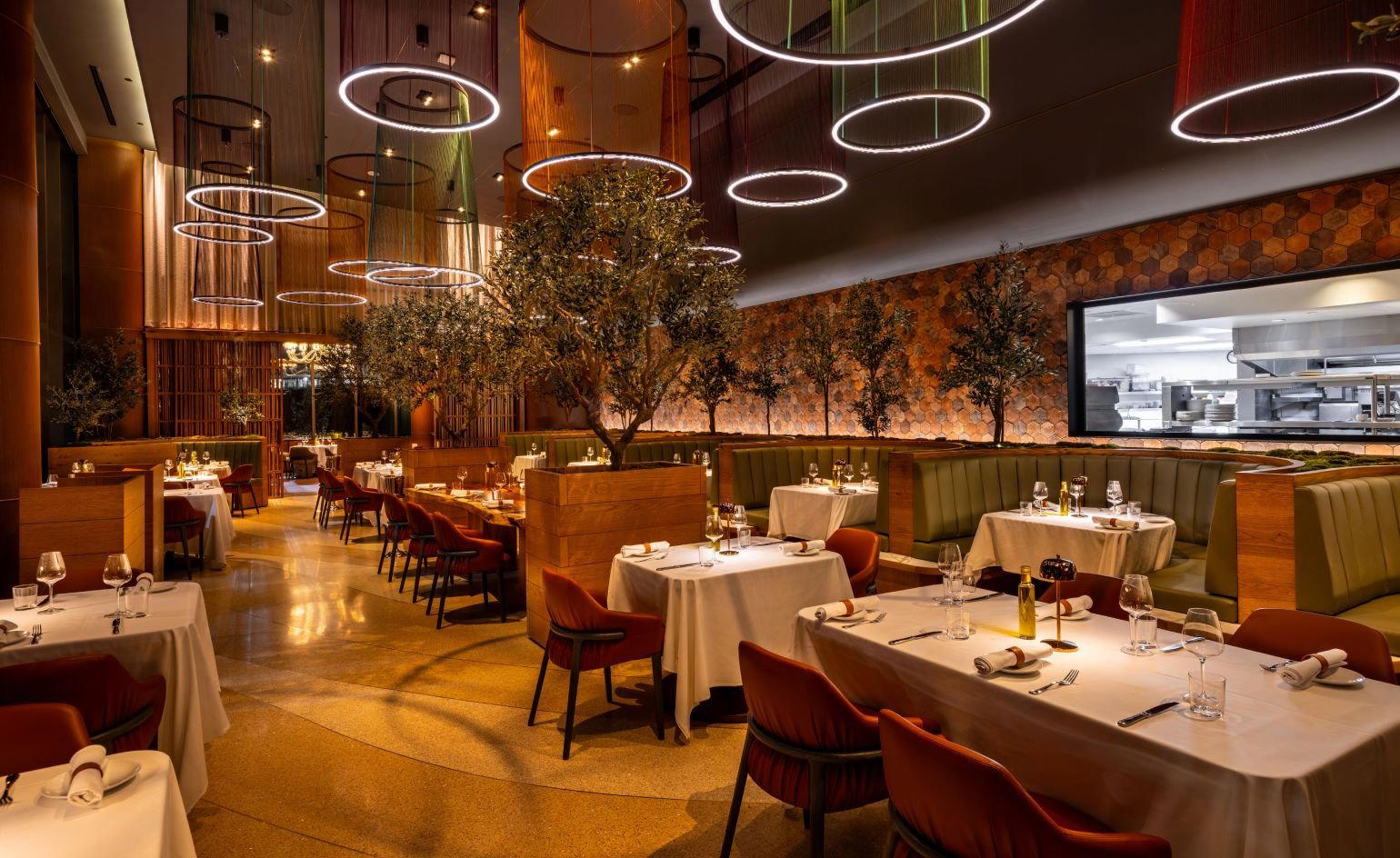
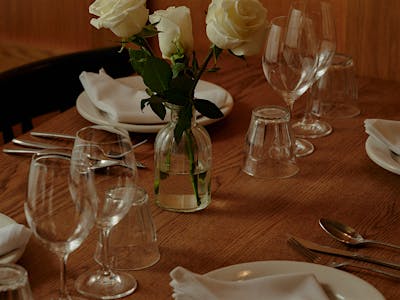
Approaching North Canon Drive, the architecture of the block is residential in scale, a quality that Beverly Hills preserves in its northern grid more deliberately than cities of comparable commercial density. The entrance to Baldi reflects this: the room is not announcing itself to passersby. Inside, the atmosphere belongs to the category of Italian-American dining rooms that prioritised comfort and privacy over design gesture. White tablecloths, close but not crowded tables, and the ambient murmur of a room where people are eating rather than performing eating. Compared to the more theatrically designed spaces associated with newer restaurant openings in Los Angeles, this kind of room now reads as a deliberate choice rather than a dated one.
That atmosphere connects to a broader truth about Beverly Hills dining: the neighbourhood has always maintained a parallel track to Los Angeles food culture more broadly. While the broader city has cycled through izakaya booms, natural wine bars, and hyper-local tasting menu moments, Beverly Hills has retained a significant market for the kind of formal-casual Italian dinner that a certain generation of entertainment industry figures built their professional and social lives around. Esterel operates in a different register entirely, signalling how much the neighbourhood's restaurant range has expanded. But Baldi's positioning speaks to the segment of the market that has not moved on, and does not particularly want to.
Beverly Hills in the California Dining Picture
Any serious engagement with the Beverly Hills restaurant scene requires placing it against the California dining tradition more broadly. The farm-to-table sourcing ethic that defines restaurants like Single Thread Farm in Healdsburg or the hyper-seasonal California French at The French Laundry in Napa has filtered into Beverly Hills in varying degrees. Some rooms have absorbed it fully; others, like Baldi, represent a different California dining lineage: the Italian-American table that arrived in Los Angeles alongside the film industry and has aged with it.
This is not a criticism. In the same way that Emeril's in New Orleans carries the weight of a particular American dining moment, or Le Bernardin in New York City anchors the French fine-dining tradition in Manhattan, Baldi holds a position that is partly about the food and partly about the cultural function the room has served over time. The value of that position depends entirely on whether the kitchen continues to justify the loyalty it has cultivated. For those exploring Beverly Hills dining more widely, our full Beverly Hills restaurants guide maps the complete range, from the format Baldi represents to the newer arrivals reshaping the neighbourhood's dining identity.
Practical considerations are worth noting for first-time visitors. North Canon Drive has street parking available in the surrounding grid, and the location is reachable by rideshare from West Hollywood or Century City without difficulty. For those combining dinner with broader Beverly Hills exploration, our full Beverly Hills hotels guide, bars guide, and experiences guide provide context for building an evening or weekend around the neighbourhood. For those whose interest extends to the wine side, our Beverly Hills wineries guide covers that category separately.
Frequently asked questions
Does Baldi work for a family meal?
Baldi's address on North Canon Drive places it in a quieter, residential-scale stretch of Beverly Hills rather than the high-traffic commercial corridor, which tends to support a more relaxed dining pace. That setting makes it a reasonable choice for a family gathering compared to louder, larger-format venues in the area. Confirm current availability and table configurations directly with the restaurant before booking for a larger group.
What should I expect atmosphere-wise at Baldi?
The North Canon Drive block retains a low-rise, residential character that sets it apart from the busier sections of Beverly Hills, and Baldi sits within that quieter context. The room communicates the kind of measured restraint that Italian trattoria tradition tends to favor over theatrical staging. It reads more as a neighbourhood fixture than a destination performance space.
How does Baldi fit into the broader Italian dining scene in Los Angeles?
Baldi occupies a specific address at 375 N Canon Drive in Beverly Hills, which places it within a small cluster of Italian restaurants operating at a remove from Los Angeles's more trend-driven dining corridors. The Beverly Hills Italian category has historically attracted a clientele drawn to consistency and classical cooking over the seasonal tasting-menu format that dominates much of the wider LA scene. For diners building an itinerary around Italian food in California, Baldi represents the Beverly Hills iteration of that tradition rather than the newer sourcing-led model emerging in areas like Silver Lake or Venice.
What should I order at Baldi?
Specific menu details are best confirmed directly with the restaurant, as dishes and seasonal availability change. Baldi operates within a Beverly Hills Italian dining tradition that has historically prioritized classic preparations over trend-driven menus. Asking the floor staff for the day's recommendations is the most reliable approach.
Where is Baldi located?
Baldi is located at 375 N Canon Dr, Beverly Hills, CA 90210, Beverly Hills.
Can I walk in to Baldi?
Walk-in availability at Baldi on North Canon Drive varies by day and time, and Italian restaurants at this address level in Beverly Hills tend to fill steadily during prime dinner hours. Calling ahead or booking in advance is the more dependable approach, particularly for weekend evenings. Current hours and reservation policy are best confirmed directly with the venue.
What do critics highlight about Baldi?
Baldi has drawn attention as part of a strand of Beverly Hills Italian dining that sits outside the city's tasting-menu circuit, prioritising a more traditional register. Critics working the Los Angeles Italian scene have positioned venues on North Canon Drive as counterweights to the format-heavy restaurants further south on Wilshire and in West Hollywood. Specific review citations are worth checking across Los Angeles-focused publications for the most current editorial record.
Comparison Snapshot
Comparable venues nearby, for context on price, style, and recognition.
| Venue | Cuisine | Price | Notes |
|---|---|---|---|
| BaldiThis venue (the venue you are viewing) | Tuscan Steakhouse | Not listed | Not listed |
| Gucci Osteria | Modern Italian Fine Dining | Not listed | Beverly Hills |
| Marea | High-End Coastal Italian | Not listed | Beverly Hills |
| Costa Covo | Coastal Italian Osteria | $50–100 | Beverly Hills |
| The Brothers Sushi, Beverly Hills | Modern Japanese Omakase | $150–200 | Beverly Hills |
| La Scala 🇮🇹 | Classic Italian Trattoria | $50–100 | Beverly Hills |
Recognition history
Dated appearances from independent guides and award organizations, with the underlying list record or original source where available.
Opinionated About Dining Top Restaurants in North America Recommended
Opinionated About Dining
Full recognition history (4 entries)
Opinionated About Dining Top Restaurants in North America Ranked #312
Opinionated About Dining
Opinionated About Dining Top Restaurants in North America Ranked #330
Opinionated About Dining
Opinionated About Dining Top Restaurants in North America Highly Recommended
Opinionated About Dining
Continue exploring
More in Beverly Hills
Restaurants in Beverly Hills
All restaurants in Beverly Hills →
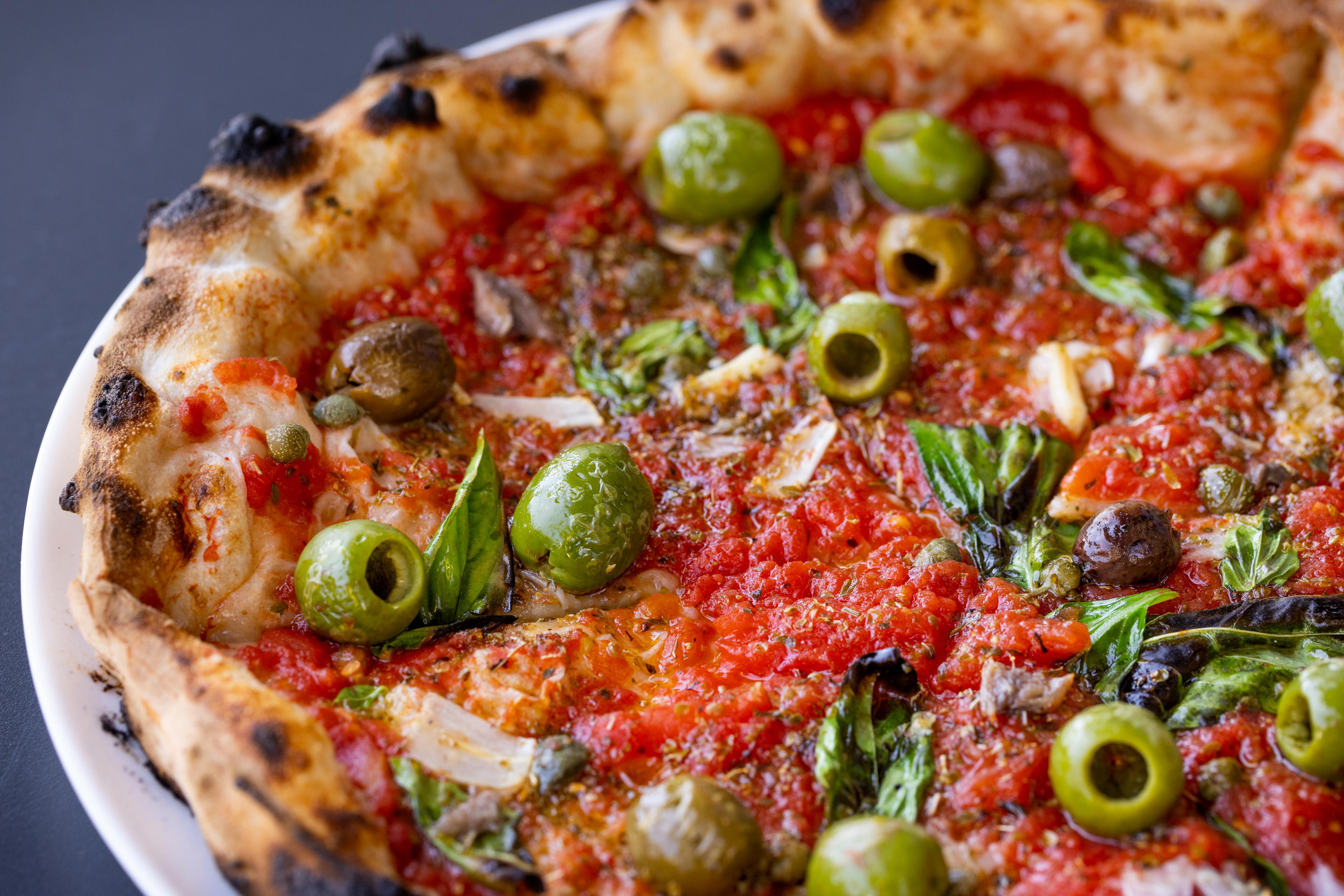
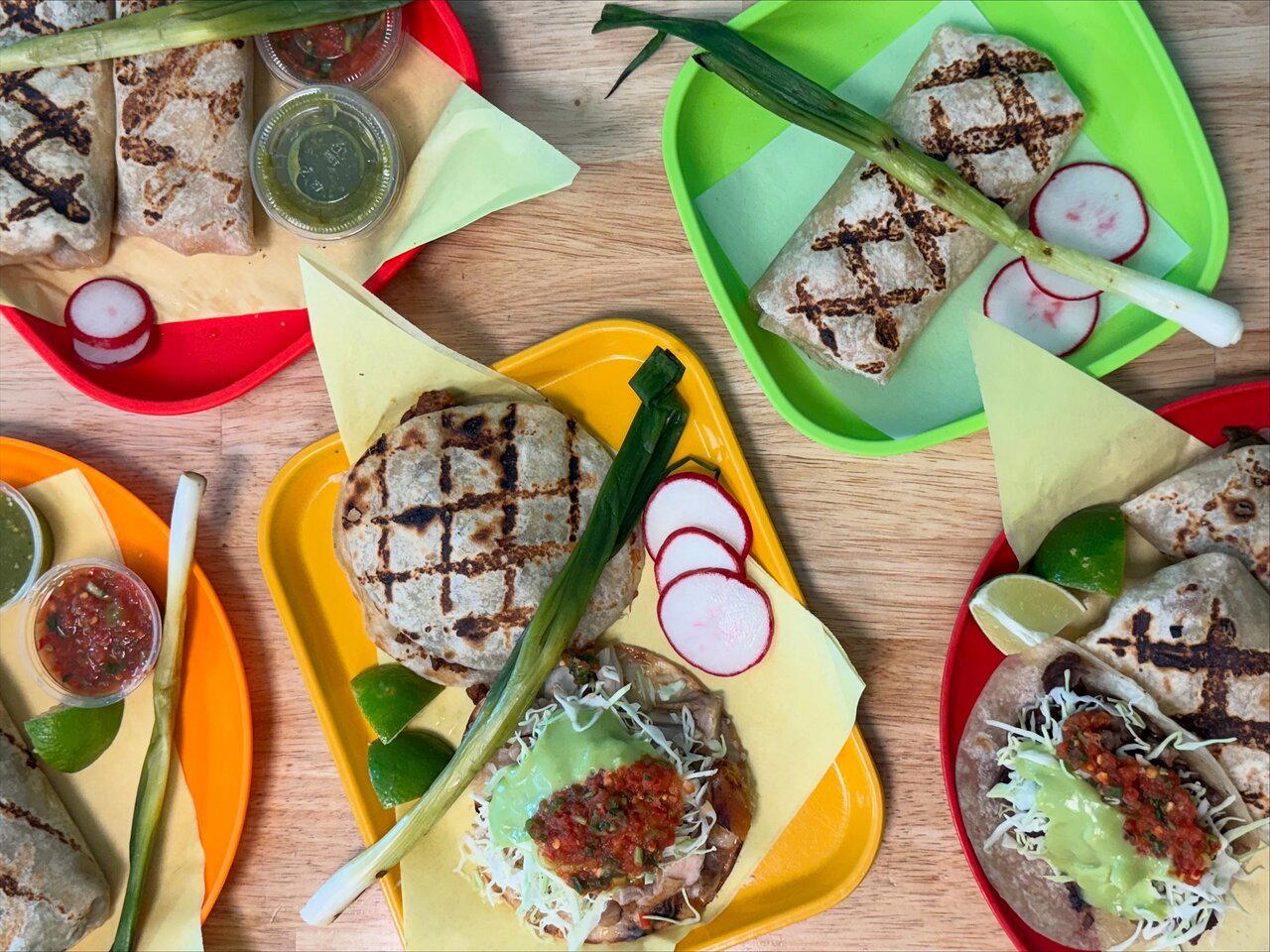
Bars in Beverly Hills
All bars in Beverly Hills →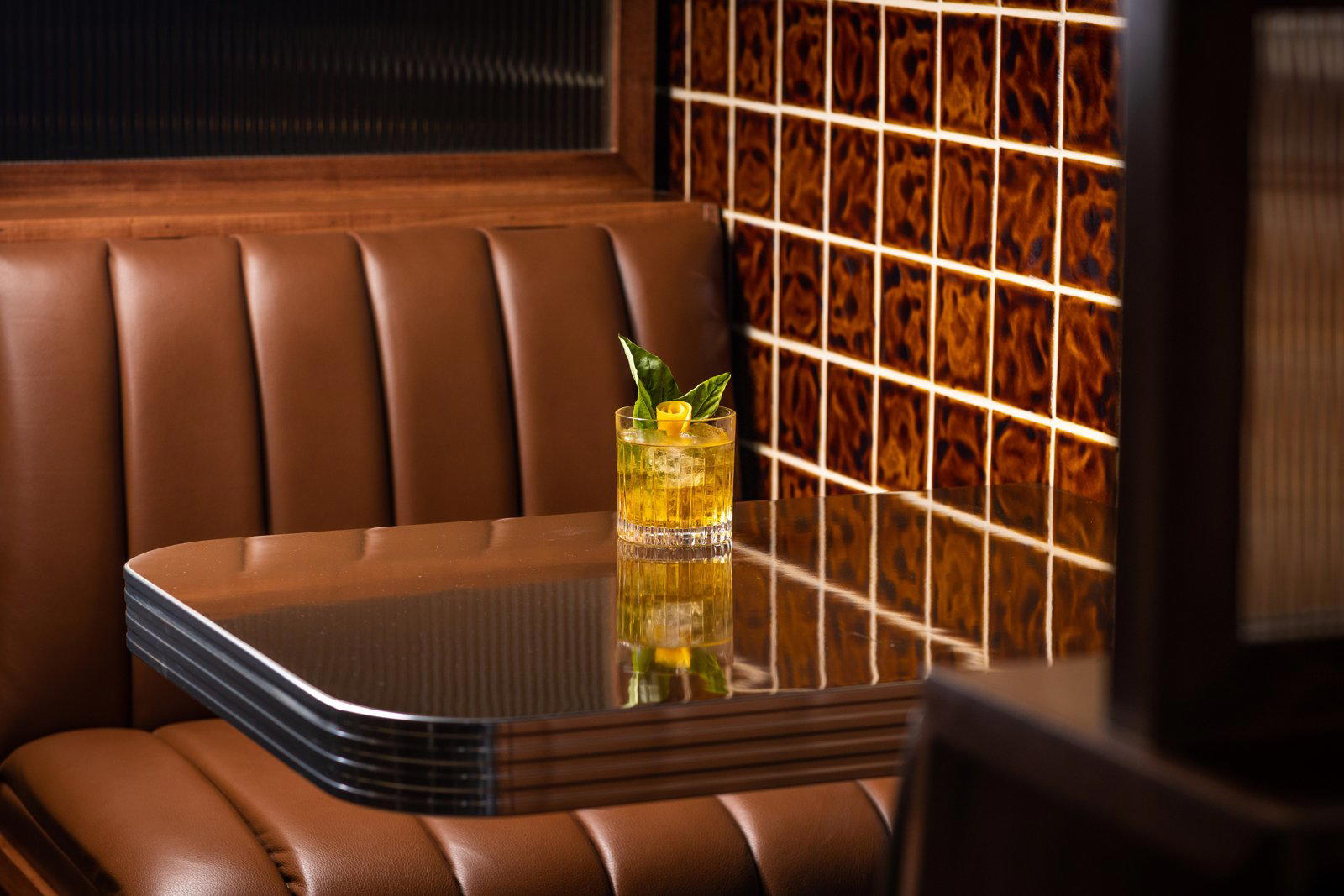
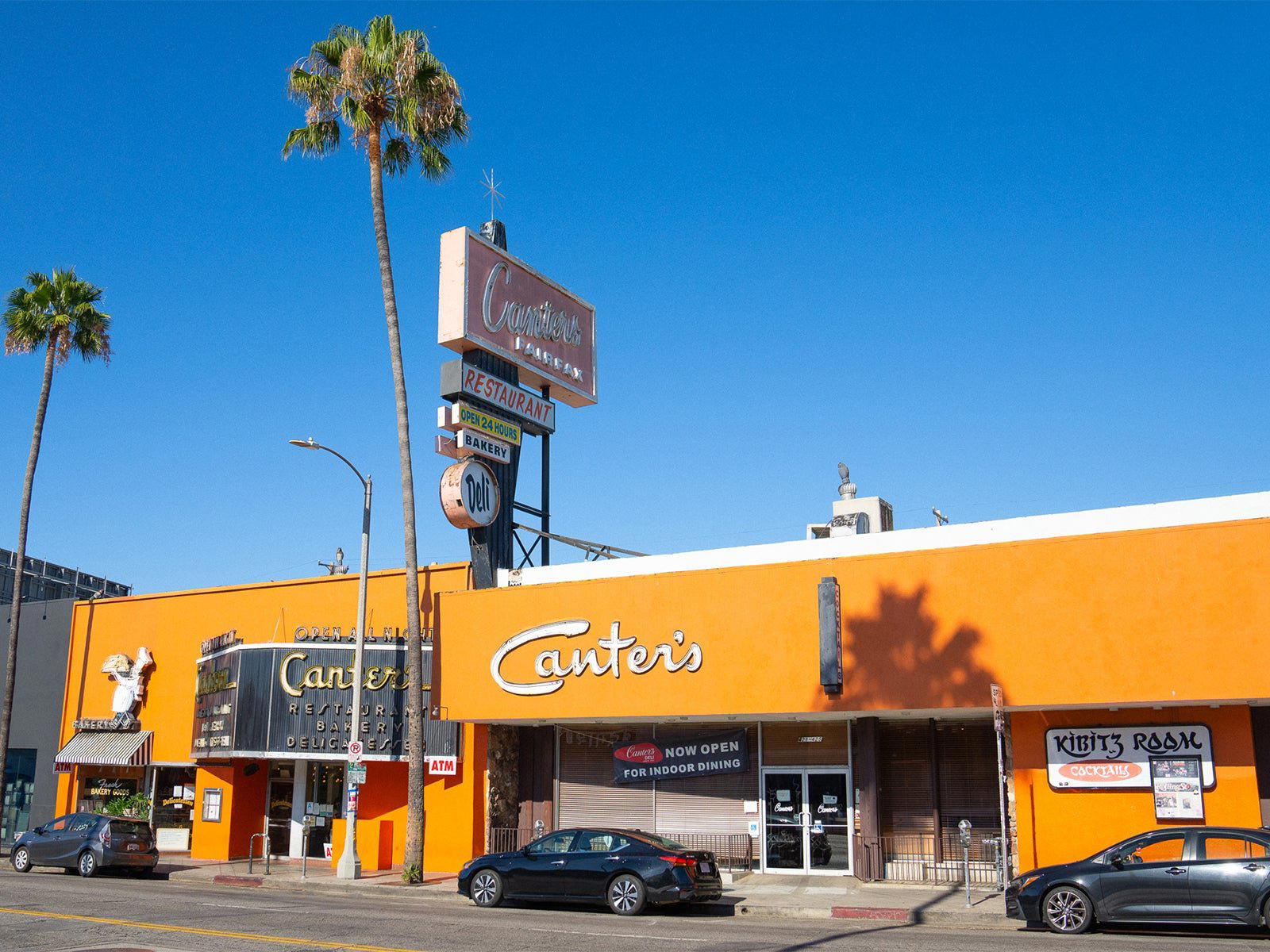
Hotels in Beverly Hills
All hotels in Beverly Hills →
Wineries in Beverly Hills
Browse all →
Details
- Elegant
- Sophisticated
- Cozy
- Intimate
- Date Night
- Special Occasion
- Business Dinner
- Open Kitchen
- Private Dining
- Terrace
- Extensive Wine List
- Craft Cocktails
- A La Carte
- Vegetarian Friendly
Current opening hours
- Monday
- Closed
- Tuesday
- 5–10 PM
- Wednesday
- 5–10 PM
- Thursday
- 12–3 PM, 5–10 PM
- Friday
- 12–3 PM, 5–10 PM
- Saturday
- 12–3 PM, 5–10 PM
- Sunday
- Closed
Hours can change for holidays and private events. Hours as of .
Terracotta-toned dining room with woven lanterns, olive trees, and rustic Italian warmth balanced by modern polish.