Where Japan meets Barcelona inside one of the Passeig de Gràcia's most prominent luxury addresses, this restaurant occupies a distinct niche in the city's high-end dining scene: a kitchen that draws on Japanese technique and precision while working within a Spanish culinary context. It sits alongside peers like Disfrutar and Lasarte in the upper tier of Barcelona's creative fine dining, but with a cross-cultural editorial identity that sets it apart from both.
- Address
- Barcelona, Spain
- Directions
- Get directions
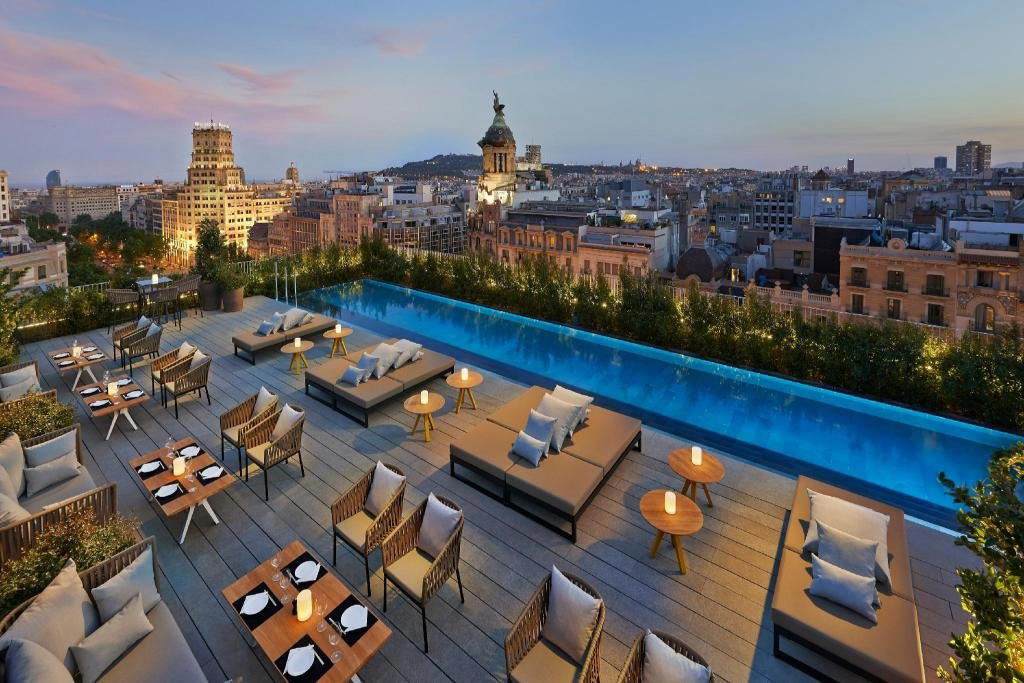
Where Two Culinary Traditions Meet on Passeig de Gràcia
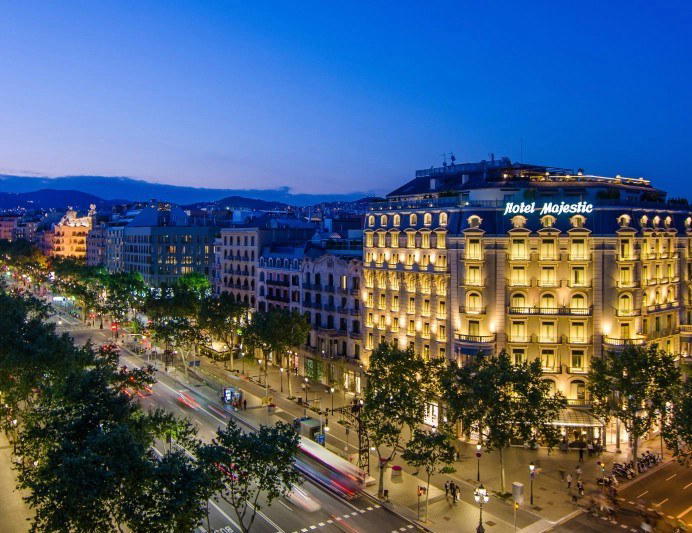
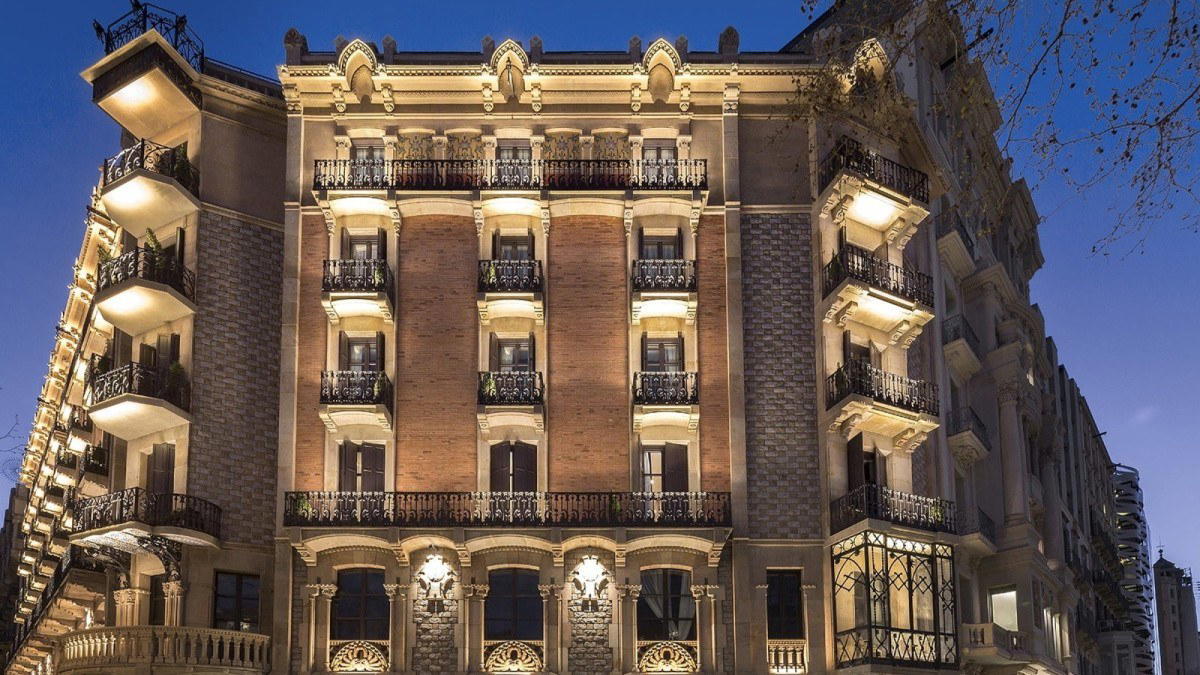
Barcelona's premium dining addresses have long clustered around the Eixample grid, with Passeig de Gràcia functioning as the city's most legible luxury corridor. The Mandarin Oriental property on that boulevard has positioned its food and beverage programme as a serious participant in the city's creative fine dining conversation, not merely a hotel amenity. The restaurant concept operating under the banner of Japan meets Barcelona sits within that broader ambition: a kitchen that treats Japanese technique as a structural language rather than a decorative overlay, applied to ingredients and flavour logic that remain recognisably rooted in the Iberian tradition.
That cross-cultural framework is less niche in Barcelona than it might appear from the outside. The city has absorbed Japanese culinary influence at multiple price points, from neighbourhood izakaya-style counters in Gràcia to high-precision omakase formats in the Eixample. What the Mandarin Oriental setting adds is a particular register: the formal service cadence, the architectural dining room, and the expectation of a guest who is comparing this experience laterally against other €€€€-tier tables rather than treating it as a novelty. In that context, the Japan-Spain fusion framing becomes a positioning statement as much as a culinary description.
The Sensory Register of the Room
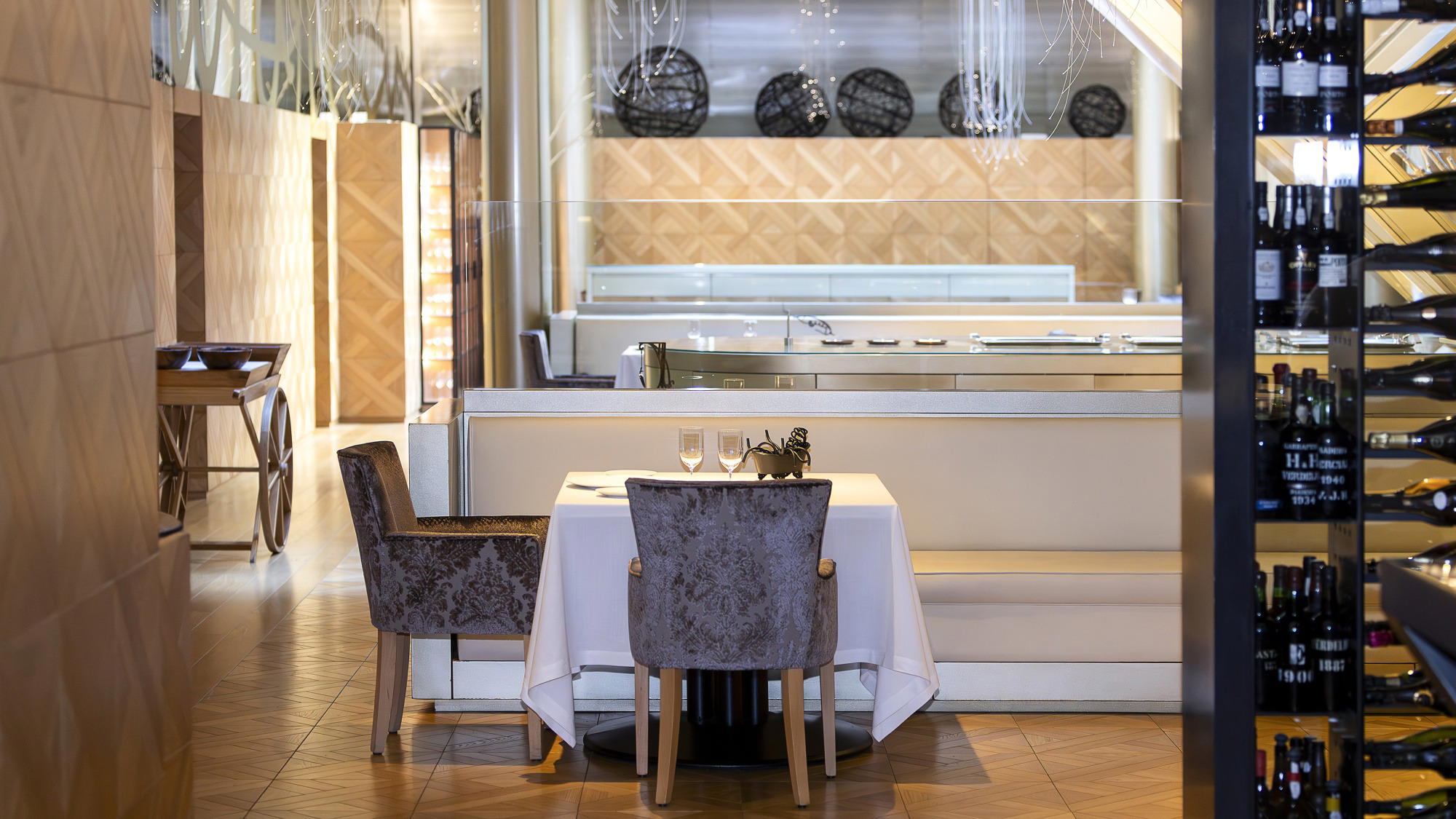
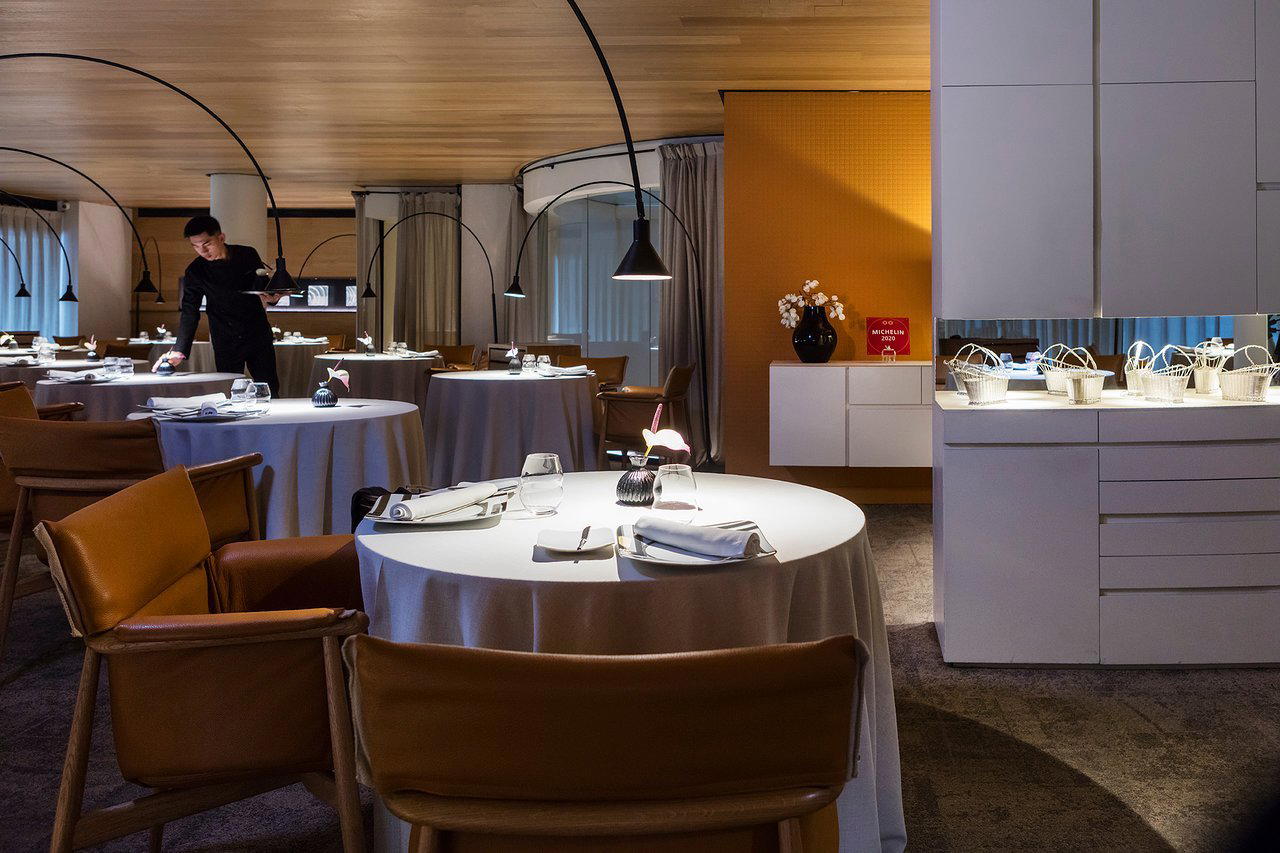
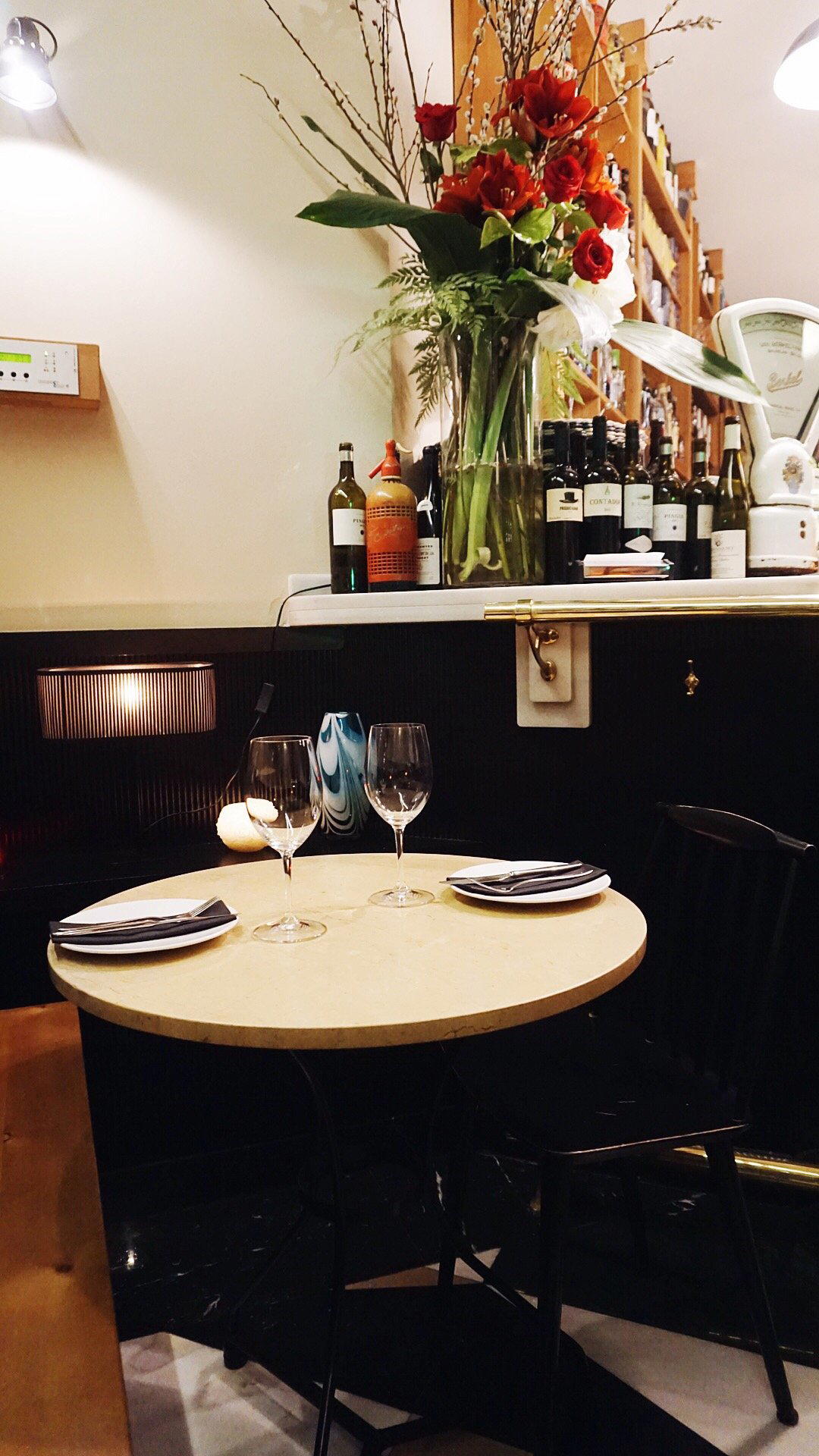
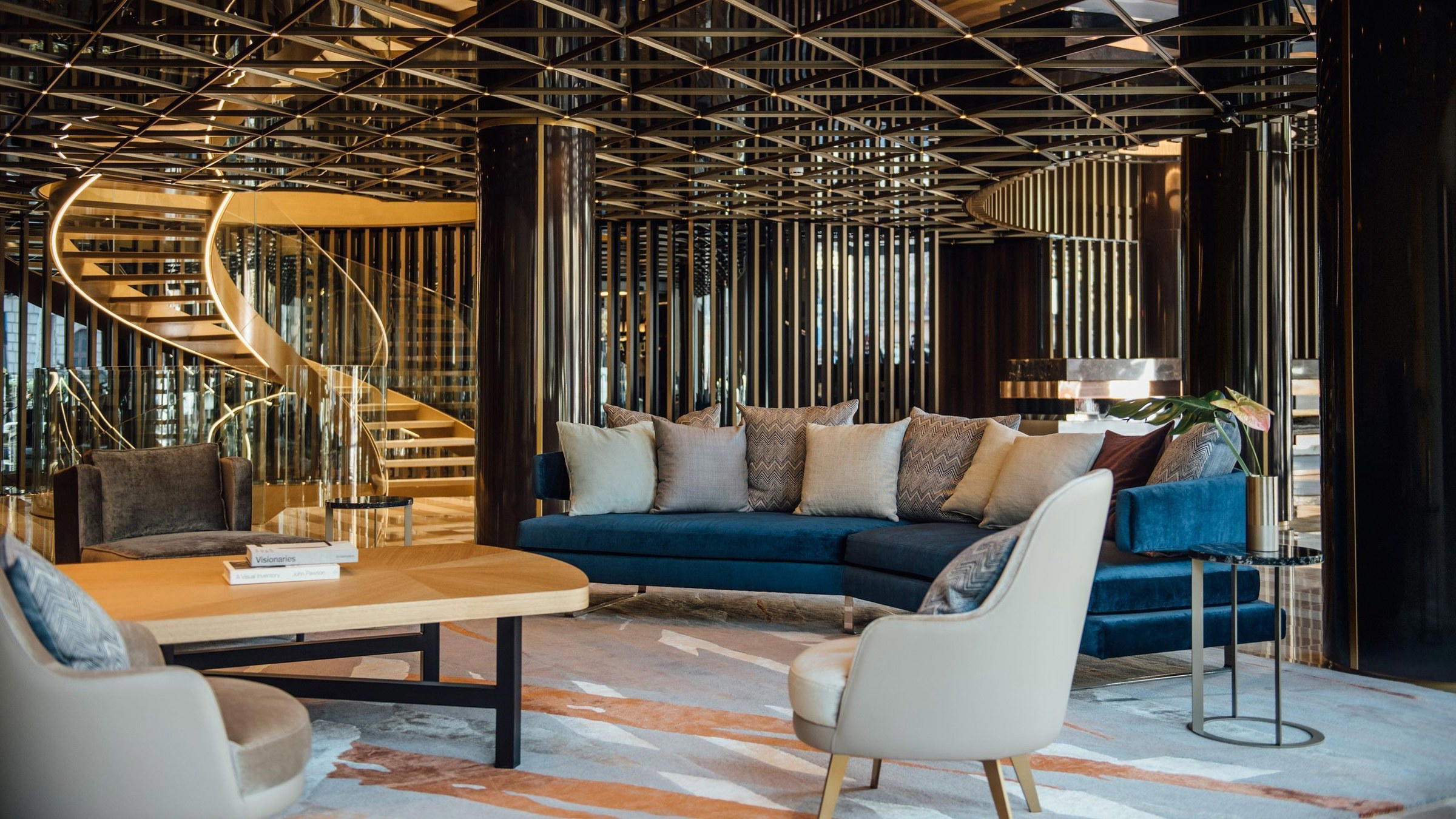
Fine dining inside a luxury hotel property in Barcelona tends toward a specific aesthetic: high ceilings, controlled acoustics, and a décor language that references local modernisme without reproducing it literally. The Mandarin Oriental's Passeig de Gràcia address amplifies this tendency. Dining here involves a kind of layered formality where the physical environment does significant work before a dish arrives: the quality of light, the spacing between tables, the way sound behaves in the room. These are not incidental details. At this price tier, atmosphere is part of what the guest is purchasing, and the hotel's design investment makes that legible from the moment of arrival.
Japanese-inflected fine dining in particular tends to create a specific sensory contract with the diner: precision over abundance, negative space over maximalism, temperature and texture treated as seriously as flavour. When that sensory logic is applied inside a setting with European formality rather than the spare counter aesthetic of a Tokyo kaiseki room, the result is a tension that can be productive. The leading cross-cultural kitchens use that tension deliberately. Barcelona's creative dining scene, anchored by restaurants like Disfrutar (Progressive, Creative) and Enigma (Creative), has demonstrated that high-concept framing can coexist with genuine pleasure at the table. The question for any Japan-Spain hybrid at this level is whether the concept discipline reaches the plate.
Situating the Concept in Barcelona's Creative Tier
Barcelona currently operates one of Europe's most concentrated clusters of creative fine dining. Cocina Hermanos Torres (Creative) works within an extraordinary converted gas plant, while Lasarte (Progressive Spanish, Creative) and ABaC (Creative) represent the city's more classically structured luxury formats. Disfrutar, the current reference point for avant-garde ambition in the city, competes at the highest level internationally. Within that comparable set, a hotel restaurant concept built around the Japan-Spain axis occupies a specific position: it is neither especially technically radical option nor especially tradition-bound, but rather a format that asks whether two distinct culinary philosophies can produce something coherent rather than merely cosmopolitan.
Across Spain more broadly, the creative fine dining field is dense with reference points. El Celler de Can Roca in Girona, Mugaritz in Errenteria, and Azurmendi in Larrabetzu all operate within creative frameworks that draw on international influence while remaining anchored in Spanish product and territory. The cross-cultural model at the Mandarin Oriental sits in that broader national conversation about what Spanish fine dining can absorb and transform. Further afield, the Japan-meets-Western format has produced particularly discussed restaurants of the past decade globally, from the Korean-American precision of Atomix in New York City to the French-Japanese rigour of Le Bernardin in New York City. Barcelona's version of this conversation is necessarily filtered through local product: the seafood of the Costa Brava, the vegetables of the Penedès, the charcuterie traditions of Catalonia.
Planning Your Visit
The Mandarin Oriental on Passeig de Gràcia is accessible by metro from central Barcelona, with Passeig de Gràcia station a short walk away. For a restaurant operating at this tier inside a five-star hotel, booking well in advance is the operative approach, particularly for dinner during peak season from April through October when Barcelona's restaurant tables at the €€€€ level fill quickly. The hotel's concierge infrastructure typically means that reservation enquiries can be routed through the property directly, which is a reliable channel for guests staying in-house. For external diners, contacting the restaurant directly via the hotel's website is the recommended approach.
Barcelona's creative dining scene rewards sequential exploration rather than single visits. For travellers moving beyond Barcelona, Spain's wider fine dining circuit, including Aponiente in El Puerto de Santa María, Arzak in San Sebastián, Quique Dacosta in Dénia, Martin Berasategui in Lasarte-Oria, Ricard Camarena in València, Atrio in Cáceres, and DiverXO in Madrid, provides a fuller map of what creative Spanish cuisine currently looks like at its most ambitious.
Compact Comparison
Comparable venues nearby, for context on price, style, and recognition.
| Venue | Cuisine | Price | Notes |
|---|---|---|---|
| Japan Meets Barcelona in Mandarin OrientalThis venue — the venue you are viewing | Eixample, Japanese Fusion | $$$$ | Not listed |
| Pakta | Not listed | $$$$ | Poble Sec, Nikkei (Peruvian-Japanese Fusion) |
| Mantis | Not listed | $$$$ | l'Antiga Esquerra de l'Eixample, Asian-Catalan Fusion |
| Casa Xica | el Poble Sec, Catalan-Asian Fusion | $$$ | Not listed |
| El racó d'en Cesc | Not listed | $$$$ | l'Antiga Esquerra de l'Eixample, Modern Catalan Cuisine |
| COYA Barcelona | Port Vell, Peruvian Fusion | $$$$ | Not listed |
Continue exploring
More in Barcelona
Restaurants in Barcelona
Browse all →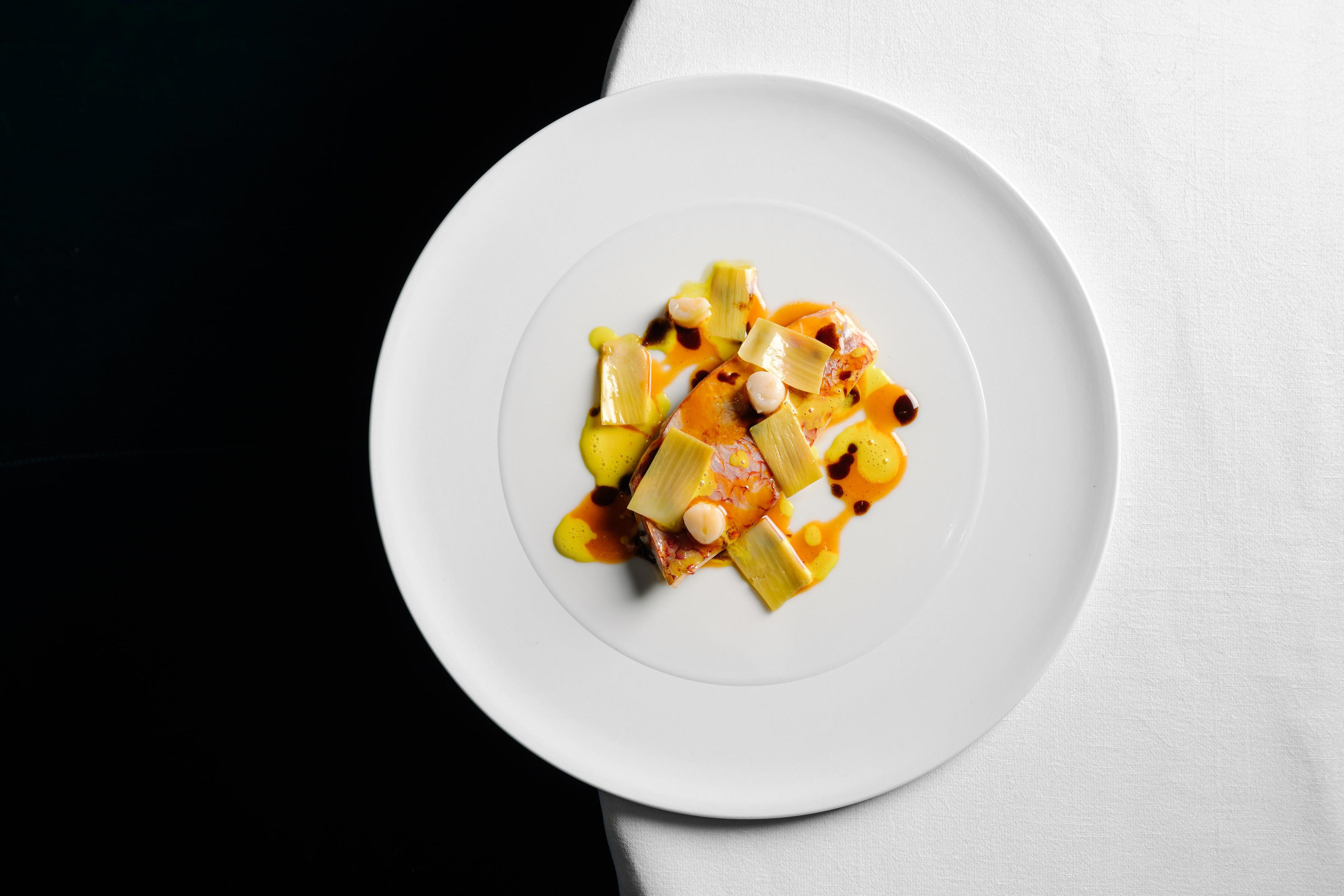
Bars in Barcelona
Browse all →
Hotels in Barcelona
Browse all →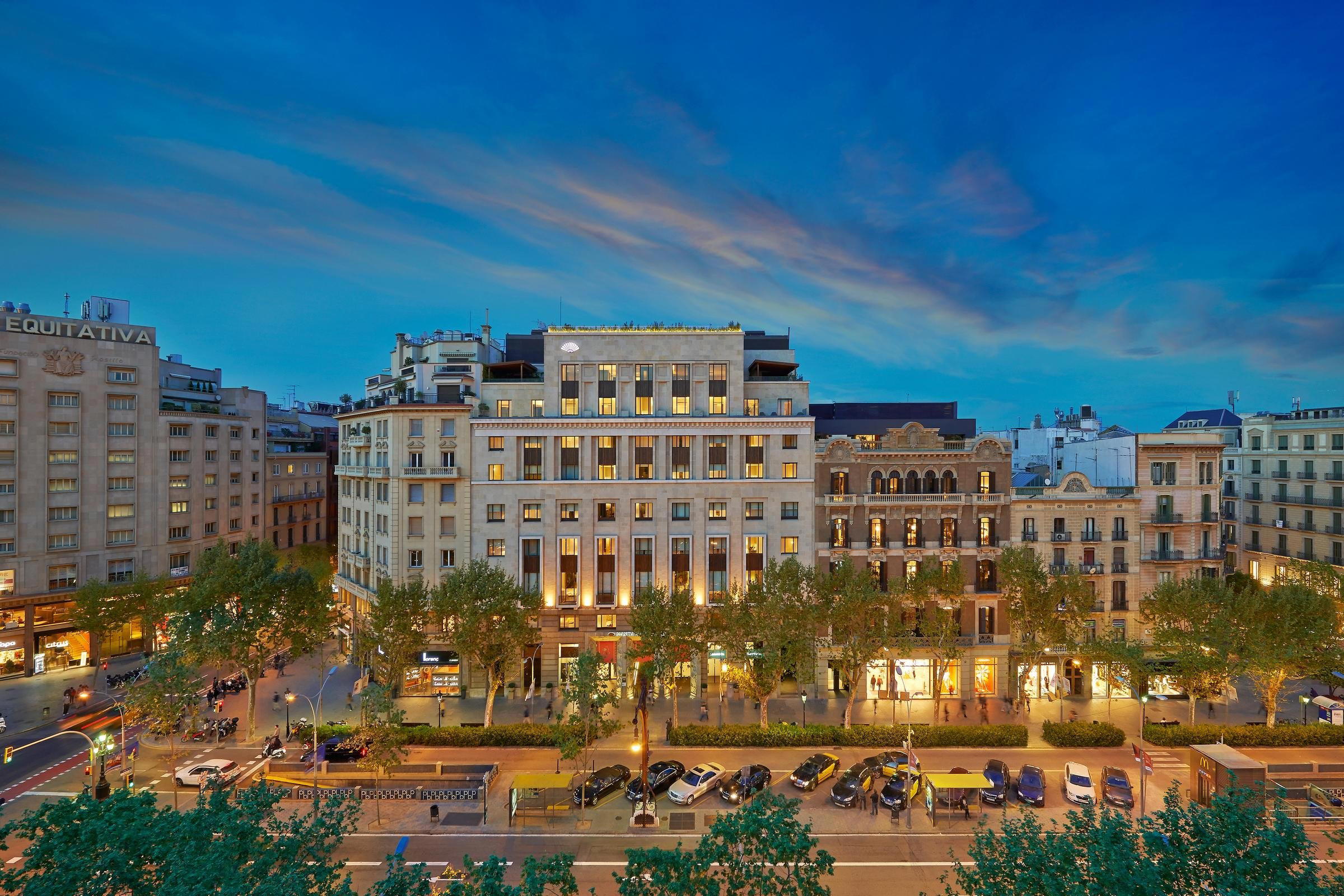
At a Glance
- Elegant
- Sophisticated
- Special Occasion
- Date Night
- Hotel Restaurant
- Sake Program
Elegant and sophisticated atmosphere with refined lighting suitable for special occasions.