Jamuna
Jamuna occupies a canal-side address at Weerd 26-28 in Leeuwarden, placing it in a city whose dining scene has quietly grown in ambition over the past decade. The restaurant operates within a broader northern Netherlands tradition that prizes direct supply chains and regional produce, setting it apart from the Italian-leaning competition that dominates the city centre.
Pearl is the En Primeur Club membership app — saves, bookings, and concierge access live there. Same editors, same standards.
- Address
- Weerd 26-28, 8911 HM Leeuwarden, Netherlands
- Phone
- +31582131435
- Website
- jamuna.nl
- Directions
- Get directions
 Saves & bookings on Pearl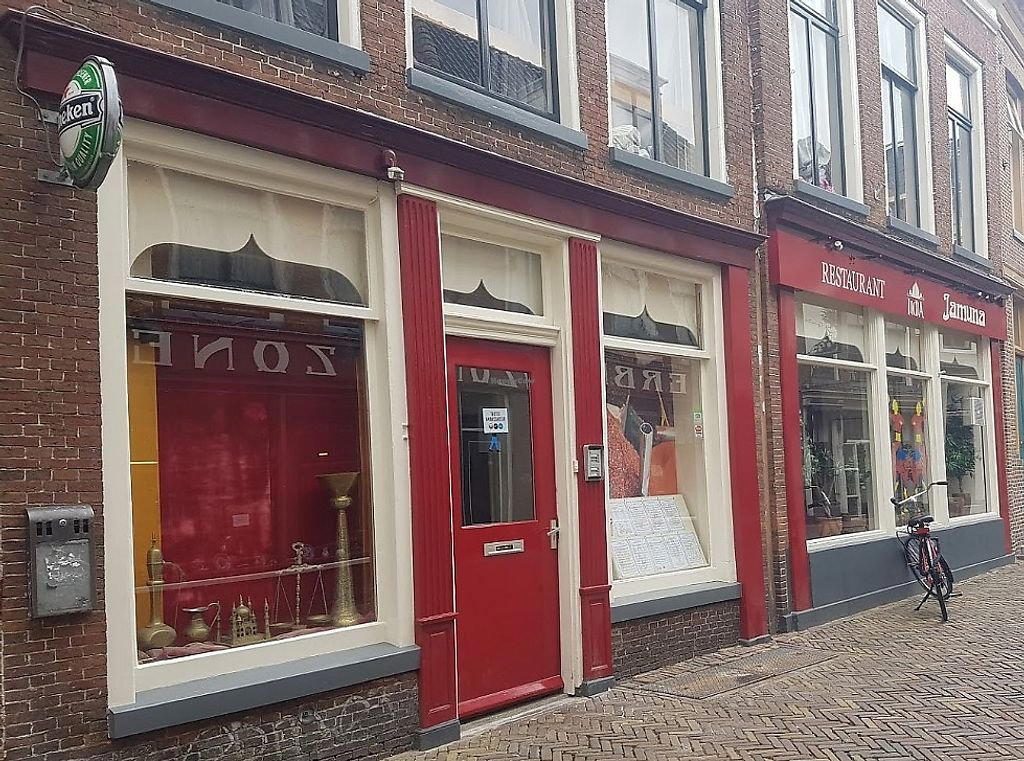
A Canal Address in a City Finding Its Dining Voice
Weerd is one of Leeuwarden's older canal-side streets, where the gabled facades that line the water have seen a slow but steady conversion from residential to hospitality use. It is the kind of address that rewards the visitor who looks beyond the main market square: quieter, more local in character, and increasingly home to restaurants that serve the city's own residents rather than passing trade. Jamuna sits at numbers 26-28 on that stretch, a positioning that tells you something about its orientation before you walk through the door.
Leeuwarden's dining scene has always operated at a remove from the Netherlands' two obvious food capitals. Amsterdam concentrates the starred kitchens and the international press; the Randstad absorbs most of the investment. What the north offers instead is proximity to source: Frisian dairy, North Sea catch landed at nearby ports, produce from the polder farms that begin almost at the city's edge. The restaurants that have made the strongest case for Leeuwarden as a food destination in recent years are those that treat this proximity as a structural advantage rather than a consolation prize.
What the Frisian Supply Chain Looks Like on the Plate
The ingredient argument for northern Netherlands dining is worth taking seriously. Friesland sits at the junction of some of the Netherlands' most productive agricultural and maritime supply lines. The Wadden Sea, a UNESCO-listed tidal ecosystem, produces shellfish and flatfish under conditions that are difficult to replicate further south. Frisian cattle farming has a centuries-old identity distinct from the industrialised dairy belt closer to Utrecht and Noord-Holland. For a kitchen at Weerd 26-28, these are not abstract regional claims: the logistics of getting fresh product from farm or harbour to table are measurably shorter here than they would be in a city further from the source.
That supply-chain advantage is most legible in how northern Netherlands kitchens handle fish and dairy, the two categories where Frisian provenance carries the clearest credential. The restaurants in Leeuwarden that have attracted sustained attention from Dutch food media tend to be those that treat local sourcing as a culinary position rather than a marketing note — where the origin of an ingredient shapes how it is prepared rather than simply where it appears on the menu. For reference points further afield, De Nieuwe Winkel in Nijmegen has built a recognised identity around local and plant-based sourcing, and De Groene Lantaarn in Staphorst operates on a similarly tight regional brief. Both demonstrate that Dutch provincial dining can carry genuine culinary authority when the sourcing logic is followed with discipline.
Leeuwarden's Competitive Set
Within the city, Jamuna operates in a dining environment that skews Mediterranean in its reference points. Bistro Aragosta, priced at the €€ tier, anchors the French end of the spectrum. The Italian tradition is well represented: Fellini Leeuwarden, Pecorino Wijn & Eetbar, and Pizzeria Sardegna all draw on southern European culinary language, as does Burgemeester van Napels. A restaurant that anchors its identity in northern European produce rather than imported culinary frameworks occupies a genuinely distinct position in that local competitive set.
For broader regional context, the Netherlands' most discussed kitchens have generally clustered in the centre and south: Ciel Bleu in Amsterdam, Aan de Poel in Amstelveen, De Bokkedoorns in Overveen, De Lindehof in Nuenen, and De Lindenhof in Giethoorn represent the tier of kitchen that has earned sustained Michelin attention. De Librije in Zwolle and 't Nonnetje in Harderwijk demonstrate that the north and east can produce kitchens of comparable ambition. Brut172 in Reijmerstok adds to the case that serious cooking has migrated well beyond Amsterdam. Leeuwarden fits that wider Dutch pattern of provincial kitchens building credibility through specificity of place rather than proximity to capital-city attention.
Internationally, the ingredient-first sourcing model that these kitchens share has equivalents at a much higher price tier: Le Bernardin in New York City has long made the argument that absolute sourcing rigour is a form of technique, while Atomix in New York City demonstrates how tight provenance logic can anchor a tasting menu format at the highest level. The principle scales down as well as up.
Planning a Visit
Jamuna's address at Weerd 26-28 in the 8911 HM postal district places it within walking distance of Leeuwarden's historic centre, making it accessible from most of the city's central accommodation without requiring transport. Leeuwarden is served by direct rail connections from Amsterdam Centraal, with journey times typically under two hours, which positions the city as a reasonable day-trip or short-break destination for visitors based in the Randstad who want to eat outside the obvious circuit. Booking ahead is advisable for evening sittings, particularly on weekends, when canal-side restaurants in Leeuwarden fill from both local and visitor demand. Specific hours, pricing, and online booking routes are best confirmed directly with the restaurant, as operational details for this address were not available at time of writing.
Visitors combining Jamuna with broader dining exploration in the city will find the full range of Leeuwarden's options detailed in our full Leeuwarden restaurants guide.
How Jamuna Leeuwarden compares with similar nearby venues.
| Venue | Cuisine | Price |
|---|---|---|
| Bistro Aragosta | French | €€ |
| Restaurant Eindeloos | Modern Cuisine | €€€ |
Continue exploring
More in Leeuwarden
At a Glance
- Lively
- Casual Hangout
- Family
Current opening hours
- Monday
- Closed
- Tuesday
- 5–10 PM
- Wednesday
- 5–10 PM
- Thursday
- 5–10 PM
- Friday
- 5–10 PM
- Saturday
- 5–10 PM
- Sunday
- 5–10 PM
Hours can change for holidays and private events. Last verified .
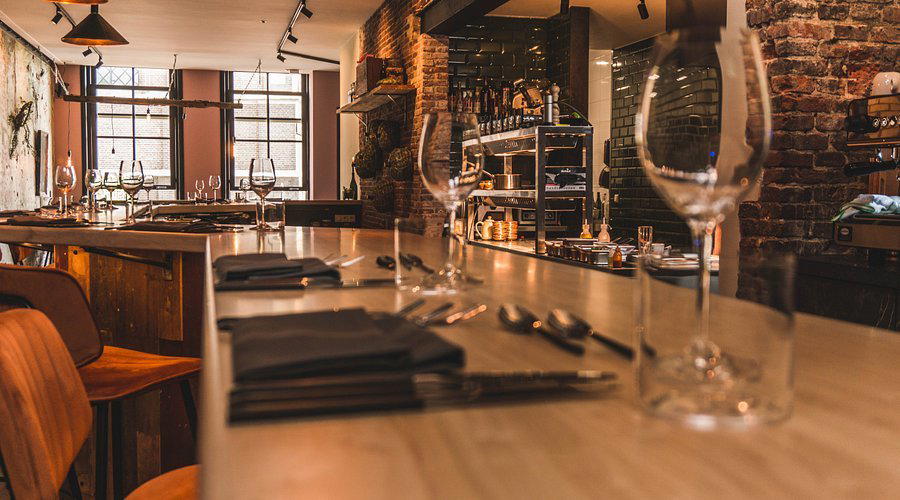
Relaxed yet bustling atmosphere with lively energy.
Know Before You Go
- Getting there
- Weerd 26-28, 8911 HM Leeuwarden, Netherlands