Fellini Leeuwarden
Fellini Leeuwarden occupies a prominent address on Wilhelminaplein in the heart of Friesland's capital, placing it within a dining scene that has quietly developed serious range over the past decade. The name signals Italian cultural reference in a city better known for its Dutch heritage, raising an immediate question about where this restaurant sits relative to Leeuwarden's broader Italian and modern-European options.
 Discover on Pearl
Pearl is the En Primeur Club membership app — saves, bookings, and concierge access live there. Same editors, same standards.
- Address
- Wilhelminaplein 20, 8911 BS Leeuwarden, Netherlands
- Phone
- +31582120690
- Website
- fellinileeuwarden.nl
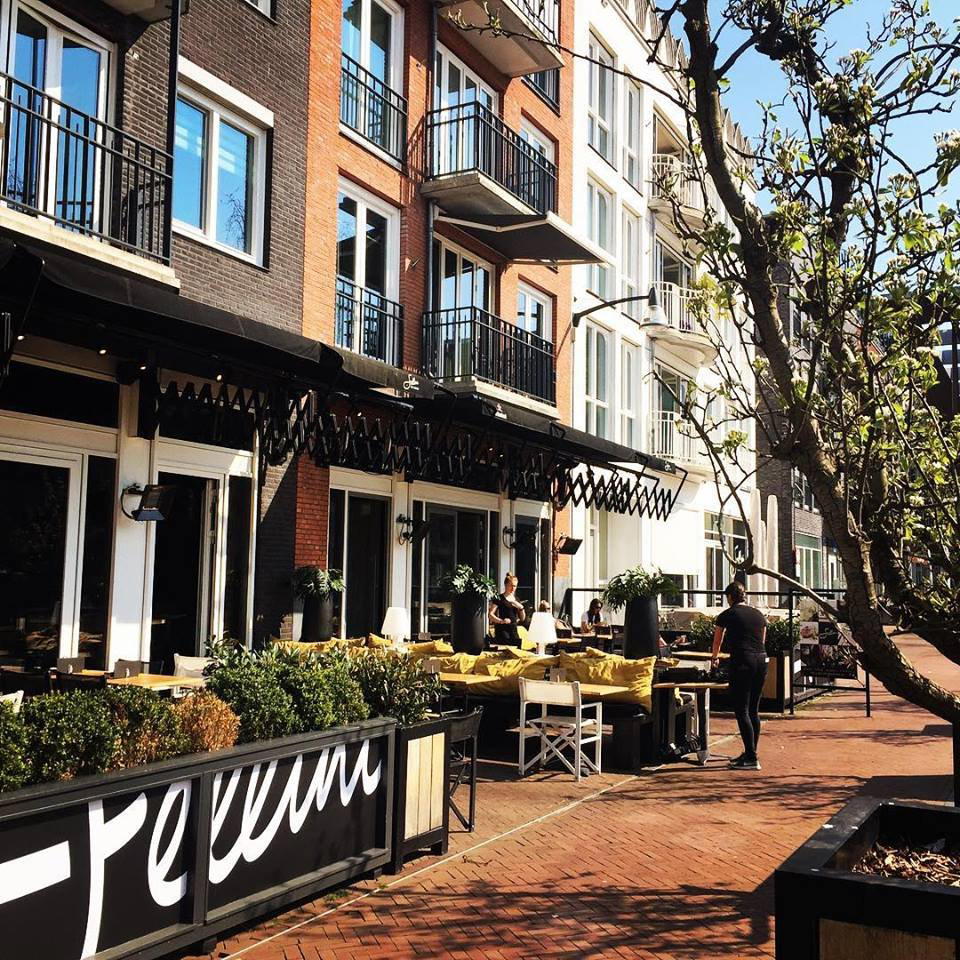
Wilhelminaplein and the Dining Geography of Leeuwarden
Fellini Leeuwarden is a restaurant on Wilhelminaplein 20 in Leeuwarden, serving Classic Italian City Lounge dining at about €25 per person. Restaurants that take addresses here are making a statement about visibility and accessibility: this is not a tucked-away neighbourhood spot but a position within the daily flow of a provincial capital that, since its 2018 turn as European Capital of Culture, has developed a more self-conscious attitude toward its hospitality offer. The square's foot traffic and its proximity to the city's historic canal network make it a natural gathering point, and the dining options around it reflect a range that stretches from casual to considered.
Within that geography, Fellini Leeuwarden draws on an Italian cultural reference that carries weight in the Netherlands. Italian cuisine in Dutch cities has historically occupied two distinct tiers: the broadly accessible pizzeria-trattoria format, represented locally by options like Pizzeria Sardegna, and the more wine-forward, ingredient-led dining room, closer in spirit to Pecorino Wijn & Eetbar. The name Fellini, invoking Federico Fellini's cinema of elaborate spectacle and Roman sensibility, suggests an ambition pitched somewhere above the utilitarian end of that spectrum.
Italian Cultural Reference as Dining Framework
The Italian culinary tradition that serious restaurants in northern Europe draw from is rarely a single regional expression. It is more often a curated synthesis: the pasta discipline of Emilia-Romagna, the seafood handling of the Adriatic coast, the wine literacy of Piedmont and Tuscany, assembled into a menu that signals fluency without requiring strict geographic authenticity. This is the tradition that has produced some of the most enduring European restaurant formats outside Italy itself, from neighbourhood trattorie in London to the more formal Italian-inflected dining rooms of Amsterdam and Rotterdam.
In a city like Leeuwarden, where the dining scene is smaller and the competitive set is tighter, a restaurant anchored in Italian cultural identity occupies a specific role. It offers an alternative to the French-leaning modern cuisine that defines mid-to-upper tier options like Bistro Aragosta (€€ · French), and a different register entirely from the South Asian cooking at Jamuna. The Italian frame, when executed with seriousness, brings with it particular expectations: a wine list that takes regional Italian producers seriously, pasta made with attention to texture and proportion, and a room that understands the difference between atmosphere and noise.
Leeuwarden in a Wider Dutch Context
Dutch fine dining has consolidated significantly around a handful of major destinations, most of them outside the Randstad. De Librije in Zwolle, Inter Scaldes in Kruiningen, and De Nieuwe Winkel in Nijmegen represent the kind of destination dining that draws visitors specifically for the meal. Leeuwarden does not currently operate at that tier in terms of national recognition, but it has developed enough dining range to function as a genuine food destination within the northern Netherlands. Options like De Lindenhof in Giethoorn and Tribeca in Heeze illustrate the kind of regional seriousness that has emerged across Dutch provincial cities over the past fifteen years, and Leeuwarden has followed a similar trajectory at its own scale.
For visitors arriving specifically to eat, that trajectory matters. The city now supports a range of formats, from the shareable small-plate approach increasingly common at European urban restaurants to more traditional seated dining. Burgemeester van Napels represents another distinct strand of the local scene, and the overall picture is one of a city that has moved beyond relying on a single anchor restaurant to carry the entire dining conversation. For a broader orientation, our full Leeuwarden restaurants guide maps the current range across price points and cuisine types.
Where Fellini Sits in the Local Competitive Set
Placing Fellini Leeuwarden within the local competitive set requires acknowledging what the venue's address and name signal, in the absence of detailed operational data. A prominent square location in a European provincial capital typically aligns with mid-to-upper casual dining rather than the most formal end of the market. The comparison group in Leeuwarden that operates in the mid-to-upper range, including Restaurant Eindeloos at the €€€ tier and Restaurant élevé at €€, suggests a market where the distance between accessible and ambitious is relatively compressed. Italian-named venues in this context tend to perform leading when they commit to a specific aspect of the tradition, whether that is a serious pasta program, a regionally organised wine list, or a room design that takes the sensory experience of the meal seriously.
Internationally, the Italian dining reference point that serious restaurants draw from has been shaped by chefs and rooms that prioritise restraint and ingredient quality over elaborate technique. Operations like Le Bernardin in New York City (French in origin but aligned in its seafood discipline) and the communal-format dining of Lazy Bear in San Francisco illustrate how cultural framing and format commitment, rather than cuisine category alone, determine where a restaurant lands in its competitive tier. In a smaller market like Leeuwarden, the same principles apply at a different scale: the commitment to a culinary identity, sustained over time, is what separates a restaurant from a generic option.
Venues worth comparing regionally include De Groene Lantaarn in Staphorst, Brut172 in Reijmerstok, De Lindehof in Nuenen, De Bokkedoorns in Overveen, and De Treeswijkhoeve in Waalre, all of which demonstrate the range of serious dining that has developed across the Netherlands outside the major cities.
Planning Your Visit
Fellini Leeuwarden is located at Wilhelminaplein 20, 8911 BS Leeuwarden, placing it on one of the city's central squares and within walking distance of the main train station and the historic canal district.
Cost Snapshot
Comparable venues nearby, for context on price, style, and recognition.
| Venue | Cuisine | Price | Awards | Notes |
|---|---|---|---|---|
| Fellini LeeuwardenThis venue — the venue you are viewing | city center, Classic Italian City Lounge | $$ | , | |
| Pizzeria Sardegna | $$ | , | Grote Hoogstraat, Authentic Italian Pizza | |
| thai by Jai | Nieuwestad, Authentic Thai | $$ | , | |
| Pecorino Wijn & Eetbar | centrum, Italian Tapas & Wine Bar | $$ | , | |
| Proefverlof | $$ | , | Blokhuisplein, Dutch Bistro with French Influences | |
| Burgemeester van Napels | $$ | , | Ruiterskwartier, Authentic Neapolitan Pizza & Pasta |
Continue exploring
More in Leeuwarden
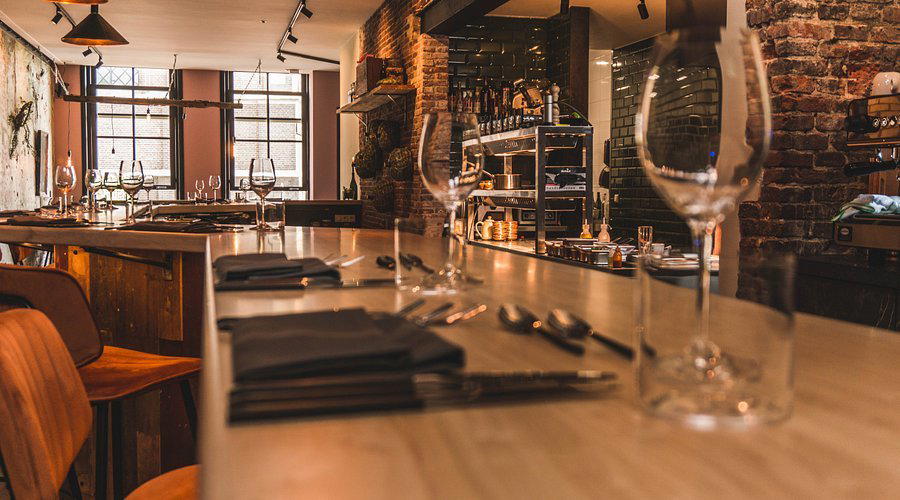
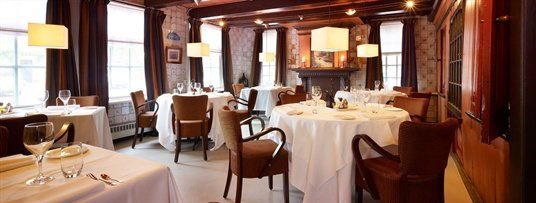
At a Glance
- Lively
- Cozy
- Trendy
- Casual Hangout
- Brunch
- Date Night
- Terrace
- Craft Cocktails
- Street Scene
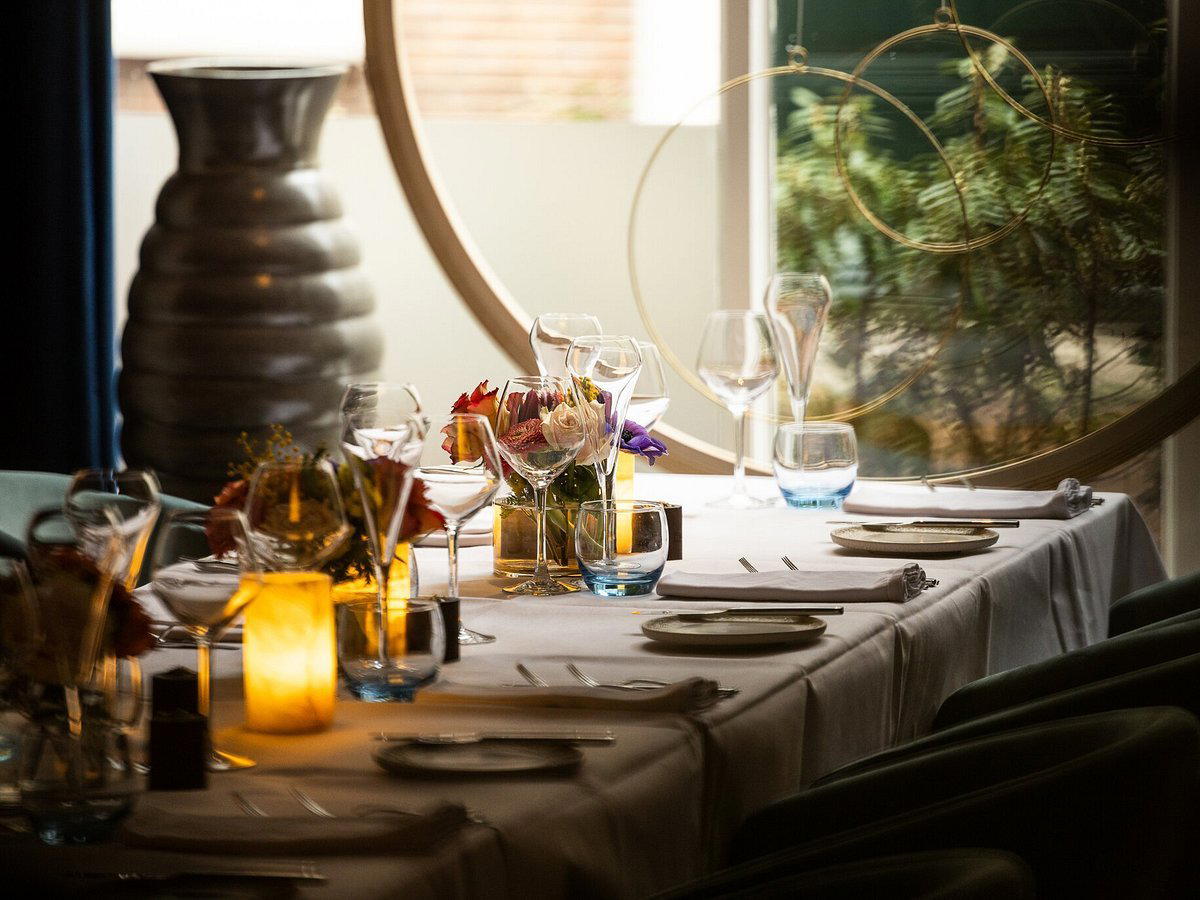
Vibrant urban atmosphere blending effortless elegance, sophistication, and cozy Italian family feeling with indoor and terrace seating.