Jaloux

Michelin Plate
Our verdict
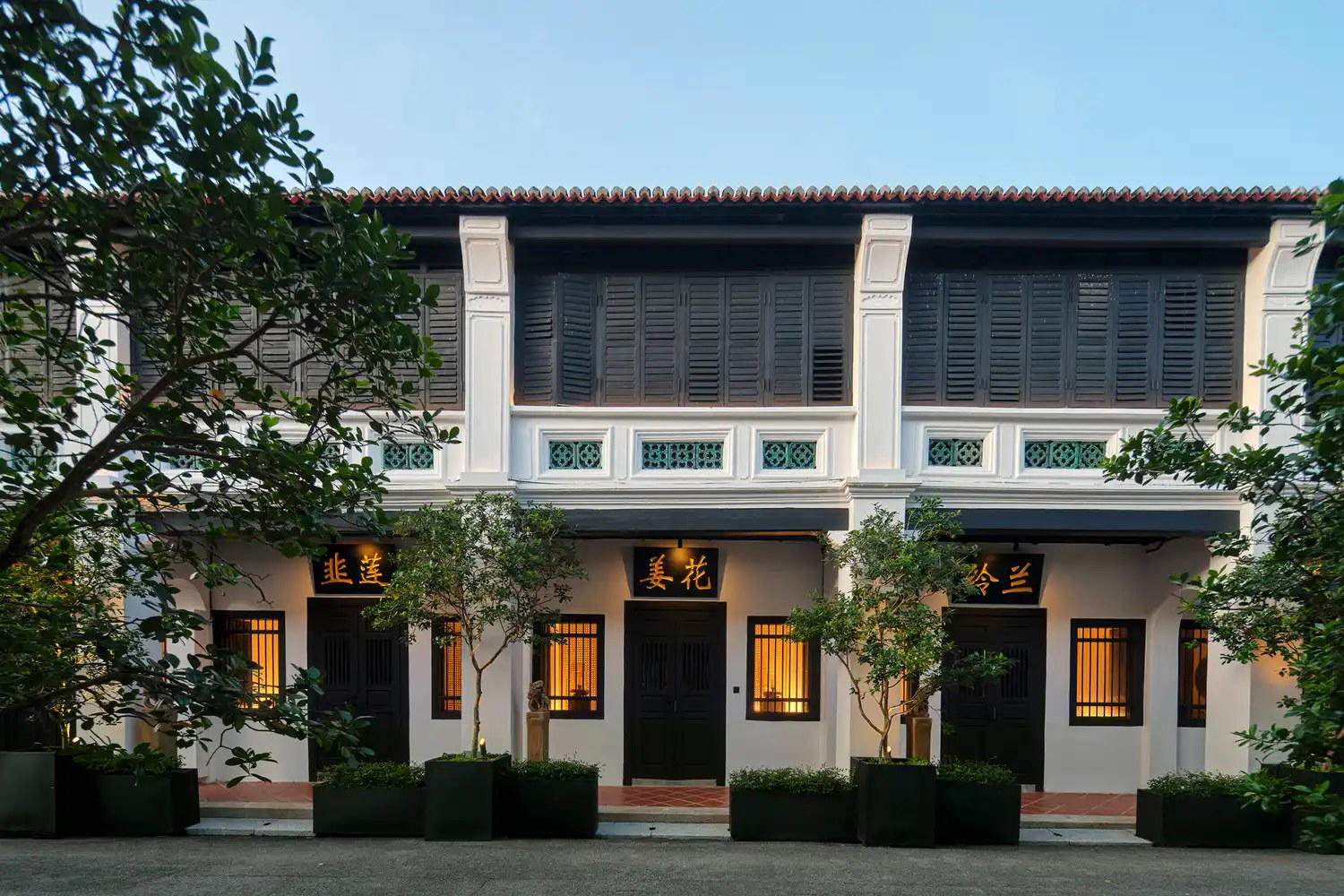
A Michelin Plate-recognised Italian restaurant at 24 King Street, George Town, Jaloux operates from a concrete building softened by lush greenery, serving slow-food pastas and handmade pappardelle in a mid-range price bracket. The oxtail ragu is the dish most cited by regulars. No reservations are taken, so early arrival is advisable. Jaloux lists Friday-to-Monday lunch and dinner hours and closes Tuesday through Thursday; check the latest Instagram updates before going.

Pearl is the En Primeur Club membership app, where members save venues, book tables and use the concierge.
The menu
What to order
- Pappardelle with oxtail ragu
- Spaghettini Carbonara
- Cempedak Creme Brulee
Italian Slow Food in a City That Rarely Slows Down
George Town's dining identity is built on speed and accessibility: hawker stalls that have been open since dawn, coffee shops where orders arrive in minutes, and a street-food culture so deeply embedded that a two-minute wait starts to feel long. Into that rhythm, Jaloux at 24 King Street has inserted something structurally different, a slow-food Italian approach where the timeline of the meal is part of the point. The concrete facade, half-hidden behind dense greenery, doesn't announce itself. That restraint is appropriate for what the kitchen is doing: handmade pasta and long-cooked braises that refuse to be hurried.
Note: Jaloux is operating on a limited Friday-to-Monday schedule. The information below reflects the restaurant as it has operated, for planning purposes when it reopens.
Where Handmade Pasta Fits in George Town's Broader Scene
George Town has developed one of Southeast Asia's more layered restaurant scenes, with Michelin recognition arriving in waves across multiple categories. Peranakan cooking, the creolised cuisine of Chinese-Malay heritage, remains the city's most internationally recognised tradition, with restaurants like Auntie Gaik Lean's Old School Eatery, which holds a Michelin Star, and Richard Rivalee anchoring that category. European cooking, by contrast, occupies a smaller niche. Au Jardin represents the contemporary European end at a higher price point. Jaloux sits differently: Italian, mid-range in pricing, and focused on craft at the pasta-making level rather than on elaboration or spectacle.
Within Italian cooking globally, the slow-food and handmade-pasta school is a distinct competitive set. It prioritises sourcing and technique over complexity of plating, and it tends to prize a small number of dishes done with precision over a broad menu. In cities like Los Angeles, Osteria Mozza has long demonstrated how seriously a pasta program can be taken in a non-Italian urban context. In Hong Kong, 8½ Otto e Mezzo Bombana occupies the formal end of that register. Jaloux in George Town operates in a different register entirely, informal, mid-price, without reservations, but the underlying commitment to handmade pasta as a serious product connects it to that broader tradition.
The Sourcing Logic Behind Slow Food
The editorial angle that makes Jaloux worth understanding is ingredient sourcing and the time it takes to transform those ingredients properly. Slow food, in the Italian usage, is not a pace complaint; it is a philosophy about what food should be made from and how it should be treated. Oxtail ragu, the dish most associated with Jaloux, is a cut that requires hours of braising to reach the fork-tender texture where the collagen has broken down and the meat releases cleanly. There is no shortcut that produces the same result. The pappardelle that carries it, wide, flat, handmade, needs to hold that weight without disintegrating, which means the pasta dough itself has to be built for the task.
This is the logic that connects sourcing to technique in a slow-food kitchen: the choice of oxtail as the protein is inseparable from the decision to braise it for a long time, which is inseparable from the decision to make a pasta wide enough to carry it. Each element justifies the others. In a city where 888 Hokkien Mee represents one model of noodle excellence, high heat, fast execution, a wok technique refined over generations, Jaloux offers a counterpoint that is equally serious about its noodle and equally specific about what that noodle should do.
Michelin Plate Recognition and What It Signals
Jaloux has held a Michelin Plate in both 2024 and 2025. The Plate is the entry-level Michelin recognition, awarded to restaurants that produce good cooking without yet reaching the consistency or ambition required for a Star. In the context of George Town's Michelin-listed restaurants, it places Jaloux in a group that has been formally assessed and found to be doing something worth noting. That is not a flaw in a slow-food restaurant; it is a feature. But it does mean that arriving without patience would be the wrong approach.
For context on how Italian restaurants perform under Michelin assessment in Asian cities, the bar is set by places like 8½ Otto e Mezzo Bombana in Shanghai at the starred level, or cenci in Kyoto, which applies Italian structure to Japanese ingredients. Jaloux is not operating at that price point or formality level, but its Plate recognition confirms it has been assessed by the same methodology. The standard being applied is consistent even if the tier differs.
The Room, the Pace, and the Planning Logic
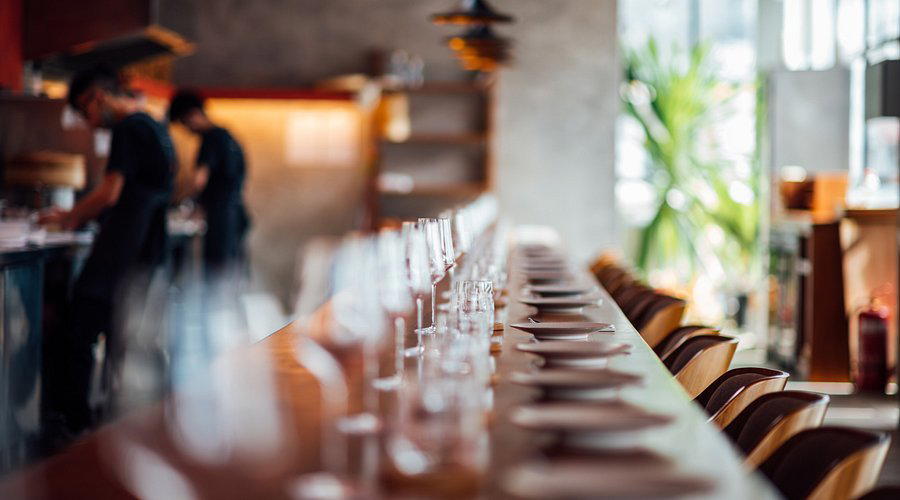
The physical setting on King Street contributes to the experience in a specific way. The concrete building, softened by greenery that partially obscures the frontage, creates a sense of separation from the street that most George Town venues don't attempt. Inside, the rhythm is set by music and wine as much as by the kitchen, the restaurant, in its operating form, has been described as a place where the gaps between courses are filled rather than felt as absences. That design, whether deliberate or circumstantial, is appropriate for slow-food cooking. You are not waiting; you are eating in a different tempo.
Practically, Jaloux does not take reservations, which places it in the same access logic as much of George Town's hawker culture, where position in the queue matters more than a booking reference. For a restaurant in the Michelin Plate tier, this is an unusual choice, but it keeps the operation informal and accessible within the mid-range price bracket. Arriving early is the direct solution. For visitors building a broader George Town itinerary, our full George Town restaurants guide covers the wider field, and Il Bacaro offers a separate point of reference within Italian cooking in the city. Our George Town hotels guide, bars guide, and experiences guide cover the rest of the planning picture.
For readers travelling across Malaysia, Dewakan in Kuala Lumpur represents the opposite pole of the country's contemporary dining ambition, modern Malaysian at a formal level, while The Planters at The Danna in Langkawi and Bee See Heong in Seberang Perai extend the regional picture. Internationally, Frasca Food and Wine in Boulder is a useful comparator for the serious-Italian-outside-Italy model at a different scale. For Italian in other Asian cities, our guides to 8½ Otto e Mezzo Bombana in Hong Kong and cenci in Kyoto map the range.
Frequently asked questions
What style of cooking does Jaloux do?
Is Jaloux expensive?
Pricing at Jaloux is listed as $$.
What awards or recognition does Jaloux have?
Jaloux has received recognition including: (Jaloux lists Friday-to-Monday lunch and dinner hours and closes Tuesday through Thursday.) The concrete building hidden by lush greenery is easy to miss, but Chef Hong’s first-class slow food and artisan hand-made pasta are worth the hunt. Pappardelle with oxtail ragu boasts al dente noodle….
What dish is Jaloux famous for?
The pappardelle with oxtail ragu has drawn the most attention, with al dente noodles and slow-cooked, fork-tender oxtail balanced against acidity rather than leaning into pure richness. It reflects the slow food philosophy that defines the kitchen's output and contributed to Jaloux earning a Michelin Plate in both 2024 and 2025.
Where is Jaloux located?
Jaloux is located at 24, King Street, George Town, 10300 George Town, Pulau Pinang, Malaysia, George Town.
Is Jaloux reservation-only?
Jaloux does not take reservations. Arriving early is the practical strategy, particularly given the restaurant's Michelin Plate recognition in 2024 and 2025, which has drawn consistent demand at the King Street address in George Town.
What's the defining dish or idea at Jaloux?
The defining idea is slow food applied to Italian technique within a George Town context: pasta made by hand, proteins cooked low and long, and a pace that resists the quick-turn hawker rhythm the city is known for. The pappardelle with oxtail ragu is the clearest expression of that approach, and the Michelin Plate recognition across two consecutive years confirms it lands with consistency.
Nearby-ish Comparables
Comparable venues nearby, for context on price, style, and recognition.
| Venue | Cuisine | Price | Awards | Notes |
|---|---|---|---|---|
| JalouxThis venue (the venue you are viewing) | Artisan Italian Pasta | $20–30 | Michelin Plate | Not listed |
| Il Bacaro | Authentic Italian | Not listed | Michelin Plate | George Town |
| Lucky Hole | Modern Chin Chinesque Fusion | $50–100 | Michelin Plate | George Town |
| Kebaya Dining Room | Modern Peranakan Fusion | $50–100 | Michelin Plate | George Town |
| Serabai Istimewa | Nusantara Serabai Tasting | $30–50 | Michelin Bib Gourmand | Taman Tun Sardon, Gelugor |
| Sifu | Authentic Nyonya | $10–20 | Michelin Bib Gourmand | George Town |
Recognition history
Dated appearances from independent guides and award organizations, with the underlying list record or original source where available.
Michelin Plate
Michelin
Full recognition history (3 entries)
Michelin Plate
Michelin
Michelin Plate
Michelin