J Betski's
Our verdict
J Betski's on Bernard Street brings Central European cooking into a Raleigh dining scene otherwise defined by Southern and New American kitchens. The restaurant occupies a culinary niche rarely filled in North Carolina, where German and Polish traditions rarely appear with this degree of focus. For Raleigh diners looking beyond the region's familiar registers, it represents a distinct detour worth planning around.

Pearl is the En Primeur Club membership app — saves, bookings, and concierge access live there. Same editors, same standards.
- Address
- 1916 Bernard St, Raleigh, NC 27608
- Phone
- (919) 803-0008
- Hours
- Mon ClosedTue–Thu 4–9 PMFri–Sat 4–9:30 PMSun Closed
- Website
- jbetskis.com
- Directions
- Get directions
- Booking
- Book on OpenTable
A European Register in a Southern City
Raleigh's restaurant identity has been shaped largely by two forces: the Southern cooking tradition that defines much of North Carolina's culinary DNA, and the New American wave that venues like Death & Taxes and Crawford & Sons brought into the city's upper-mid tier over the past decade. Into that context, J Betski's on Bernard Street arrives as something genuinely different: a restaurant grounded in Central European cooking, specifically the German and Polish traditions that rarely find serious expression south of the Mason-Dixon line. That geographic specificity matters more than it might first appear. Central European cuisine carries a logic of its own, built around cured meats, root vegetables, grain-forward preparations, and a relationship to preservation and fermentation that predates current trends by centuries. Finding that tradition given sustained, focused attention in a Southern capital is an editorial fact worth sitting with before you consider the menu.
What the Setting Tells You Before You Order
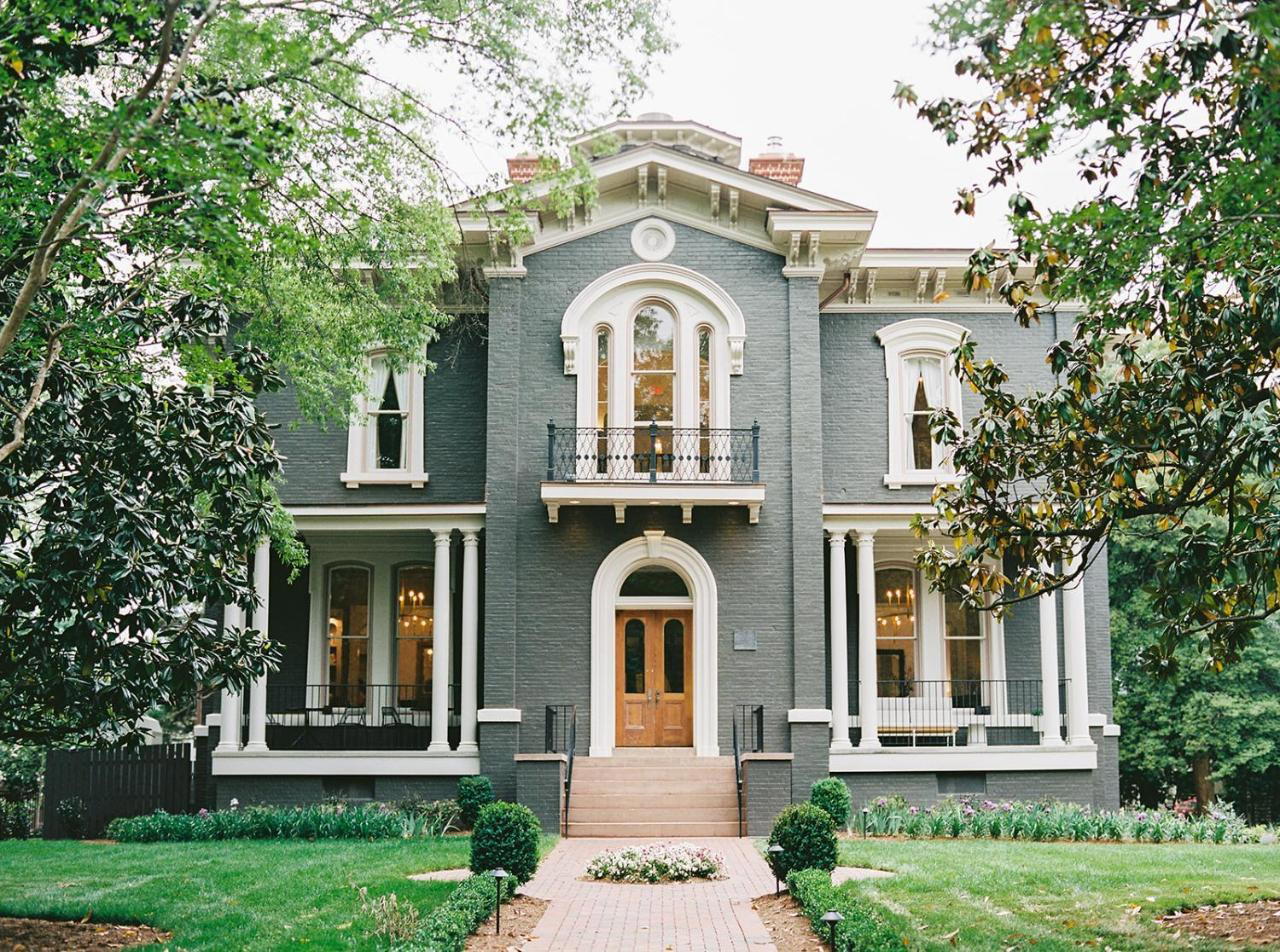
The address, 1916 Bernard St in Raleigh's Five Points area, places J Betski's in a residential-commercial transition zone that has historically supported independent operators rather than national concepts. Five Points is not a destination dining strip in the way that downtown Raleigh's Glenwood South corridor functions; it is a neighbourhood that requires some local knowledge or deliberate navigation. That positioning tends to filter the room toward regulars and intentional visitors rather than passing foot traffic, which in turn affects the character of service and the assumptions a kitchen can make about its audience. Restaurants that operate in neighbourhood contexts rather than tourist corridors often cook with more consistency across the week, because the room holds the same people rather than a rotating cast of first-timers.
Arrive on a weeknight and you are likely to find a room that reads as established rather than fashionable, the kind of dining environment where the cuisine itself carries the weight of the visit rather than the spectacle of an open kitchen or a bar program designed for Instagram. That is not a criticism; it is a diagnostic. In a city that has lately generated considerable noise around beverage-forward concepts like Barcelona Wine Bar and destination kitchens building cross-cultural menus like Ajja, J Betski's occupies an older, quieter register.
The Sourcing Argument for Central European Cooking
The ingredient sourcing logic of German and Polish cooking differs structurally from the farm-to-table model that has dominated American fine-casual dining since the early 2000s. Where much of the current American kitchen depends on hyper-seasonal produce and the theatre of provenance disclosure, Central European tradition is built around what happens to ingredients after harvest: the curing of pork, the lacto-fermentation of cabbage and cucumbers, the long braise of tougher cuts, the smoking of fish and meats. These are preservation techniques developed in climates where fresh ingredients disappear for months at a time, and they produce flavour profiles that are layered, acidic, and fat-forward in ways that require time rather than just sourcing relationships.
In practical terms, this means a kitchen serving this tradition can make meaningful sourcing decisions at the protein level, where breed and raising conditions directly affect the fat distribution and texture that curing and smoking depend upon, without being hostage to a single growing season. Pork quality matters enormously in this cuisine: the difference between a commodity loin and a heritage breed shoulder shows up clearly in a properly prepared schnitzel or a smoked kielbasa.
For comparison: the farm-sourcing programs that underpin places like Blue Hill at Stone Barns or the hyper-integrated model at Single Thread Farm in Healdsburg represent the apex of the American seasonal sourcing model. Central European cuisine operates from a different set of first principles, one where fermentation cellars and smoking houses carry the same weight as the field.
Where J Betski's Sits in Raleigh's Competitive Map
Raleigh's mid-to-upper dining tier is well-covered by Southern and New American kitchens. Anthony's La Piazza and Anthony's La Piazza Prime hold the Italian-American space with consistency. Azitra brings South Asian cooking to the table with a degree of focus unusual for the market. Against that spread, the Central European niche is genuinely underoccupied, which means J Betski's competes less on price-tier positioning than on cuisine category. It is, in simple terms, the only serious German-Polish kitchen most Raleigh diners are likely to encounter without travelling to Chicago or the mid-Atlantic corridor. That rarity is structural, not a marketing claim.
At the national level, restaurants that sustain serious cooking in overlooked European regional traditions, the way Emeril's in New Orleans has held Louisiana Creole traditions, or the way Le Bernardin in New York has anchored classical French seafood technique across decades, tend to earn loyalty through consistency rather than novelty cycles. J Betski's has operated long enough in its Five Points location to suggest a customer base that returns rather than one that arrives once out of curiosity. That operational durability in a neighbourhood setting is its own form of credibility.
Planning a Visit
J Betski's is located at 1916 Bernard St, Raleigh, NC 27608, in the Five Points neighbourhood, reachable by car or rideshare from downtown Raleigh in under ten minutes. Current hours and booking methods are best confirmed directly with the restaurant, as this information is subject to change. Given the neighbourhood format, walk-ins may be possible on slower weeknights, but planning ahead is advisable for weekend visits. For a broader picture of Raleigh's dining options across cuisines and price points, our full Raleigh restaurants guide covers the city's current range in editorial depth.
Frequently asked questions
Where do I go for J Betski's?
J Betski's is located at 1916 Bernard St, Raleigh, NC 27608, Raleigh.
Is J Betski's the only restaurant in Raleigh specialising in German and Polish cuisine?
Within Raleigh's mid-to-upper dining tier, Central European cooking of the German and Polish variety that J Betski's focuses on occupies a largely uncontested position — Southern and New American kitchens dominate the competitive map, and Italian holds the formal end of the market. That narrow specialisation in a city with North Carolina's strong Southern culinary identity is what gives J Betski's its distinct position in the local dining scene.
What do people recommend at J Betski's?
J Betski's built its reputation on Central European preparations, specifically German and Polish dishes that receive sustained, focused execution rather than token appearances on a broader menu. That consistency in a cuisine rarely represented at this depth in Raleigh is the main reason diners return. If you're approaching the menu without a reference point, the German and Polish staples are where the kitchen's identity is clearest.
What's the best way to book J Betski's?
J Betski's is located at 1916 Bernard St in Raleigh's Five Points neighbourhood, and contacting the restaurant directly is the most reliable approach for securing a table, particularly if you're visiting from outside Raleigh or planning around a specific date. The Five Points location is accessible by car or rideshare from downtown Raleigh, making logistics straightforward regardless of where you're staying in the city.
Comparable Spots, Quickly
Comparable venues nearby, for context on price, style, and recognition.
| Venue | Cuisine | Price | Notes |
|---|---|---|---|
| J Betski'sThis venue — the venue you are viewing | Casual East & Central European | $30–50 | Not listed |
| Masala House | Authentic North Indian & Himalayan | $20–30 | Northclift |
| Il Falò Wood-Fired Kitchen | Wood-Fired Italian | $30–50 | Leesville Hollow |
| Raleigh Beer Garden | American Gastropub | $20–30 | Brooklyn |
| Simply Crepes - Oberlin | French Canadian Crepes | $10–20 | Turners Alley |
| Taverna Agora | Authentic Greek | $30–50 | Glenwood South |

Details
- Casual
- Lively
- Cozy
- Casual Hangout
- Date Night
- Open Kitchen
- Craft Cocktails
- Beer Program
- Local Sourcing
- Small Plates
- A La Carte
- Craft Cocktails
- European Beers
Current opening hours
- Monday
- Closed
- Tuesday
- 4–9 PM
- Wednesday
- 4–9 PM
- Thursday
- 4–9 PM
- Friday
- 4–9:30 PM
- Saturday
- 4–9:30 PM
- Sunday
- Closed
Hours can change for holidays and private events. Last verified .
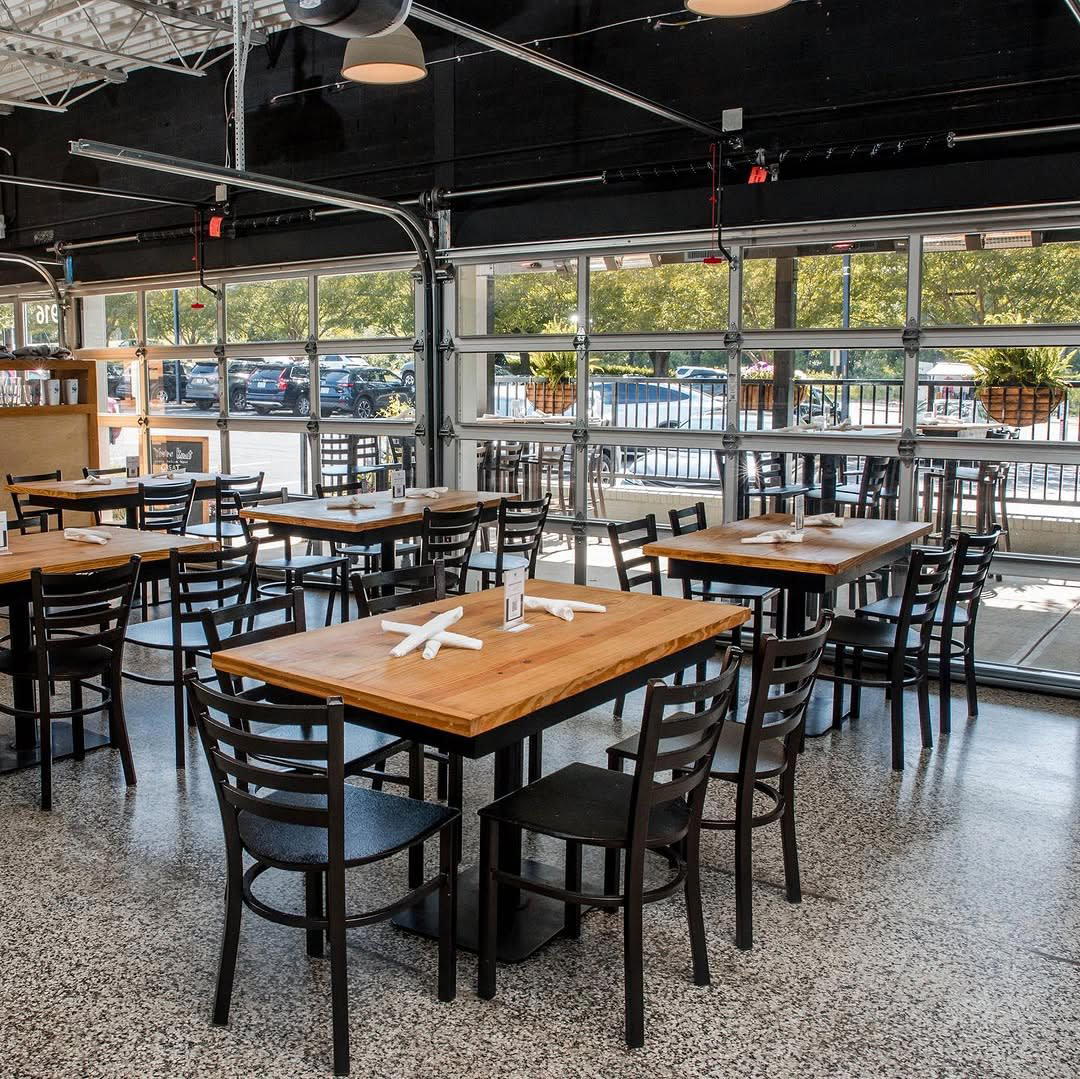
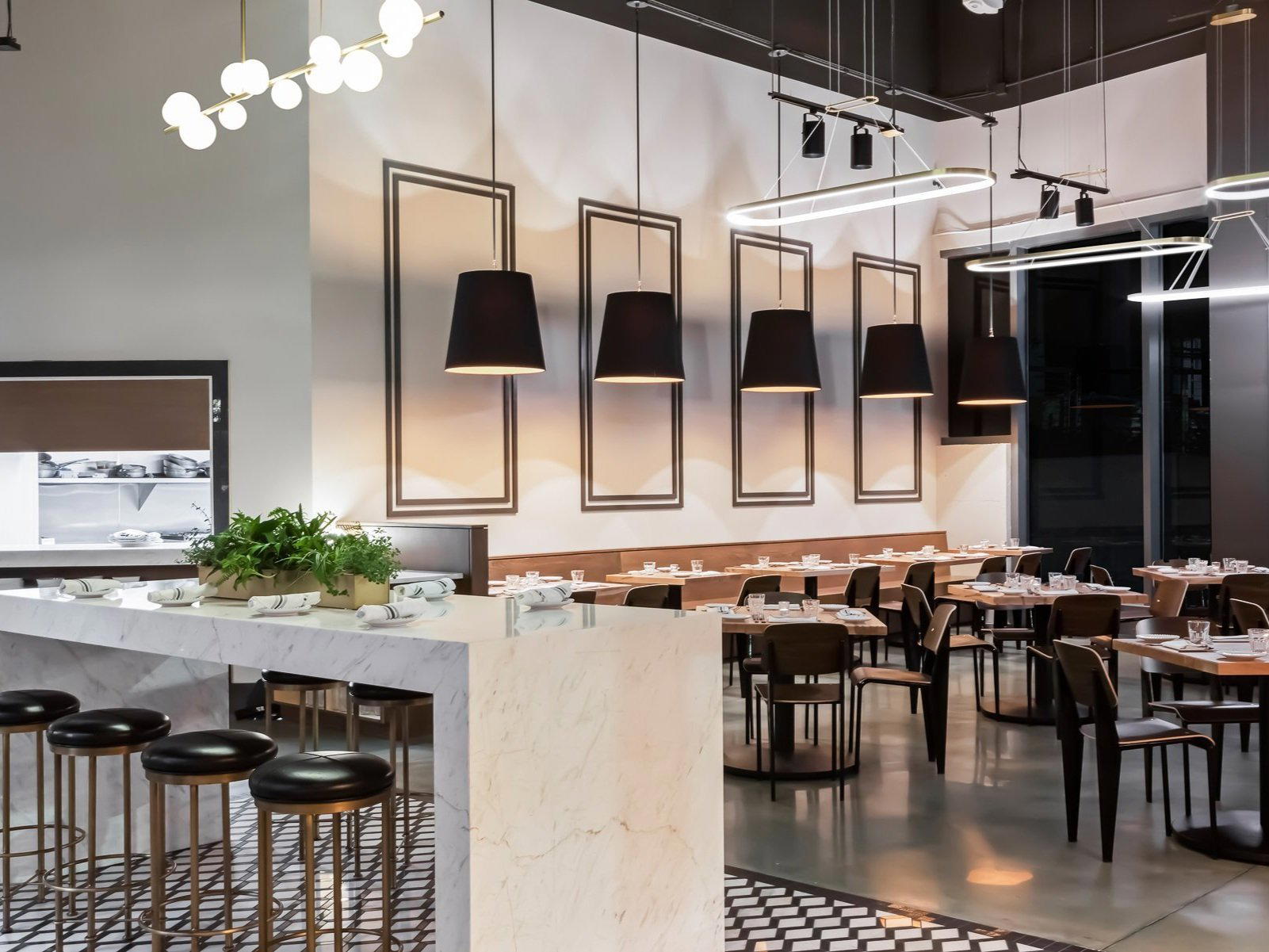
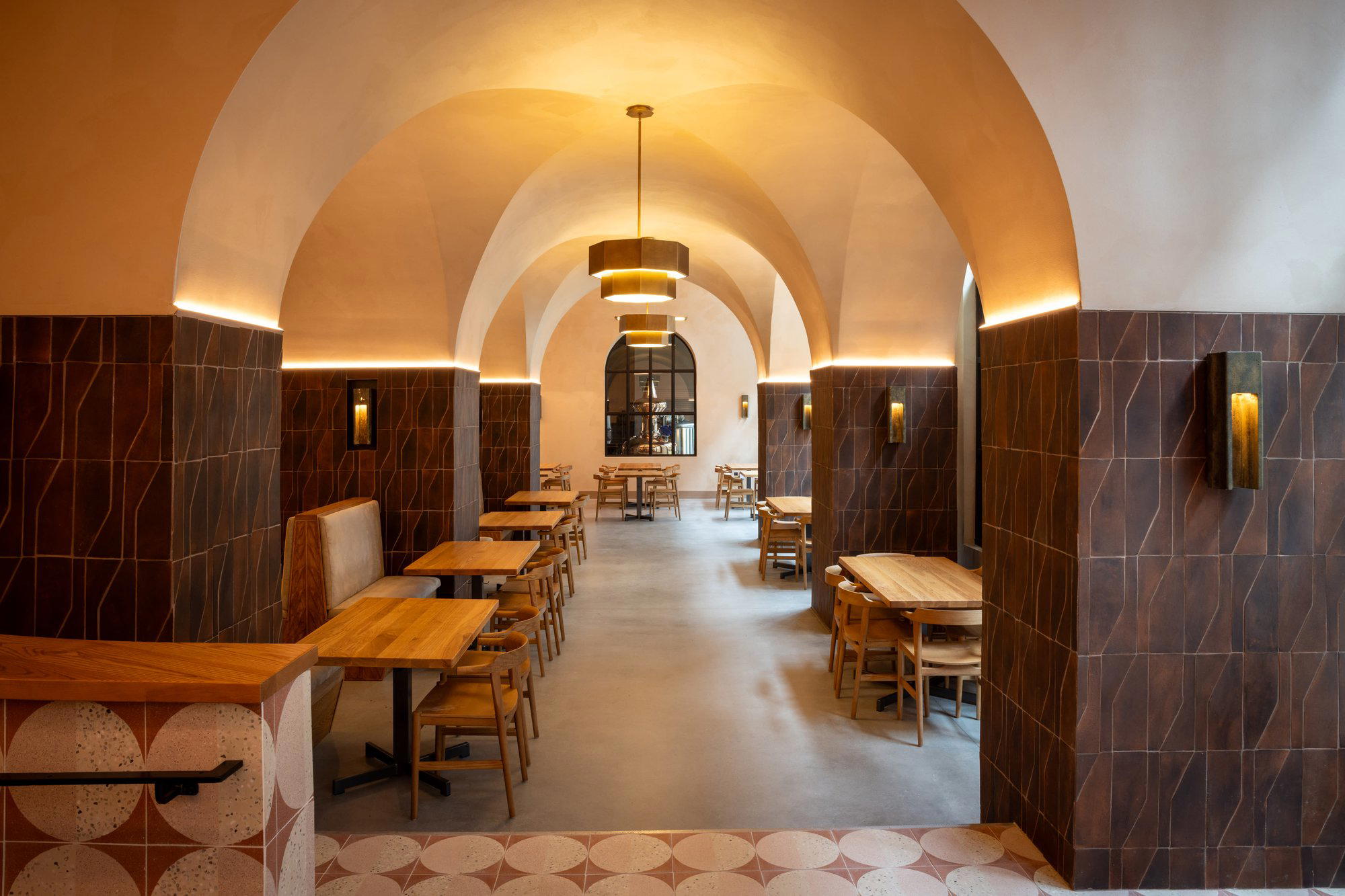
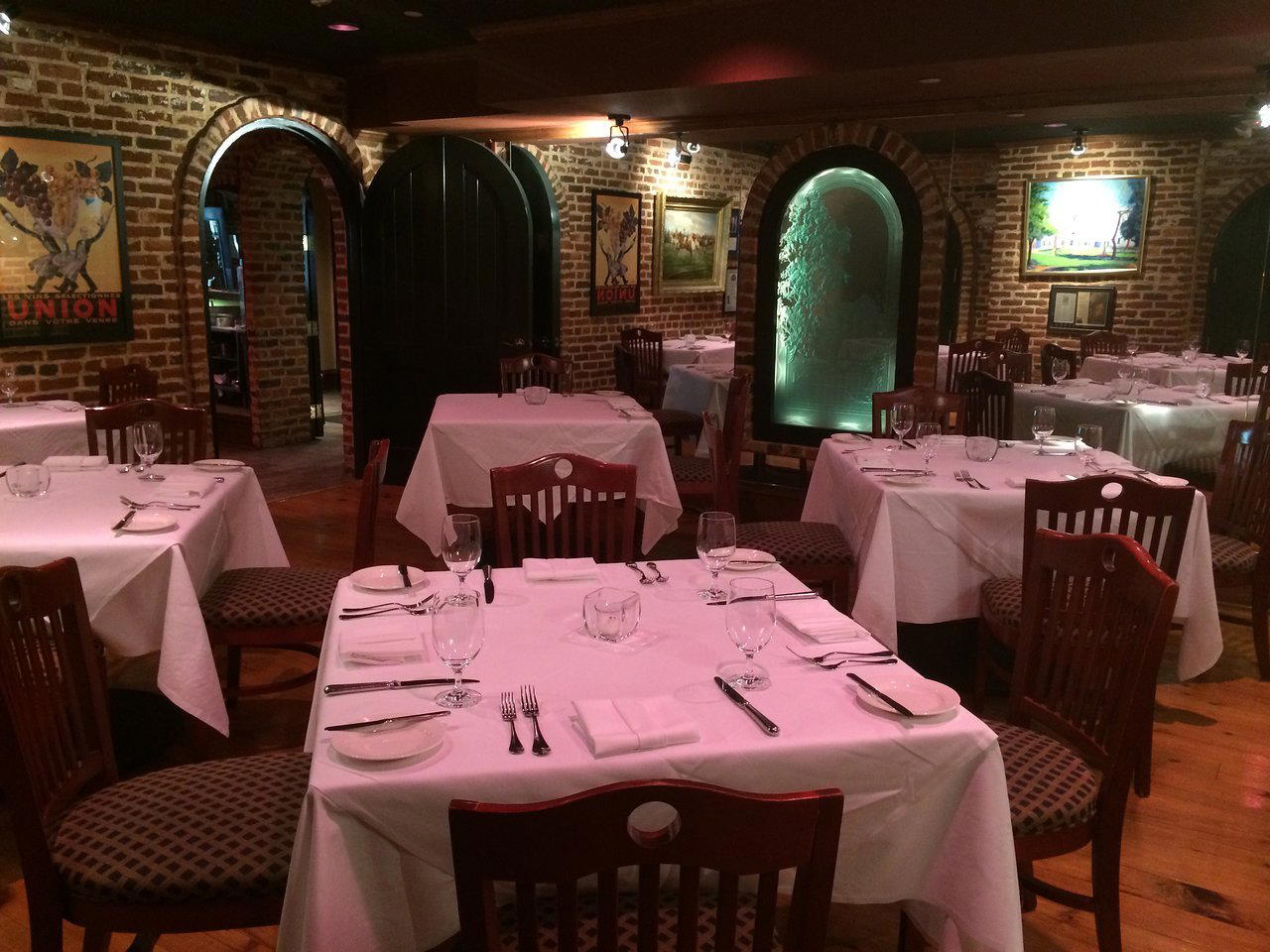
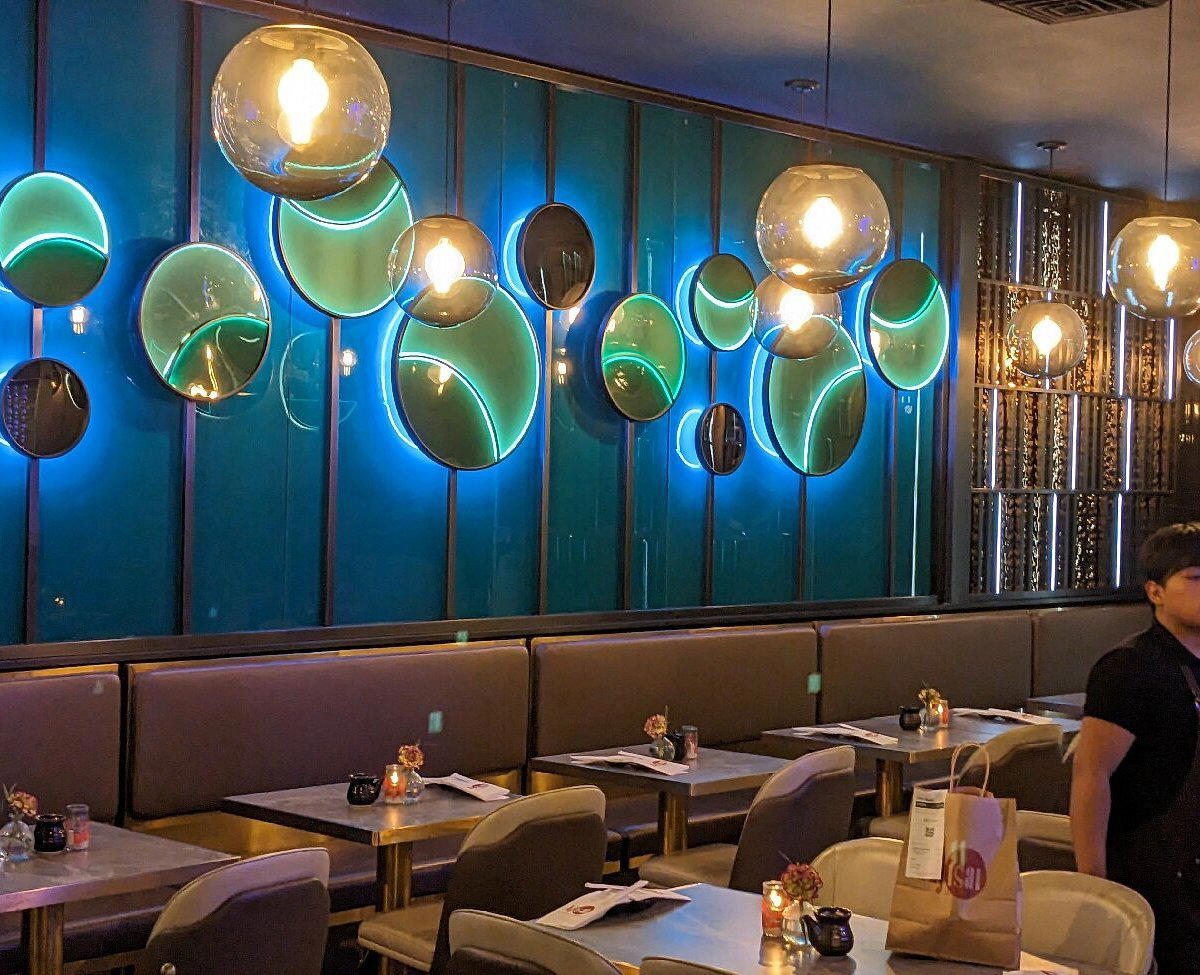
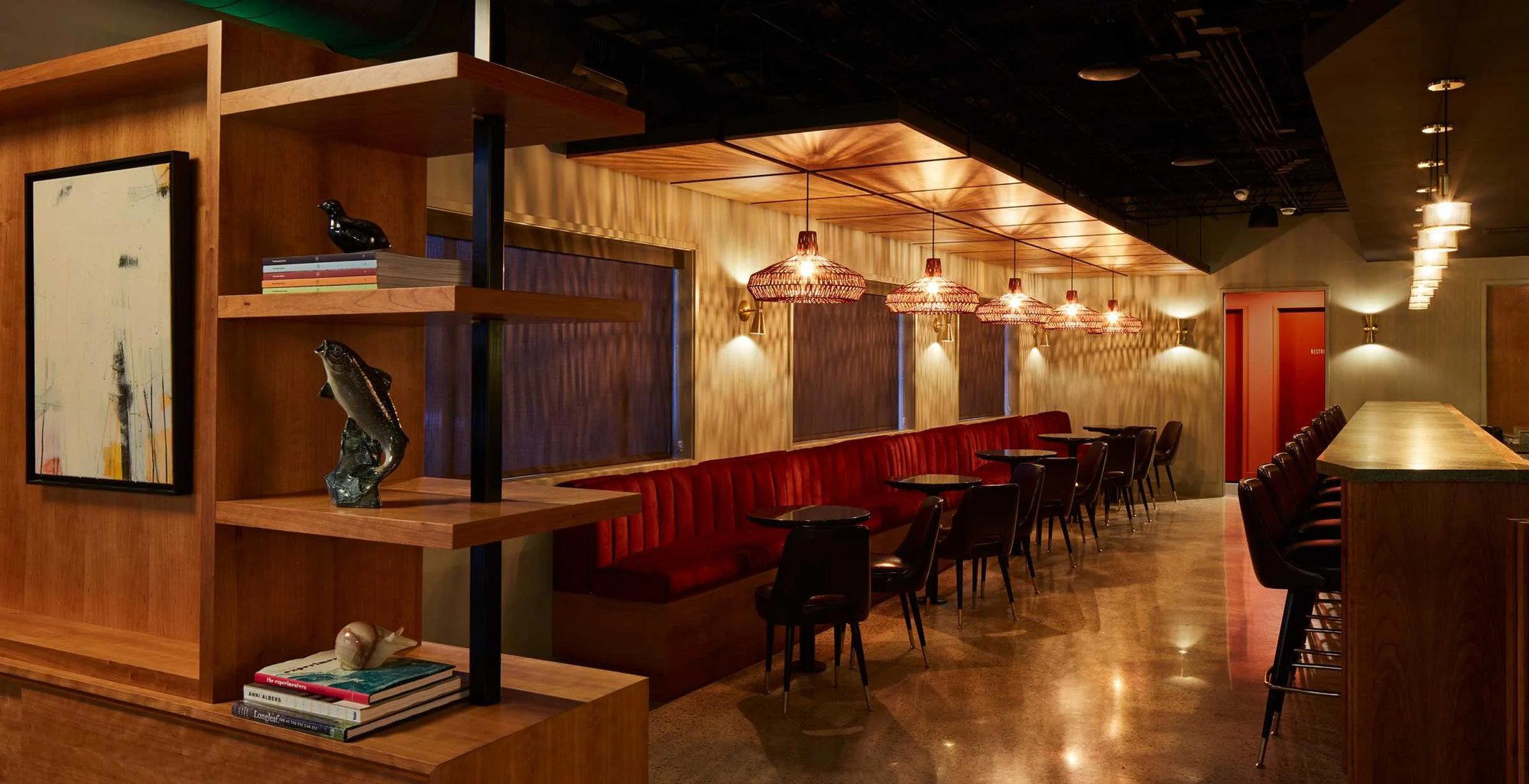
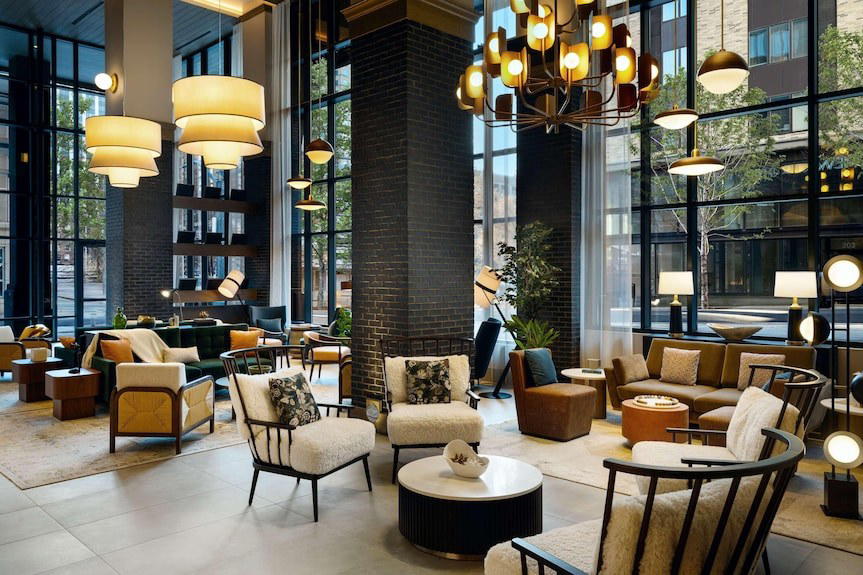
Relaxed, casual, and lively atmosphere in a large open space with welcoming patio seating.