
Issho places Kanazawa’s cafe culture inside the slower rhythm of Higashiyama, where tea, sweets, retail, and gallery functions blur into one afternoon ritual. Its selection for Tabelog Cafe WEST “Tabelog 100” 2025 gives it a clear signal in a city better known internationally for seafood, wagashi, and craft traditions than for destination cafes.
Pearl is the En Primeur Club membership app — saves, bookings, and concierge access live there. Same editors, same standards.
- Address
- 1 Chome-26-13 Higashiyama, Kanazawa, Ishikawa 920-0831, Japan
- Phone
- +81 76-251-0108
- Website
- issho.kagaboucha.com
 Saves & bookings on Pearl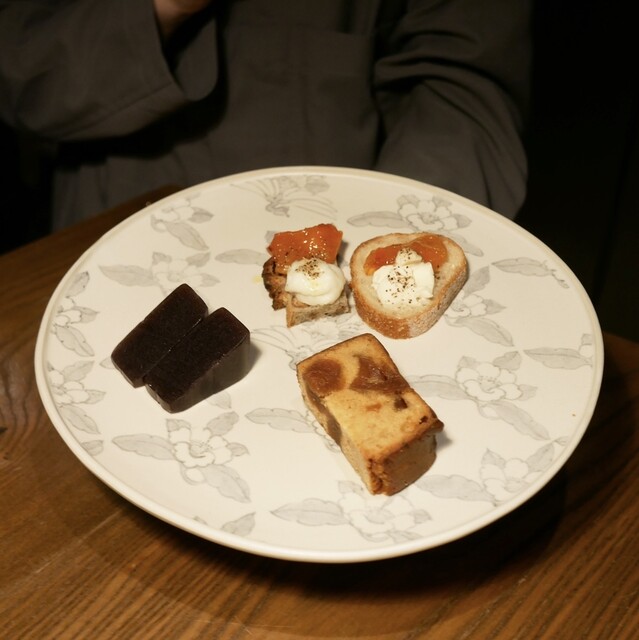
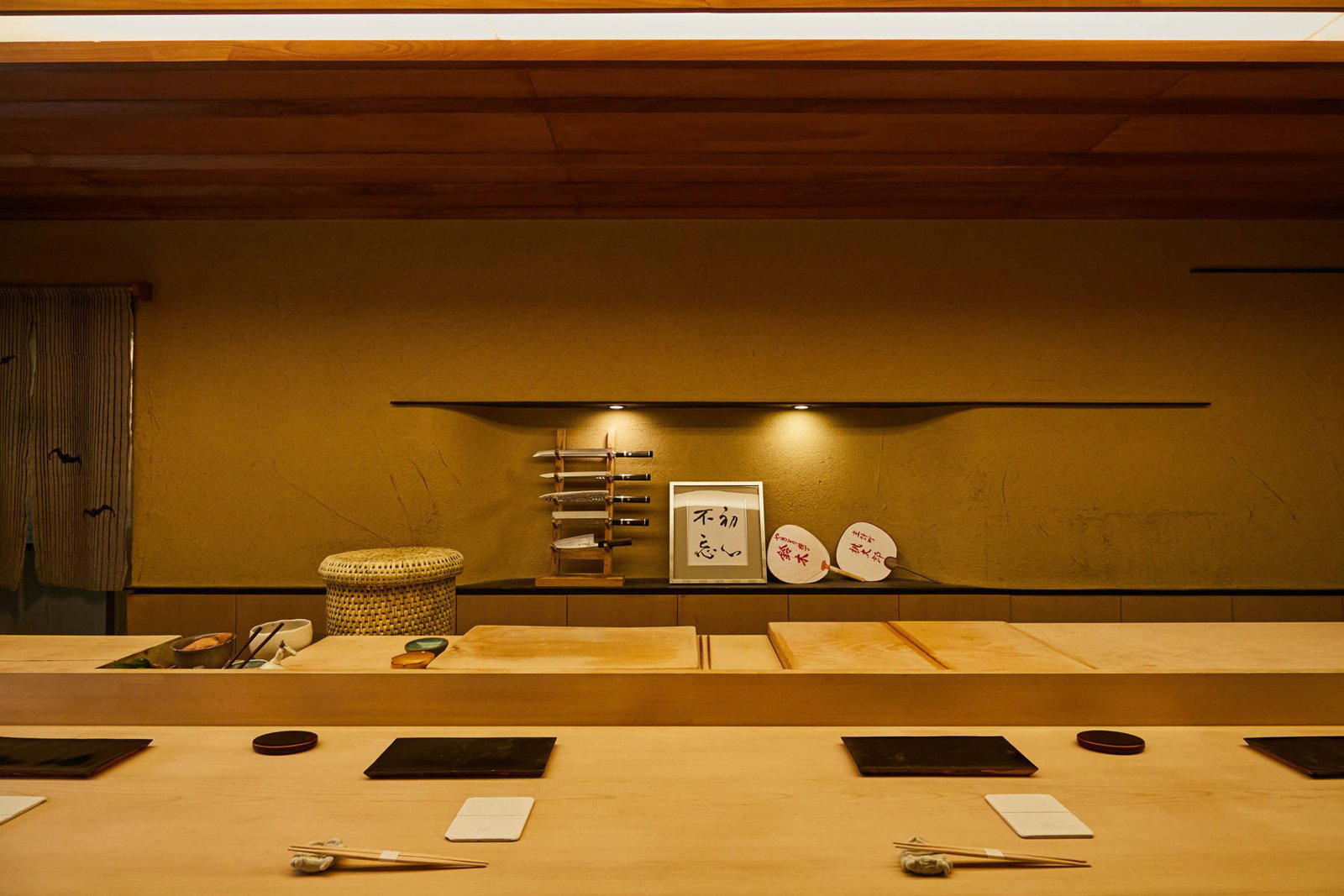
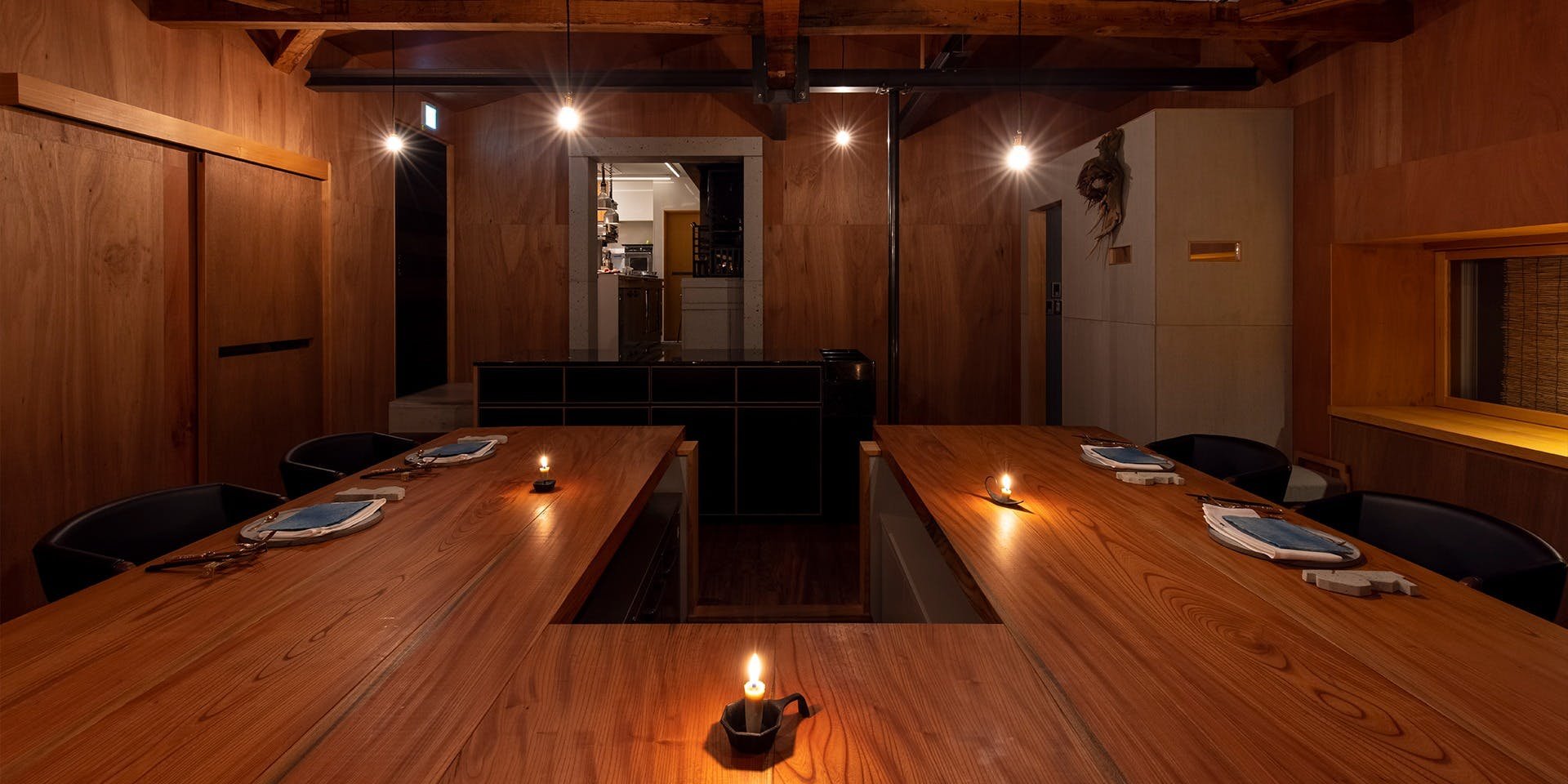
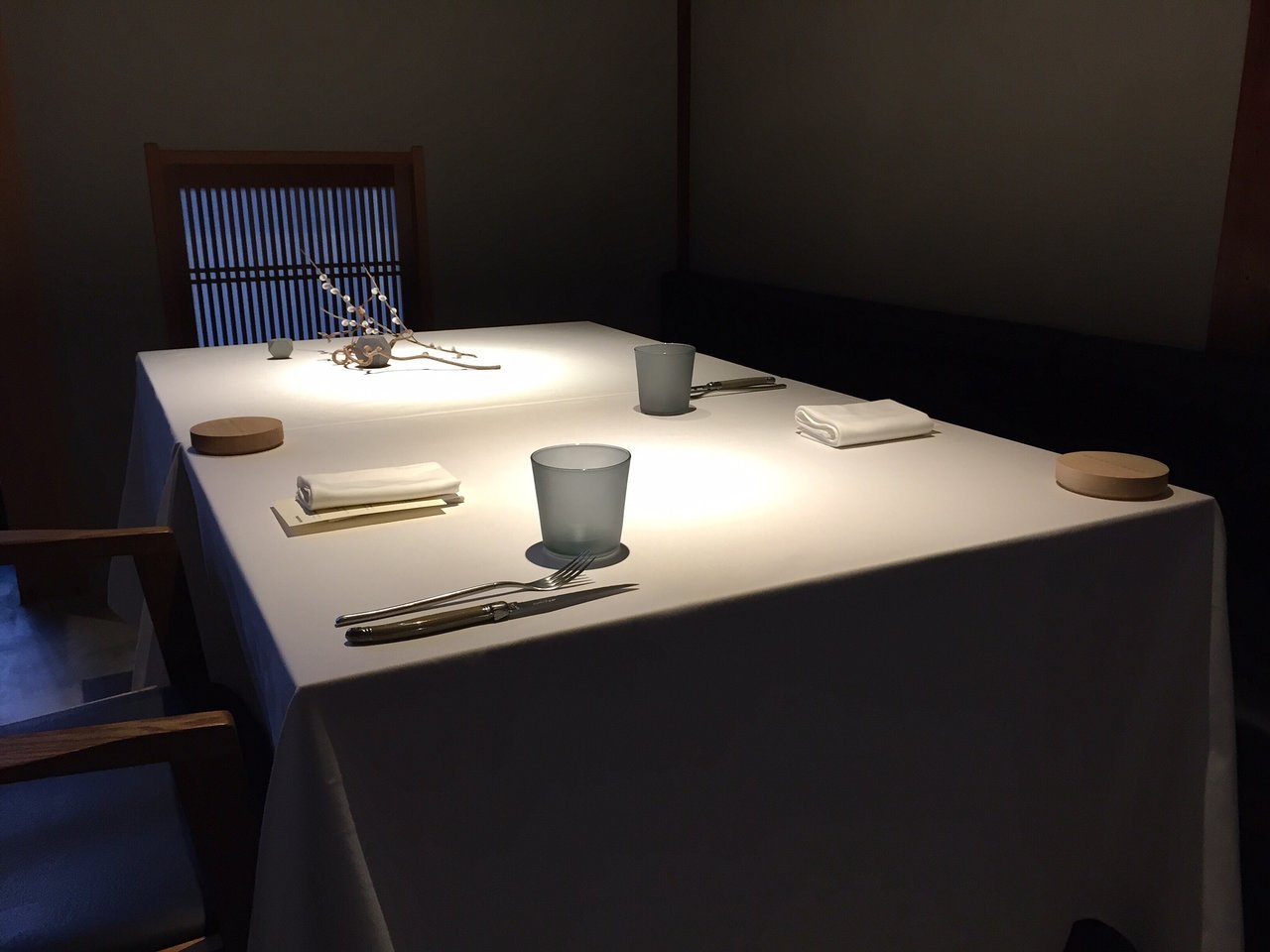
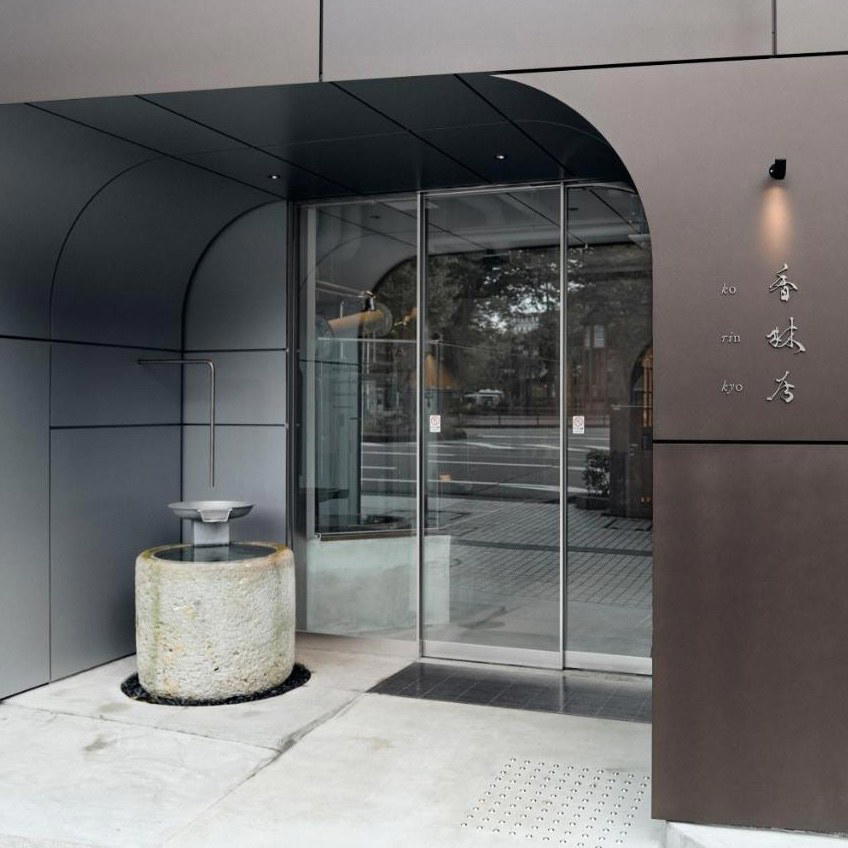
Higashiyama changes the tempo before the first order is placed. The district’s narrow lanes, preserved merchant-house scale, and tea-house associations encourage a slower form of eating and drinking than the station-side rush or the seafood-market itinerary. In that setting, the Kanazawa cafe becomes less about caffeine as fuel and more about pause, object, room, and sequence. Issho fits that ritual: a cafe category address with retail and gallery functions, counter seating, free Wi-Fi, and a no-smoking policy, shaped for lingering rather than turnover.
Kanazawa’s dining reputation usually begins with winter crab, sushi counters, kaiseki formality, and wagashi craft. Cafes occupy a different lane, but the stronger ones matter because they translate the city’s artisan grammar into a less formal format. The Tabelog Cafe WEST “Tabelog 100” 2025 selection places Issho in a curated regional cafe conversation rather than a generic tourist-stop category. Earlier selections for Tabelog Cafe “Tabelog 100” in 2021 and 2022, plus Tabelog Sweets WEST “Tabelog 100” in 2019, also point to continuity across cafe and sweets culture.
Higashiyama's tea-hour ritual, not a quick cafe stop
The defining idea here is pacing. Higashiyama rewards visitors who treat the afternoon as a structured interval: walk, sit, drink, look, leave enough time for the district’s small-scale architecture to register. That is a different custom from the checklist approach to Kanazawa, where Omicho Market, Kenrokuen, and the samurai district can compress the day into a sequence of photo stops. In the cafe tradition, the pause is the point.
Issho sits in that middle register between casual cafe and cultural room. The presence of a gallery and retail element matters because Kanazawa’s strongest non-restaurant food experiences often sit beside craft, packaging, ceramics, or confectionery culture. The meal or drink is not isolated from the object world around it. That makes the format closer to an afternoon cultural ritual than a conventional restaurant reservation.
Within Kanazawa’s wider dining map, this is also where price and ambition separate from formal tasting-menu dining. Cliente Kawabata occupies a far higher spend bracket, while Kureha sits in a comparable casual range. Hakuichi Higashiyama ten operates in a lighter snack-and-sweets lane. Those differences are useful because they show how Higashiyama accommodates several kinds of visitor intent: the quick sweet, the calm cafe stop, and the more serious meal elsewhere in the city. Issho’s cafe recognition puts it closer to the second category, where atmosphere, sweets culture, and tea-hour discipline carry the experience.
Why cafe recognition carries weight in Kanazawa
Tabelog’s Hyakumeiten lists are not Michelin-style star systems, but in Japan they have a practical use: they identify venues that Japanese diners return to and rate within tightly defined categories. For a cafe in Kanazawa, that matters. The city has enough tourist traffic to support many pleasant rooms, yet fewer cafes earn repeated category recognition across years. A 2025 Cafe WEST selection, following cafe selections in 2021 and 2022 and a sweets selection in 2019, suggests a place assessed through more than novelty.
The category itself is important. Cafe culture in Japan can mean several things: kissaten nostalgia, specialty coffee, parfait and sweets counters, tea-focused rooms, gallery cafes, or hybrid retail spaces. Kanazawa’s version is shaped by tea ceremony history, confectionery craft, gold leaf tourism, and the city’s ability to make small rituals feel considered without turning them into ceremony. The stronger cafe addresses do not need the architecture of luxury dining; they use sequence, quiet, and product focus.
For readers building a Kanazawa day, the logic is simple. Put formal meals where the city’s seafood and kaiseki traditions deserve attention, then use Higashiyama for the quieter stretch between them. A cafe with recognized standing gives structure to that pause. It also keeps the afternoon rooted in Kanazawa rather than importing a Tokyo coffee-bar template wholesale.
How to place it within a Kanazawa itinerary
The smart use of Issho is as an anchor for Higashiyama rather than a detached destination. The district’s appeal comes from moving on foot, letting the old-town scale set the rhythm, then sitting down before fatigue turns the area into another crowded sightseeing zone. That is why the cafe format works here: it gives the neighbourhood a natural midpoint.
Readers comparing Kanazawa options should think by ritual, not cuisine label alone. Amanatto and wagashi addresses suit those tracing the city’s confectionery tradition; soba and bistro rooms answer a different lunch question; beef and grill formats belong to a more meal-driven route. For broader planning, start with Our full Kanazawa restaurants guide, then layer in Our full Kanazawa hotels guide, Our full Kanazawa bars guide, Our full Kanazawa wineries guide, and Our full Kanazawa experiences guide for the rest of the day.
Nearby and related Kanazawa reading can include Amanatto Kawamura, 1/3 HAMBURGER FACTORY, 333, Aburi Niku Garan, and Ajiraku Yumemi. For broader Japan context across casual and specialist formats, see -Grilled beef Sukiyaki- KAMAKURA TANUKIAN 鎌倉 たぬき庵 in Kamakura. 鮪と炭火焼き うお炭 秋葉原店 in Tokyo.cafe in Osaka.know in Kumamoto, (Shoku) Vietnam in Kawasaki, and [Curry Senmon Ten] Maruyama Kyoju. in Sapporo. Outside Japan, Jōdo Saké Bar in Los Angeles and Onigiri Time in Pasadena show how Japanese drinking and casual food rituals translate abroad.
The editorial case for Issho is not excess; it is fit. Kanazawa does not need every meal to be formal, expensive, or seafood-led. A recognized Higashiyama cafe gives the day a quieter hinge, especially for travelers who understand that tea-hour restraint can be as revealing as a long dinner.
Category Peers
Comparable venues by cuisine and price in the same metro.
| Venue | Cuisine | Price | Notes |
|---|---|---|---|
| IsshoThis venue — the venue you are viewing | Hojicha specialty Japanese teahouse | $ | Not listed |
| Amanatto Kawamura | Traditional Japanese Sweets and Amanatto | $$ | Kanazawa |
| Kuroyuri (黒百合) | Traditional Kanazawa Oden Izakaya | $$ | Kanazawa Station |
| Sarashina Fujii | Traditional Soba & Sake Bar | $$ | Kanazawa |
| Menya Fukuza | Ramen shop | $ | Kanazawa |
| Aburi Niku Garan | Yakiniku Izakaya | $$ | Kanazawa |
Recognition history
Dated appearances from independent guides and award organizations, with the underlying list record or original source where available.
Tabelog 100 #26 · No. 26
Tabelog · Tabelog 100 - Cafe - WEST - 2025
Continue exploring
More in Kanazawa
Restaurants in Kanazawa
Browse all →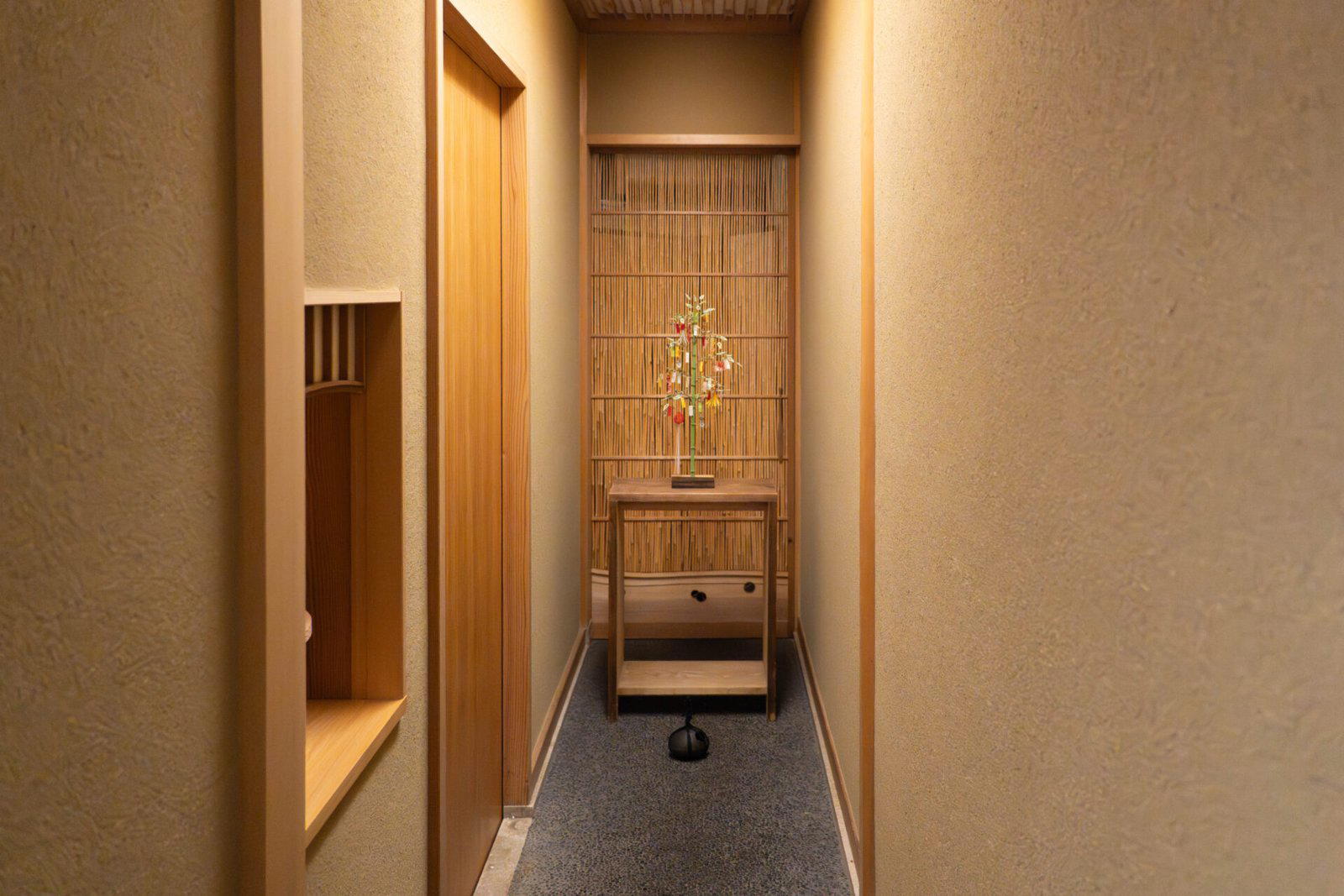
At a Glance
- Quiet
- Classic
- Cozy
- Solo
- Casual Hangout
- After Work
- Design Destination
- Historic Building
- Standalone
- Zero Proof
- Local Sourcing
Current opening hours
- Monday
- Closed
- Tuesday
- Closed
- Wednesday
- 12–5 PM
- Thursday
- 12–5 PM
- Friday
- 12–5 PM
- Saturday
- 12–5 PM
- Sunday
- 12–5 PM
Hours can change for holidays and private events. Last verified .
A tranquil, traditional Japanese teahouse atmosphere in a renovated machiya, with a quiet, contemplative mood, soft natural light, and a simple classic interior designed for slowly enjoying roasted tea and sweets away from the crowds of Higashi Chaya.