Tabelog 100 #16
Our verdict
A serious unagi address in Shitaya, close to Iriya Kishimojin, where Tokyo’s eel tradition is treated as a craft rather than a luxury cliché. Recognition in Tabelog’s Unagi 100 in 2018, 2019, 2022, and 2024 places it among the city’s more closely watched eel specialists, with pricing that sits firmly in the premium everyday-occasion tier.

Pearl is the En Primeur Club membership app, where members save venues, book tables and use the concierge.
The menu
What to order
- Unaju
- Hitsumabushi
- Kansai-style ji-yaki
- Rock-salt grilled eel
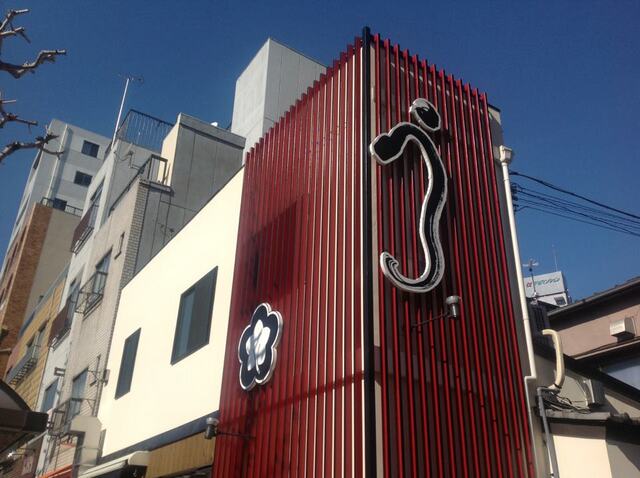
Approaching Iriya Kishimojin Monzen no Daya in Tokyo, the city shifts from broad commercial dining circuits to a more focused rhythm built around one precise meal. Here, unagi is calendar food, craft food, and, in Tokyo, a reminder of how much attention a kitchen can put into a narrow repertoire.
Iriya Kishimojin Monzen no Daya belongs to that tradition, not the international tasting-menu circuit. Its setting is Tokyo, where long-running food formats can feel like daily infrastructure rather than nostalgia. The category is unagi, with seafood and Japanese cuisine as supporting territory, and recognition from Tabelog Hyakumeiten in 2024 gives it a public signal that matters for diners looking specifically at eel specialists.
Tokyo unagi as discipline, not ornament
Tokyo eel culture has a grammar distinct from sushi or tempura. The meal turns on preparation, timing, and the relationship between fish, tare, rice, and heat. Some unagi traditions involve steaming before grilling, while others emphasize direct heat, though houses vary. For diners, the point is concentration: unagi is not a parade of courses performing range, but a narrow format where small lapses show.
That is why category-specific recognition carries weight. Tabelog’s unagi-focused recognition places the restaurant inside a specialist field, rather than treating it as a general-purpose dining room. Selection in 2024 means Iriya Kishimojin Monzen no Daya is visible to diners searching within that field. Its Tabelog score of 3.92 is another useful public marker for travellers comparing traditional Japanese specialists.
The price band reinforces this: lunch is listed at JPY 8,000 to JPY 9,999, dinner at JPY 10,000 to JPY 14,999. That puts it in the territory of a serious specialist meal: expensive enough to plan for and focused enough to avoid fine-dining performance language.
The Iriya setting gives the meal its frame
Location matters in Tokyo dining because foods read differently by setting. Some rooms turn craftsmanship into theatre; others give it a polished city form; traditional specialists often keep the experience close to habit, occasion, and repetition. Here, food and place align. Eel’s formal-but-familiar mood has a convincing stage in Tokyo.
The house scale shapes expectations without needing the language of exclusivity. It is a specialist restaurant rather than a private club, but focused formats still reward tidy timing, especially when demand rises. When eel is especially in demand, planning matters more and some dishes or preparations may be less predictable late in service.
For travellers building a Tokyo food itinerary, this differs from chasing headline counters. It suits readers who want a precise expression of a Japanese staple, with enough ceremony to feel serious and enough local context to avoid feeling packaged. It also fits a broader Tokyo day better than a cross-city sprint built only around luxury dining.
How to place it in a Tokyo dining itinerary
Tokyo is hard to read because price does not always map cleanly to ambition. A modest specialist can have a sharper local identity than a bland hotel dining room; a JPY 10,000 specialist can feel more culturally specific than a longer tasting menu. HARU and Kansai Fu Teuchi Udon Irasshai sit at a much lower casual price tier, while Akagi operates in a similar JPY 8,000 to JPY 9,999 bracket and sardexka reaches the same dinner band in another format. The useful comparison is not cuisine-to-cuisine equivalence, but how tightly each place defines its purpose.
An unagi meal here should not be treated as a generic Japanese dinner slot. It is for the day when eel is the point. Diners seeking counter theatrics, chef biography, or a long drinking menu may find better matches elsewhere. Those who want one of Tokyo’s focused culinary forms presented with specialist seriousness will understand the appeal quickly.
Planning should be tidy. The restaurant is in Tokyo, and the meal is best approached as a focused unagi stop rather than an all-purpose dining reservation. Because the cooking depends on timing, aroma, and a narrow repertoire, diners should avoid treating it like a flexible add-on between unrelated plans. The listed phone line is +81-3-3874-1855, which is the practical contact point for current details.
For a wider Tokyo dining map, compare this focused traditional meal with the city’s casual, grill, and specialty formats across other unnamed Tokyo dining rooms. Broader city planning can also sit alongside general Tokyo hotels, bars, wineries, and experiences research. For Japanese dining beyond the capital, use those references as broader context rather than direct comparisons with this Tokyo unagi specialist.
The critical read is simple: Iriya Kishimojin Monzen no Daya is not translating Tokyo dining into a generic visitor script. It belongs to a category with local expectations, demand around a focused product, and a customer base that understands why eel costs what it does. That makes it useful for travellers who want Tokyo’s food culture in a specific form, not a general survey of Japanese cuisine.
Frequently asked questions
What are Iriya Kishimojin Monzen no Daya's hours?
Current hours for Iriya Kishimojin Monzen no Daya are not provided here; diners should confirm directly before visiting.
What's the price range at Iriya Kishimojin Monzen no Daya?
Pricing at Iriya Kishimojin Monzen no Daya is listed as dinner: JPY 10,000 - JPY 14,999; lunch: JPY 8,000 - JPY 9,999.
Where is Iriya Kishimojin Monzen no Daya located?
Iriya Kishimojin Monzen no Daya is located in Tokyo.
What's Iriya Kishimojin Monzen no Daya best at?
It is strongest on unagi service: the restaurant was recognized by Tabelog Hyakumeiten in 2024 and is listed in the unagi, seafood, and Japanese cuisine categories. The price band fits a focused eel stop rather than a sprawling menu.
What if I have allergies at Iriya Kishimojin Monzen no Daya?
The venue works across unagi, seafood, and Japanese cuisine, so diners with allergies should flag ingredients before ordering. The listed phone line is +81-3-3874-1855, which is the practical way to raise concerns in advance.
Cuisine Lens
Comparable venues to place this listing in its category.
| Venue | Cuisine | Price | Awards | Notes |
|---|---|---|---|---|
| Iriya Kishimojin Monzen no DayaThis venue (the venue you are viewing) | Japanese Unagi | Not listed | Tabelog 100 #16 | Not listed |
| Yamacho (黒うどん 山長) | Black Udon (Kuro Udon) | $10–20 | Not listed | Harajuku |
| Amanoya | Traditional Japanese sweets café & okonomiyaki | $20–30 | Tabelog 100 | Chiyoda |
| Muromachi Sunaba Nihonbashi hon ten | Traditional Edo-style soba | $20–30 | Tabelog 100 #67 | Chūō |
| Yakitori Miyagawa | Traditional Yakitori Izakaya | $30–50 | Tabelog 100 #47 | Chūō |
| 銀座 小十 | Kaiseki | $200–300 | 2 Michelin Stars · La Liste Top Restaurants | Chūō |
Recognition history
Dated appearances from independent guides and award organizations, with the underlying list record or original source where available.
Tabelog 100 #16 · No. 16
Tabelog · Tabelog 100 - Unagi - 2024