
Ippei Chan brings Korean cooking into a compact counter format in Ikaruga, a Nara town better known to travelers for temple routes than Asian-cuisine awards. Its Tabelog 100 selection for Asian and ethnic cuisine in WEST 2024 gives the room a sharper editorial signal: small-scale, accessibly priced regional dining can carry as much intent as metropolitan tasting counters.
Pearl is the En Primeur Club membership app — saves, bookings, and concierge access live there. Same editors, same standards.
- Address
- 5 Chome-15-33 Okidome, Ikaruga, Ikoma District, Nara 636-0123, Japan
- Phone
- +81 745-27-3901
- Website
- kazr700.gorp.jp
- Directions
- Get directions
 Saves & bookings on Pearl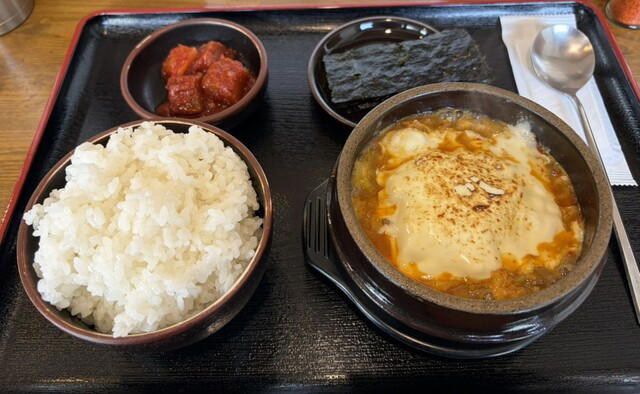
The approach is part of the experience: a narrow-alley entrance, counter seating, and the compressed rhythm of a six-seat room, not a city dining room. In Ikaruga, where visitors pass through toward Horyuji and Nara’s older cultural spine, Korean cooking reads differently from Osaka or Tokyo equivalents: not spectacle, but proximity, turnover, and the directness of a counter meal.
That matters because Korean restaurants in Japan often split between barbecue and late-night drinking, or homestyle stews, noodles, rice dishes, and takeout-friendly food. Ippei Chan sits closer to the second current, where sourcing and preparation show through everyday formats rather than formal dégustation. The Tabelog 100 Asian cuisine and Ethnic cuisine WEST 2024 selection places it in a regional group that rewards consistency and local demand, not only name recognition.
Korean cooking at counter scale in temple-country Nara
Ikaruga is not a conventional dining destination like central Nara, Kyoto, or Osaka. That is the point. A small Korean counter here must serve locals first while staying legible to travelers on the JR Kansai Main Line corridor. The result is practical Korean food in Japan: compact, inexpensive by destination-dining standards, and built around repeatable cooking rather than ceremony.
The ingredient angle is less named farms or luxury produce than the discipline of Korean everyday cooking: fermentation, seasoning, preserved vegetables, rice, broths, spice pastes, and heat management. In Japan, Korean food has long been shaped by Korean communities and local adaptation, from yakiniku culture to neighborhood kitchens. At this scale, sourcing matters because a counter restaurant cannot hide weak base ingredients behind elaborate service choreography.
That makes the Tabelog recognition useful as a trust signal. The WEST list is not a Michelin-style star system, and its display order is not a formal rank. It identifies restaurants across western Japan that have earned sustained diner attention and belong in a serious regional conversation. For travelers, that separates this address from casual places that simply happen to be near a station.
Within Ikoma-gun, the comparison is narrow. Ramenya Mitsuba Za Se Kondo sits in a similar accessible spending band, but ramen and Korean counter cooking answer different cravings: broth, noodle texture, and speed on one side; seasoning structure, rice-table logic, heat, and fermentation on the other. For a wider map, our full Ikoma-gun restaurants guide is the better starting point.
The room rewards solo diners and decisive ordering
Six counter seats change how a meal behaves. Do not expect large Korean barbecue rooms or private-table dining. The format favors one or two diners, a short meal, and a clear decision once seated. Counter restaurants in Japan often turn hospitality into choreography; here the appeal is plainer: the guest is close to the work, hesitation is noticeable, and takeout fits naturally beside dine-in service.
The no-smoking policy and counter-only setup make it a focused lunch or early-evening stop rather than a lingering social room. Private rooms and private use are not part of the format, so the value is directness. Payment and access details matter more here than at a hotel dining room. The practical shape is local, small, and cash-oriented, typical of many independent Japanese restaurants outside the largest urban cores.
For travelers, the stronger editorial move is to pair the meal with Ikaruga’s cultural geography, not detach it from place. Nara’s dining identity is often discussed through kakinoha-zushi, tea, wagashi, Buddhist vegetarian traditions, and regional produce, yet the prefecture’s everyday restaurant culture is broader. Korean cooking near Horyuji adds another layer: not heritage tourism cuisine, but a neighborhood table feeding a town between temple visits and commuter trains.
The national dining map runs from beef-focused rooms such as -Grilled beef Sukiyaki- KAMAKURA TANUKIAN 鎌倉 たぬき庵 in Kamakura to casual Tokyo grill formats like . 鮪と炭火焼き うお炭 秋葉原店 in Tokyo, Osaka cafe culture at .cafe in Osaka, and regional rooms such as .know in Kumamoto. Korean and Southeast Asian registers appear elsewhere too, including (Shoku) Vietnam in Kawasaki. The useful comparison is how each format reveals what a city or town can sustain.
How to place it in a wider Nara and Japan itinerary
Ippei Chan works as a compact local meal rather than a long-form destination dinner. That is not a downgrade. In Japan, some of the sharpest food decisions happen in small rooms with limited seats, modest prices, and narrow operational windows. The key is matching expectations to format: counter scale, Korean category, and a town context shaped by rail access and heritage traffic.
The lack of a chef-led public narrative is also useful. Too many small restaurants get forced into personality stories they do not need. Here, the stronger reading is structural: Korean cooking in western Japan, selected by Tabelog in 2024, operating in Ikaruga at a size where ingredient handling and seasoning discipline carry the experience. Its appeal lies in that compression.
For planning beyond the meal, the local ecosystem is thin but not empty. Food travelers staying in the district can cross-check our full Ikoma-gun hotels guide, while drink-led evenings are better assessed through our full Ikoma-gun bars guide. For longer regional travel, our full Ikoma-gun wineries guide and our full Ikoma-gun experiences guide help place the stop inside a wider itinerary rather than a single-meal detour.
Across Japan, the same logic applies to category-specific dining. Curry specialists such as [Curry Senmon Ten] Maruyama Kyoju. in Sapporo, Kyoto rooms like [ki:] in Kyoto, Nara beef specialists such as #肉といえば松田 奈良本店 in Kashihara, and casual formats like 1/3 HAMBURGER FACTORY in Kanazawa or 1000 in Yokohama all make more sense through local purpose. Even outside Japan, Japanese-adjacent formats such as Jōdo Saké Bar in Los Angeles and Onigiri Time in Pasadena show how compact formats carry cultural meaning when execution is disciplined. Ippei Chan’s place in that larger conversation is small but clear: Korean food, counter scale, regional recognition, and a grounded Nara setting.
At-a-Glance Comparison
Comparable venues by cuisine and price in the same metro.
| Venue | Cuisine | Price | Notes |
|---|---|---|---|
| Ippei Chan | Korean gukbap (rice soup) specialist | $ | Ikaruga-cho |
| Ramenya Mitsuba Za Se Kondo | Ramen shop | $ | Horyuji |
| 韓国料理あやん | Authentic Korean Home-Style Cuisine | $ | Shimogyo Ward / Minami Ward |
| Seoul K | Casual Korean Restaurant | $$ | Nishi |
| Drive-in Ippei (ドライブイン一平) | Japanese Curry & Tonkatsu Diner | $ | 小城市 |
| Miyazato Soba (宮里そば) | Okinawan Soba | $ | Miyazato |
Recognition history
Dated appearances from independent guides and award organizations, with the underlying list record or original source where available.
Tabelog 100 #55 · No. 55
Tabelog · Tabelog 100 - Asian cuisine / Ethnic cuisine - WEST - 2024
Continue exploring
More in Ikoma-gun
Restaurants in Ikoma-gun
Browse all →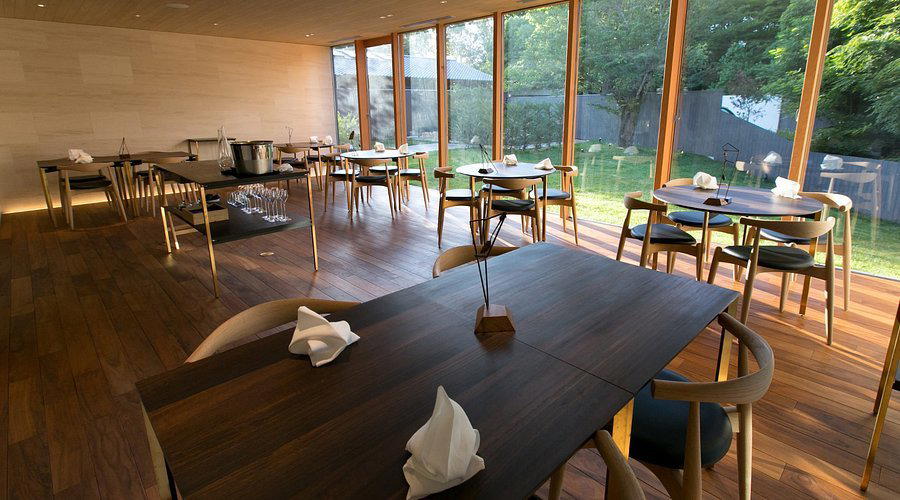




Bars in Ikoma-gun
Browse all →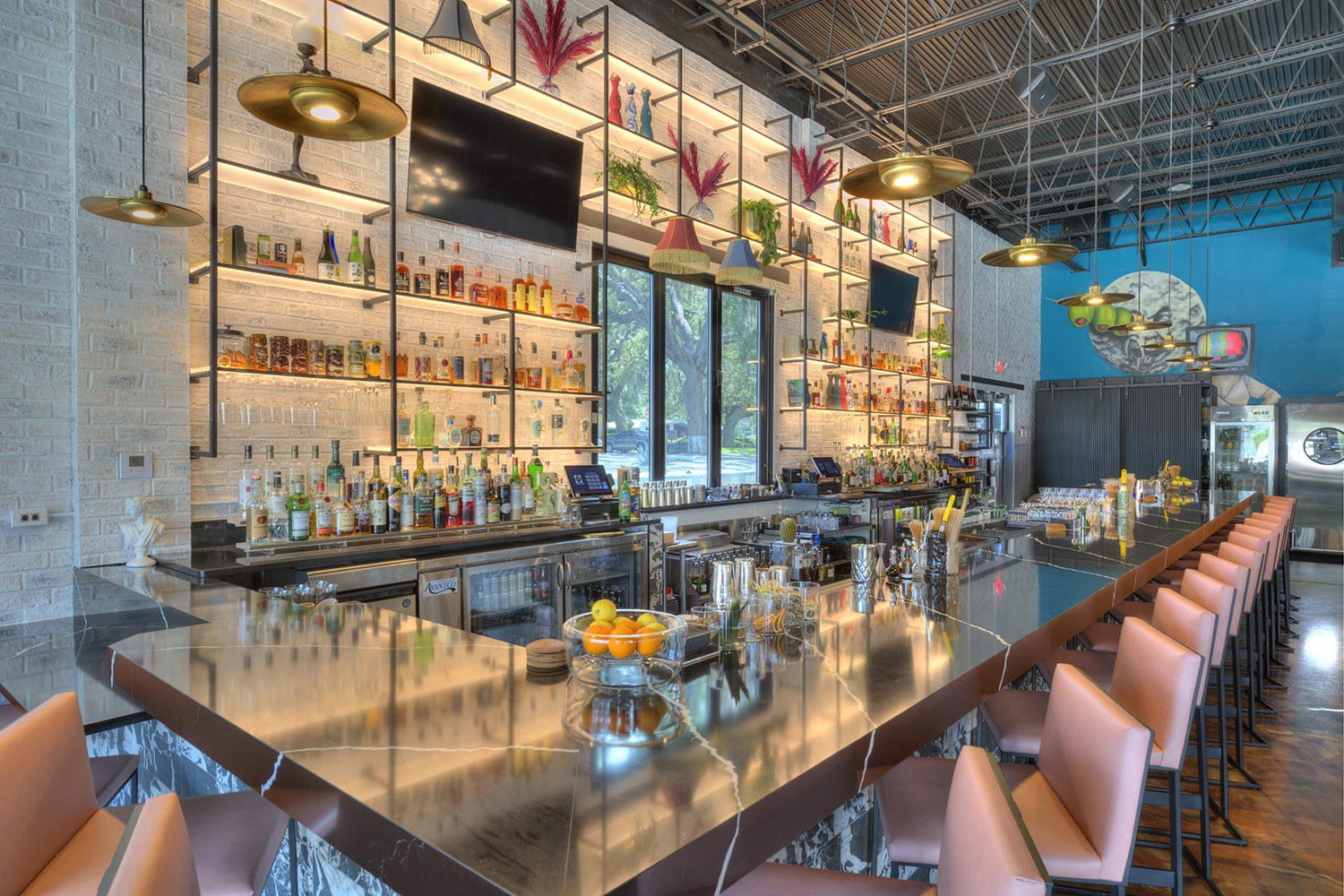

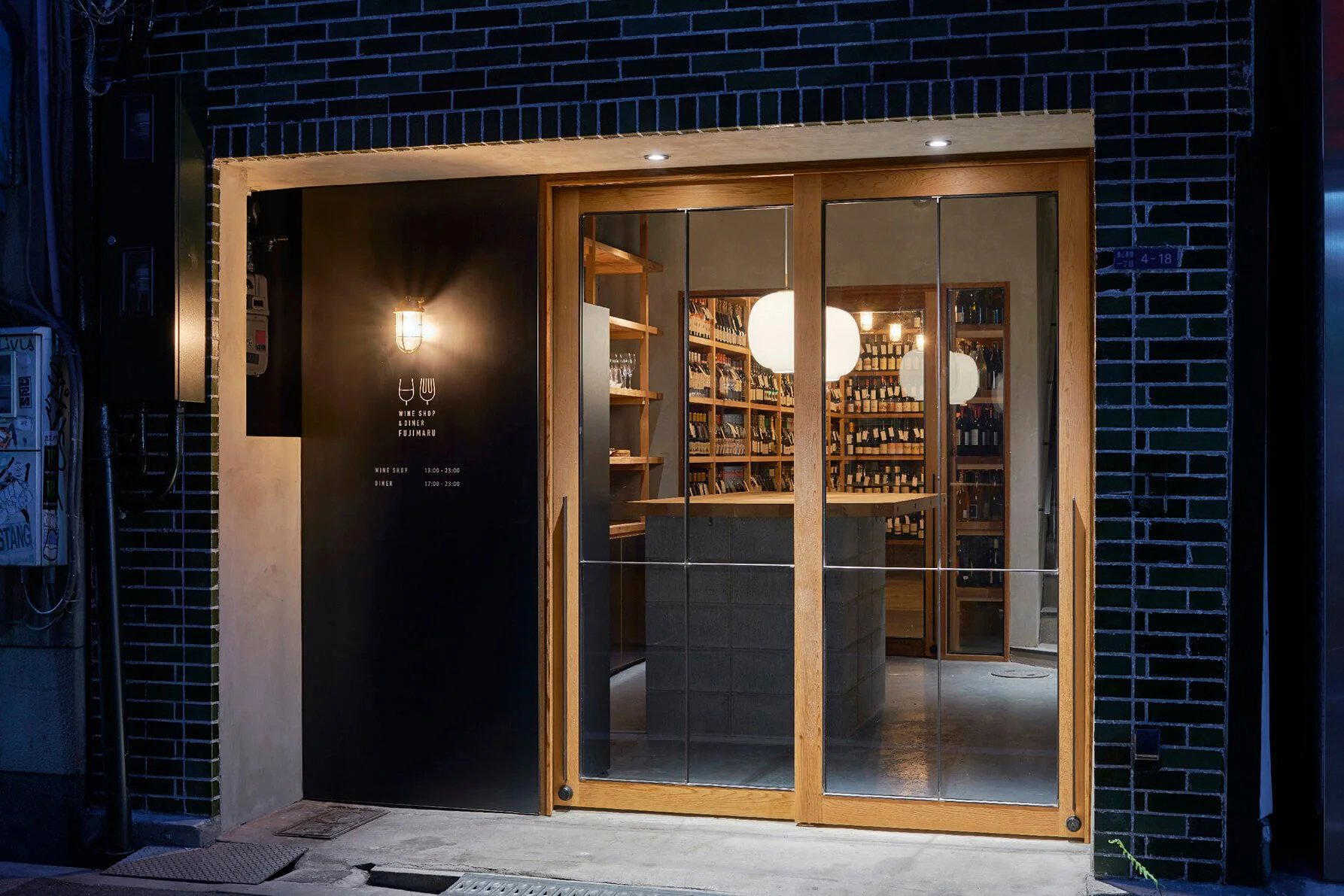

Hotels in Ikoma-gun
Browse all →




Wineries in Ikoma-gun
Browse all →
At a Glance
- Cozy
- Intimate
- Solo
- After Work
- Casual Hangout
- Standalone
Current opening hours
- Monday
- 11 AM–2:30 PM, 5–8:30 PM
- Tuesday
- 11 AM–2:30 PM, 5–8:30 PM
- Wednesday
- 11 AM–2:30 PM, 5–8:30 PM
- Thursday
- 11 AM–2:30 PM, 5–8:30 PM
- Friday
- 11 AM–2:30 PM, 5–8:30 PM
- Saturday
- Closed
- Sunday
- Closed
Hours can change for holidays and private events. Last verified .
A small, homey counter shop with just six seats, relaxed conversational noise, and an unpretentious, at-home feel ideal for solo diners or two people dropping in for a casual meal.