
Ramenya Mitsuba Za Se Kondo puts Ikaruga’s ramen scene in a sharper frame: small counter format, repeat Tabelog Ramen WEST 100 selection, and a price band that keeps the experience closer to everyday eating than destination dining theatre. Its value is clearest for travellers already moving through Nara’s temple country and looking for a serious bowl outside the larger city circuits.
Pearl is the En Primeur Club membership app — saves, bookings, and concierge access live there. Same editors, same standards.
- Address
- 2 Chome-5-45 Horyujihigashi, Ikaruga, Ikoma District, Nara 636-0112, Japan
- Website
- ramenya-mitsuba.com
- Directions
- Get directions
 Saves & bookings on Pearl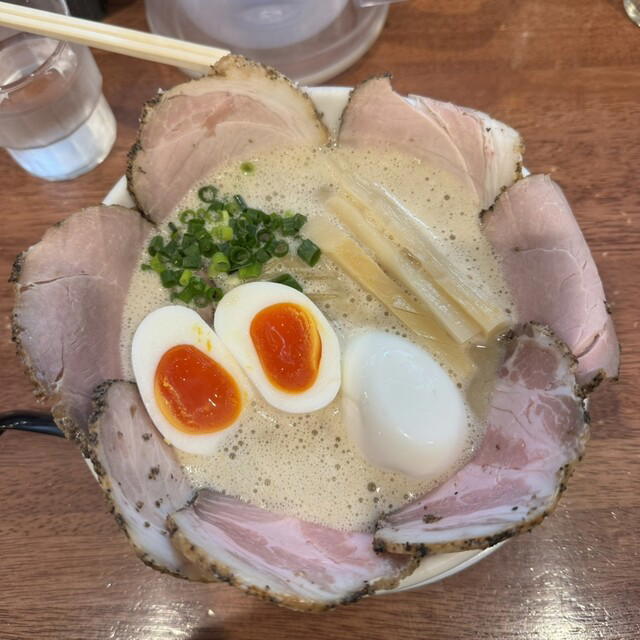
Ramen in Ikaruga moves differently than in Osaka or Tokyo: slower rhythm, wider streets, and a meal tied to a town where temple traffic, errands, and lunch queues overlap. Ramenya Mitsuba Za Se Kondo fits that setting: a compact counter restaurant in Horyujihigashi, small, direct, and built around ramen as local habit rather than staged tasting-menu ceremony.
Nara ramen gets less attention than Kansai’s larger urban centers, which is why its serious shops matter. They operate without constant tourist-facing novelty. Selection for Tabelog Ramen WEST 100 in 2018, 2019, 2023, 2024, and 2025 places this address in a western Japan conversation, not just a neighbourhood list. The recognition helps because ramen quality cannot be judged by price alone; many of Japan’s strongest bowls sit in the same modest band as routine station meals.
Why a small Ikaruga counter belongs in western Japan's ramen conversation
Ramen is often discussed through style labels: shoyu, shio, miso, tonkotsu, tsukemen. More revealing is how a shop handles sourcing and extraction in a short service format. A limited-seat counter leaves little room for menu sprawl, so the work concentrates in broth structure, noodle handling, tare balance, and repetition. The small format creates pressure: every bowl has to carry the argument.
Ramenya Mitsuba Za Se Kondo has 13 counter seats, intimate within Japan’s ramen spectrum but not reservation-only luxury. The comparison matters. Some shops are built for speed; others are chef-driven counters treating the bowl with kappo-level ingredient scrutiny. This address sits closer to the latter in recognition while remaining closer to everyday ramen in price and access. That seriousness-affordability gap is one reason regional ramen is so compelling.
The sourcing point is less a single named farm than what ramen demands from raw materials. Broth depends on layered extraction; noodles expose flour choice, hydration, and timing with little cover. In a small counter, these decisions are not hidden by décor or service. They are the meal. Repeat inclusion in a regional 100 selection signals consistency: not one seasonal flourish, but a kitchen reproducing balance daily.
Ikoma-gun changes the bowl’s context. This is not a neon ramen district for grazing from shop to shop. Ikaruga is temple country and slower Nara movement, so a serious ramen stop becomes a midday anchor between heritage sites and rail transfers, not a late-night urban ritual. For wider dining routes, Our full Ikoma-gun restaurants guide adds context, while Ippei Chan offers a local price comparison in the same broad everyday bracket.
The value of restraint in a low-price, high-scrutiny category
Ramen’s Japanese value proposition is severe. A shop can be inexpensive and forgettable, inexpensive and technically serious, or expensive enough to lose ramen’s democratic charge. Here, the spending band stays within ordinary ramen economics, while the awards history raises expectations beyond a nearby casual bowl. That tension is the restaurant’s editorial strength: it asks to be judged against recognised western Japan ramen counters, not full-service restaurants with longer menus and softer margins.
The counter-only setup defines the social contract. This is not a lingering dining room, but a place for focused eating, quick turnover, and attention to the bowl. Private rooms and large-party flexibility are not part of the format, as is normal for ramen at this level. It rewards solo travellers, small groups, and diners comfortable with compact counter etiquette. For families, the issue is less price than behaviour and timing: ramen counters can suit children able to sit through a short, orderly meal, but they are not spacious family restaurants.
Payment and access details matter more in rural and suburban Japan than many visitors expect, but the broader point is planning. Serious food outside main tourist dining corridors often asks for more planning than money. Limited seats, no reservation structure, and local rhythms mean the meal should be planned, especially in Ikaruga, where travel often follows temple visits, train schedules, and daylight hours rather than nightlife.
In the wider set, the appeal is narrower than a full Japanese-cuisine counter such as GENMAIAN or Le Bois, and more directly ramen-focused than general casual options. Tsukemen Mushin sits in a related low-price ramen bracket outside the immediate area, but Ikaruga’s draw is location-specific: a serious bowl in quieter Nara travel geography. For EP Club readers, not every recognised address needs a standalone detour; some matter because they improve an already intelligent itinerary.
How to place it in an Ikoma-gun itinerary
The strongest use case is lunch on a Nara day already including Ikaruga or Horyuji. The area is not a dense restaurant quarter, so make the ramen stop part of the day’s structure. Repeat Tabelog Ramen WEST 100 selections make it credible for travellers wanting one regional ramen meal without defaulting to Osaka or Kyoto. It also suits diners who value format discipline over long menus, wine lists, or extended service.
For trip planning, Ikoma-gun works better as a compact base or day-trip zone than a self-contained luxury circuit. Pair the meal with area research through Our full Ikoma-gun hotels guide, Our full Ikoma-gun bars guide, Our full Ikoma-gun wineries guide, and Our full Ikoma-gun experiences guide. Readers extending the Japan dining map can compare regional casual formats across -Grilled beef Sukiyaki- KAMAKURA TANUKIAN 鎌倉 たぬき庵 in Kamakura, . 鮪と炭火焼き うお炭 秋葉原店 in Tokyo, .cafe in Osaka.know in Kumamoto, (Shoku) Vietnam in Kawasaki, [Curry Senmon Ten] Maruyama Kyoju. in Sapporo, [ki:] in Kyoto, #肉といえば松田 奈良本店 in Kashihara, 1/3 HAMBURGER FACTORY in Kanazawa, 1000 in Yokohama, Jōdo Saké Bar in Los Angeles, and Onigiri Time in Pasadena.
Ramenya Mitsuba Za Se Kondo is not for travellers seeking a long-form restaurant evening. Its strength is sharper: a recognised ramen counter in quieter Nara, priced for everyday eating and disciplined enough for regional awards conversation. Build it into a day when Ikaruga already makes sense, and the meal becomes a precise correction to the idea that serious ramen belongs only to Japan’s largest cities.
Comparison Snapshot
Comparable venues by cuisine and price in the same metro.
| Venue | Cuisine | Price | Notes |
|---|---|---|---|
| Ramenya Mitsuba Za Se Kondo | Ramen shop | $ | Horyuji |
| Ippei Chan | Korean gukbap (rice soup) specialist | $ | Ikaruga-cho |
| Tonjinchi (貪瞋癡) | Traditional Himi Niboshi Ramen | $ | Himi |
| Chiikawa Bakery | Chiikawa-themed Japanese bakery café | $ | Umeda |
| Rishiri Ramen Miraku (利尻らーめん 味楽) | Rishiri-Style Yaki Shoyu Ramen | $ | Kohoku-Ku |
| Men Tokoro To Ichi | Ramen and tsukemen | $ | Kashihara |
Recognition history
Dated appearances from independent guides and award organizations, with the underlying list record or original source where available.
Tabelog 100 #33 · No. 33
Tabelog · Tabelog 100 - Ramen - WEST - 2025
Continue exploring
More in Ikoma-gun
Restaurants in Ikoma-gun
Browse all →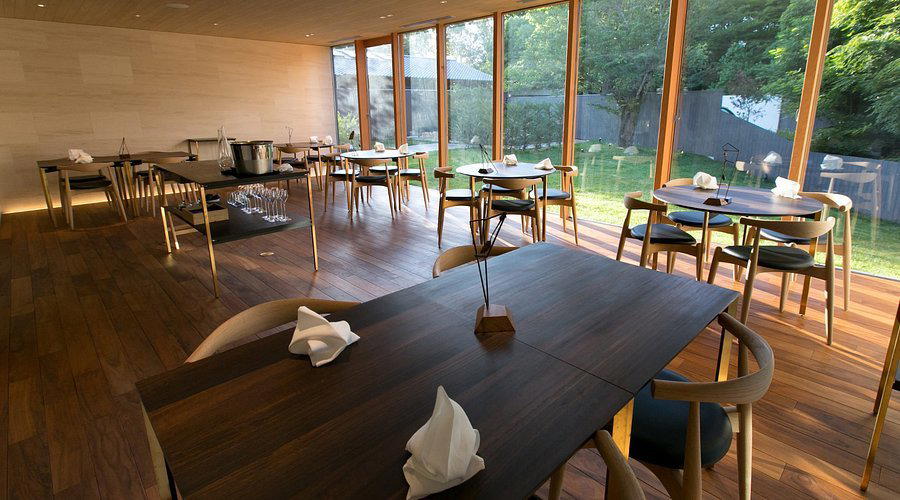




Bars in Ikoma-gun
Browse all →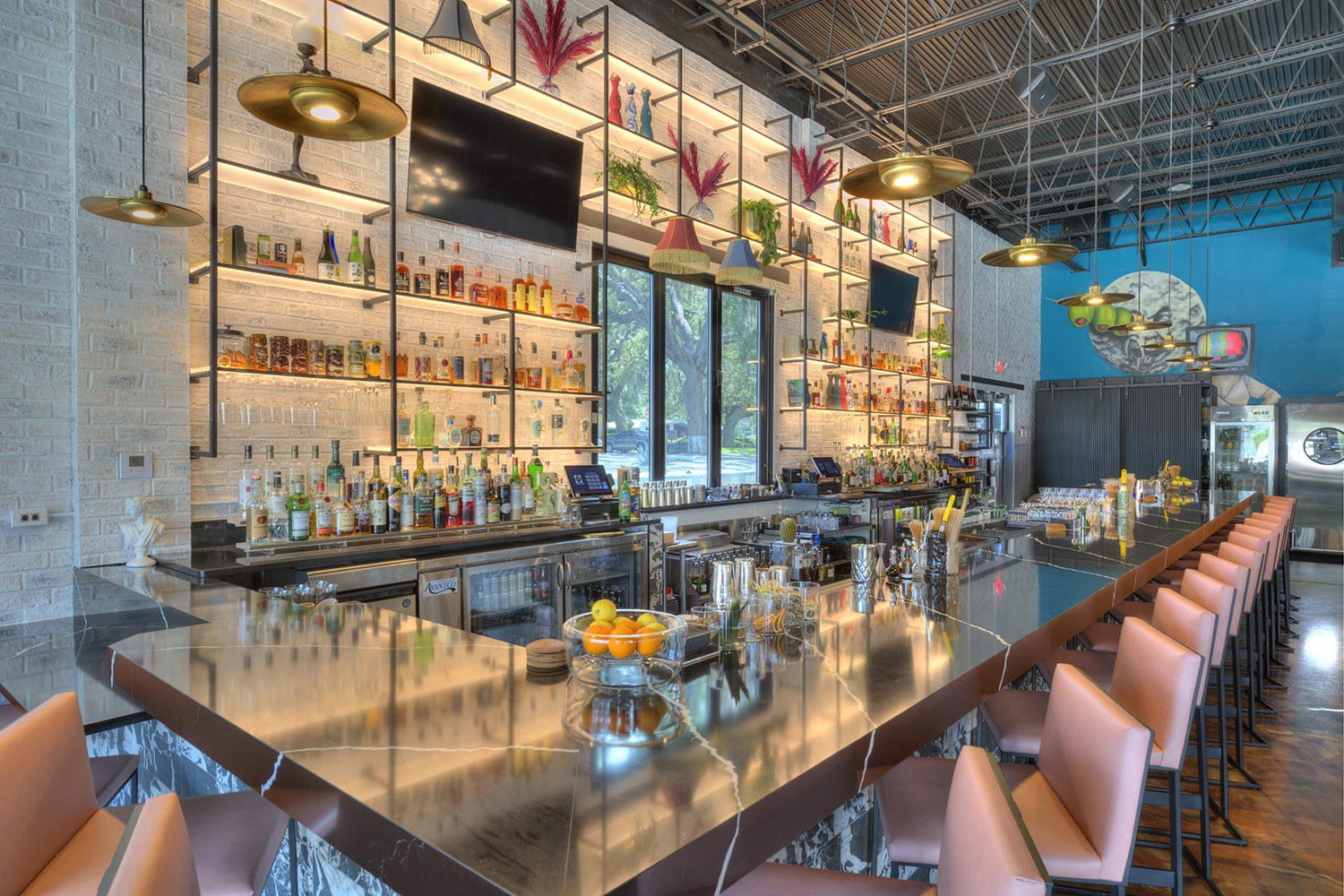

Hotels in Ikoma-gun
Browse all →



Wineries in Ikoma-gun
Browse all →
At a Glance
- Cozy
- Classic
- Solo
- Casual Hangout
- Family
- Late Night
- Chefs Counter
- Standalone
Current opening hours
- Monday
- 11 AM–3 PM
- Tuesday
- 11 AM–3 PM
- Wednesday
- 11 AM–3 PM
- Thursday
- 11 AM–3 PM, 6–9 PM
- Friday
- Closed
- Saturday
- 11 AM–3 PM
- Sunday
- 11 AM–3 PM
Hours can change for holidays and private events. Last verified .
A compact, counter-only ramen shop inside a converted house, with a simple, no-frills interior, close counter interaction, and a lively but informal atmosphere typical of popular local ramen joints.