Located on Irving Street in San Francisco's Inner Sunset, IPOT sits within a neighborhood that has quietly developed one of the city's more interesting restaurant corridors outside the downtown core. The venue occupies a section of the city where Filipino, Japanese, and Californian influences converge, making it a reference point for those tracking how outer-neighborhood dining in San Francisco compares to the heavily covered Michelin tier.
Pearl is the En Primeur Club membership app — saves, bookings, and concierge access live there. Same editors, same standards.
- Address
- 1420 Irving St, San Francisco, CA 94122
- Phone
- +14159337644
- Website
- opentable.com
- Directions
- Get directions
 Saves & bookings on Pearl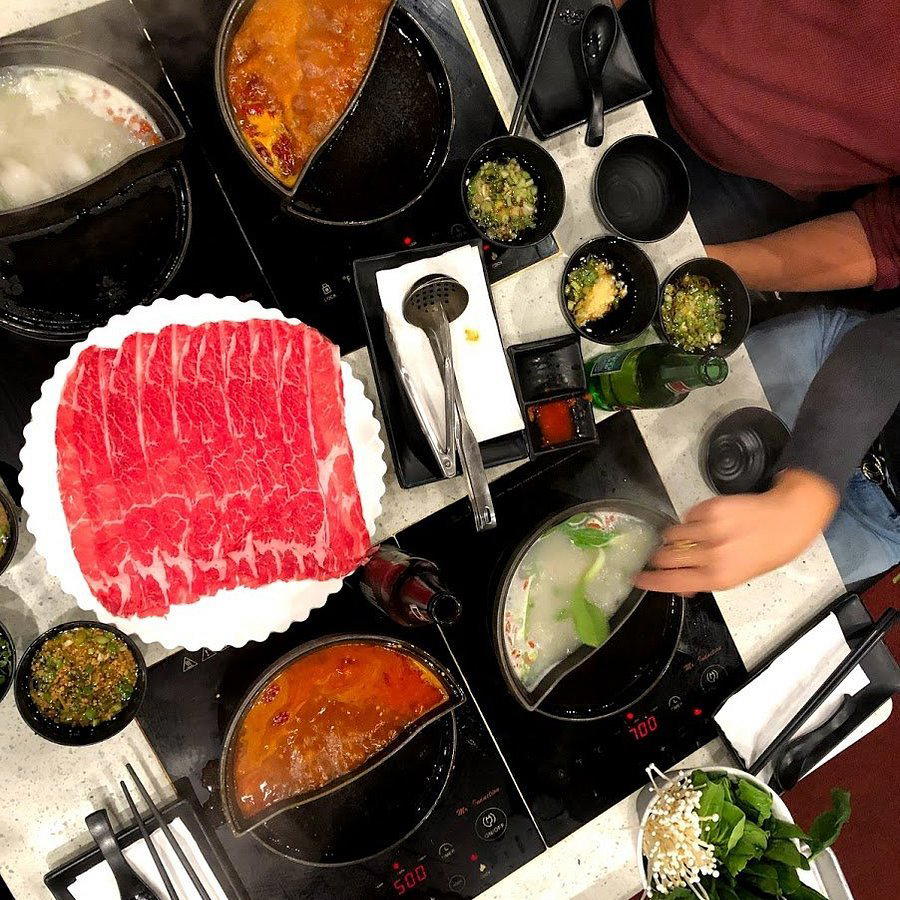
Irving Street and the Outer Neighborhood Question
San Francisco's dining conversation has long been dominated by a handful of addresses: the SoMa tasting-menu circuit, the Ferry Building adjacents, and the Mission's natural-wine corridor. The Inner Sunset, by contrast, receives less column space despite running a dense stretch of independent restaurants along Irving Street that would register as a destination strip in most other American cities. IPOT, at 1420 Irving St, sits inside that less-charted tier, in a neighborhood where the competition is rarely another Lazy Bear or Atelier Crenn, but rather a rotating cast of family-run spots and casual specialists that have held the same blocks for decades.
The Inner Sunset runs west from Twin Peaks toward Golden Gate Park, and its restaurant mix reflects the demographics that have settled there: a significant Asian-American population, a density of UC San Francisco–affiliated residents, and a general preference for casual formats over ceremony. The street does not trend toward the prix-fixe structures that define San Francisco's Michelin tier, where venues like Benu or Quince anchor a different kind of dining evening entirely. What Irving Street offers is the opposite of that model: accessible price points, drop-in culture, and a format built around sharing rather than sequence. IPOT serves all-you-can-eat hot pot and Korean BBQ at 1420 Irving St in San Francisco's Inner Sunset.
The Hot Pot Format in a Californian Context
Hot pot as a dining format carries significant competitive weight in the Bay Area. The region's large Chinese, Vietnamese, and Korean communities have sustained specialist hot pot restaurants for decades, and the format has more recently attracted broader audiences drawn to its interactive, communal structure. At its core, hot pot places the cooking apparatus at the table: a simmering broth, or in split-pot configurations, two broths simultaneously, into which diners add raw proteins, vegetables, and noodles at their own pace. The format inverts the conventional restaurant dynamic entirely; the kitchen's role is preparation and supply, while the timing and combination sit with the diners.
This makes hot pot a format with different cellar logic than a tasting-menu restaurant. Where venues like Saison build wine programs around a chef's progression through the menu, hot pot's broth-forward flavors and communal pacing call for something more versatile and session-friendly. The-run hot pot operations in cities like San Francisco tend to pair their broth selections with drink lists weighted toward lighter, higher-acid options: crisp lagers, sparkling wines, and sometimes shochu or baijiu for tables ordering spicier Sichuan-style broths. The format's logic suggests that any serious hot pot address in a city with San Francisco's beverage culture would approach the pairing question deliberately.
How the Inner Sunset Positions Against the City's Fine-Dining Tier
The comparison between Irving Street hot pot and the city's fine-dining addresses is not a competition so much as a clarification of two entirely different value propositions. At the French Laundry end of the Northern California spectrum, a dining evening is a sequenced, long-format, single-ticket event with a wine program to match. At the other end, a well-run hot pot spot delivers something the tasting-menu circuit structurally cannot: genuine group flexibility, a format that accommodates large tables naturally, and a per-head cost that keeps the evening accessible.
Across American cities, this split between the Michelin-tracked tier and the neighborhood specialist tier is well-established. Le Bernardin in New York and Alinea in Chicago operate at a ceiling where the dining room itself is part of the product. Neighborhood restaurants, whether a hot pot address in San Francisco's Sunset or a po-boy counter in New Orleans near Emeril's, occupy a different register, one defined less by critical recognition and more by repeat-visit frequency and neighborhood dependence. Both tiers matter; they serve different needs.
In San Francisco specifically, the outer neighborhoods carry a counterweight to the downtown and SoMa concentration. San Francisco's outer neighborhoods provide a counterweight to the downtown and SoMa concentration, from tasting-menu addresses to neighborhood operations that drive more consistent foot traffic with lower per-visit spend.
What the Address Suggests About Format and Occasion
1420 Irving St places IPOT in a block that sees heavy foot traffic from the N-Judah streetcar line, which deposits riders along Irving from downtown through the Sunset. The area's evening rhythm skews toward tables arriving without reservations, particularly for casual formats, though hot pot restaurants with strong reputations in urban markets often see weekend demand that outpaces walk-in availability. The format itself is also well-represented across the Bay Area in South Bay and East Bay locations, which means San Francisco diners have calibrated expectations about broth quality, protein selection range, and table equipment.
Regionally, the hot pot format has drawn comparisons to Korean barbecue as a shared-cooking concept with significant group-dining utility. Both formats have attracted attention from a dining culture that has moved toward participation and informality after a decade that overindexed on chef-driven, high-ceremony tasting menus. Even venues at the prestige end of the American market, like Blue Hill at Stone Barns or The Inn at Little Washington, have noted the cultural pull toward more participatory dining in recent years, even if their formats remain resolutely formal.
For the Inner Sunset, the IPOT address represents the kind of neighborhood anchor that persists across market cycles precisely because the format is occasion-flexible: a weeknight group dinner, a family visit, a post-park meal after Golden Gate Park. That occasion flexibility is one of the structural advantages hot pot holds over formats that require longer lead planning.
Know Before You Go
- Address: 1420 Irving St, San Francisco, CA 94122
- Neighborhood: Inner Sunset
- Format: Hot pot (shared-cooking, table-centered format)
- Transit: N-Judah Muni Metro line stops along Irving Street; street parking available in the neighborhood
- Reservations: Recommended
- Price range: About $38 per person
At a Glance
Comparable venues nearby, for context on price, style, and recognition.
| Venue | Cuisine | Price | Notes |
|---|---|---|---|
| IPOTThis venue — the venue you are viewing | Not listed | $$ | Not listed |
| Mamahuhu | Inner Richmond, Modern Chinese-American | $$ | Not listed |
| SO | Not listed | Not listed | South San Francisco, Cantonese Seafood and Dim Sum |
| Ton Kiang | Richmond, Hakka Dim Sum | $$ | Not listed |
| Village Tea House | SoMa, Chinese Dumplings & Dim Sum | $$ | Not listed |
| New Sun Hong Kong Restaurant | Chinatown, Cantonese Dim Sum | $ | Not listed |
Continue exploring
More in San Francisco
Restaurants in San Francisco
Browse all →
Bars in San Francisco
Browse all →
Hotels in San Francisco
Browse all →
At a Glance
- Lively
- Energetic
- Modern
- Group Dining
- Casual Hangout
- Celebration
- Open Kitchen
Current opening hours
- Monday
- 5–11 PM
- Tuesday
- 5–11 PM
- Wednesday
- 5–11 PM
- Thursday
- 5–11 PM
- Friday
- 5–11 PM
- Saturday
- 12–3:30 PM, 5–11 PM
- Sunday
- 12–3:30 PM, 5–11 PM
Hours can change for holidays and private events. Last verified .
Lively and lively communal dining atmosphere with tables equipped with grills and boiling broth tubs, designed for interactive group experiences.