Village Tea House
Village Tea House occupies a quiet address at 62 2nd St in San Francisco's SoMa district, where the city's evolving conversation around ethical sourcing and low-impact hospitality finds an unhurried format. As San Francisco's dining culture increasingly rewards restraint and intentionality over spectacle, a tea-focused space in this neighbourhood positions itself within a recognisable shift away from high-volume dining toward slower, more considered rituals. Booking and practical details are best confirmed directly with the venue.
Pearl is the En Primeur Club membership app — saves, bookings, and concierge access live there. Same editors, same standards.
- Address
- 62 2nd St, San Francisco, CA 94105
- Directions
- Get directions
 Saves & bookings on Pearl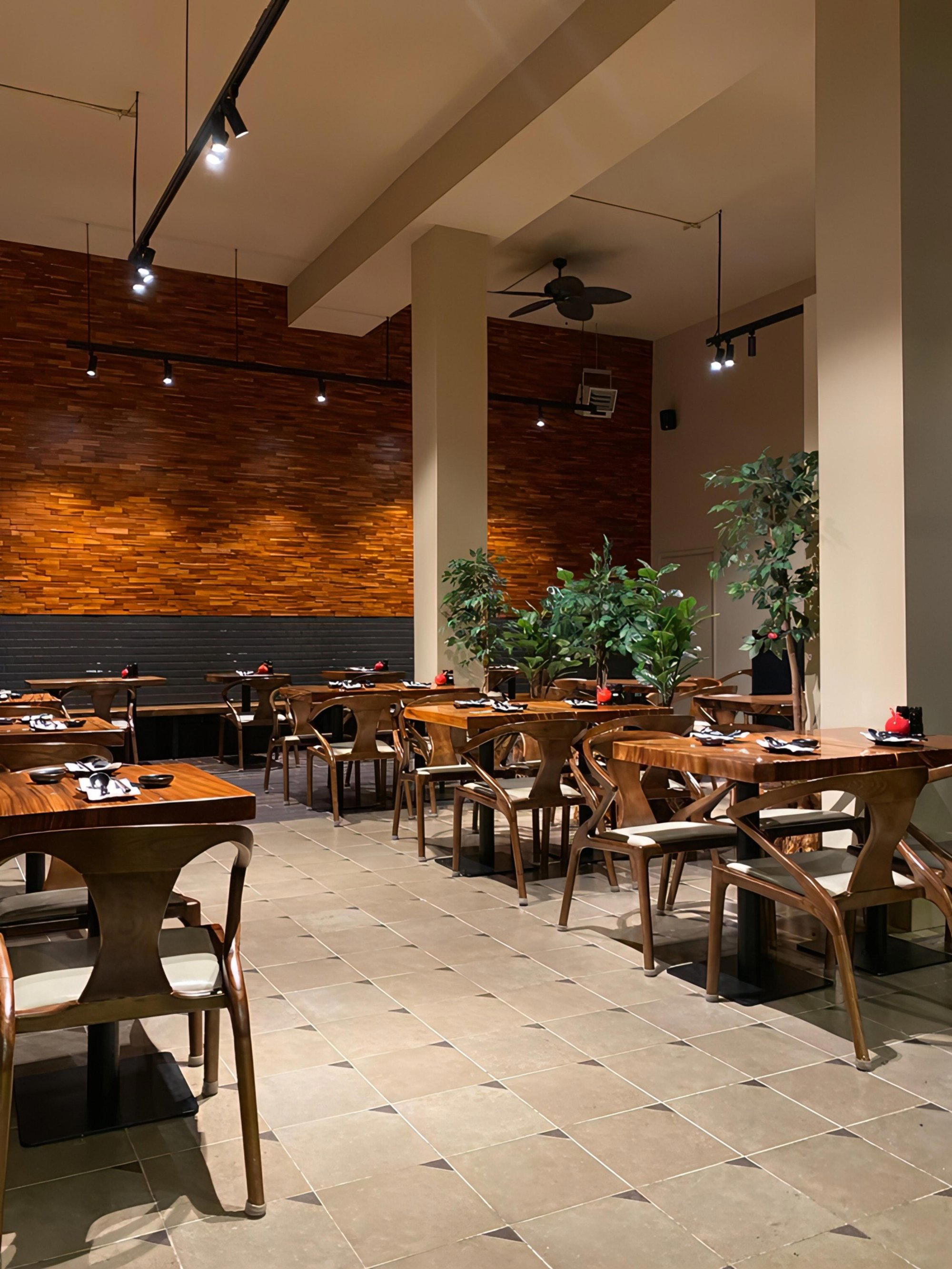
SoMa's Slower Rhythm: When Tea Replaces the Tasting Menu
San Francisco's second street corridor runs through the heart of SoMa, a neighbourhood that has spent two decades oscillating between tech-industry canteens and destination dining. In that context, a tea house at 62 2nd St reads as a deliberate counter-programme. Village Tea House sits outside that bracket entirely, proposing something the high-end San Francisco scene rarely offers: a format built around stillness. Village Tea House sits outside that bracket entirely, proposing something the high-end San Francisco scene rarely offers: a format built around stillness.
Approaching the address, the shift in pace is architectural before it is anything else. SoMa's street-level tends toward glass frontages and open kitchens designed for visibility and noise. A tea house works against those impulses. The physical environment signals a different contract with the guest: slower service, quieter tables, beverages that require time to steep and attention to temperature.
The Sustainability Logic of the Tea Format
Tea culture carries an environmental argument that the broader restaurant industry is still working toward. Where a conventional tasting-menu operation at the level of The French Laundry in Napa or Single Thread Farm in Healdsburg must manage complex supply chains across proteins, produce, and luxury ingredients, a tea-focused format compresses that sourcing footprint considerably. The supply chain for quality loose-leaf tea is long in geographic terms, much of the world's leading material originates in China, Japan, Taiwan, and parts of South Asia, but the per-serving waste profile is modest compared to a kitchen producing dozens of composed courses nightly.
This matters in San Francisco specifically. California's dining culture has been shaped by proximity to agricultural abundance: the Bay Area's access to Sonoma and Marin produce underpins restaurants like Saison and influences how chefs at Atelier Crenn frame their sourcing commitments. But that farm-to-table architecture also carries weight, in labour, logistics, and energy. Tea-focused venues operate on a structurally different scale. Water, heat, and leaf quality are the primary variables. The margin for waste is narrow, and the sourcing decisions, while meaningful, are fewer.
Nationally, the conversation around low-impact fine dining has gathered momentum at properties like Blue Hill at Stone Barns in Tarrytown, where the regenerative agriculture framework shapes every plate, and at Providence in Los Angeles, which has pursued sustainability certification alongside its Michelin recognition. Village Tea House operates at a different price point and with a different format, but the underlying logic, reduce throughput, reduce waste, source with intention, is consistent with where thoughtful operators across American dining are moving.
Where Tea Sits in the San Francisco Hospitality Conversation
San Francisco's hospitality scene has long supported specialised beverage formats alongside its restaurant culture. The city's cocktail bars, natural wine shops, and coffee roasters each occupy niches that allow deep expertise to develop independently of the kitchen. Tea occupies a smaller niche in Western cities than coffee, which means the competitive set is genuinely limited. A dedicated tea house is not competing with Benu's French-Chinese tasting menu or with the progressive American format at Lazy Bear. It is, in most practical terms, competing only with itself.
That scarcity has implications for the guest. Formats built around tea, gongfu cha service, flights of single-origin material, educational pairings with light food, require a host who understands oxidation levels, water temperature, and the difference between a first and third infusion of the same leaf. When those formats are executed well, they deliver a depth of product knowledge that most fine-dining wine programs only approximate. The comparison is instructive: at Atomix in New York City, beverage pairing is treated as a parallel narrative to the food. A well-run tea service works on the same principle, using sequential infusions the way a sommelier uses a flight.
For travellers who have already worked through San Francisco's celebrated restaurant tier, or who are doing so on a visit that also includes Addison in San Diego, Alinea in Chicago, or Le Bernardin in New York City on adjacent legs, a tea house visit provides genuine contrast. It functions as a palate reset and a change of register, the kind of lower-decibel experience that anchors a trip rather than adding to its accumulation of multi-course intensity.
Practical Notes for Planning Your Visit
The restaurant is located at 62 2nd St, San Francisco, CA 94105, placing it within easy reach of the Embarcadero BART station and the Transbay Transit Center, which makes it direct to reach from most of the city's hotel districts without a car. SoMa's daytime foot traffic is predominantly professional, which tends to mean tea-house formats in the area see genuine use during afternoon hours when the lunch crowd has cleared. Walk-in availability, if the format allows it, would follow patterns common to tea houses elsewhere: counter seating or small tables that turn relatively quickly given shorter average visit lengths compared to full-service restaurant dining.
Where It Fits
Comparable venues nearby, for context on price, style, and recognition.
| Venue | Cuisine | Price | Notes |
|---|---|---|---|
| Village Tea HouseThis venue — the venue you are viewing | Chinese Dumplings & Dim Sum | $$ | Not listed |
| FUSION DUMPLING | Shanghai Fusion Dumplings | $$ | Chinatown |
| Z & Y Peking Duck | Authentic Beijing Peking Duck & Dim Sum | $$ | North Beach |
| Capital | Cantonese Chinese | $$ | Chinatown |
| Brandy Ho's Hunan Food | Authentic Hunan Chinese | $$ | North Beach |
| Hunan Home's Restaurant | Authentic Hunan Chinese | $ | Chinatown |
Continue exploring
More in San Francisco
Restaurants in San Francisco
Browse all →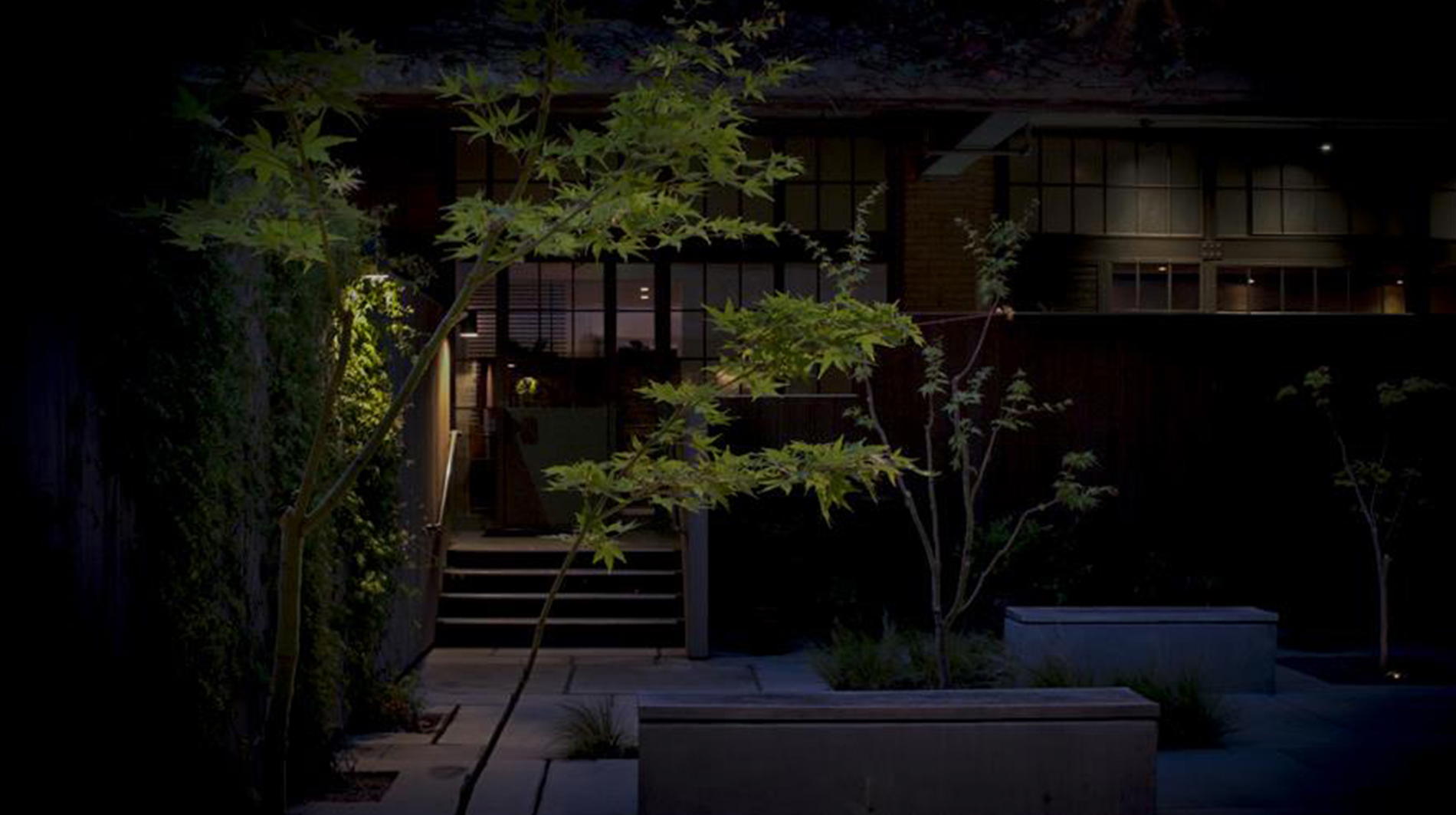
Bars in San Francisco
Browse all →
Hotels in San Francisco
Browse all →
At a Glance
- Cozy
- Casual Hangout
- Group Dining