L'Oca d'Oro
L'Oca d'Oro occupies a particular position in Austin's serious dining tier: an Italian-leaning restaurant on Simond Avenue that has built a reputation around sourcing discipline and seasonal restraint. Positioned in a city more often associated with smoke and heat than northern Italian quietude, it draws comparisons to farm-driven programs at places like Blue Hill at Stone Barns rather than the region's barbecue institutions.
Pearl is the En Primeur Club membership app — saves, bookings, and concierge access live there. Same editors, same standards.
- Address
- 1900 Simond Ave, Austin, TX 78723
- Phone
- +1 737 212 1876
- Website
- locadoroaustin.com
- Directions
- Get directions
 Saves & bookings on Pearl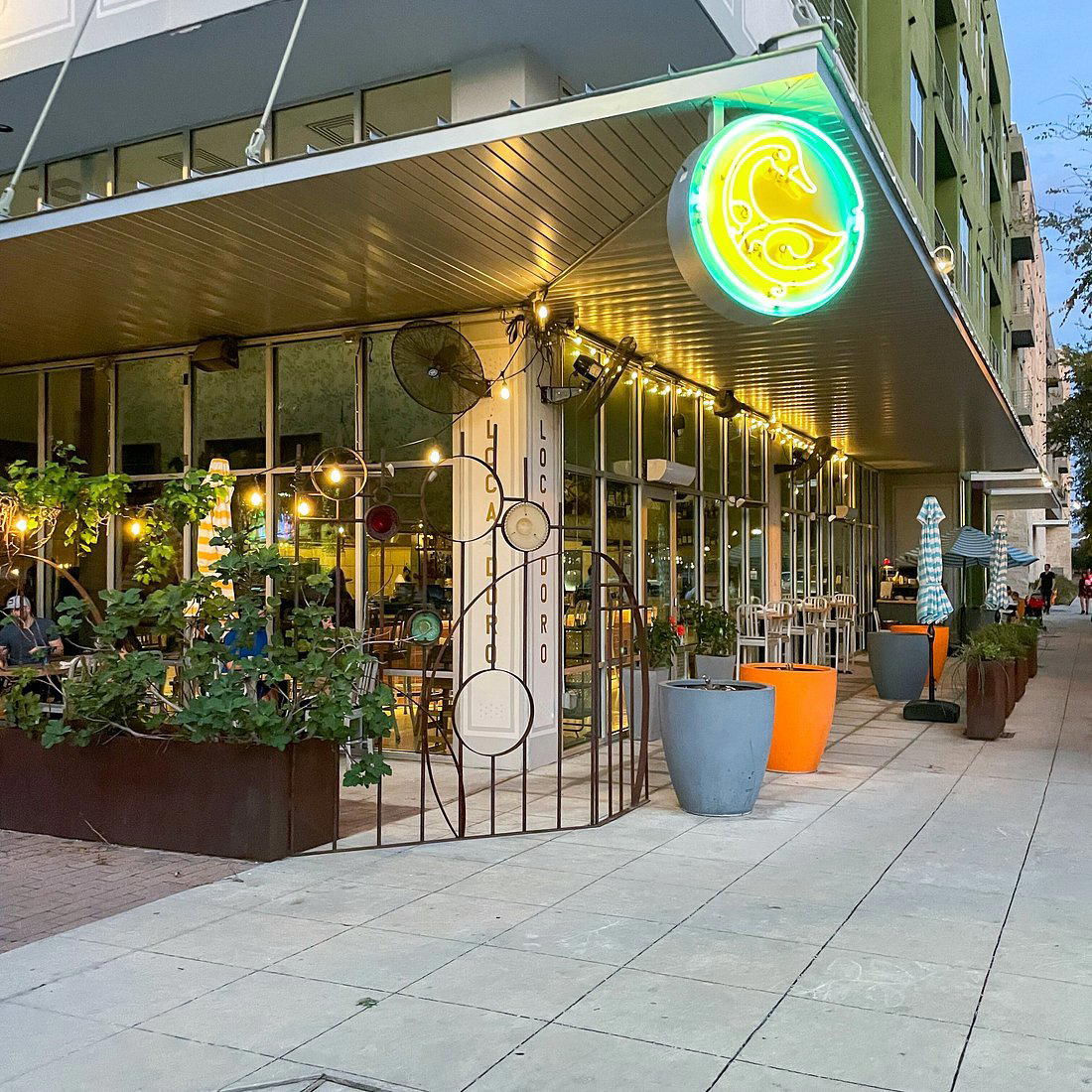
Where Austin's Ethical Sourcing Conversation Gets Serious
East Austin's dining corridor has matured considerably over the past decade, moving from taco counters and dive bars into a more complex register that includes wine-serious Italian rooms and produce-led tasting menus. L'Oca d'Oro, a restaurant in Austin, Texas, at 1900 Simond Ave, sits within that shift. The address alone signals something: this is in East Austin, not the tourist-facing stretch of South Congress or the patio-and-cocktail zone around Rainey Street. Simond Avenue puts the restaurant in a neighbourhood that diners seek out deliberately, which tends to self-select for a more engaged room.
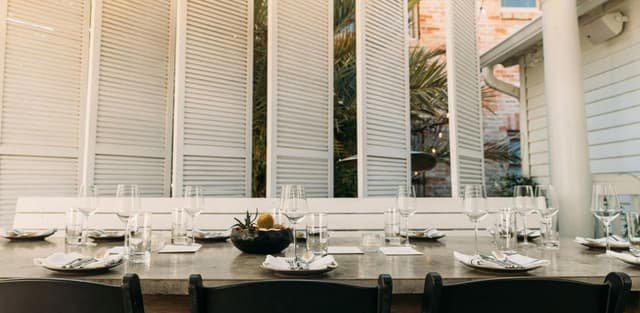
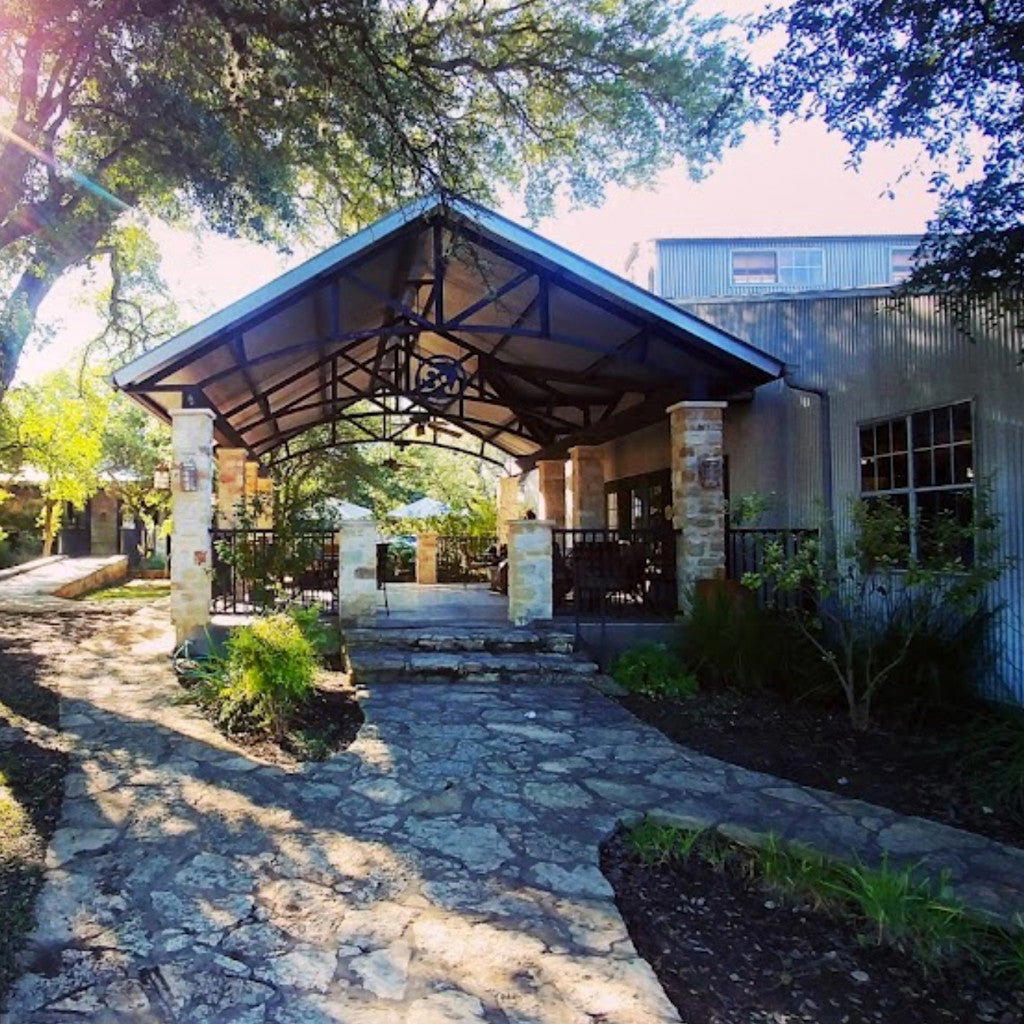
The physical approach sets a tone before you reach the door. The building reads as considered rather than theatrical, the kind of restraint that, in American fine dining, has come to function as its own signal. Inside, the room operates in the quieter register that Italian-influenced cooking tends to demand: the food is meant to be heard as well as eaten, and a dining room calibrated for conversation is part of that contract with the guest.
The Sourcing Framework That Defines the Kitchen
American restaurants that describe themselves as farm-to-table have so thoroughly diluted that phrase that it now requires unpacking. The more useful question is not whether a kitchen sources locally, but how that sourcing decision shapes the actual menu structure. At L'Oca d'Oro, the ethical sourcing commitment operates as a constraint on the menu rather than a marketing descriptor layered on top of it. That distinction matters. It places the restaurant in a smaller, more serious comparable set that includes Blue Hill at Stone Barns in Tarrytown and Single Thread Farm in Healdsburg, where sourcing philosophy shapes what actually appears on the plate rather than appearing as a footnote in the menu copy.
Kitchens that commit to seasonal and ethically sourced supply chains work against narrower ingredient windows, higher per-unit costs, and the logistical complexity of building relationships with smaller producers rather than ordering from a single broadline distributor. The reward, when the approach holds, is a menu that changes with genuine purpose rather than by calendar quarter, and a supply chain that can be traced rather than assumed. In a Texas context, where the default conversation about food excellence runs toward smoke programs and beef sourcing, a kitchen making this kind of commitment to produce-centred, ethically grounded Italian cooking occupies a genuinely distinct position.
The contrast with Austin's broader dining scene is instructive. The city's most celebrated food traditions are built around protein and fire: la Barbecue and InterStellar BBQ represent the benchmark of that tradition. Hestia works in live-fire American cooking at the summit of the market. L'Oca d'Oro operates in a different register entirely, closer in spirit to Barley Swine's produce-forward contemporary American program than to the smoke-and-brisket institutions that define the city's national food identity.
Italian Cooking as a Vehicle for Seasonal Discipline
Italian cuisine is, in its leading regional expressions, already a cuisine of restraint and seasonality. The northern Italian tradition that L'Oca d'Oro draws from is not the red-sauce abundance of American-Italian cooking but a mode in which a single vegetable preparation can anchor a course, where pasta is judged by texture and proportion rather than the complexity of its sauce, and where the quality of an ingredient is most often shown by leaving it alone. That tradition maps naturally onto an ethical sourcing framework, because both demand that the kitchen start with what is actually good right now rather than what the concept requires.
This is where the restaurant's positioning becomes coherent: Italian cooking's internal logic reinforces the sourcing discipline rather than conflicting with it. Kitchens that adopt ethical sourcing frameworks while cooking cuisines with heavy cross-seasonal spice or protein requirements face a harder alignment problem. A kitchen working in this Italian mode can let the supply chain drive the menu in a way that feels native to the tradition rather than imposed on it. Among the farm-driven restaurants operating at this level nationally, that internal coherence is rarer than it might appear. Smyth in Chicago and Lazy Bear in San Francisco work in adjacent territory, though with different culinary frameworks and price points.
Where It Sits in the Broader Conversation
Among American restaurants that have made ethical sourcing and waste reduction foundational rather than aspirational, a short list emerges. Atelier Moessmer Norbert Niederkofler in Brunico has built an internationally recognised program around Alpine regionality and zero-waste cooking. Domestically, Providence in Los Angeles works within a rigorous sustainable seafood framework, and Addison in San Diego operates within a supply chain built around California's year-round agricultural depth. The restaurant is a smaller-scale operation making a comparable philosophical commitment within the constraints of a Texas supply chain that doesn't offer the same agricultural abundance as coastal California. That it holds to the approach in that context is the more meaningful credential.
Restaurants that achieve recognition from sources like the James Beard Foundation often do so precisely because a committee can see the consistency and philosophical coherence of a kitchen's approach over time, not just a single strong meal. The restaurant's reputation within Austin's serious dining conversation is grounded in the same qualities that such recognition tends to reward: consistency, sourcing integrity, and a kitchen that knows what it is trying to do.
Those planning around a wider trip might also consider how Austin's serious dining tier compares nationally: Le Bernardin in New York City, The French Laundry in Napa, and The Inn at Little Washington each represent the upper register of American fine dining, against which Austin's ambitions are increasingly measured. Emeril's in New Orleans and Atomix in New York City are useful comparison points for understanding how regional identity and sourcing philosophy can coexist with technical ambition. Craft Omakase represents Austin's Japanese counter format at a serious level, completing a picture of a city whose dining scene now operates across a wider range of traditions than its reputation suggests.
Planning Your Visit
The restaurant is located at 1900 Simond Ave in East Austin. Given the restaurant's positioning in Austin's more considered dining tier, reservations should be treated as necessary rather than optional; kitchens operating with tight seasonal supply chains and ethical sourcing commitments tend to run at deliberate capacity rather than absorbing walk-in surges. Reservations are recommended, and the menu varies with the seasons.
Compact Comparison
Comparable venues nearby, for context on price, style, and recognition.
| Venue | Cuisine | Price | Notes |
|---|---|---|---|
| L'Oca d'OroThis venue — the venue you are viewing | RMMA, Contemporary Italian Farm-to-Table | $$ | Not listed |
| Rocco’s Neighborhood Joint | North Loop, Neighborhood Italian | $$ | Not listed |
| Happy Slice Pizza | Meadows of Brushy Creek, Polished Pizza | $$ | Not listed |
| All Day Pizza | Triangle State, New York-Style Pizza | $$ | Not listed |
| ASTI Trattoria | Hancock, Italian Trattoria | $$ | Not listed |
| Il Brutto | Not listed | $$$ | Central East Austin, Authentic Neighborhood Italian |
Continue exploring
More in Austin
Restaurants in Austin
Browse all →
Bars in Austin
Browse all →
Hotels in Austin
Browse all →




At a Glance
- Cozy
- Modern
- Rustic
- Date Night
- Group Dining
- Casual Hangout
- Special Occasion
- Open Kitchen
- Private Dining
- Craft Cocktails
- Farm To Table
- Local Sourcing
Current opening hours
- Monday
- Closed
- Tuesday
- 4–9:30 PM
- Wednesday
- 4–9:30 PM
- Thursday
- 4–9:30 PM
- Friday
- 4–10 PM
- Saturday
- 4–10 PM
- Sunday
- 4–9:30 PM
Hours can change for holidays and private events. Last verified .
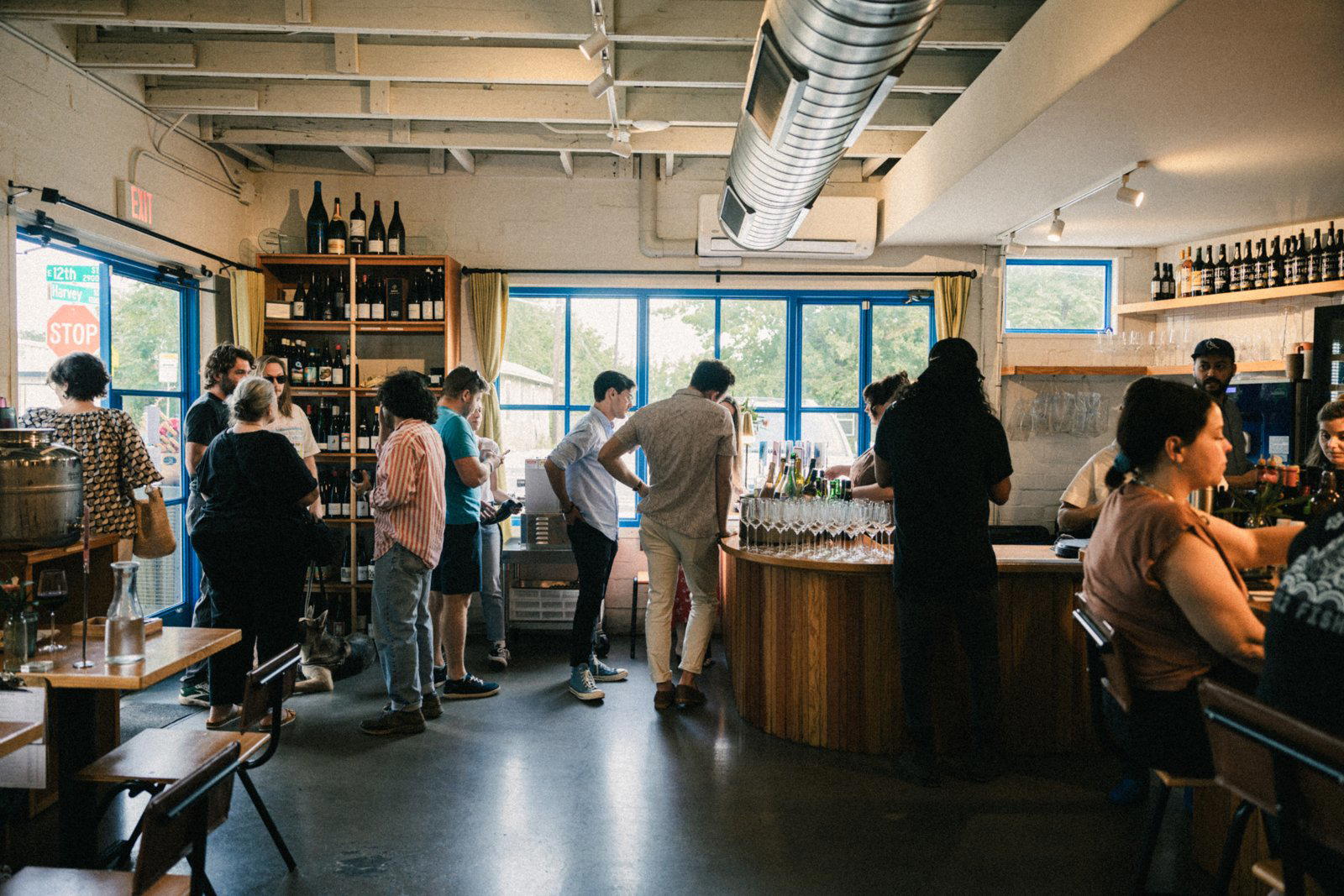
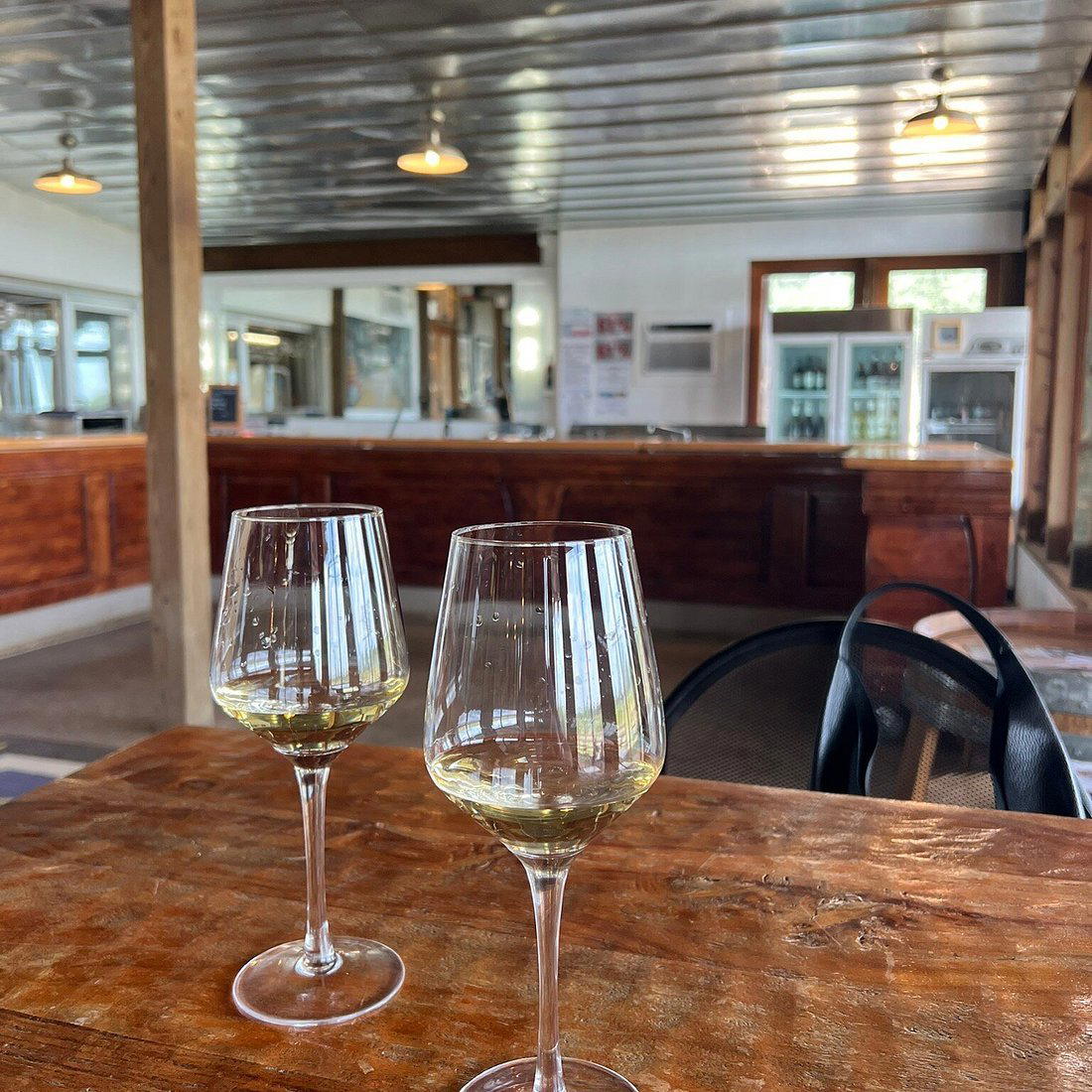
Bright and airy atmosphere with moderate noise, featuring an open kitchen view.