Industria Argentina
Our verdict
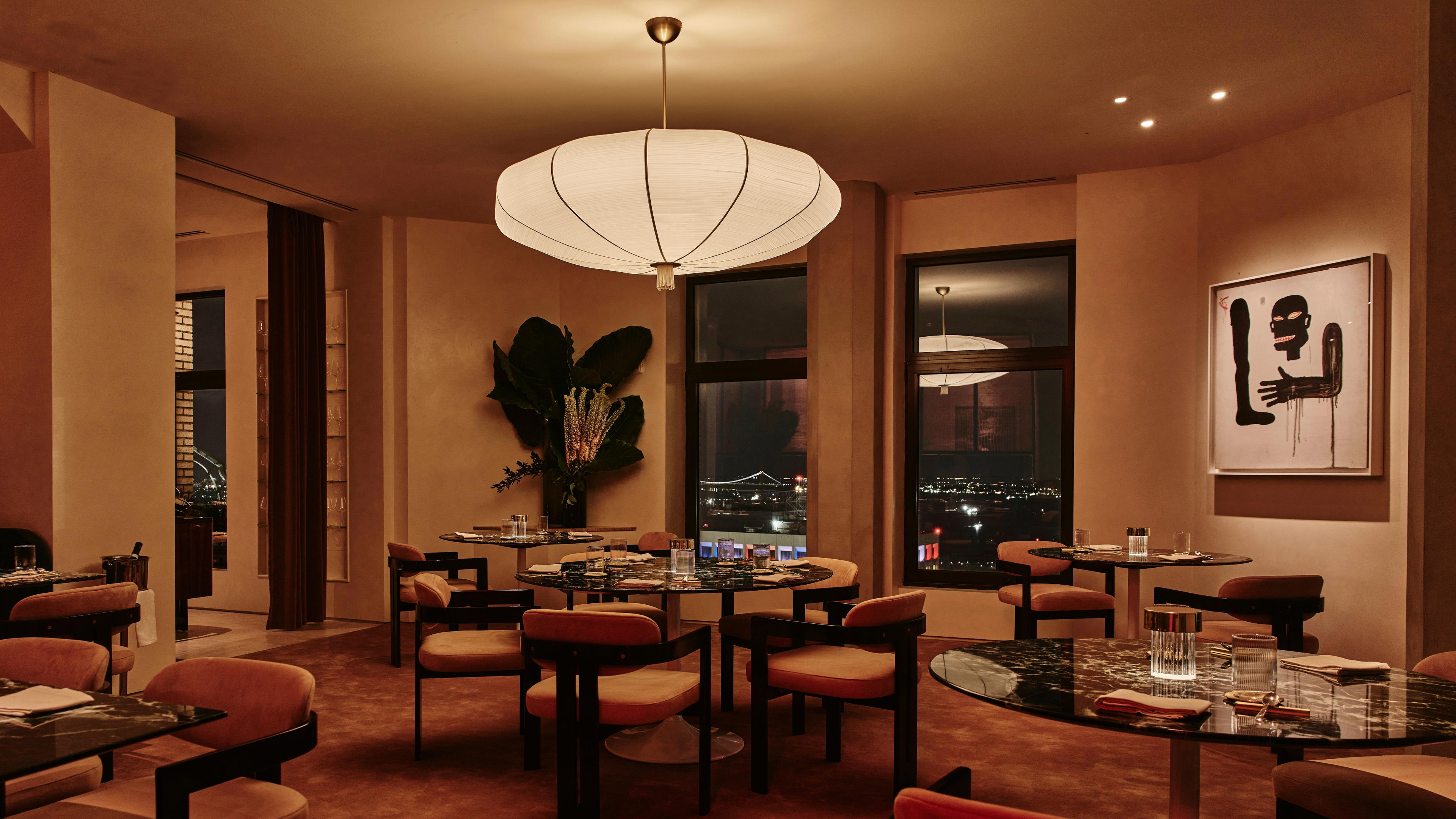
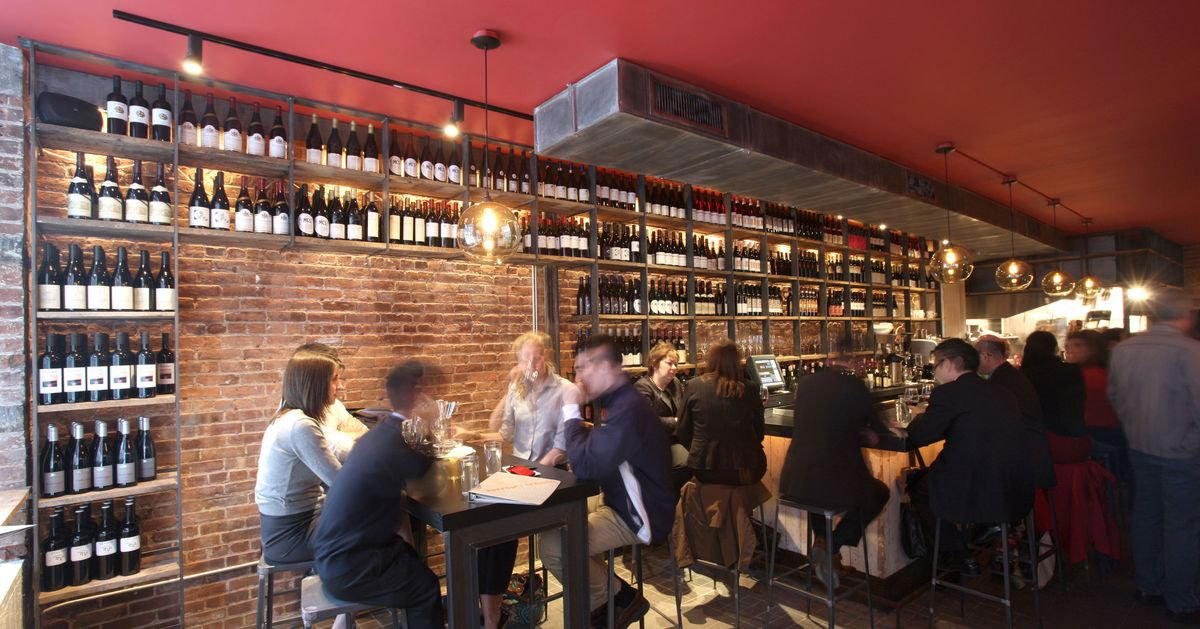
On Greenwich Street in TriBeCa, Industria Argentina represents a strand of New York dining where South American heritage meets the borough's appetite for serious wine programs and unhurried evening formats. The address places it among a concentration of destination restaurants in lower Manhattan, where the Argentine tradition of table-sharing and long, wine-driven meals finds a receptive audience. Booking ahead is advisable for this part of the city's dining circuit.

The menu
What to order
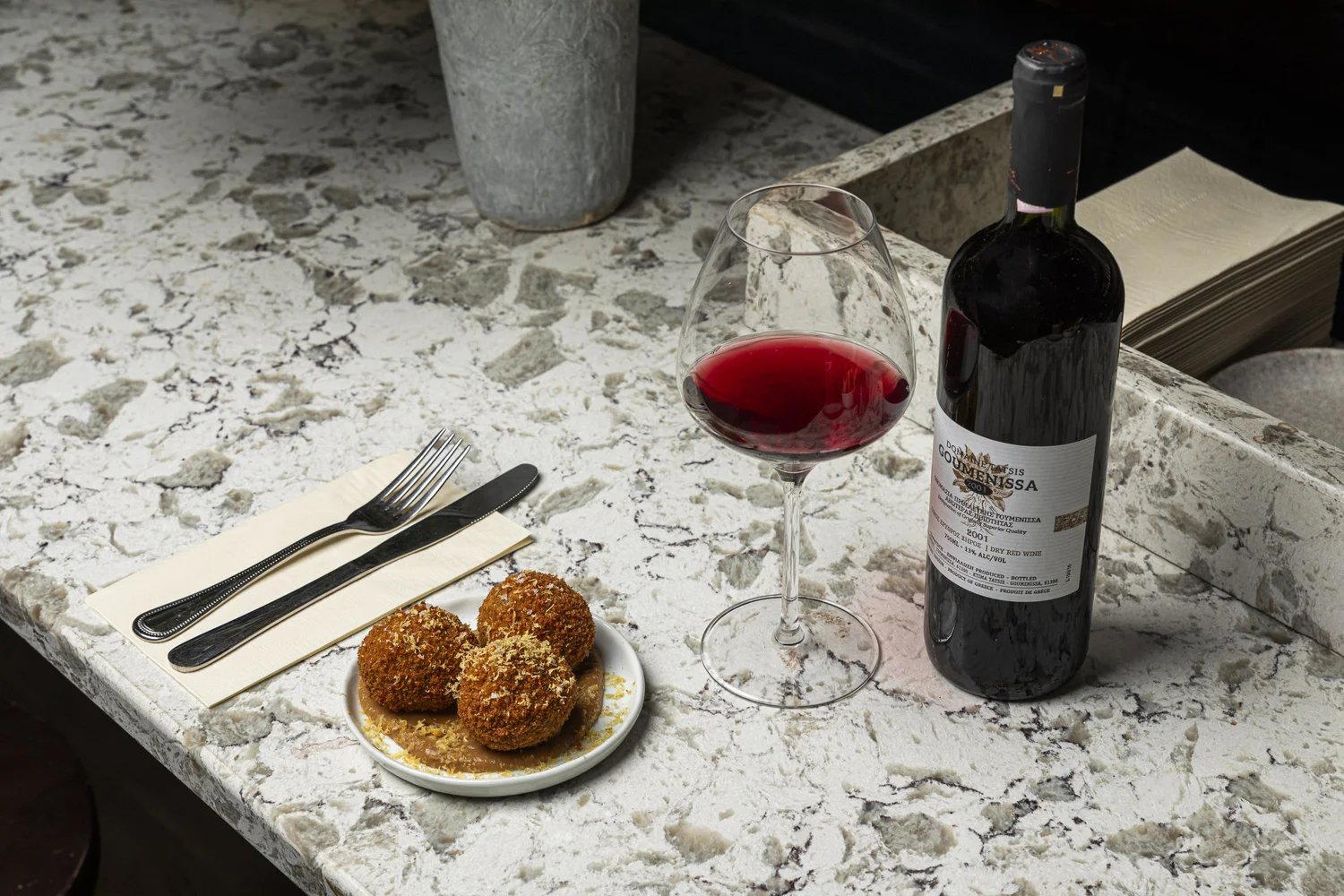
- Octopus terrine
TriBeCa's Argentine Tradition and the Case for Long, Wine-Led Dinners
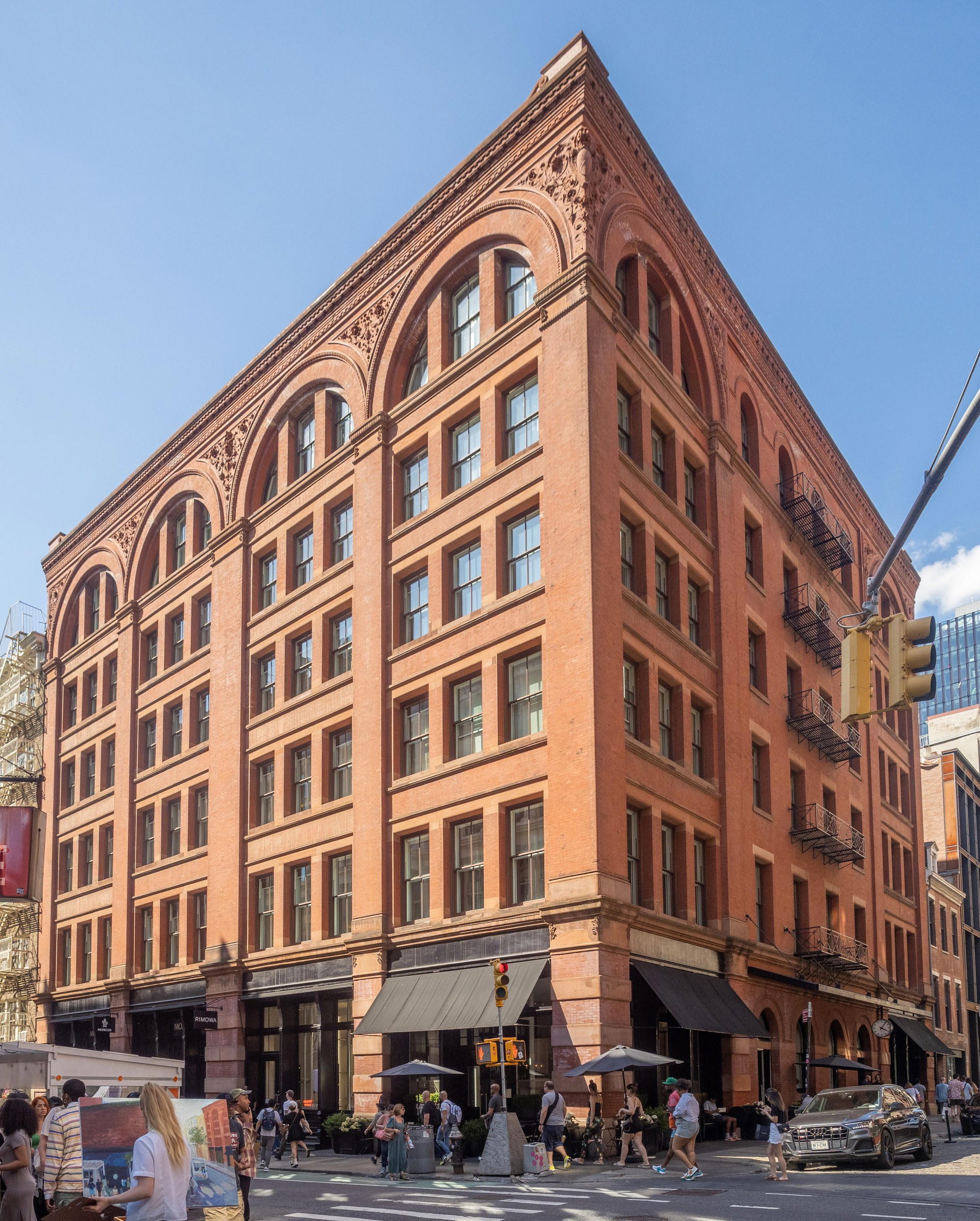
Greenwich Street in TriBeCa has, over the past two decades, become one of the more reliable corridors for serious sit-down dining in lower Manhattan. The neighbourhood draws a mix of finance professionals, creative industry regulars, and out-of-towners who have done their research, and the restaurants that endure here tend to share a common quality: they support an unhurried pace. Industria Argentina, at 329 Greenwich St, occupies that kind of address, one where the surrounding block conditions you to expect a certain formality of experience before you've even pushed the door open.
Argentine dining in New York occupies a specific cultural position. It is neither the fast-casual South American category that dominates midtown lunch trade, nor the tasting-menu formalism of the city's French-influenced fine dining circuit, represented at its apex by places like Le Bernardin, Eleven Madison Park, and Per Se. Argentine restaurants occupy a middle register: protein-forward, convivial, and wine-serious in ways that owe more to the Pampas and Mendoza than to any European lineage. That positioning is not a limitation, it is a distinct identity, and one that New York has historically underserved relative to the size of the Argentine diaspora and the country's global culinary reputation.
The Wine Argument: Why Argentine Lists Merit Attention
The editorial case for paying close attention to the wine program at any Argentine restaurant in New York is direct. Argentina is now one of the world's more consequential wine-producing nations, and Malbec's international recognition has opened the door to serious cellar-building across the full range of Argentine appellations, Luján de Cuyo, the Uco Valley, Patagonia, Salta. A Argentine list in 2024 should not look like a Malbec monoculture. The country produces Torrontés of real character, Cabernet Franc that competes with good Chinon, and high-altitude whites from Cafayate that have no obvious peer elsewhere in the world.
Restaurants in this category that invest in their cellars tend to use that investment as a differentiator against the broader New York dining field. At the price point where Argentine dining in TriBeCa typically operates, a wine list becomes the clearest signal of seriousness, more so than décor, which in this neighbourhood tends toward industrial-warm, or service style, which Argentine hospitality traditionally keeps accessible rather than formal. The wine list is where a restaurant like Industria Argentina can signal whether it is speaking to the same diner who books Atomix or Masa for the beverage program as much as the food, or whether it is playing to a more casual audience.
Argentine wine's relationship with American sommeliers has matured considerably. A decade ago, the category was largely treated as value-tier by New York wine lists. Now, allocations from producers like Catena Zapata, Achaval Ferrer, and the newer Uco Valley generation command serious attention from buyers who also track Burgundy and Napa futures. Any Argentine restaurant with curatorial ambition in its cellar is operating in a moment when the raw material available to it has never been better.
Placing Industria Argentina in the New York Context
TriBeCa's restaurant density means that Industria Argentina competes within a neighbourhood that expects competence as a baseline. The area's proximity to the financial district has historically supported a lunch trade that rewards quick execution, while evenings skew toward the longer, table-driven format that Argentine cuisine is built around. That evening format, antipasto, parilla, a cheese course, dessert, coffee, more wine, is structurally well-matched to TriBeCa's dinner culture in a way it might not be in, say, Midtown's pre-theatre corridors.
Nationally, the restaurants that New York diners use as reference points for wine-serious, cuisine-rooted experiences tend to cluster in a specific tier: not the three-Michelin-star bracket occupied by The French Laundry or Blue Hill at Stone Barns, and not the casual neighbourhood spot, but a confident middle register where the food is the point and the wine is an equal partner. Comparisons to Frasca Food & Wine in Boulder, a restaurant that built its identity around a specific regional wine culture, are instructive: the format of cuisine-wine integration matters as much as any single dish or bottle. Other restaurants in this category nationally include Smyth in Chicago, Providence in Los Angeles, and Single Thread Farm in Healdsburg, all of which have staked their identity on the totality of an experience rather than any single headline credential.
For European context, the model of regionally rooted, wine-forward dining that Industria Argentina represents has clear analogues in places like Dal Pescatore in Runate and Atelier Moessmer Norbert Niederkofler in Brunico, restaurants where geographic identity shapes the plate and the cellar in equal measure. That framing is useful for understanding what Argentine dining at its most committed should aspire to in New York.
See our full New York City restaurants guide for broader context on how the city's dining tiers are currently structured, including comparisons with Lazy Bear in San Francisco, Emeril's in New Orleans, and Addison in San Diego. For Washington DC visitors, The Inn at Little Washington offers a useful comparison point for understanding what wine-program seriousness looks like in a non-metropolitan setting.
Planning Your Visit
| Venue | Cuisine | Price Tier | Booking Lead Time | Neighbourhood |
|---|---|---|---|---|
| Industria Argentina | Argentine | Not confirmed | Advisable in advance | TriBeCa |
| Le Bernardin | French / Seafood | $$$$ | 2–4 weeks | Midtown West |
| Eleven Madison Park | French / Vegan | $$$$ | 4–8 weeks | Flatiron |
| Per Se | French / Contemporary | $$$$ | 4–8 weeks | Columbus Circle |
| Atomix | Modern Korean | $$$$ | 4–8 weeks | Midtown East |
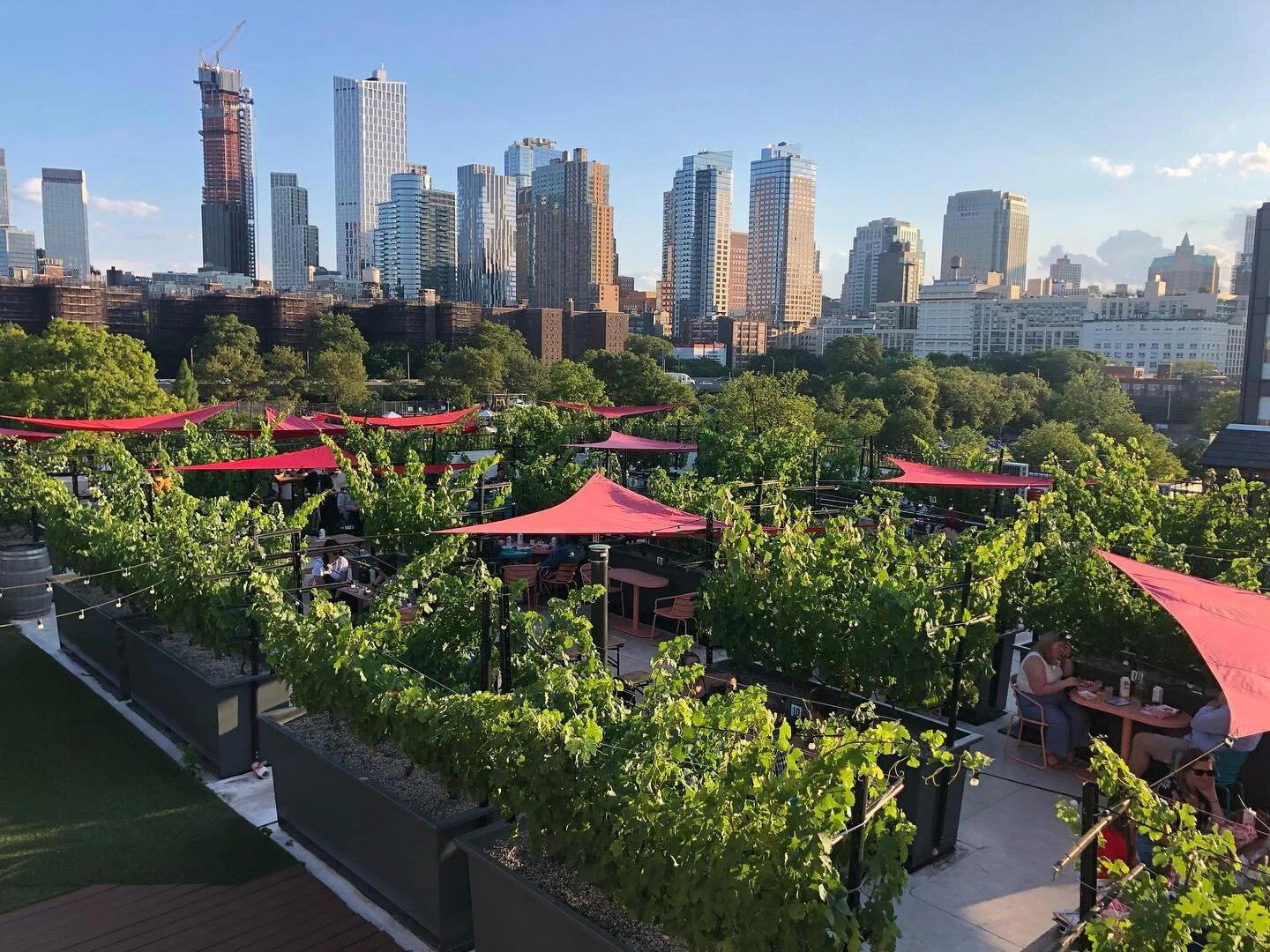
Greenwich Street is well-served by subway from multiple lines, and TriBeCa's walkability makes it easy to extend the evening with a post-dinner circuit of the neighbourhood's bar scene. Given the Argentine format's tendency toward longer meals, allow at minimum two and a half hours. Seasonal considerations apply: TriBeCa's outdoor dining options in warmer months shift the character of the neighbourhood significantly, and Argentine grilling culture translates well to open-air formats when available.
Frequently asked questions
What's the address for Industria Argentina?
Industria Argentina is located at 329 Greenwich St, New York, NY 10013, New York City.
Is Industria Argentina a good choice for an Argentine wine dinner in New York City?
Argentine restaurants in New York that take their wine programs seriously offer access to Mendoza Malbec and Patagonian Pinot Noir at a depth rarely matched by generalist wine bars. Industria Argentina's TriBeCa address at 329 Greenwich St places it within a neighbourhood that rewards longer, wine-led meals, the format Argentine dining naturally supports. For a focused evening around both food and bottle selection, it is worth treating the wine list as the primary reason to visit.
What's the signature dish at Industria Argentina?
The kitchen at 329 Greenwich St is built around Argentine cooking traditions, meaning grilled and roasted proteins are central to the menu. Without current menu documentation, the safest approach is to ask the floor staff on arrival what is running that evening, Argentine restaurants of this style typically anchor around cuts that shift with availability and season.
Can I walk in to Industria Argentina?
TriBeCa's dining corridor on Greenwich Street draws consistent foot traffic, and restaurants in this neighbourhood tend to fill on weekend evenings without much notice.
| Venue | Cuisine | Price | Awards | Notes |
|---|---|---|---|---|
| Industria ArgentinaThis venue (the venue you are viewing) | Authentic Argentine Steakhouse | Not listed | Not listed | Not listed |
| Le Bernardin | French Seafood Fine Dining | $300–500 | 3 Michelin Stars · World's 50 Best #13 | French, Seafood |
| Atomix | Modern Korean Tasting Menu | $300–500 | 2 Michelin Stars · World's 50 Best #7 | Modern Korean, Korean |
| Per Se | French Fine Dining Tasting Menu | $300–500 | 3 Michelin Stars · World's 50 Best #40 | French, Contemporary |
| Masa | Traditional Japanese Omakase | $500+ | 2 Michelin Stars · World's 50 Best #27 | Sushi, Japanese |
| Eleven Madison Park | Contemporary Plant-Based Fine Dining | $300–500 | 3 Michelin Stars · World's 50 Best #4 | French, Vegan |