Taste Good

Our verdict
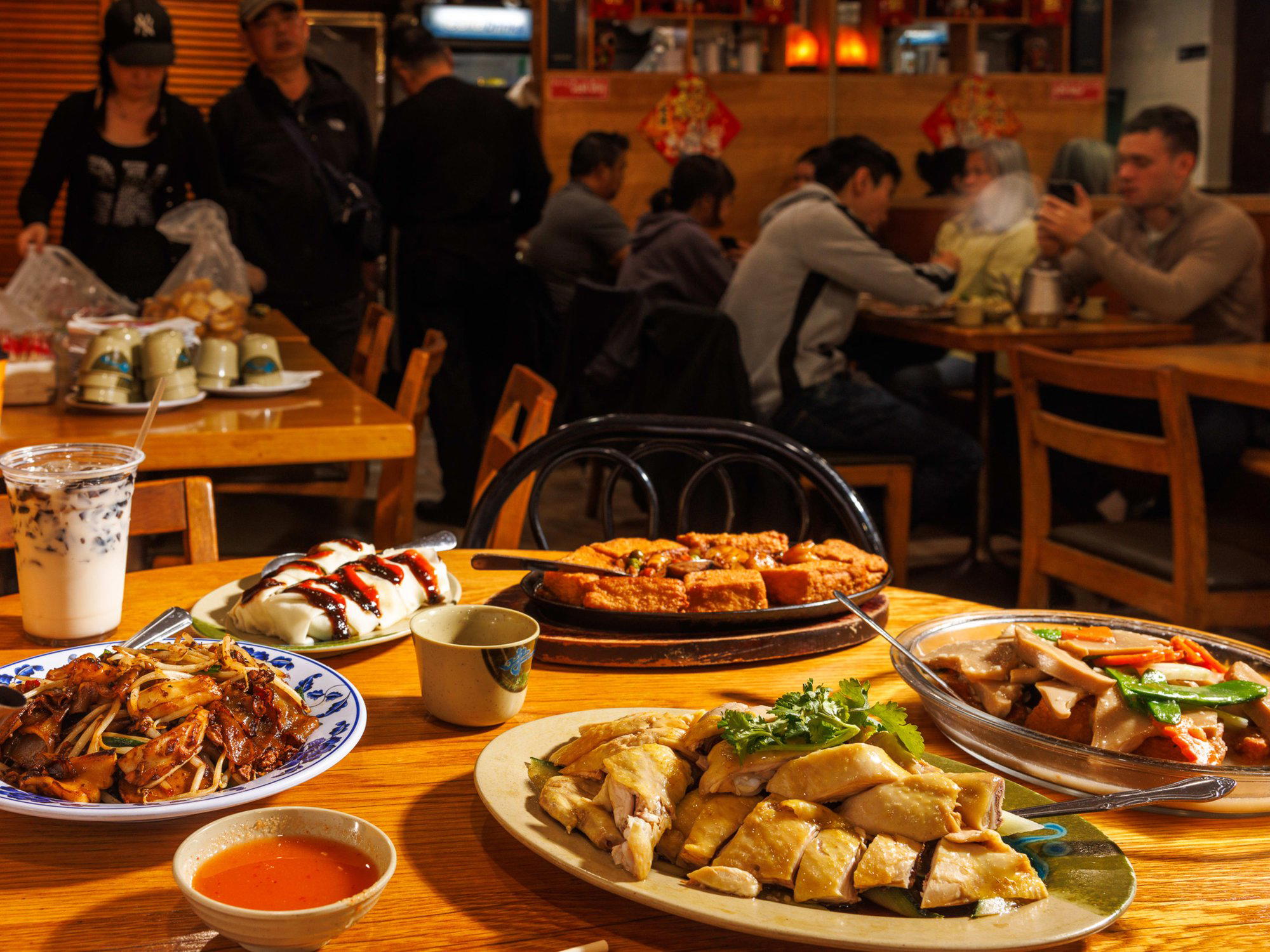
Taste Good belongs to New York City’s practical Malaysian canon: low-friction, low-price cooking built around roti, rendang, wok-fired noodles, and a menu long enough to reward repeat orders. The room is clattery and bright rather than polished, which suits a style of dining where sourcing, spice pastes, coconut, galangal, ginger, chiles, and wok heat matter more than ceremony.

Pearl is the En Primeur Club membership app, where members save venues, book tables and use the concierge.
The menu
What to order
- Hainanese chicken rice
- Laksa
- Roti canai
- Char kway teow
The first read is practical: Taste Good is a New York City restaurant whose appeal is best understood through the food rather than through ceremony. The format is familiar across New York City dining corridors, where utility often carries more authority than design. At Taste Good, the point is not theatrical service or chefly narration, but Malaysian cooking broad enough to make one meal feel selective rather than comprehensive.
Malaysian cooking in New York often explains itself across overlapping traditions built on aromatics, layered seasoning, richness, and fast heat. Read the menu through technique rather than through decoration. Bread-like starters and sauced dishes can test texture and depth. Slower preparations can test time, seasoning, and reduction. Wok-style cooking, when present, tests heat, balance, and the singed edge that separates careful cooking from generic stir-fry. Those categories reveal more about the kitchen than a long list of choices.
Roti, rendang, and wok heat are the real ordering logic
The restaurant’s strongest case comes from Malaysian archetypes, not reinvention. The useful approach is to look for dishes where texture, seasoning, and heat matter more than presentation. Slow-cooked preparations belong to a deeper register: sauce and seasoning should feel integrated rather than merely added. Wok-driven dishes sit at the opposite tempo, a street-food-adjacent form needing direct heat and speed, with character doing the work luxury dining might assign to garnish.
That ingredient logic is the useful lens. Malaysian food is often flattened in American shorthand into “spicy” or “coconut-heavy,” but the distinction is how those elements are layered. Aromatics are not interchangeable; chile heat without depth can feel thin; noodles or rice without heat and seasoning lose the point. Taste Good’s appeal rests on that grammar. The long-menu experience rewards orders built around contrast, with dishes showing how herbs, spice, richness, and heat move through the cuisine.
For diners mapping New York City’s Malaysian options, the category benefits from comparison across styles rather than rankings. Other New York City dining rooms may point toward different Southeast Asian comfort forms or different views of Malaysian breadth in the city. Taste Good belongs in that practical conversation: generous ordering, low ceremony, and dishes dependent on heat control and aromatic depth rather than plating. For a wider city scan, Our full New York City restaurants guide is the better frame than any single meal.
New York's low-price dining strength is in specialization, not polish
The dollar-sign price tier matters because it changes expectations. In New York City, low-price restaurants are often where immigrant cooking keeps its range: expansive ordering, fast table turns, little patience for overexplaining, and rooms built for eating rather than lingering. The service model is not trying to mimic formal tasting-menu pacing. It belongs to a durable city tradition, where the kitchen’s credibility comes from repetition and the dining room’s directness is part of the bargain.
Atmosphere becomes part of the value equation. A practical room can remove friction. It tells diners to order decisively, share broadly, and let the table fill with contrasts: crisp against sauced, dry against rich, chile warmth against deeper seasoning. For families, groups, and solo diners, that setup can work better than a polished room with a narrower menu. The city has plenty of restaurants built around scarcity; this one works through abundance.
The broader EP Club map clarifies that difference. A meal here has little in common with more formal or presentation-led dining elsewhere in the city. Those contrasts show what Taste Good is not: not a reservation trophy, not a chef-counter performance, not a wine-led evening. It is a Malaysian room where the evidence is technique, seasoning structure, and whether a large menu can still deliver core dishes with conviction.
Readers planning around the city rather than one address can pair this meal with broader hospitality context through Our full New York City hotels guide, drinking routes in Our full New York City bars guide, cellar-minded detours in Our full New York City wineries guide, and cultural planning via Our full New York City experiences guide. The point is sequence: a low-price Malaysian meal can anchor a day better than a heavier formal dinner when the schedule already includes museums, transit, and late drinks.
How to read Taste Good against wider Asian and Pacific cooking
Malaysian food’s place in American dining becomes clearer beside other ingredient-led traditions across EP Club’s wider coverage. Other Asian and Pacific cooking traditions make different claims about staple foods, restraint, and comfort. Taste Good moves another way: layered seasoning, heat, richness, and the practical confidence of a Malaysian restaurant in New York City.
That distinction also separates Malaysian cooking from adjacent comfort formats. Some casual restaurants turn on different staple foods or produce-led cooking; Taste Good’s argument is more focused on Malaysian reference points. For comparison outside New York City, it is more useful to think broadly about how different Malaysian restaurants emphasize tradition, comfort, breadth, or contemporary polish than to force a single hierarchy.
The editorial verdict is simple: Taste Good is strongest when treated as a high-utility Malaysian table, not as a destination wrapped in ceremony. Order around technique, accept the restaurant on its own terms, and use the menu as a map of a cuisine built from trade routes, migration, and heat. In a city where low-price dining can carry as much cultural intelligence as formal rooms, that is the reason to pay attention.
Frequently asked questions
Can I bring kids to Taste Good?
Yes. The $ price point in New York City makes it a practical stop for families, and the Malaysian menu can work well for shared, flexible ordering.
How would you describe the vibe at Taste Good?
Expect a practical, low-ceremony New York City restaurant where the Malaysian menu does the talking.
Has Taste Good won any awards?
Taste Good is recognized on the 2026 New York Times Best Restaurants in New York City list, where it is ranked No. 49.
How would you describe the cuisine at Taste Good?
Taste Good serves Malaysian cuisine.
Is Taste Good more mid-range or high-end?
Pricing at Taste Good is listed as $.
What are Taste Good's hours?
Specific hours for Taste Good are not provided here; check the restaurant directly before planning a visit.
Comparable venues nearby, for context on price, style, and recognition.
| Venue | Cuisine | Price | Awards | Notes |
|---|---|---|---|---|
| Taste GoodThis venue (the venue you are viewing) | Malaysian | $20–30 | Not listed | Not listed |
| Asian Bowl | Casual Burmese & Asian Bowls | $10–20 | Not listed | Forest Hills |
| Sol Cacao | Bean-to-Bar Chocolate Factory | Not listed | Not listed | Mott Haven-Port Morris |
| Crown Finish Caves | Artisanal Cheese Affinage Facility | Not listed | Not listed | Crown Heights (North) |
| Village Café | Authentic Azerbaijani | $20–30 | New York Times Best Restaurants in New York City | Gravesend (East)-Homecrest |
| FOOD | Quirky Daily Changing Menu | $30–50 | Not listed | Chinatown-Two Bridges |
Recognition history
Dated appearances from independent guides and award organizations, with the underlying list record or original source where available.
New York Times Best Restaurants in New York City #49
New York Times
Continue exploring
More in New York City
Restaurants in New York City
All restaurants in New York City →
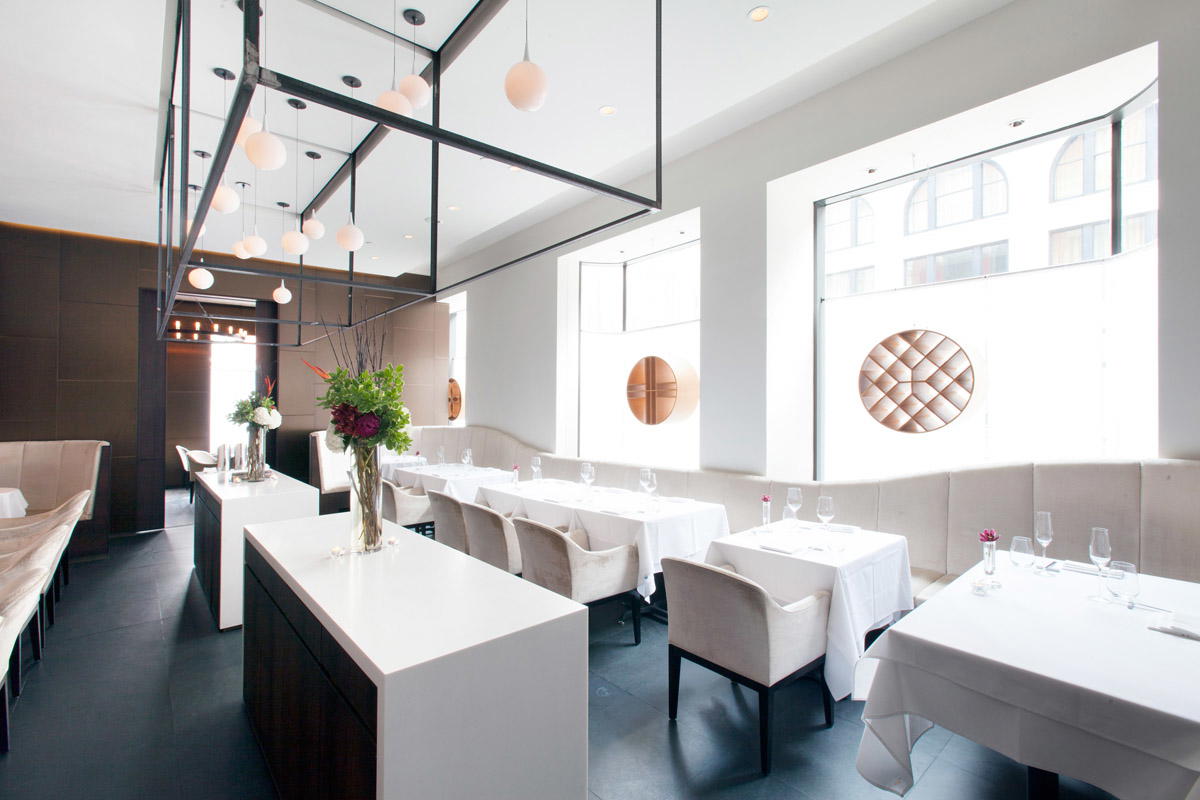
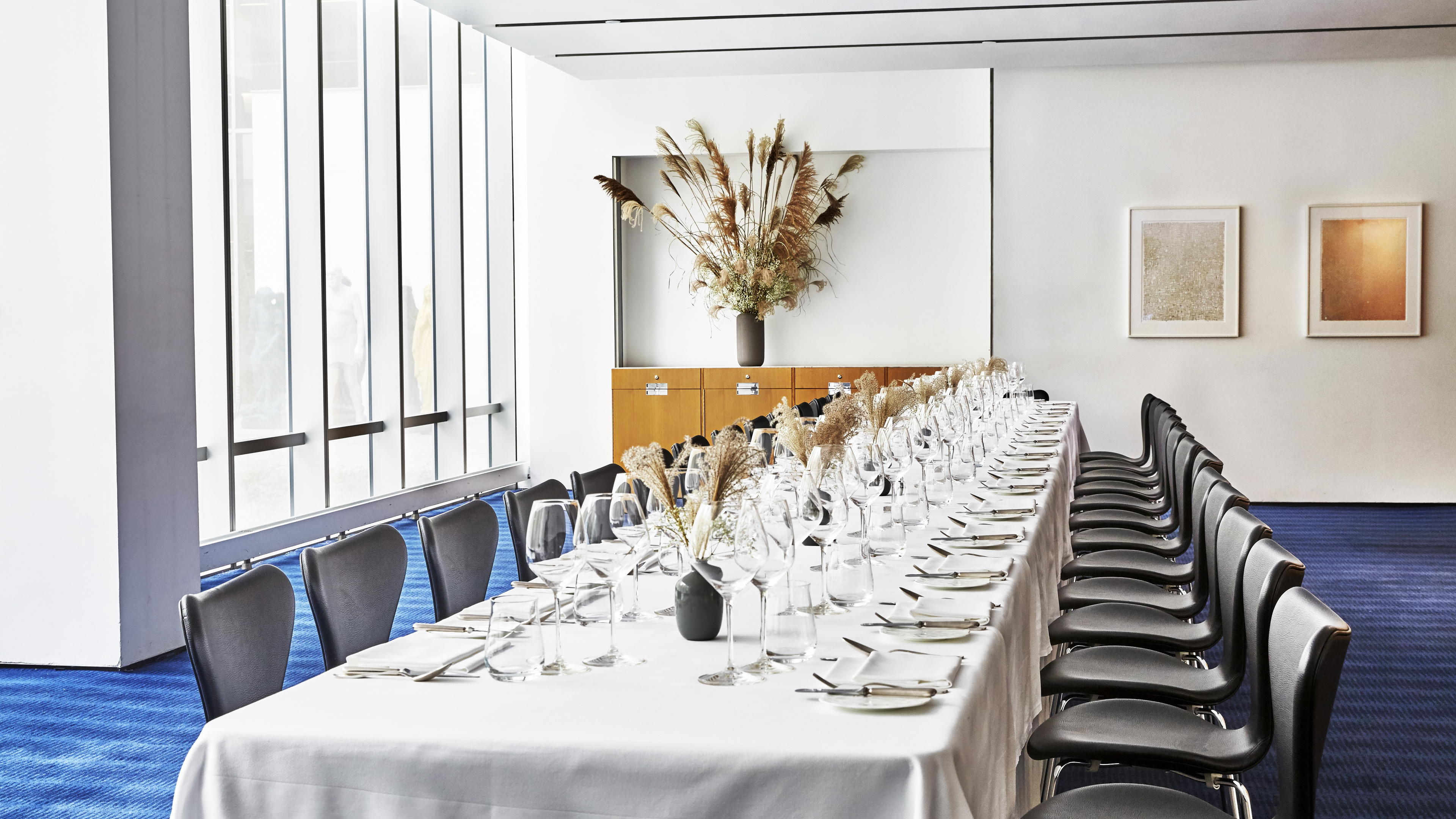
Bars in New York City
All bars in New York City →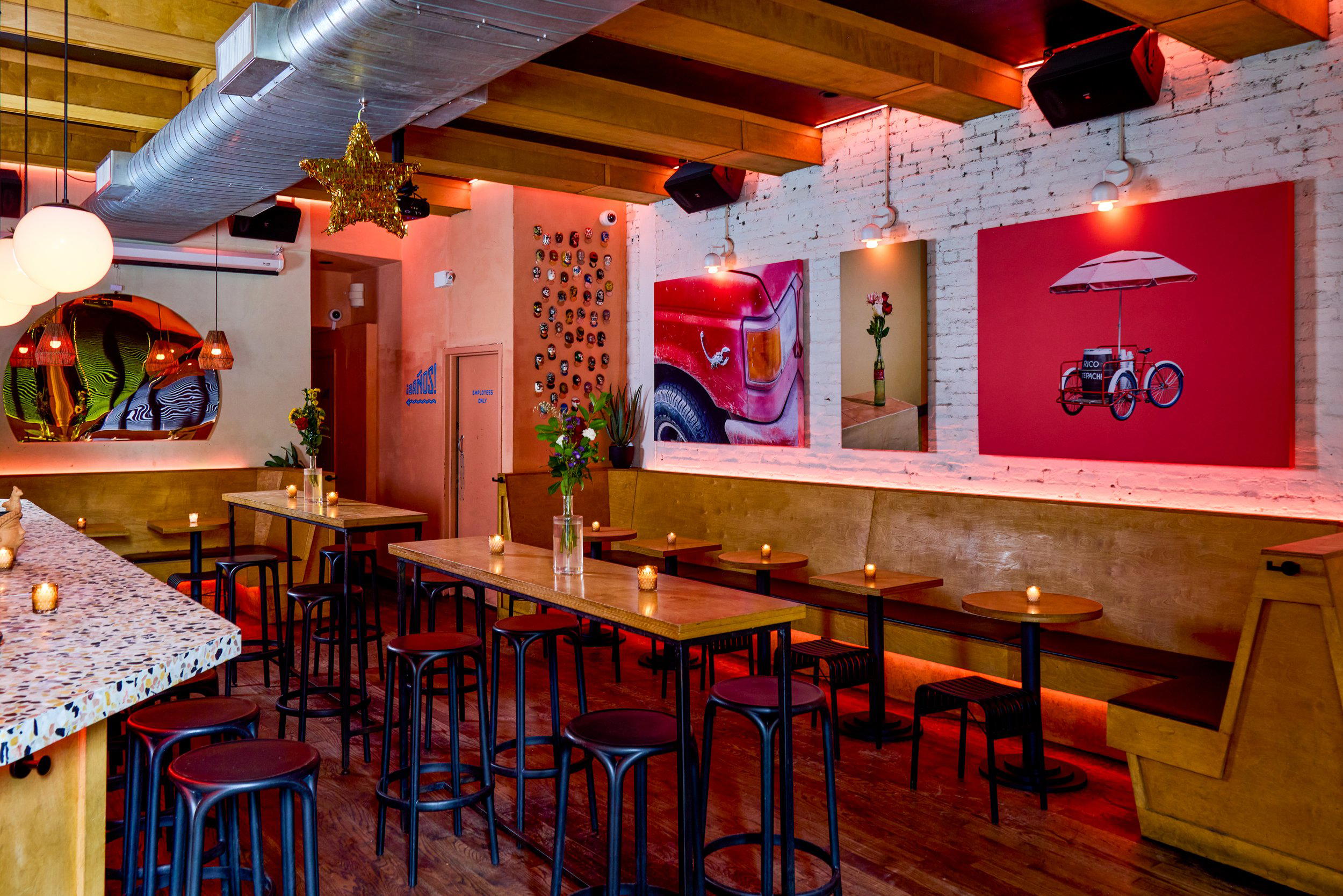
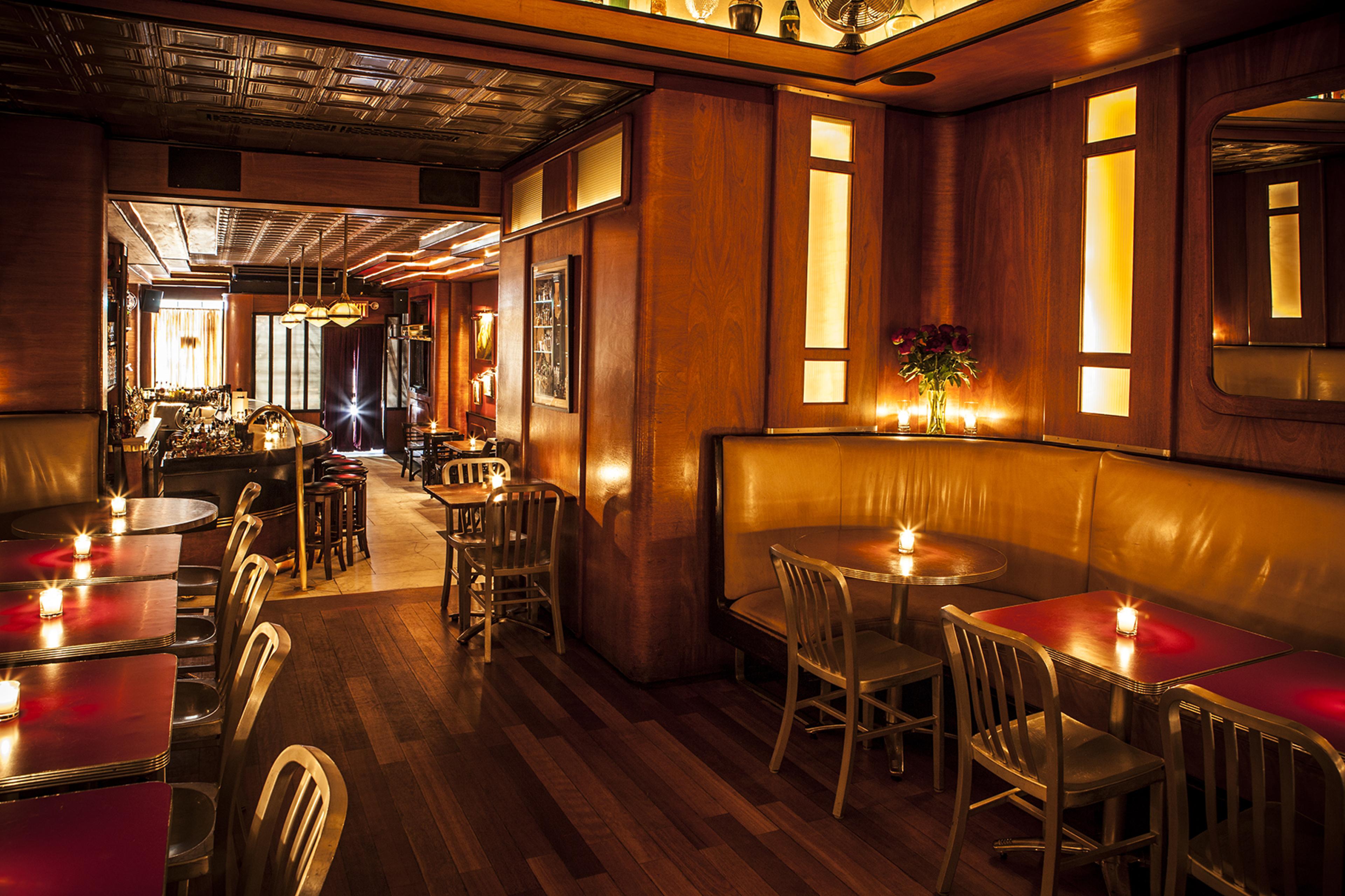
Hotels in New York City
All hotels in New York City →

Wineries in New York City
All wineries in New York City →
Details
- Lively
- Cozy
- Classic
- Casual Hangout
- Family
- Group Dining
- Solo
- Late Night
- Standalone
- A La Carte
- Family Style
- Vegetarian Friendly
Current opening hours
- Monday
- 10:30 AM–9:30 PM
- Tuesday
- 10:30 AM–9:30 PM
- Wednesday
- 10:30 AM–9:30 PM
- Thursday
- 10:30 AM–9:30 PM
- Friday
- 10:30 AM–9:30 PM
- Saturday
- 10:30 AM–9:30 PM
- Sunday
- 10:30 AM–9:30 PM
Hours can change for holidays and private events. Hours as of .
A compact, no-frills dining room with close-set tables, bright lighting, and a busy, informal atmosphere typical of a neighborhood Malaysian canteen.