Oudh 1722
Oudh 1722 belongs to the quieter Southwark dining conversation: central enough for serious eating, removed from the theatre of London’s grand hotel rooms. Its interest lies in how a small evening-led restaurant can make sourcing and spice feel local to the city rather than staged for visitors, with the practical rhythm of a midweek-to-weekend address.
Pearl is the En Primeur Club membership app — saves, bookings, and concierge access live there. Same editors, same standards.
- Address
- 66 Union St, London SE1 1TD, United Kingdom
- Phone
- +44 20 3179 1722
- Website
- oudh1722.com
- Directions
- Get directions
 Saves & bookings on Pearl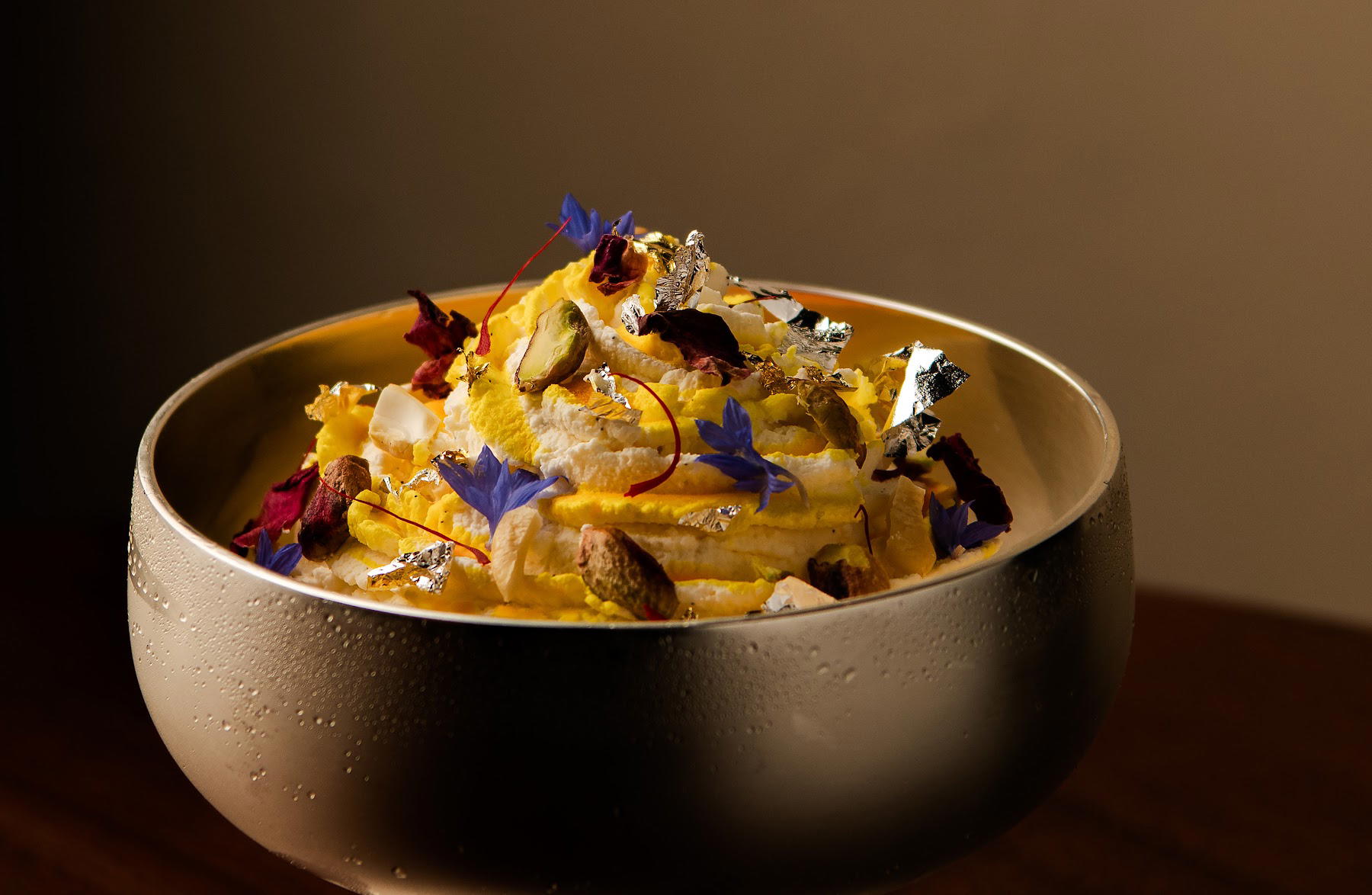
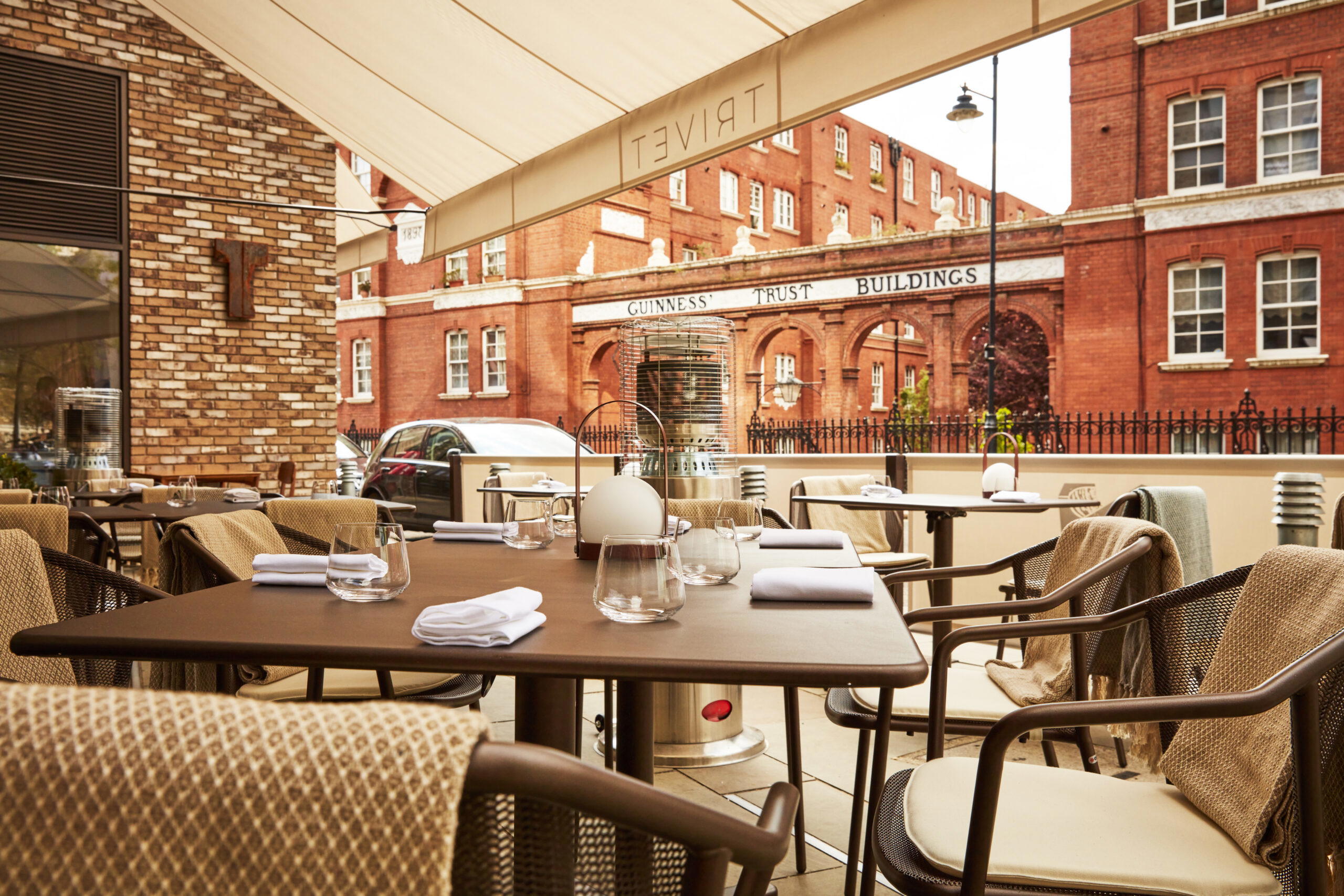
Southwark has a particular restaurant atmosphere after office hours: railway arches, market traffic fading, and a mix of commuters, theatre-bound diners and locals turning side streets into dining rooms. Oudh 1722 sits in that London register, where the approach matters as much as the plate. The stronger contemporary restaurants in this part of the city are not defined by spectacle; they are judged by how clearly they handle ingredients, seasoning and pace in a neighbourhood that has learned to be sceptical of gloss.
The name Oudh carries a culinary suggestion before a menu is opened. In South Asian food history, Awadh, often rendered as Oudh in older English usage, is associated with slow cooking, layered spicing, rice, breads and meat cookery shaped by courtly kitchens and domestic refinement rather than brute heat. London has spent decades flattening that range into shorthand categories. The more interesting question in 2026 is not whether a restaurant signals heritage, but whether it treats sourcing as part of the cooking rather than decoration.
Ingredient-led South Asian cooking in a market-trained part of London
London diners now read provenance with sharper eyes than they did a decade ago. Meat quality, rice choice, dairy, pickles, fresh herbs and bread work are no longer background details in premium South Asian cooking; they are where ambition shows. A kitchen working in this idiom has to balance two demands: spices need enough depth to carry memory and region, while primary ingredients need enough clarity to avoid being buried. That tension is where the category becomes compelling.
Southwark gives that conversation a useful frame. The area’s eating culture is shaped by produce routes, independent restaurants and a public that crosses the river for dinner rather than simply drifting in from the nearest hotel lobby. That makes Oudh 1722 a city restaurant first, not a themed room. Its value for an EP Club reader is in the decision it poses: choose it when the evening calls for a composed, ingredient-conscious interpretation of South Asian dining rather than a long tasting-menu performance or a casual curry-house default.
Because there are no public award markers attached here, the assessment has to lean on format and context rather than trophy language. That is not a weakness if the cooking is precise. London’s restaurant culture has always had a tier of addresses that build credibility through repeat local use, disciplined service windows and a clear point of view on the plate. In that tier, sourcing is not a slogan. It is whether the rice is treated as structure, whether breads arrive with purpose, whether sauces carry slow-built flavour rather than sugar and heat, and whether the kitchen lets herbs, fat and acid do separate work.
A London room for focused dinner rather than occasion theatre
The setting belongs to the compact, evening-focused side of London dining. That matters. Smaller restaurants in central neighbourhoods tend to reward diners who arrive with a clear plan: this is less about lingering over a hotel-bar prelude and more about giving the meal the centre of the night. The Sunday daytime service changes the rhythm, bringing the restaurant into the slower London lunch pattern, but the main identity remains dinner-led.
For readers mapping a broader London itinerary, Oudh 1722 fits neatly into a Southwark-and-central-London restaurant crawl rather than a single-destination luxury circuit. Use Our full London restaurants guide for the wider dining map, then cross-check adjacent planning through Our full London hotels guide, Our full London bars guide, Our full London wineries guide and Our full London experiences guide. Nearby and citywide reading can also include 081 Pizzeria Peckham, 10 Greek Street (Modern European), 101 Pimlico Road, 104 (Modern Cuisine) and 116 at The Athenaeum.
The broader UK context is useful too, because London is only one expression of the country’s dining culture. For comparison by trip style rather than direct cuisine match, see 'Seasgair' by Michel Roux Jr in Fort William, “8” By Andrew Sheridan in Liverpool, 1 York Place in Bristol, 10 Tib Lane in Manchester, 11th and Social in Norwich and 1215 in Egham. For transatlantic side reading on casual Japanese formats, Jōdo Saké Bar in Los Angeles and Onigiri Time in Pasadena show how ingredient specificity can define a modest format as clearly as it defines a formal room.
How It Compares
Comparable venues nearby, for context on price, style, and recognition.
| Venue | Cuisine | Price | Notes |
|---|---|---|---|
| Oudh 1722This venue — the venue you are viewing | Awadhi fine dining from Lucknow in a historic Borough townhouse | $$$ | Not listed |
| Royals India | Authentic and Contemporary Indian | $$$ | St Giles |
| Black Salt | Modern Indian | $$$ | Mortlake |
| Porte des Indes | French-Creole Indian Fusion | $$$ | Marble Arch |
| Indian Zing | Modern Indian | $$$ | Ravenscourt Park |
| Copper Chimney | Modern North Indian | $$$ | White City |
Recognition history
Dated appearances from independent guides and award organizations, with the underlying list record or original source where available.
National Restaurant Awards One to Watch
National Restaurant Awards · 2026 National Restaurant Awards - One to Watch


At a Glance
- Elegant
- Sophisticated
- Ornate
- Intimate
- Classic
- Date Night
- Special Occasion
- Celebration
- Business Dinner
- Group Dining
- Historic Building
- Design Destination
- Standalone
- Private Dining
- Extensive Wine List
- Craft Cocktails
- Local Sourcing
Current opening hours
- Monday
- Closed
- Tuesday
- 5:30–9:30 PM
- Wednesday
- 12–2:30 PM, 5:30–9:30 PM
- Thursday
- 12–2:30 PM, 5:30–9:30 PM
- Friday
- 12–2:30 PM, 5:30–9:30 PM
- Saturday
- 12–2:30 PM, 5:30–9:30 PM
- Sunday
- 12–4:30 PM
Hours can change for holidays and private events. Last verified .
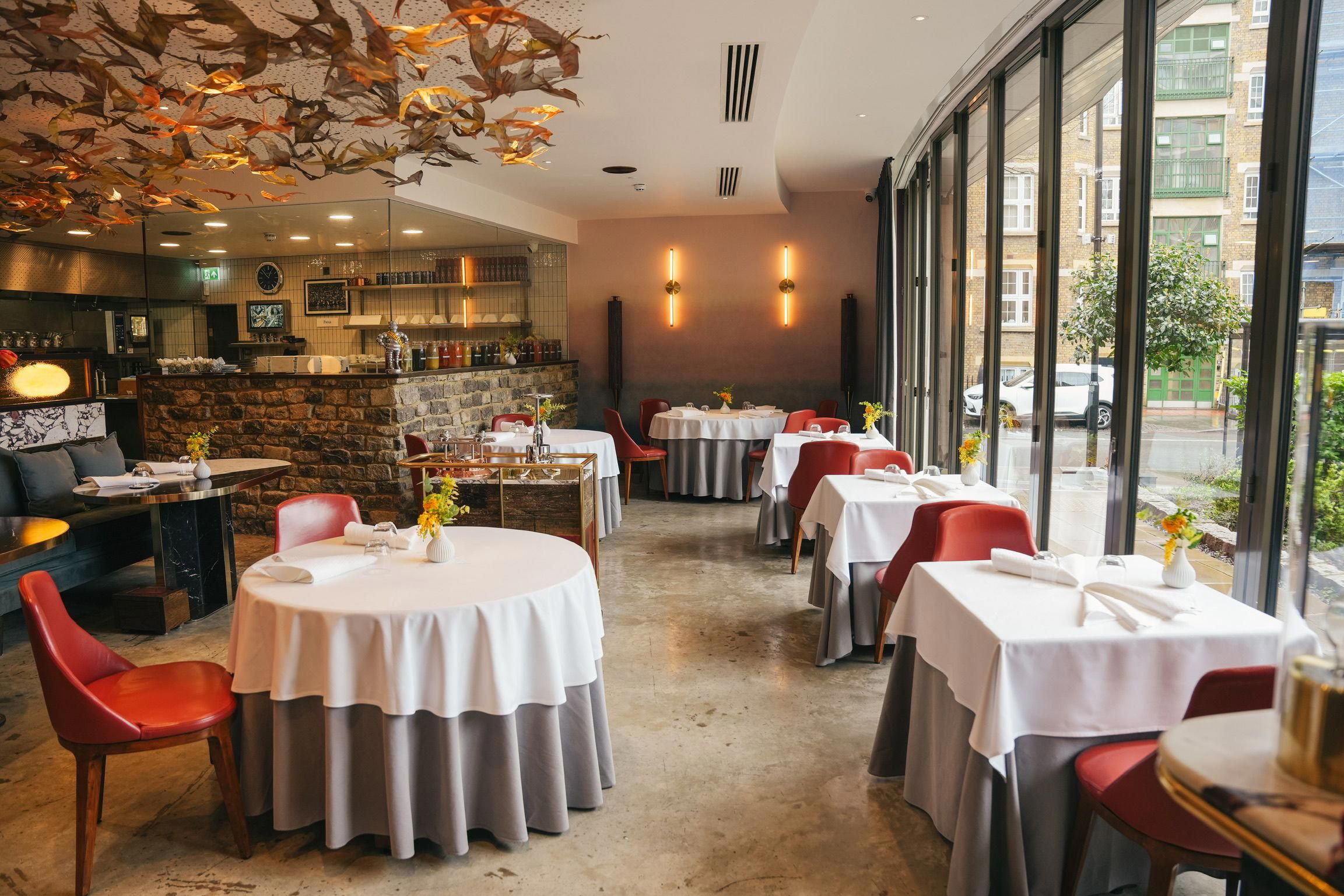
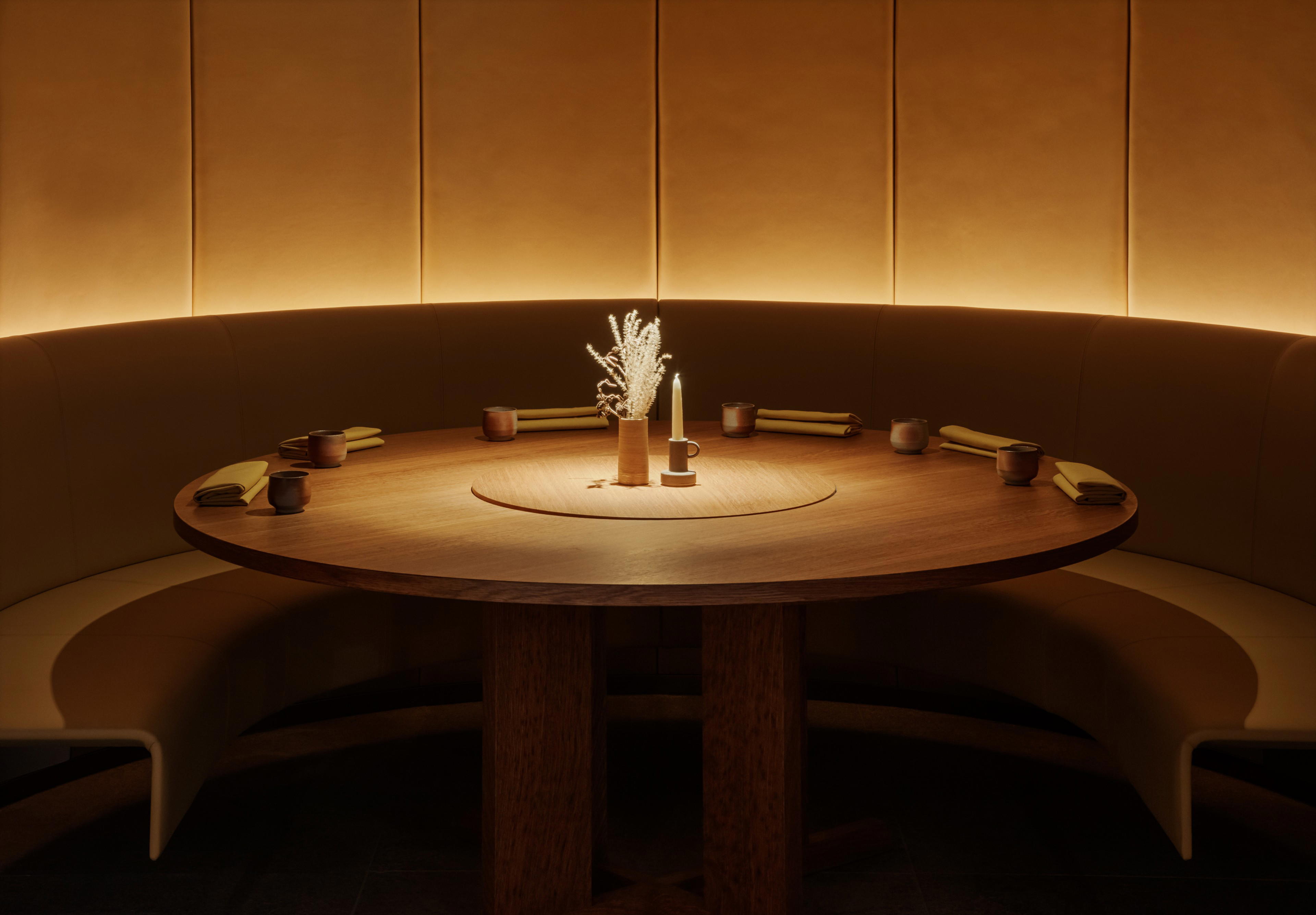
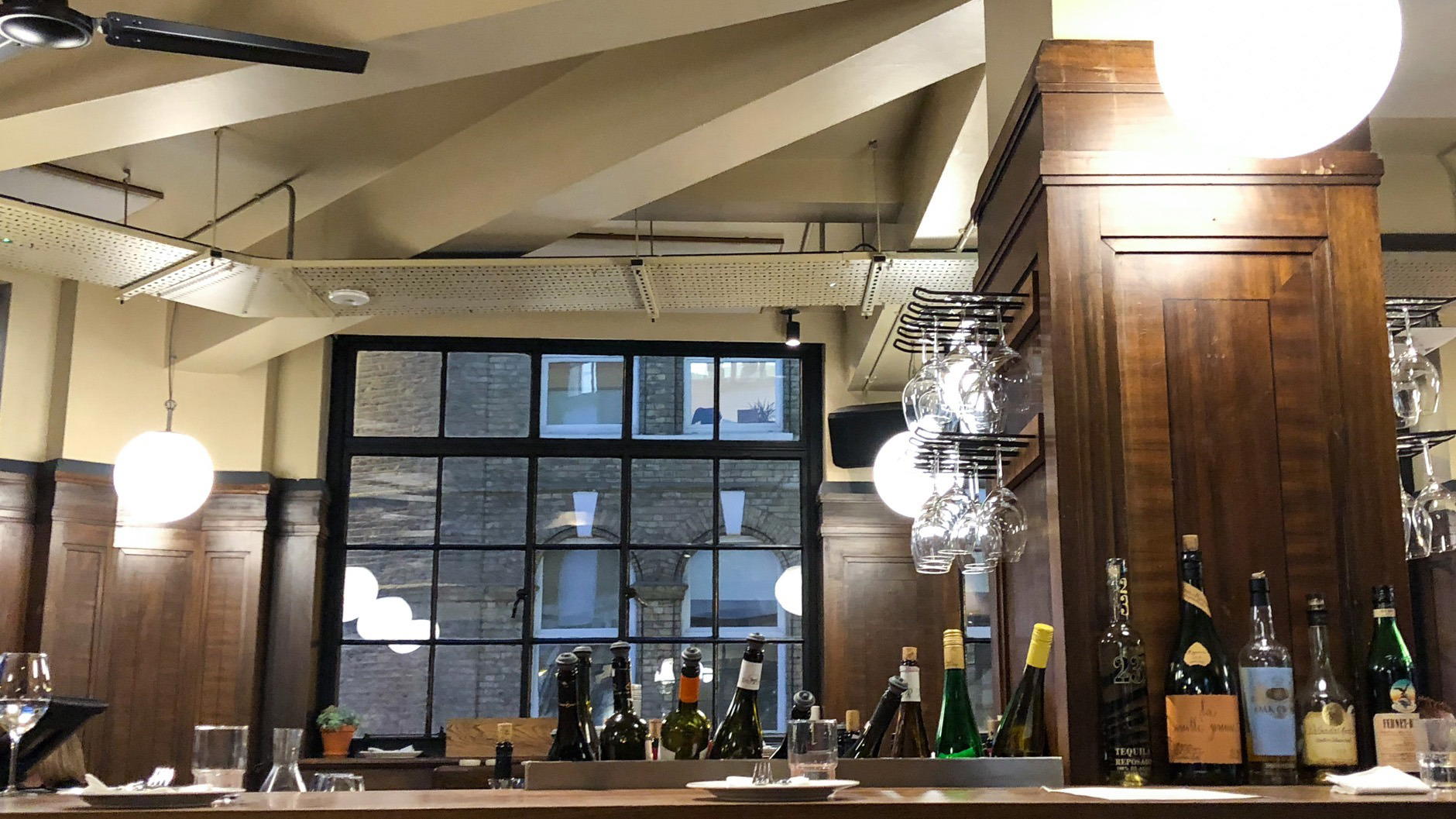
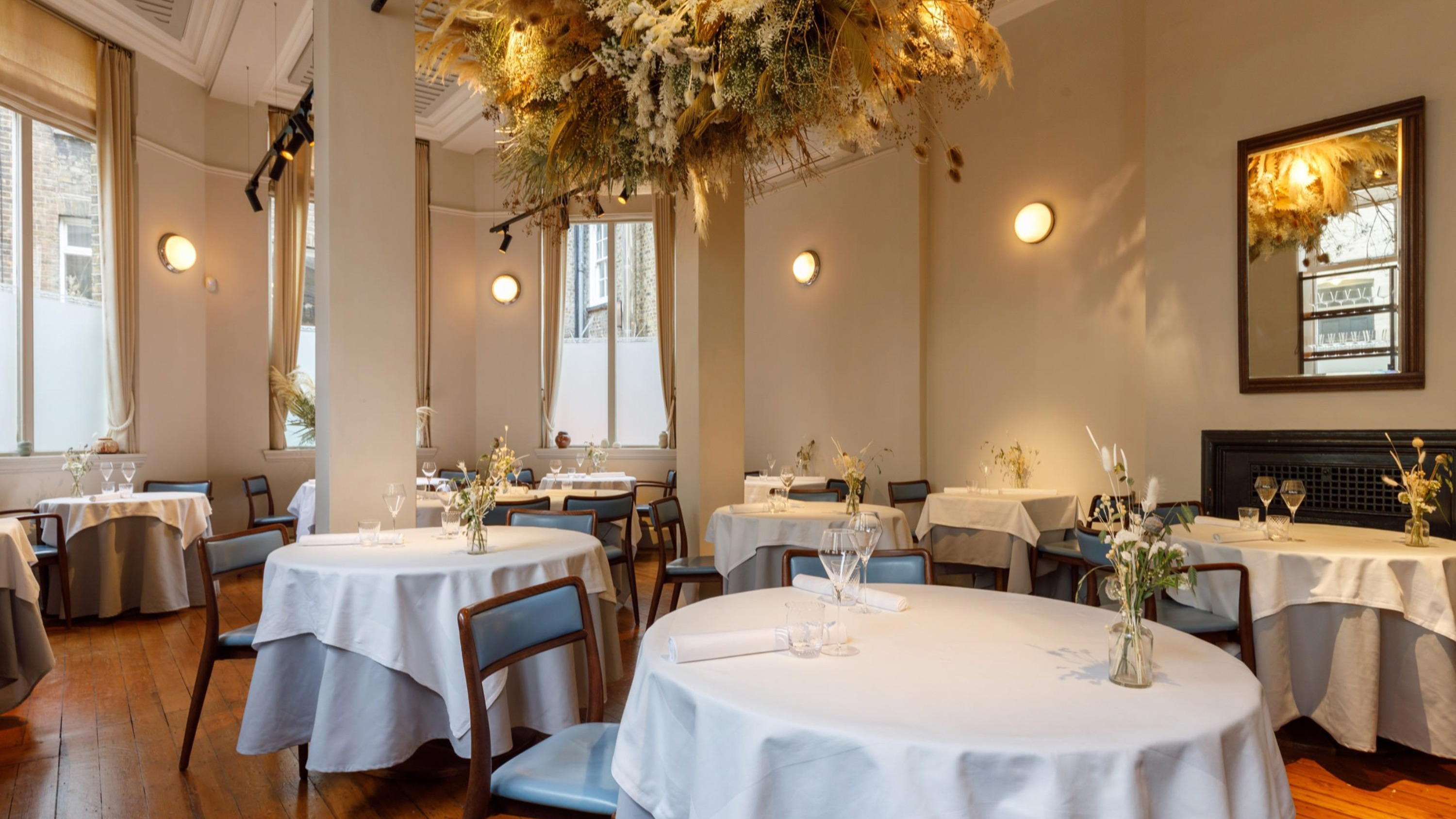
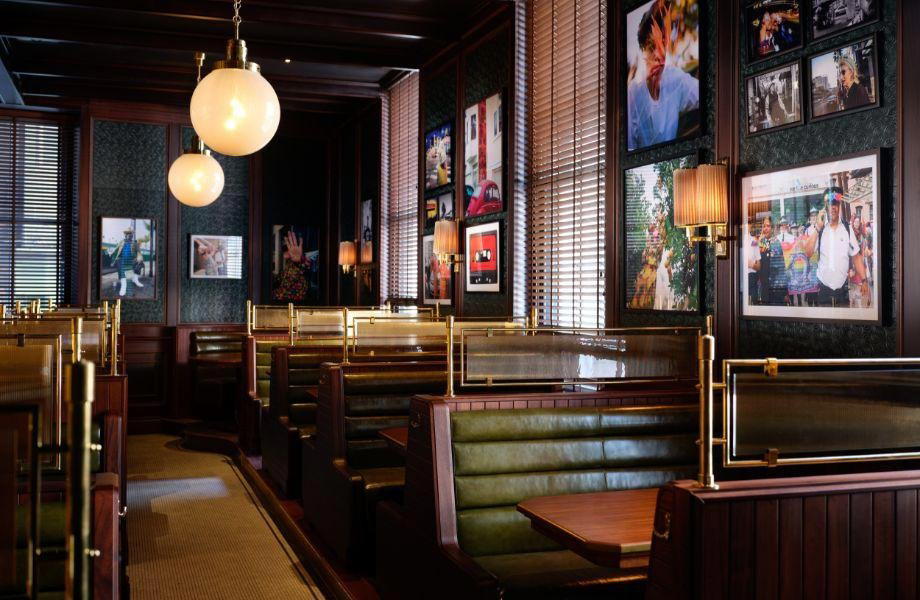
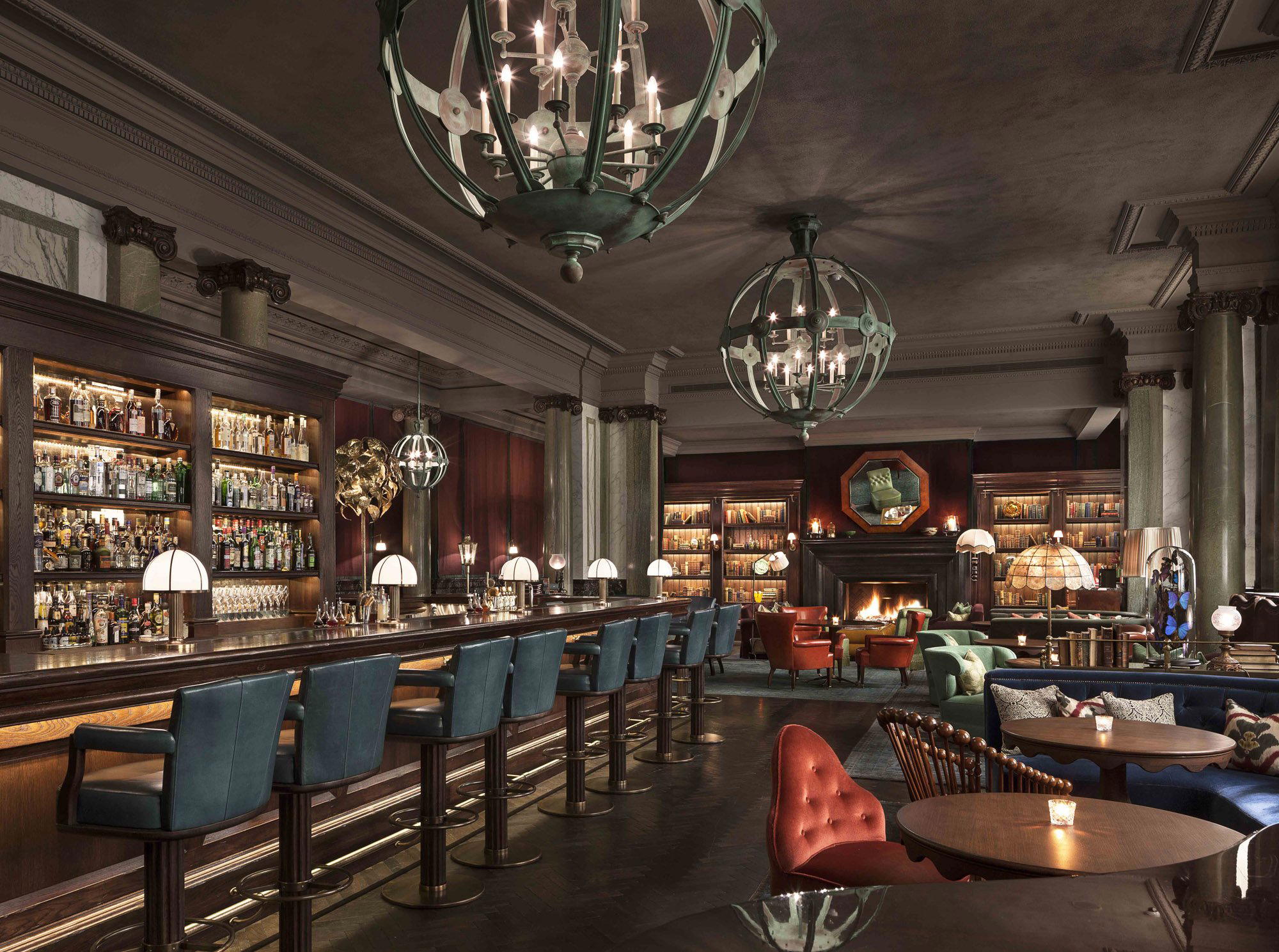
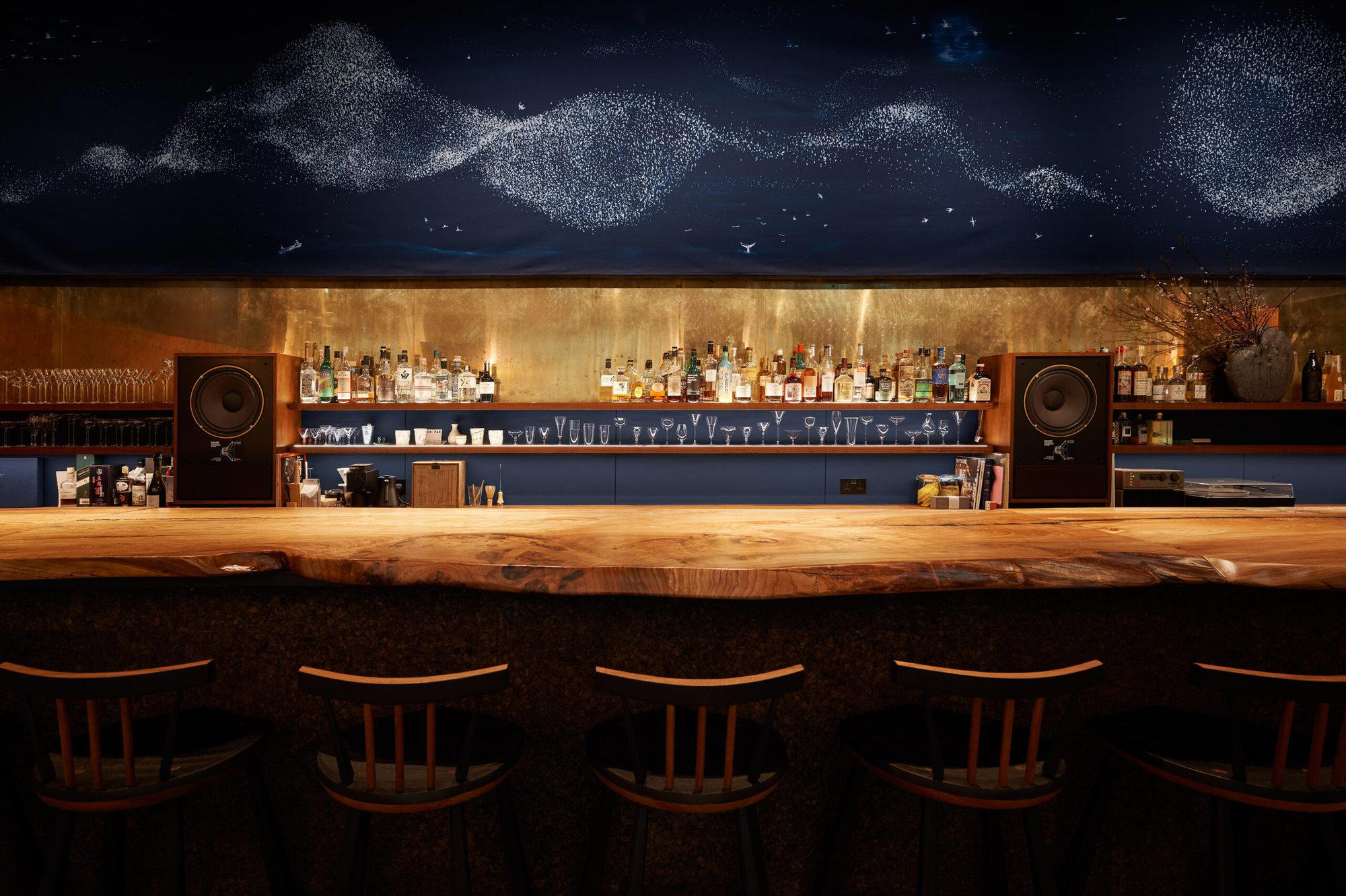
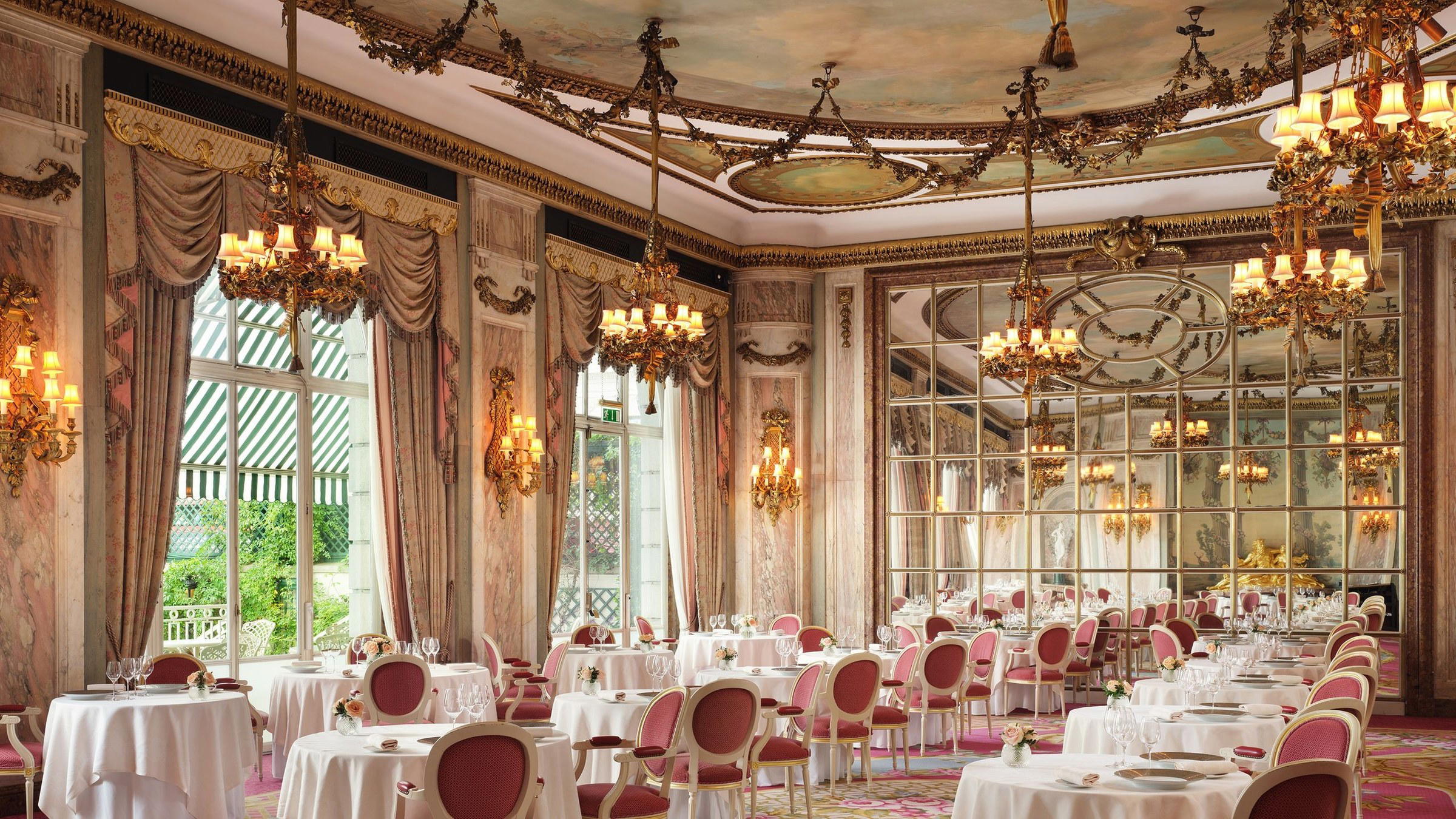
Sleek and stylish yet quietly grand, with lime-plastered walls, arches and soft, slightly faded tones that create a calm, elegant dining room that feels both ornate and intimate rather than flashy.