Indian Oven
Indian Oven sits on Fillmore Street in San Francisco's Lower Haight, a neighborhood where the dining character runs toward longtime locals over tourists. The restaurant represents a strand of Indian cooking in the city that predates the current wave of upmarket subcontinental dining, accessible, neighborhood-rooted, and built on a menu that covers the familiar architecture of North Indian cuisine without heavy editorial revision.
Pearl is the En Primeur Club membership app — saves, bookings, and concierge access live there. Same editors, same standards.
- Address
- 233 Fillmore St, San Francisco, CA 94117
- Phone
- +14156261628
- Website
- indianovensf.com
- Directions
- Get directions
 Saves & bookings on Pearl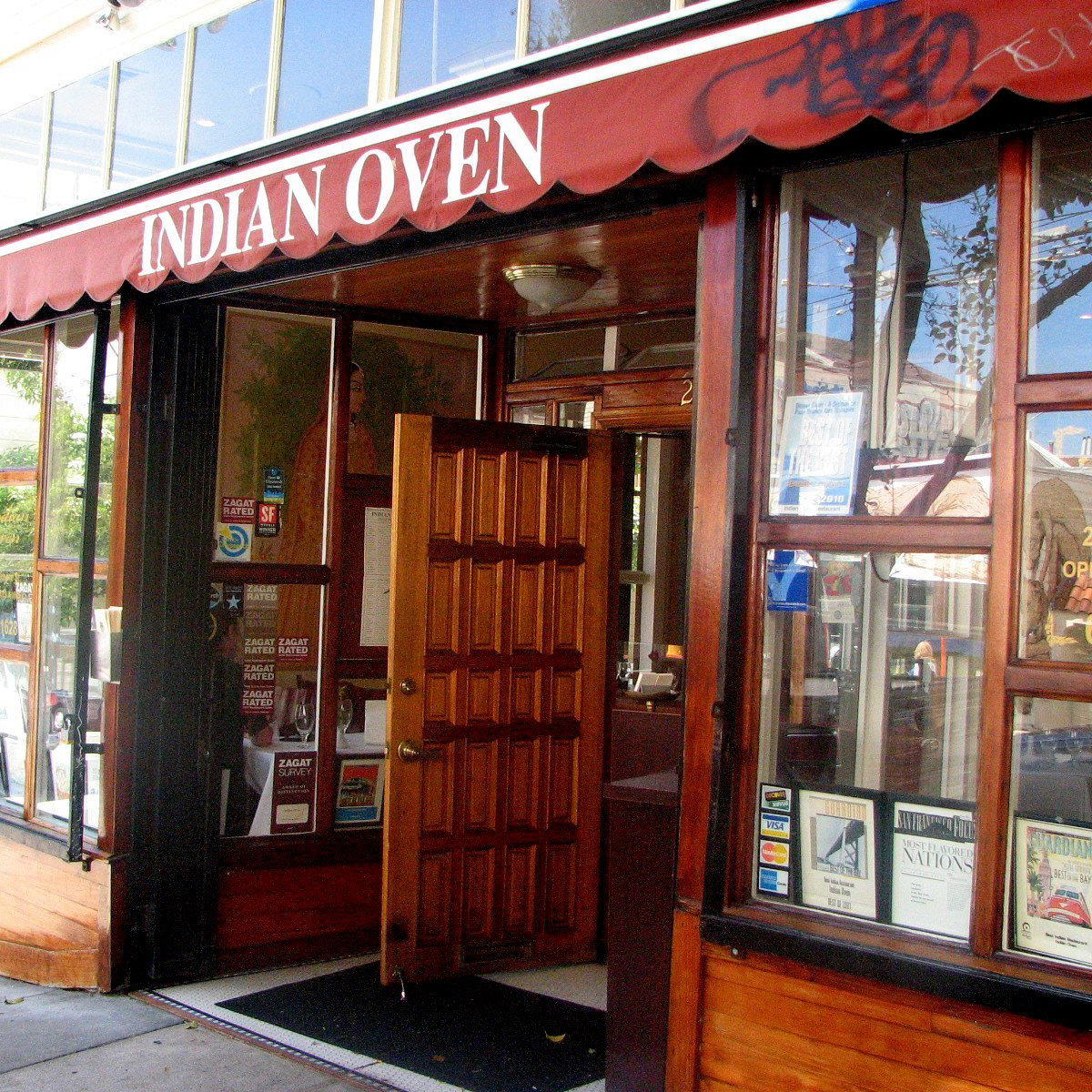
Fillmore Street and the Neighborhood Frame
San Francisco's Lower Haight carries a different dining register than the neighborhoods that tend to dominate food press coverage. Where SoMa and the Financial District have absorbed the city's highest-ticket tasting menus, places like Benu, Lazy Bear, and Atelier Crenn, Fillmore Street sits in a more lived-in register. The stretch around the 200 block draws residents from the surrounding blocks. That context matters when reading what Indian Oven does and for whom it does it.
Indian Oven is a restaurant serving authentic Northern Indian cuisine at 233 Fillmore St in San Francisco's Lower Haight. The city has never developed the density of South Asian dining that marks, say, the East Bay's Fremont corridor or parts of the South Bay. What exists in San Francisco proper tends to split between a handful of upmarket subcontinental projects and a longer tail of neighborhood restaurants operating in the mid-range, many of them carrying menus that would be recognizable from similar establishments across the country. Indian Oven sits in that second category, at 233 Fillmore St, where it functions as a neighborhood constant rather than a destination pull.
What the Menu Architecture Reveals
North Indian restaurant menus in the American context tend to follow a well-established architecture: breads and rice anchor one section, tandoor-cooked proteins form another, and a curry section, organized loosely by base sauce, does the heaviest lifting in terms of both volume and revenue. That structure is not accidental. It evolved to communicate legibility to a broad audience and to allow a kitchen to operate at volume without sacrificing consistency.
Menus built this way are often read as conservative or unadventurous, but that reading misses what the format actually signals. A menu organized around tandoor, dal, and bread categories is making an implicit argument about execution over novelty, that the work is in the calibration of spice, the heat management of the clay oven, and the layering of aromatics in a sauce that may have been simmering for hours. The same logic applies at the summit of the American fine dining tier: The French Laundry in Napa builds menus around classical French scaffolding, not rupture from it. The intelligence is in the execution, not in departing from tradition.
For a neighborhood restaurant operating in the mid-range, that philosophy is even more load-bearing. Without the table-setting apparatus of a tasting menu format or the critical recognition that places like Quince or Saison carry into the room, the menu itself has to do the work of communicating trust. Familiar categories, legibly named, become the instrument of that trust.
Indian Dining in American Cities: A Broader Pattern
The neighborhood Indian restaurant occupies a specific and durable position in American urban dining. Across cities, from New York to Chicago to New Orleans, this category has proven more stable than many of its peers in the mid-market. Part of that durability comes from the cuisine's genuine complexity, Indian cooking draws on a spice vocabulary and technique tradition that rewards a kitchen operating at any price point, and part comes from the format's flexibility. A table of two wanting a quiet weeknight dinner and a larger group working through a spread of shared dishes can both be accommodated without friction.
Projects like Atomix in New York (Korean, but relevant as a model for how Asian fine dining has restructured its positioning) and, in different ways, the tasting menu format at restaurants across the country have created a new reference point. That shift hasn't dissolved the neighborhood tier, it has simply clarified the distinction between the two. A restaurant like Indian Oven is not competing with a $300-per-head tasting menu; it is operating in a category where the comparable set is the surrounding neighborhood and the metric is consistency over time.
Single Thread Farm in Healdsburg to the focused tasting formats at Addison in San Diego and Providence in Los Angeles, which together sketch the competitive context that shapes how any individual restaurant in the region positions itself.
Placing Indian Oven in the City's Indian Food Map
San Francisco's Indian restaurant geography is not concentrated. The Richmond District has carried some of the city's more durable Indian options; the Mission has seen occasional projects come and go. Fillmore Street is not a traditional corridor for this cuisine, which means the restaurant operates without the clustering advantage that tends to help restaurants in ethnic-food dense corridors. The location is a neighborhood proposition, which cuts both ways: the potential walk-in radius is more limited, but so is the direct competition.
The pattern shows up in Atlanta with places like Bacchanalia anchoring one end of a dining market and neighborhood-rooted mid-range restaurants quietly sustaining the other. In Washington, The Inn at Little Washington sets a regional high-water mark that makes everything below it more legible by contrast. The same dynamic operates in San Francisco, where the presence of Michelin-recognized addresses makes the category distinctions sharper.
Know Before You Go
| Address | 233 Fillmore St, San Francisco, CA 94117 |
| Neighborhood | Lower Haight |
| Phone | Available by phone inquiry and current listings. |
| Hours | Open Mon-Thu and Sun 9:45 AM-11 PM, Fri-Sat 9:45 AM-1 AM. |
| Reservations | Reservations are recommended. |
| Price range | Price tier 2, about $25 per person. |
Budget and Context
Comparable venues nearby, for context on price, style, and recognition.
| Venue | Cuisine | Price | Notes |
|---|---|---|---|
| Indian OvenThis venue — the venue you are viewing | Hayes Valley, Authentic Northern Indian | $$ | Not listed |
| Keeva Indian Kitchen | Inner Richmond, Indian Kitchen | $$ | Not listed |
| India Clay Oven | Not listed | $$ | Outer Richmond, Authentic Northern Indian Tandoori |
| Little Delhi | Tenderloin, Authentic Indian & Nepalese | $$ | Not listed |
| Clay Oven Indian Restaurant | Not listed | $$ | West of Twin Peaks, Authentic Northern Indian Tandoori |
| New Delhi Restaurant | Tenderloin, Authentic Regional Indian | $$ | Not listed |
Continue exploring
More in San Francisco
Restaurants in San Francisco
Browse all →
Bars in San Francisco
Browse all →

Hotels in San Francisco
Browse all →
At a Glance
- Classic
- Cozy
- Casual Hangout
- Group Dining
- Open Kitchen
Current opening hours
- Monday
- 9:45 AM–11 PM
- Tuesday
- 9:45 AM–11 PM
- Wednesday
- 9:45 AM–11 PM
- Thursday
- 9:45 AM–11 PM
- Friday
- 9:45 AM–1 AM
- Saturday
- 9:45 AM–1 AM
- Sunday
- 9:45 AM–11 PM
Hours can change for holidays and private events. Last verified .
Modern style with traditional roots featuring handmade paintings, stylish decor, high ceilings, open kitchen, and romantic music.