Inca London
Our verdict
Inca London occupies a Georgian-era address on Argyll Street in the heart of the West End, bringing South American culinary traditions into one of London's most competitive dining corridors. The restaurant sits at the intersection of Peruvian and broader Andean influence, a niche that has grown steadily across the city's premium dining tier over the past decade. For the West End, it represents a considered counterpoint to the French and British fine dining that dominates the neighbourhood's higher price brackets.

Pearl is the En Primeur Club membership app — saves, bookings, and concierge access live there. Same editors, same standards.
The menu
What to order
- Ceviche
- Anticuchos
- Guacamole in lava stone
Argyll Street and the Architecture of Arrival
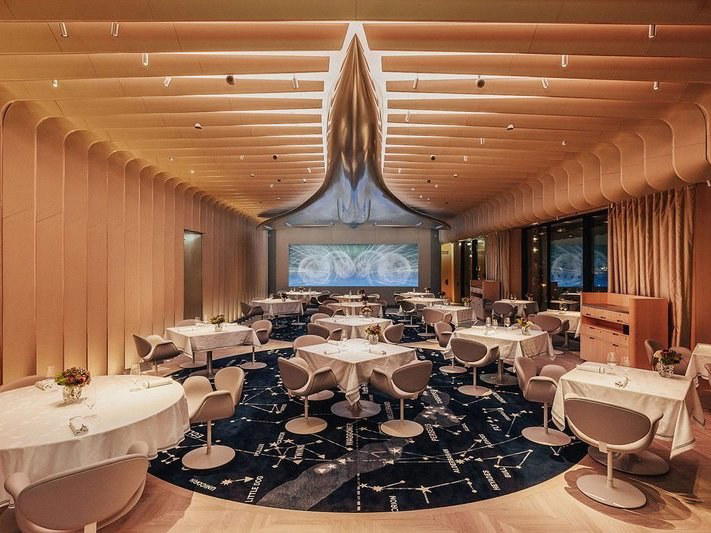
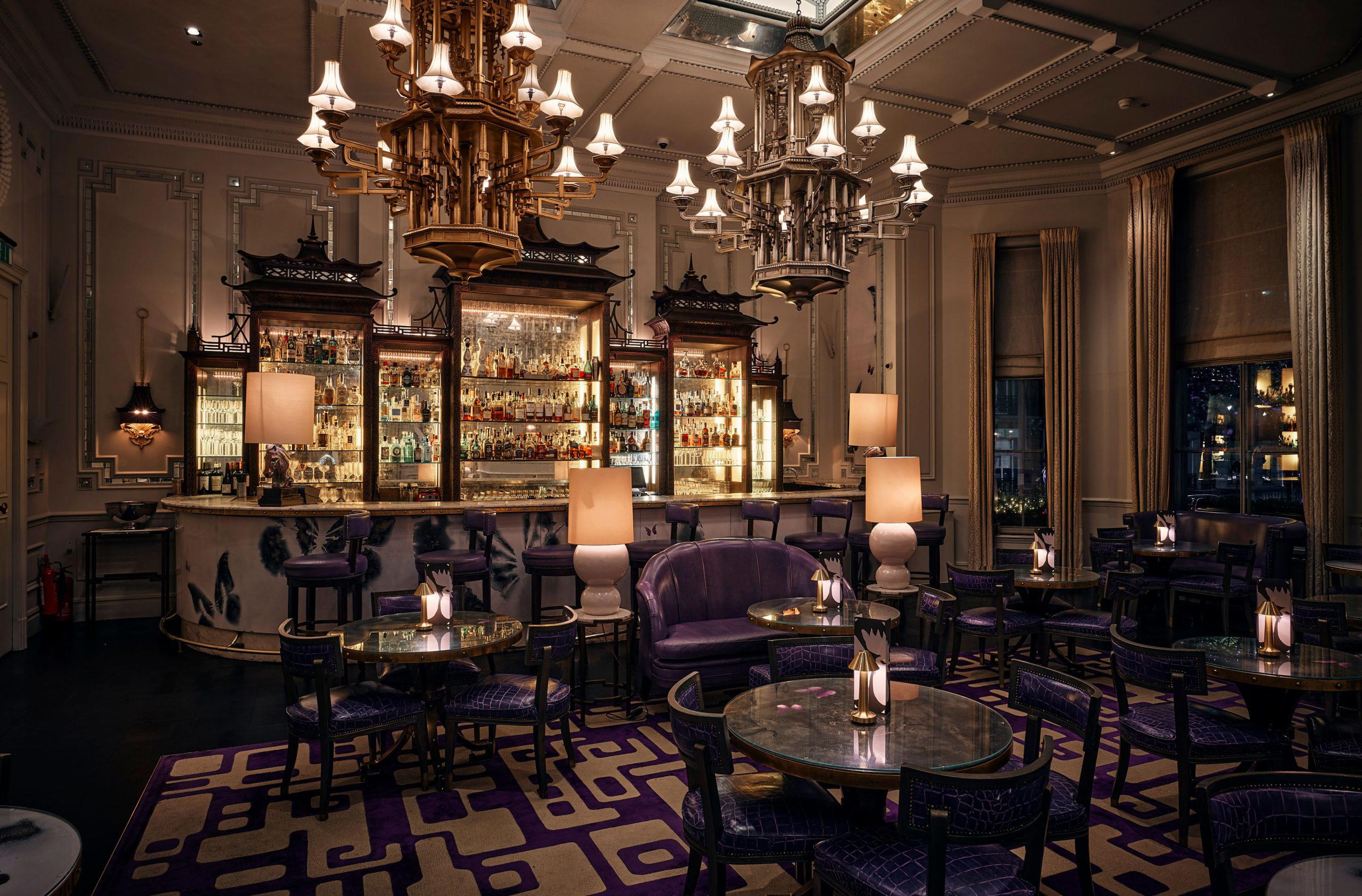
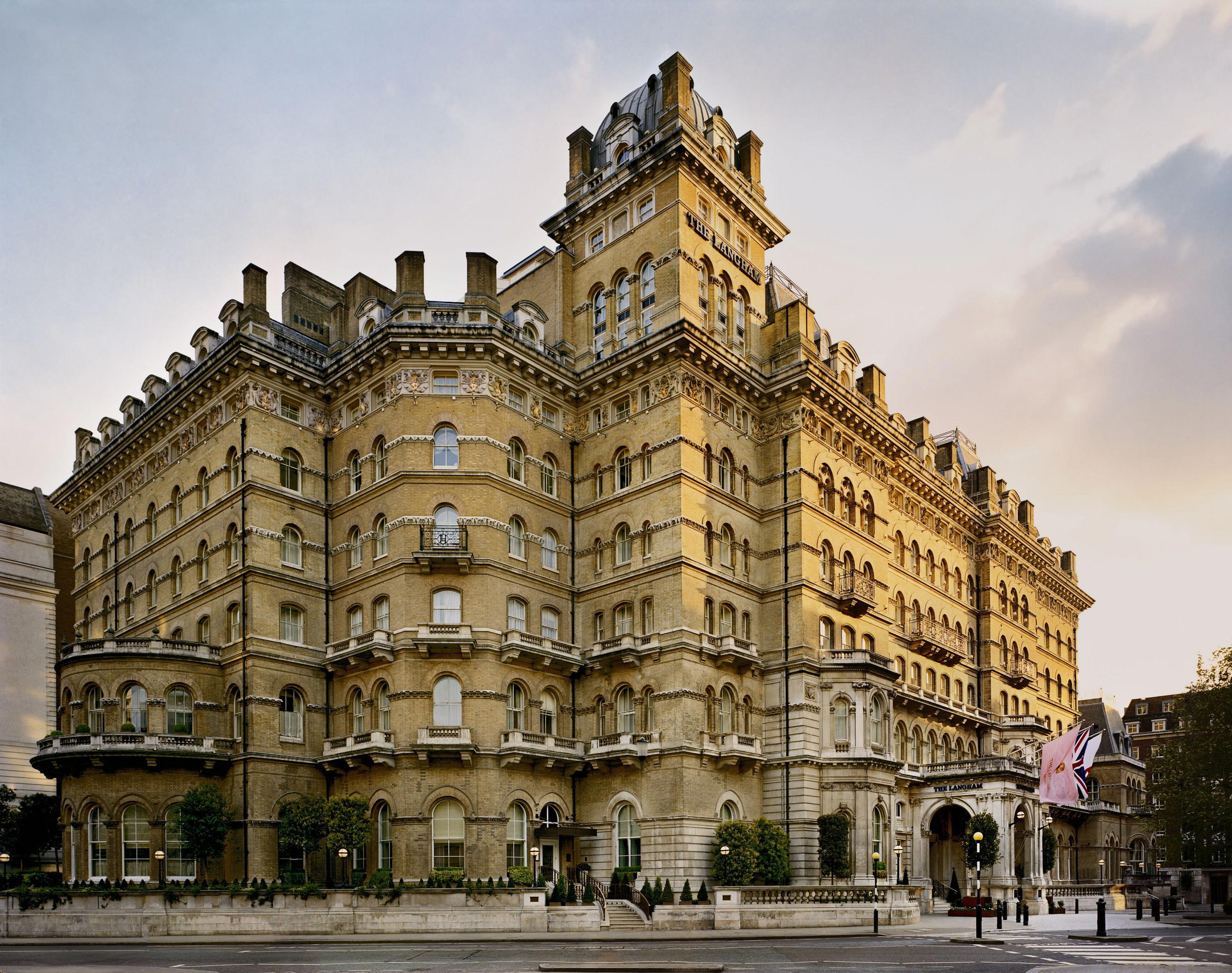
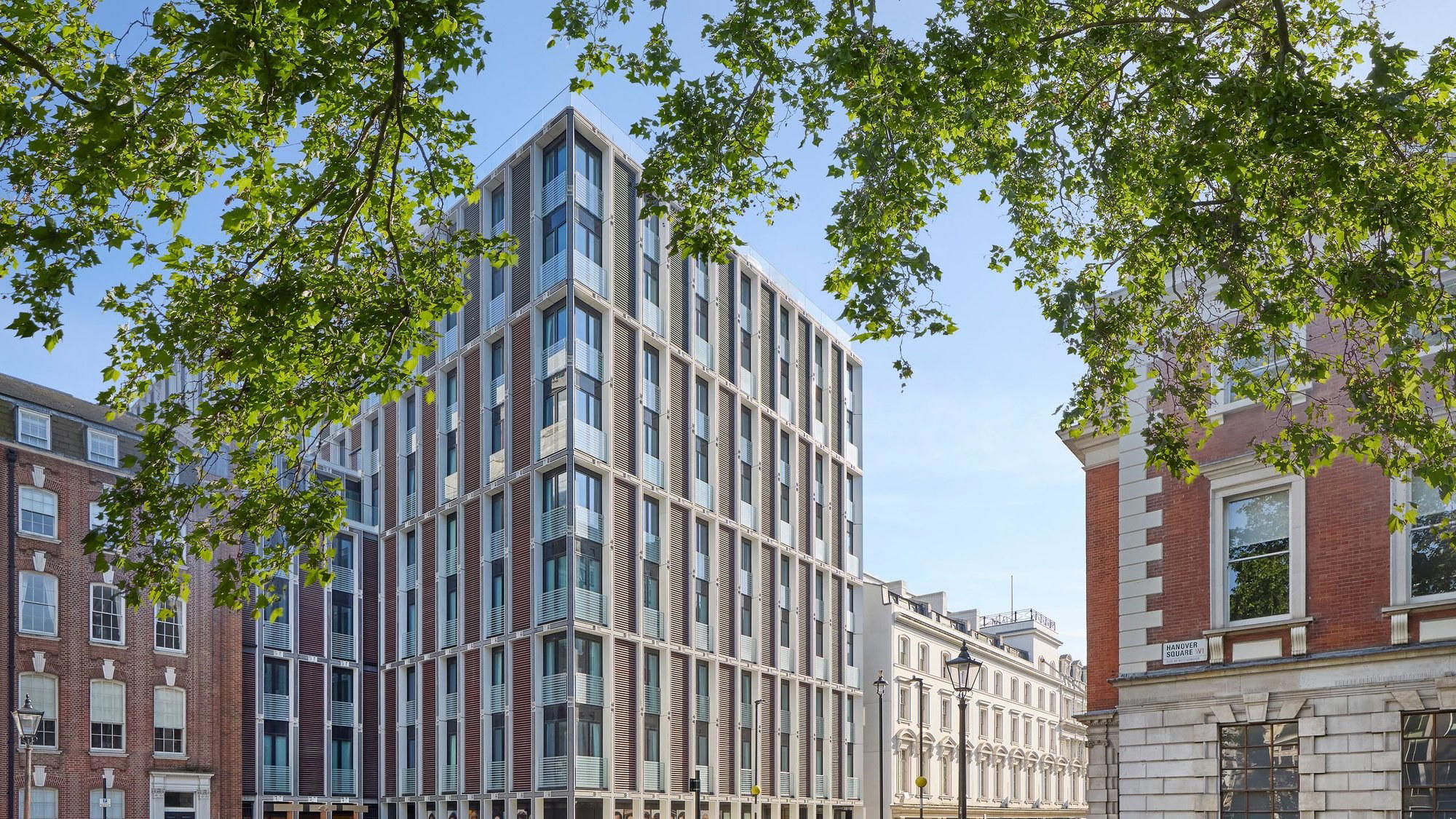
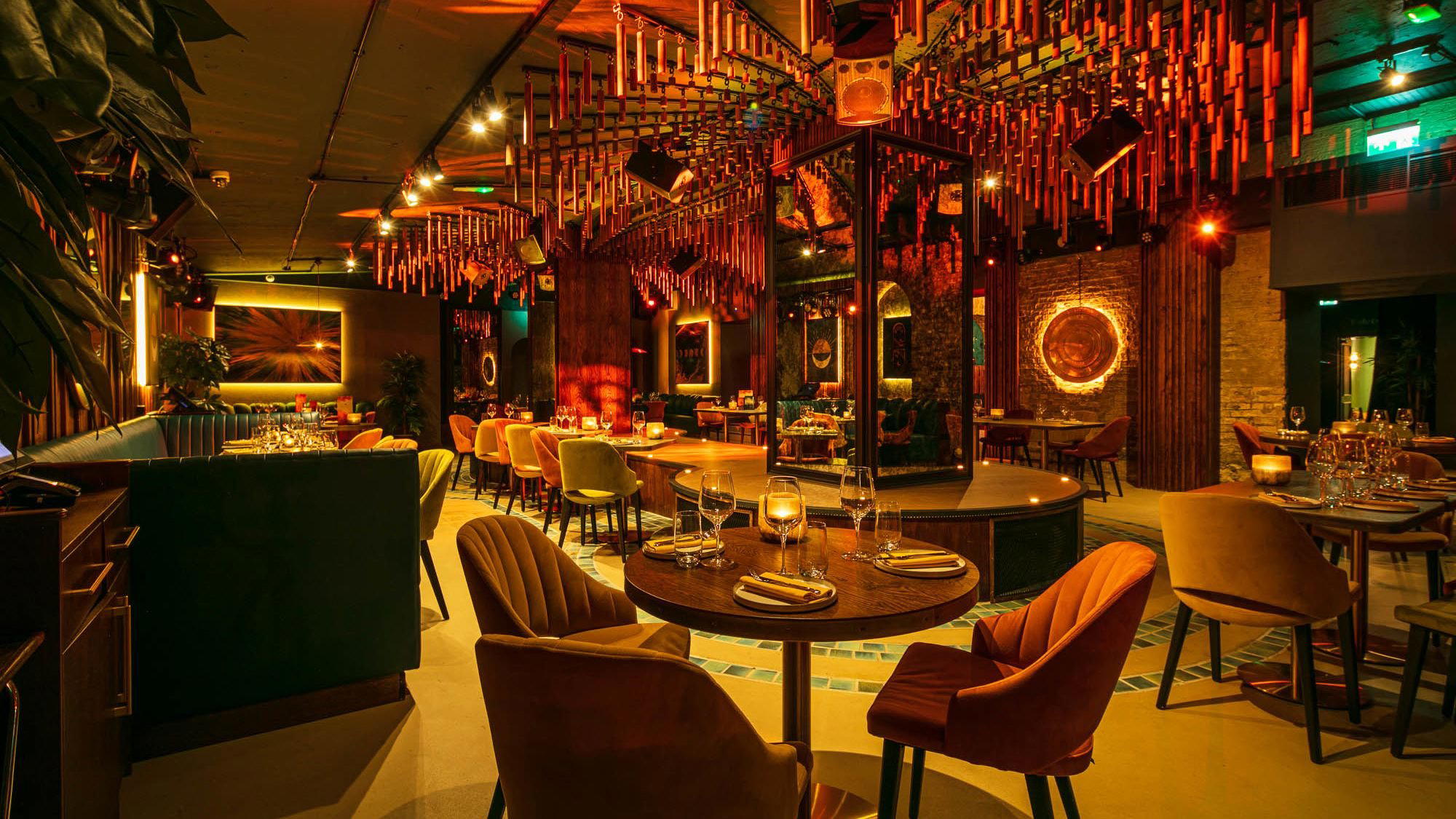
The stretch of Argyll Street running south from Oxford Circus sits in a peculiar zone of London's West End: dense with foot traffic, ringed by theatres and chain retail, yet capable of concealing serious dining rooms behind plain Georgian facades. The address at 8-9 Argyll Street belongs to that second category. Approaching from Oxford Circus, the building reads as part of the district's older commercial fabric, its proportions shaped by a period when this corridor was the city's entertainment spine rather than a shopping artery. What that history bequeathed is interior volume: high ceilings, deep room plans, and the structural bones that make thoughtful fit-outs possible in ways that a purpose-built modern shell rarely allows.
In London's premium dining market, the physical container matters more than it is usually given credit for. The rooms that generate lasting reputations tend to have either extreme intimacy — the counter format that puts twelve diners within conversation distance of the kitchen — or a certain grandeur of proportion that signals occasion before a plate arrives. The West End, more than any other London zone, has refined the latter approach across generations. That spatial tradition provides the context in which Inca London operates.
South American Cooking in a European Fine Dining Corridor
London's engagement with South American cooking has developed unevenly across the city's dining tiers. At the premium end, Peruvian and broader Andean cuisine carved out a distinct niche during the 2010s, driven partly by the global recognition that Lima received as a fine dining destination and partly by a generation of London diners returning from the continent with recalibrated reference points. The cuisine's structural logic, the interplay of acid, heat, and ferment; the reliance on ingredients with no direct European equivalent, proved durable at high price points in a way that some other international cuisines have not.
Argyll Street places Inca London in one of the most pressured competitive environments in British dining. Within a short radius sit some of the city's most awarded rooms: CORE by Clare Smyth, which holds three Michelin stars and operates at the top of the Modern British tier; Sketch, The Lecture Room and Library, with its maximalist interiors and sustained Michelin recognition; and the broader constellation of French-influenced rooms that have defined central London fine dining for decades, including Restaurant Gordon Ramsay and The Ledbury. Within that competitive frame, a South American address occupies a distinct category rather than competing directly on the same tasting-menu terms as its neighbours.
The comparison set for Inca London extends beyond the West End. London's fine dining landscape also includes British rooms with strong regional identities that draw destination diners: Dinner by Heston Blumenthal for historical British cooking reworked through technical precision, and beyond the city, the broader circuit of UK destination restaurants including L'Enclume in Cartmel, Moor Hall in Aughton, Le Manoir aux Quat'Saisons in Oxford, and the Waterside Inn in Bray. These rooms anchor a national fine dining circuit that London visitors often move through; knowing where Inca fits relative to that circuit helps calibrate what kind of evening it offers.
Interior Logic: What the Space Does to the Experience
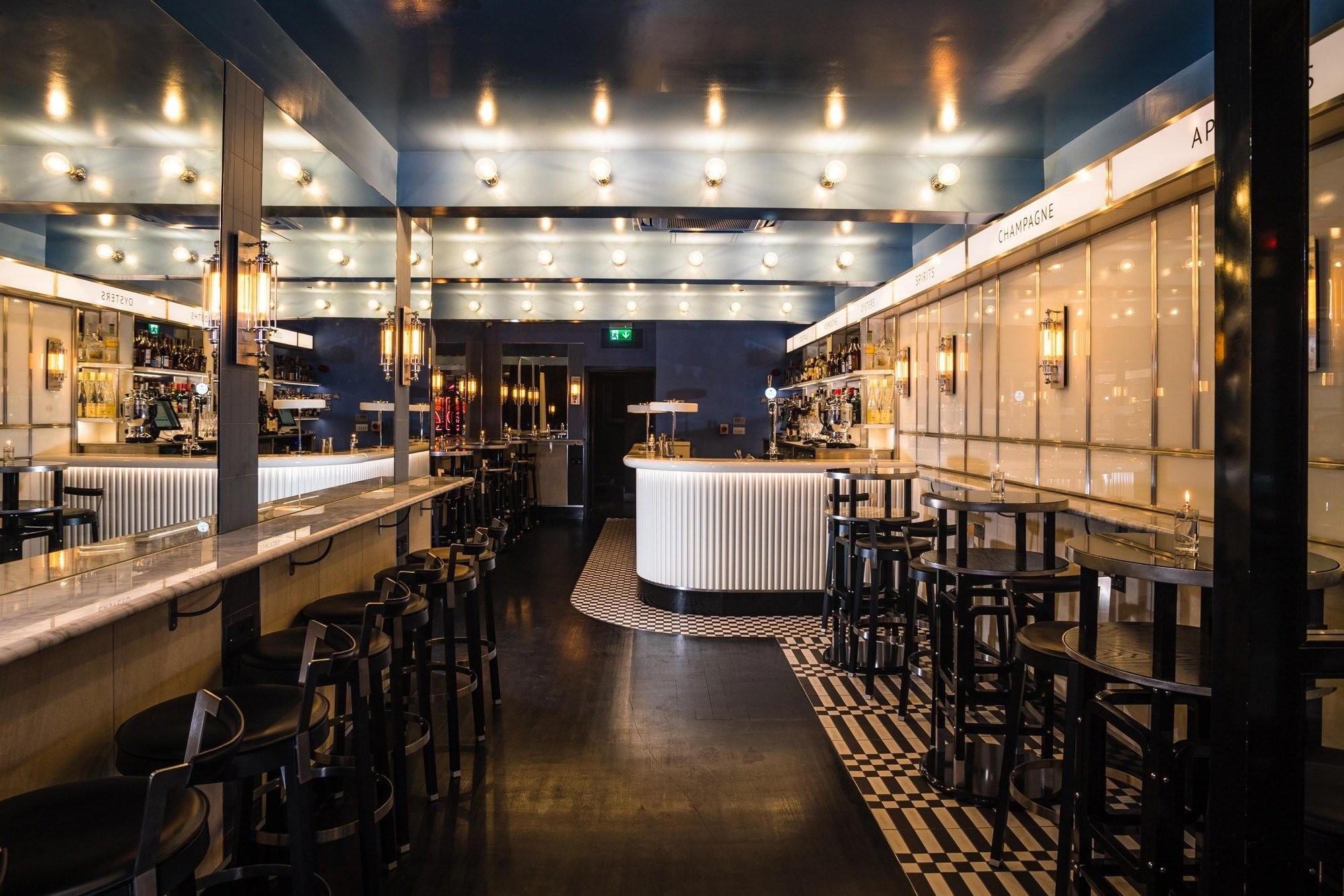
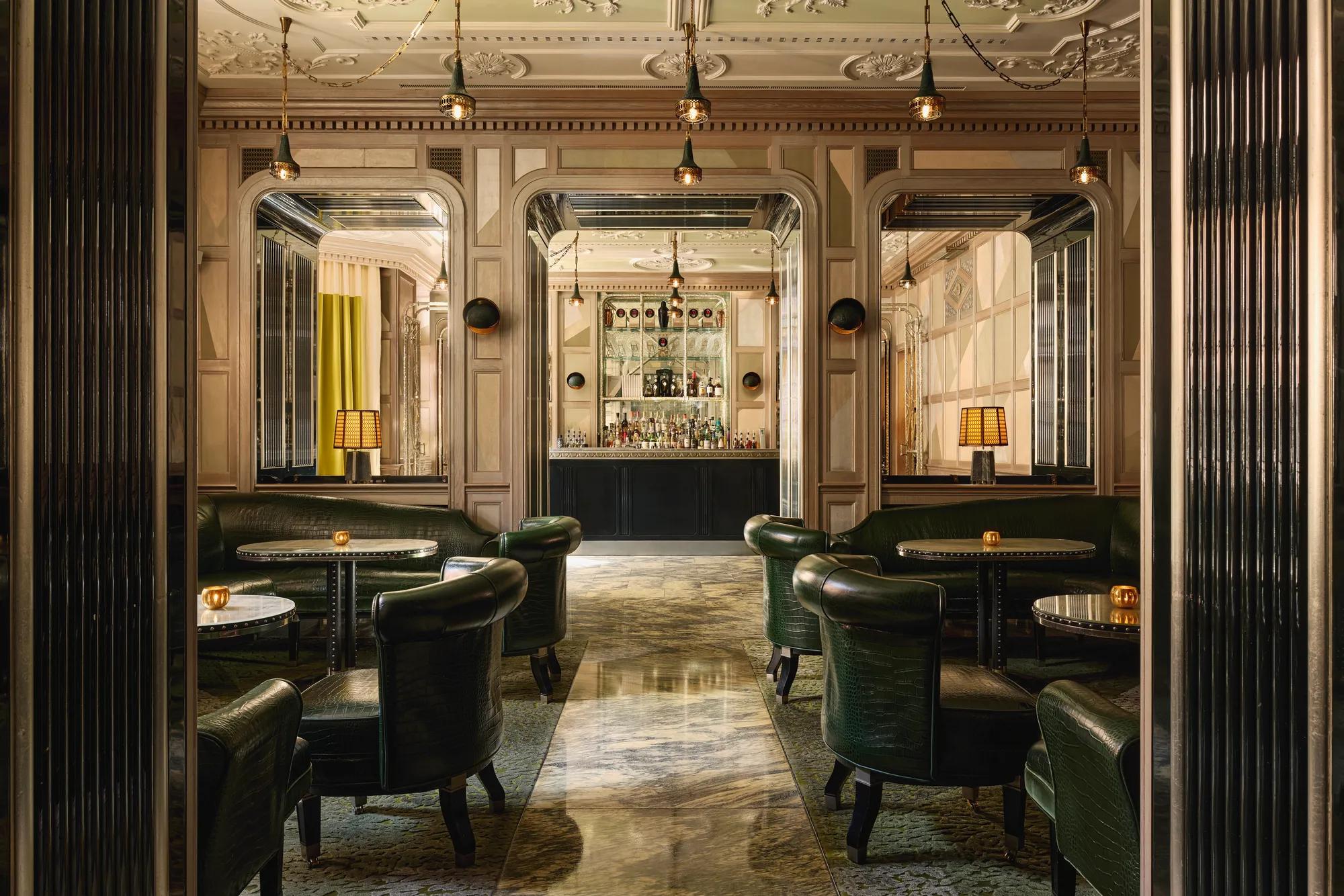
The editorial angle on any restaurant in a listed West End building eventually returns to what the architecture enables. Georgian room plans in this part of London typically distribute diners across multiple levels or along a main room with secondary spaces branching off it. That geometry creates natural variation in atmosphere within a single service: a front room with street-level energy, a deeper room that absorbs noise and produces more enclosed dining, a private or semi-private tier for group bookings. How a kitchen chooses to use those zones, and which tables it treats as premium, tells you a great deal about how the room has been conceived.
In South American fine dining specifically, the spatial arrangement carries additional significance. Peruvian cooking's visual register, the ceviches arriving in wide bowls, the anticuchos presented on custom grillware, the sauces poured tableside, plays better in rooms with generous table spacing than in tight counter formats. The West End addresses that have made this cuisine work at higher price points tend to give it room to breathe physically, using the dining space itself as a frame for the cooking's colour and drama rather than letting it compete with a cluttered room plan.
Where It Sits in the London Dining Conversation
London's premium South American tier remains smaller than the city's French or Japanese contingents, and that compression affects how individual addresses are discussed. Rooms in smaller cuisine categories in London receive a type of attention that is both more focused and more volatile: they carry the weight of representing a cooking tradition to diners who may have limited prior reference points, and they are scrutinised closely when the cuisine gains broader critical attention. The past several years have seen South American cooking receive that attention in earnest, not only through Lima's continued ascent in the World's 50 Best rankings but through London-specific critical engagement with what Andean ingredients and technique can do at fine dining price points.
For visitors building a London dining itinerary that extends beyond the familiar European fine dining poles, Inca London sits on the list alongside rooms like Opheem in Birmingham and Midsummer House in Cambridge as addresses that offer a distinct culinary tradition rather than a local variation on a familiar format. Internationally, the appetite for this style of cooking is documented: New York's premium tier includes technically rigorous rooms like Atomix and Le Bernardin that demonstrate how cuisine rooted in a specific geography can hold at the highest price points when execution is consistent. London's version of that argument is still being made, and Argyll Street is one of the places making it.
Broader UK dining itineraries that include Inca London might also take in Restaurant Andrew Fairlie in Auchterarder, Gidleigh Park in Chagford, Hide and Fox in Saltwood, or Hand and Flowers in Marlow as complementary stops along a national fine dining circuit. See our full London restaurants guide for the broader city context.
Planning Your Visit
Address: 8-9 Argyll Street, London W1F 7TF, directly south of Oxford Circus station (Central and Victoria lines), which makes it one of the more straightforwardly accessible fine dining addresses in central London. Reservations: Dress: Not formally specified, but the West End fine dining corridor generally skews smart-casual to formal; err toward the latter for evening service. Budget:
Frequently asked questions
What's Inca London's location?
Inca London is located at 8-9 Argyll St, London W1F 7TF, United Kingdom, London.
Is Inca London suitable for a special occasion dinner in central London?
Inca London's address at 8-9 Argyll Street, W1F — directly south of Oxford Circus — gives it one of the more straightforward access points of any West End restaurant, reachable via the Central and Victoria lines. The South American fine dining format, drawing on Andean culinary traditions, offers a distinct alternative to the European-dominant options in the immediate neighbourhood. For occasion dining, the combination of the West End setting and a cuisine category that remains underrepresented at this tier tends to register as a deliberate choice rather than a default.
What should I order at Inca London?
Inca London's kitchen draws on Andean and broader South American culinary traditions, so the menu is structured around that regional framework rather than a single national cuisine. The kitchen sits on Argyll Street in London's West End, where the room plan and service format shape how courses are paced. Without a current published menu, the safest approach is to ask staff on arrival which dishes reflect the kitchen's present focus — that conversation tends to yield more accurate guidance than any fixed recommendation.
How hard is it to get a table at Inca London?
Inca occupies 8-9 Argyll Street, a West End address with strong foot traffic from Oxford Circus that keeps demand consistent. London's premium South American tier is a smaller contingent than the French or Japanese brackets, which means well-regarded addresses in this category tend to fill quickly at peak times. Advance booking is advisable, particularly for weekend evenings, though the lead time required varies with the season.
What is Inca London known for?
Inca London is positioned within London's premium South American dining tier, applying Andean and Peruvian culinary references to a West End fine dining context. Its location at 8-9 Argyll Street places it within a Georgian streetscape that carries its own architectural logic, and the room's proportions influence how the dining experience is structured. In a city where South American cooking at the fine dining level remains a relatively compact field, Inca holds a specific position by addressing that gap in the West End corridor.
Comparable Spots
Comparable venues nearby, for context on price, style, and recognition.
| Venue | Cuisine | Price | Awards | Notes |
|---|---|---|---|---|
| Inca LondonThis venue — the venue you are viewing | Nikkei Peruvian Fusion | $50–100 | Not listed | Not listed |
| 2018 OAD Top 100+ European Restaurants | other | Not listed | Not listed | London |
| Dartmouth House | Modern British Fine Dining | Not listed | Not listed | Mayfair |
| ROKA Mayfair | Contemporary Japanese Robatayaki | $100–150 | AA Rosettes 3 Rosettes | Marylebone |
| The Yard | Modern Nordic Fire Cooking | $100–150 | Not listed | Whitehall |
| Mari Vanna | Russian & Eastern European | $50–100 | Not listed | Knightsbridge |