In den Hert

In den Hert holds a Michelin star earned in 2024, placing it among Belgium's recognized classic cuisine addresses outside the major cities. Situated in the quiet East Flemish countryside near Wannegem-Lede, the restaurant draws a clientele willing to travel for food rooted in considered sourcing and traditional technique.8 from 315 reviews signals consistent execution across a broad range of visits.
- Address
- Turnovatoren 18, 2300 Turnhout, Belgium
- Phone
- +32 14 73 61 25
- Website
- hert.be
- Directions
- Get directions
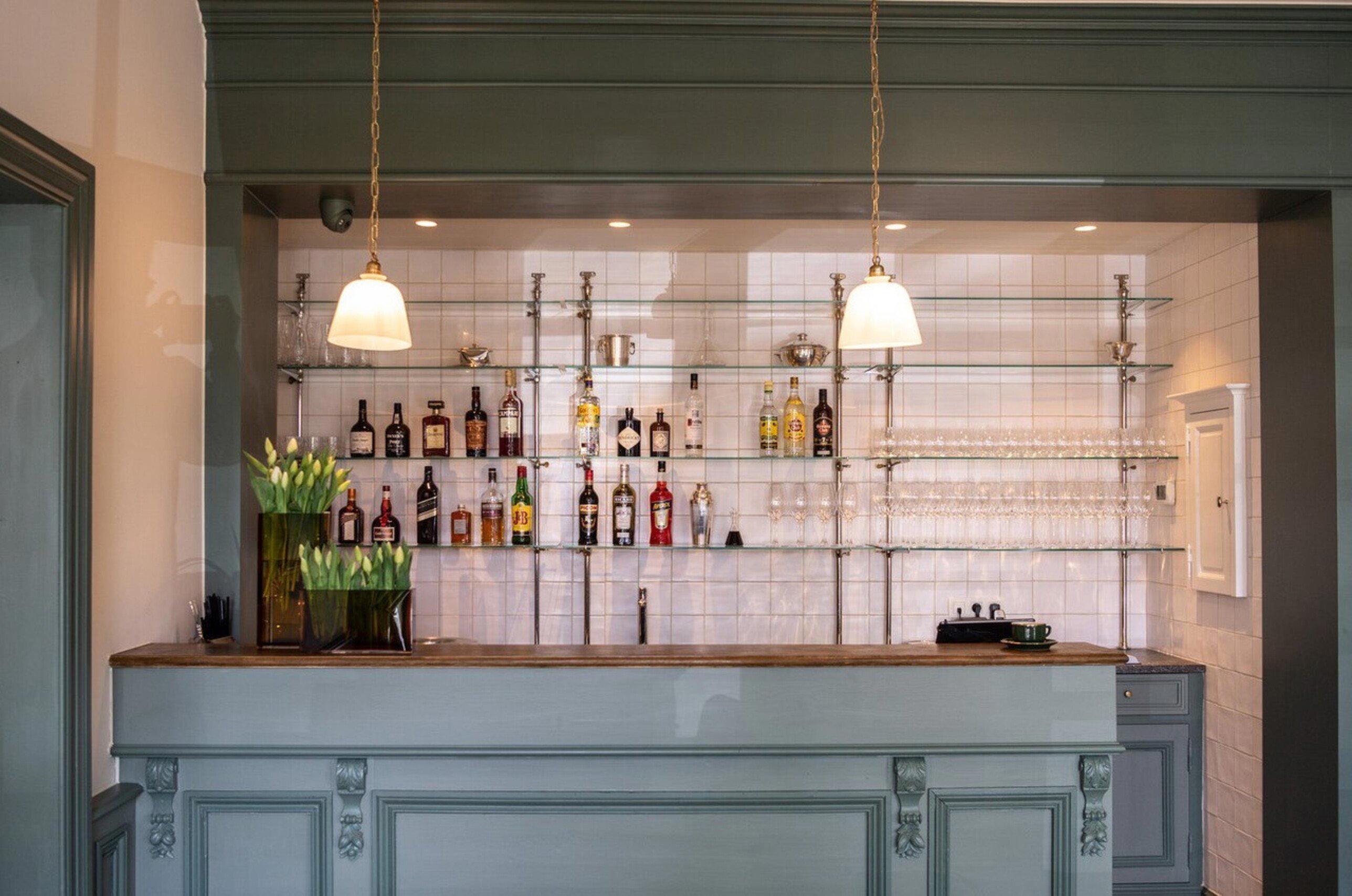
Countryside Dining and the Weight of a Michelin Star in Rural Flanders
Belgium's most decorated restaurants tend to cluster around Bruges, Ghent, and Antwerp, or in the deeper Flemish countryside where a tradition of serious rural dining has persisted for decades. The East Flemish interior, rolling and agricultural, has produced several of the country's more quietly authoritative tables, places where the distance from urban foot traffic creates a different kind of discipline. You drive toward them through flat fields and hedgerows, and the formality of a white-tablecloth room feels earned by the time you arrive. In den Hert, awarded its first Michelin star in 2024, belongs to that tradition of the destination restaurant that asks something of the guest before service begins. It is a restaurant in Turnhout, Belgium, serving Traditional French Classic cuisine at a €€€ price tier.
What Classic Cuisine Means in This Context
The designation "classic cuisine" carries real meaning in Belgium. It places a restaurant in a lineage that runs through French technique, seasonal Flemish produce, and a resistance to the more theatrical reinvention that characterizes the country's creative-modern tier. Compare the approach at In den Hert to the three-Michelin-star creative work at Boury in Roeselare, the two-star modern European precision of Castor in Beveren, or the creative intensity of De Jonkman in Sint-Kruis, and the distinction becomes concrete: classic cuisine prioritizes codified technique and ingredient clarity over conceptual novelty. It is a harder case to make to younger diners raised on tasting-menu theatrics, which is partly why Michelin's recognition of a classic-format table in a rural setting carries additional weight.
Across Europe, classic cuisine rooms at the one-star level tend to operate in a specific relationship with their supply chains. The argument for classic technique is, at its core, an argument for the ingredient: the sauce exists to reveal the protein, the preparation exists to frame the season. The kitchen's job is selective sourcing and precise execution rather than transformation for its own sake. This is a discipline with its own demands, and Belgium's agricultural regions, with their game, freshwater fish, root vegetables, and proximity to both North Sea seafood and French produce markets, give classic kitchens genuine material to work with.
Sourcing in the East Flemish Context
East Flanders occupies an interesting position in Belgium's food geography. The province sits between the coastal seafood access that drives kitchens like Bartholomeus in Heist and the heavier, more game-oriented traditions of the Ardennes. What the interior does reliably well is root-vegetable cultivation, poultry, freshwater preparation, and seasonal game in autumn and winter. For a classic cuisine kitchen committed to building menus around what the surrounding region produces, this geography provides a coherent set of raw materials that shifts meaningfully across the year.
Particularly persuasive classic cuisine menus in this part of Belgium tend to reflect those seasonal turns clearly. Autumn brings grey partridge and wild boar to local game dealers; winter shifts the focus toward slow-braised preparations and the cellar vegetables that hold their quality through cold months. Spring opens the season for asparagus, a near-sacred ingredient in Flemish fine dining, and summer brings the soft-fruit and herb growing that gives lighter courses their character. A kitchen working within classic traditions in this region has strong seasonal logic available if it chooses to follow it, and the sourcing decisions made at that level are more legible to the diner than in more intervening styles.
For reference, kitchens working in adjacent parts of Belgium with comparable sourcing philosophies include Willem Hiele in Oudenburg, where terroir and regional produce are central to the restaurant's identity, and L'air du Temps in Liernu, which has made kitchen-garden sourcing a defining feature. The approaches differ, but all three operate in a country where diners have come to expect that high-end menus justify their sourcing choices.
The One-Star Tier in Belgium's Fine Dining Hierarchy
A 2024 Michelin star positions In den Hert within Belgium's mid-to-upper fine dining range, at a price tier (€€€€) that overlaps with two- and three-star rooms. The distinction matters: the €€€€ bracket in Belgium covers a wide span from accomplished single-star tables to internationally recognized multi-star destinations like Hof van Cleve in Kruishoutem. At the one-star level, the question for a diner choosing between rural Flemish options is often about format and sourcing philosophy as much as prestige. Classic cuisine at this tier rewards diners who engage with the tradition rather than expecting conceptual novelty.
At the premium price tier, sustained high aggregate ratings across a substantial number of reviews indicate consistency rather than occasional brilliance, the harder standard to maintain over time. Peers at the one-star level in Belgium's wider dining scene, including Cuchara in Lommel and d'Eugénie à Emilie in Baudour, operate in the same competitive tier. For international reference points in classic cuisine at the Michelin-recognized level, Maison Rostang in Paris represents the French tradition In den Hert's style connects to, while KOMU in Munich demonstrates how classic formats are being maintained across European cities.
Planning a Visit
The restaurant is a destination that requires deliberate travel. Located near Wannegem-Lede in East Flanders, it sits outside commutable distance from Ghent or Brussels for a casual evening, which means most guests arrive with the meal as the purpose rather than a stop within a broader evening. The €€€€ price tier positions it alongside Belgium's more ambitious rural tables, so planning around the visit makes sense: the Wannegem-Lede hotels guide covers accommodation options for those staying overnight, and the bars guide and wineries guide can help frame a broader stay in the region. For those building an East Flemish itinerary, the experiences guide covers local options worth building around.
For urban Belgian fine dining as a point of comparison, Bozar Restaurant in Brussels and Zilte in Antwerp represent the city-based tier. The contrast between an Antwerp harbour-view room and a rural East Flemish house is instructive: both sit within Belgium's serious dining tradition, but they address different appetites. The restaurant asks the guest to meet the kitchen on its own terms, in its own place, at its own pace, which is the oldest and most demanding form of hospitality.
At-a-Glance Comparison
Comparable venues nearby, for context on price, style, and recognition.
| Venue | Cuisine | Price | Awards | Notes |
|---|---|---|---|---|
| In den HertThis venue — the venue you are viewing | Traditional French Classic | $$$ | Michelin 1 Star | Not listed |
| Bar Bulot Zedelgem | Modern Franco-Belgian Brasserie | $$$ | Michelin 1 Star | Zedelgem |
| Tinèlle | Modern Franco-Belgian | $$$ | Michelin 1 Star | Mechelen center |
| Fleur de Lin | Modern French-Belgian Fine Dining | $$$ | Michelin 1 Star | Zele |
| Hof Ter Hulst | Classic French Fine Dining | $$$ | Michelin 1 Star | Hulshout |
| EED | Modern French Contemporary | $$$ | Michelin 1 Star | City Center |
Recognition history
Dated appearances from independent guides and award organizations, with the underlying list record or original source where available.
Michelin 1 Star
Michelin
Continue exploring
More in Wannegem-Lede
Restaurants in Wannegem-Lede
Browse all →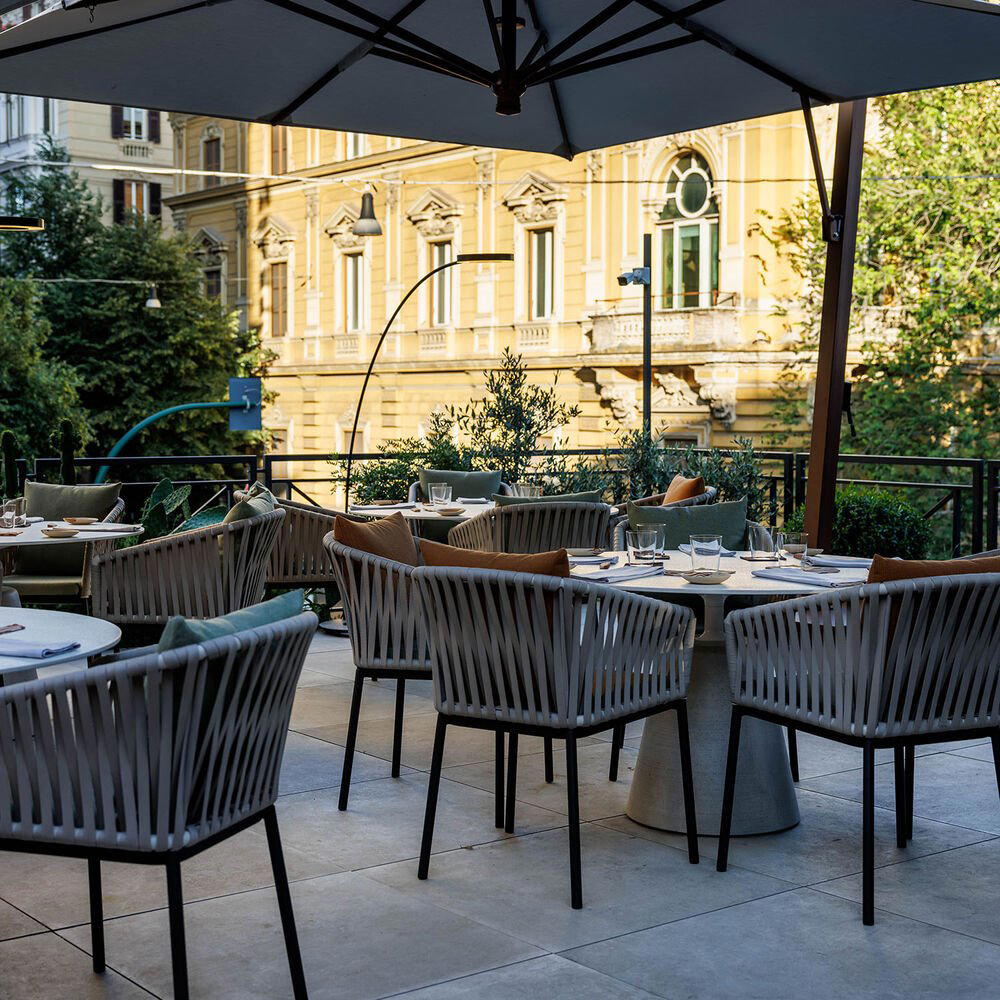
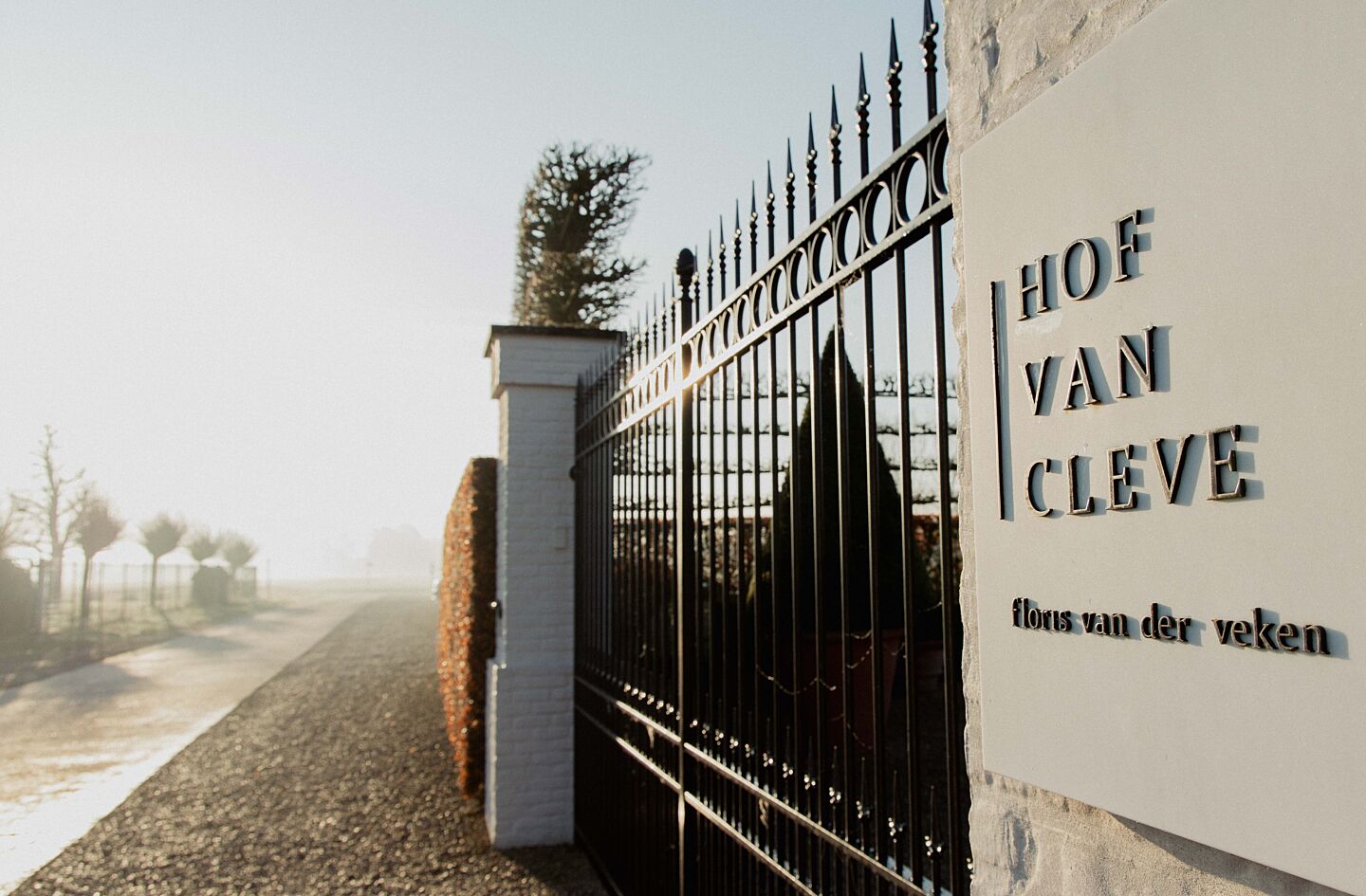
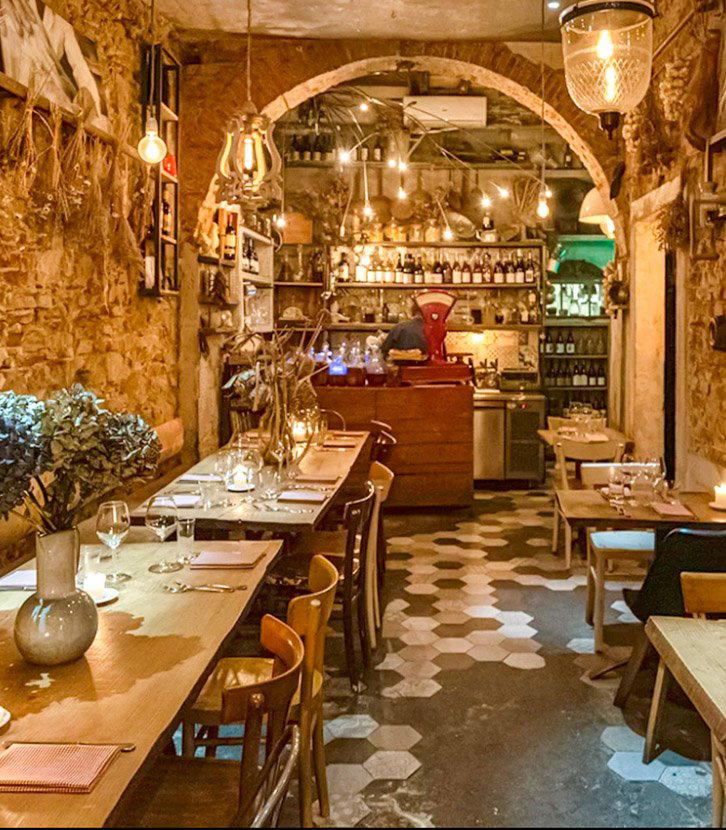
Bars in Wannegem-Lede
Browse all →
At a Glance
- Classic
- Cozy
- Rustic
- Intimate
- Date Night
- Special Occasion
- Standalone
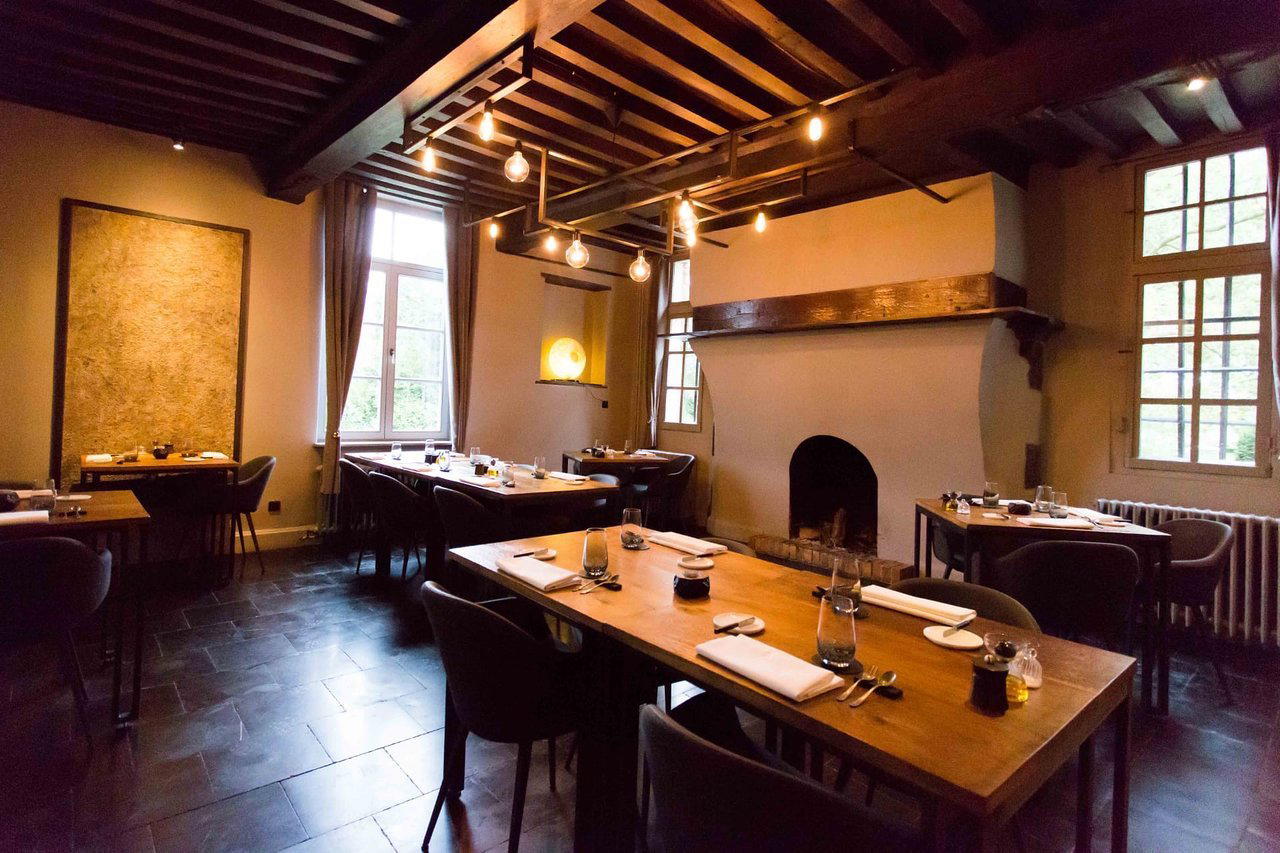
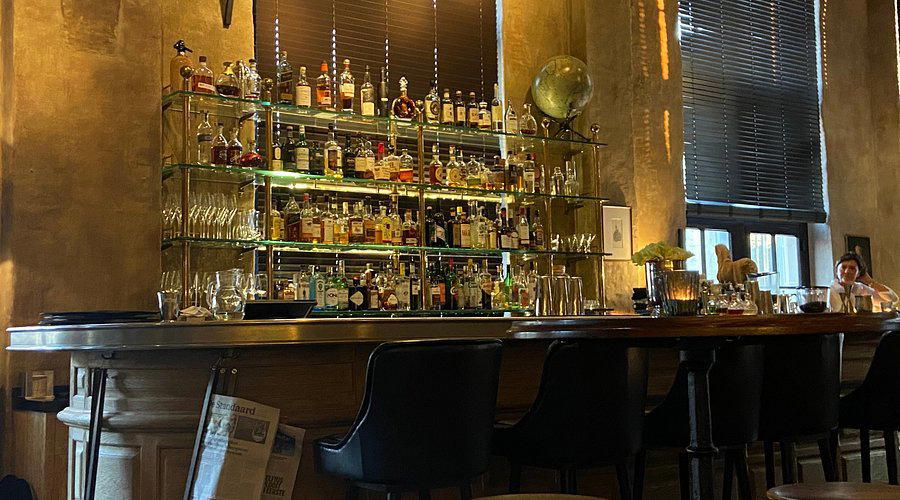
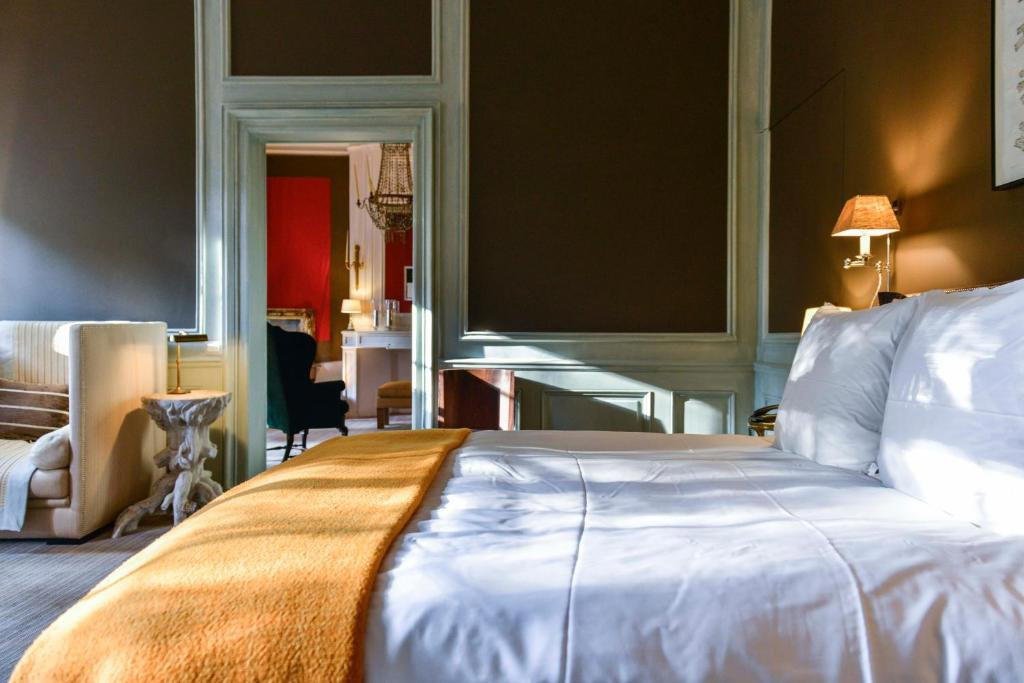
Nostalgic charm with gutsy authentic flavors, though some guests note a cool, uninviting interior lacking warmth and coziness.