On Seestraße, steps from the Bodensee waterfront, Milchpilz occupies a position that few Bregenz dining rooms can claim: a lakeside address in a city whose culinary scene has grown steadily more serious without losing its regional character. Set against the broader Austrian dining tradition of produce-led cooking and unhurried service, it draws visitors and locals alike to one of the town's most watched addresses.
Pearl is the En Primeur Club membership app — saves, bookings, and concierge access live there. Same editors, same standards.
- Address
- Seestraße 2, 6900 Bregenz, Austria
- Website
- vmilch.at
- Directions
- Get directions
 Saves & bookings on Pearl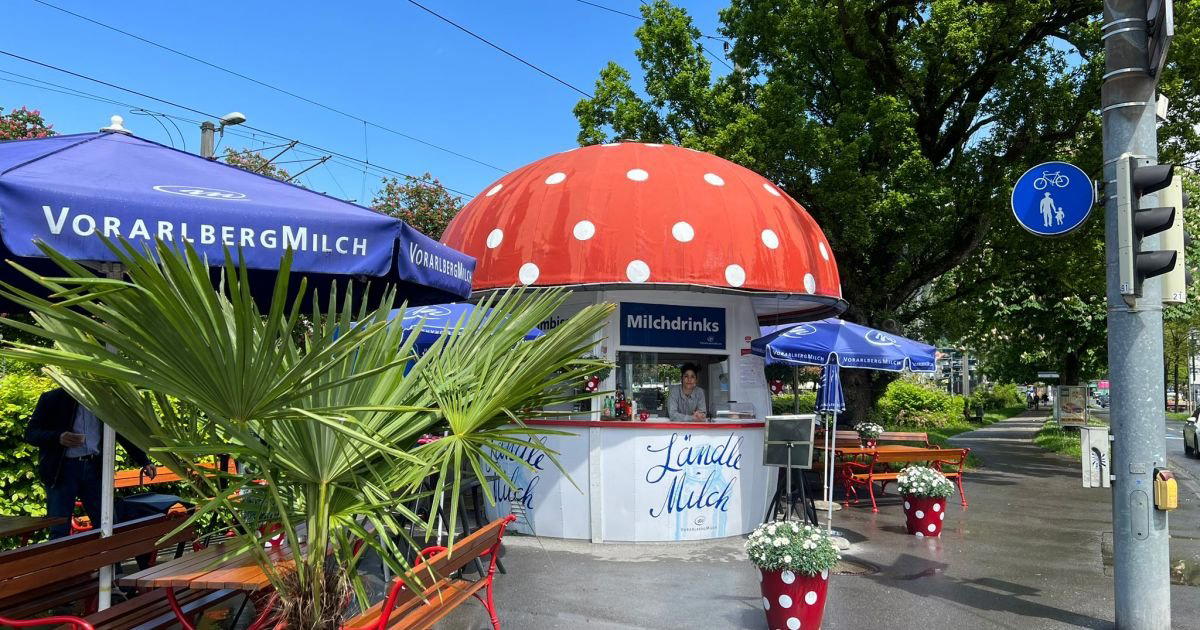
Lakeside Bregenz and the Restaurants That Define It
Bregenz sits at the western edge of Austria where the country meets Lake Constance, and the geography shapes everything about how the city eats. The Bodensee moderates the climate, the Alps press in from the south, and the result is a region with genuine culinary identity: freshwater fish from the lake, dairy from the surrounding valleys, and a cross-border pantry that draws from Vorarlberg, Bavaria, and the Swiss Rhine Valley simultaneously. Restaurants along Seestraße, the lakefront promenade, occupy a specific register in that scene. The address implies accessibility and visibility, proximity to the Festspielhaus and the summer opera festival crowds, and the pressure that comes with being watched by both regulars and informed travellers passing through.
Milchpilz sits at Seestraße 2, 6900 Bregenz, Austria. That placement is not incidental. Along this stretch, the competition includes spots that range from casual waterfront brasseries to more considered local cooking, and the lakeside position carries an expectation of atmosphere that the food either has to match or deliberately refuse to compete with. In Bregenz, the former is the more interesting challenge.
Where Milchpilz Sits in the Bregenz Dining Picture
Bregenz does not have the concentrated fine-dining infrastructure of Salzburg or Vienna, where institutions like Steirereck im Stadtpark in Vienna or Ikarus in Salzburg anchor entire neighbourhood dining cultures. What it has instead is a smaller, more locally calibrated scene where the leading addresses tend to be known more for consistency and sense of place than for international recognition. That dynamic is not a weakness. It is, in fact, what makes a well-positioned Bregenz address worth paying attention to.
The comparison points within the city are instructive. Babenwohl im Hotel Schwärzler operates within the hotel dining format, a different proposition from a freestanding address. Buehnedrei and Der Speiseladen Werktags each represent distinct approaches to the mid-register of the local scene. Burgrestaurant Gebhardsberg, perched above the city on the hillside, trades on a view that is hard to argue with. Milchpilz, by contrast, trades on proximity to the lake at street level, which creates a different kind of atmosphere: more immediate, more urban, closer to the rhythms of the waterfront promenade.
Against the wider Austrian dining context, Vorarlberg remains somewhat under-represented in the national conversation. The major award-holding restaurants in the Alpine west tend to cluster further east, in properties like Griggeler Stuba in Lech or Gourmetrestaurant Tannenhof in Sankt Anton am Arlberg, both of which sit within the high-altitude resort economy. Bregenz operates on a different axis, one driven by the festival season, the lakeside economy, and a resident population that expects its restaurants to function year-round rather than peak-season only. That year-round pressure is a different discipline from resort dining, and it tends to produce a more grounded, less theatrical register of cooking.
The Seestraße Address and What It Demands
A restaurant at Seestraße 2 in Bregenz is visible in a way that back-street addresses are not. The promenade draws foot traffic from the ferry terminal, the congress centre, and the Festspielhaus during the summer opera season, which runs from July through August and brings audiences from across German-speaking Europe and beyond. Outside festival season, the same address serves a more local clientele, and the shift between those two audiences is something every Seestraße restaurant has to account for. The leading addresses here manage to feel consistent across both contexts rather than pivoting sharply between tourist-season performance and off-season routine.
That consistency is harder to achieve than it looks. Restaurants in culturally busy, seasonally variable cities like Bregenz face a structural tension that their counterparts in more stable urban environments do not. The festival crowd wants an experience commensurate with the cultural event they have just attended; the winter local wants something familiar and reliable. Few addresses manage both registers without compromise. In cities where the culinary ambition is higher, the resolution often comes through a clearly defined format: a fixed tasting menu, a counter format, or a strongly specialised cuisine that functions as a filter. At the level of the broader Austrian alpine and lakeside scene, operations like Landhaus Bacher in Mautern an der Donau or Obauer in Werfen have resolved this through decades of accumulated identity. Newer or less-documented Bregenz addresses are still working out their answer.
Planning a Visit
Bregenz is most easily reached by train on the Vorarlberg rail network, with direct connections from Zurich, Munich, and Innsbruck. The Bregenz Bahnhof sits a short walk from the lakefront, making Seestraße restaurants straightforwardly accessible on arrival without requiring a car. For visitors combining a meal with the opera festival, advance planning is essential: accommodation in Bregenz books out months ahead during July and August, and the better-regarded restaurants along the waterfront fill correspondingly. Outside the festival window, the town is considerably quieter, and the lakefront has a different, more local character that many visitors find preferable for an unhurried meal. Contacting the venue directly or consulting local listings before visiting is the practical approach for up-to-date information.
For those building a broader Austrian itinerary, the Vorarlberg region connects naturally with the western Alpine dining circuit. Döllerer in Golling an der Salzach, Kräuterreich by Vitus Winkler in Sankt Veit im Pongau, and Ois in Neufelden each represent different facets of contemporary Austrian regional cooking. Further afield, Restaurant 141 by Joachim Jaud in Mieming anchors the Tyrolean side of the alpine dining map. For reference points at a different scale entirely, the precision-driven tasting formats of Le Bernardin in New York City and Atomix in New York City illustrate what is possible when a lakeside or urban dining address commits fully to a defined format and sustains it over time. The question for Seestraße addresses in Bregenz is whether the regional identity and location advantage are being used as a foundation for something considered, or simply as atmosphere for its own sake.
The Minimal Set
Comparable venues nearby, for context on price, style, and recognition.
| Venue | Cuisine | Price | Notes |
|---|---|---|---|
| MilchpilzThis venue — the venue you are viewing | Not listed | $ | Not listed |
| Ilge | city center, Asian-Vorarlberg Fusion | $$ | Not listed |
| Buehnedrei | Not listed | $$ | Platz der Wiener Symphoniker, Modern Austrian |
| New York Bagel & Bowl | Bregenz, New York-Style Bagels & Bowls | $ | Not listed |
| Der Speiseladen Werktags | city center, Street Food Classics | $$ | Not listed |
| Babenwohl im Hotel Schwärzler | Not listed | $$$ | Modern Austrian with International Classics |
Continue exploring
More in Bregenz
Restaurants in Bregenz
Browse all →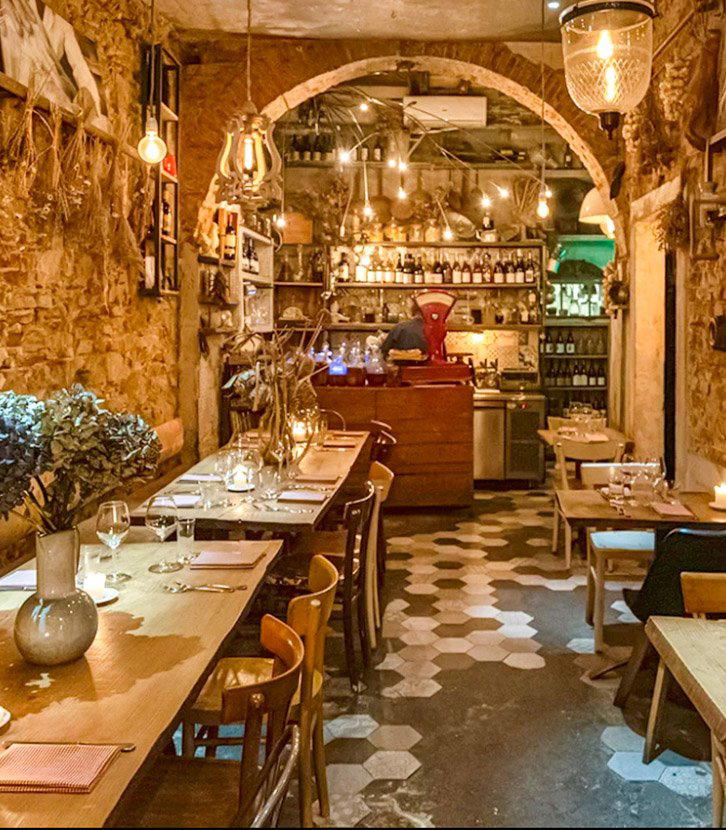
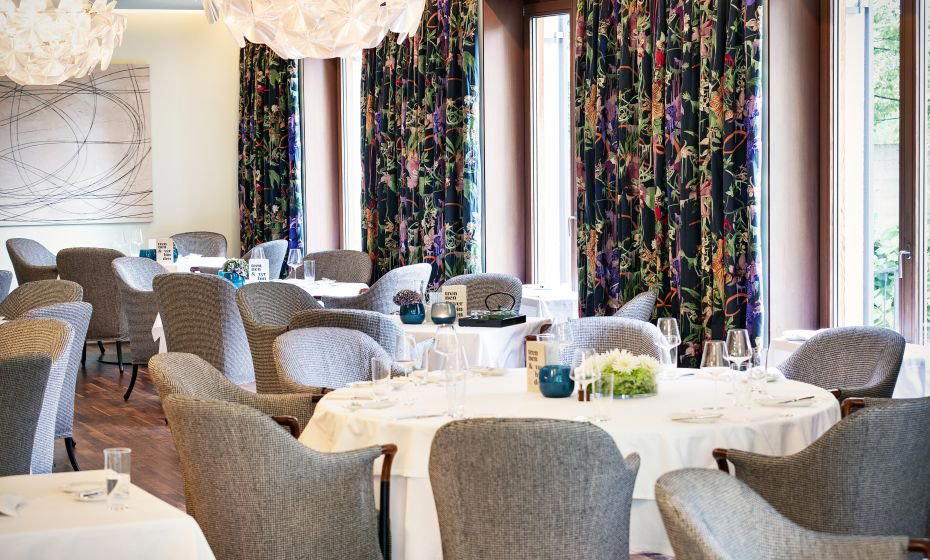
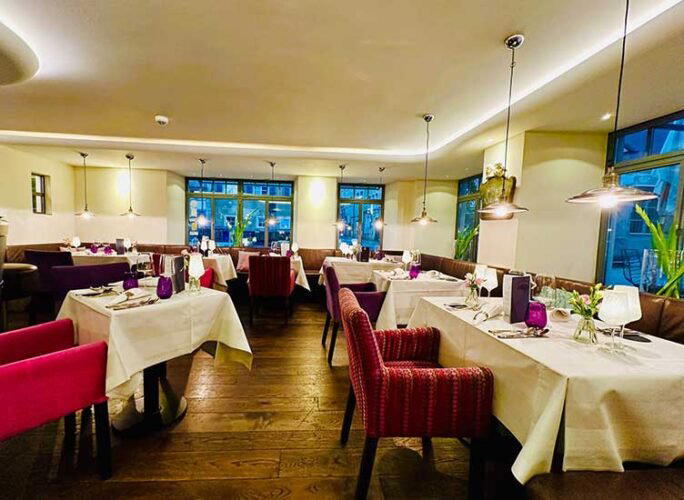
Bars in Bregenz
Browse all →

Hotels in Bregenz
Browse all →

At a Glance
- Well Known
- Whimsical
- Classic
- Scenic
- Casual Hangout
- Family
- Solo
- Waterfront
- Standalone
- Local Sourcing
- Waterfront
Casual, nostalgic kiosk atmosphere with a distinctive 1950s mushroom design by the Lake Constance promenade.