Il Povero Diavolo

We're Smart World 2 Radishes
Our verdict
Il Povero Diavolo sits in the small Rimini-area hilltop settlement of Poggio Torriana, where chef Giuseppe Gasperoni has drawn early critical attention for a vegetable-forward kitchen that treats produce as the primary flavour engine rather than a supporting act. The restaurant has already earned 2 Radishes from EP Club, with assessors noting the technical skill to progress further as Gasperoni's style matures.

Pearl is the En Primeur Club membership app, where members save venues, book tables and use the concierge.

A Hilltop Village, a Serious Kitchen
The road into Poggio Torriana climbs away from the Marecchia valley floor through terraced farmland and limestone outcrops typical of the Rimini hinterland. By the time Via Roma levels out into the village's narrow centre, the agricultural landscape that frames the drive has already set an expectation: this is territory where what grows nearby tends to end up on the plate. At Il Povero Diavolo, that expectation is not misplaced. The restaurant sits in a part of Italy that rarely appears on the itineraries organised around the Emilia-Romagna dining circuit, yet it now holds enough critical weight to justify the detour on its own terms.
Italy's most discussed fine-dining kitchens in recent years, among them Osteria Francescana in Modena, Le Calandre in Rubano, and Piazza Duomo in Alba, have each found their identity partly through a precise relationship with local ingredients and regional provenance. Il Povero Diavolo is operating in that same tradition, though it is doing so from a location that carries none of the institutional recognition those addresses enjoy. That gap between its setting and its ambitions is, arguably, the most interesting thing about it right now.
Vegetables as the Primary Argument
The dominant conversation in contemporary Italian fine dining concerns what vegetables can do when they are treated as the structural centre of a dish rather than its decoration. A number of the country's most technically rigorous kitchens, including Atelier Moessmer Norbert Niederkofler in Brunico, which has built an entire program around alpine plant life and zero-waste sourcing discipline, have positioned produce at the core of what they are arguing about food. Il Povero Diavolo sits in this same current.
This is a meaningful distinction. Many menus claim a vegetable focus while continuing to treat produce as texture contrast or seasonal garnish. The more demanding version of this approach, the one that the EP Club evaluation appears to describe, requires sourcing choices made at origin, an understanding of how processing method affects flavour concentration, and the discipline to let a fermented brassica or a slow-roasted allium carry the weight that protein usually would. Whether the kitchen is achieving this across every course is what the ongoing evaluation process will clarify, but the early signal is clear enough to take seriously.
The Rimini province and the broader Romagna sub-region have a distinct agricultural character: grain cultivation, orchards, and market-garden production in the river valleys, with livestock and foraged ingredients in the hillier terrain further inland. A kitchen in Poggio Torriana that sources attentively has access to materials that do not move easily to urban restaurant supply chains, heritage grain varieties, small-production legumes, stone-fruit cultivars that rarely leave the province. This geographic specificity is where the sourcing argument becomes most compelling, and it is the kind of advantage that restaurants in larger cities with more competition for the same quality tier cannot simply replicate.
Early Recognition and What It Signals
EP Club has awarded Il Povero Diavolo 2 Radishes, with the assessors' commentary noting both the technical ability already evident and the expectation that Gasperoni's personal style will continue to develop. In the context of how EP Club structures its evaluations, 2 Radishes positions the restaurant in a tier that rewards consistent execution and coherent kitchen philosophy rather than just occasional ambition. The note that a 5-Radish assessment is plausible in time is not common language in EP Club write-ups; it signals that the kitchen is being tracked with genuine interest rather than merely acknowledged.
Il Povero Diavolo is in a different position: a kitchen early in the public phase of developing its identity, with a reviewer assessment already noting the gap between current rating and assessed potential.
It is also worth noting that Italy's restaurant recognition geography has historically concentrated around a handful of cities and established culinary regions. Smaller settlements with serious kitchens, including Quattro Passi in Marina del Cantone and Uliassi in Senigallia, the latter sharing the same Adriatic coastal hinterland as Il Povero Diavolo's territory, demonstrate that geography is not a ceiling. Senigallia sits roughly 60 kilometres south-east along the Adriatic coast; its emergence as a serious dining destination over the past two decades provides the most directly relevant precedent for what a small-settlement kitchen in this part of Italy can become.
Planning a Visit
Poggio Torriana is a small comune in the Province of Rimini, accessible from the city of Rimini in under half an hour by car via the Marecchia valley road. The village itself has limited infrastructure, which means Il Povero Diavolo functions as the primary reason to make the journey rather than one stop among several. For a fuller picture of the area's dining options, see our full Poggio Torriano restaurants guide, and for accommodation, our Poggio Torriano hotels guide. Those planning a longer itinerary in the region may also find the bars guide, wineries guide, and experiences guide useful for building out a stay. For international points of comparison on vegetable-forward fine dining at a similar technical ambition level, Le Bernardin in New York City and Emeril's in New Orleans represent how kitchens with a defined ingredient philosophy build long-term recognition, while Casa Perbellini 12 Apostoli in Verona offers a closer Italian reference point for how a chef's developing style eventually consolidates into a recognised identity.
Frequently asked questions
Can I bring kids to Il Povero Diavolo?
Il Povero Diavolo is a 2-Radish EP Club-rated kitchen in a small hilltop comune, and the cooking is considered fine dining by any measure. That context suggests a kitchen focused on concentration and precision rather than flexibility around younger diners. check the venue's official channels at Via Roma, 30, Poggio Torriana to ask about specific arrangements before booking.
What's the overall feel of Il Povero Diavolo?
The setting is a village address in Poggio Torriana, above the Marecchia valley in the Province of Rimini, small-scale and removed from the coastal tourist circuit. EP Club assessors found a kitchen with clear technical ability and an emerging personal style from chef Giuseppe Gasperoni, pointing to a serious dining room rather than a casual trattoria.
Is Il Povero Diavolo Michelin-listed?
Il Povero Diavolo has received recognition including: Whether the new chef Guiseppe Gasperoni ever gets 5 Radishes, we do not know yet. But he has the skills to do so. Vegetables play a role as flavour contributors and are elegantly processed in the dishes. 2 Radishes already, that’s for certa….
What should I eat at Il Povero Diavolo?
The 2-Radish rating reflects that this is already a kitchen worth visiting, with further development expected as Gasperoni's style matures.
How do I find Il Povero Diavolo?
Il Povero Diavolo is located at Via Roma, 30, 47825 Poggio Torriana RN, Italy, Poggio Torriano.
Is Il Povero Diavolo reservation-only?
Given the small scale of Poggio Torriana as a comune and the 2-Radish EP Club standing, advance booking is advisable.
What's Il Povero Diavolo best at?
EP Club's assessors point directly to the vegetable work: Gasperoni treats vegetables as structural elements in a dish rather than accompaniments, and the technical execution behind that approach earned the restaurant 2 Radishes. The assessors also note the potential for a 5-Radish rating if the chef's style continues to develop, which positions this as a kitchen to follow closely right now.
In Context: Similar Options
Comparable venues nearby, for context on price, style, and recognition.
| Venue | Cuisine | Price | Awards | Notes |
|---|---|---|---|---|
| Il Povero DiavoloThis venue (the venue you are viewing) | Modern Italian Fine Dining | $50–100 | We're Smart World 2 Radishes | Not listed |
| Renzo | Contemporary Italian | $100–150 | Not listed | Cadenabbia di Griante |
| Le rondini | Modern Tuscan | Not listed | Relais Chateaux Award | Radda in Chianti |
| La Taverna di San Giuseppe | Traditional Tuscan Trattoria | $30–50 | Not listed | Historic Siena |
| Avignonesi "Le Capezzine" | Tuscan Farm-to-Table | $50–100 | We're Smart World 3 Radishes | Montepulciano |
| Osteria La Porta | Traditional Tuscan Trattoria | $50–100 | We're Smart World 1 Radish | Monticchiello |
Recognition history
Dated appearances from independent guides and award organizations, with the underlying list record or original source where available.
We're Smart World 2 Radishes
We're Smart World
Continue exploring
More in Poggio Torriana
Restaurants in Poggio Torriana
All restaurants in Poggio Torriana →
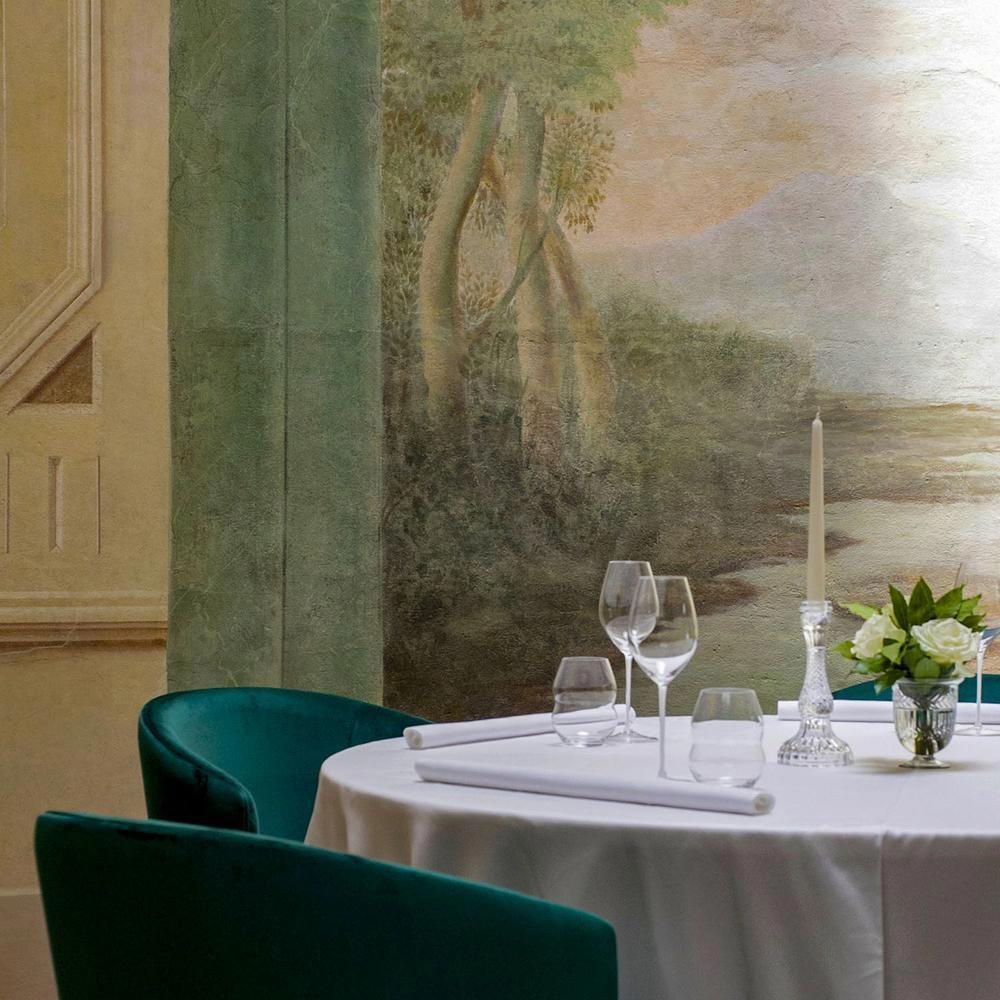
Bars in Poggio Torriana
Browse all →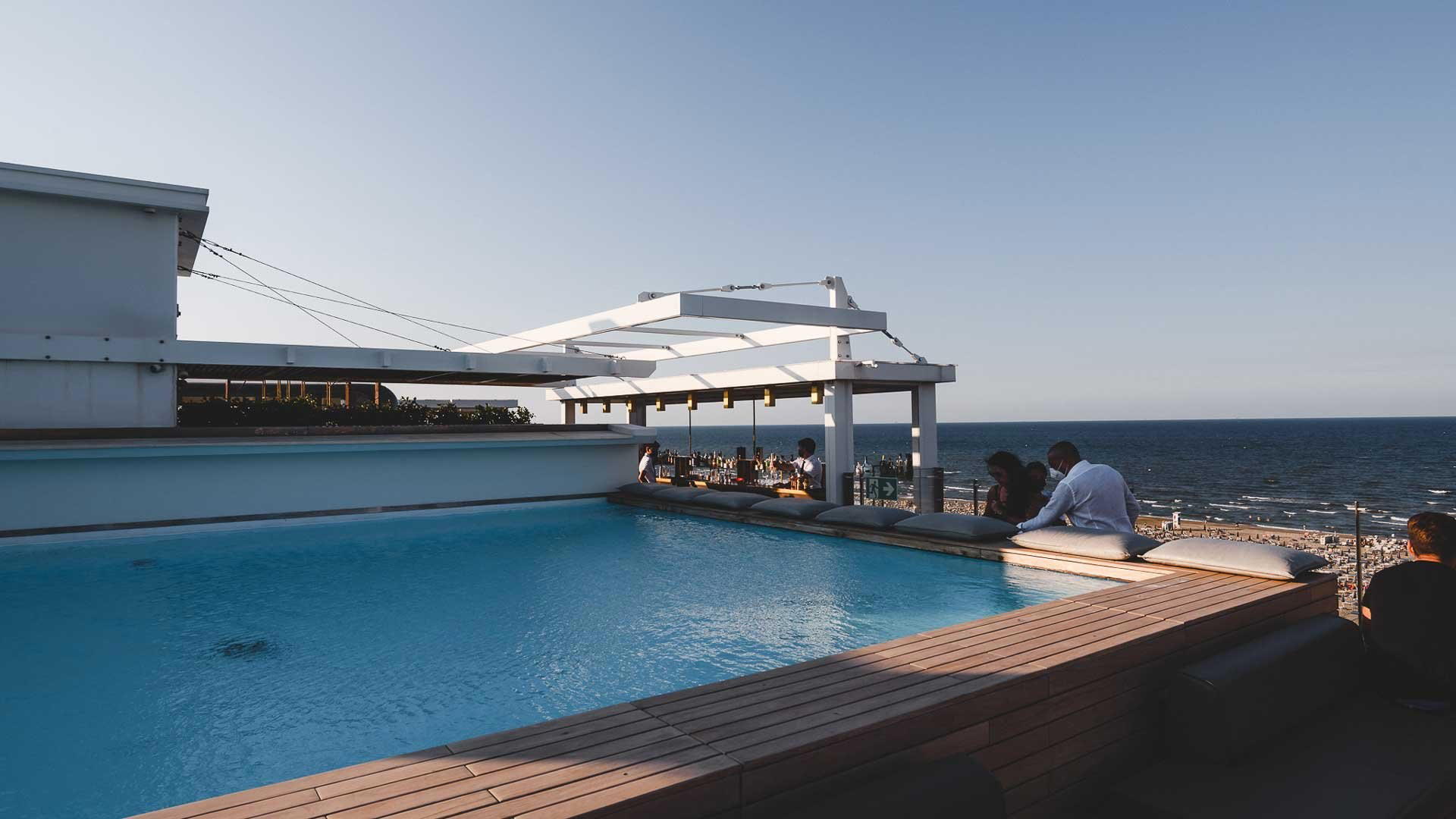
Hotels in Poggio Torriana
Browse all →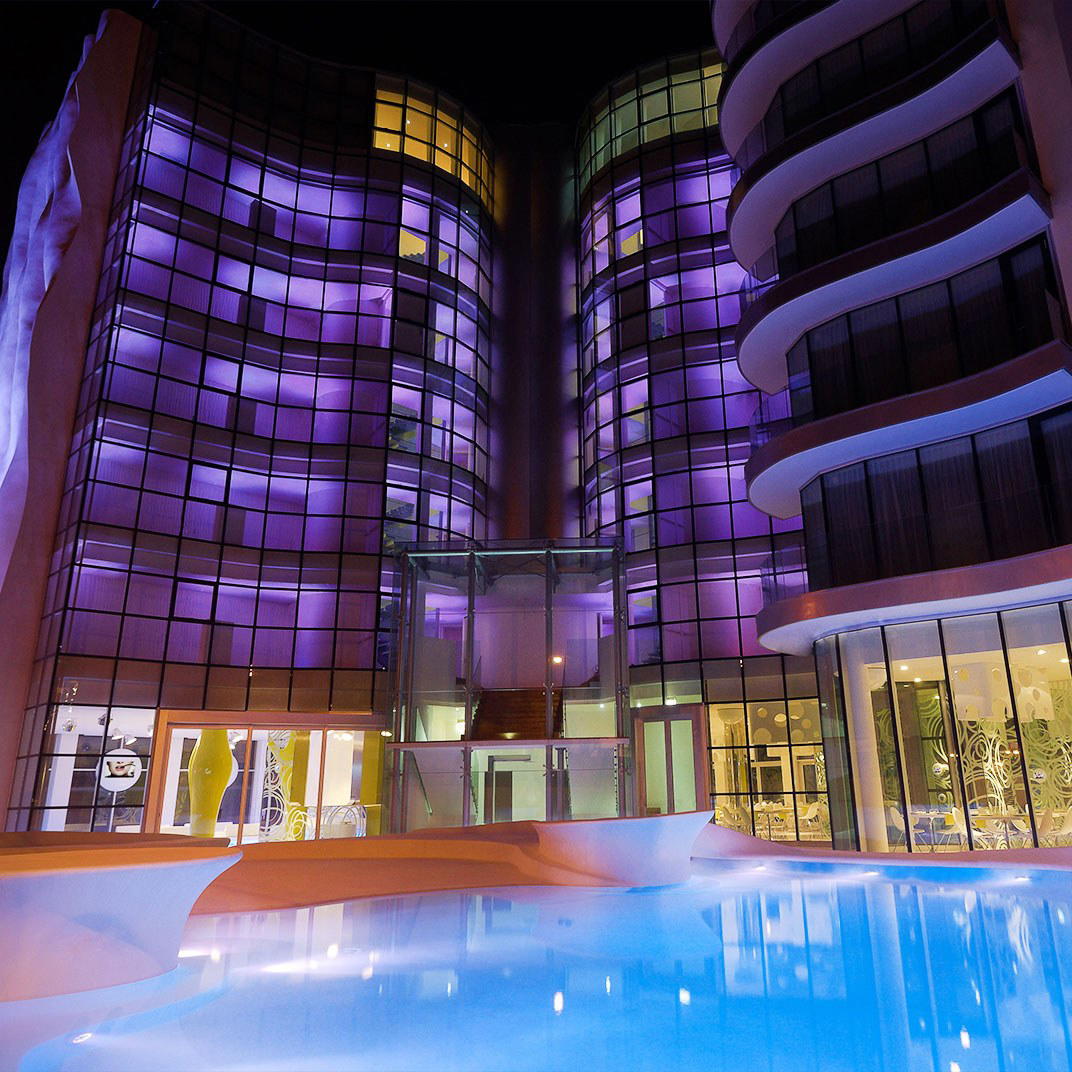
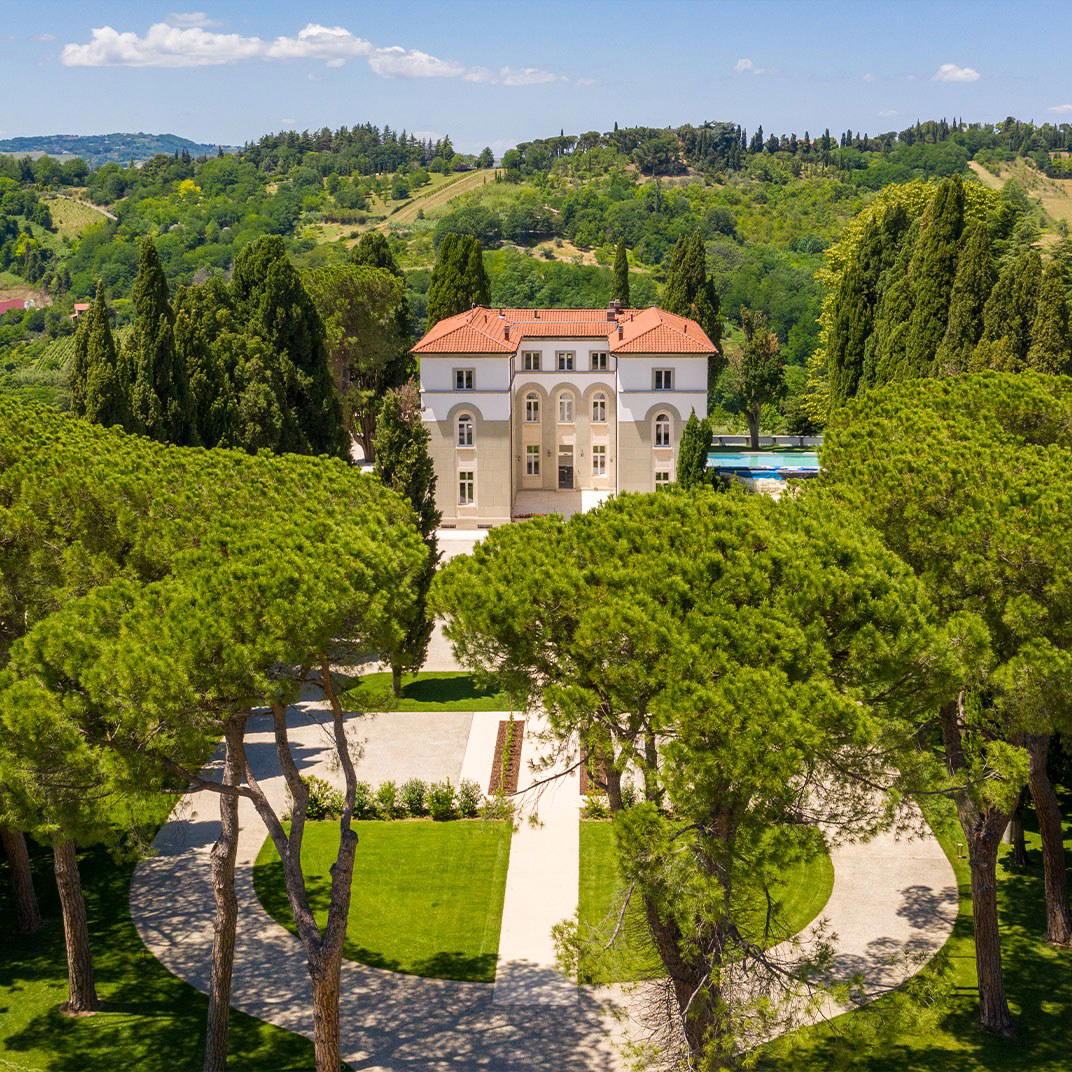
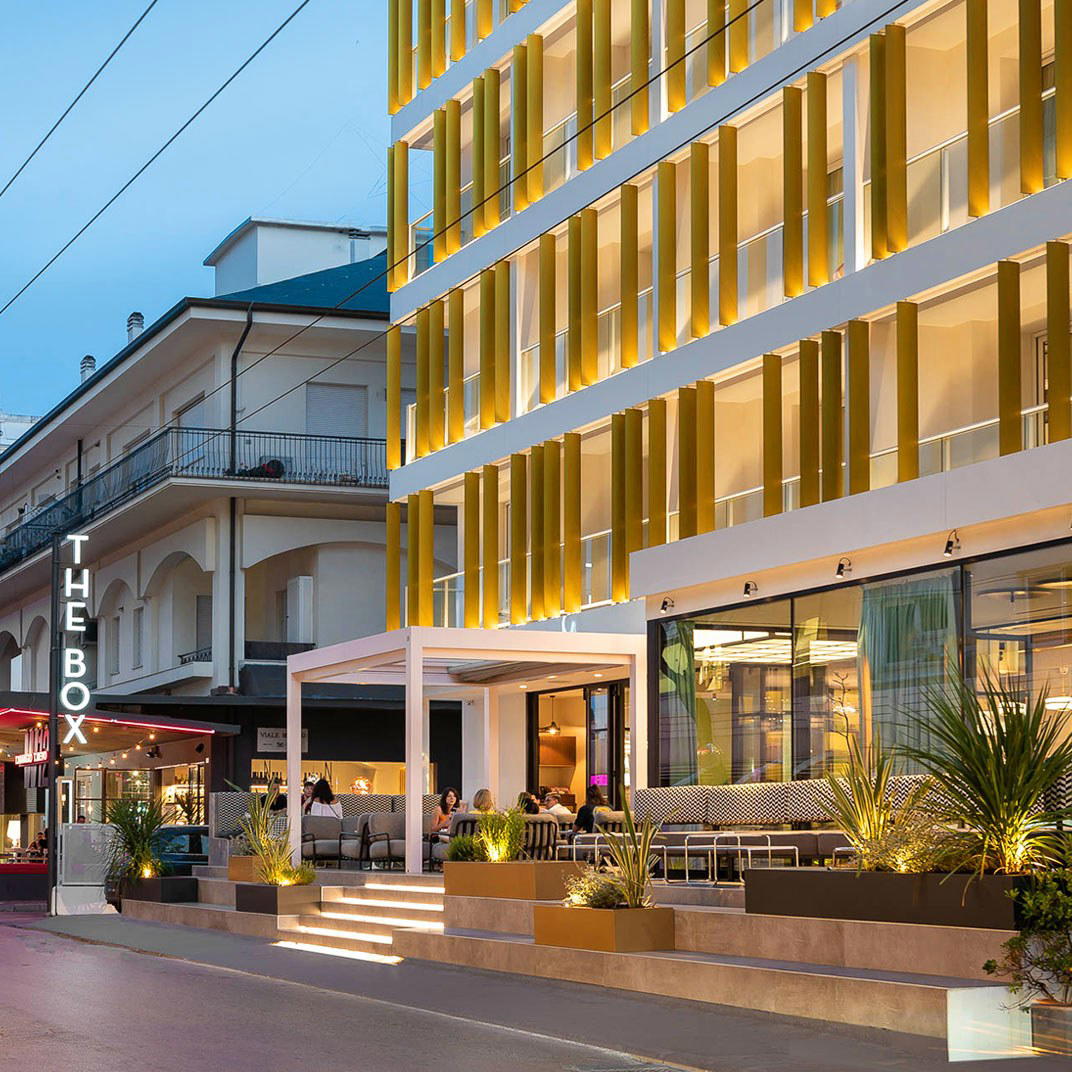
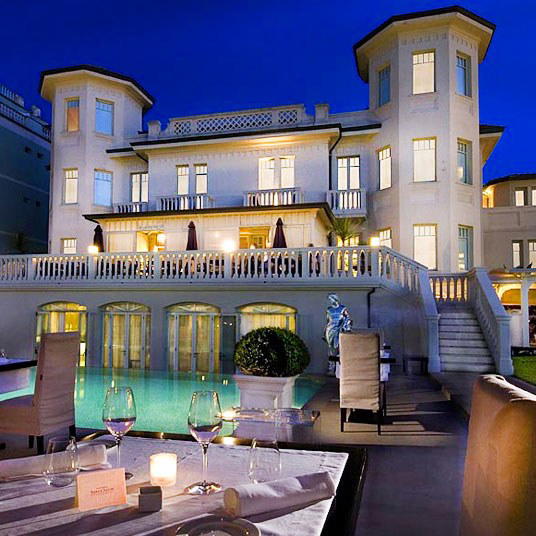
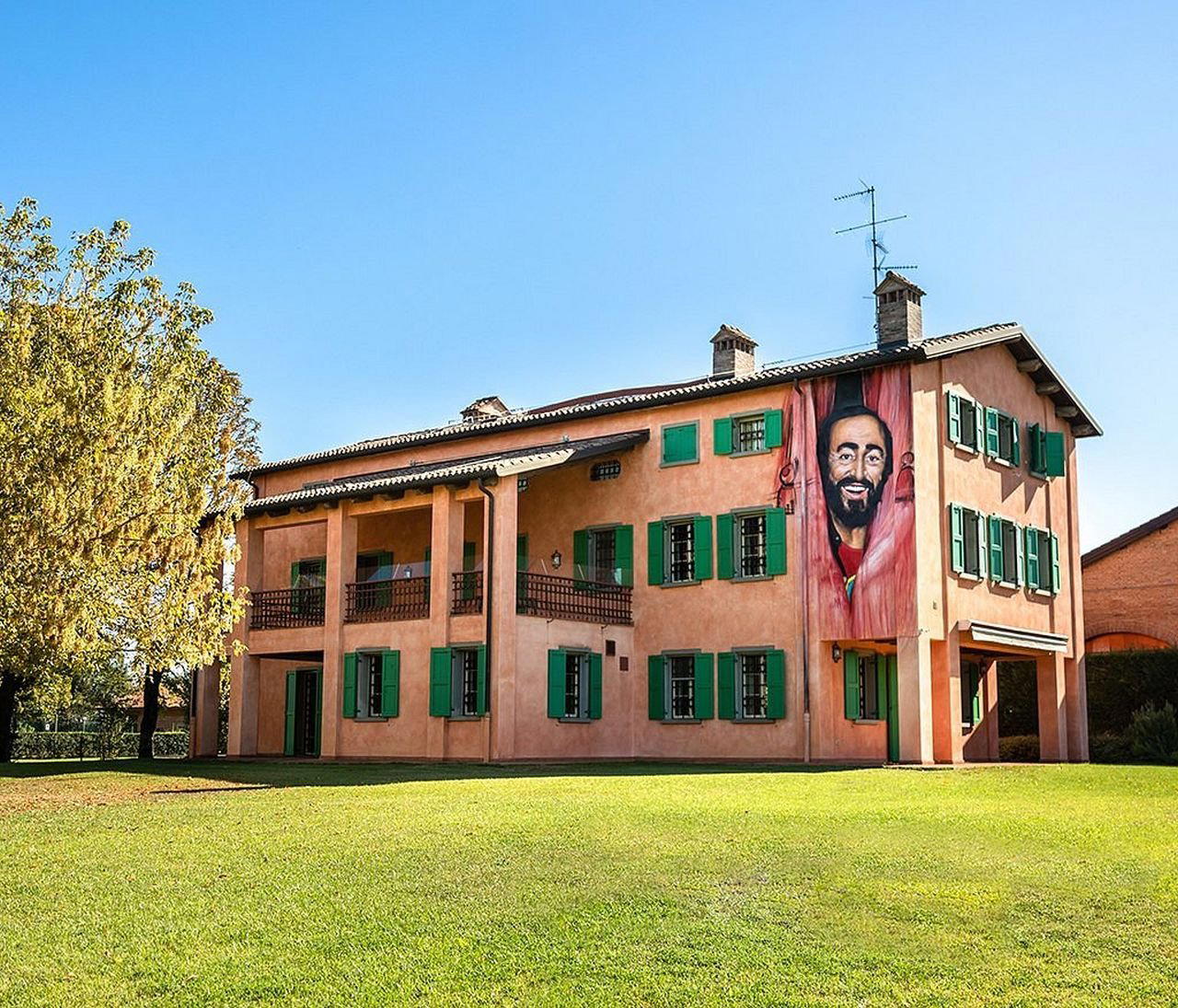

Il Povero Diavolo
The wine
- Wine program
- Deep wine list
- Extensive wine list
- Natural wine
Details
- Rustic
- Intimate
- Cozy
- Special Occasion
- Date Night
- Celebration
- Historic Building
- Extensive Wine List
- Natural Wine
- Farm To Table
- Local Sourcing
- Mountain
- Vineyard
- Tasting Menu
- A La Carte
- Wine
- Vegetarian Friendly
Current opening hours
- Monday
- Closed
- Tuesday
- Closed
- Wednesday
- Closed
- Thursday
- 7–11 PM
- Friday
- 7–11 PM
- Saturday
- 12–2:30 PM, 7–11 PM
- Sunday
- 12–3:30 PM, 7–11 PM
Hours can change for holidays and private events. Hours as of .
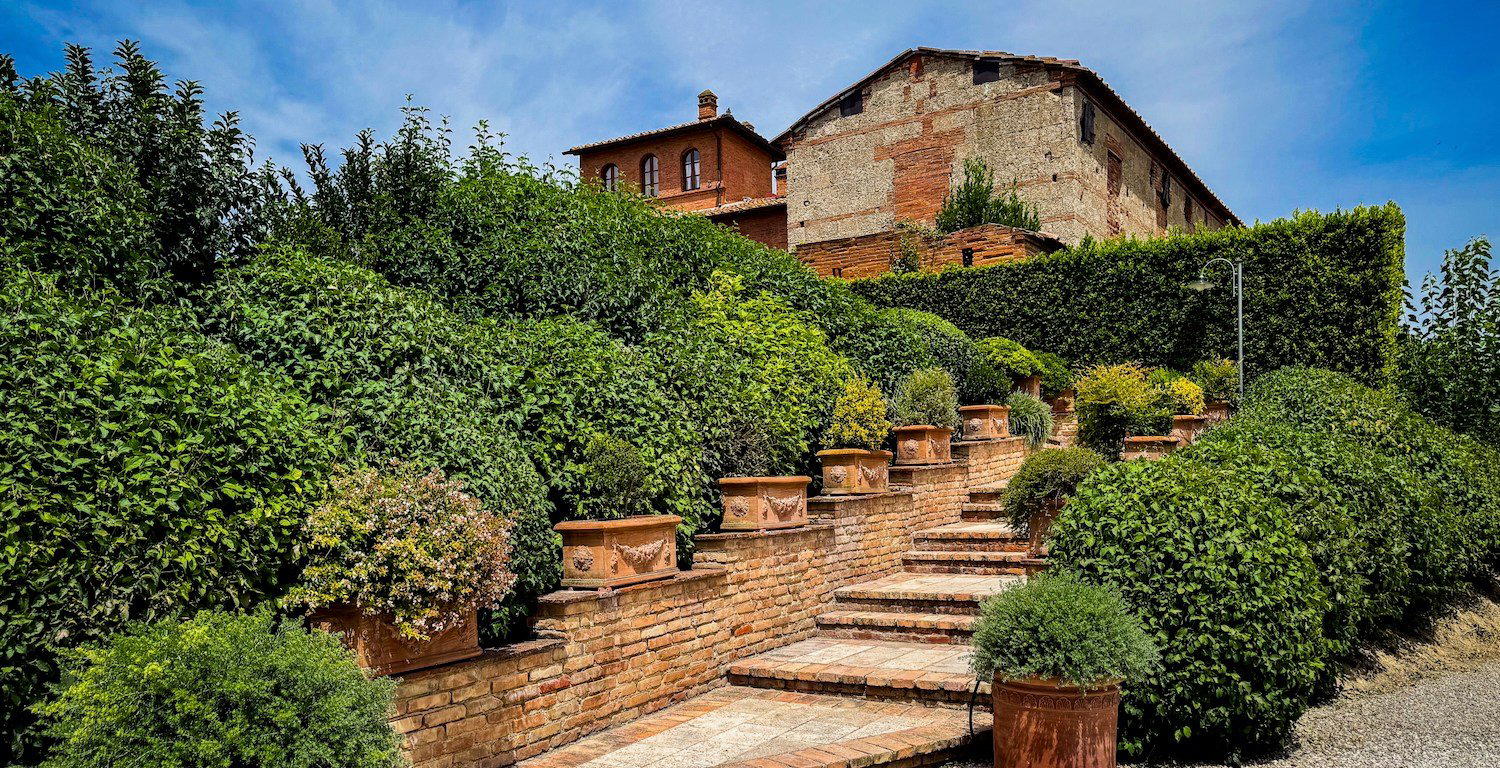
Cozy and rustic with warm lighting, stone walls, and a welcoming family atmosphere.