Bis Osteria Italiana Contemporanea

Michelin Plate
Our verdict
In the historic upper town of Colle di Val d'Elsa, Bis Osteria Italiana Contemporanea occupies the storied premises of the former Arnolfo restaurant and holds a Michelin Plate for 2024 and 2025. The concise menu focuses on meat and fish with distinctly Sienese character, including a house pigeon dish and the option to order scarpetta bread for mopping up Cinta Senese pork sauce. Priced at the €€ tier, it offers serious seasonal cooking without the formality of the region's starred rooms.

Pearl is the En Primeur Club membership app — saves, bookings, and concierge access live there. Same editors, same standards.
- Address
- Via XX Settembre, 50, 53034 Colle di Val d'Elsa SI, Italy
- Phone
- +39 338 770 6128
- Hours
- Mon–Tue ClosedWed–Fri 6–10:30 PMSat 12–2:30 PM, 7–10:30 PMSun 12–2:30 PM
- Website
- osteriabis.it
- Directions
- Get directions
- Booking
- Book on TheFork
The menu
What to order
- Maltagliato al piccione
- Selezione di stuzzichini
Old Stone, New Table: Dining in Colle di Val d'Elsa's Upper Town
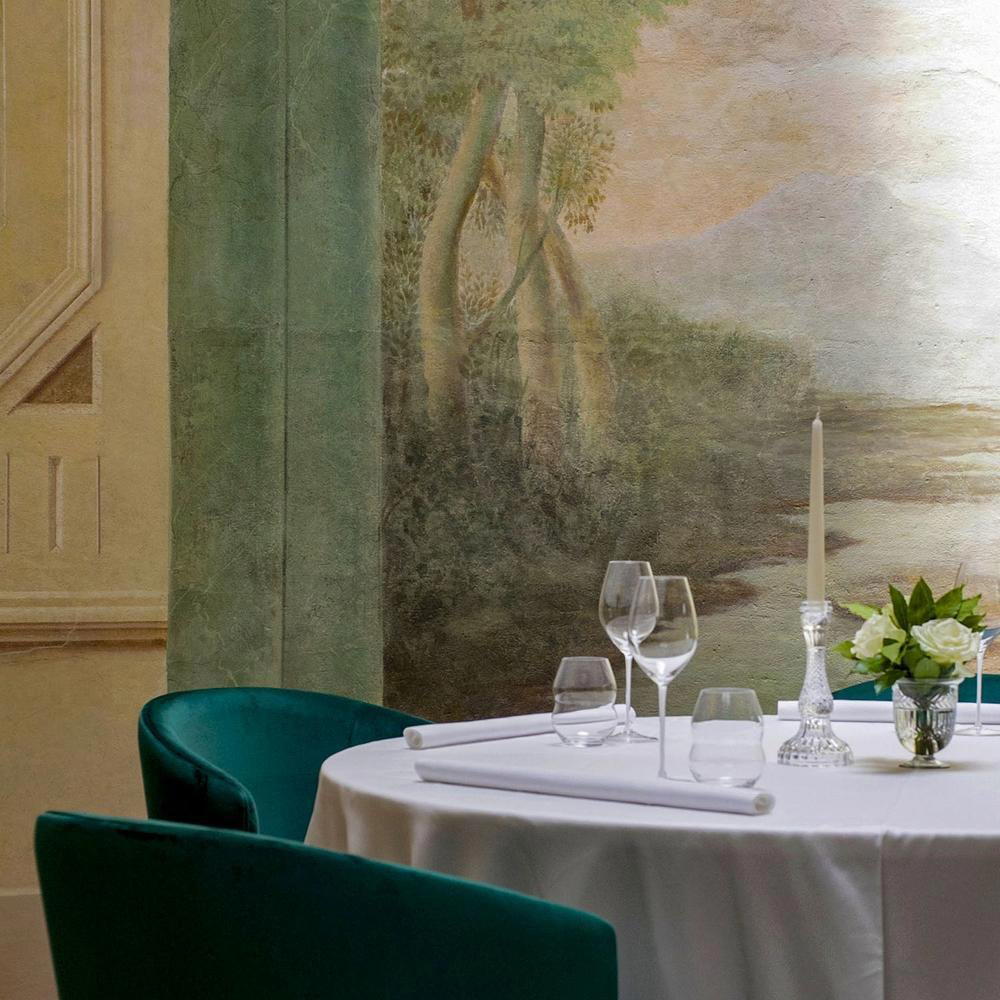
The medieval ridge town of Colle di Val d'Elsa sits between Siena and San Gimignano in a stretch of Tuscany that rarely appears on short itineraries, which makes its dining rooms all the more worth seeking out. The Alta, the upper historic district, is compact and largely pedestrianised, its narrow streets lined with tower houses and the kind of civic architecture that accumulates over several centuries of slow prosperity. It is in these premises, on Via XX Settembre, that the old Arnolfo restaurant once operated — a space with genuine culinary history in the town. Arnolfo built a reputation for ambitious cooking over many years in this room, and the address retains that association even under its current identity.
Bis Osteria Italiana Contemporanea now occupies that space, run by the same management as the previous operation but with a new, younger chef directing the kitchen. The transition represents a pattern increasingly common in Italian provincial dining: a prestigious address passes through a generational shift, preserving continuity of ownership while recalibrating the register of the cooking. Here, that recalibration has landed on something leaner and more focused than the elaborately structured menus that occupy the leading tiers of Italian fine dining. Michelin awarded the restaurant a Plate in both 2024 and 2025, a signal that the guide's inspectors find the cooking competent and coherent, even if the ambition sits below the starred bracket. For a €€ price point in a small Sienese hill town, that is a meaningful credential.
A Menu Rooted in Sienese Culinary Tradition
Central Tuscany has its own distinct culinary grammar, one that differs from the coastal seafood registers of Livorno or the Renaissance-inflected grandeur of Florentine restaurants like Enoteca Pinchiorri. The Sienese kitchen is fundamentally territorial: it draws from game, heritage pork breeds, pulses, and the kind of bread-based customs that predate modern gastronomy by centuries. The scarpetta tradition — using bread to mop up the remaining sauce from a plate, is one of those customs, and it is telling that Bis has formalised it as an option on the menu, offering dedicated dipping bread alongside a Cinta Senese pork sauce. The Cinta Senese, a heritage breed of pig native to the area around Siena, has enjoyed a significant revival over the past two decades as Italian producers and chefs have recommitted to indigenous ingredients. Its meat carries a depth of flavour tied to free-range rearing and slower growth than commercial breeds, and its appearance on the Bis menu places the kitchen firmly within that territorial tradition rather than a more cosmopolitan Italian-contemporary idiom.
The menu describes its main courses collectively as "Italian specialities," a framing that signals deliberate restraint rather than conceptual ambition. The focus splits between meat and fish, and the list is concise, a format that separates this room from the longer tasting structures of Italy's three-Michelin-starred houses such as Osteria Francescana in Modena, Dal Pescatore in Runate, or Le Calandre in Rubano. The kitchen's stated house speciality is a pigeon dish, and pigeon is a genuinely important ingredient in central Italian cooking, one that appears across Umbria and Tuscany in preparations ranging from slow-roasted whole birds to sauce-heavy pasta. At the €€ tier, this is seasonal cooking oriented toward the local, not a laboratory of technique.
The Room and the Terrace
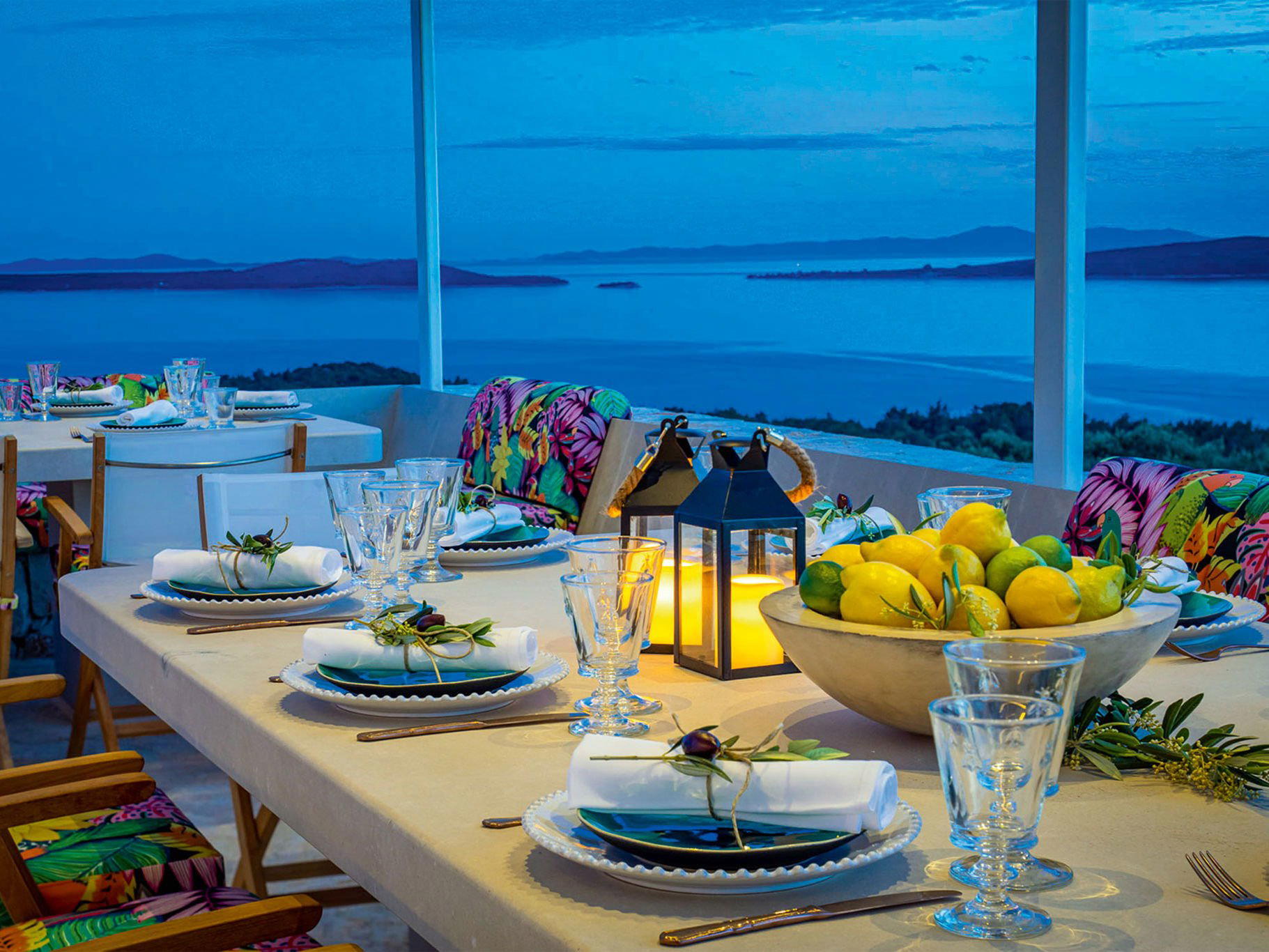
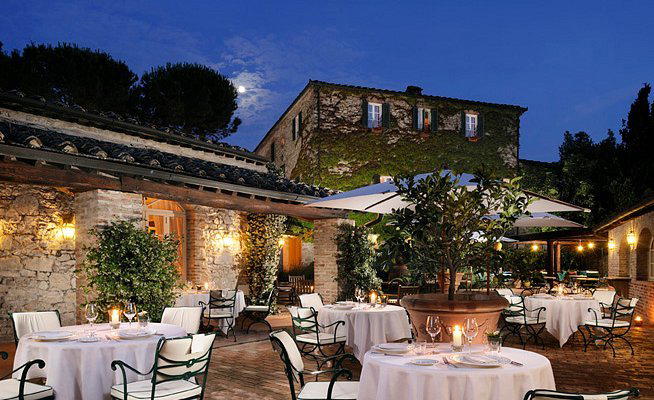
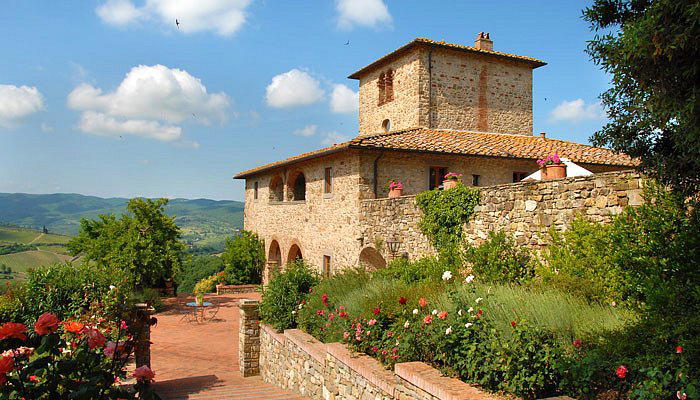
The premises have a weight that new-build restaurants cannot manufacture. Historic architecture shapes how dining rooms feel, the proportions, the light, the acoustic softness of stone walls, and the Arnolfo space carried that character across its previous incarnation. Bis inherits it. In good weather, the terrace opens for outdoor dining, and terraces in the Sienese uplands operate at a different register from the restaurant gardens of larger cities: the surroundings are genuinely quiet, the views typically fall across either the roofscape of the old town or out toward the Val d'Elsa valley, and the pace slows accordingly. This is not the studied informality of a Milanese courtyard but something more unforced.
That quietness is part of what positions Colle di Val d'Elsa as a worthwhile stop for visitors moving between the better-known Chianti hilltowns. The town receives far less footfall than San Gimignano or Montepulciano, which means its restaurants, including the neighbouring Il Frantoio, operate with a local cadence rather than calibrating entirely toward tourist expectations. For visitors arriving from Florence or Siena, the drive into the Alta and lunch or dinner at an address with two consecutive Michelin Plates represents a very different transaction than eating at a more publicised Tuscan destination.
Where Bis Sits in the Italian Seasonal Dining Conversation
Seasonal cuisine as a formal category covers a wide range of ambitions and price points across Italy and Europe. At the furthest end of complexity, rooms like Reale in Castel di Sangro or Piazza Duomo in Alba treat seasonality as an organising philosophy for multi-course, ingredient-driven tasting menus with deep wine programs. At the other end, seasonal simply describes a kitchen that adjusts its short menu according to what is available locally and what the growing calendar provides. Bis occupies the latter end of this range, deliberately so. The comparison with non-Italian seasonal practitioners, Fields by René Mathieu in Luxembourg or Kirchenwirt in Leogang, underscores how geographically rooted seasonal cooking becomes when it is tied to a specific landscape and its heritage ingredients. The Cinta Senese pork and the pigeon at Bis are not generic seasonal gestures; they are products with specific territorial provenance in the Sienese hills.
Italy's broader restaurant culture has also seen a notable movement toward what might be called osteria seriousness, informal formats and accessible prices that do not compromise on sourcing or technique. The Michelin Plate, which flags cooking worth knowing about without awarding a star, has become a useful marker for this tier. Across Italy, Plate-recognised restaurants often deliver more characterful meals than the formulaic luxury of some starred rooms, particularly at the €€ price level where the cooking has to earn its keep on flavour rather than spectacle. At that price point in a Sienese hill town with genuine historic premises and a menu anchored in local heritage breeds, Bis makes a coherent case for itself.
Planning Your Visit
Bis is on Via XX Settembre in the upper historic district of Colle di Val d'Elsa, a town most easily reached by car from Siena (approximately 25 kilometres to the south) or from Florence (around 50 kilometres to the north). The town is also accessible by bus from Siena, though arrival by car gives more flexibility for exploring the Alta. The €€ price tier places the restaurant in accessible range for a lunch stop or relaxed dinner. Given the small scale of the room and the terrace's weather dependency, booking ahead is advisable, particularly in the warmer months when terrace tables fill quickly. For broader context on eating, drinking, and staying in the area, see our full Colle di Val d'Elsa restaurants guide, our hotels guide, our bars guide, our wineries guide, and our experiences guide for Colle di Val d'Elsa.
Frequently asked questions
Is Bis Osteria Italiana Contemporanea good for families?
At the €€ price point in a small Tuscan hill town, it is a reasonable choice for families who want a proper sit-down meal without the formality of a starred room, though the historic premises of Colle di Val d'Elsa's upper town set a quieter tone than a casual trattoria.
What should I expect atmosphere-wise at Bis Osteria Italiana Contemporanea?
If you arrive during fine weather and secure a terrace table, expect the unhurried pace typical of Sienese hill towns rather than the energy of a city restaurant. The Michelin Plate recognition and the €€ pricing in Colle di Val d'Elsa signal a room that takes its cooking seriously without imposing fine-dining formality; the historic premises add weight that newer spaces in the area simply do not have.
What's the must-try dish at Bis Osteria Italiana Contemporanea?
The kitchen's stated house speciality is the pigeon dish, a preparation that sits squarely within central Tuscany's game-cooking tradition and is supported by Michelin Plate recognition for two consecutive years. The Cinta Senese pork sauce with scarpetta dipping bread is the other preparation most directly tied to the Sienese territory and worth ordering if available.
Budget and Context
| Venue | Cuisine | Price | Awards | Notes |
|---|---|---|---|---|
| Bis Osteria Italiana ContemporaneaThis venue — the venue you are viewing | Modern Tuscan Italian Osteria | $50–100 | Michelin Plate | Not listed |
| Atelier Moessmer Norbert Niederkofler | Italian, Creative | Not listed | Michelin 3 Star | Not listed |
| Dal Pescatore | Italian, Italian Contemporary | Not listed | Michelin 3 Star | Not listed |
| Enoteca Pinchiorri | Contemporary Italian Fine Dining | $200–300 | 3 Michelin Stars · World's 50 Best #32 | Italian - French, Italian Contemporary |
| Enrico Bartolini | Creative | Not listed | Michelin 3 Star | Not listed |
| Osteria Francescana | Avant-Garde Italian Contemporary | $300–500 | 3 Michelin Stars · World's 50 Best #1 | Progressive Italian, Creative |
Recognition history
Dated appearances from independent guides and award organizations, with the underlying list record or original source where available.
Michelin Plate
Michelin
Full recognition history (3 entries)
Michelin Plate
Michelin
Michelin Plate
Michelin
Continue exploring
More in Colle di Val d'Elsa
Restaurants in Colle di Val d'Elsa
Browse all →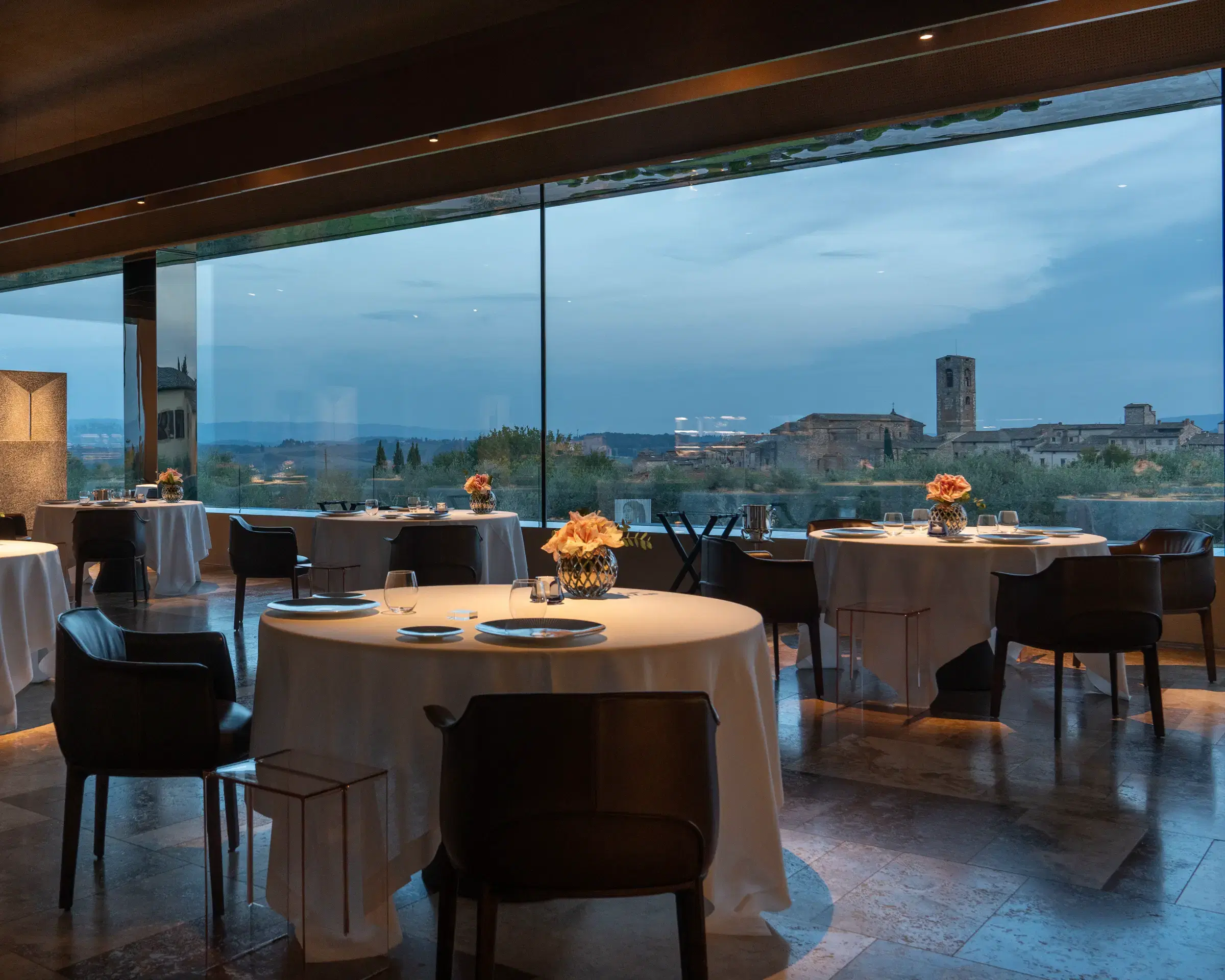
Bars in Colle di Val d'Elsa
Browse all →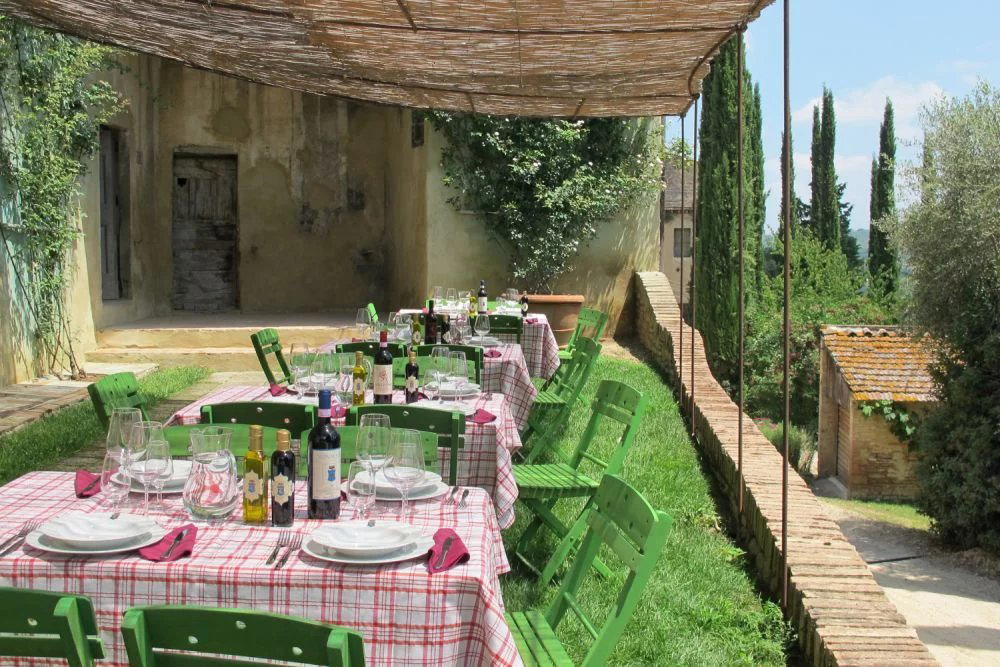
Hotels in Colle di Val d'Elsa
Browse all →
Bis Osteria Italiana Contemporanea
The wine
- Wine program
- Curated wine list
- Extensive wine list
Details
- Elegant
- Modern
- Cozy
- Sophisticated
- Date Night
- Special Occasion
- Terrace
- Historic Building
- Extensive Wine List
- A La Carte
- Tasting Menu
- Vegetarian Friendly
- Vegan Options
Current opening hours
- Monday
- Closed
- Tuesday
- Closed
- Wednesday
- 6–10:30 PM
- Thursday
- 6–10:30 PM
- Friday
- 6–10:30 PM
- Saturday
- 12–2:30 PM, 7–10:30 PM
- Sunday
- 12–2:30 PM
Hours can change for holidays and private events. Last verified .
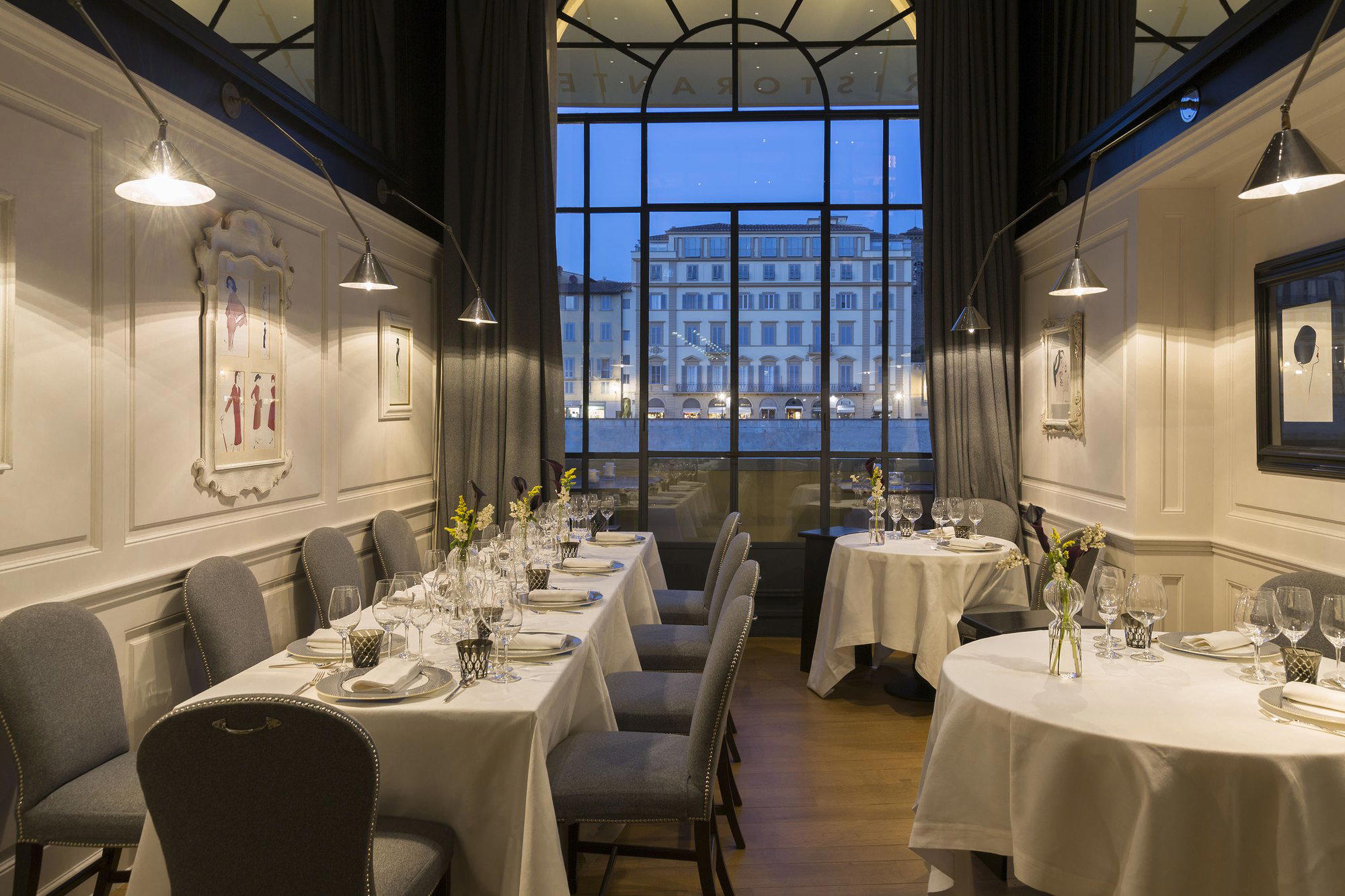
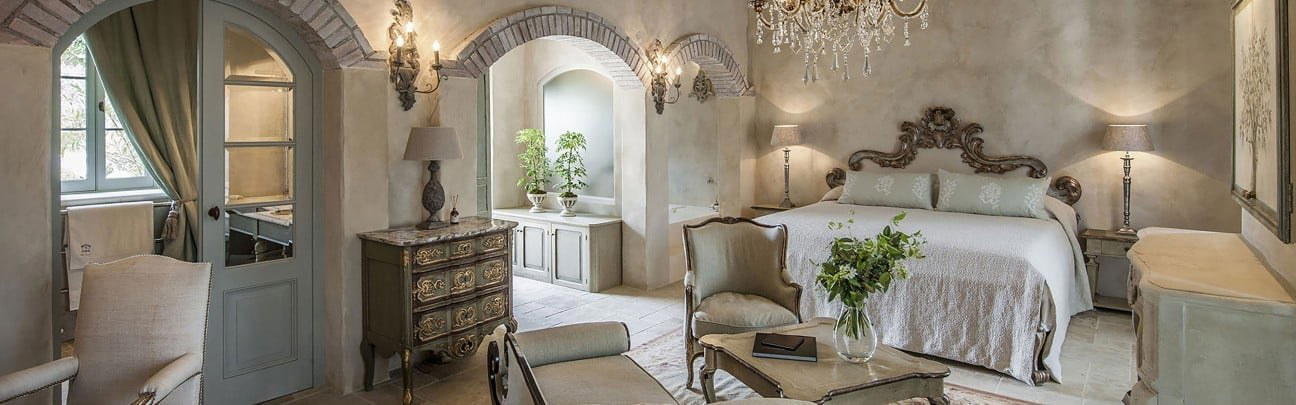
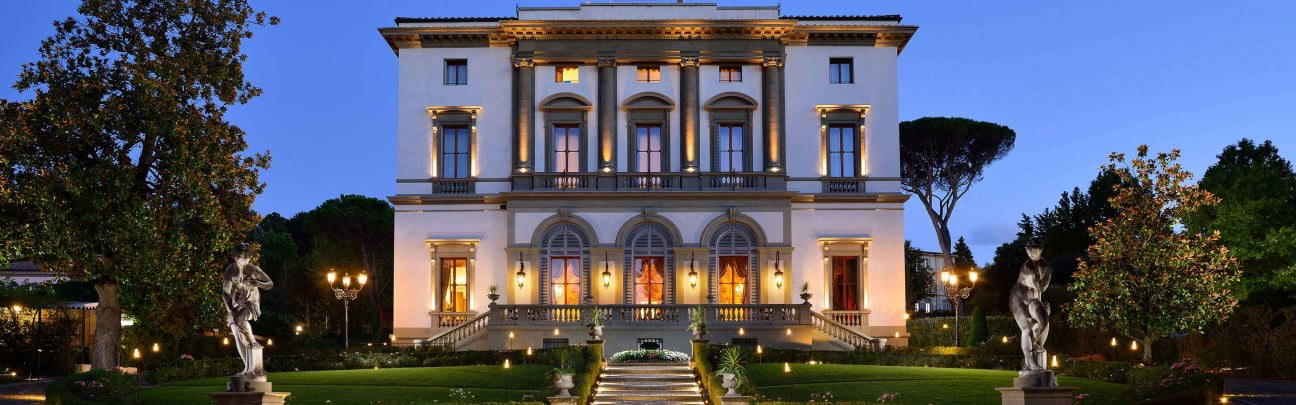
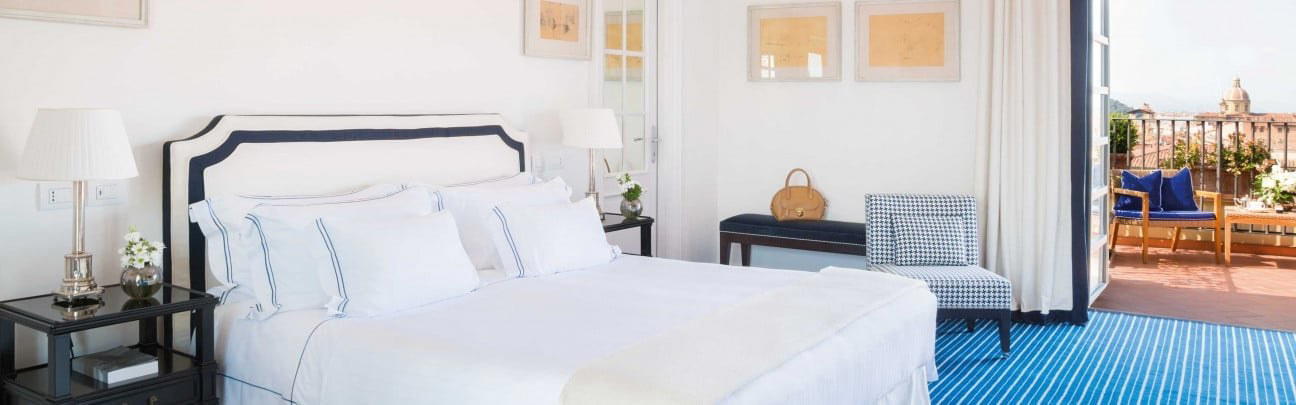
Modern, tastefully decorated, welcoming, and luminous interiors with a tranquil terrace in fine weather.