Il Fiorista

Michelin Plate
Our verdict
A Flatiron dining room that doubles as a working flower shop, Il Fiorista builds edible botanicals into a contemporary Italian-leaning menu that earned a Michelin Plate in 2024. Edible flowers, house-made pasta, and floral cocktails define the format. Priced at $$$, it occupies a middle tier in New York's contemporary dining market where concept and setting carry as much weight as technique.

Pearl is the En Primeur Club membership app — saves, bookings, and concierge access live there. Same editors, same standards.
- Address
- 17 W 26th St, New York, NY 10010
- Phone
- (646) 490-8240
- Hours
- Mon 4–9 PMTue–Thu 4–10 PMFri 4–10:30 PMSat 11 AM–10:30 PMSun 11 AM–8:30 PM
- Website
- ilfioristanyc.com
- Directions
- Get directions
- Booking
- Book on OpenTable
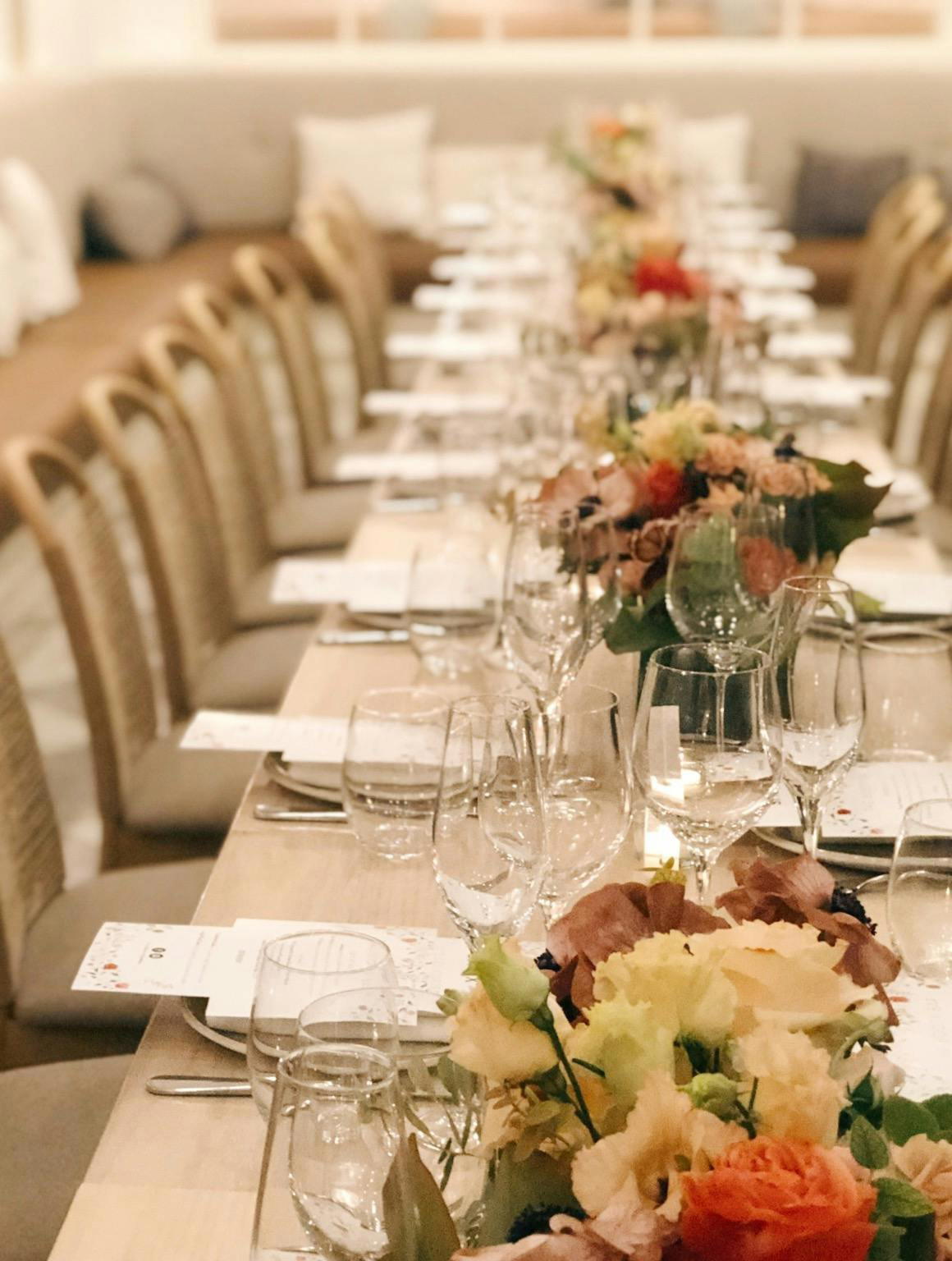
Where the Flower Shop and the Kitchen Share a Address
New York's Flatiron district has long operated as a mid-tier dining corridor between the trophy-room formality of Midtown and the louder, more experimental energy of the East Village. What makes the neighbourhood interesting in 2024 is the concentration of restaurants that have carved out distinct conceptual identities without chasing the $$$$ omakase or tasting-menu prestige of peers like Alinea in Chicago or The French Laundry in Napa. Il Fiorista, at 17 West 26th Street, belongs to that cohort. Its founding premise, a fully operational flower shop sharing square footage with a restaurant, is not decorative concepting: the flowers arrive as ingredients in cocktails, pasta sauces, and garnishes, and the owners are developing a parallel line of botanical spices, salts, and sugars.
That dual function is rarer than it sounds in a city where every third opening claims some farm-to-table provenance. Here, the sourcing chain is visible in the room itself, which means the editorial line between "restaurant with floral decor" and "restaurant using live botanicals as a production input" is genuinely drawn. The Michelin Plate recognition in 2024 places Il Fiorista in the tier of restaurants that inspectors consider worth the visit without yet awarding a star, a bracket that includes several hundred New York addresses and rewards execution and concept integrity over the kind of multi-course progression you find at Lazy Bear in San Francisco or Single Thread Farm in Healdsburg.
The Botanical Angle in Context
Edible flowers have cycled in and out of fine-dining menus for at least two decades, from the micro-petal garnishes of nouvelle cuisine through the hyper-botanical plating that became a visual signature of the 2010s Scandinavian influence. What has changed is the shift from flowers as decoration to flowers as flavour architecture. Nasturtium adds a clean, peppery heat. Hibiscus brings tartness. Pine pollen, which appears here as a dusting on thinly sliced fried lotus root, carries a faintly sweet, slightly resinous note that functions more like a spice than a garnish. Using these ingredients with that kind of specificity places Il Fiorista in a different conversation from restaurants that simply plate petals for colour.
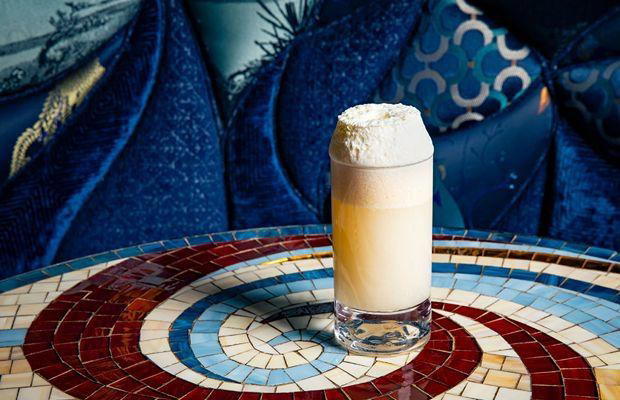
The same logic applies to the drinks program. Floral cocktails occupy a well-established category in New York's bar circuit, but the more interesting play here is integration: a bar and kitchen sharing a botanical pantry derived from the shop's own stock. That kind of operational coherence is harder to sustain than it appears, and it gives the beverage program a narrower, more editorial identity than you find at most $$$ Contemporary addresses. For context on where New York's broader bar scene sits right now, see our full New York City bars guide.
Reading the Menu Through a Sommelier's Frame
The editorial angle that rewards the most attention here is how a botanical-forward kitchen creates pairing opportunities that push against standard wine-list logic. The menu's Italian-leaning structure, house-made pasta, charcuterie, seafood mains, gives a sommelier a familiar scaffold, but the floral and herbal modifiers in individual dishes complicate conventional pairings. A campanelle tossed in a white Bolognese sauce built on cream is a fairly Piemontese register, suited to a white Burgundy or a Northern Italian Chardonnay with some texture. Add the floral elements and the pairing conversation shifts toward aromatic whites, Arneis, Gewurztraminer, or a lower-extract Rhone white, rather than the oak-forward options that might be the first call for a cream pasta on a conventional Italian list.
This is the kind of menu that rewards a sommelier who pays attention to herbaceous and aromatic modifiers rather than defaulting to regional matching. Il Fiorista's price tier ($$$ against New York's $$$$-dominant prestige set) suggests a wine list built for accessibility and turnover rather than deep cellar programming. For comparison, the tasting-menu tier represented by César or the natural-wine-adjacent positioning of Barawine suggests the range of approaches New York restaurants take to the pairing question. Contemporary kitchens working with ingredient complexity at this price point, like Acru, often compensate for list depth with strong by-the-glass programs that let the kitchen lead rather than the cellar. The broiled Alaskan salmon served on braised fennel and roasted cauliflower would play well with a mineral-driven white, a Sancerre or a cooler-climate Vermentino, while the charcuterie opener gives more latitude, suggesting a light Gamay or a brighter Nebbiolo rather than anything heavy.
For visitors who want to map Il Fiorista against the fuller New York restaurant picture, our full New York City restaurants guide covers the range from Michelin three-star addresses like the French-seafood standard Le Bernardin through to neighbourhood-format tables like YingTao and Bridges. The contemporary category internationally, represented by addresses like Jungsik in Seoul, Alo in Toronto, and Providence in Los Angeles, tends to anchor its identity in technique. Il Fiorista anchors its in a sourcing premise. That is a different bet, and so far a coherent one.
Planning Your Visit
Il Fiorista sits at 17 West 26th Street in the Flatiron, walkable from the 23rd Street stops on the N, R, W, and 6 lines. The price tier ($$$ in New York terms) places a dinner in the $60-$100 per person range before drinks, a middle position between the neighbourhood's casual Italian options and the $250-plus tasting-menu tier. For accommodation in range of the Flatiron, our full New York City hotels guide covers options across price tiers. The botanical and floral programming also connects naturally to the city's broader experience calendar covered in our full New York City experiences guide, as well as the wine producer context in our full New York City wineries guide.
Frequently asked questions
at Il Fiorista?
The house-made pasta is the clearest expression of what the kitchen does. The campanelle in a cream-based white Bolognese sauce is specifically noted by Michelin, and the fried lotus root dusted with pine pollen illustrates the botanical ingredient logic that defines the menu. Both dishes earned the 2024 Michelin Plate recognition alongside the broader concept, and they represent the most direct evidence of what separates this kitchen from a conventional $$$ contemporary address. The charcuterie plate works as a lower-commitment entry point if you want to gauge the style before committing to a larger order. For a fuller map of comparable creative-Italian and contemporary tables in the city, see our New York City restaurants guide.
How far ahead should I plan for Il Fiorista?
In New York's current market, a Michelin Plate table in a well-reviewed Flatiron dining room typically requires one to two weeks advance booking for weekend prime time, with more flexibility midweek. If you are visiting from out of town and the dinner is a priority, booking two weeks out is the safer call. For context, restaurants at Emeril’s in New Orleans level of recognition in major US cities tend to carry longer lead times, while comparably priced, concept-led New York tables generally remain more accessible.
Cost and Credentials
| Venue | Cuisine | Price | Awards | Notes |
|---|---|---|---|---|
| Il FioristaThis venue — the venue you are viewing | Flower-Inspired Contemporary Mediterranean | $50–100 | Michelin Plate | Not listed |
| Le Bernardin | French Seafood Fine Dining | $300–500 | 3 Michelin Stars · World's 50 Best #13 | French, Seafood |
| Atomix | Modern Korean Tasting Menu | $300–500 | 2 Michelin Stars · World's 50 Best #7 | Modern Korean, Korean |
| Masa | Seasonal Hokkaido Tempura Omakase | $150–200 | Tabelog 100 #34 | Sushi, Japanese |
| Per Se | French Fine Dining Tasting Menu | $300–500 | 3 Michelin Stars · World's 50 Best #40 | French, Contemporary |
| Eleven Madison Park | Contemporary Plant-Based Fine Dining | $300–500 | 3 Michelin Stars · World's 50 Best #4 | French, Vegan |
Recognition history
Dated appearances from independent guides and award organizations, with the underlying list record or original source where available.
Michelin Plate
Michelin
Full recognition history (2 entries)
Michelin Plate
Michelin
Continue exploring
More in New York City
Restaurants in New York City
Browse all →
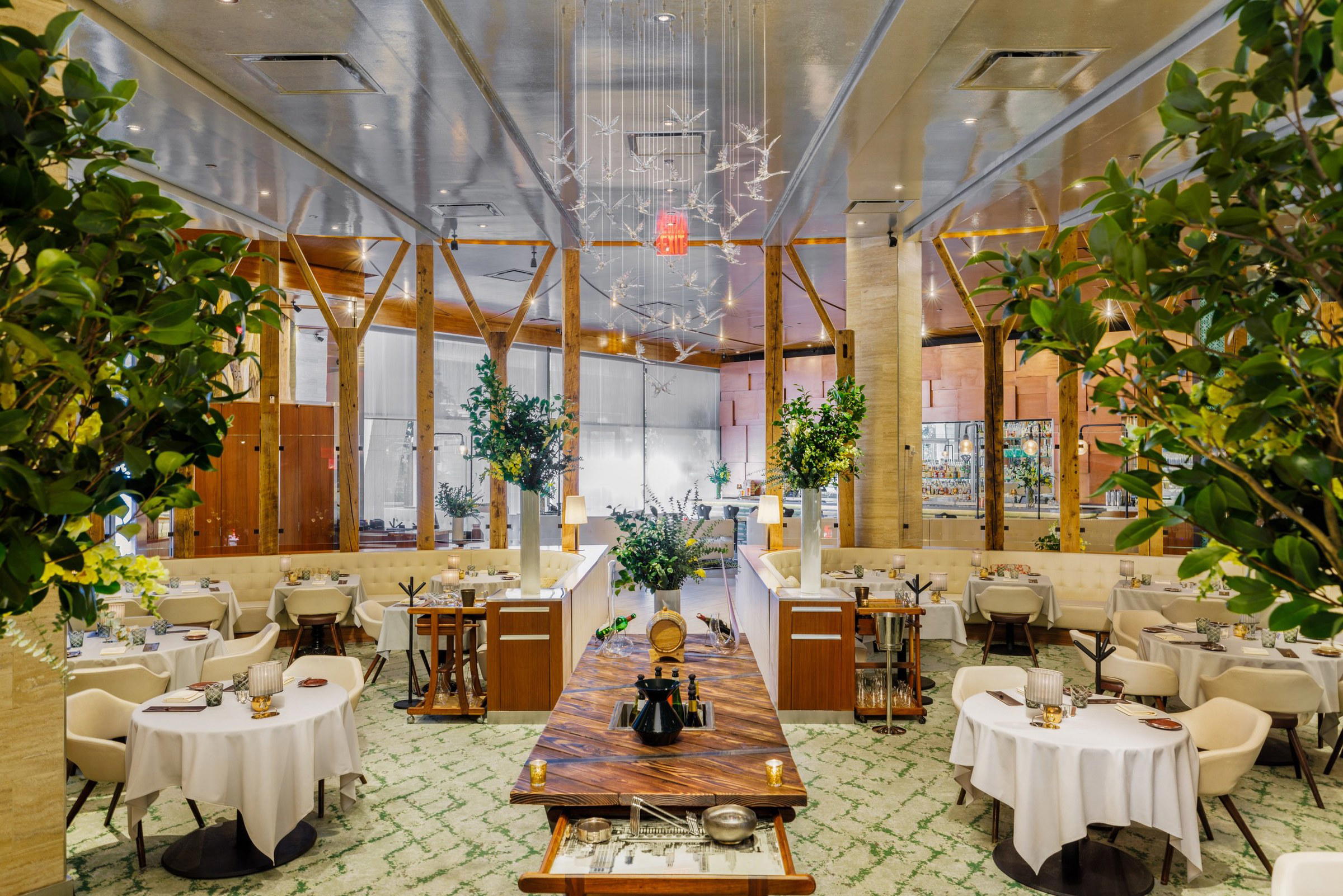
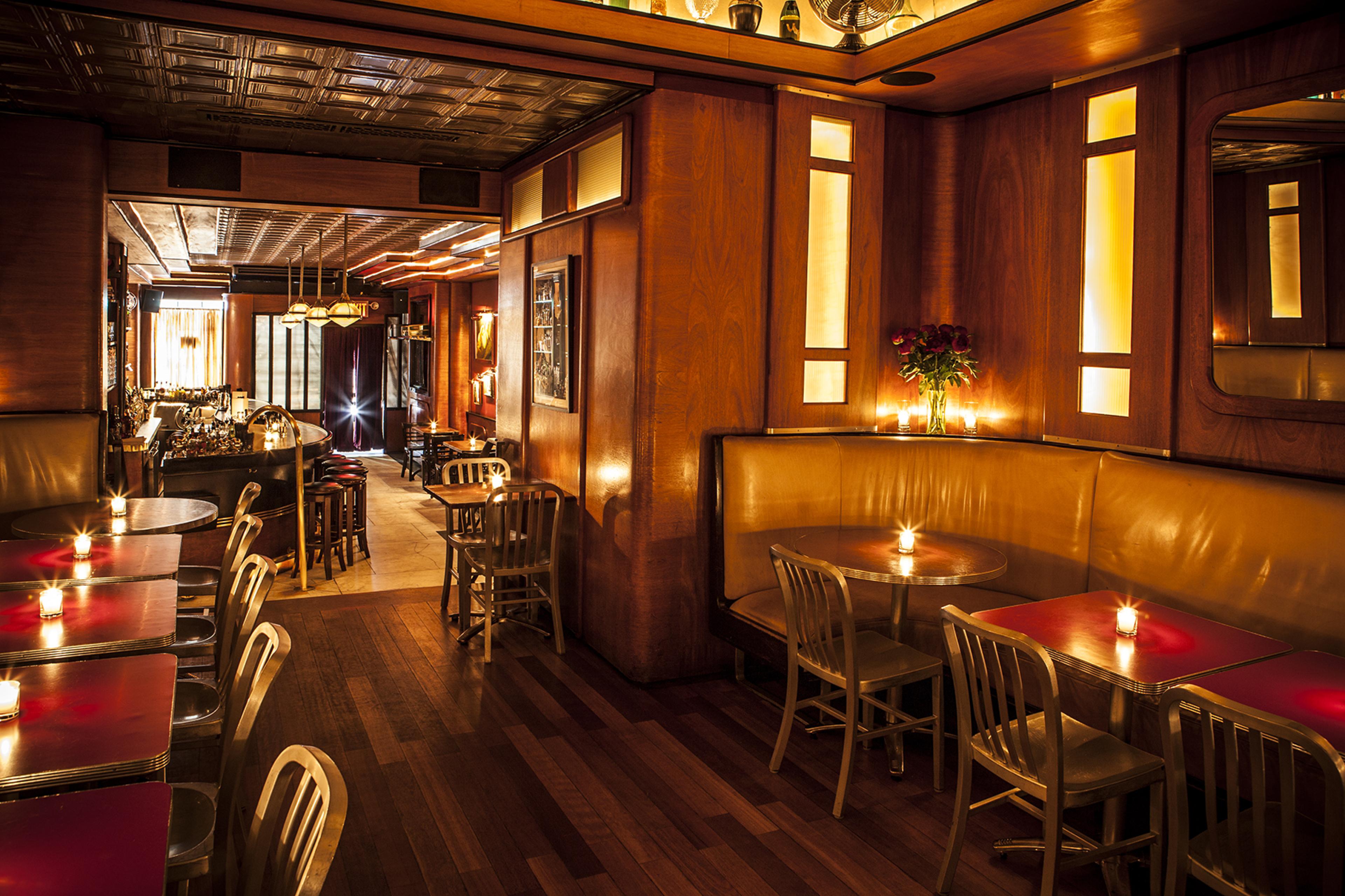
Bars in New York City
Browse all →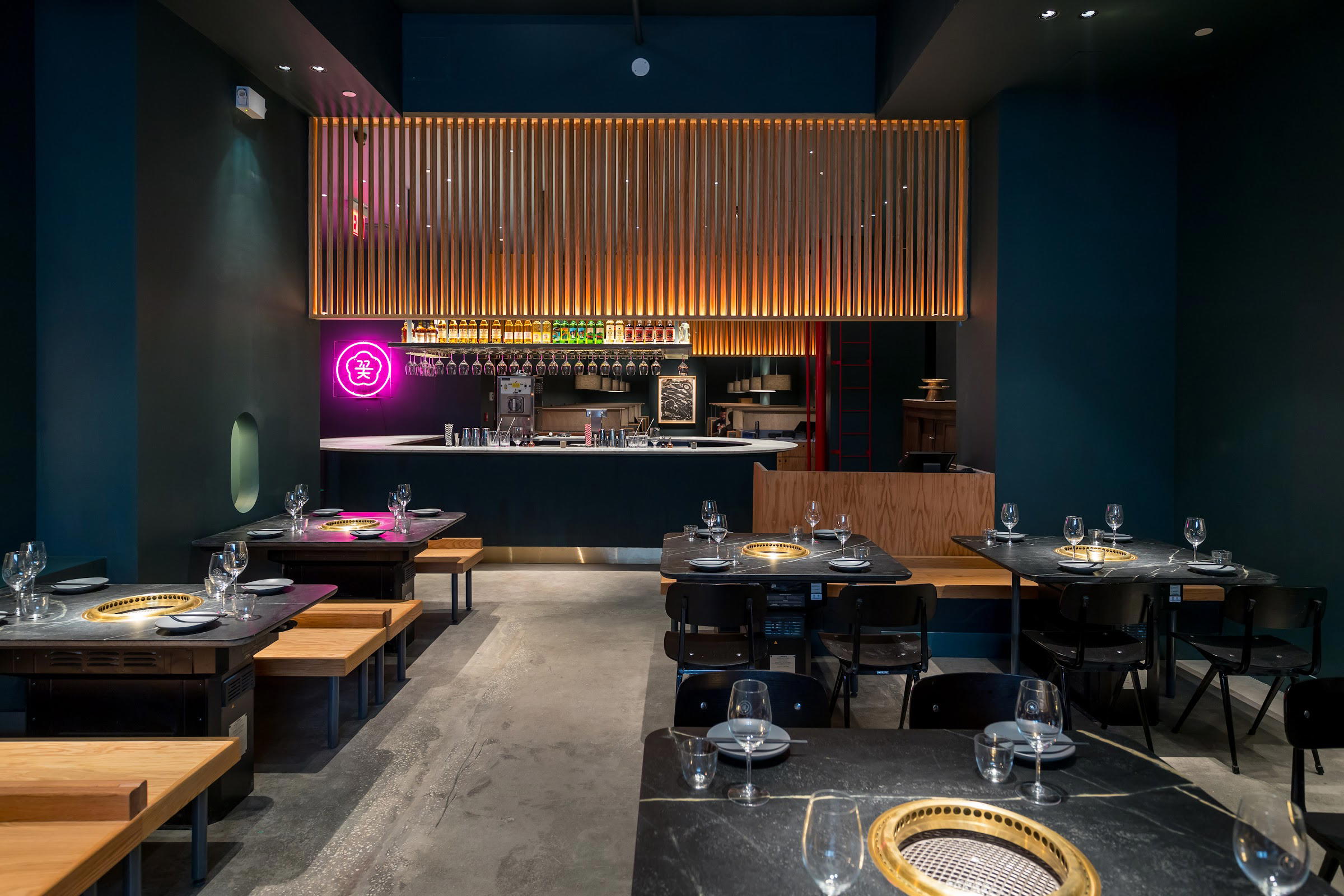
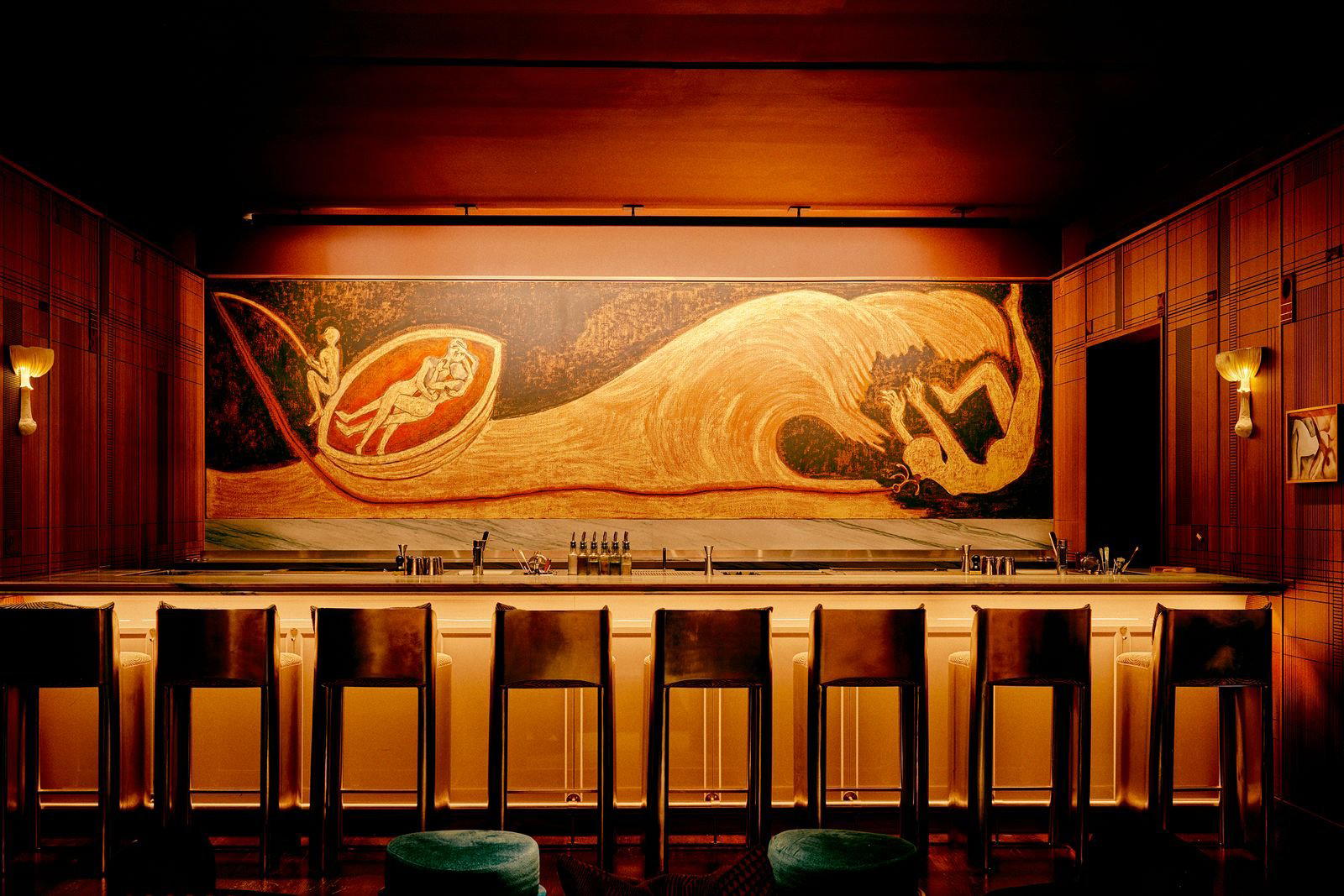
Hotels in New York City
Browse all →
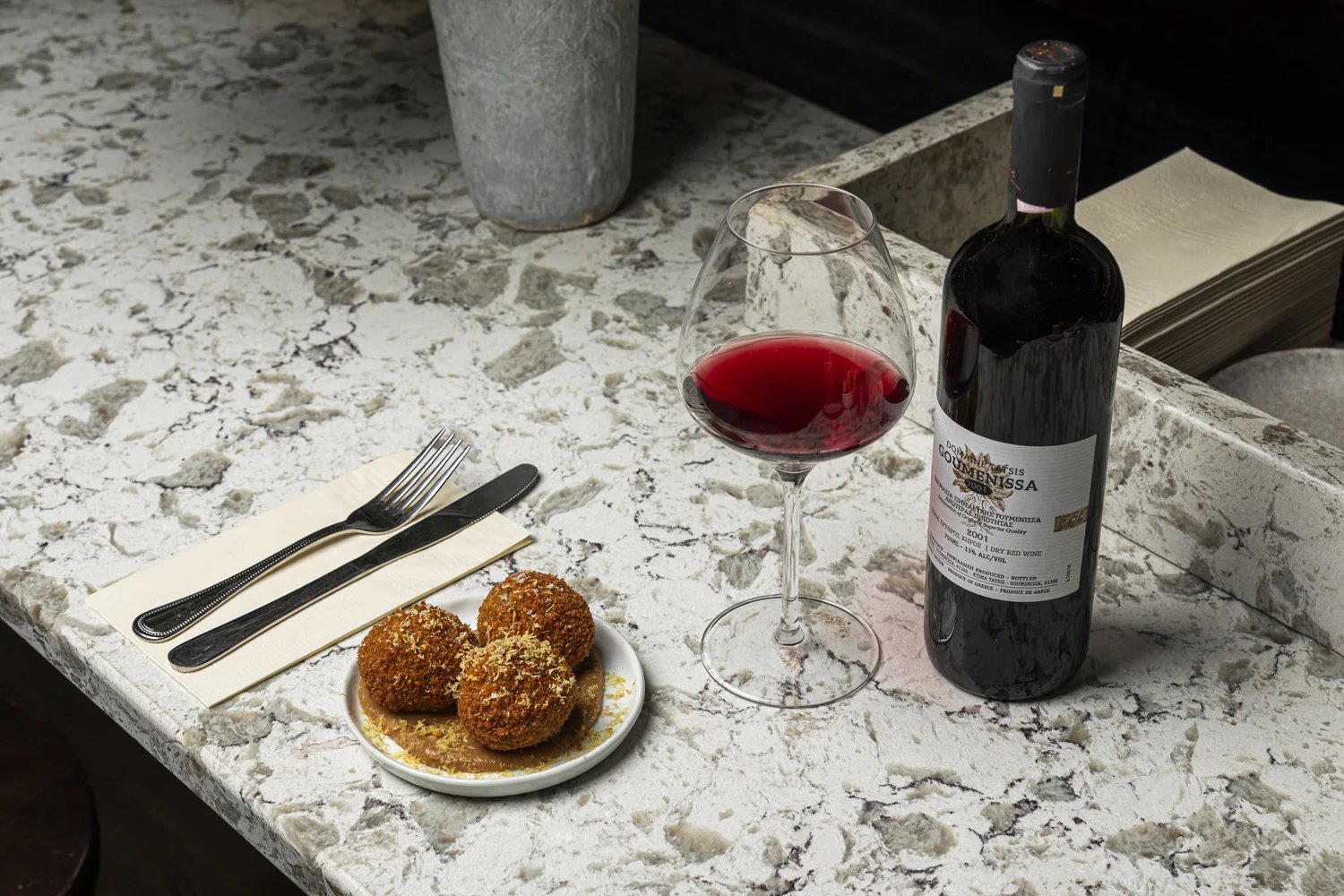




Il Fiorista
The wine
- Wine program
- Curated wine list
- Extensive wine list
Details
- Elegant
- Intimate
- Trendy
- Whimsical
- Date Night
- Special Occasion
- Brunch
- Open Kitchen
- Private Dining
- Extensive Wine List
- Local Sourcing
- Organic
- A La Carte
- Vegetarian Friendly
Current opening hours
- Monday
- 4–9 PM
- Tuesday
- 4–10 PM
- Wednesday
- 4–10 PM
- Thursday
- 4–10 PM
- Friday
- 4–10:30 PM
- Saturday
- 11 AM–10:30 PM
- Sunday
- 11 AM–8:30 PM
Hours can change for holidays and private events. Last verified .
Bright, beautifully designed space with energetic murals, custom furnishings, and a flower-filled atmosphere that feels luxurious, chic, and relaxed.