
Tabelog 100 #56
Our verdict
Ichifuji Shokudo belongs to Osaka’s everyday dining tradition rather than its luxury tasting-menu circuit: cafeteria cooking, udon, and oyako-don in the Tenma-Kita orbit. Its Tabelog 100 Diner selections in 2024 and 2026 give it a credentialed place in a category often judged by regulars, turnover, and consistency rather than ceremony.

Pearl is the En Primeur Club membership app, where members save venues, book tables and use the concierge.
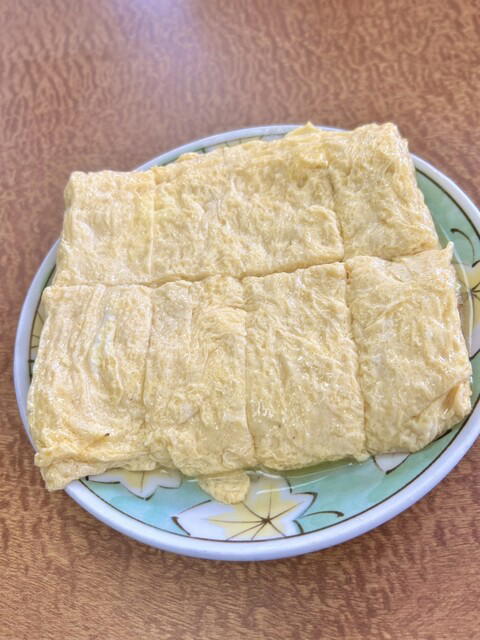
The menu
What to order
- Dashimaki tamago (soup stock rolled omelette)
- Meat suji set meal
- Oyako-don (chicken and egg bowl)
- Udon
Approaching Ichifuji Shokudo in Osaka, the dining rhythm changes from destination dining to daily-use Osaka: station foot traffic, small shopfronts, quick lunches, and rooms built for people who know what they want before they sit down. Ichifuji Shokudo fits that grammar. This is not the Osaka of long counter omakase or imported luxury codes; it belongs to the shokudo tradition, where the meal is built around rice, noodles, broths, egg, and the practical comfort of a table that turns quickly.
That matters because Osaka’s reputation outside Japan often gets flattened into takoyaki, okonomiyaki, and late-night shorthand. The more revealing layer is the city’s everyday restaurant culture: modest rooms, sharp specialization, and value judged against repetition. A cafeteria that serves udon and oyako-don is not trying to mimic formal fine dining. It is part of a different hierarchy, one where regularity, speed, and familiarity carry the weight that tasting menus place on sequence and performance.
Shokudo cooking carries Osaka's everyday intelligence
The shokudo format is easy to underestimate because it has little interest in spectacle. Its cultural role is closer to a neighborhood dining utility: a place for workers, families, and friends who need a proper meal without a drawn-out ritual. In that setting, udon and oyako-don are not filler categories. They are tests of fundamentals: stock, seasoning balance, egg texture, rice handling, and timing under pressure.
In a city where high-spend dining can demand a very different budget, the appeal here is the opposite kind of precision. Comparison venues such as Le Logis h, Unkaku, Wagyu no Kiraku, MATO, and Mato MATO belong to different dining decisions and different restaurant formats. Ichifuji Shokudo sits in a cheaper and culturally older lane, where the point is not ceremony but the credibility of a meal that locals can fold into an ordinary day.
The Tabelog Hyakumeiten recognition in 2026 is useful because it recognizes a category that rarely receives the international attention given to high-end counters and formal dining rooms. The listed categories, cafeteria, udon, and oyako-don, place the restaurant inside a vernacular field rather than a chef-driven genre. That is the editorial value: a highly rated shokudo tells more about Osaka’s eating habits than another luxury room with imported glassware and a tasting menu cadence.
The Osaka location favors function over performance
Osaka rewards diners who look beyond department-store dining floors and hotel restaurants. The city’s strength is density: casual counters, lunch rooms, noodle shops, coffee stops, and bakeries within reach of everyday routes. For a fuller read on the city’s range, Our full Osaka restaurants guide maps the broader restaurant spread, while Our full Osaka bars guide, Our full Osaka hotels guide, Our full Osaka wineries guide, and Our full Osaka experiences guide fill in the rest of the city plan.
Within that ecosystem, the room’s role is practical rather than theatrical. The format signals a place built for flow rather than lingering, and the casual shokudo rhythm reinforces the point. This is useful intelligence for travelers: the reward is not exclusivity, it is access to a form of Osaka dining that works because it is ordinary to the city and revealing to outsiders.
That ordinariness should not be confused with anonymity. Tabelog’s 3.70 score and 2026 Hyakumeiten recognition put it above the level of a random lunch stop, but the format remains grounded. The genre also says something about everyday eating in Osaka: shokudo culture is not restricted to solo counter dining or special-occasion evening use. It is built for appetite and repeat use, though busy rooms of this type are better treated as meal-focused stops than long social appointments.
How to read it against Osaka's wider dining map
Osaka’s premium dining conversation often splits between two poles: expensive reservation-led restaurants and democratic food institutions. The middle is where the city becomes more interesting. Other Osaka dining rooms and casual specialists show how modest formats can hold serious attention without adopting formal dining habits. Ichifuji Shokudo belongs in that reading: specific, useful, and rooted in a category that locals understand instinctively.
For travelers building a Japan itinerary, the comparison should extend beyond Osaka in general terms rather than by forcing unlike restaurants onto one scale. A cafeteria in Osaka has little in common with many destination-led rooms elsewhere in Japan, and that difference is the point. Japan’s dining culture is not a single ladder running from cheap to expensive; it is a set of formats with their own standards. Everyday counters, cafeteria-style dining, noodle shops, and specialist rooms each sit in different local conversations, just as Ichifuji Shokudo sits in Osaka’s.
The strongest reason to seek out Ichifuji Shokudo is not novelty. It is the chance to eat inside a civic dining form that Osaka has never needed to over-explain. The categories are familiar, the format is plain, and the recognition gives travelers confidence that this is not just convenient fuel. For readers who spend much of a trip chasing reservations, a shokudo meal offers a sharper correction: Osaka’s food culture is often at its clearest when lunch is fast, affordable, and judged by repeat use.
Compact Comparison
Comparable venues side-by-side for orientation.
| Venue | Cuisine | Price | Awards | Notes |
|---|---|---|---|---|
| Ichifuji ShokudoThis venue (the venue you are viewing) | Osaka shokudo with udon and oyakodon | $1–10 | Tabelog 100 #56 | Not listed |
| Le Logis h | Modern French with Spices and Foie Gras | $100–150 | Michelin Plate | French |
| Wagyu no Kiraku | Traditional Wagyu Yakiniku & Yaki-shabu | $50–100 | Tabelog 100 #15 | JPY 10,000 - JPY 14,999 |
| Unkaku | Traditional Kaiseki | $150–200 | Michelin Plate | Japanese |
| MATO | Modern Shanghai Chinese | Not listed | Michelin Plate · Tabelog 100 #58 | Not listed |
| Mato MATO | Not listed | Not listed | Not listed | JPY 20,000 - JPY 29,999 View spending breakdown |
Recognition history
Dated appearances from independent guides and award organizations, with the underlying list record or original source where available.
Tabelog 100 #56 · No. 56
Tabelog · Tabelog 100 - Diner - 2026
Continue exploring
More in Osaka
Restaurants in Osaka
All restaurants in Osaka →


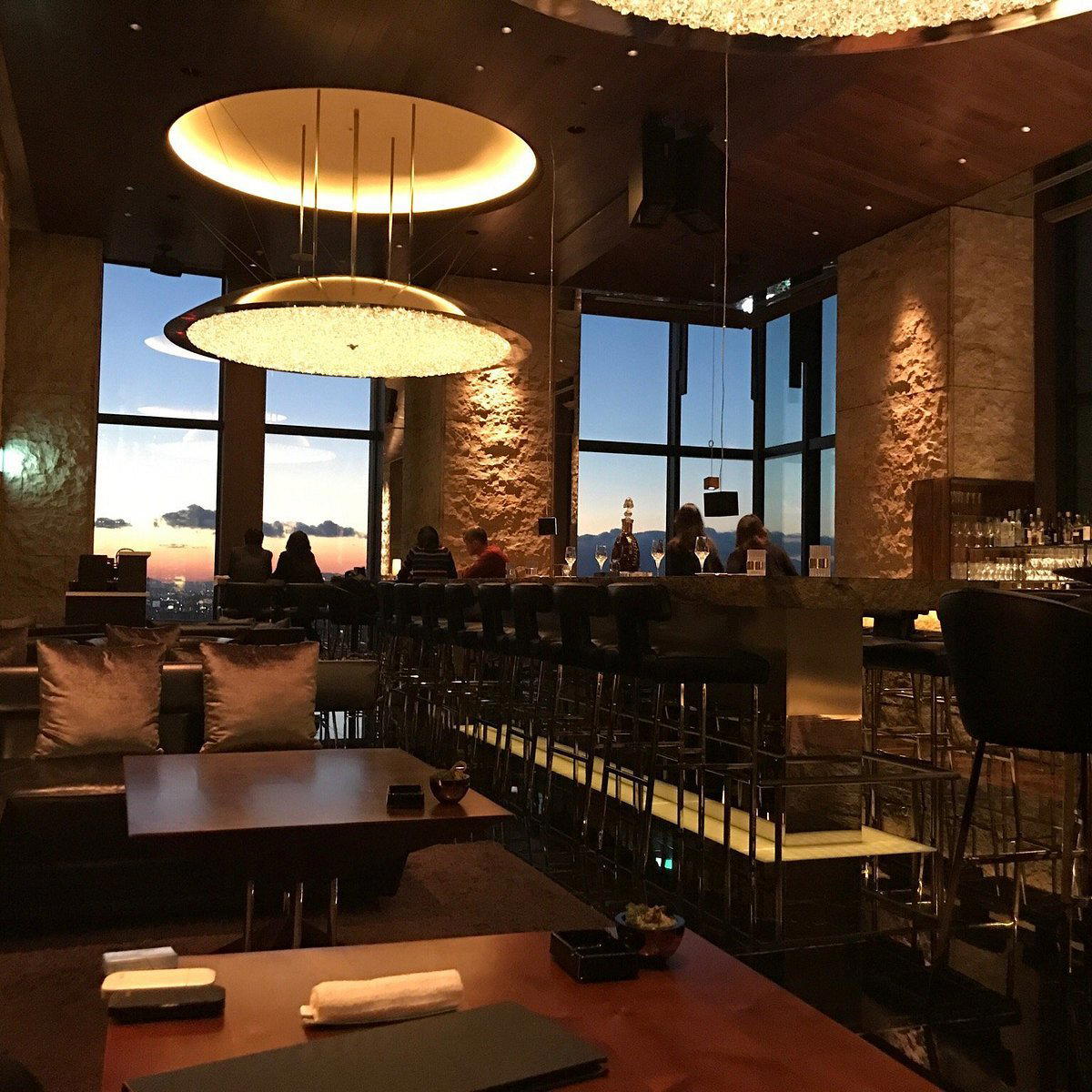
Bars in Osaka
All bars in Osaka →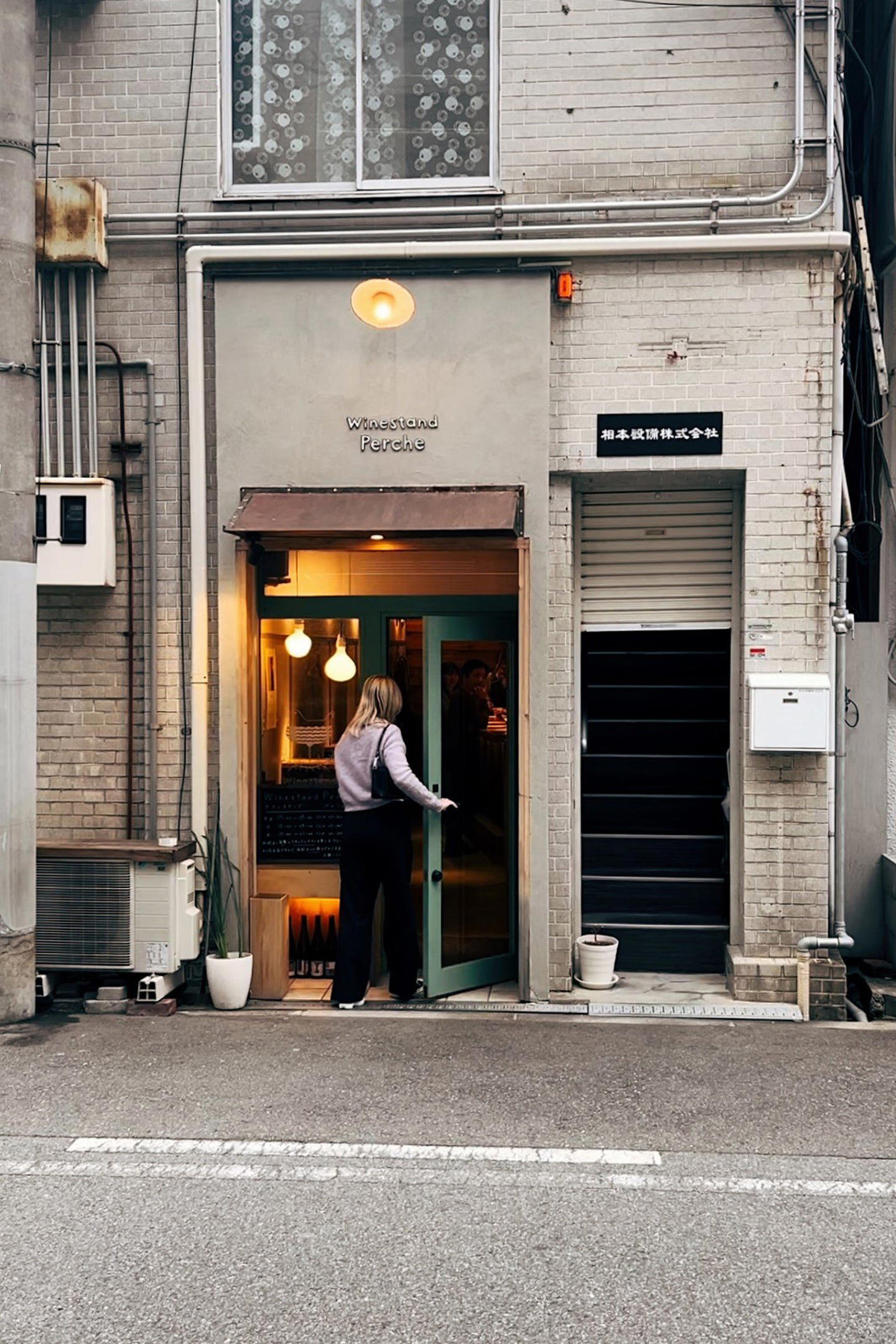


Hotels in Osaka
All hotels in Osaka →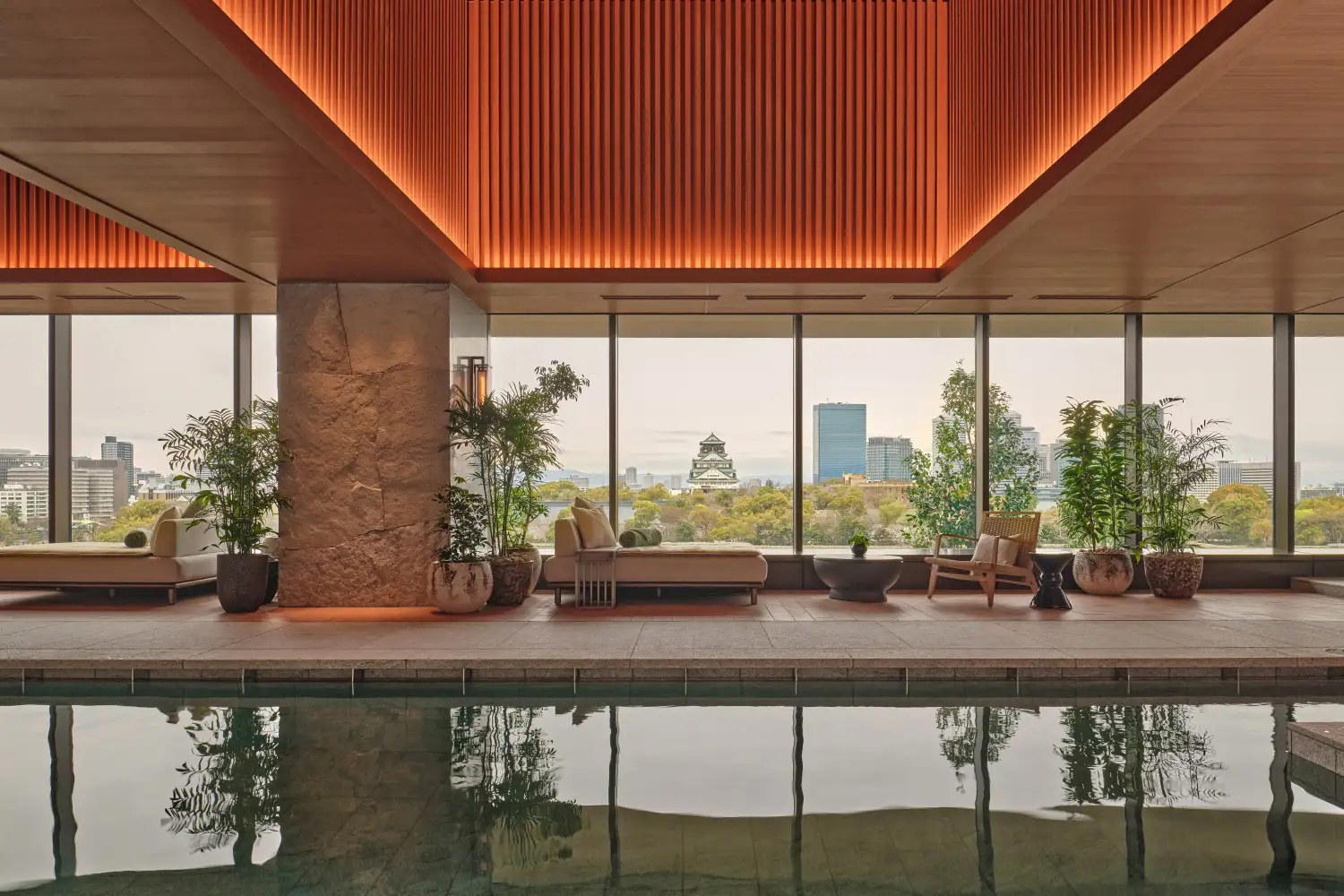



Wineries in Osaka
Browse all →
Details
- Lively
- Classic
- Cozy
- Well Known
- Solo
- Family
- Casual Hangout
- After Work
- Group Dining
- Standalone
- A La Carte
- Set Menu
Current opening hours
- Monday
- 11 AM–2:30 PM
- Tuesday
- 11 AM–2:30 PM
- Wednesday
- Closed
- Thursday
- 11 AM–2:30 PM
- Friday
- 11 AM–2:30 PM
- Saturday
- 11 AM–2:30 PM
- Sunday
- Closed
Hours can change for holidays and private events. Hours as of .
Busy, no-frills neighborhood shokudo with simple table seating, bright daytime lighting, and a bustling atmosphere where guests eat quickly and share tables during peak hours rather than linger.