Ibushi occupies a unit along Thornhill's Highway 7 corridor, where the density of Japanese and broader Asian dining gives the strip a competitive depth unusual for suburban Ontario. The address places it within a cluster of independent operators that collectively define the area's reputation for ingredient-focused cooking outside the Toronto core. Regulars treat the room as a reliable counter for serious Japanese technique at suburban pricing.
 Discover on Pearl
Pearl is the En Primeur Club membership app — saves, bookings, and concierge access live there. Same editors, same standards.
- Address
- 505 Hwy 7 unit 76, Thornhill, ON L3T 7T1, Canada
- Phone
- +19057470688
- Website
- ibushi.ca
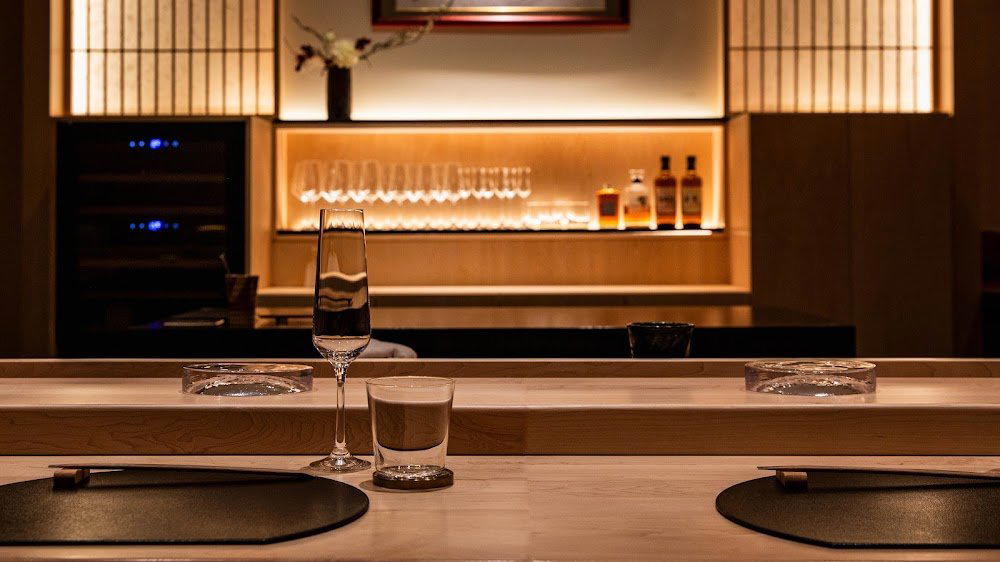
Highway 7 and the Japanese Dining Strip
Ibushi is a Modern Japanese Omakase restaurant at 505 Hwy 7 unit 76, Thornhill, ON L3T 7T1, Canada. Thornhill's Highway 7 corridor has spent the last decade accumulating the kind of dining density more commonly associated with inner-city neighbourhoods. Independent Japanese, Korean, and Chinese operators have colonised the strip's plazas, creating a competitive tier where ingredient quality and technique matter more than address prestige. Ibushi, at 505 Highway 7, sits inside that corridor, occupying a unit in a format common to the area: modest street presence, sober interior, a menu that asks to be read carefully. In suburban Ontario, this is the dominant mode for serious cooking, and the Highway 7 stretch is among the most concentrated examples in the Greater Toronto Area.
The surrounding cluster rewards the reader who approaches it as a food district rather than a collection of standalone stops. Nian Yi Kuai Zi and Tapagria Spanish Tapas Restaurant operate nearby, and the broader Thornhill scene is mapped in our full Thornhill restaurants guide.
Sourcing and Technique in Suburban Japanese Cooking
Japanese cuisine's relationship with ingredient provenance is structural rather than fashionable. Where a French kitchen might foreground sauce architecture, a Japanese counter prioritises the sourced material itself: the age and handling of fish, the temperature at which protein is served, the cut of meat relative to fat distribution. This is the grammar of the cuisine, and it applies whether you are eating at a Ginza omakase counter or a Highway 7 restaurant in Thornhill. The question for any Japanese operator in suburban Canada is how well they hold that standard given the distance from primary supply chains.
Canada's domestic Japanese ingredient sourcing has improved considerably since the mid-2010s. Suppliers specialising in Japanese-specification produce, notably premium tofu, miso, sake, and certain seafood grades, have expanded their suburban GTA distribution, reducing the gap between city-centre and suburban kitchens. Operators on the Highway 7 corridor have benefited from that shift. The practical effect is that a suburban Japanese restaurant today can access ingredient tiers that would have required a downtown address ten years ago. This is the context in which to read any serious Japanese kitchen on this strip, Ibushi included.
The Highway 7 corridor offers a different proposition: comparable technical intent at a more accessible price tier, with the trade-off being less theatrical presentation and smaller front-of-house teams.
What Ibushi Represents in the Local Tier
In a corridor this competitive, survival over multiple seasons signals something real about quality and repeat custom. Independent Japanese operators on Highway 7 do not persist on first-visit tourism; the customer base is largely local, largely repeat, and largely informed. A restaurant that holds its position in this environment is doing something right at the table.
Ibushi's address at unit 76 within a larger plaza is representative of the low-overhead, high-output model that characterises the strip's strongest independents. The trade-off is predictable: limited ambience investment in exchange for kitchen focus. Readers who have spent time with Terra Restaurant, another Thornhill operator with a different register, will recognise the pattern.
Comparing outward from Thornhill, the Canadian context includes sourcing-led operators at various price points. Restaurant Pearl Morissette in Lincoln, Eigensinn Farm in Singhampton, and The Pine in Creemore represent the rurally-rooted, farm-to-table sourcing tradition in Ontario. Ibushi operates at a different point on that spectrum: urban supply chain, Japanese ingredient logic, suburban price architecture. Neither model is superior; they serve different dining purposes and different distances from home.
Placing Ibushi in a Wider Canadian Frame
Japanese cuisine in Canada now exists across a wide range of formats and price tiers. At the high end, Toronto's downtown omakase counters compete with reference points like Atomix in New York City for technically trained clients willing to pay premium prices. At the institutional French end, Le Bernardin in New York City sets the standard for what disciplined ingredient handling looks like in a Western fine-dining context. The suburban Japanese corridor on Highway 7 operates well below those price points but shares the underlying ingredient logic: quality of sourced material is the primary variable, not sauce complexity or presentation theatre.
Elsewhere in Canada, regional operators demonstrate variations on sourcing identity. Narval in Rimouski and Aux Anciens Canadiens in Quebec work within French-Canadian ingredient traditions. AnnaLena in Vancouver and Jérôme Ferrer - Europea in Montreal represent urban Canadian fine dining with distinct sourcing philosophies. Barra Fion in Burlington, Bearspaw Golf Club in Calgary, and Biagio's Kitchen + Catering in Ottawa each occupy specific regional niches in the Canadian dining map. Ibushi's position is more local and more specialist: a Japanese operator in a suburban corridor with a customer base built on repeat visits from a community that understands the food.
Planning a Visit
Highway 7 in Thornhill is accessible by car from central Toronto in under 30 minutes outside peak hours, and the plaza format means parking is direct. The corridor is best approached on a weekday evening if avoiding queues matters; weekend dinner service across the strip draws higher volumes. Calling ahead or arriving early in the service window is the most reliable approach. The unit is part of a larger plaza at 505 Highway 7, so confirming the specific unit number, 76, before arriving saves time. Dress code is smart casual.
Comparison Snapshot
Comparable venues nearby, for context on price, style, and recognition.
| Venue | Cuisine | Price | Awards | Notes |
|---|---|---|---|---|
| IbushiThis venue — the venue you are viewing | Modern Japanese Omakase | $$$ | , | |
| Terra Restaurant | Elegant Steak & Seafood | $$$$ | , | Thornhill |
| FRILU | Dining | , | Thornhill | |
| Nian Yi Kuai Zi | Authentic Sichuan & Yibin Jianghu | $$ | , | Thornhill |
| Tapagria Spanish Tapas Restaurant | Spanish Tapas | $$$ | , | Thornhill |
| Masaki | Modern Japanese Sushi & Sake | $$$ | , | Niagara-on-the-Lake |
Continue exploring
More in Thornhill
Restaurants in Thornhill
Browse all →
Bars in Thornhill
Browse all →
At a Glance
- Minimalist
- Elegant
- Intimate
- Modern
- Date Night
- Special Occasion
- Chefs Counter
- Sake Program
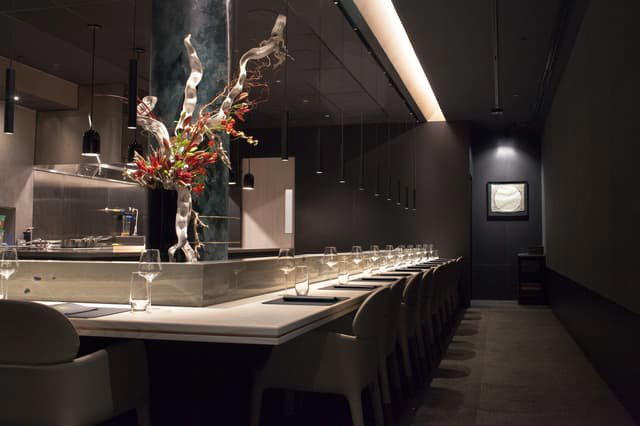
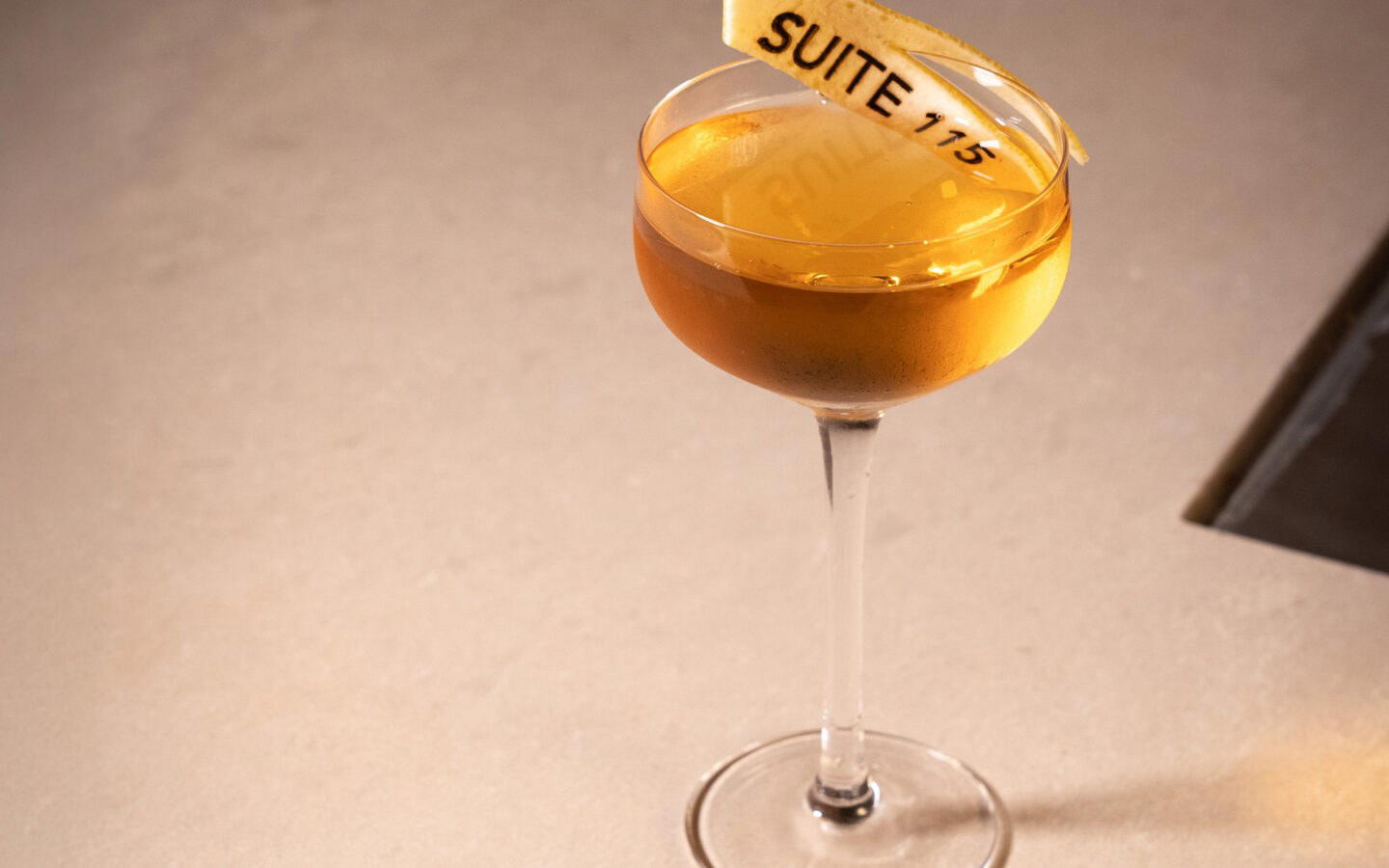
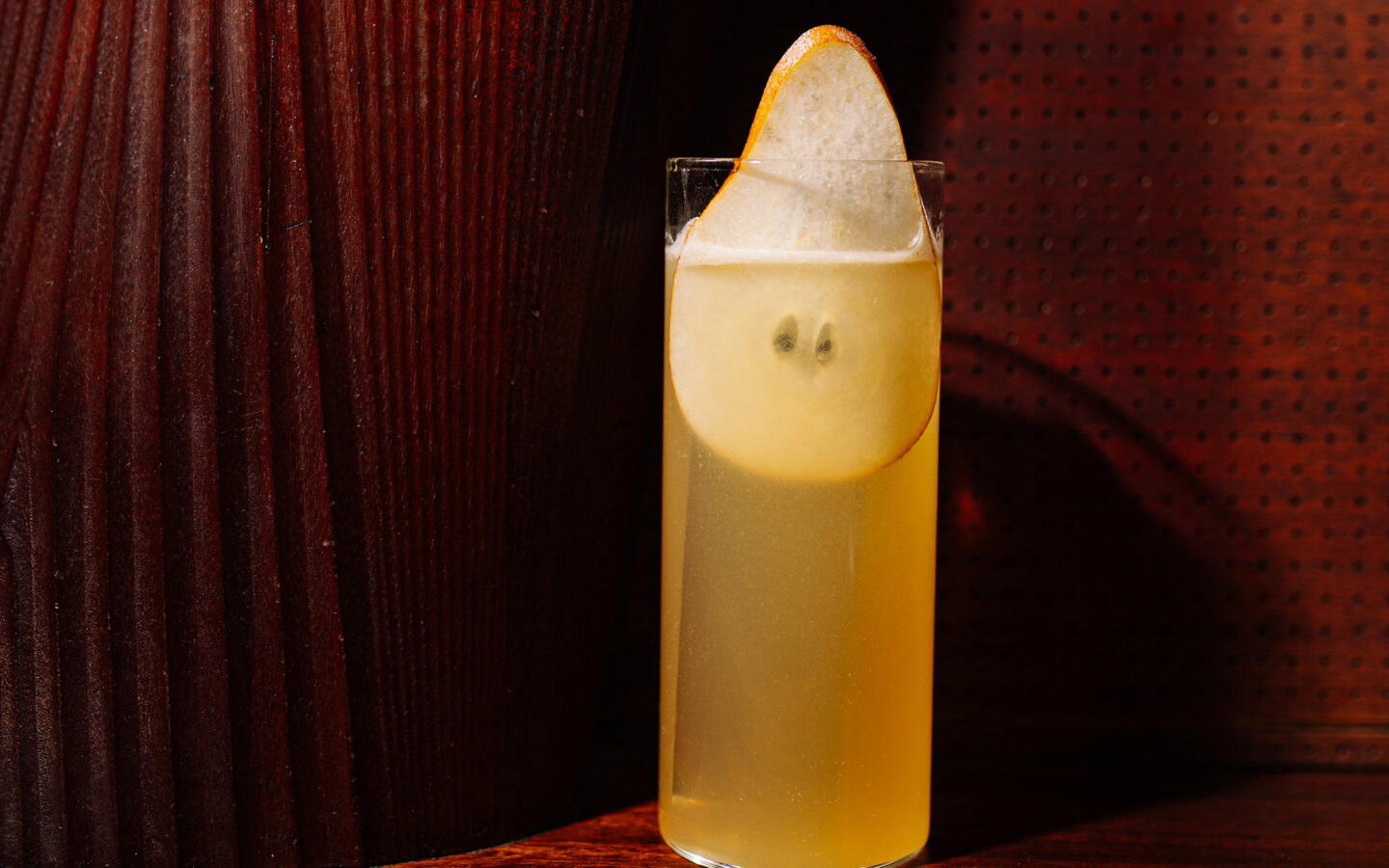
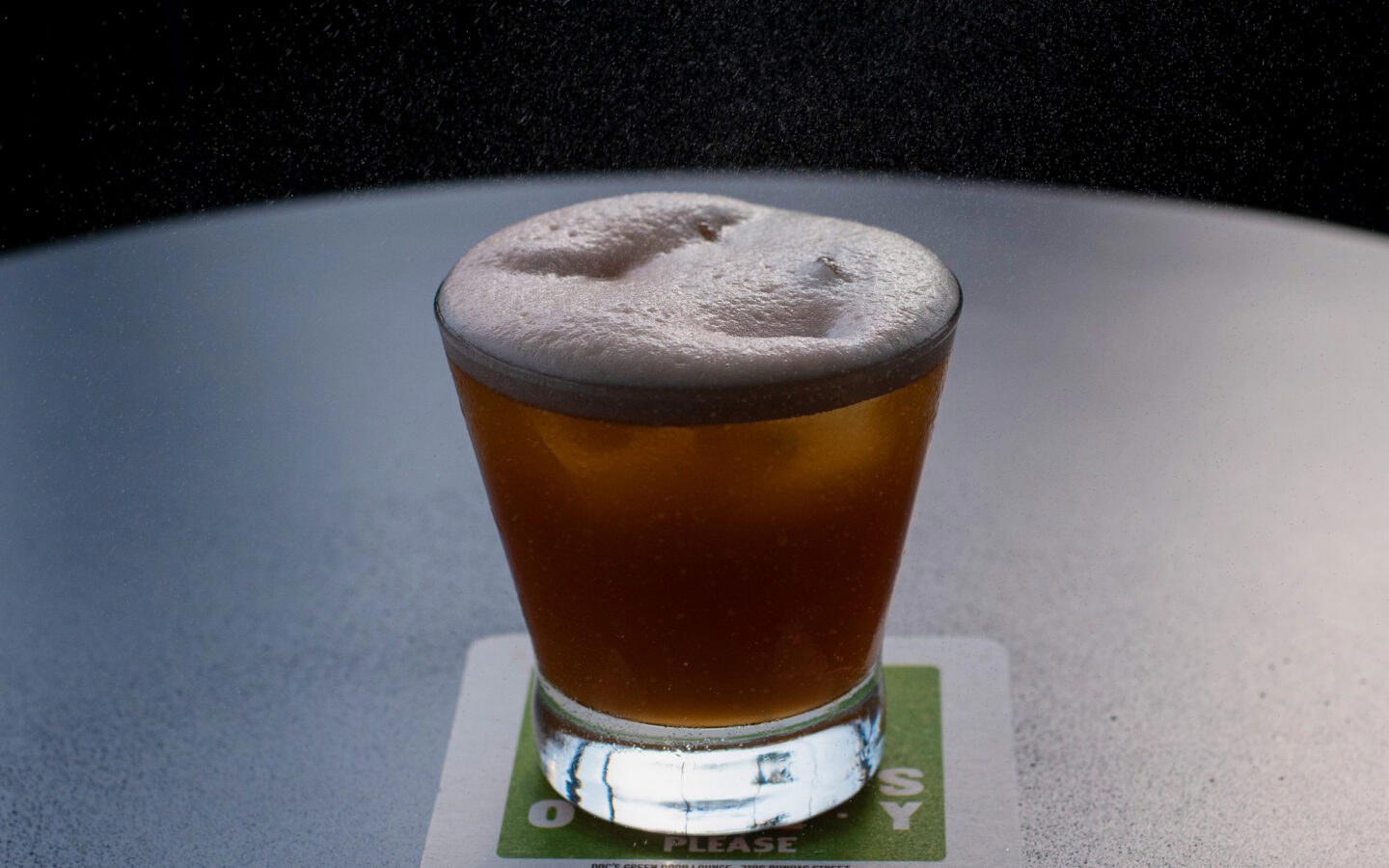
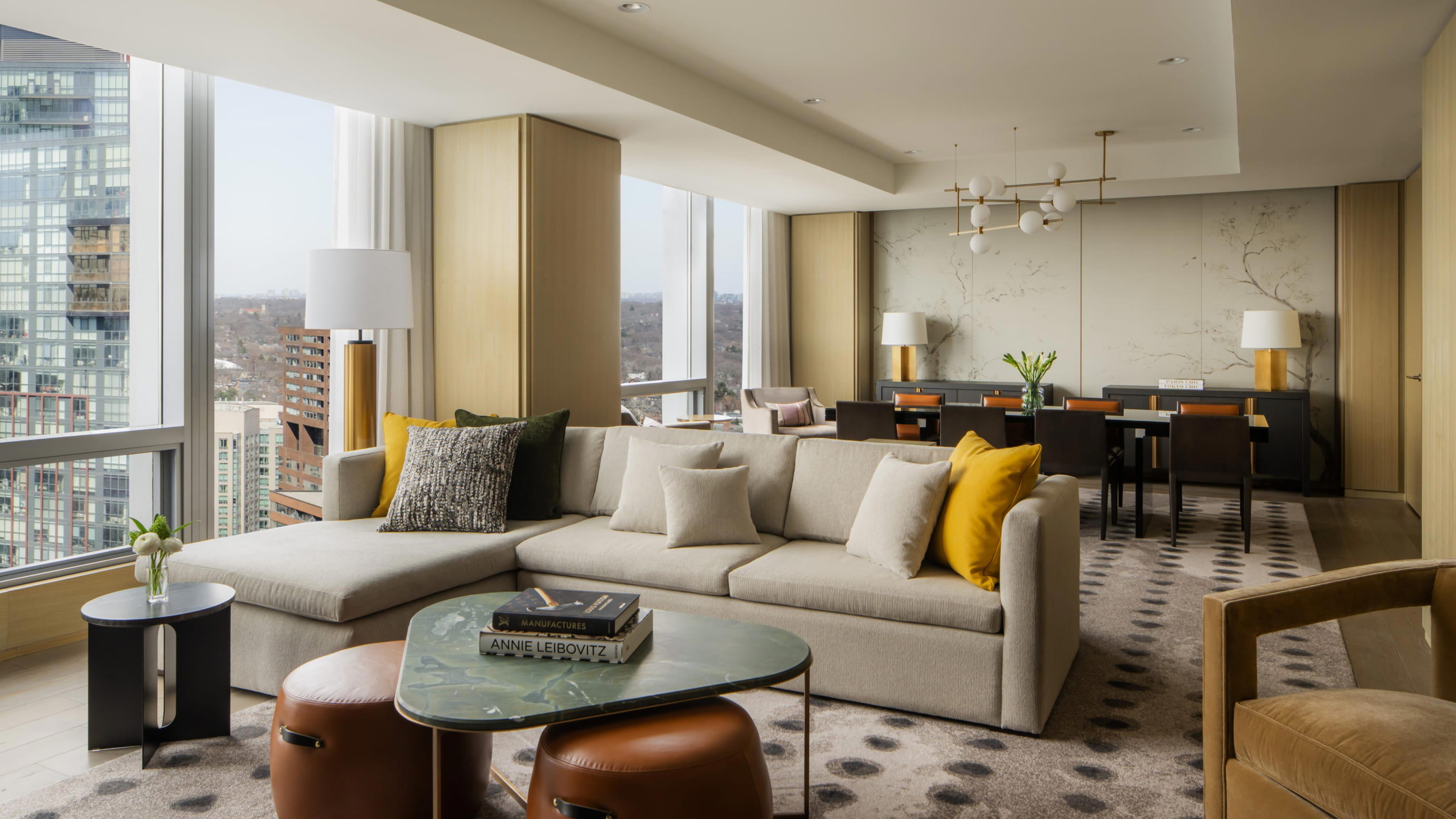
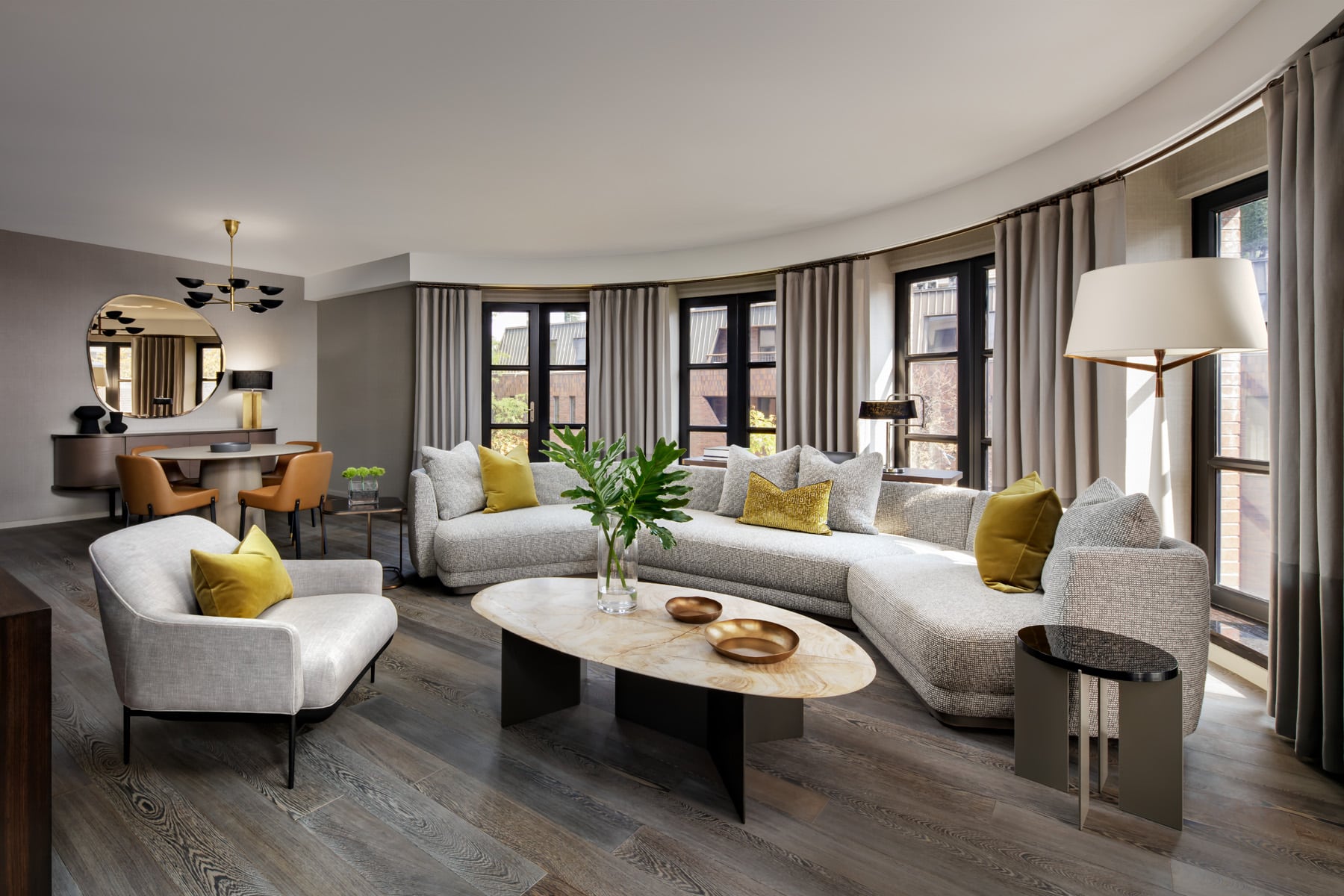
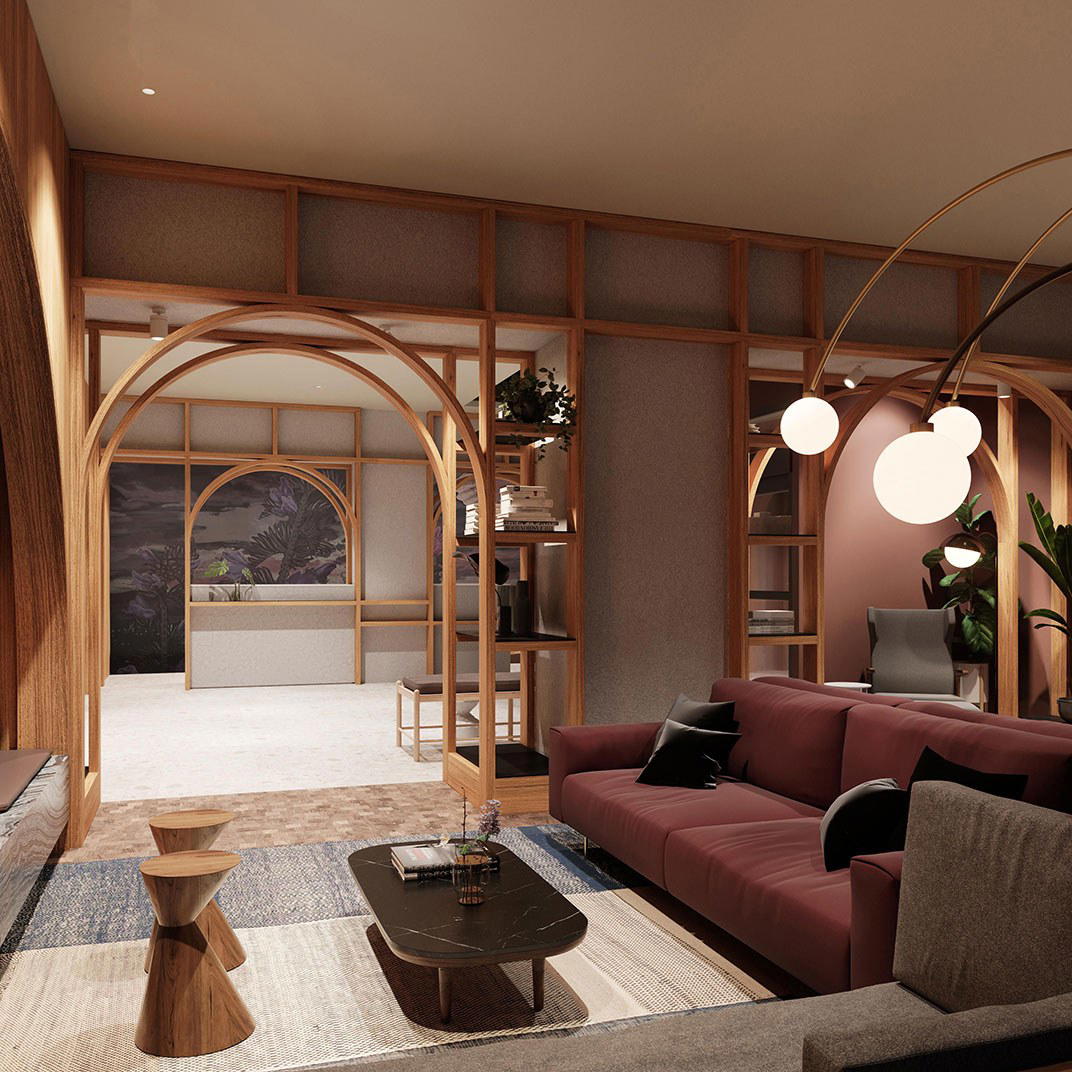
Bright, cozy environment with relaxing ambience, minimalistic elegant decor, and chic timeless Scandinavian look at the U-shaped sushi counter.