On Shelley Street in Central, Iberico & Co brings the Spanish tradition of Iberian cured meats and wine to Hong Kong's most competitive dining corridor. The address puts it squarely in a neighbourhood that runs from Franco-Japanese fine dining rooms down to neighbourhood tavernas, and the format, centred on ham, charcuterie, and the wines that accompany them, occupies a distinct tier in that mix. For those who know what to order, it rewards the kind of focused eating that Central does not always encourage.
- Address
- 18 Shelley St, Central, Hong Kong
- Phone
- +852 2752 8811
- Website
- enotecagroup.com
- Directions
- Get directions
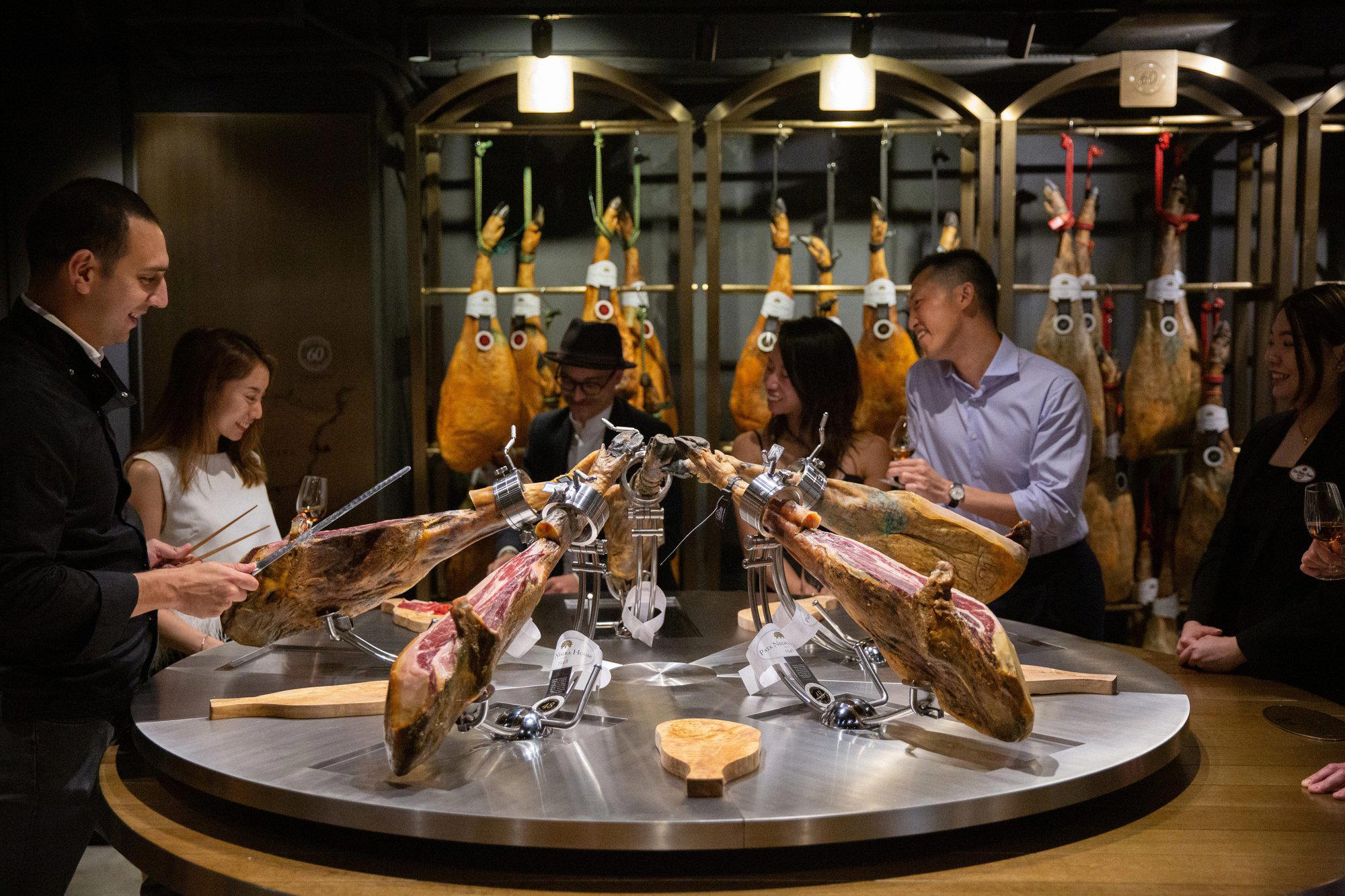
Shelley Street and the Case for Focused Eating
Shelley Street in Central climbs steeply enough that most visitors arrive slightly breathless, which is not a bad way to approach a meal built around salt-cured Iberian pork and a glass of something from the Spanish peninsula. The street sits at the edge of SoHo, where Central's financial-district density gives way to a denser, more eclectic run of restaurants, bars, and narrow shopfronts. It is a corridor that has long rewarded the restaurant that knows exactly what it is doing, rather than the one trying to be everything to everyone.
Iberico & Co occupies that logic. Permanently closed. In a city where the dining conversation is frequently dominated by French-leaning fine dining rooms, Amber and Caprice anchor one end of that spectrum, Ta Vie its Japanese-French variant, a venue whose identity is rooted in the Spanish tradition of ham, charcuterie, and the wines designed to accompany them represents a deliberate narrowing of focus. That narrowing is its editorial argument.
The Iberian Wine Tradition in Hong Kong Context
Spanish wine has spent the better part of two decades climbing out from under the shadow of French and Italian bottles in Asia. Hong Kong's wine culture, shaped partly by the removal of wine duties in 2008, initially leaned heavily toward Bordeaux and Burgundy, the reference points that wealthy collectors understood. Spanish wine entered that market as an alternative, often priced below its French competition but increasingly recognised for the depth that regions like Ribera del Duero, Priorat, and Rioja can produce at serious quality levels.
A venue anchored in Spanish charcuterie and ham has a natural relationship with that wine tradition. The fat structure of Iberian pork, particularly in the acorn-finished bellota category, has a textural logic with Tempranillo-based reds, where tannin and acidity cut through without erasing the meat's saline depth. Manzanilla and fino sherries, meanwhile, have long served as the canonical accompaniment to jamón in Andalucía, and the sherry category more broadly has been gaining traction among Hong Kong's more technically oriented wine drinkers over the past several years. A wine list that takes the full Spanish canon seriously, from Galician Albariño through to aged Riojan Reservas and the biologically aged finos of Jerez, would position Iberico & Co in a small comparable set in this city. For comparison, the heavily Italian wine programs at venues like 8½ Otto e Mezzo Bombana demonstrate that cuisine-matched wine curation has genuine traction in Hong Kong's upper-mid and premium dining tiers.
What the Format Implies About the Experience
The Spanish taberna model, counter seating, shared plates, ham sliced to order, wine by the glass or half-bottle, has proven durable in cities far from the Iberian peninsula precisely because it resists the formality that can make fine dining feel transactional. Hong Kong's restaurant culture has an appetite for both ends of that spectrum: the rigorously structured tasting menu (represented at the leading end by venues like Le Salon de Thé de Joël Robuchon) and the deliberately informal room where ordering follows curiosity rather than a fixed sequence.
A ham-focused venue in Central operates in that second register. The logic of Iberico dining is accumulative: you begin with something bright and acidic, move into the fat and salt of the ham itself, and the wine list functions as a guide through that progression rather than a separate category decision. This is a different kind of curation from the deep French cellar culture at a restaurant like AMMO, and it asks something different from the person choosing the bottles.
In cities where the Spanish charcuterie format has taken hold, Madrid, Barcelona, and increasingly London and New York, the wine-by-the-glass program tends to be the engine of the experience. It allows the kind of lateral exploration, moving between a young Verdejo and an aged Garnacha, that a bottle-only list forecloses. Whether the program at Iberico & Co is built on that model is worth investigating before booking, and the Shelley Street address places it within walking distance of Central's main dining cluster, making it a viable component of a longer evening across multiple addresses.
Central's Dining Corridor and Where This Fits
Central and Western as a district contains some of Hong Kong's most varied eating, from the Cantonese institutional cooking represented elsewhere in the city's tradition, Forum remains a reference point for that lineage, to newer addresses working across Latin American, Japanese-French, and European registers. The Shelley Street and SoHo micro-zone specifically tilts toward casual-to-mid-range European and Asian formats, which means Iberico & Co is competing less with the Michelin-weighted rooms of IFC and more with the neighbourhood's own internal logic of good produce handled without ceremony.
That positioning has a practical implication. Visitors to Hong Kong who want to experience the city's full dining range, from the formal rooms covered in our full Hong Kong restaurants guide to the less-documented addresses that reward local knowledge, will find that Central's informal tier offers some of its most argument-worthy meals. The Spanish charcuterie format, when executed at the level the produce demands, belongs in that conversation. For context on how the city handles informal formats at the other end of the geographic spectrum, addresses like Block 18 Doggie's Noodle in Yau Tsim Mong and Lei Garden in Sha Tin illustrate how deeply neighbourhood-specific Hong Kong's dining culture remains.
For international reference points, the discipline of format-focused wine curation evident at venues like Le Bernardin in New York or the produce-driven tasting structures at Lazy Bear in San Francisco reflects a broader global shift toward restaurants that commit fully to a lane and execute within it at the highest achievable level. Iberico & Co's premise belongs to that same category of conviction, applied to the Spanish ham and wine tradition rather than a tasting menu format.
Planning Your Visit
Iberico & Co sits at 18 Shelley Street in Central. The SoHo neighbourhood is at its most active in the early evening, when the after-work crowd moves through before the later dinner service fills the area's rooms. For a format built around grazing and wine, arriving before the peak window, rather than at it, generally produces better service conditions and more considered ordering. Reservations are recommended.
At-a-Glance Comparison
Comparable venues nearby, for context on price, style, and recognition.
| Venue | Cuisine | Price | Notes |
|---|---|---|---|
| Iberico & CoThis venue — the venue you are viewing | Spanish Tapas and Paella | $$$ | Not listed |
| Tapagria | Modern Spanish Tapas & Paella | $$$ | Yau Tsim Mong South |
| 22 Ships | Authentic Spanish Tapas | $$$ | Central |
| Somm | Sommelier-led French neo-bistro with extensive wines and sakes | $$$ | Central |
| The Peak Lookout | International Fusion with Asian & Western Influences | $$$ | Central |
| Nikutoieba Matsuda | Wagyu-Focused Japanese Kaiseki / Omakase | $$$ | Sheung Wan |
Continue exploring
More in Hong Kong
Restaurants in Hong Kong
Browse all →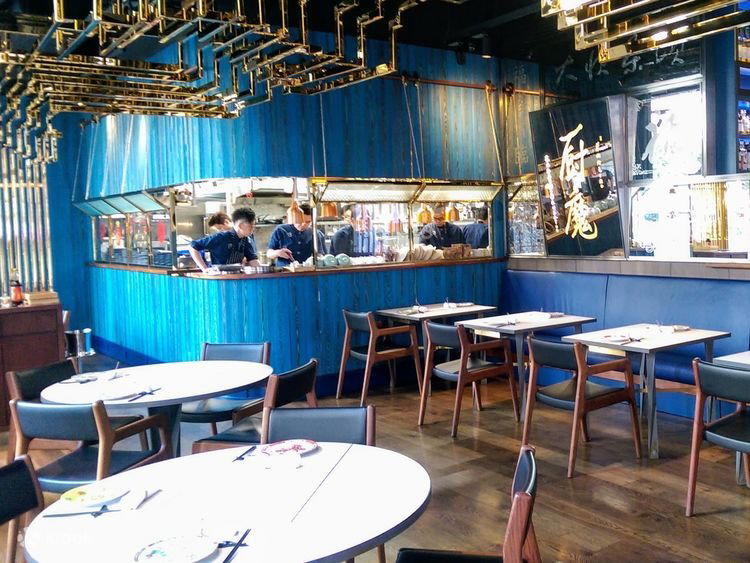
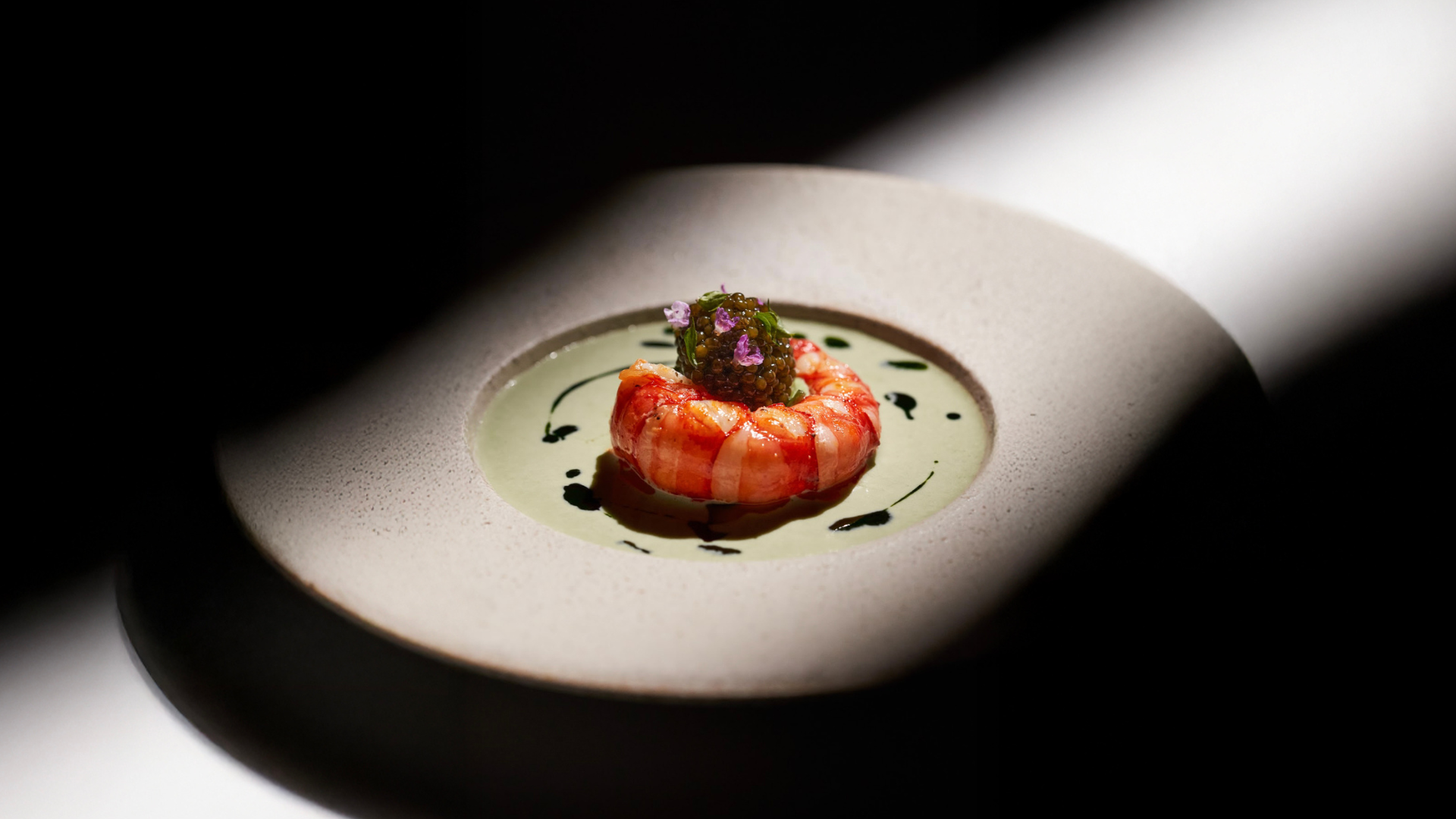
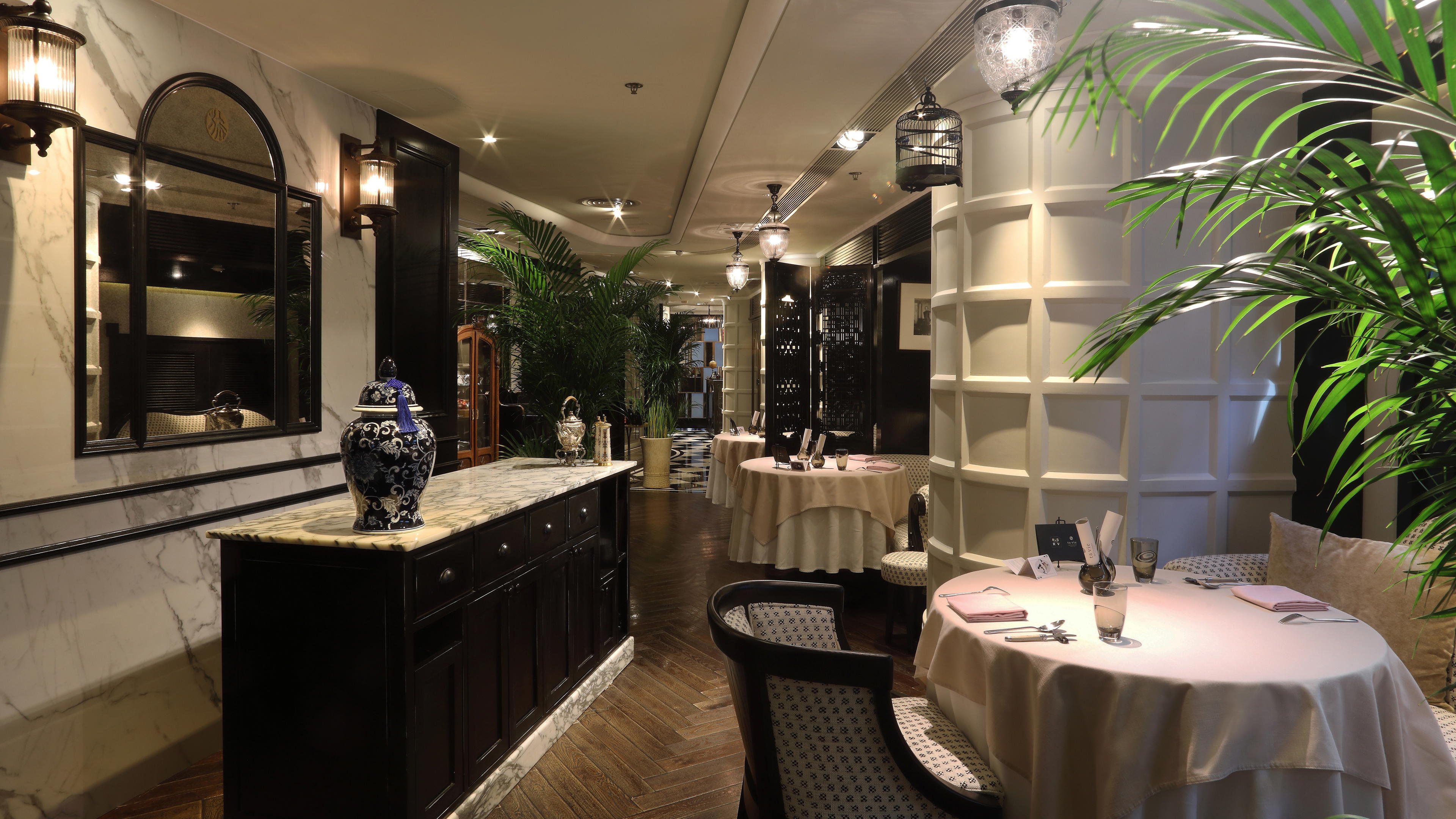
Bars in Hong Kong
Browse all →




At a Glance
- Lively
- Trendy
- Group Dining
- Casual Hangout
- Open Kitchen
- Extensive Wine List
Lively and inviting atmosphere with a Spanish vibe, adorned with aged Iberico hams and an open kitchen.